
THE 7 HABITS OF HIGHLY EFFECTIVE TEACHERSLEADERS Dr
THE 7 HABITS OF HIGHLY EFFECTIVE TEACHERS/LEADERS Dr. D. Ilangovan, Prof. of Commerce, Annamalai University, Annamalainagar-608002 Adopted from: Stephen R Covey
OBJECTIVES • • • What type of leadership is needed in today's environment? Defining what it means to be high impact Defining what it means to be transformational Examine a case study around transformational leadership The power of the Alliance network and its Resources General discussion on your leadership

HIGH IMPACT High Impact Nonprofit Organizations Demand High Impact leaders! So Are You One?
WHAT DOES IT MEAN TO BE ‘HIGH IMPACT’? It’s not what you do…it’s what you achieve • Is your community safer? • Are residents empowered, safe, and engaged? • Are children on pathways for success? • Do the people in the community have jobs? • Are we ending generational poverty or are we serving generations of families in crisis? • If the doors of your organization closed tomorrow—would it be missed? …and these results are lasting.
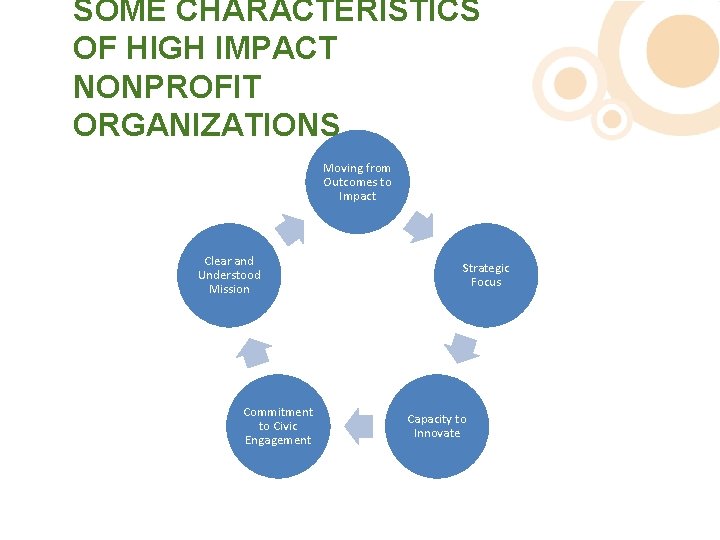
SOME CHARACTERISTICS OF HIGH IMPACT NONPROFIT ORGANIZATIONS Moving from Outcomes to Impact Clear and Understood Mission Commitment to Civic Engagement Strategic Focus Capacity to Innovate
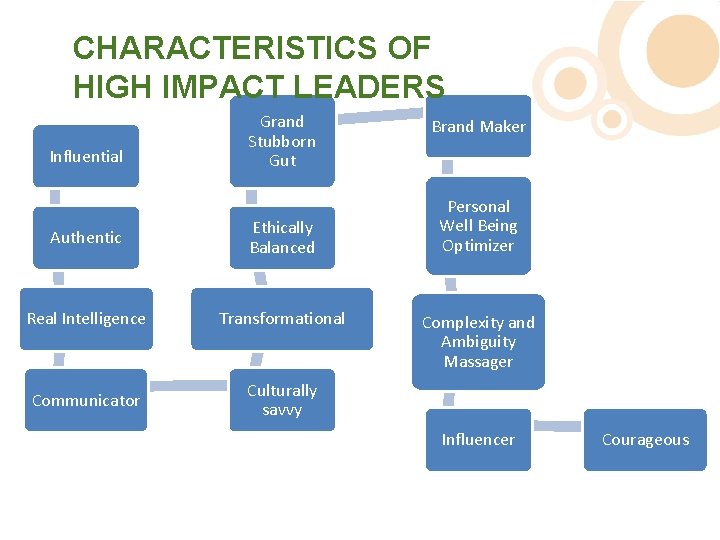
CHARACTERISTICS OF HIGH IMPACT LEADERS Influential Grand Stubborn Gut Authentic Ethically Balanced Real Intelligence Transformational Communicator Culturally savvy Brand Maker Personal Well Being Optimizer Complexity and Ambiguity Massager Influencer Courageous
HIGH IMPACT MEANS BEING TRANSFORMATIONAL
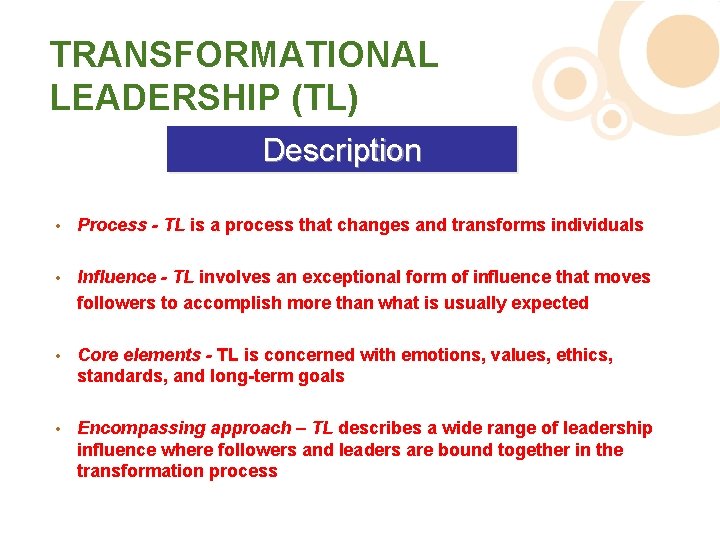
TRANSFORMATIONAL LEADERSHIP (TL) Description • Process - TL is a process that changes and transforms individuals • Influence - TL involves an exceptional form of influence that moves followers to accomplish more than what is usually expected • Core elements - TL is concerned with emotions, values, ethics, standards, and long-term goals • Encompassing approach – TL describes a wide range of leadership influence where followers and leaders are bound together in the transformation process
DISCUSSION 1. If you could be anything, what would you be? • 2. If you could do anything, what would you do? • 3. What is stopping you? If you could have any strength/quality in your character, which ones would you have? • What is stopping you?
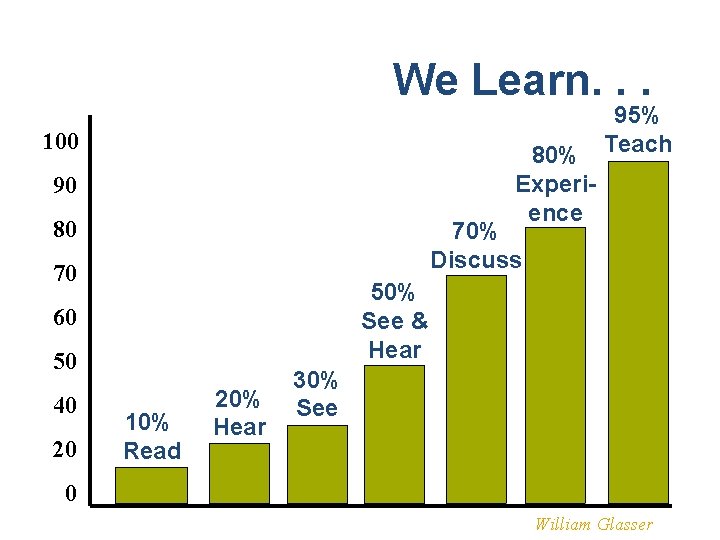
We Learn. . . 95% 80% Teach Experience 100 90 80 70% Discuss 70 50% See & Hear 60 50 40 20 10% Read 20% Hear 30% See 0 William Glasser
IT IS ALL IN YOUR THOUGHTS When all you own is a hammer, every problem starts looking like a nail Abraham Maslow I say: When you see everything as a nail, you beat yourself for not owning a hammer!

THE 7 HABITS 7 Sharpen saw Interdependence Understand Synergize 5 6 PUBLIC VICTORY Think win-win 4 Independence 1 st 3 things 1 st PRIVATE VICTORY 1 2 Be Proactive End in mind Dependence
THOUGHTS BECOME ACTIONS A man found an eagles egg and put it in the nest of a barnyard hen. The eagle hatched with the brute of chicks and grew up with them. All his life the eagle did what the barnyard chicks did, thinking he was a barnyard chicken. He scratched the earth for worms and insects, he clucked and cackled and thrashed his wings and would fly a few feet into the air. Years passed by and the eagle grew very old. One day he saw a magnificent bird above him in the cloudless sky. It glided in graceful majesty among the powerful wind currents. The old eagle looked up in awe ‘who is that? ’ he asked. ‘That’s the eagle, the king of the birds’ said his neighbour, ‘he belongs to the sky we belong to the earth, because we are chickens’. So the eagle lived and died a chicken, for that’s what he thought he was.
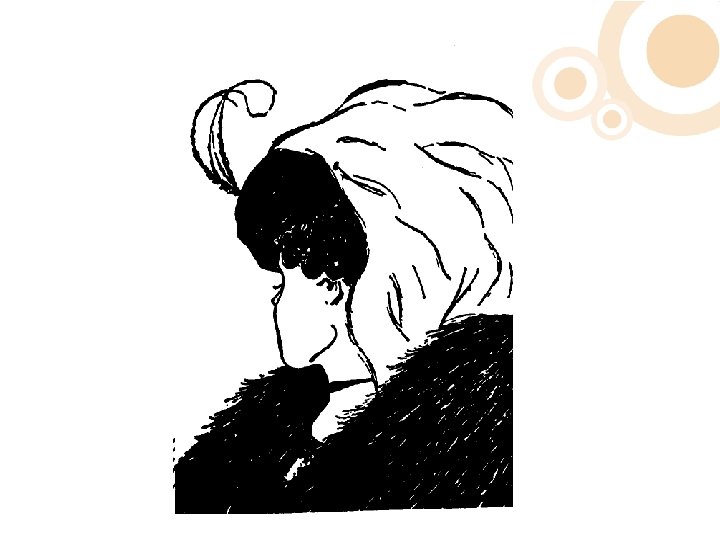
Every great breakthrough is a break WITH. If you want to make minor improvements, work on behavior and attitudes. If you want to make quantum improvements, work on paradigms. A paradigm is like a mental model, an assumption, or a map. “All people see the world, not as it is, but as they are” - Covey
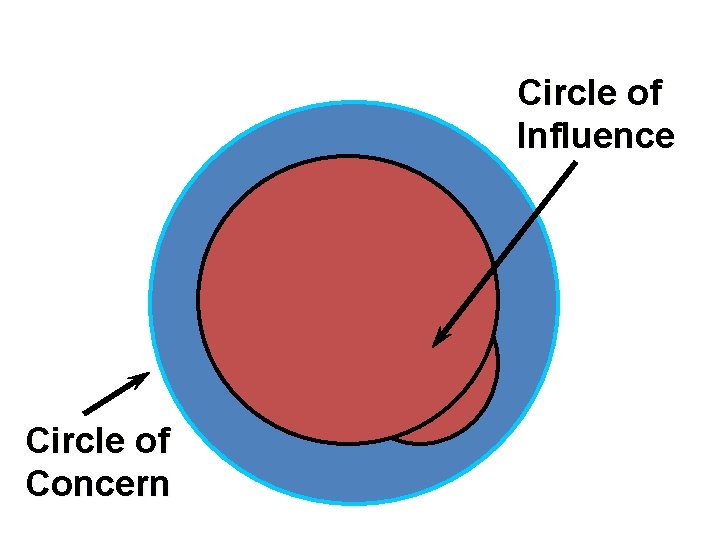
Circle of Influence Circle of Concern
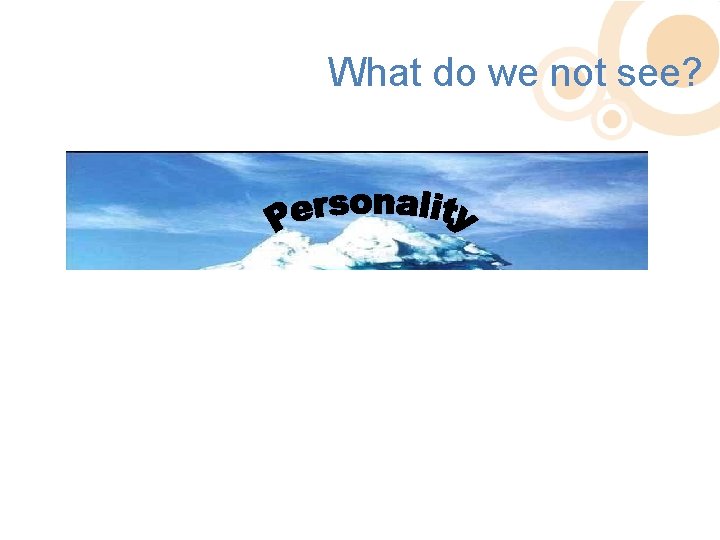
What do we not see?
Excellence is an art won by training and habituation. We are what we repeatedly do. Excellence, then, is not an act, but a habit Aristotle
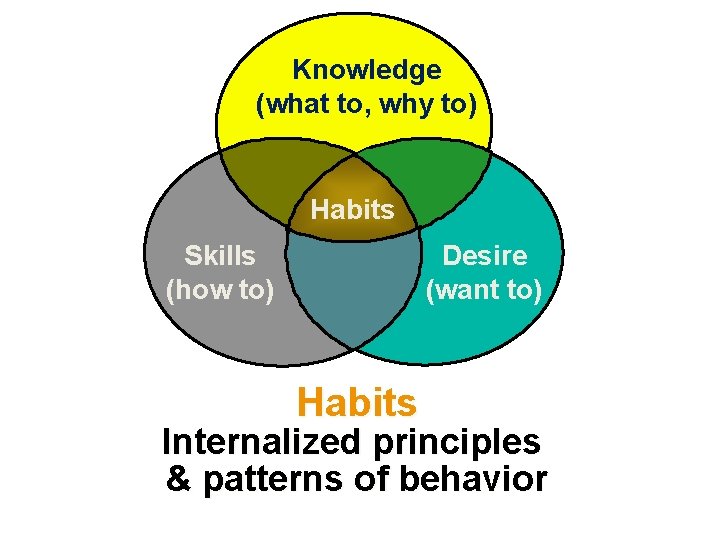
Knowledge (what to, why to) Habits Skills (how to) Desire (want to) Habits Internalized principles & patterns of behavior
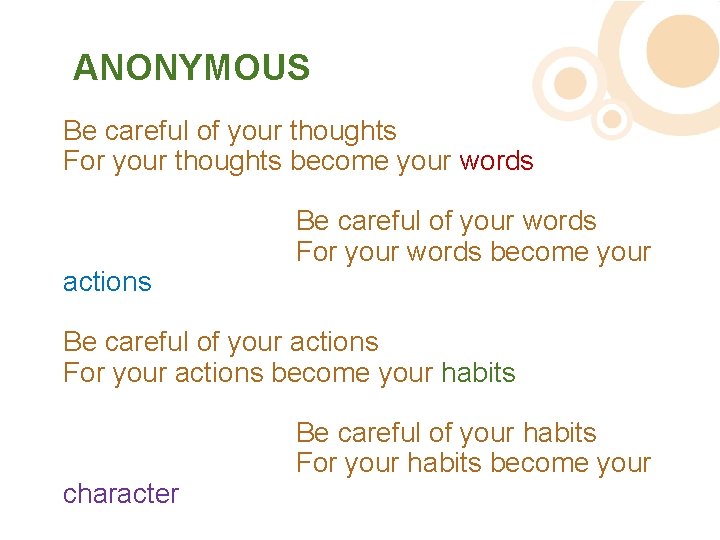
ANONYMOUS Be careful of your thoughts For your thoughts become your words actions Be careful of your words For your words become your Be careful of your actions For your actions become your habits character Be careful of your habits For your habits become your
HABIT 1 BE PROACTIVE Raise your hand if you have said 3 or more of the following: • • I cant I have to go I don’t know how He makes me so mad! There is nothing I can do She thinks I am not good at…. I cant control that class! I hate Mondays
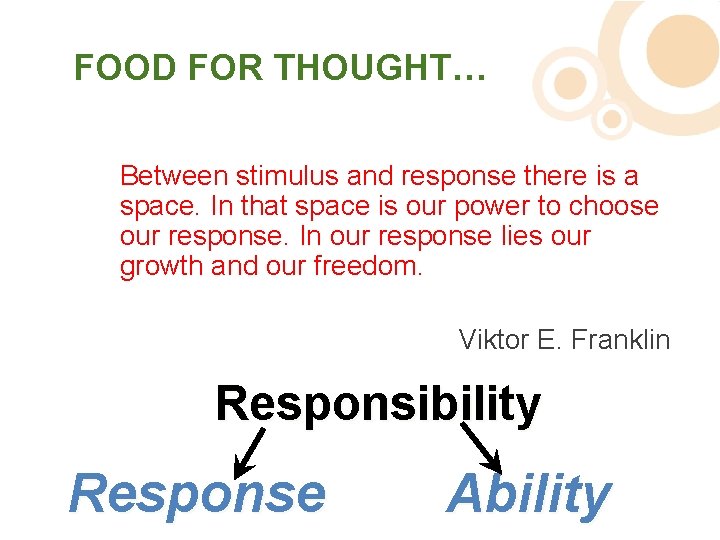
FOOD FOR THOUGHT… Between stimulus and response there is a space. In that space is our power to choose our response. In our response lies our growth and our freedom. Viktor E. Franklin Responsibility Response Ability
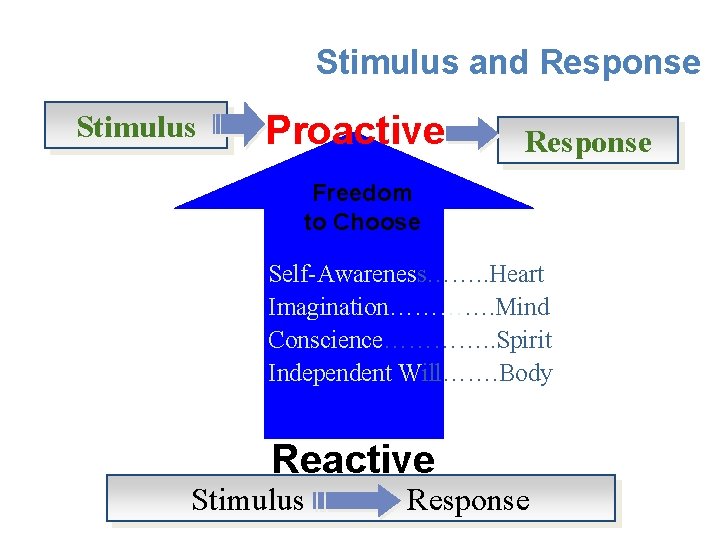
Stimulus and Response Stimulus Proactive Response Freedom to Choose Self-Awareness……. . Heart Imagination…………. Mind Conscience…………. . Spirit Independent Will……. Body Reactive Stimulus Response
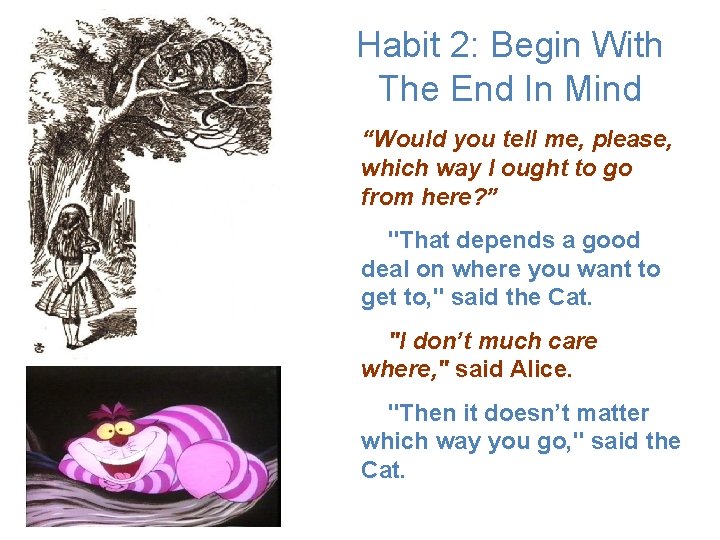
Habit 2: Begin With The End In Mind “Would you tell me, please, which way I ought to go from here? ” "That depends a good deal on where you want to get to, " said the Cat. "I don’t much care where, " said Alice. "Then it doesn’t matter which way you go, " said the Cat.
MISSION STATEMENT Example "My mission is to champion others to grow personally, professionally, emotionally and spiritually by using my compassion, my unique perspective, and my belief in others' inherent goodness, integrity, and enormous potential. "
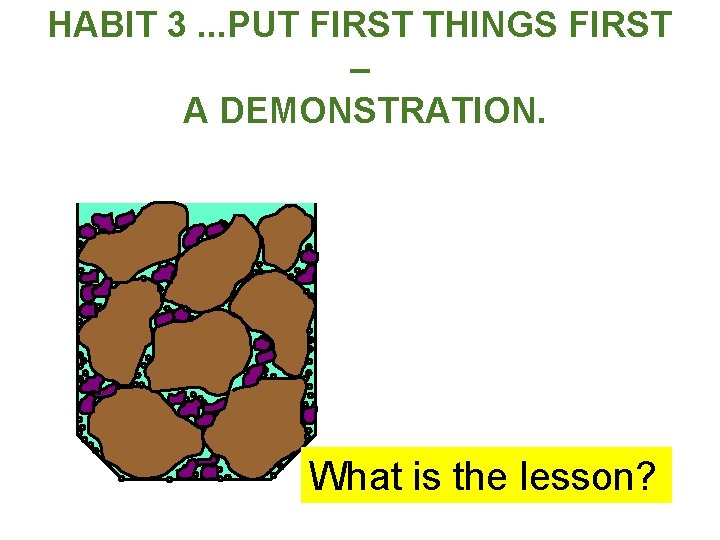
HABIT 3. . . PUT FIRST THINGS FIRST – A DEMONSTRATION. What is the lesson?
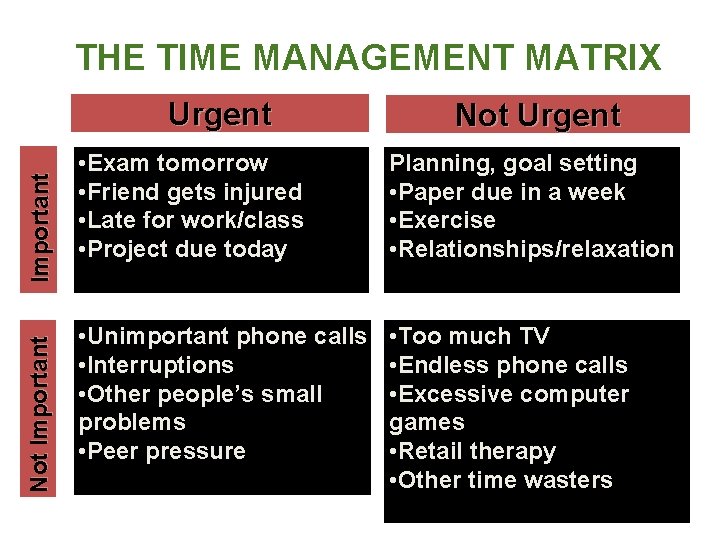
THE TIME MANAGEMENT MATRIX Not Important Urgent Not Urgent • Exam tomorrow • Friend gets injured • Late for work/class • Project due today Planning, goal setting • Paper due in a week • Exercise • Relationships/relaxation • Unimportant phone calls • Interruptions • Other people’s small problems • Peer pressure • Too much TV • Endless phone calls • Excessive computer games • Retail therapy • Other time wasters
SHORT TERM & LONG TERM GOALS • • What is the most productive thing that you can be doing with your time right now? What can you do in the next 10 minutes? What can you do today? What can you do this week? What can you do this month? What can you do this term? What can you do this year? What can you do in the next 10 years?
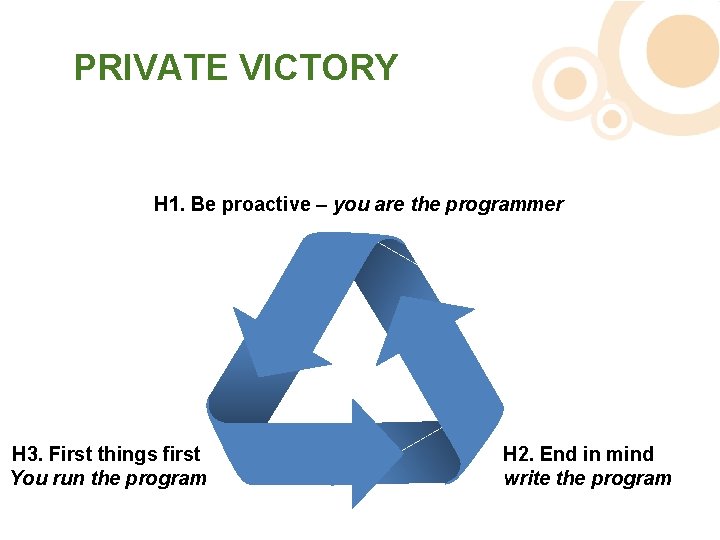
PRIVATE VICTORY H 1. Be proactive – you are the programmer H 3. First things first You run the program H 2. End in mind write the program
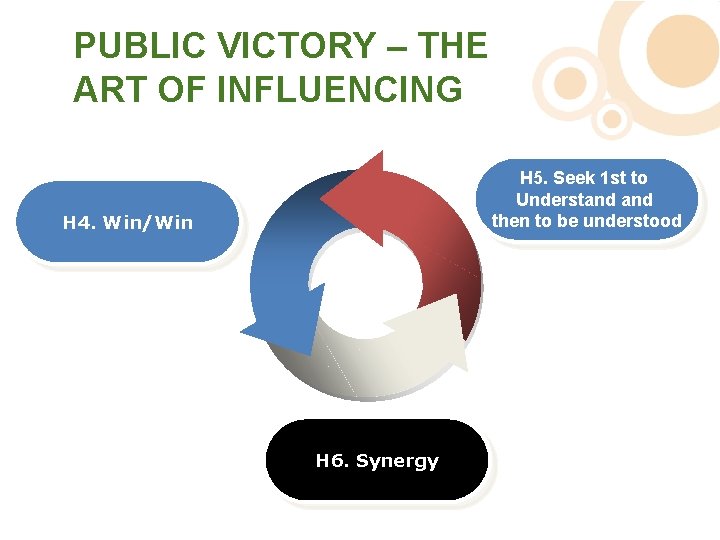
PUBLIC VICTORY – THE ART OF INFLUENCING H 5. Seek 1 st to Understand then to be understood H 4. Win/Win H 6. Synergy
ROLE PLAY H 4, 5 & 6 • Groups of 3: Supervisor, researcher and observer. • Parent -- teacher confrontation.
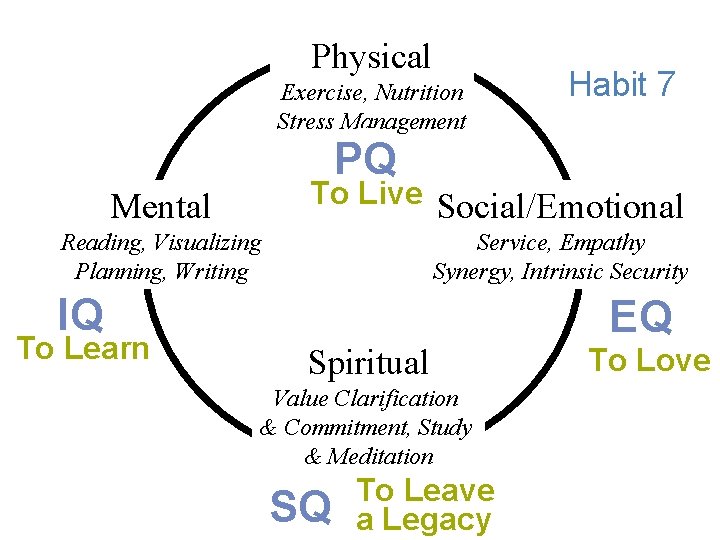
Physical Exercise, Nutrition Stress Management Habit 7 PQ To Live Social/Emotional Mental Reading, Visualizing Planning, Writing Service, Empathy Synergy, Intrinsic Security IQ To Learn EQ Spiritual Value Clarification & Commitment, Study & Meditation SQ To Leave a Legacy To Love
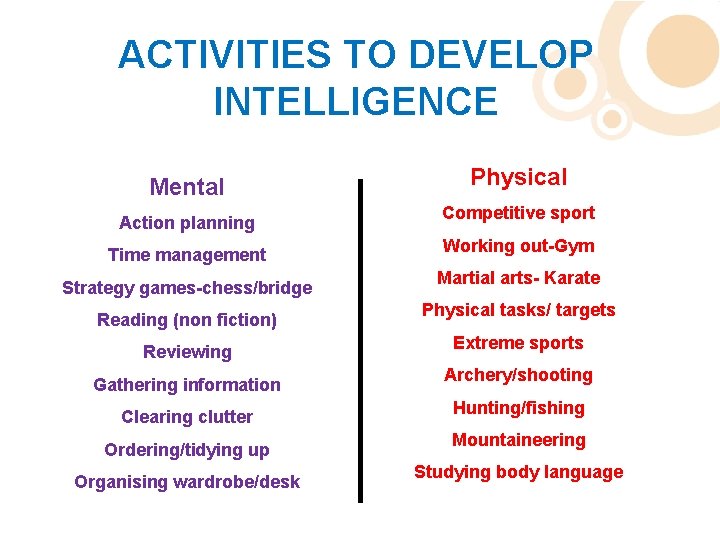
ACTIVITIES TO DEVELOP INTELLIGENCE Mental Action planning Time management Strategy games-chess/bridge Reading (non fiction) Reviewing Gathering information Clearing clutter Ordering/tidying up Organising wardrobe/desk Physical Competitive sport Working out-Gym Martial arts- Karate Physical tasks/ targets Extreme sports Archery/shooting Hunting/fishing Mountaineering Studying body language
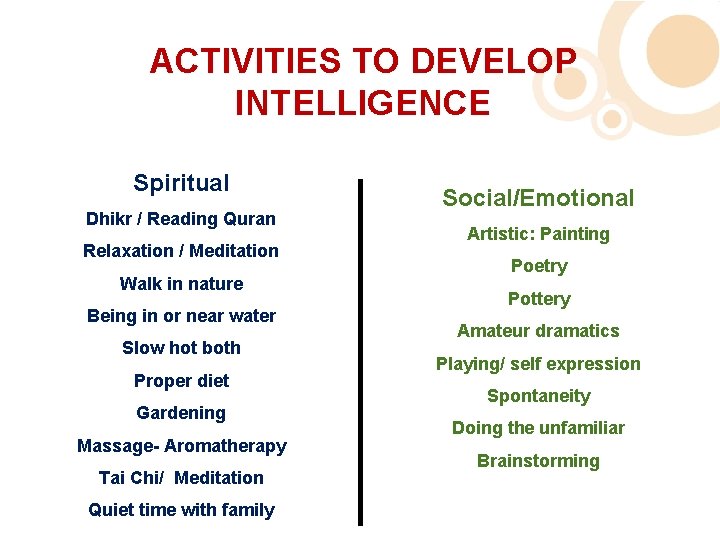
ACTIVITIES TO DEVELOP INTELLIGENCE Spiritual Dhikr / Reading Quran Relaxation / Meditation Walk in nature Being in or near water Slow hot both Proper diet Gardening Massage- Aromatherapy Tai Chi/ Meditation Quiet time with family Social/Emotional Artistic: Painting Poetry Pottery Amateur dramatics Playing/ self expression Spontaneity Doing the unfamiliar Brainstorming
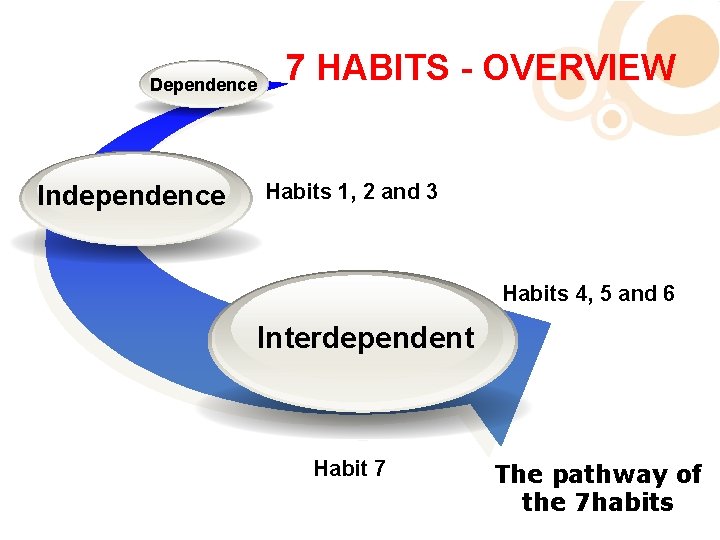
Dependence Independence 7 HABITS - OVERVIEW Habits 1, 2 and 3 Habits 4, 5 and 6 Interdependent Habit 7 The pathway of the 7 habits
QUESTIONS & DISCUSSION THANK YOU ALL
- Slides: 36