
The 1905 Russian Revolution Ms Susan M Pojer
![Nicholas II: The Last Romanov Tsar [r. 1894 -1917]](https://slidetodoc.com/presentation_image_h/8cec7b0c19308cc24d669c8a070e31b8/image-2.jpg "Nicholas II: The Last Romanov Tsar [r. 1894 -1917]")

![5. Russo-Japanese War [1904 -1905] The “Yellow Peril”](https://slidetodoc.com/presentation_image_h/8cec7b0c19308cc24d669c8a070e31b8/image-11.jpg "5. Russo-Japanese War [1904 -1905] The “Yellow Peril”")
![Russo-Japanese War [1904 -1905]](https://slidetodoc.com/presentation_image_h/8cec7b0c19308cc24d669c8a070e31b8/image-12.jpg "Russo-Japanese War [1904 -1905]")
![Russo-Japanese War [1904 -1905]](https://slidetodoc.com/presentation_image_h/8cec7b0c19308cc24d669c8a070e31b8/image-13.jpg "Russo-Japanese War [1904 -1905]")
![Treaty of Portsmouth [NH] - 1905 President Theodore Roosevelt Acts as the Peacemaker [He](https://slidetodoc.com/presentation_image_h/8cec7b0c19308cc24d669c8a070e31b8/image-16.jpg "Treaty of Portsmouth [NH] - 1905 President Theodore Roosevelt Acts as the Peacemaker [He")
![7. The Battleship Potemkin Mutiny [June, 1905]](https://slidetodoc.com/presentation_image_h/8cec7b0c19308cc24d669c8a070e31b8/image-21.jpg "7. The Battleship Potemkin Mutiny [June, 1905]")

![The Russian Constitution of 1906 w Known as the Fundamental Laws [April 23, 1906].](https://slidetodoc.com/presentation_image_h/8cec7b0c19308cc24d669c8a070e31b8/image-25.jpg "The Russian Constitution of 1906 w Known as the Fundamental Laws [April 23, 1906].")
- Slides: 28
The 1905 Russian Revolution Ms. Susan M. Pojer Horace Greeley HS Chappaqua, NY
Nicholas II: The Last Romanov Tsar [r. 1894 -1917]
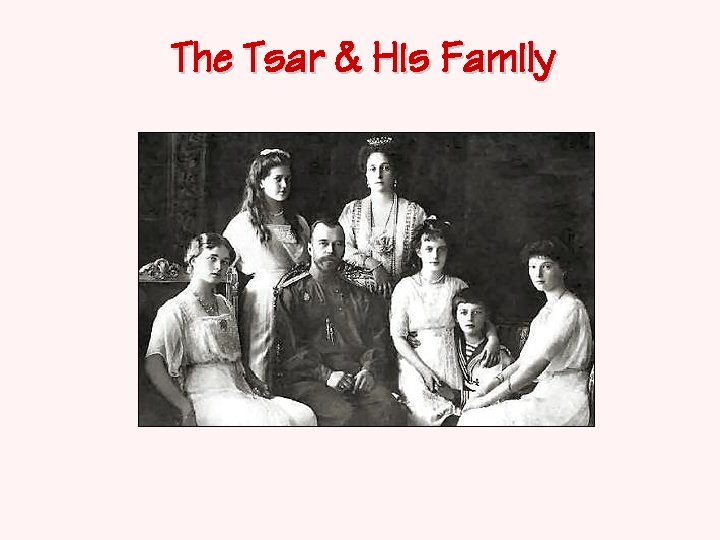
The Tsar & His Family
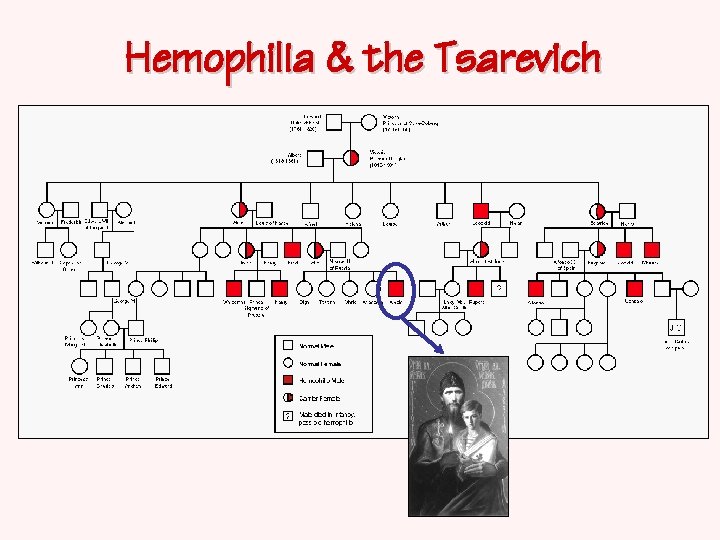
Hemophilia & the Tsarevich
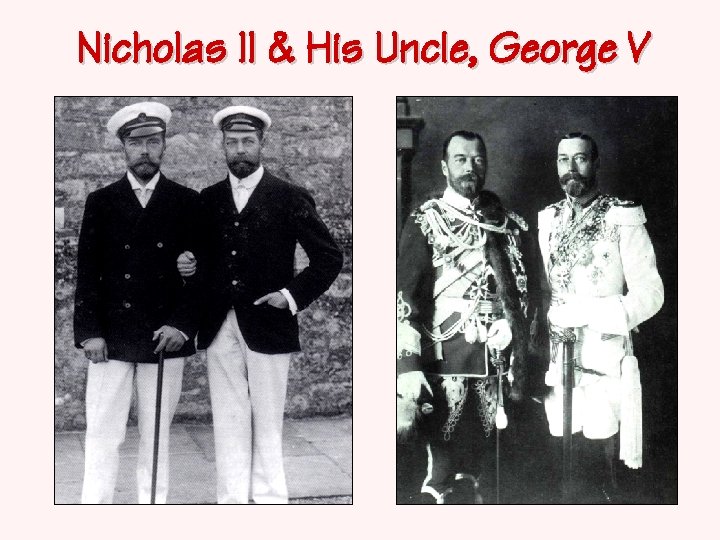
Nicholas II & His Uncle, George V
Causes
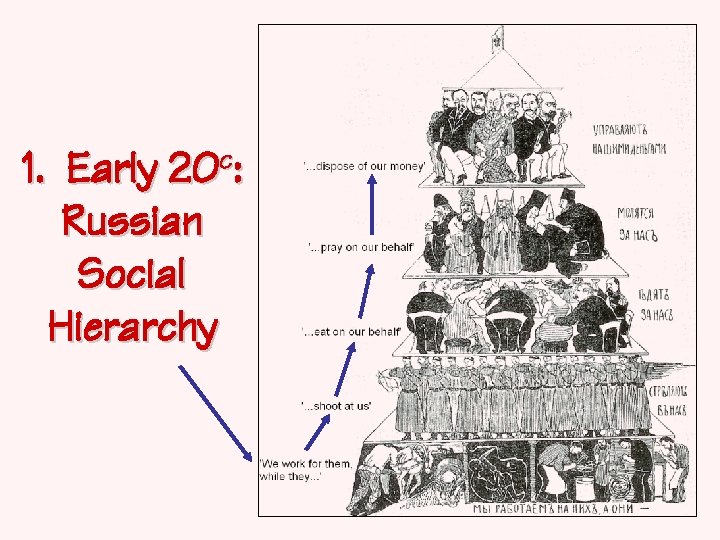
1. Early 20 c: Russian Social Hierarchy
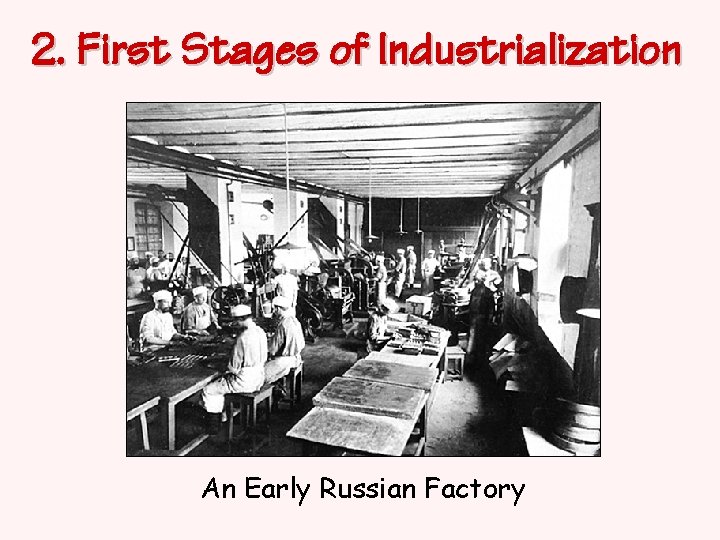
2. First Stages of Industrialization An Early Russian Factory
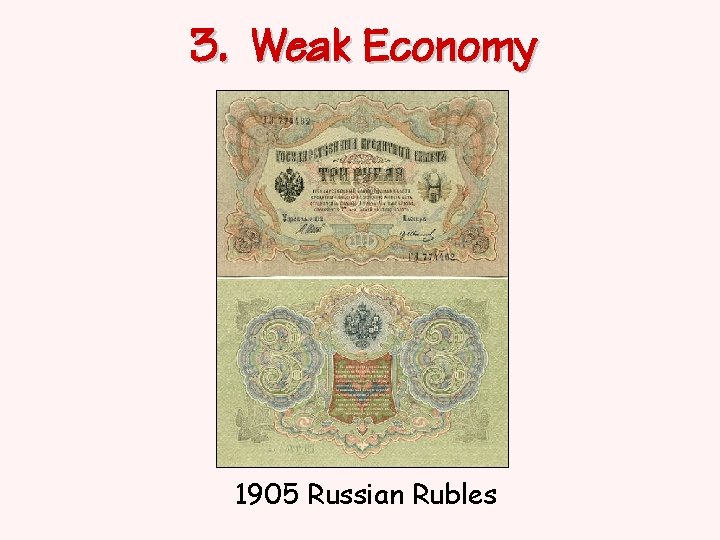
3. Weak Economy 1905 Russian Rubles
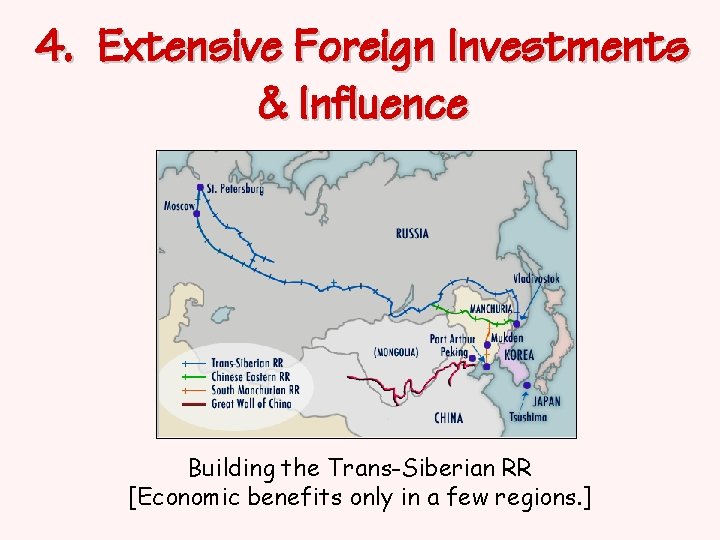
4. Extensive Foreign Investments & Influence Building the Trans-Siberian RR [Economic benefits only in a few regions. ]
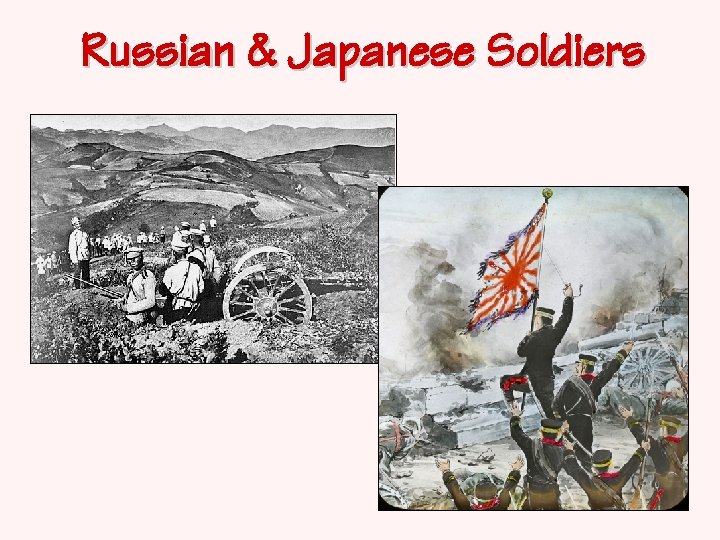
5. Russo-Japanese War [1904 -1905] The “Yellow Peril”
Russo-Japanese War [1904 -1905]
Russo-Japanese War [1904 -1905]
Russian & Japanese Soldiers
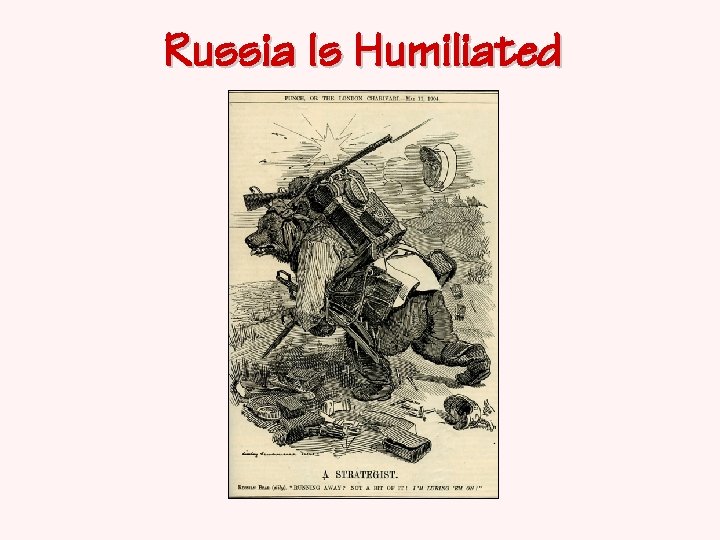
Russia Is Humiliated
Treaty of Portsmouth [NH] - 1905 President Theodore Roosevelt Acts as the Peacemaker [He gets the Nobel Peace Prize for his efforts. ]
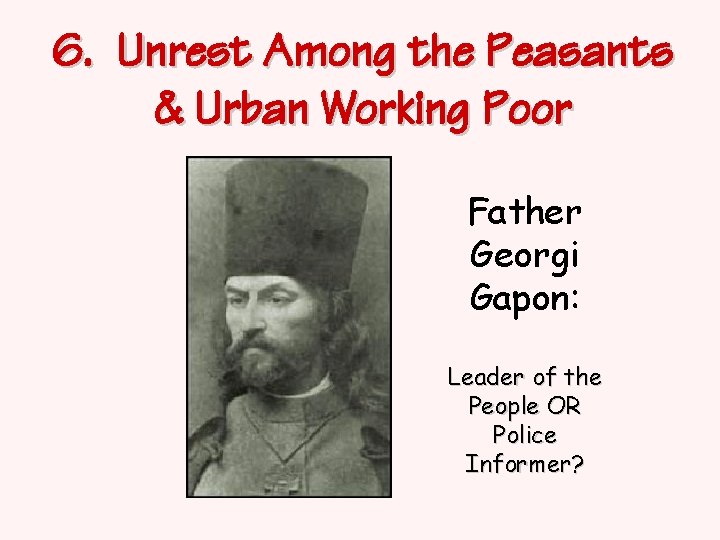
6. Unrest Among the Peasants & Urban Working Poor Father Georgi Gapon: Leader of the People OR Police Informer?
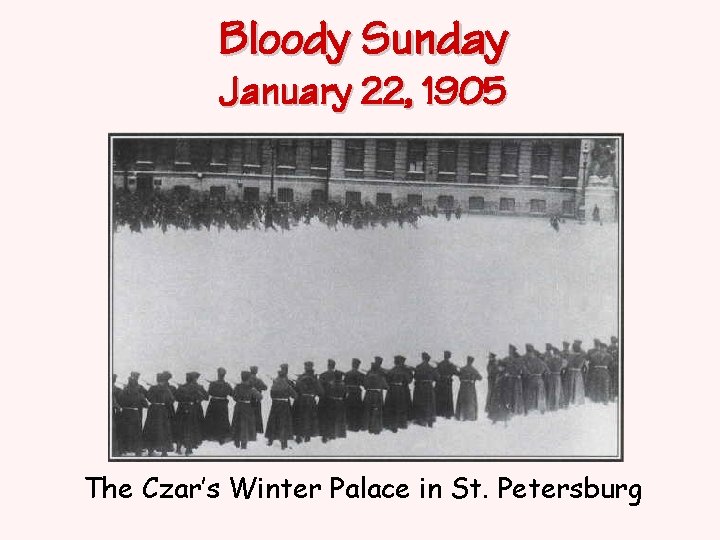
Bloody Sunday January 22, 1905 The Czar’s Winter Palace in St. Petersburg
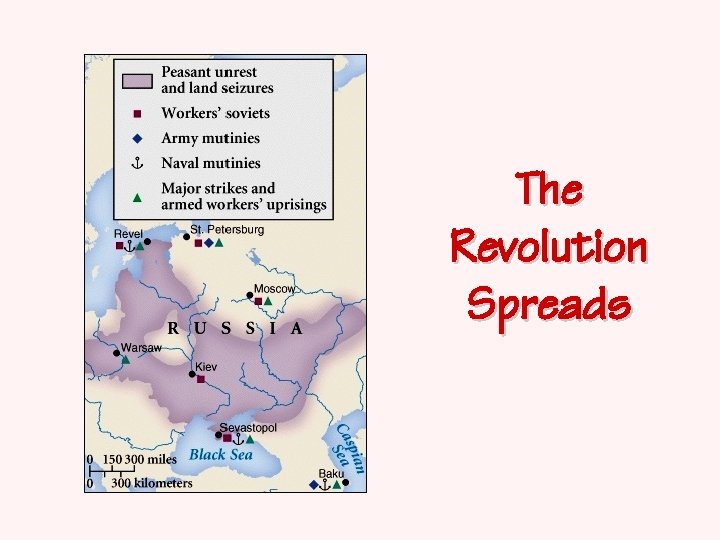
The Revolution Spreads
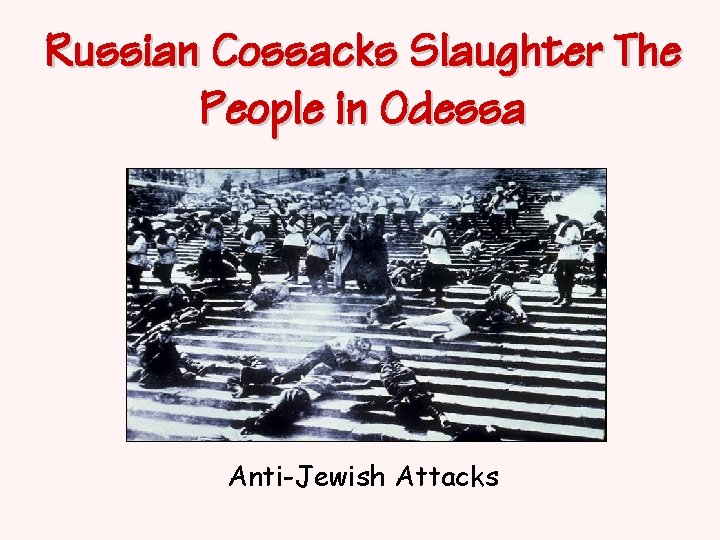
Russian Cossacks Slaughter The People in Odessa Anti-Jewish Attacks
7. The Battleship Potemkin Mutiny [June, 1905]
Results
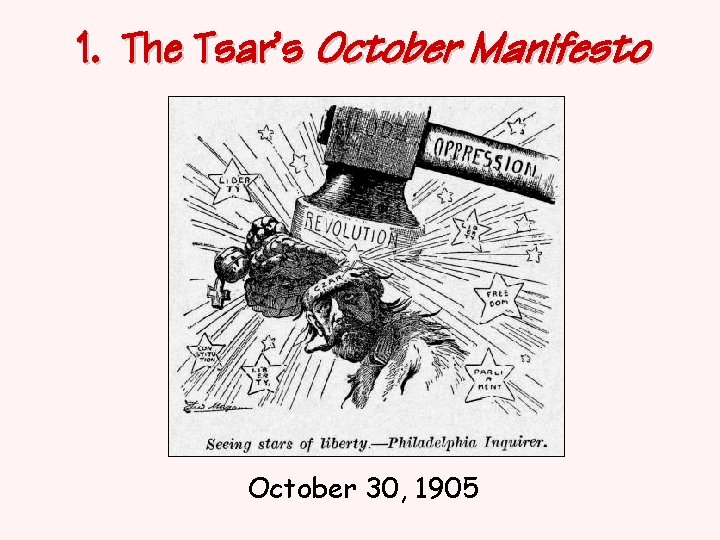
1. The Tsar’s October Manifesto October 30, 1905
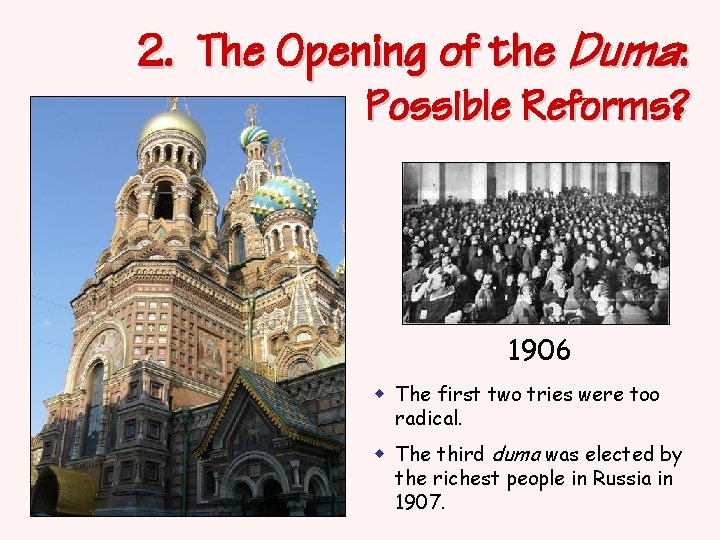
2. The Opening of the Duma: Possible Reforms? 1906 w The first two tries were too radical. w The third duma was elected by the richest people in Russia in 1907.
The Russian Constitution of 1906 w Known as the Fundamental Laws [April 23, 1906]. w The autocracy of the Russian Tsar was declared. w The Tsar was supreme over the law, the church, and the Duma. w It confirmed the basic human rights granted by the October Manifesto, BUT made them subordinate to the supremacy of the law.
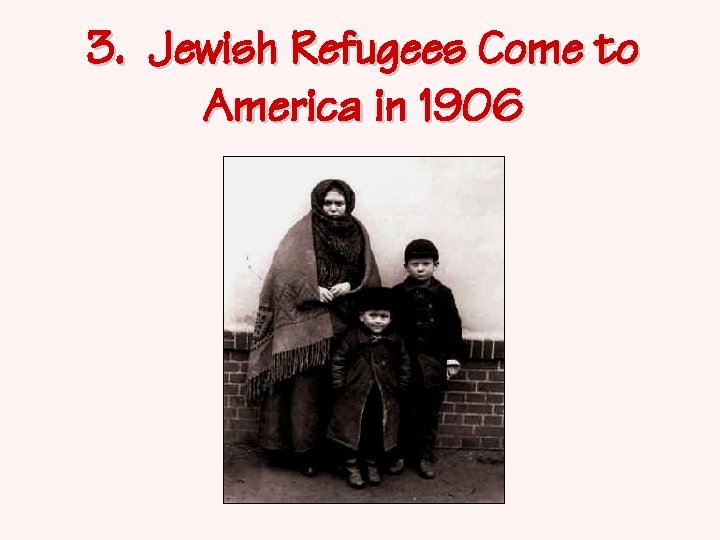
3. Jewish Refugees Come to America in 1906
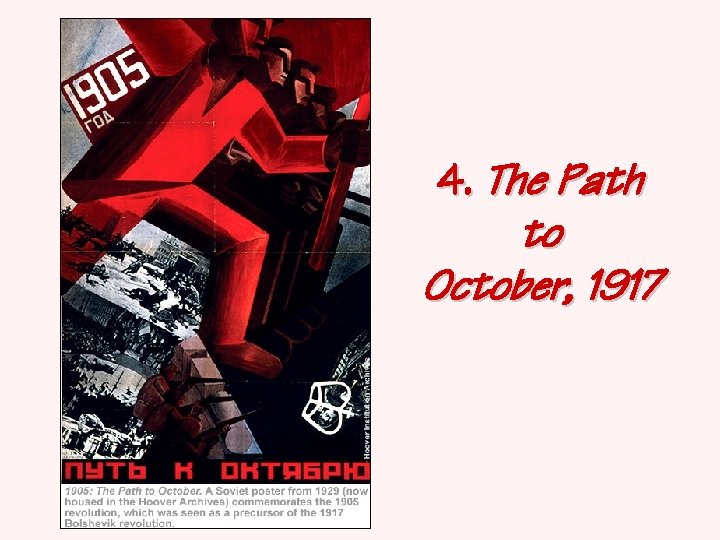
4. The Path to October, 1917
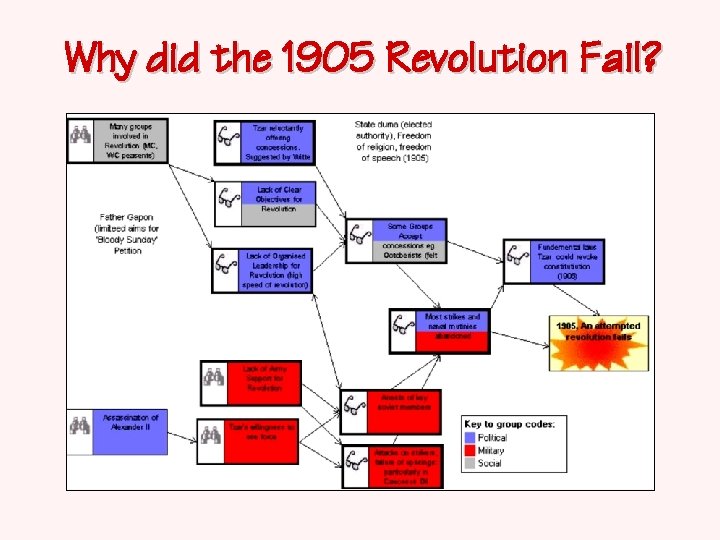
Why did the 1905 Revolution Fail?