
th 9 BIOLOGY The Immune System Nonspecific Immunity
th 9 BIOLOGY The Immune System
Non-specific Immunity • • Born with some immunity Helps prevent disease Helps slow disease progression First line of defense
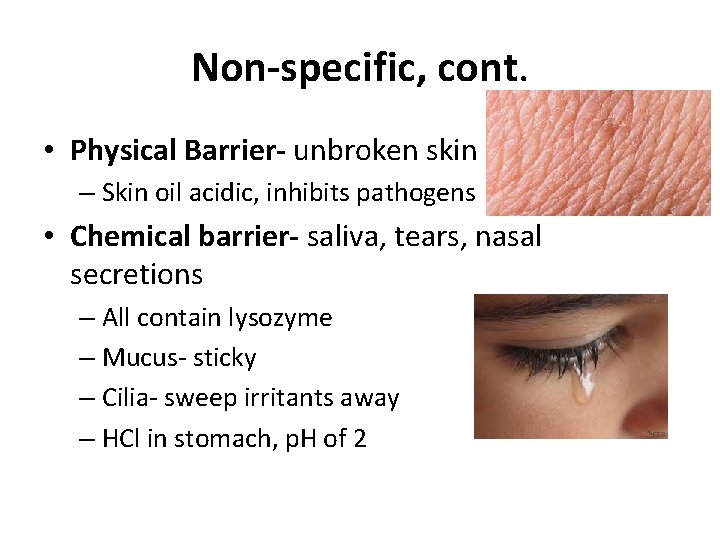
Non-specific, cont. • Physical Barrier- unbroken skin – Skin oil acidic, inhibits pathogens • Chemical barrier- saliva, tears, nasal secretions – All contain lysozyme – Mucus- sticky – Cilia- sweep irritants away – HCl in stomach, p. H of 2
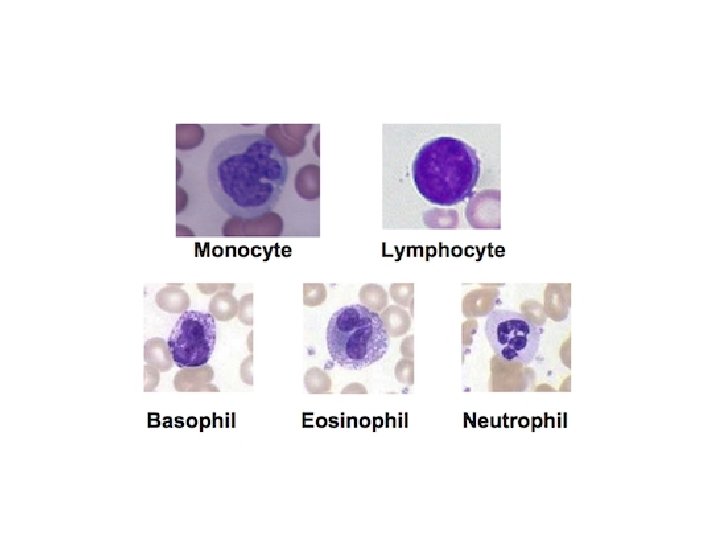
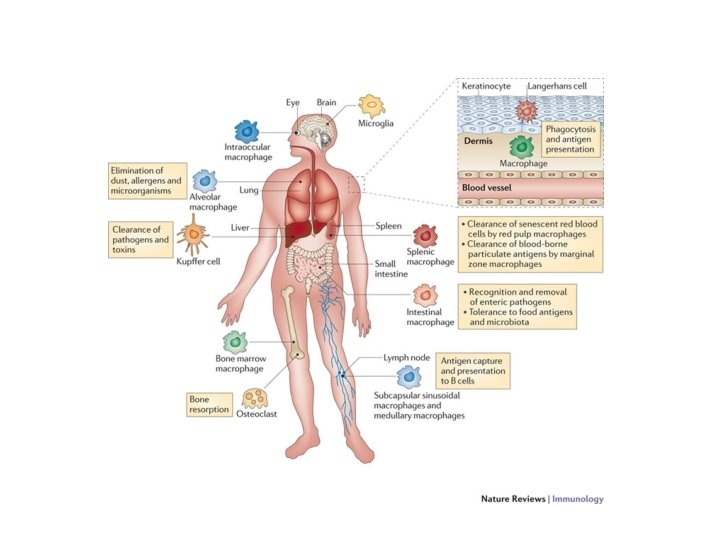
Non-Specific Response • Cellular defense- WBCs – Neutrophils, macrophages are phagocytic • Engulf and destroy antigen – Complement proteins- enhance phagocytic response • Interferon-secreted by virally infected cells – Binds to cells, produces antiviral proteins to prevent viral replication
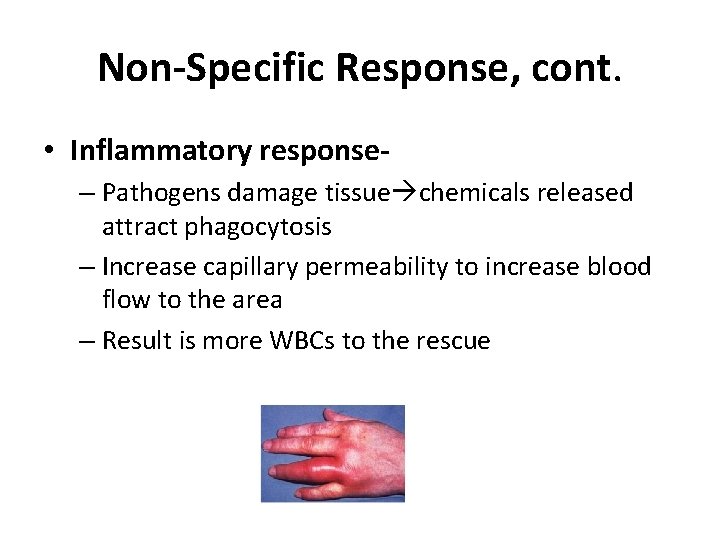
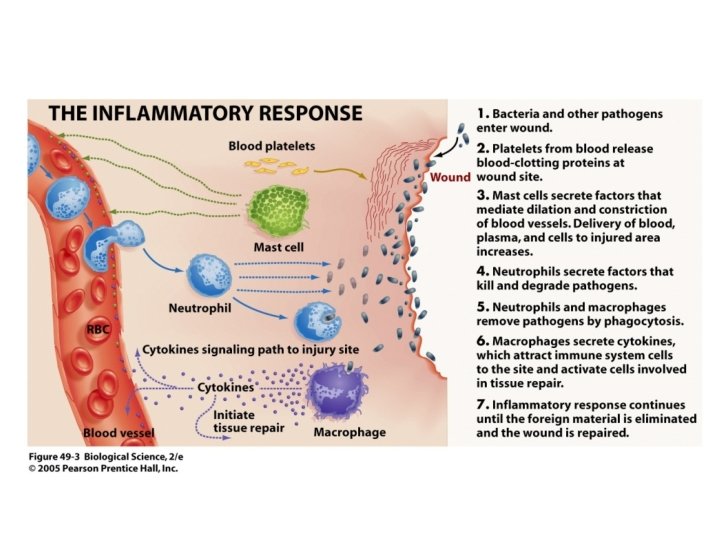
Non-Specific Response, cont. • Inflammatory response– Pathogens damage tissue chemicals released attract phagocytosis – Increase capillary permeability to increase blood flow to the area – Result is more WBCs to the rescue
Specific Immunity • Lymphatic System– Includes organs and cell that filter lymph – Lymph is tissue fluid that bathes body cells • Lymphatic Organs– Contain lymphatic tissue, lymphocytes, connective tissue – Lymphocytes- WBC produced in red bone marrow – Include: lymph nodes, tonsils, spleen, thymus
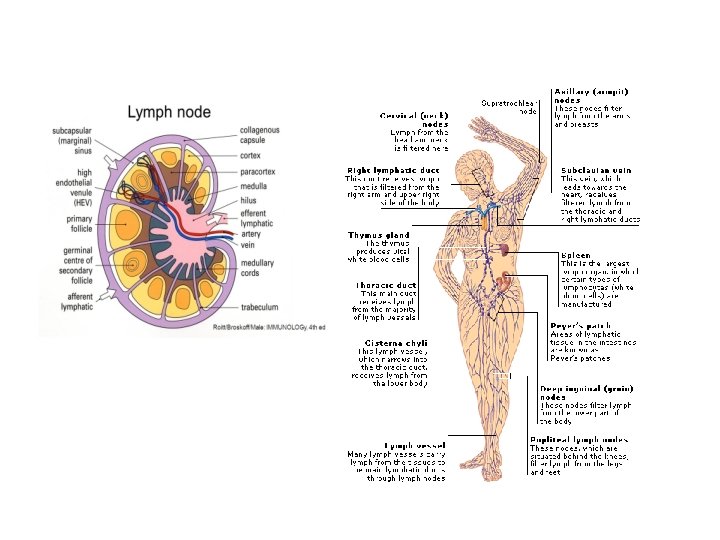
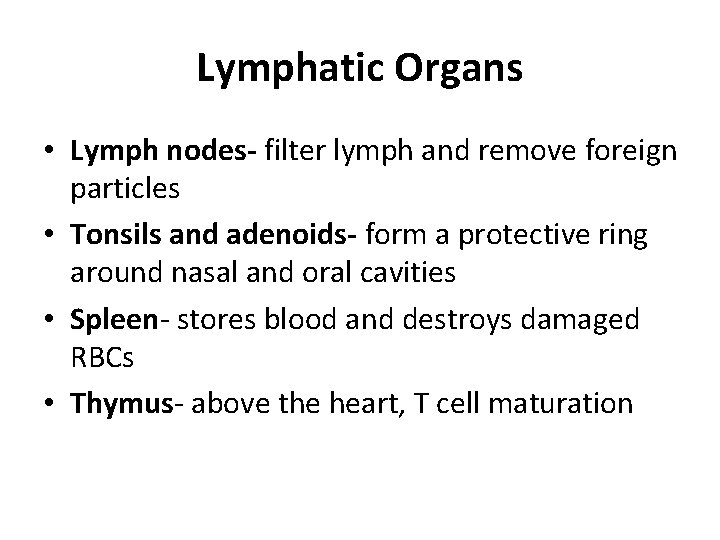
Lymphatic Organs • Lymph nodes- filter lymph and remove foreign particles • Tonsils and adenoids- form a protective ring around nasal and oral cavities • Spleen- stores blood and destroys damaged RBCs • Thymus- above the heart, T cell maturation
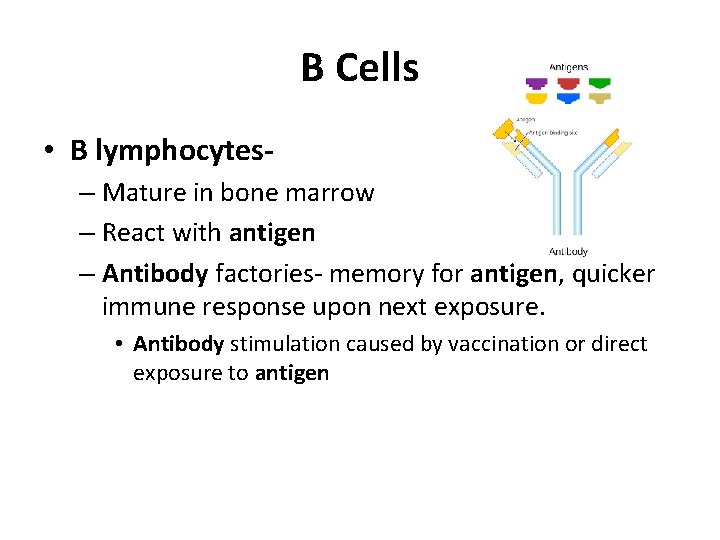
B Cells • B lymphocytes– Mature in bone marrow – React with antigen – Antibody factories- memory for antigen, quicker immune response upon next exposure. • Antibody stimulation caused by vaccination or direct exposure to antigen
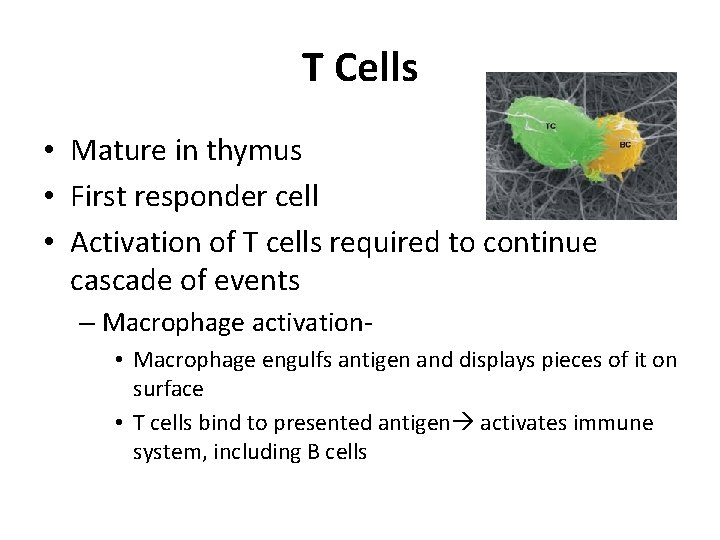
T Cells • Mature in thymus • First responder cell • Activation of T cells required to continue cascade of events – Macrophage activation • Macrophage engulfs antigen and displays pieces of it on surface • T cells bind to presented antigen activates immune system, including B cells
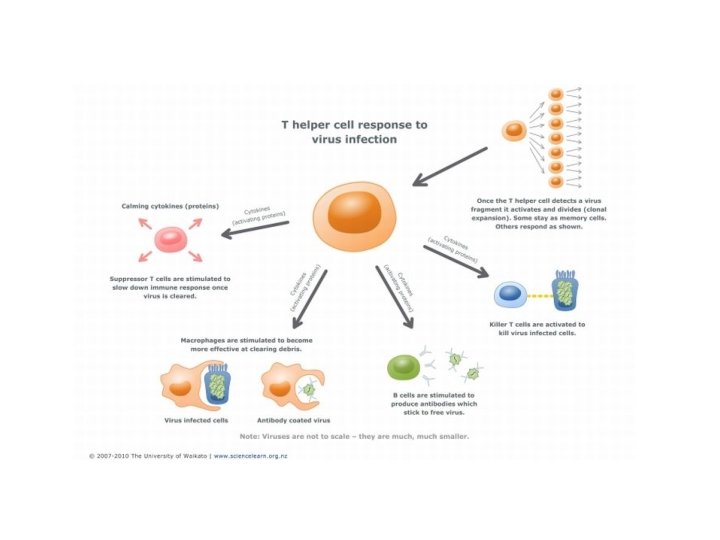
T Cell Response • Cytotoxic T cells- destroy pathogens and release cytokines • Cytokines stimulate other immune cells to react
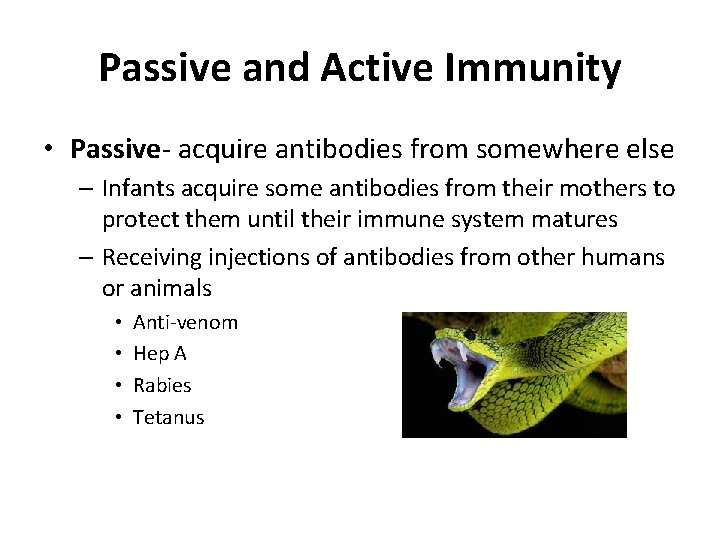
Passive and Active Immunity • Passive- acquire antibodies from somewhere else – Infants acquire some antibodies from their mothers to protect them until their immune system matures – Receiving injections of antibodies from other humans or animals • • Anti-venom Hep A Rabies Tetanus
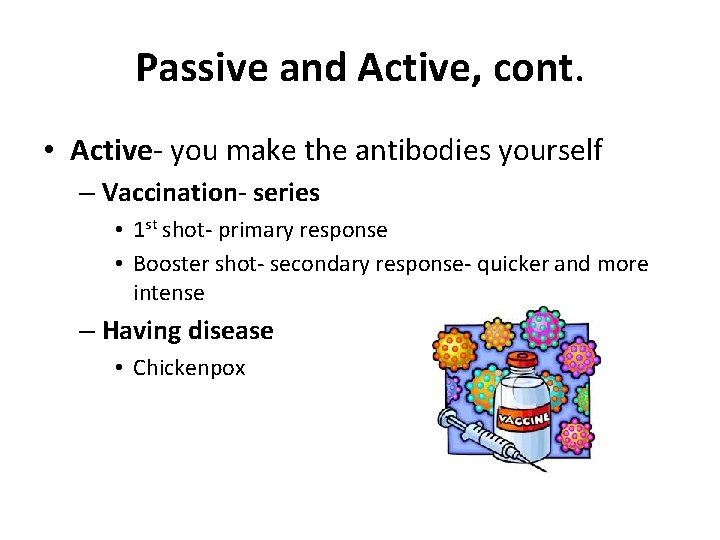
Passive and Active, cont. • Active- you make the antibodies yourself – Vaccination- series • 1 st shot- primary response • Booster shot- secondary response- quicker and more intense – Having disease • Chickenpox
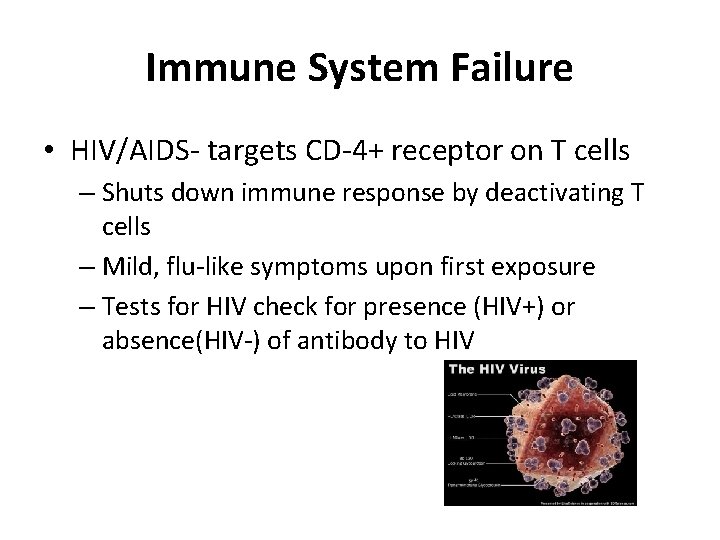
Immune System Failure • HIV/AIDS- targets CD-4+ receptor on T cells – Shuts down immune response by deactivating T cells – Mild, flu-like symptoms upon first exposure – Tests for HIV check for presence (HIV+) or absence(HIV-) of antibody to HIV
- Slides: 19