
th 7 Grade Curriculum Classification of Organisms Structure
- Slides: 54
th 7 Grade Curriculum – Classification of Organisms – Structure and Function of Cells – Systems in Living Things – Reproduction & Heredity – Evolution & Biodiversity – Living Things & Their Environment – Energy & Living Things – Changes in Ecosystems Over Time
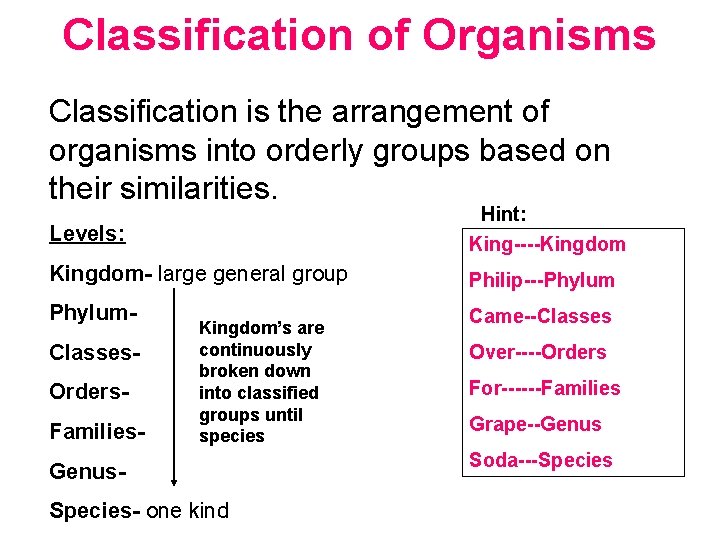
Classification of Organisms Classification is the arrangement of organisms into orderly groups based on their similarities. Levels: Hint: King----Kingdom- large general group Philip---Phylum- Came--Classes. Orders. Families- Kingdom’s are continuously broken down into classified groups until species Genus. Species- one kind Over----Orders For------Families Grape--Genus Soda---Species
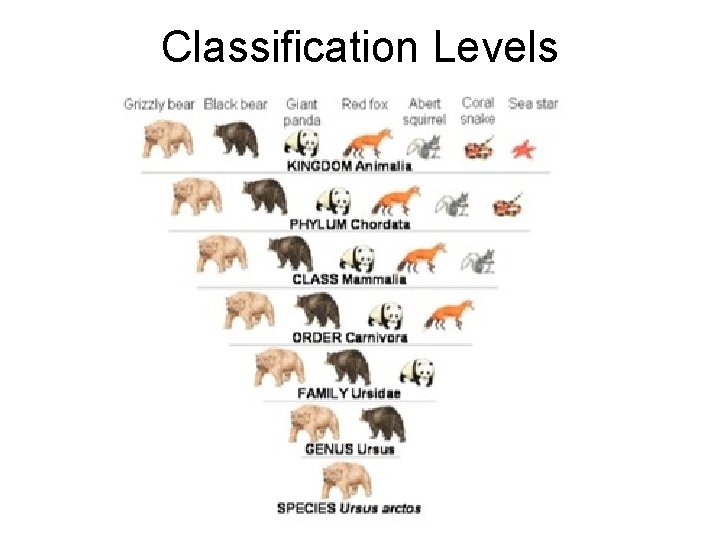
Classification Levels
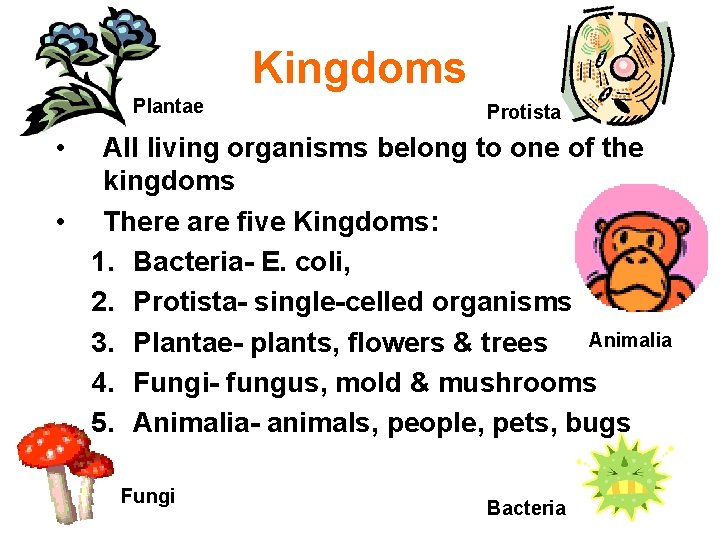
Kingdoms Plantae Protista • All living organisms belong to one of the kingdoms • There are five Kingdoms: 1. Bacteria- E. coli, 2. Protista- single-celled organisms 3. Plantae- plants, flowers & trees Animalia 4. Fungi- fungus, mold & mushrooms 5. Animalia- animals, people, pets, bugs Fungi Bacteria
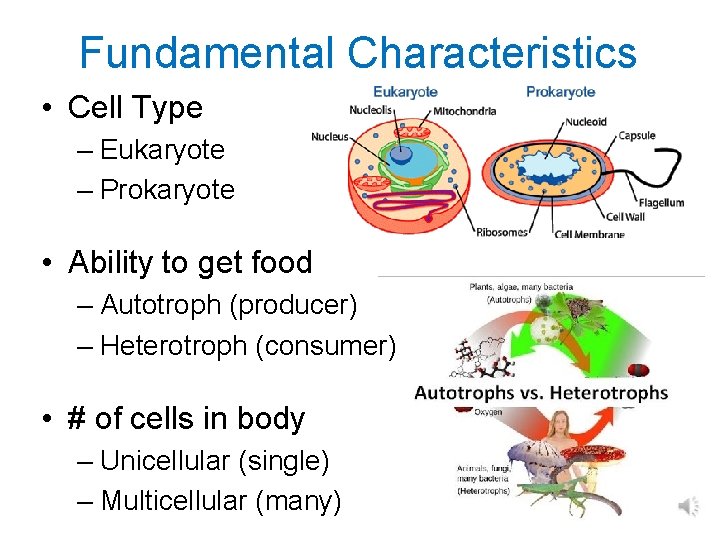
Fundamental Characteristics • Cell Type – Eukaryote – Prokaryote • Ability to get food – Autotroph (producer) – Heterotroph (consumer) • # of cells in body – Unicellular (single) – Multicellular (many)
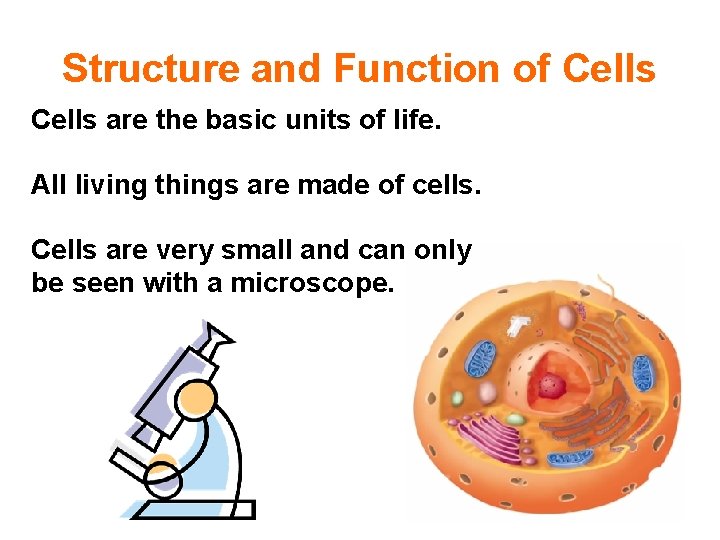
Structure and Function of Cells are the basic units of life. All living things are made of cells. Cells are very small and can only be seen with a microscope.
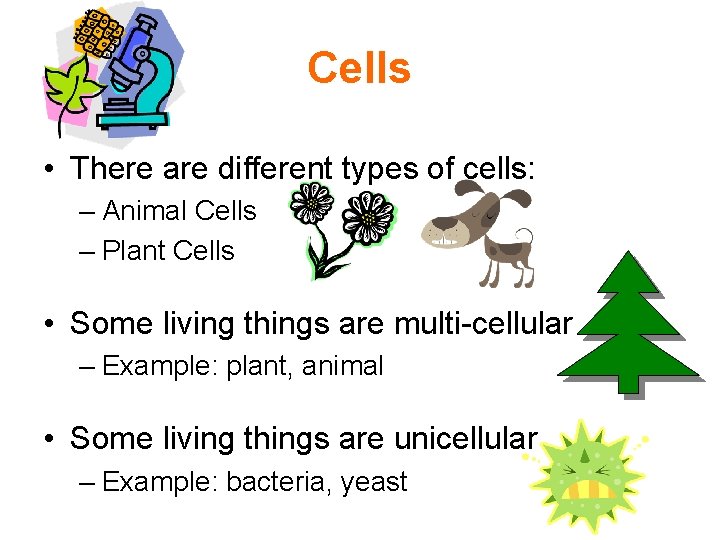
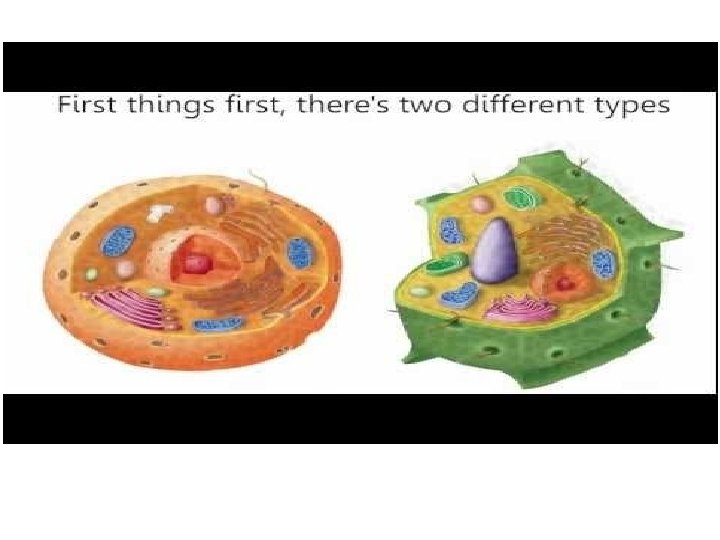
Cells • There are different types of cells: – Animal Cells – Plant Cells • Some living things are multi-cellular – Example: plant, animal • Some living things are unicellular – Example: bacteria, yeast
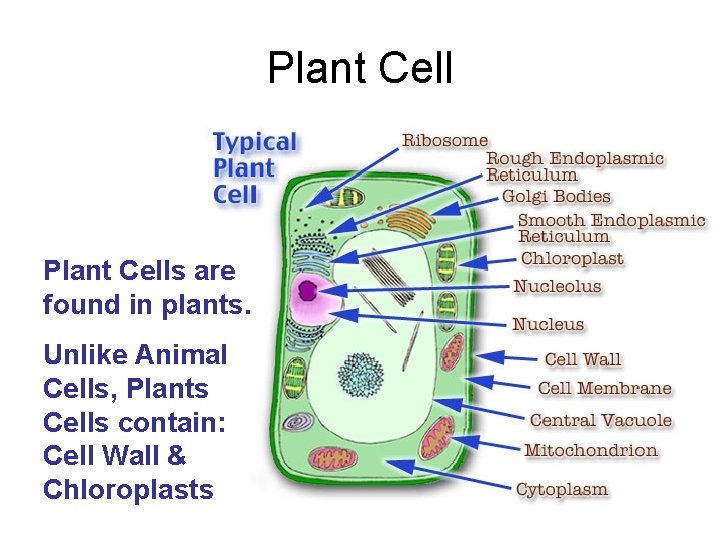
Plant Cells are found in plants. Unlike Animal Cells, Plants Cells contain: Cell Wall & Chloroplasts
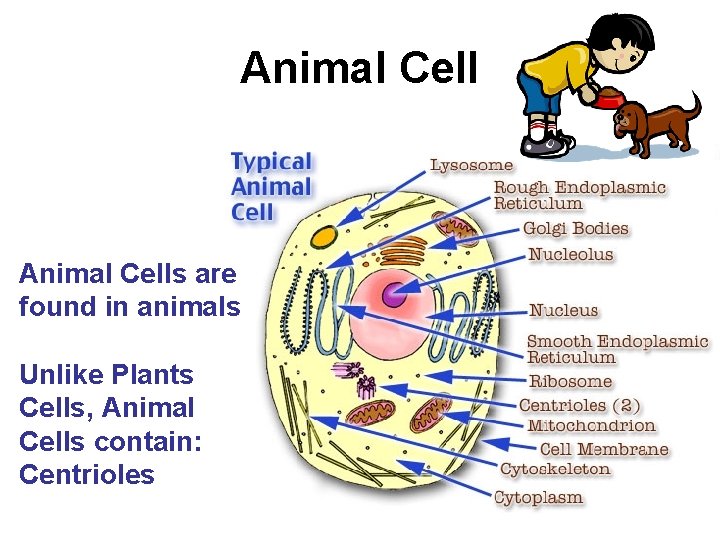
Animal Cells are found in animals Unlike Plants Cells, Animal Cells contain: Centrioles
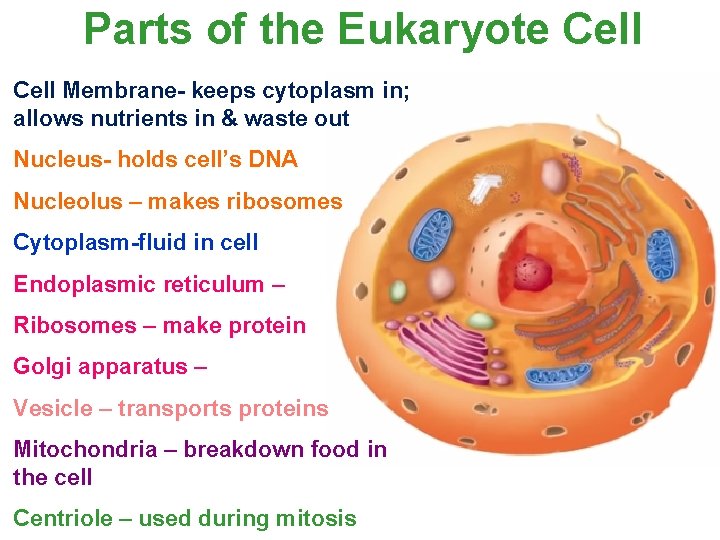
Parts of the Eukaryote Cell Membrane- keeps cytoplasm in; allows nutrients in & waste out Nucleus- holds cell’s DNA Nucleolus – makes ribosomes Cytoplasm-fluid in cell Endoplasmic reticulum – Ribosomes – make protein Golgi apparatus – Vesicle – transports proteins Mitochondria – breakdown food in the cell Centriole – used during mitosis
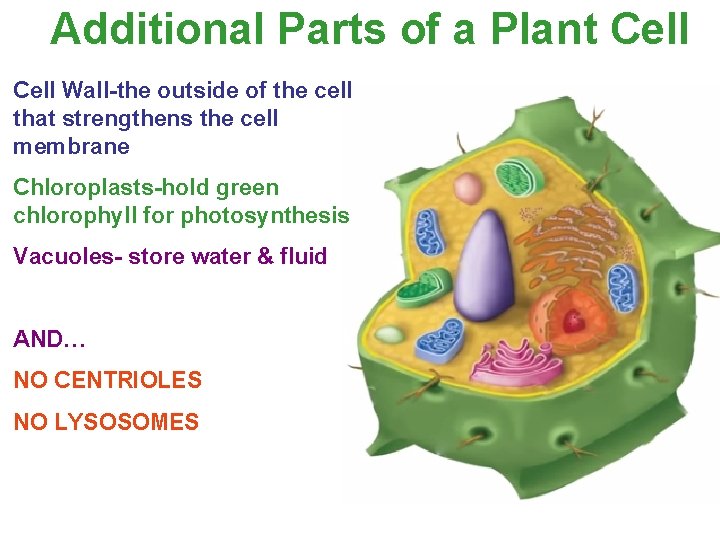
Additional Parts of a Plant Cell Wall-the outside of the cell that strengthens the cell membrane Chloroplasts-hold green chlorophyll for photosynthesis Vacuoles- store water & fluid AND… NO CENTRIOLES NO LYSOSOMES
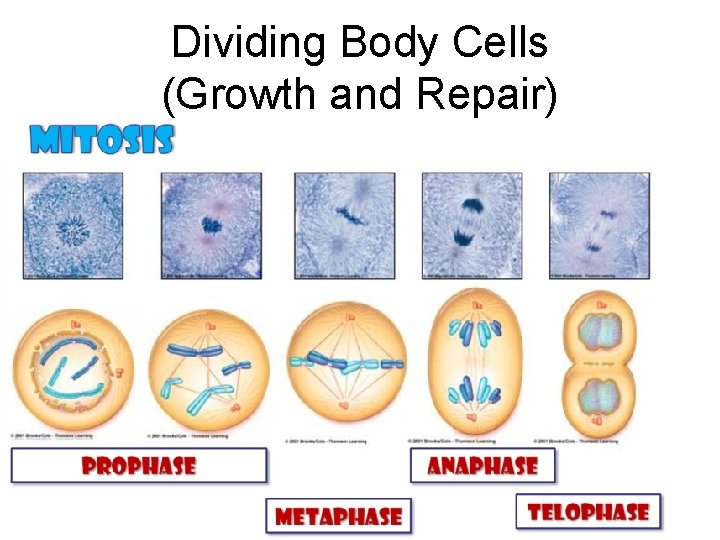
Cellular Functions • Cells function similar to living organisms: – Extracting Energy from Food – Disposing of Waste – Reproduction (Mitosis)
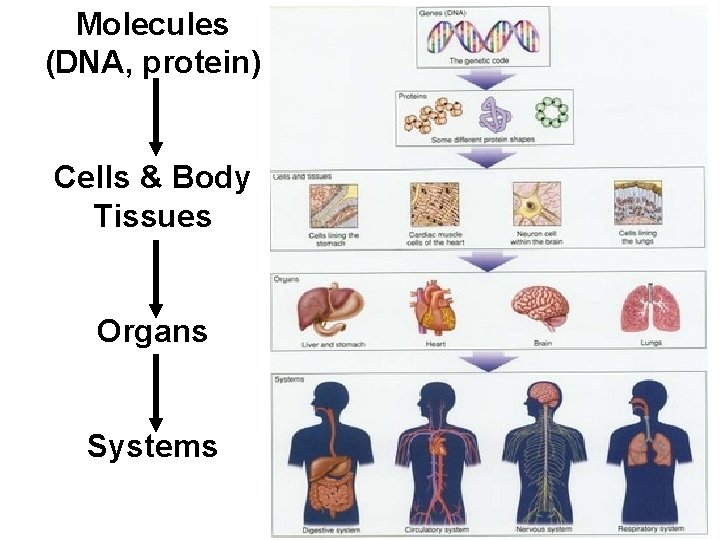
Molecules (DNA, protein) Cells & Body Tissues Organs Systems
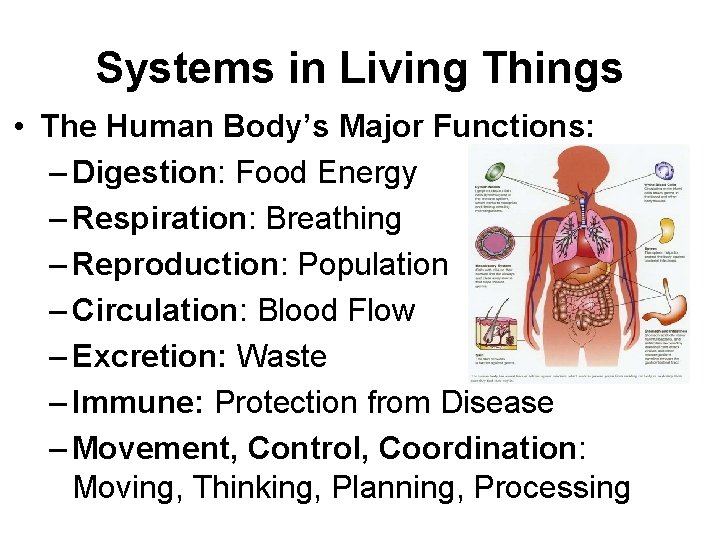
Systems in Living Things • The Human Body’s Major Functions: – Digestion: Food Energy – Respiration: Breathing – Reproduction: Population – Circulation: Blood Flow – Excretion: Waste – Immune: Protection from Disease – Movement, Control, Coordination: Moving, Thinking, Planning, Processing
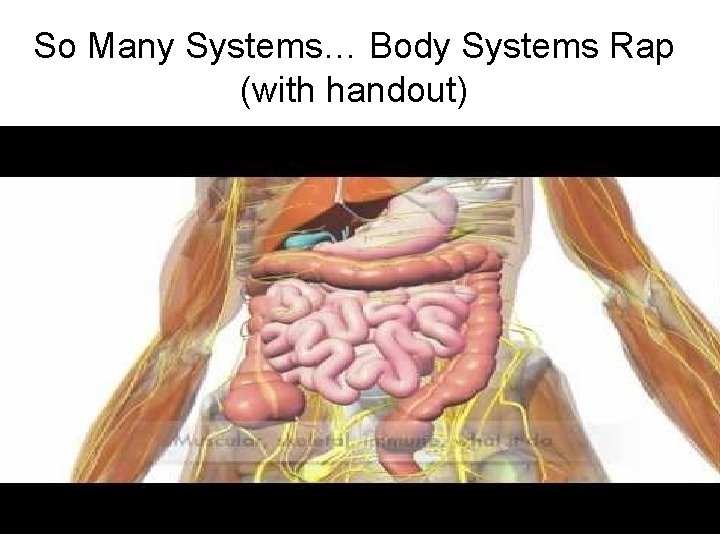
So Many Systems… Body Systems Rap (with handout)
Human Body Systems
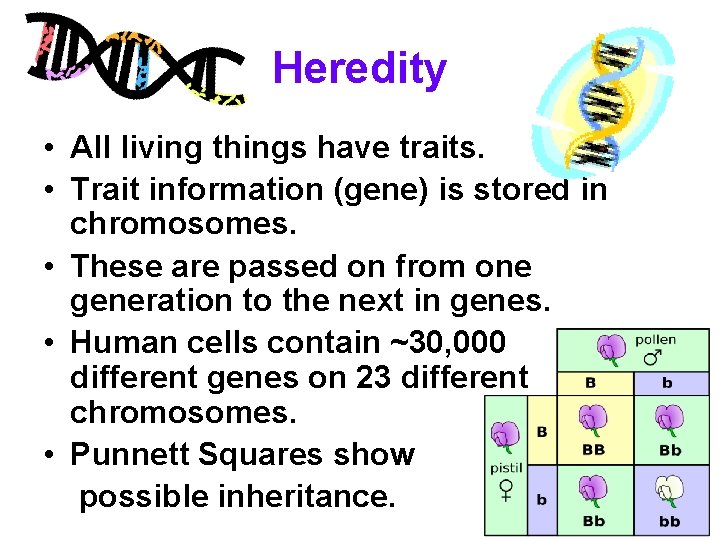
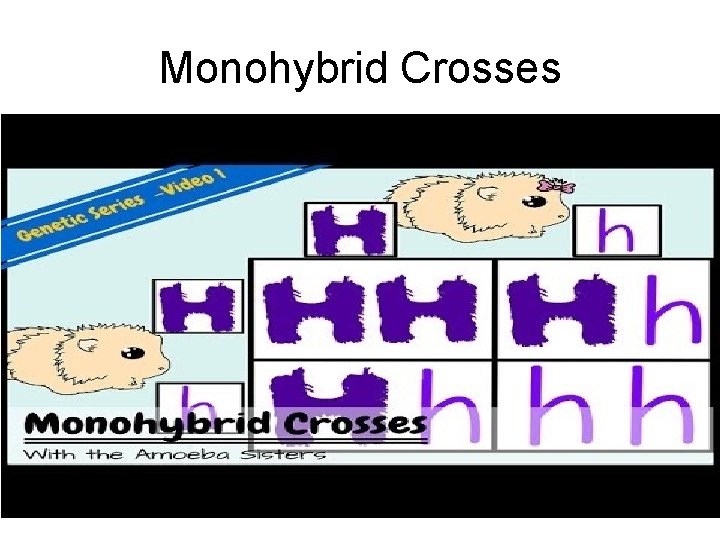
Heredity • All living things have traits. • Trait information (gene) is stored in chromosomes. • These are passed on from one generation to the next in genes. • Human cells contain ~30, 000 different genes on 23 different chromosomes. • Punnett Squares show possible inheritance.
Monohybrid Crosses
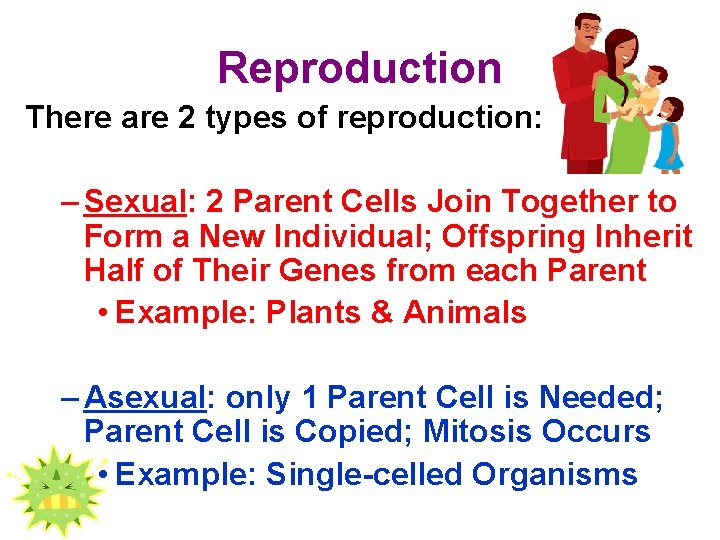
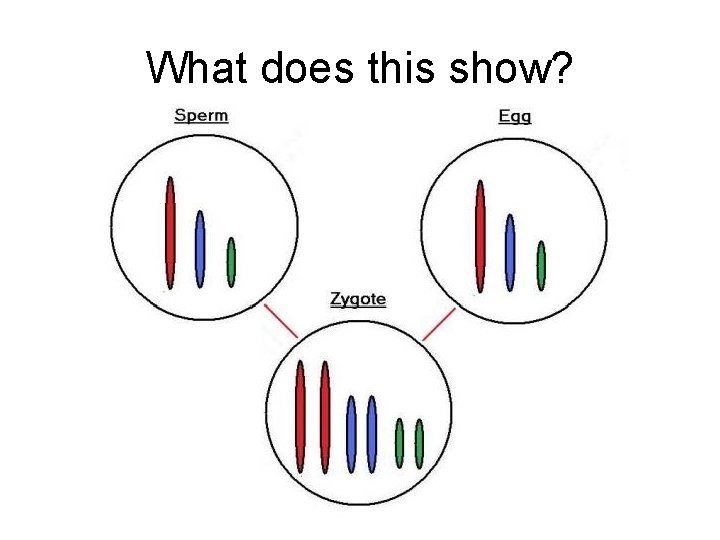
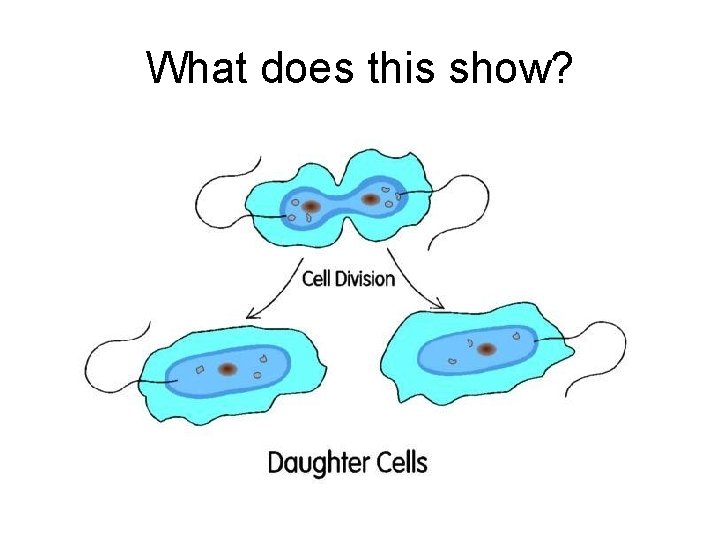
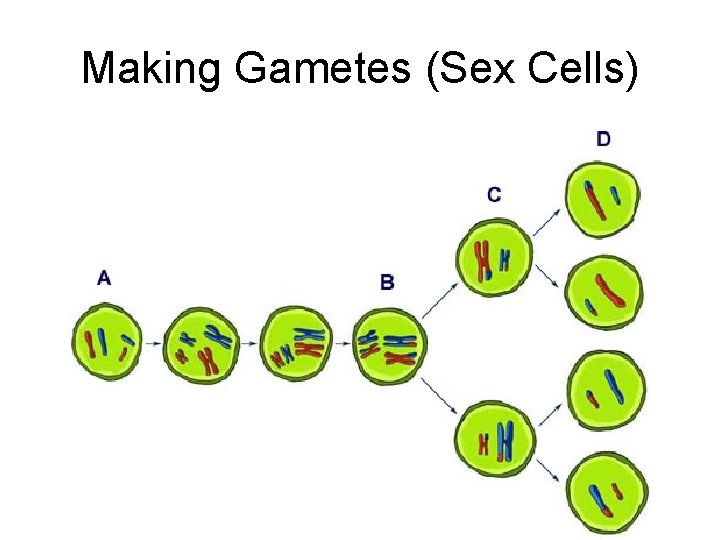
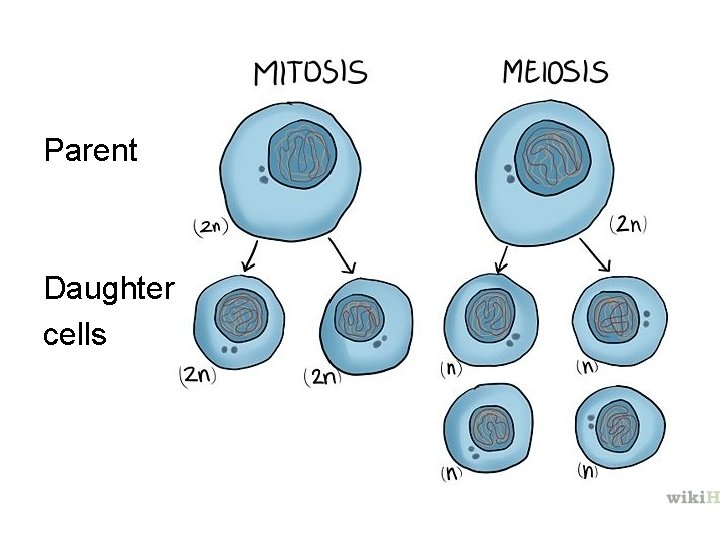
Reproduction There are 2 types of reproduction: – Sexual: 2 Parent Cells Join Together to Form a New Individual; Offspring Inherit Half of Their Genes from each Parent • Example: Plants & Animals – Asexual: only 1 Parent Cell is Needed; Parent Cell is Copied; Mitosis Occurs • Example: Single-celled Organisms
What does this show?
What does this show?
Dividing Body Cells (Growth and Repair)
Making Gametes (Sex Cells)
Parent Daughter cells
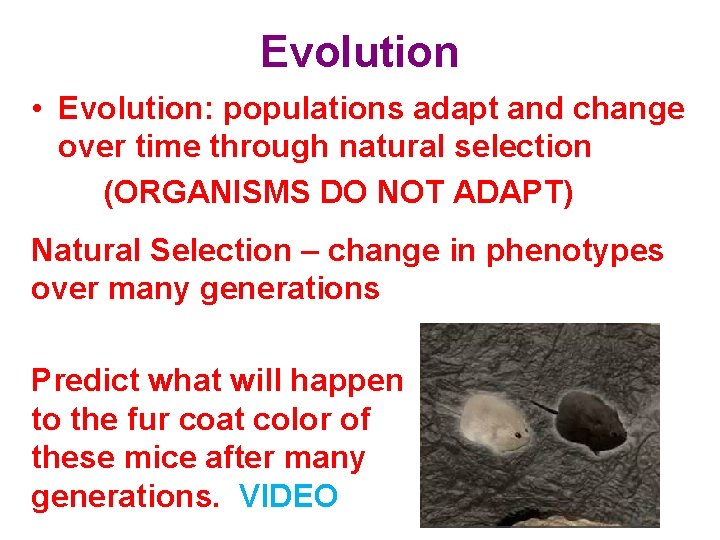
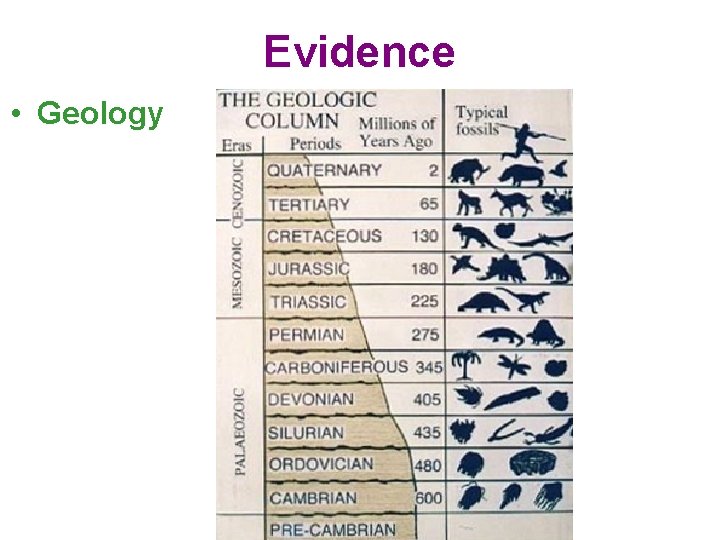
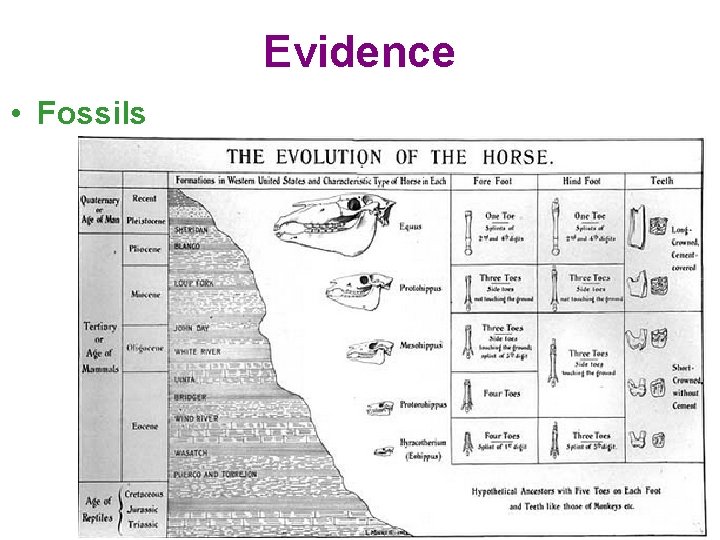
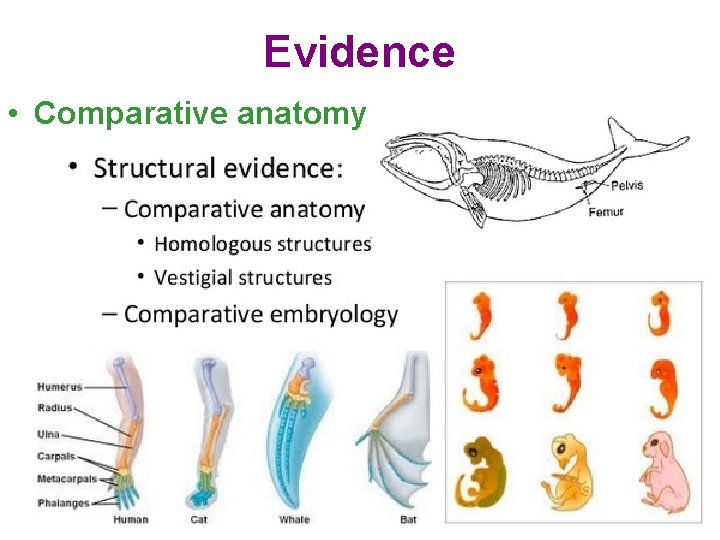
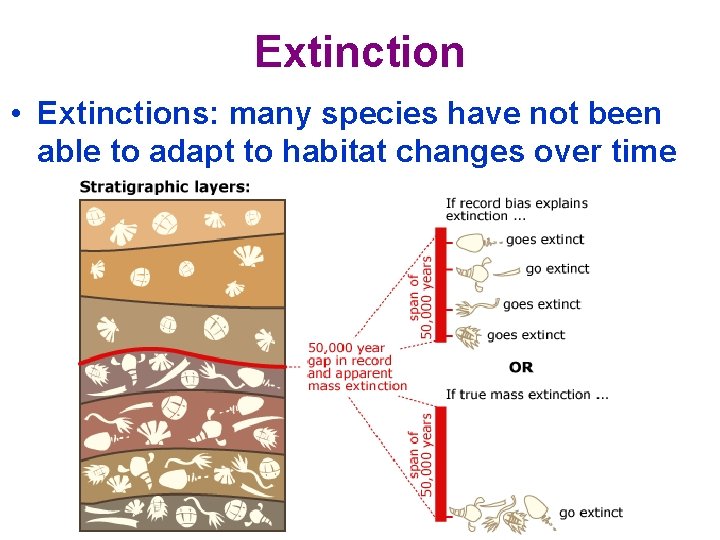
Evolution & Biodiversity • Evolution: populations adapt and change over time through natural selection (ORGANISMS DO NOT EVOLVE) • Evidence: geology, fossils, comparative anatomy • Extinctions: many species have not been able to adapt to habitat changes over time Survival of the (fittest) best suited to the environment
Evolution • Evolution: populations adapt and change over time through natural selection (ORGANISMS DO NOT ADAPT) Natural Selection – change in phenotypes over many generations Predict what will happen to the fur coat color of these mice after many generations. VIDEO
Evidence • Geology
Evidence • Fossils
Evidence • Comparative anatomy
Extinction • Extinctions: many species have not been able to adapt to habitat changes over time
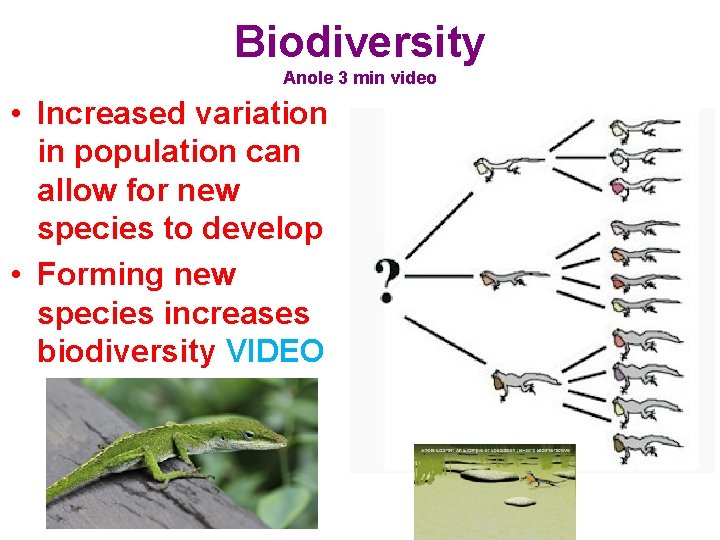
Biodiversity Anole 3 min video • Increased variation in population can allow for new species to develop • Forming new species increases biodiversity VIDEO
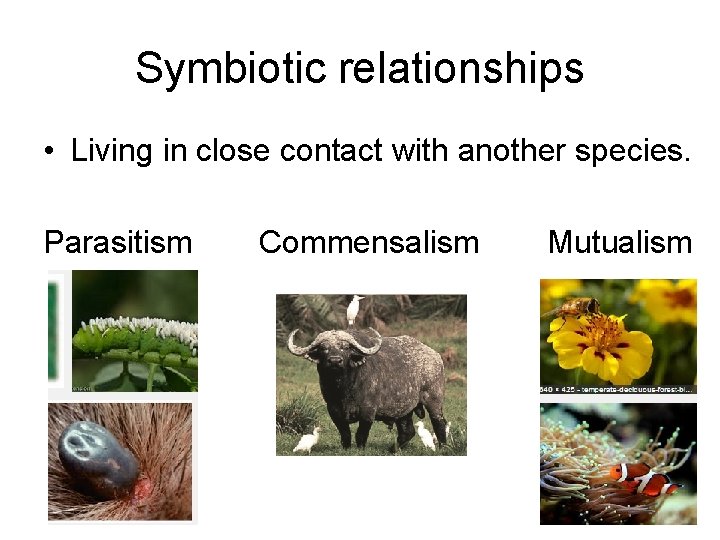
Living Things & Their Environment • Organisms interact with one another and have different functions within an ecosystem that enable the ecosystem to survive. • Symbiotic Relationships – Parasitism – Commensalism – Mutualism • Predator / Prey relationship
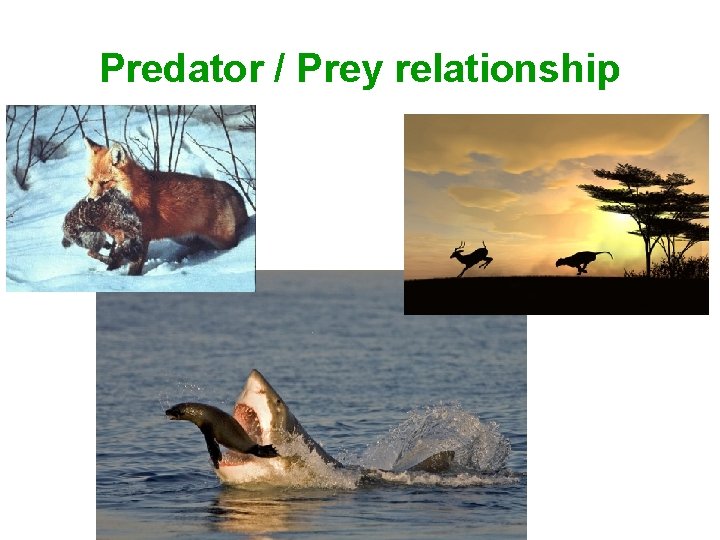
Predator / Prey relationship
Symbiotic relationships • Living in close contact with another species. Parasitism Commensalism Mutualism
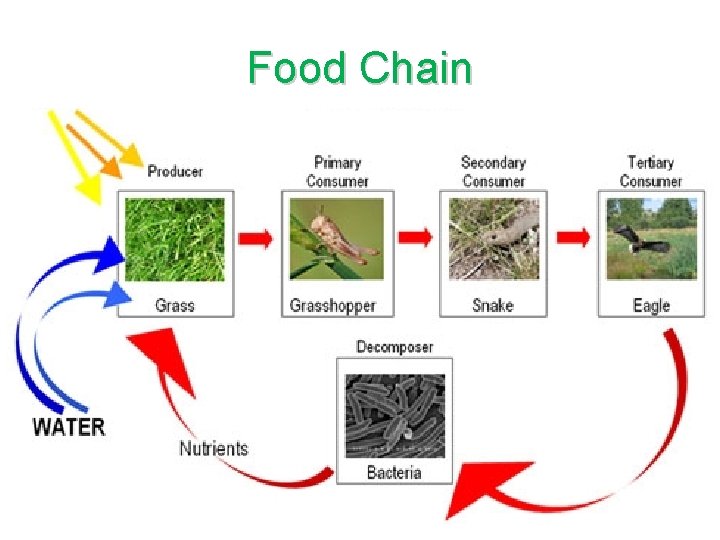
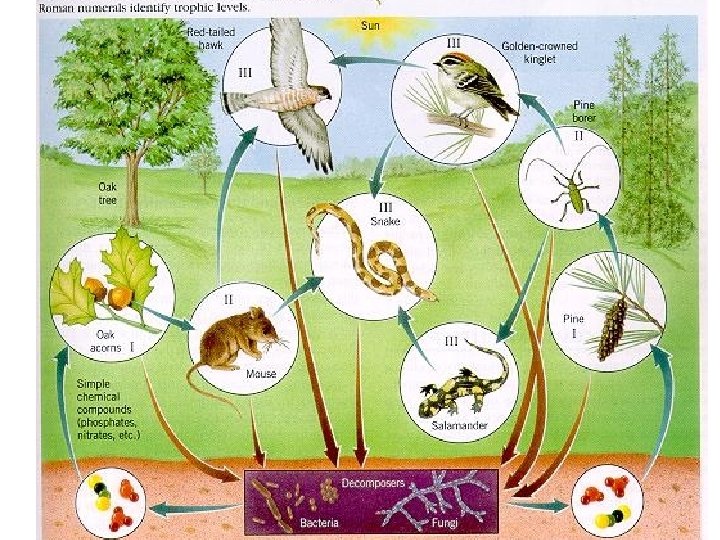
Roles in an Ecosystem • Producers- use sunlight to make food • Example: Plants • Consumers-eat producers & organisms • Example: animals • Decomposers-break down remains of dead organisms • Example: bacteria & fungi
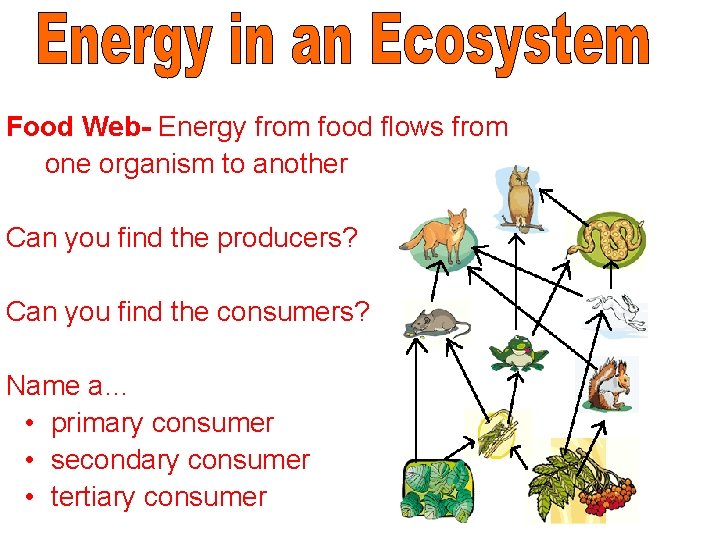
Food Web- Energy from food flows from one organism to another Can you find the producers? Can you find the consumers? Name a… • primary consumer • secondary consumer • tertiary consumer
Food Chain
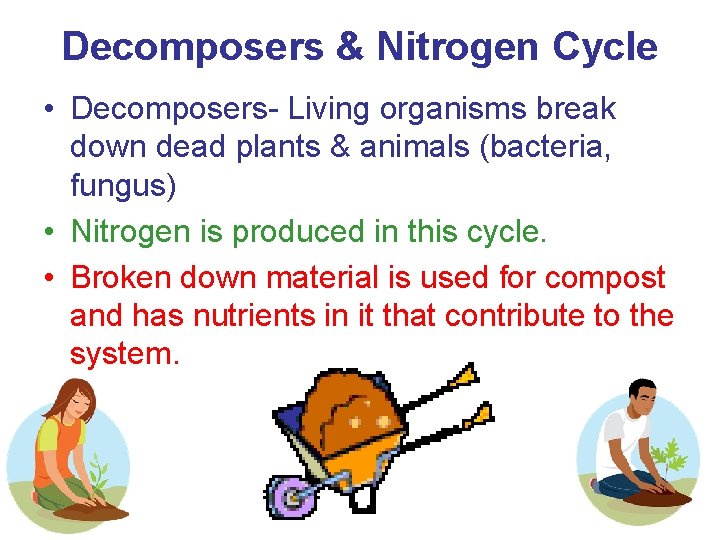
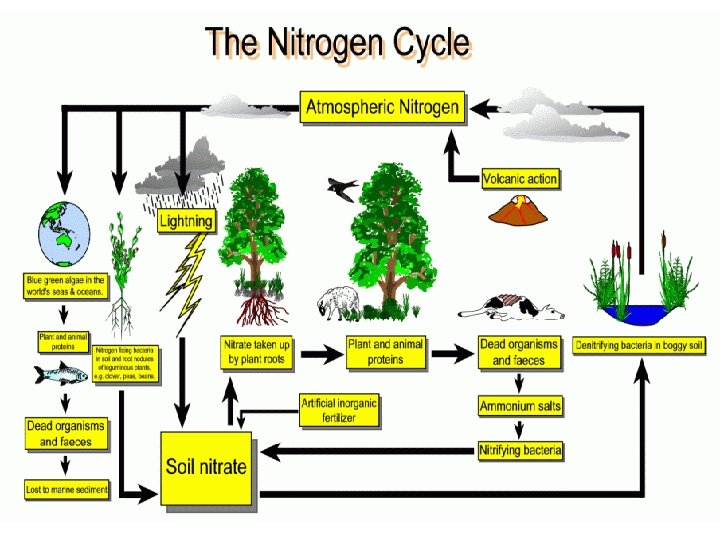
Decomposers & Nitrogen Cycle • Decomposers- Living organisms break down dead plants & animals (bacteria, fungus) • Nitrogen is produced in this cycle. • Broken down material is used for compost and has nutrients in it that contribute to the system.
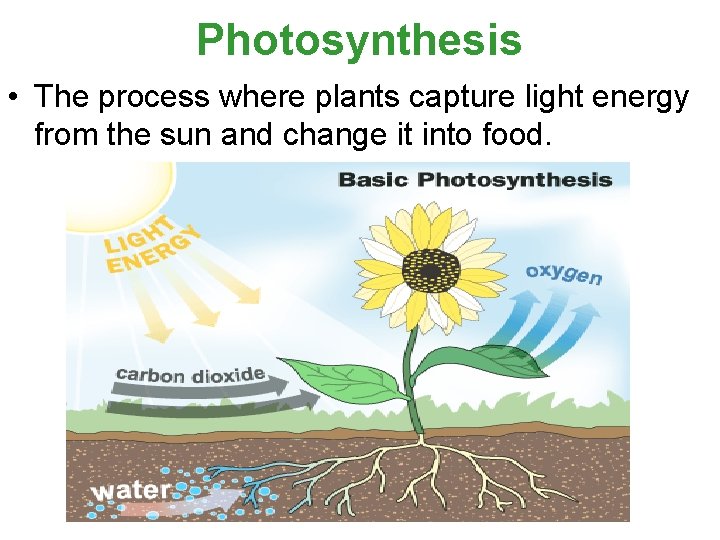
• Plants use energy from sunlight to make sugars from carbon dioxide and water through photosynthesis. • This food can be used immediately, stored for later use, or used by other organisms.
Photosynthesis • The process where plants capture light energy from the sun and change it into food.
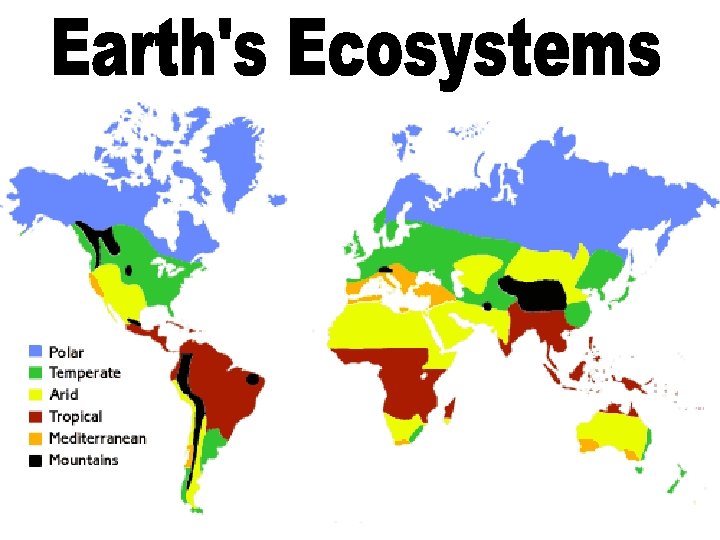
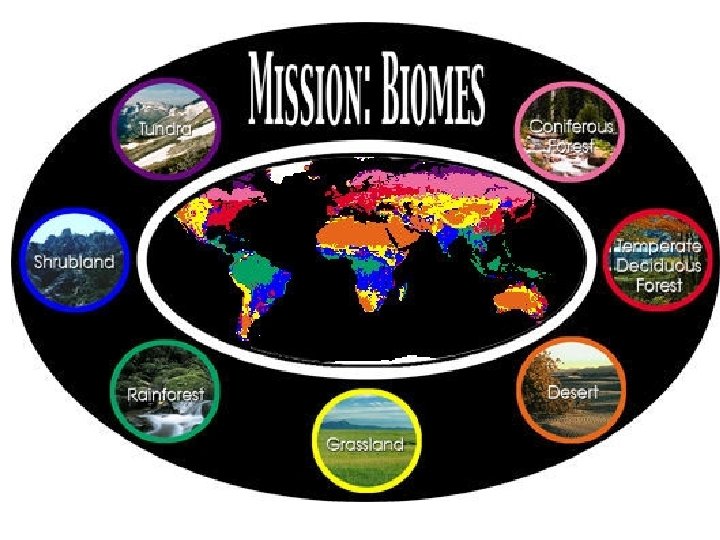
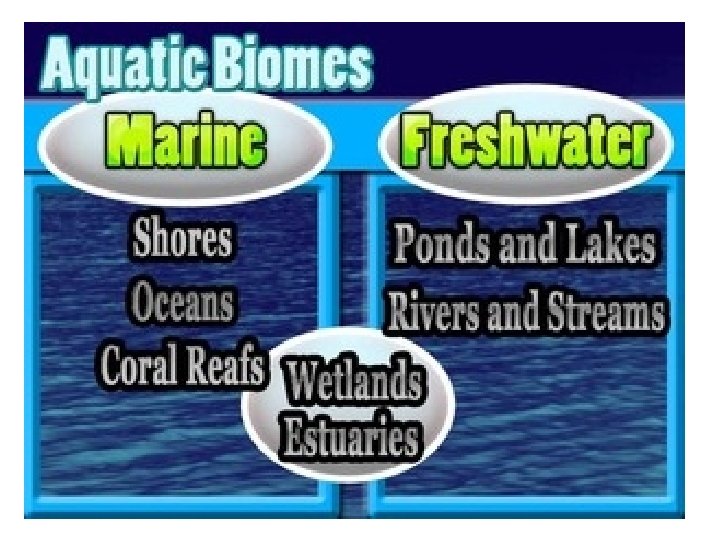
Ecosystems • Ecosystem- the habitat of living organisms • Land: Forests, Grasslands, Deserts, Tundra • Marine: Beaches, Seafloor, Reefs • Freshwater: Moving Water, Still Water, Wetlands
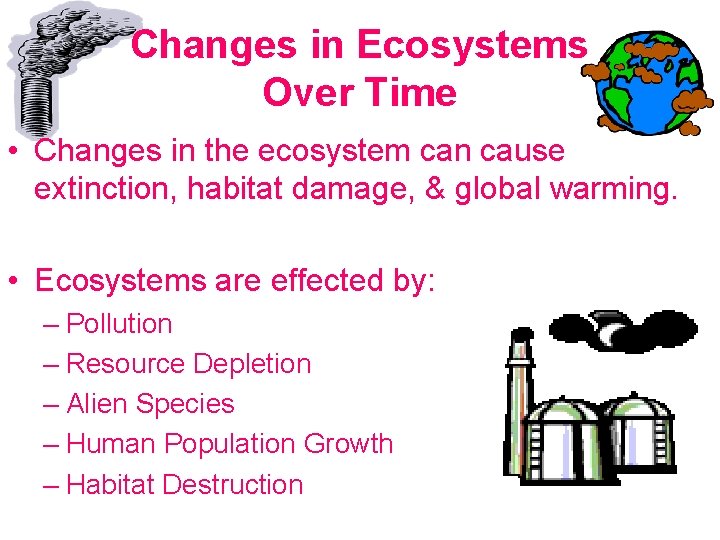
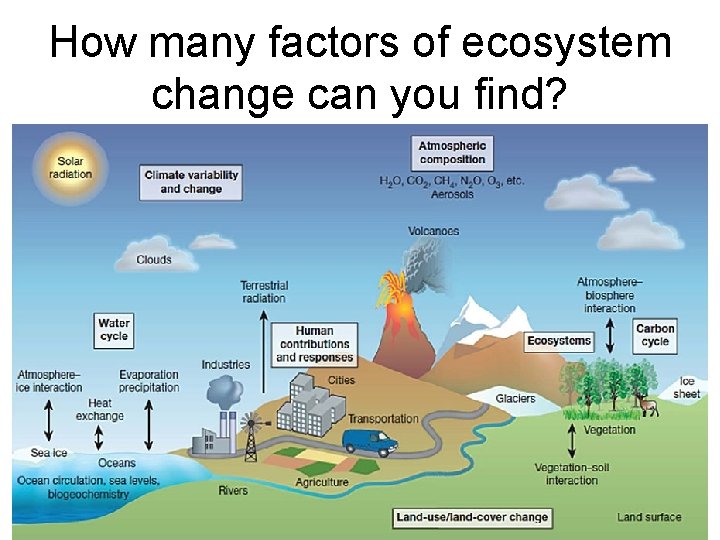
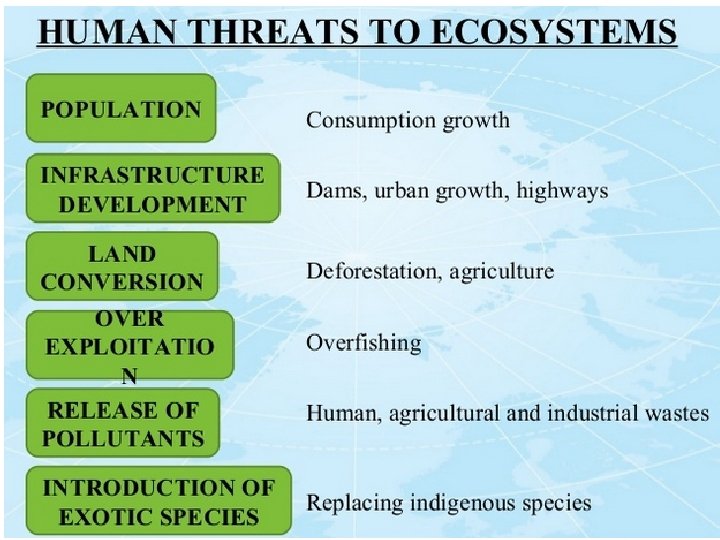
Changes in Ecosystems Over Time • Changes in the ecosystem can cause extinction, habitat damage, & global warming. • Ecosystems are effected by: – Pollution – Resource Depletion – Alien Species – Human Population Growth – Habitat Destruction
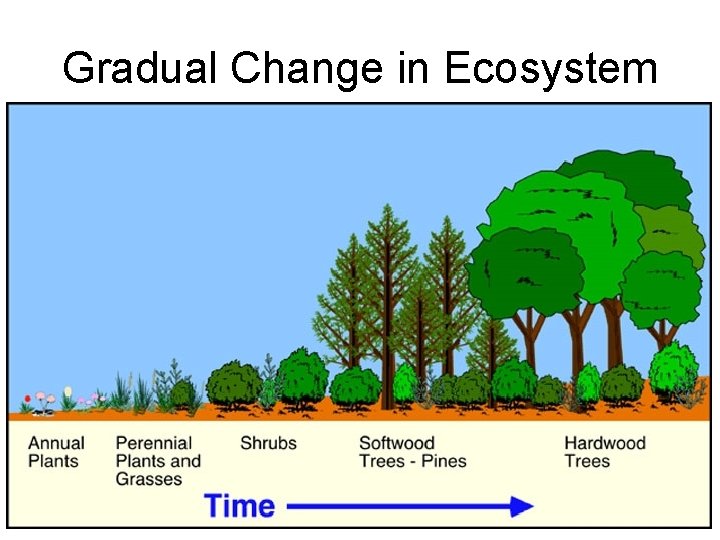
Gradual Change in Ecosystem
How many factors of ecosystem change can you find?