
Textured Design Texture In the visual arts texture
- Slides: 19
Textured Design
Texture • In the visual arts, texture is the perceived surface quality of a work of art. It is an element of twodimensional and three-dimensional designs and is distinguished by its perceived visual and physical properties. Use of texture, along with other elements of design, can convey a variety of messages and emotions.
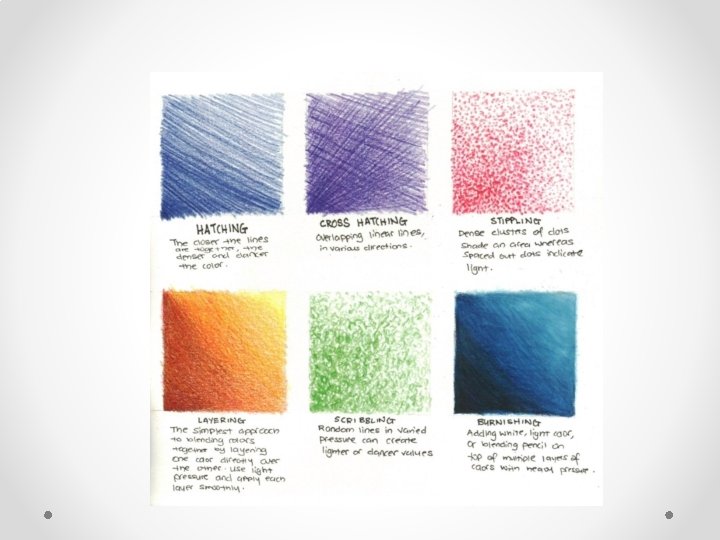
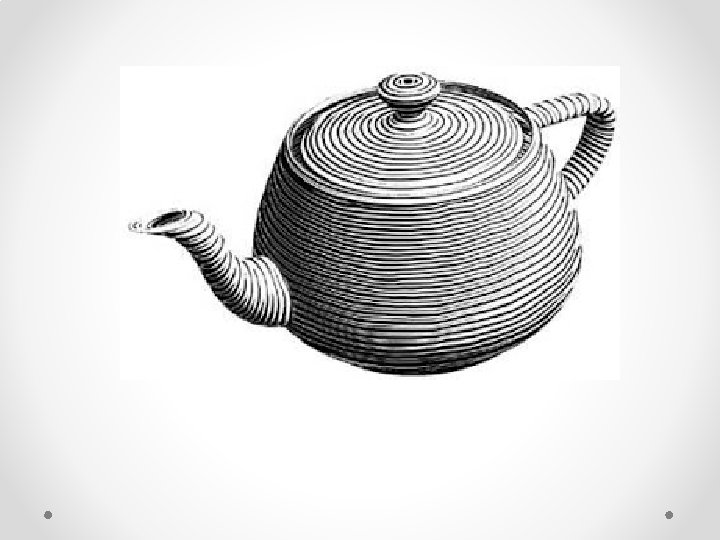
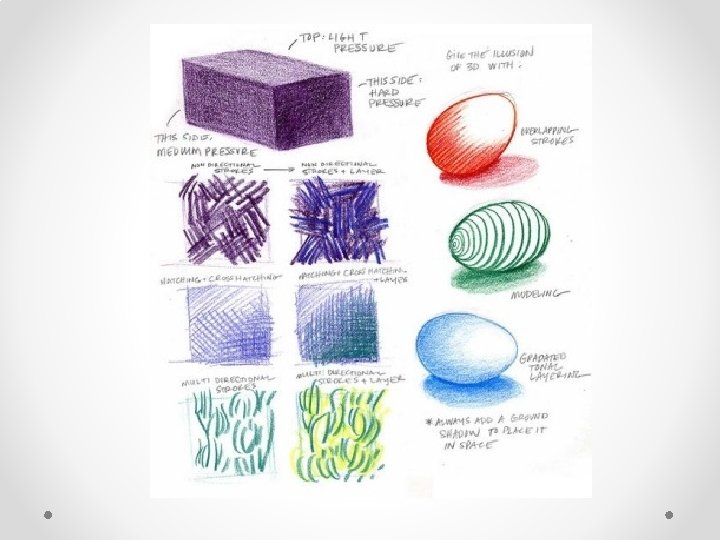
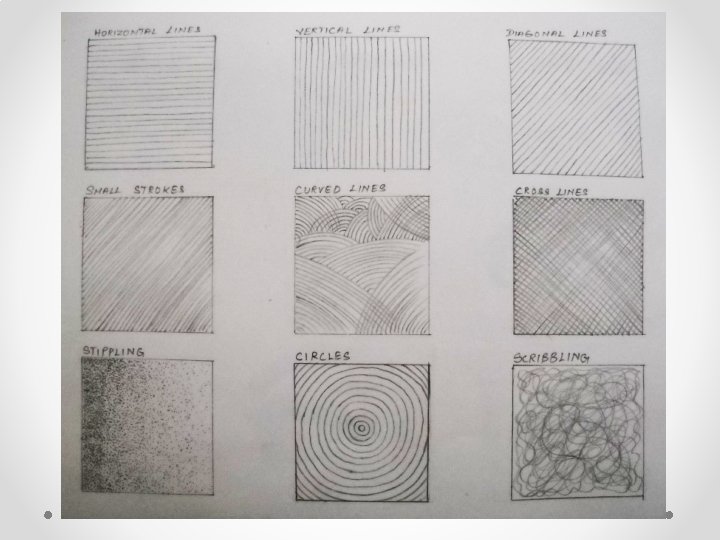
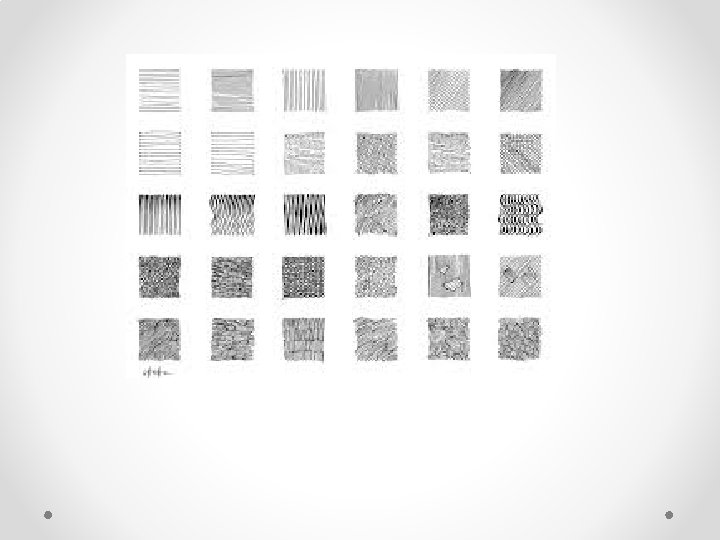
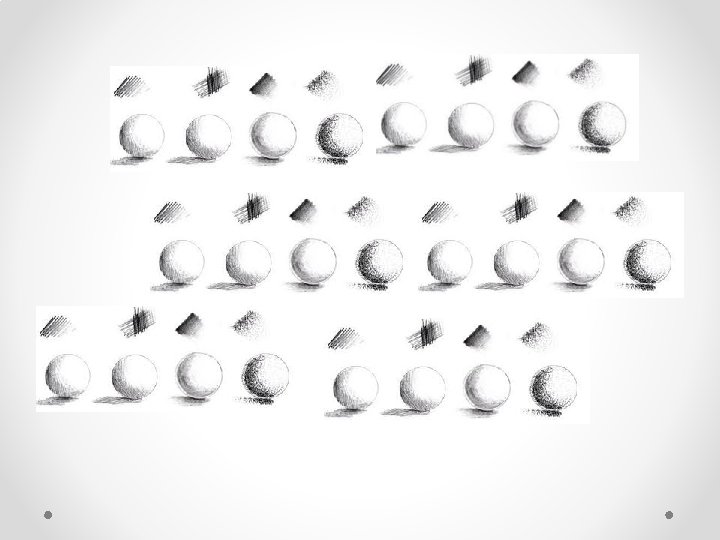
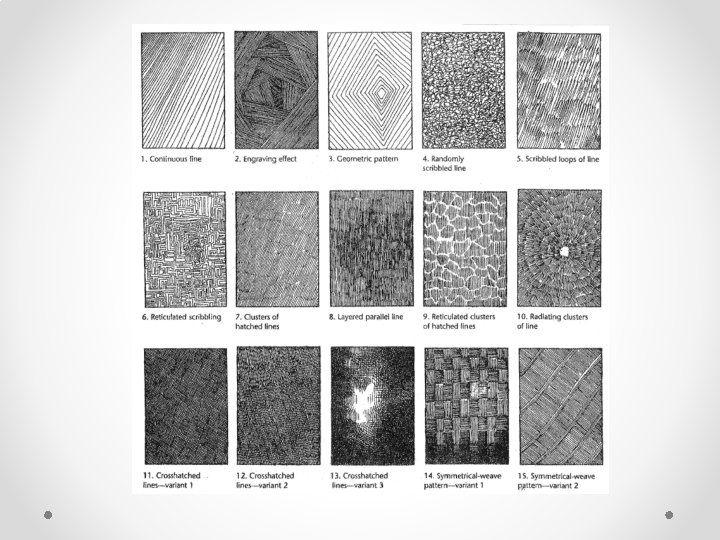
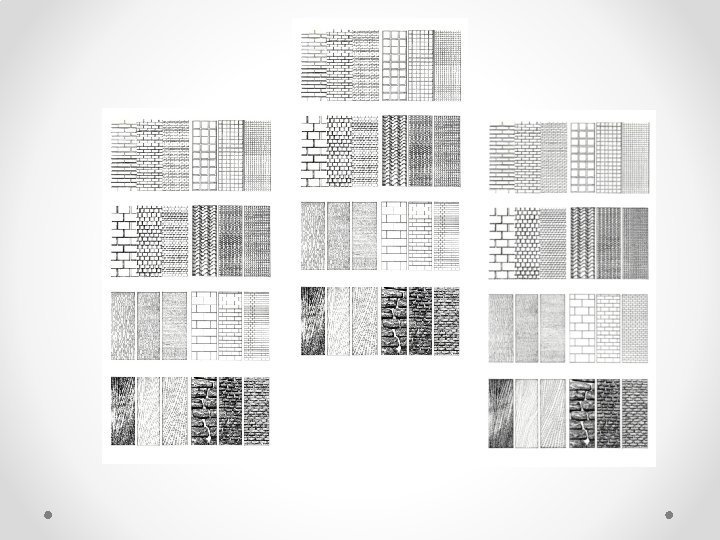
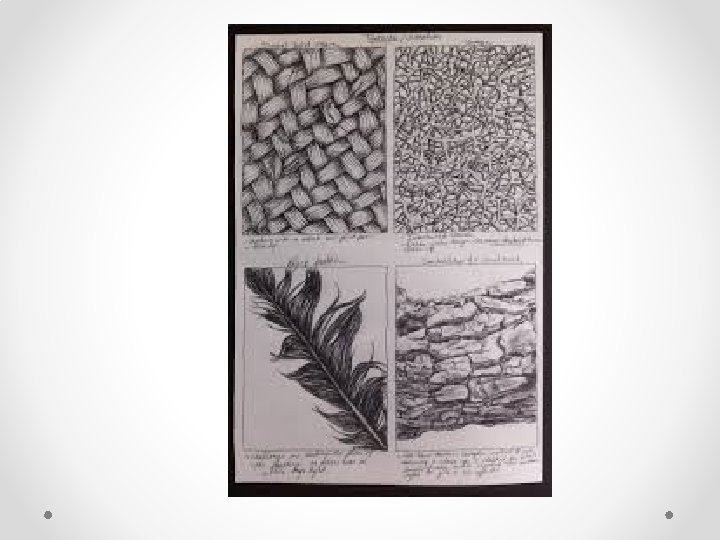
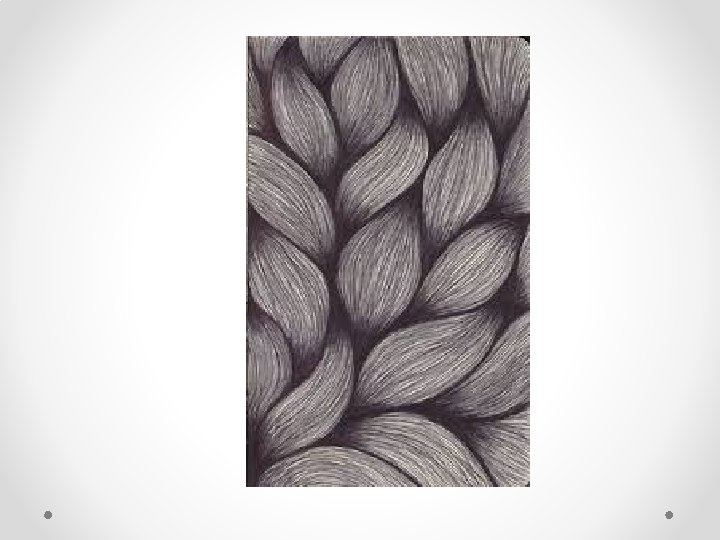
Visual Texture • Visual texture or implied texture is the illusion of having physical texture. Every material and every support surface has its own visual texture and needs to be taken into consideration before creating a composition. As such, materials such as canvas and watercolour paper are considerably rougher than, for example, photo-quality computer paper and may not be best suited to creating a flat, smooth texture. Photography, drawings and paintings use visual texture both to portray their own subject matter realistically and with interpretation. Texture in these media is generally created by the repetition of the shape and line. Another example of visual texture is terrazzo or an image in a mirror.
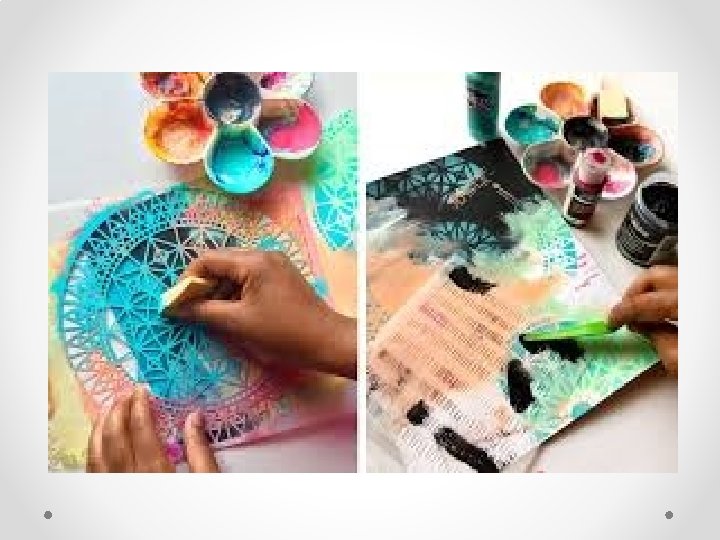
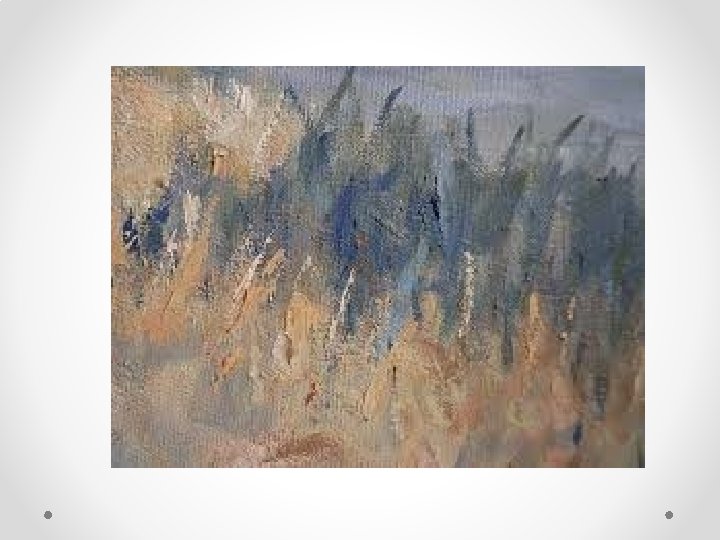
Types • Decorative texture "decorates a surface". Texture is added to embellish the surface either that usually contains some uniformity. • Spontaneous texture • This focuses more on the process of the visual creation; the marks of texture made also creates the shapes. These are often "accidental" forms that create texture. • Mechanical texture • Texture created by special mechanical means. An example of this would be photography; the grains and/or screen pattern that is often found in printing creates texture on the surface. This is also exemplified by