
TESSELLATIONS Oleh Sulistyana SMP N 1 Wonosari What
- Slides: 23
TESSELLATIONS Oleh : Sulistyana SMP N 1 Wonosari
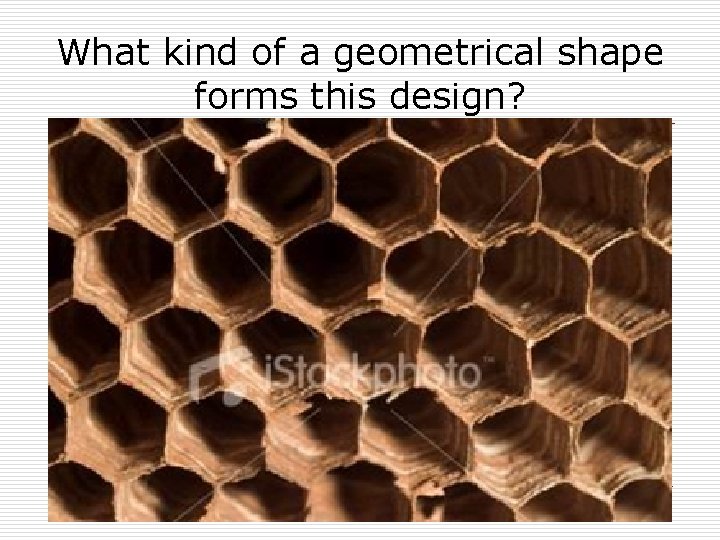
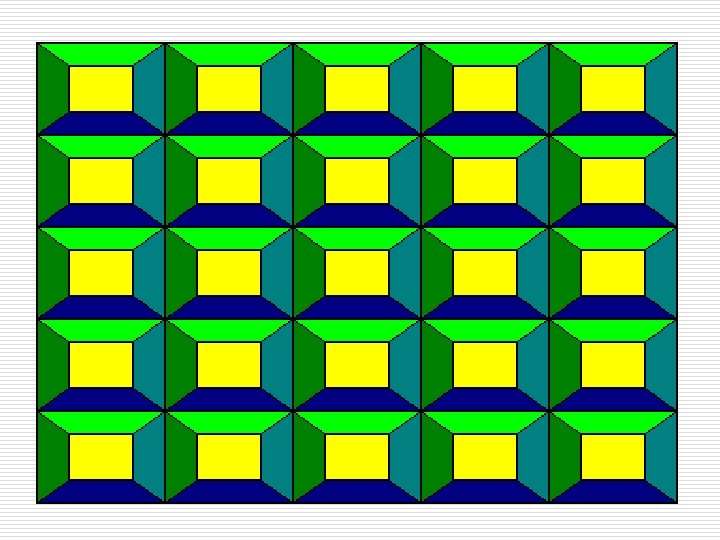
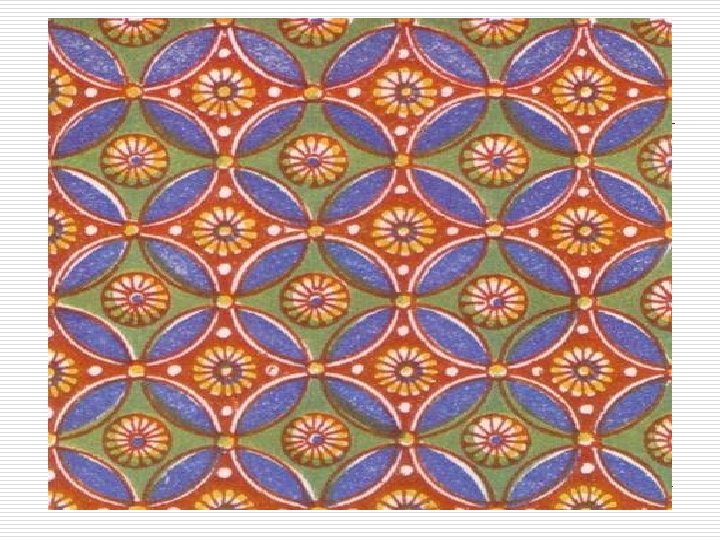
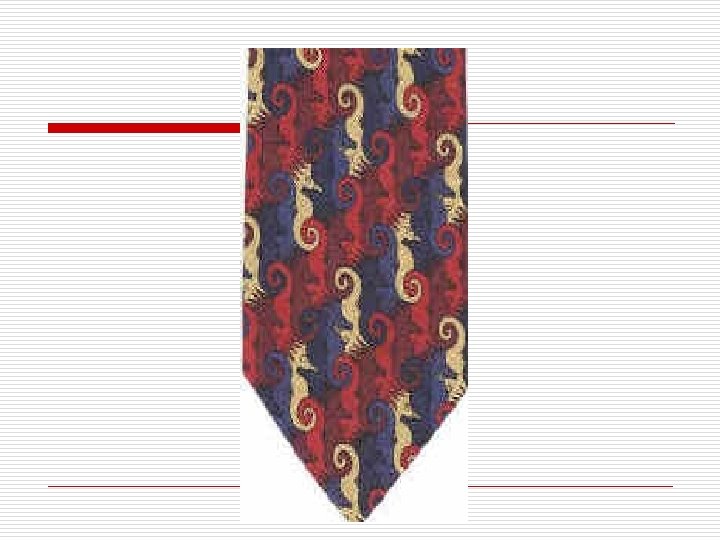
What kind of a geometrical shape forms this design?
INDICATORS: n n n Creating tessellations using equilateral triangle, regular hexagon, rhombus, and trapezoid. Explaining whether tessellation can be created using a square and an equilateral triangle, and justifying the answer with a figure. Determining the sum of measures of the angles where the vertices of the figures meet in the tessellations. Determining the name of two figures that cannot be used to create a tessellation and justifying the answer with a figure. Creating tessellation using other pattern blocks.
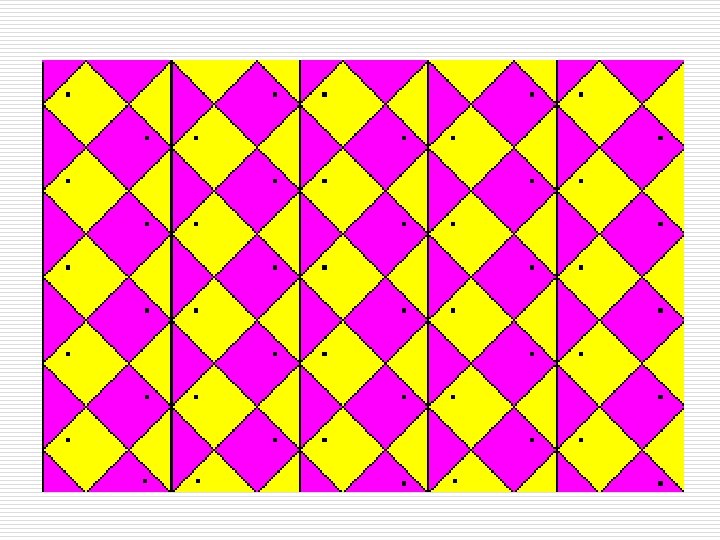
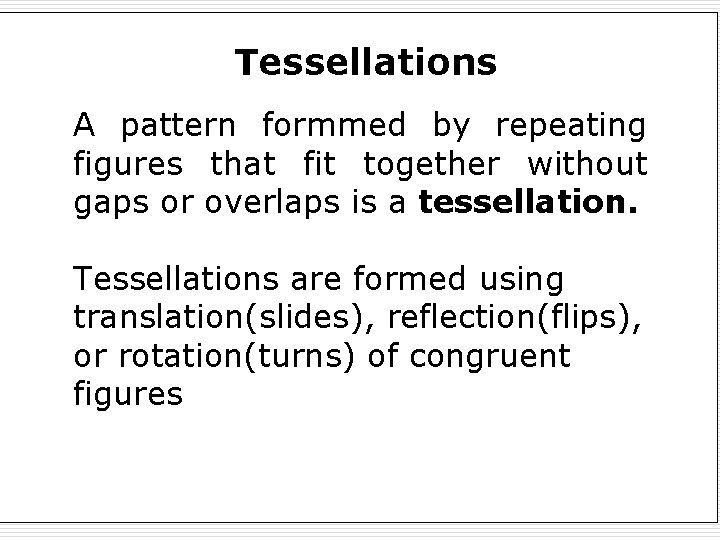
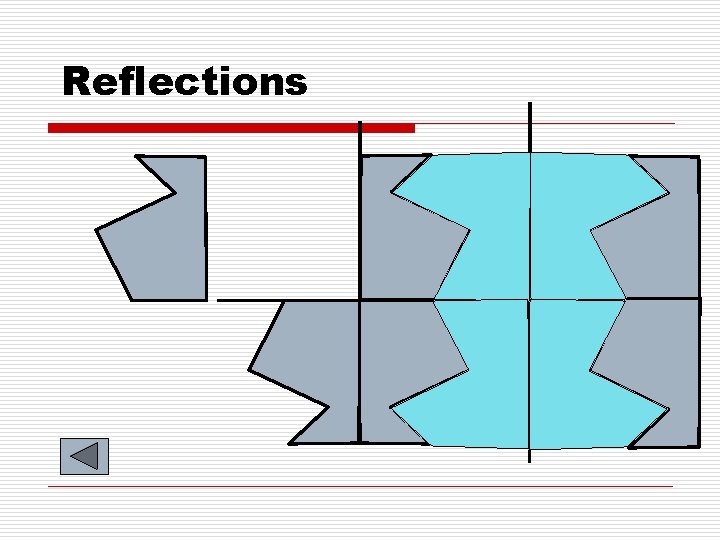
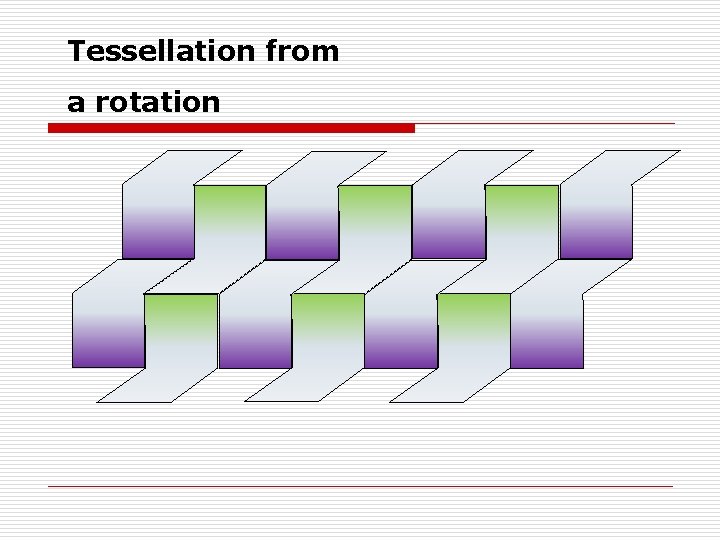
Tessellations A pattern formmed by repeating figures that fit together without gaps or overlaps is a tessellation. Tessellations are formed using translation(slides), reflection(flips), or rotation(turns) of congruent figures
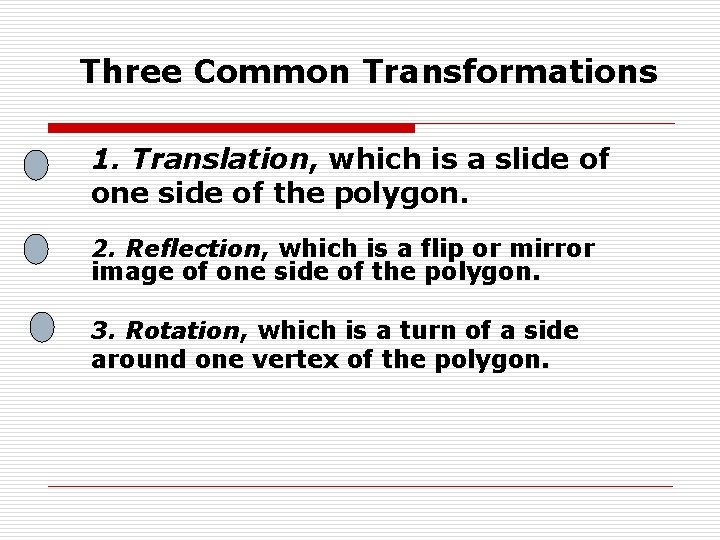
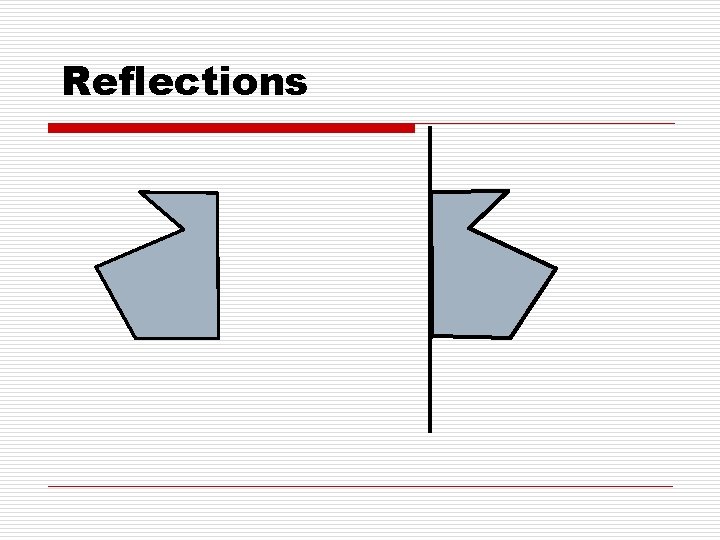
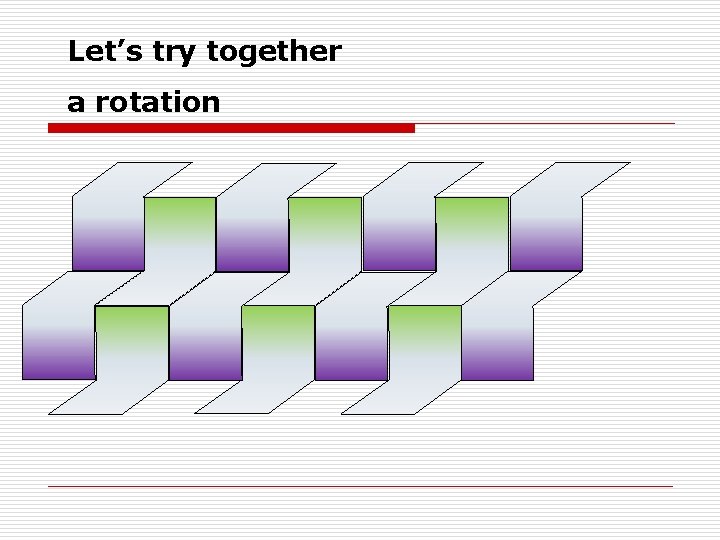
Three Common Transformations 1. Translation, which is a slide of one side of the polygon. 2. Reflection, which is a flip or mirror image of one side of the polygon. 3. Rotation, which is a turn of a side around one vertex of the polygon.
Reflections
Reflections
Tessellation from a rotation
Let’s try together a rotation
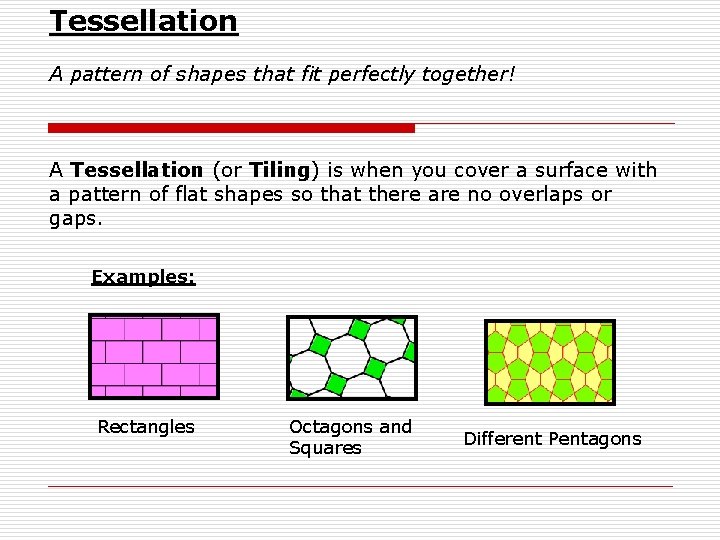
Tessellation A pattern of shapes that fit perfectly together! A Tessellation (or Tiling) is when you cover a surface with a pattern of flat shapes so that there are no overlaps or gaps. Examples: Rectangles Octagons and Squares Different Pentagons
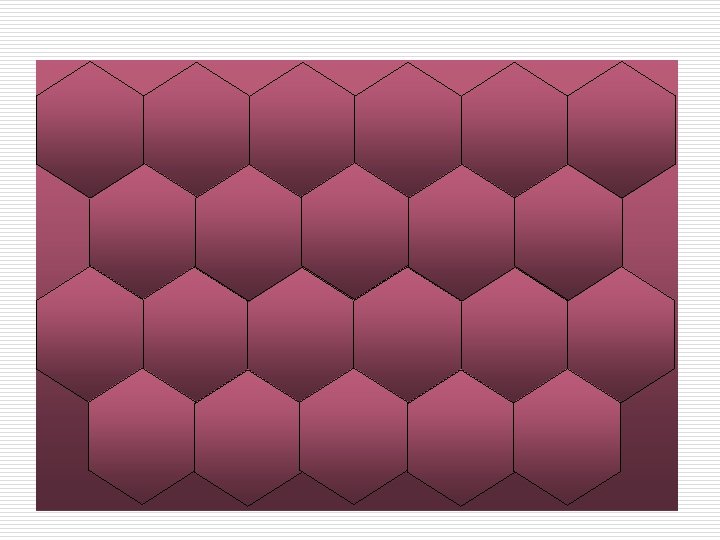
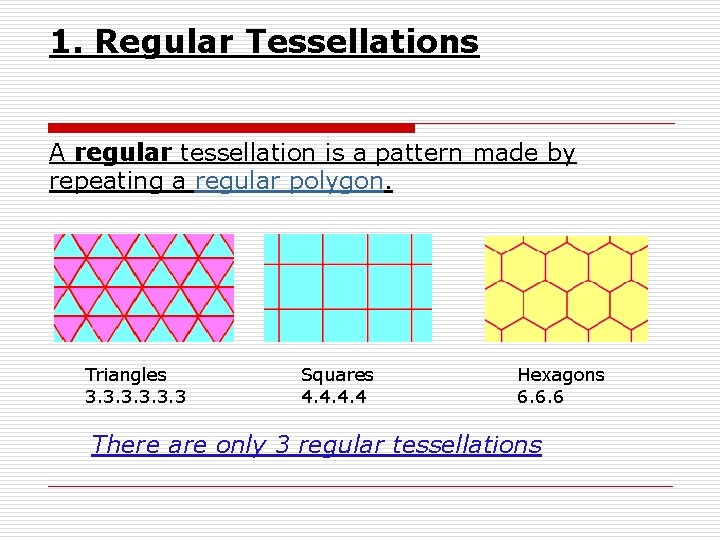
1. Regular Tessellations A regular tessellation is a pattern made by repeating a regular polygon. Triangles 3. 3 Squares 4. 4 Hexagons 6. 6. 6 There are only 3 regular tessellations
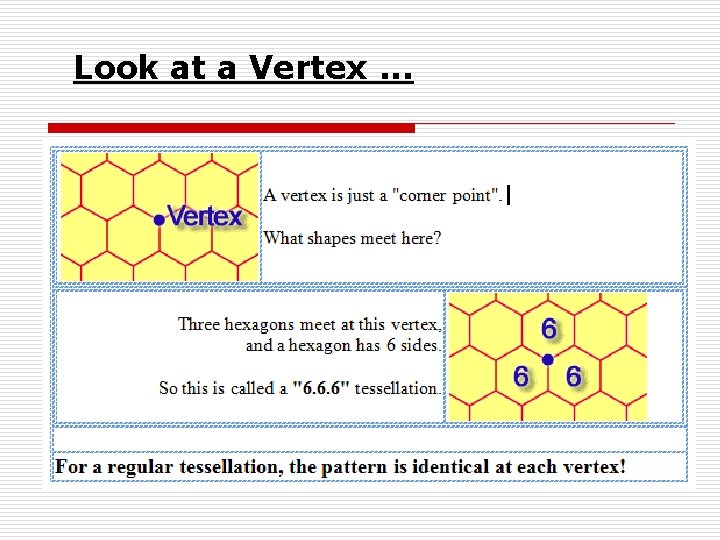
Look at a Vertex. . .
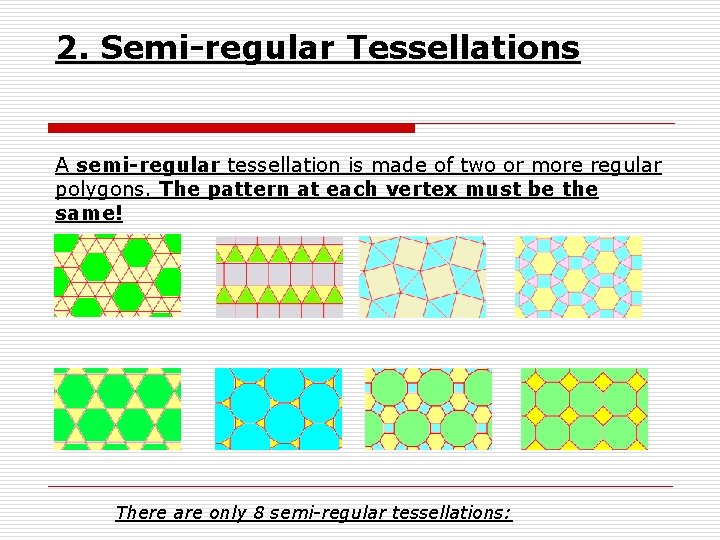
2. Semi-regular Tessellations A semi-regular tessellation is made of two or more regular polygons. The pattern at each vertex must be the same! There are only 8 semi-regular tessellations:
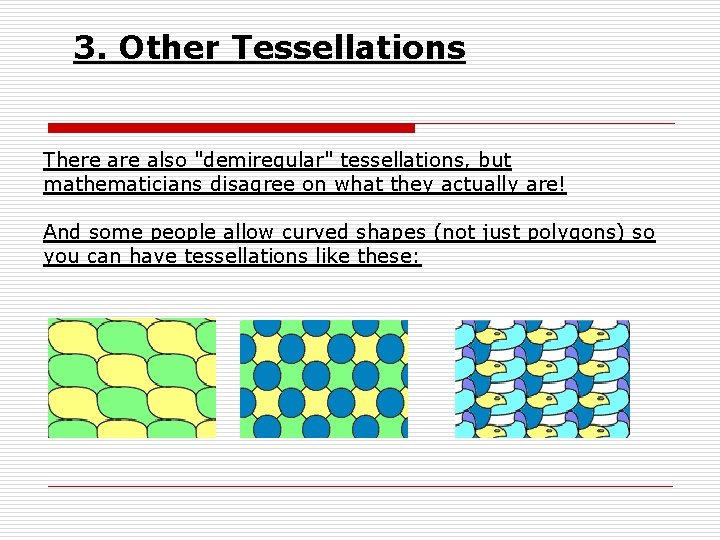
3. Other Tessellations There also "demiregular" tessellations, but mathematicians disagree on what they actually are! And some people allow curved shapes (not just polygons) so you can have tessellations like these: