
Terrorism and the media First what is terrorism
- Slides: 20
Terrorism and the media
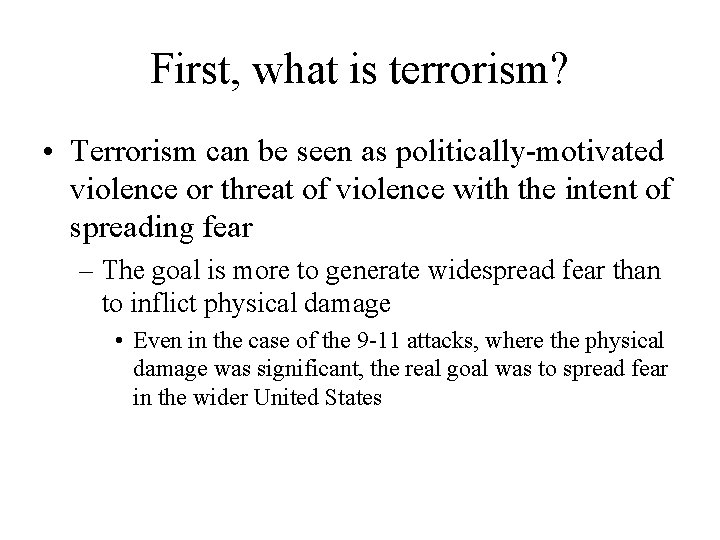
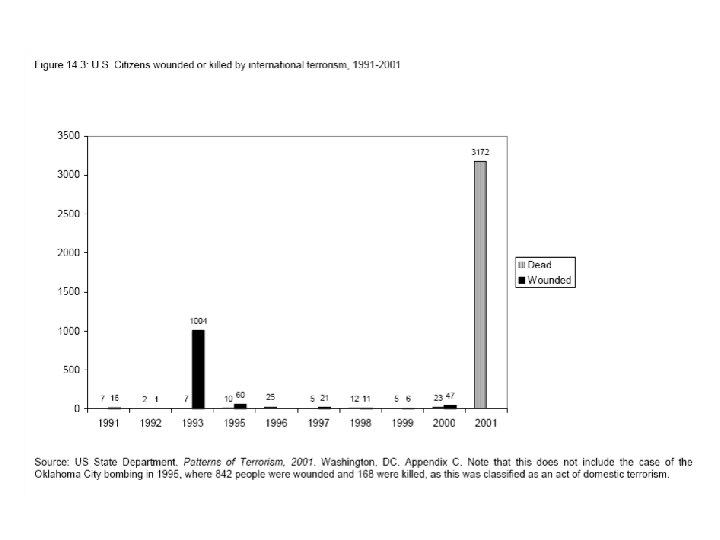
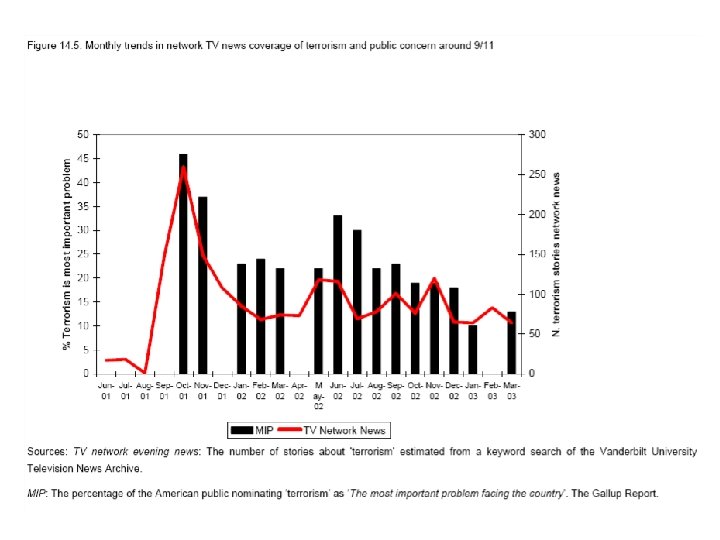
First, what is terrorism? • Terrorism can be seen as politically-motivated violence or threat of violence with the intent of spreading fear – The goal is more to generate widespread fear than to inflict physical damage • Even in the case of the 9 -11 attacks, where the physical damage was significant, the real goal was to spread fear in the wider United States
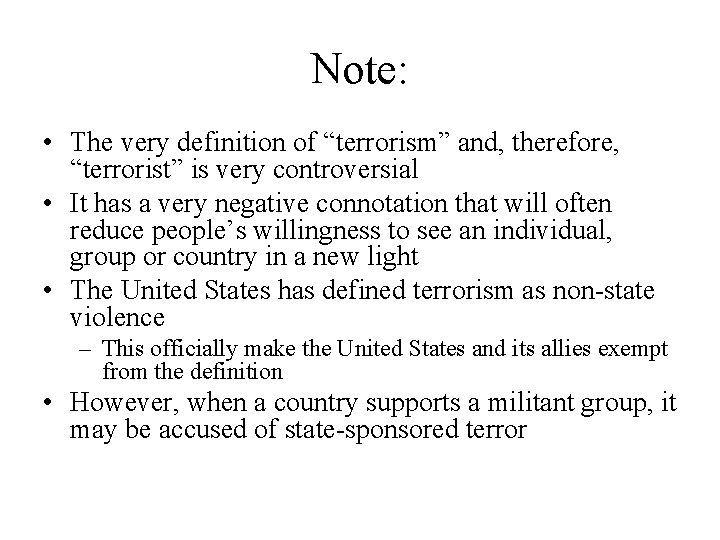
Note: • The very definition of “terrorism” and, therefore, “terrorist” is very controversial • It has a very negative connotation that will often reduce people’s willingness to see an individual, group or country in a new light • The United States has defined terrorism as non-state violence – This officially make the United States and its allies exempt from the definition • However, when a country supports a militant group, it may be accused of state-sponsored terror
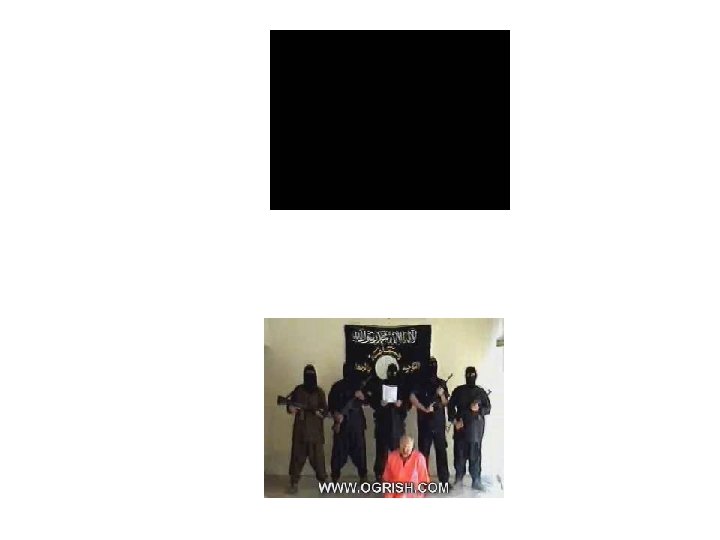
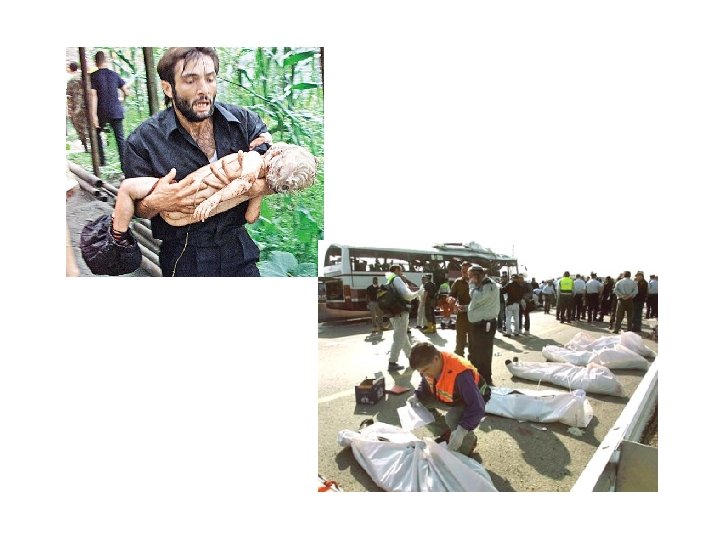
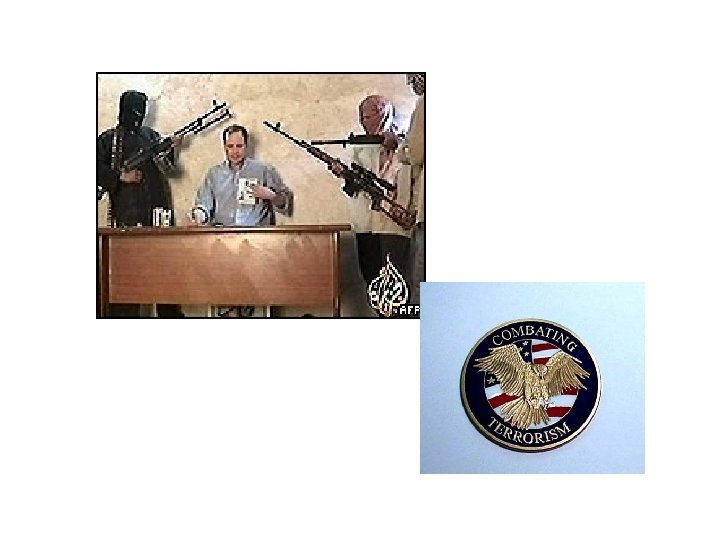
What are the hallmarks of terrorist propaganda? • Propaganda of the deed—that is, the action itself is much of the communication – The World Trade Center/Pentagon attacks were not random, obviously • The Pentagon attack was fairly clear in its direction at the U. S. military – “Random” attacks carry their own message • Claims of responsibility after the fact • Maximum bloodshed and mayhem – Meant to be known as attacks—secret killings are of little value – Brutality meant to be especially difficult for object of attack to accept
What messages do terrorist attacks carry? • We are here – Simply letting it be known that the terrorist group exists – Claiming importance or legitimacy within the wider terrorist network • You are in danger – The awareness of the simple existence of danger is meant to be unsettling – The danger will continue • Attacks will continue
• You cannot protect yourselves – The terrorists are powerful enough to carry out the attacks – The terrorists act in ways that are very difficult to prevent or control • You cannot tell where they will strike – The terrorists are willing to accept personal danger or death in order to carry out their attacks • They are deeply (religiously) committed • They are relentless – They are secretive – They are effective • Our cause is just – You have brought this on yourselves
How do domestic governments counter the terrorists’ messages? • The terrorists are irrational – Religious fervor represents mindless fanaticism – They do not negotiate rationally – They do not accept reasonable rules • They kill innocent women and children • We can and will defeat them – We are more powerful than they are – They are cowardly and when confronted they will run
• Their crimes call out for punishment • They cannot be appeased—they will simply become more dangerous – Their beliefs are contrary to ours – Their goal is to utterly destroy us • We have done nothing to deserve this—we are the innocent and aggrieved party
But. . . • We will have to sacrifice – For as long as it takes • We will need to spend great amounts of money to combat the terrorists – Sadly, this money will have to come from somewhere • We can trim it from all the fat in the domestic programs • It will be necessary to give up some of our civil liberties in order to confront this threat – Including privacy, freedom of speech and freedom of the press • These are hampering our ability to find and combat terrorists • These sacrifices will make us safer
The outcome of terrorism • Terrorism tends to radicalize and militarize relations between nations – Gives a stronger hand to the more extreme voices in governments – Problematizes interactions between states • Middle East • Encourages authoritarian actions within states – Is occasionally successful in influencing or overthrowing domestic authority – Can backfire • Is rarely successful in overthrowing foreign regimes – Sometimes can influence public policy, but may backfire – Hope that they get tired of fighting • Vietnam • Costs many lives and vast amounts of money
Why engage in a relatively unsuccessful form of propaganda? • Terrorism is armed opposition among those who don’t have the military strength to overthrow a government or expel a foreign influence and cannot effectively access less violent means of political action – Government propaganda/media control blocks them out • Third countries may gain sympathy for the plight of the aggrieved group – Palestinians – Shining Path – Tamil Tigers
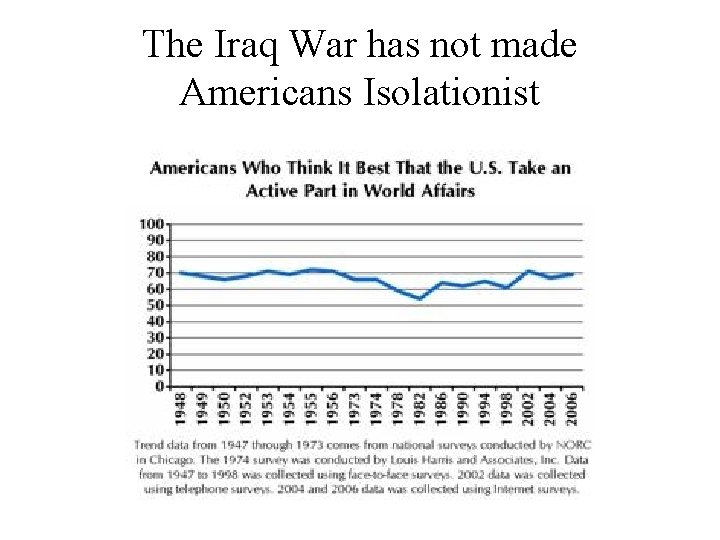
The Iraq War has not made Americans Isolationist
A battle over the framing of terrorism