
Teratogenesis teratogenic agents and effect of teratogens on

- Slides: 22
Teratogenesis – teratogenic agents and effect of teratogens on embryonic development Core Course No. ZOOA – P 2 T, Group-A, Unit: 2, Topic No. 5 1
Is the prenatal environment that important? ? ‐ YES! There are many factors that can negatively impact the developing person. ‐ Teratogens are substances that can lead to birth defects or even death during the prenatal period. 2
Think on your own… What are some factors that could influence prenatal development? 3
Teratogens Drugs (street or over the counter) ‐ Alcohol ‐ Cigarettes ‐ Disease ‐ Poor nutrition ‐ Stressors ‐ Chemicals ‐ ‐ Almost anything can impact a developing fetus 4
But my Mom smoked when she was pregnant with me and I’m fine! ‐ Students often ask why the effects of different teratogens have such different effects on an individual. Think on your own… Why do we see such different effects of teratogens? 5
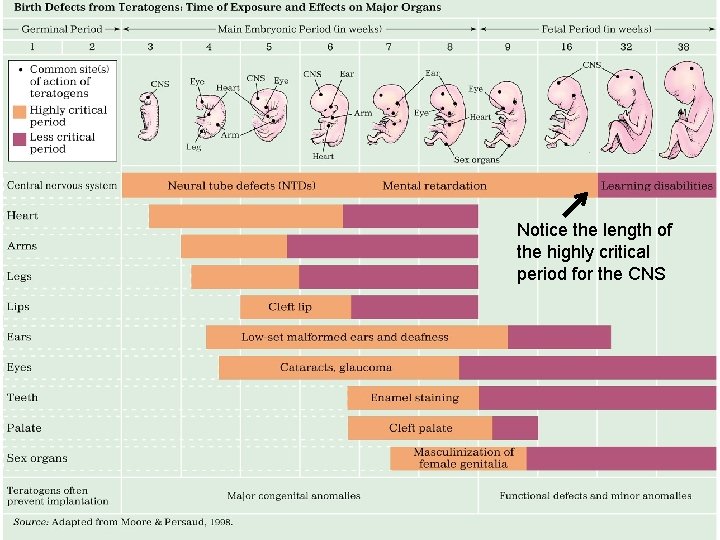
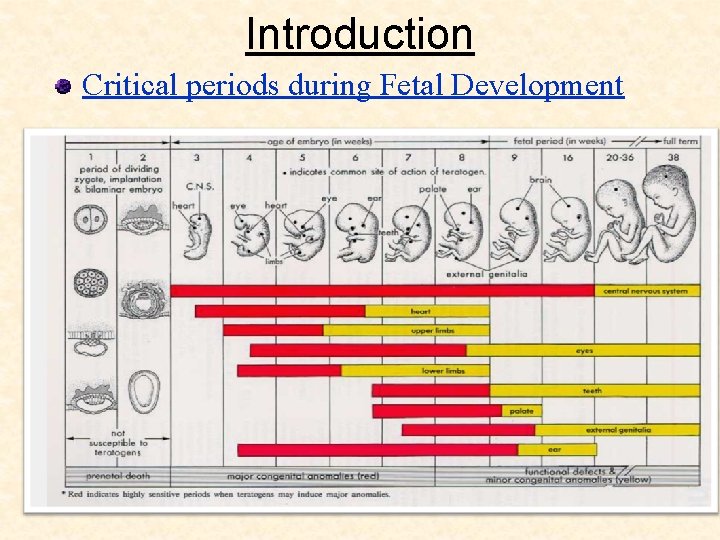
It’s all about timing… ‐ The effect of a teratogen is very personal because the impact depends on the timing of exposure. ‐ Critical period is the time when a particular organ or body part is the most susceptible to damage ‐ Different teratogens can cause damage at different times during development and each body structure has its own critical period 6
Notice the length of the highly critical period for the CNS 7
Introduction Critical periods during Fetal Development 8
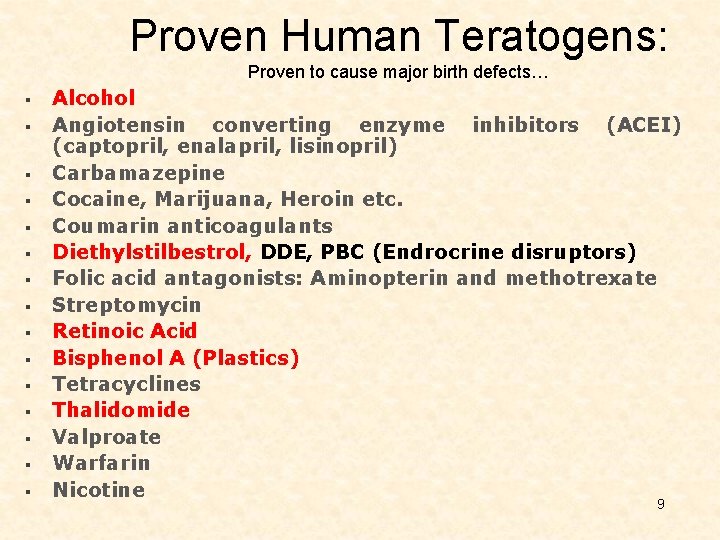
Proven Human Teratogens: Proven to cause major birth defects… § § § § Alcohol Angiotensin converting enzyme inhibitors (ACEI) (captopril, enalapril, lisinopril) Carbamazepine Cocaine, Marijuana, Heroin etc. Coumarin anticoagulants Diethylstilbestrol, DDE, PBC (Endrocrine disruptors) Folic acid antagonists: Aminopterin and methotrexate Streptomycin Retinoic Acid Bisphenol A (Plastics) Tetracyclines Thalidomide Valproate Warfarin Nicotine 9
Some Environmental Hazards (to a Fetus or Newborn) q Environmental Pollutants/Heavy Metals ‐ Lead ‐ Mercury ‐ PCBs Metabolic Conditions in Mother ‐ Autoimmune Disease ‐ Diabetes ‐ Malnutrition ‐ Phenylketonuria q q Infectious Microorganisms ‐ AIDS ‐ Cytomegalovirus (CMV) ‐ Gonorrhea ‐ Herpes Simplex ‐ Mumps ‐ Rubella (German Measles) ‐ Syphilis ‐ Toxoplasmosis q Ionizing radiation (X-Rays) q Hyperthermia (Fever) 10
Fetal Alcohol Syndrome (FAS) ‐ This syndrome is caused by a mother drinking excessive amounts of alcohol during pregnancy. ‐Heavy drinking during the second trimester seems to cause more features of FAS, particularly in weeks 10 -20. 11
Facial abnormalities are an obvious indicator of FAS ‐ Small head circumference ‐ Small, widely-spaced eyes ‐ Prolongation of the fold of the upper eyelid ‐ A short, upturned nose ‐ Flat mid-face, lowered nasal bridge ‐ Thin upper lip 12
Approximately 10, 000 infants are born each year with physical or cognitive disabilities associated with maternal drinking (Jacobson, 1997). ‐ Every 1 in 750 births! 13
Think on your own… How does the presence of alcohol in the fetuses bloodstream effect that developing brain? 14
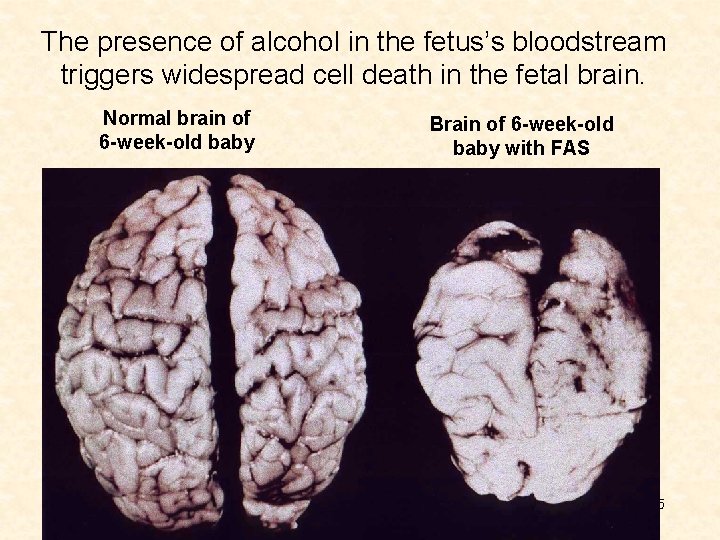
The presence of alcohol in the fetus’s bloodstream triggers widespread cell death in the fetal brain. Normal brain of 6 -week-old baby Brain of 6 -week-old baby with FAS 15
Polycarbonate and Bisphenol A ‐ Ester bonds in polycarbonate are easily hydrolyzed by high temperatures or high/low p. H ‐ Human fetuses, at birth, have 2 -3 ng/ml biologically active bisphenol A in their bodies www. dwell. com www. backcountrygear. com 16
Polycarbonate and Bisphenol A ‐ Mice ‐ Exposed during pregnancy to levels of bisphenol A lower than average human levels ‐ Male offspring have malformation and enlargement of prostate ‐ In humans a similar effect is likely to increase rates of prostate cancer later in life 17
Ibuprofen… ‐ ‐ ‐ Ibuprofen used in early pregnancy has been shown by some studies to increase the risk of miscarriage, but other studies contradict this. There are concerns that drugs such as ibuprofen may cause problems with the implantation of the embryo. There is no definite risk, but women who wish to become pregnant, may want to stay away from ibuprofen. Not Shown to cause birth defects if used during the first two trimesters. The Concern: ‐ Ibuprofen use during the third trimester is suggested to cause the ductus arteriosus (a part of the fetal heart) to close prematurely. ‐ May cause high blood pressure in the fetal lungs. ‐ Use late in pregnancy may inhibit labor or reduce the amount of amniotic fluid 18
Tetracycline… Antibiotic used to treat acne and some respiratory conditions. No birth defects shown in children who were exposed during the first trimester. If taken after the fourth month, there is a risk of causing discoloration of the baby’s teeth. Suggested to affect the calcification of the bones and teeth and the growth of some bones. Echinacea… Only one study done suggests there is not an increased risk of birth defects or miscarriage with echinacea use. Taking an excessive amount of this alcohol containing product may cause birth defects. 19
Chemotherapy: ‐ ‐ ‐ Risk for birth defects if chemotherapy is undergone during the first trimester of pregnancy. May increase the risk of miscarriage. Chemotherapy during the second and third trimesters pose a less severe risk. ‐ Most of the organs (except the brain and reproductive system) are fully developed by this time. 20
Antidepressants: ‐ ‐ ‐ Prozac. ‐ No sign of it causing major birth defects. ‐ There is suggestion that minor birth defects (not medically significant) may occur if taken during the first trimester of pregnancy. Zoloft ‐ Not shown to increase the chance of birth defects more than 3 to 5 % more than the general public. ‐ Much more research needed. Paxil ‐ One study by the manufacturers suggested that use during the first trimester may increase the risk of having a baby with a heart defect. 21
References: Ø Gilbert, S. F. Developmental Biology, 11 th Edition, Sinauer Associates, Inc. , Publishers, Sunderland, Massachusetts, USA. 22