
Terapia dell ipertensione arteriosa nel paziente diabetico Prof
Terapia dell’ ipertensione arteriosa nel paziente diabetico Prof. P. Pauletto Dipartimento di Medicina - DIMED Università degli Studi di Padova Dipartimento di Medicina Interna U. L. S. S. n° 9, Ospedale di Treviso
SUMMARY • Epidemiology • BP target: old vs. new guidelines • Choice of medication - efficacy - BP variability - tolerability • Conclusion
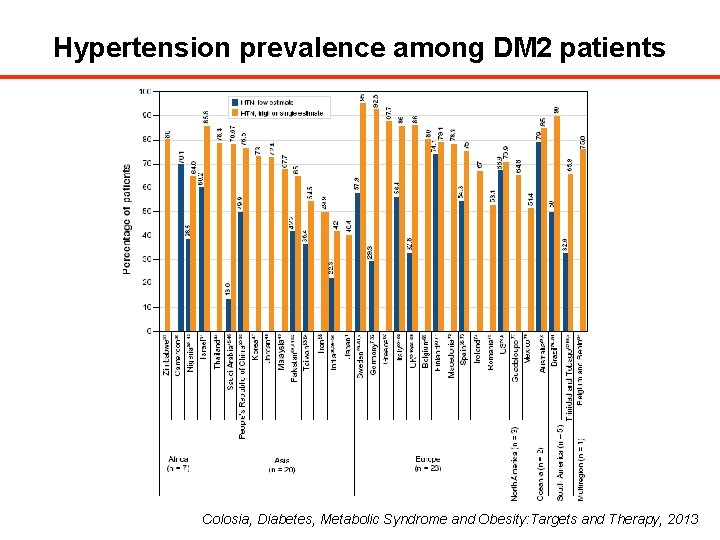
Hypertension prevalence among DM 2 patients Colosia, Diabetes, Metabolic Syndrome and Obesity: Targets and Therapy, 2013
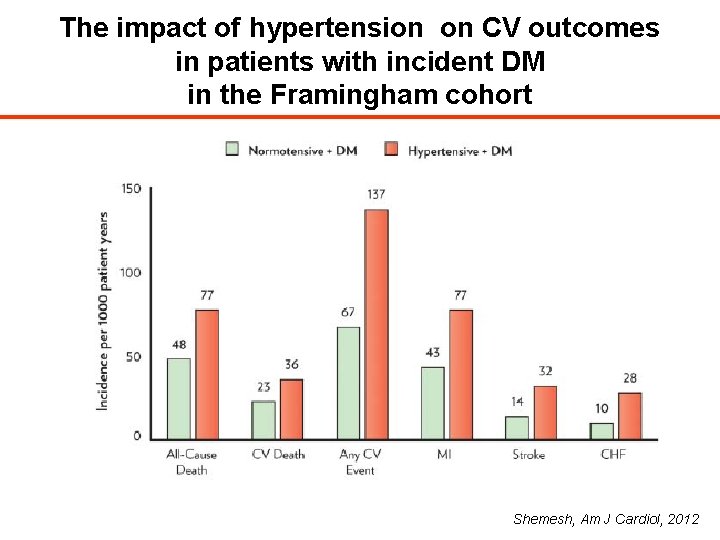
The impact of hypertension on CV outcomes in patients with incident DM in the Framingham cohort Shemesh, Am J Cardiol, 2012
SUMMARY • Epidemiology • BP target: old vs. new guidelines • Choice of medication - efficacy - BP variability - tolerability • Conclusion
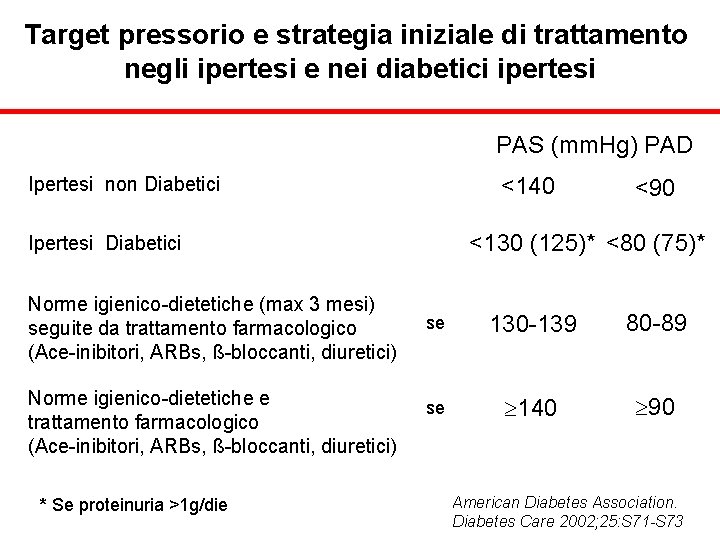
Target pressorio e strategia iniziale di trattamento negli ipertesi e nei diabetici ipertesi PAS (mm. Hg) PAD <140 Ipertesi non Diabetici <130 (125)* <80 (75)* Ipertesi Diabetici Norme igienico-dietetiche (max 3 mesi) seguite da trattamento farmacologico (Ace-inibitori, ARBs, ß-bloccanti, diuretici) Norme igienico-dietetiche e trattamento farmacologico (Ace-inibitori, ARBs, ß-bloccanti, diuretici) * Se proteinuria >1 g/die <90 se 130 -139 80 -89 se 140 90 American Diabetes Association. Diabetes Care 2002; 25: S 71 -S 73
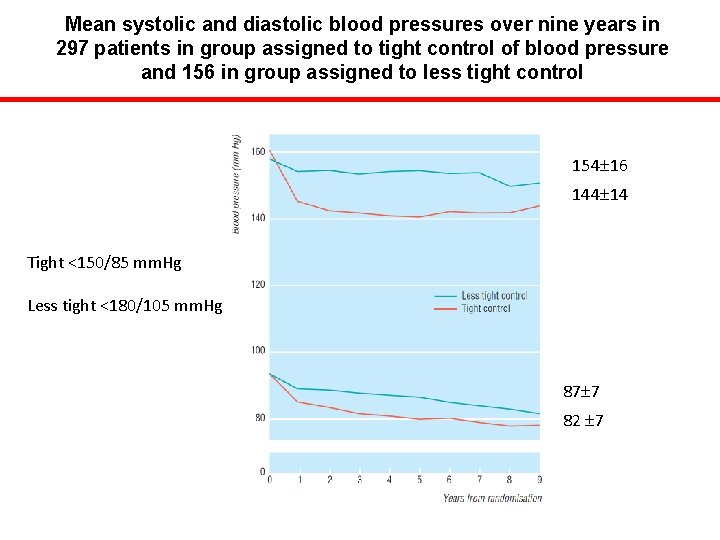
Mean systolic and diastolic blood pressures over nine years in 297 patients in group assigned to tight control of blood pressure and 156 in group assigned to less tight control 154 16 144 14 Tight <150/85 mm. Hg Less tight <180/105 mm. Hg 87 7 82 7
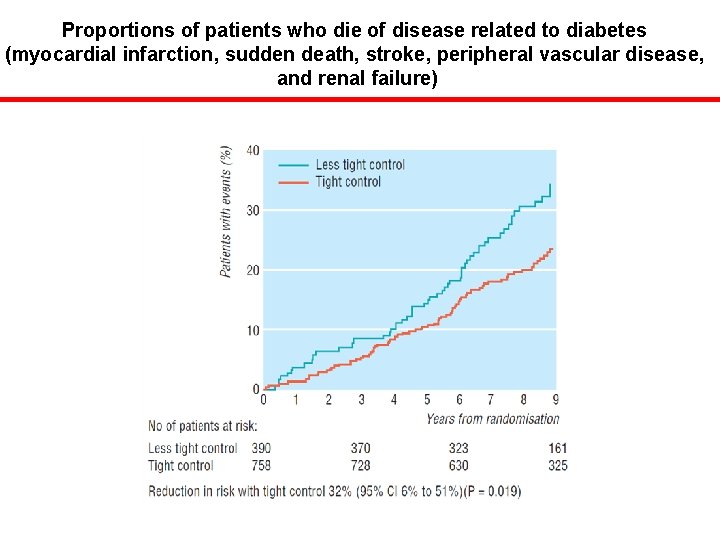
Proportions of patients who die of disease related to diabetes (myocardial infarction, sudden death, stroke, peripheral vascular disease, and renal failure)
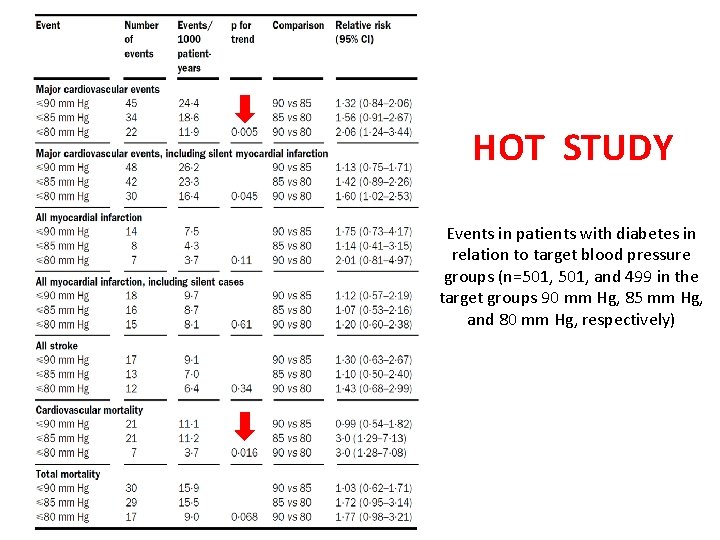
HOT STUDY Events in patients with diabetes in relation to target blood pressure groups (n=501, and 499 in the target groups 90 mm Hg, 85 mm Hg, and 80 mm Hg, respectively)
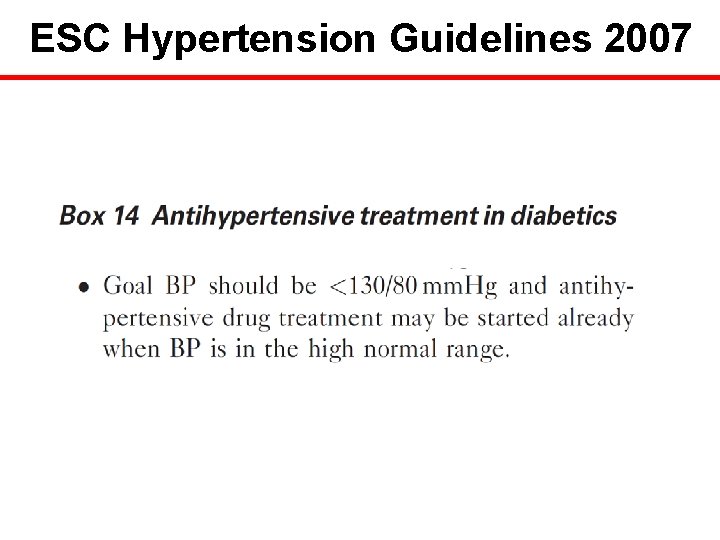
ESC Hypertension Guidelines 2007
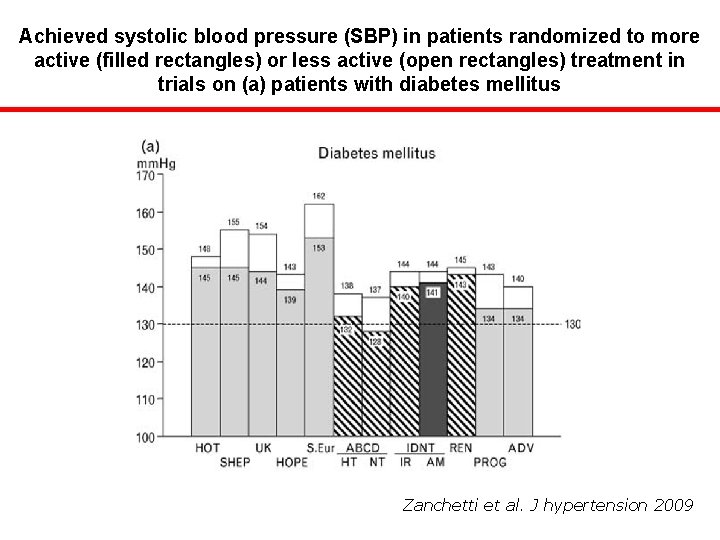
Achieved systolic blood pressure (SBP) in patients randomized to more active (filled rectangles) or less active (open rectangles) treatment in trials on (a) patients with diabetes mellitus Zanchetti et al. J hypertension 2009
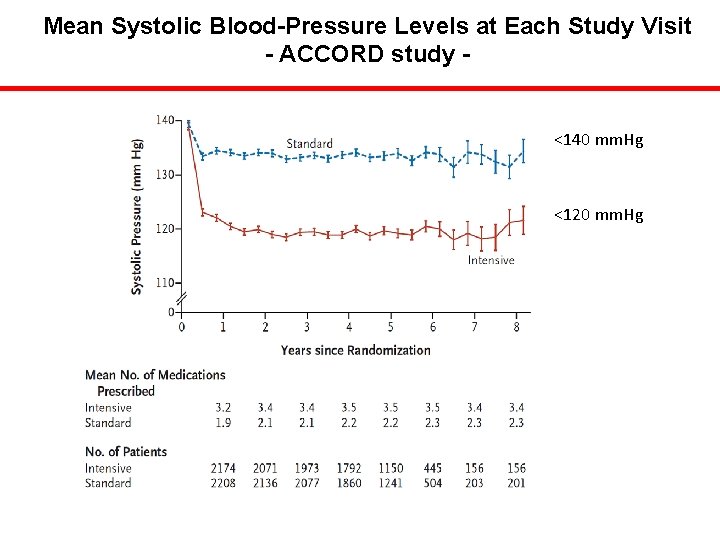
Mean Systolic Blood-Pressure Levels at Each Study Visit - ACCORD study - <140 mm. Hg <120 mm. Hg
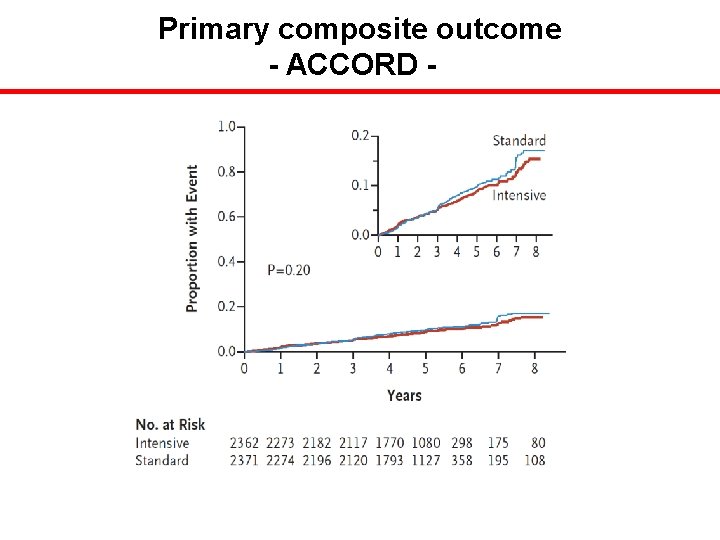
Primary composite outcome - ACCORD -
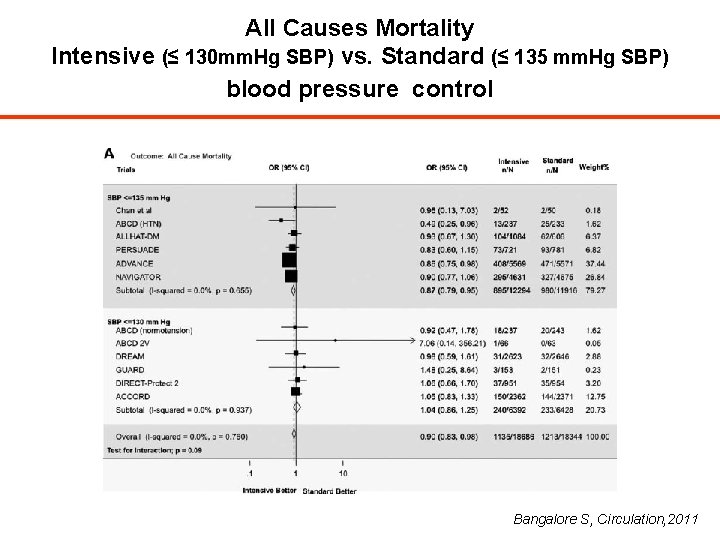
All Causes Mortality Intensive (≤ 130 mm. Hg SBP) vs. Standard (≤ 135 mm. Hg SBP) blood pressure control Bangalore S, Circulation, 2011
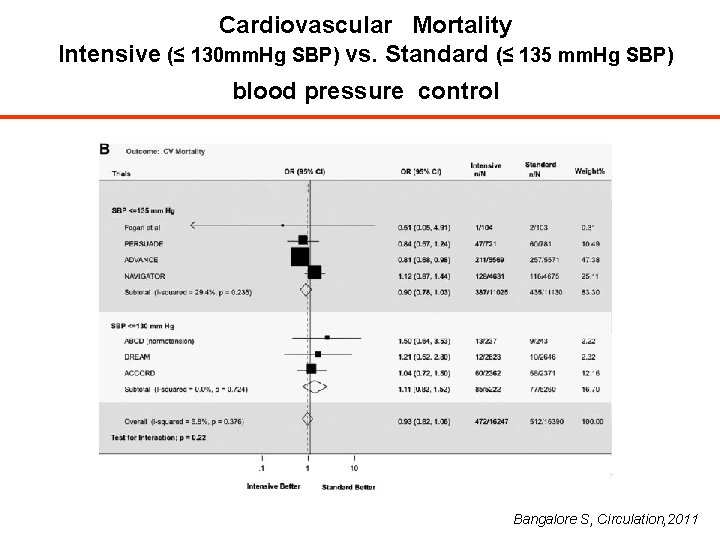
Cardiovascular Mortality Intensive (≤ 130 mm. Hg SBP) vs. Standard (≤ 135 mm. Hg SBP) blood pressure control Bangalore S, Circulation, 2011
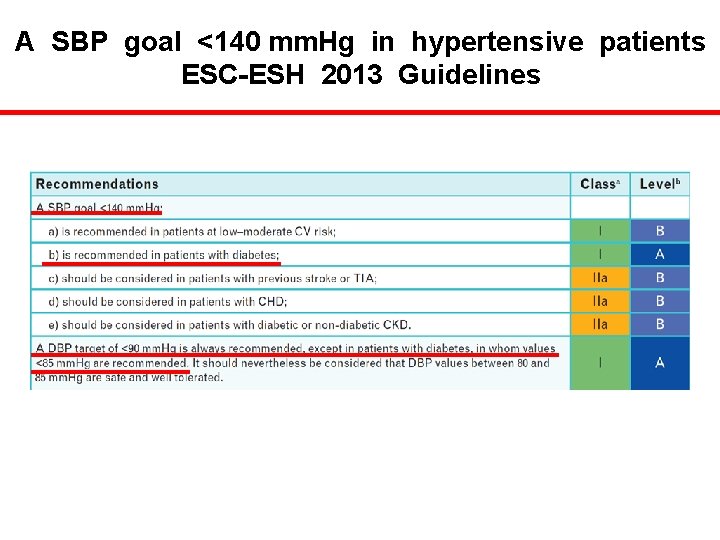
A SBP goal <140 mm. Hg in hypertensive patients ESC-ESH 2013 Guidelines
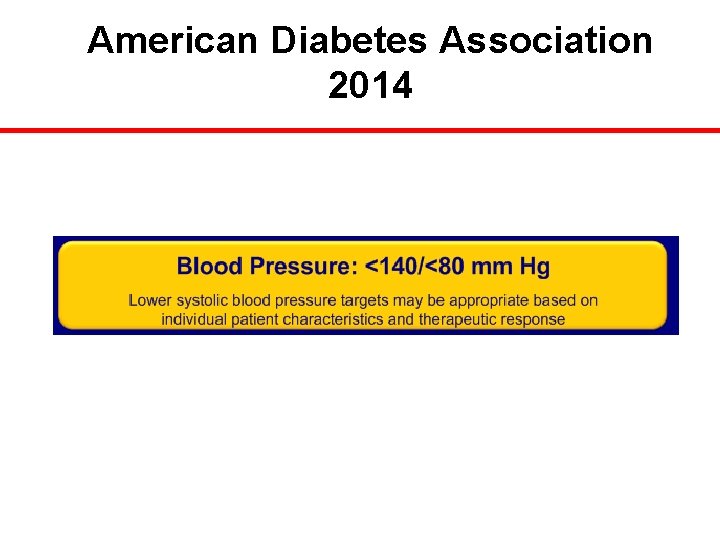
American Diabetes Association 2014
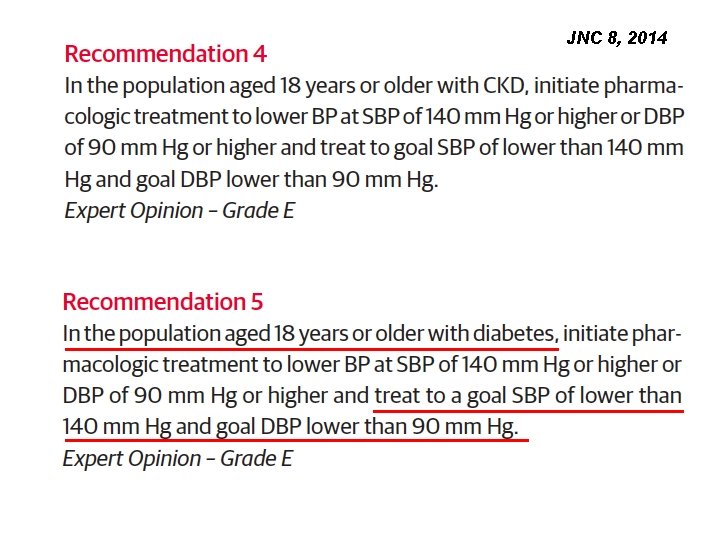
JNC 8, 2014
SUMMARY • Epidemiology • BP target: old vs. new guidelines • Choice of medication - efficacy - BP variability - tolerability • Conclusion
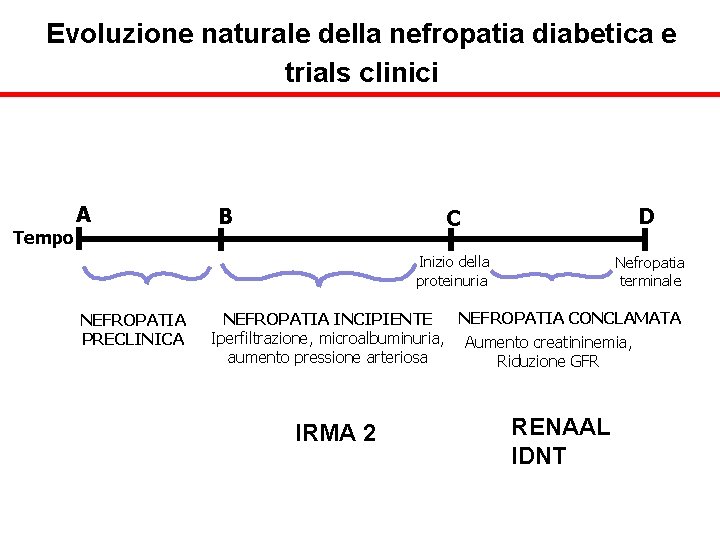
Evoluzione naturale della nefropatia diabetica e trials clinici Tempo A B D C Inizio della proteinuria NEFROPATIA PRECLINICA Nefropatia terminale NEFROPATIA CONCLAMATA NEFROPATIA INCIPIENTE Iperfiltrazione, microalbuminuria, Aumento creatininemia, aumento pressione arteriosa Riduzione GFR IRMA 2 RENAAL IDNT
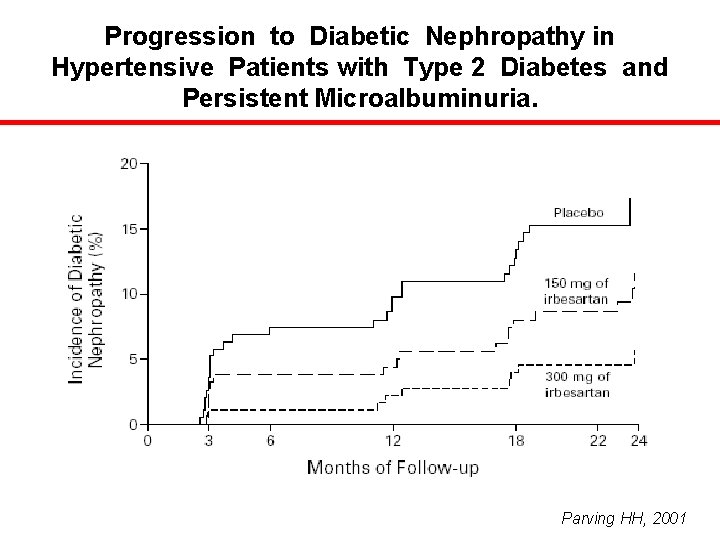
Progression to Diabetic Nephropathy in Hypertensive Patients with Type 2 Diabetes and Persistent Microalbuminuria. Parving HH, 2001
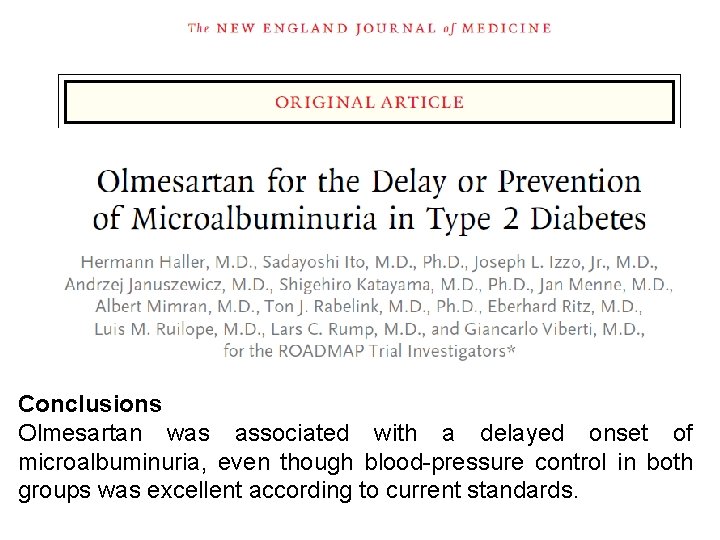
Conclusions Olmesartan was associated with a delayed onset of microalbuminuria, even though blood-pressure control in both groups was excellent according to current standards.
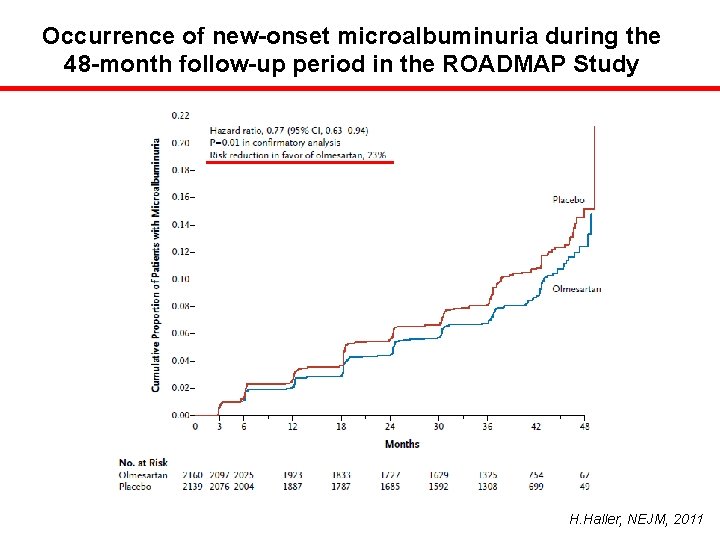
Occurrence of new-onset microalbuminuria during the 48 -month follow-up period in the ROADMAP Study H. Haller, NEJM, 2011
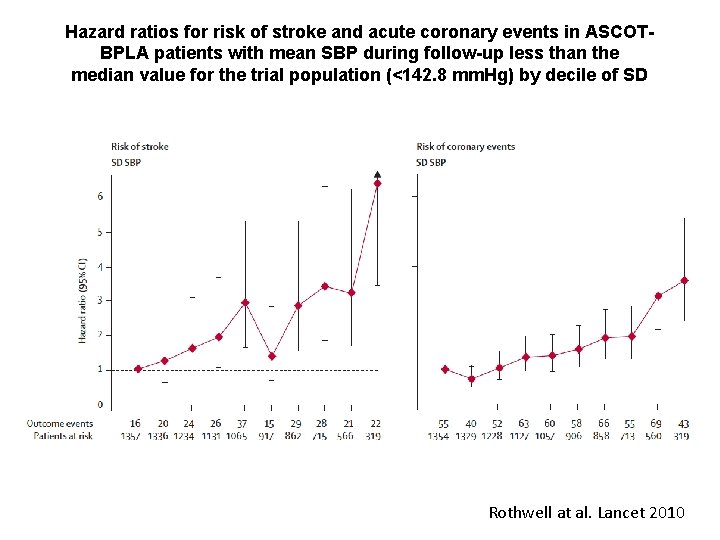
Hazard ratios for risk of stroke and acute coronary events in ASCOTBPLA patients with mean SBP during follow-up less than the median value for the trial population (<142. 8 mm. Hg) by decile of SD Rothwell at al. Lancet 2010
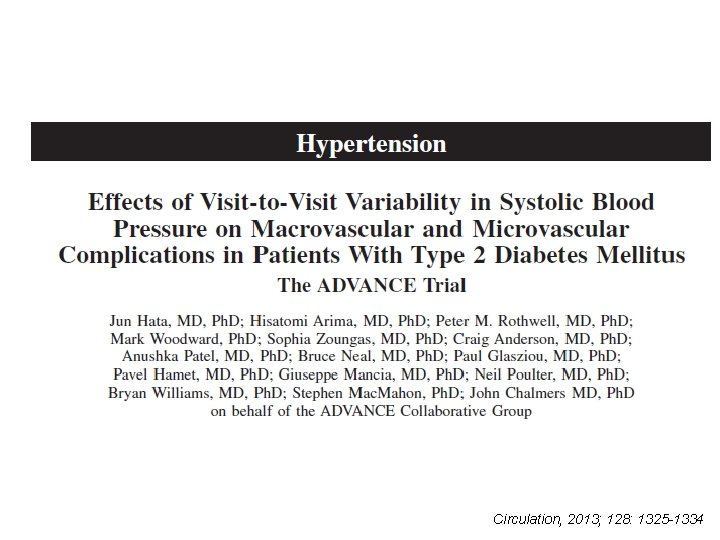
Circulation, 2013; 128: 1325 -1334
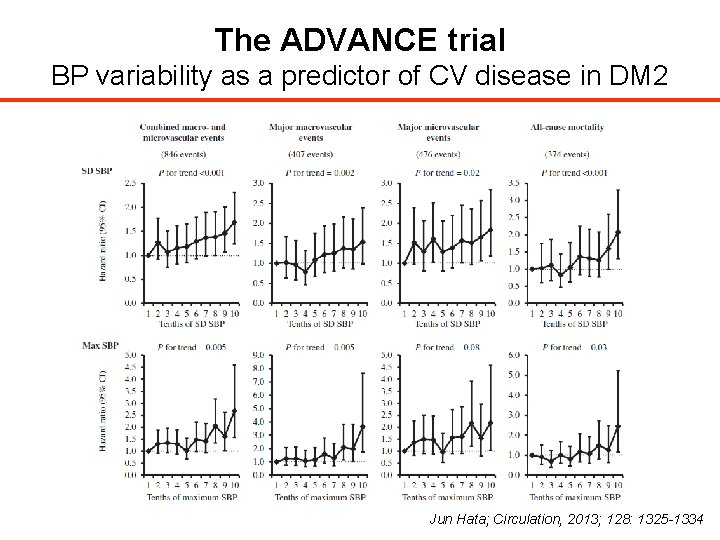
The ADVANCE trial BP variability as a predictor of CV disease in DM 2 Jun Hata; Circulation, 2013; 128: 1325 -1334
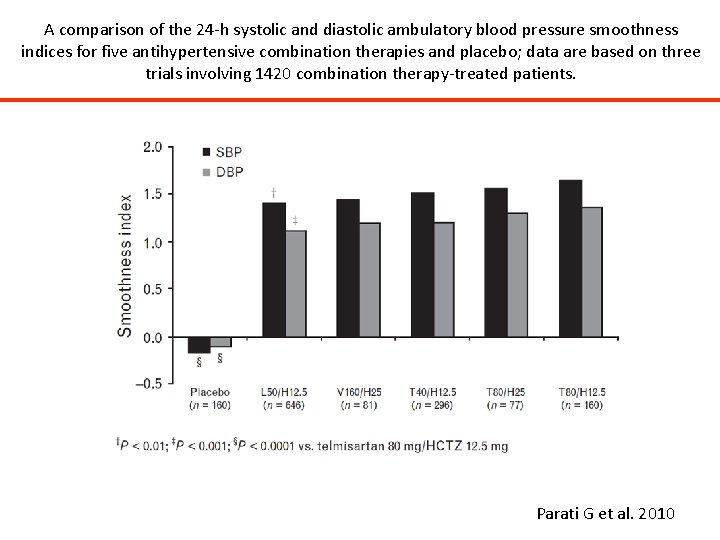
A comparison of the 24 -h systolic and diastolic ambulatory blood pressure smoothness indices for five antihypertensive combination therapies and placebo; data are based on three trials involving 1420 combination therapy-treated patients. Parati G et al. 2010
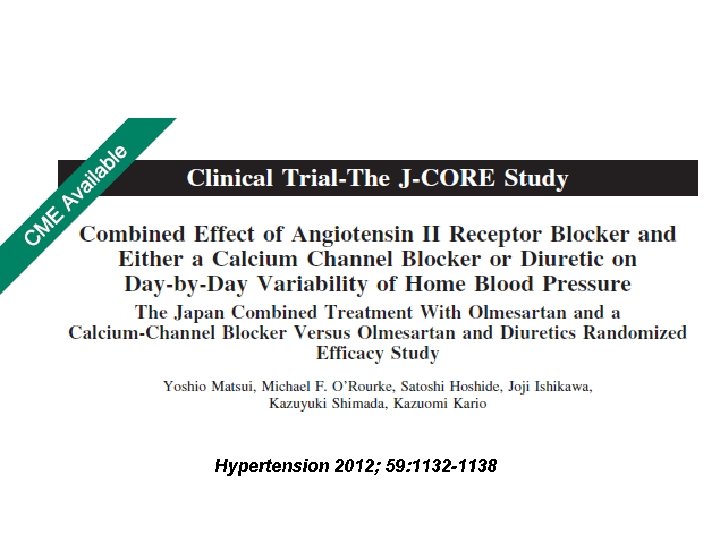
Hypertension 2012; 59: 1132 -1138
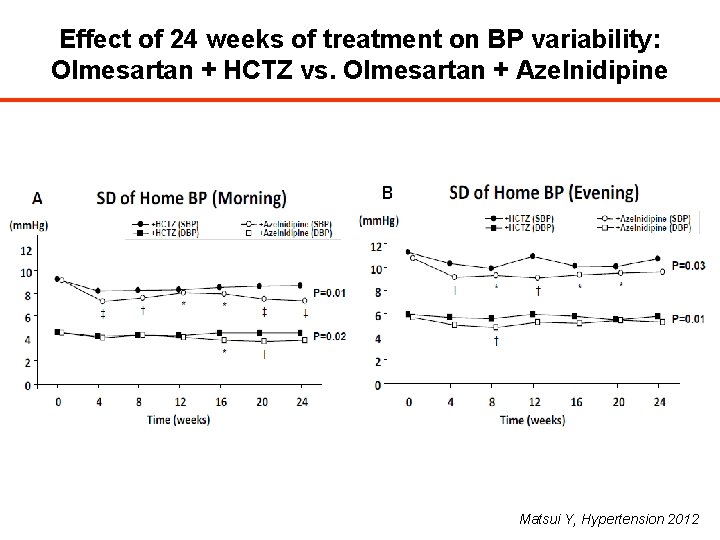
Effect of 24 weeks of treatment on BP variability: Olmesartan + HCTZ vs. Olmesartan + Azelnidipine Matsui Y, Hypertension 2012
Christine Grimm; Juliane Köberlein; Waldemar Wiosna; Jutta Kresimon; Peter Kiencke; Reinhard Rychlik Christos V Rizos, Moses S Elisaf
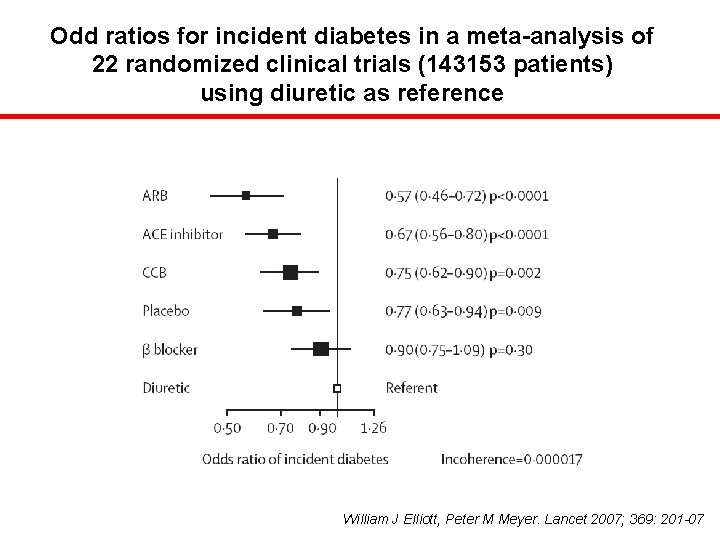
Odd ratios for incident diabetes in a meta-analysis of 22 randomized clinical trials (143153 patients) using diuretic as reference William J Elliott, Peter M Meyer. Lancet 2007; 369: 201 -07
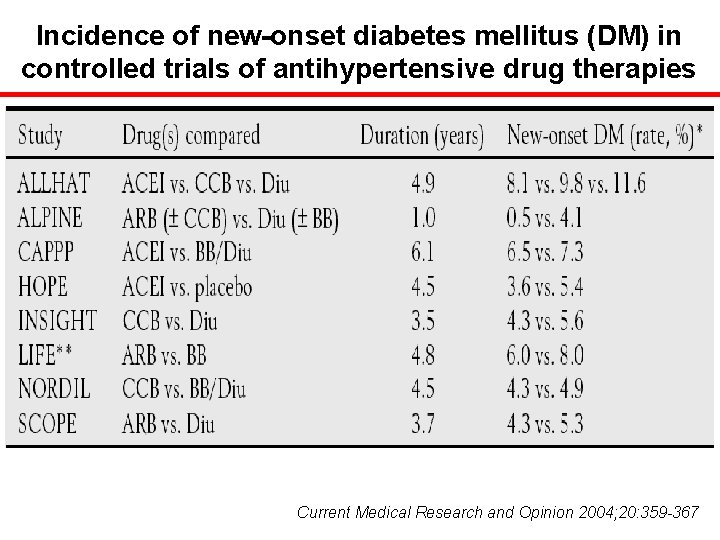
Incidence of new-onset diabetes mellitus (DM) in controlled trials of antihypertensive drug therapies *p < 0. 05 for all results except NORDIL and SCOPE (n. s. ) **Diuretic used by > 80% patients Current Medical Research and Opinion 2004; 20: 359 -367
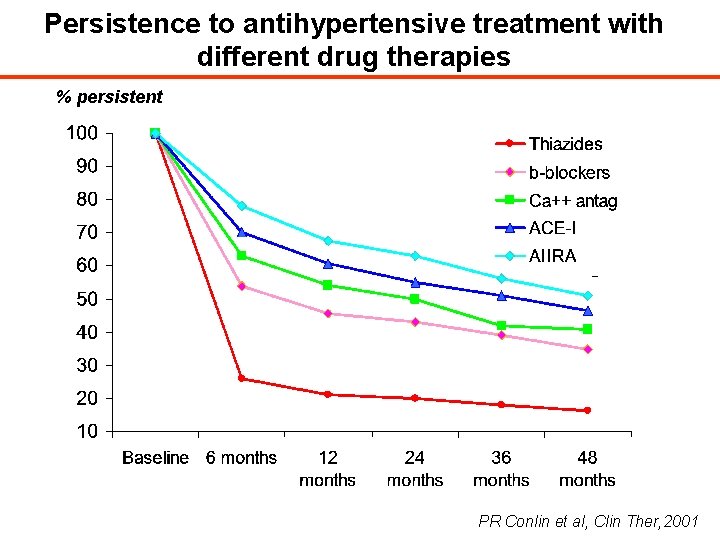
Persistence to antihypertensive treatment with different drug therapies % persistent PR Conlin et al, Clin Ther, 2001
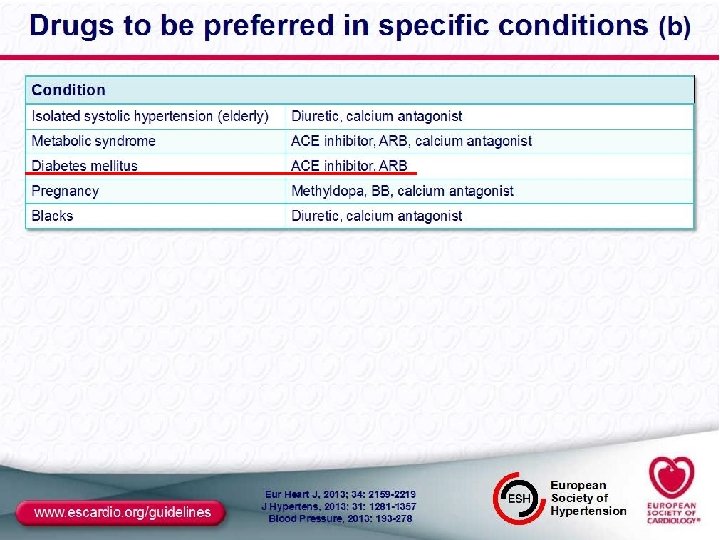
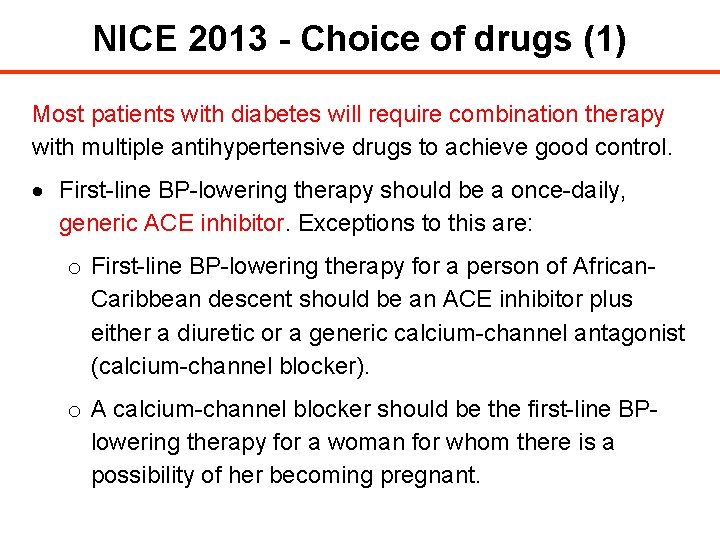
NICE 2013 - Choice of drugs (1) Most patients with diabetes will require combination therapy with multiple antihypertensive drugs to achieve good control. First-line BP-lowering therapy should be a once-daily, generic ACE inhibitor. Exceptions to this are: o First-line BP-lowering therapy for a person of African. Caribbean descent should be an ACE inhibitor plus either a diuretic or a generic calcium-channel antagonist (calcium-channel blocker). o A calcium-channel blocker should be the first-line BPlowering therapy for a woman for whom there is a possibility of her becoming pregnant.
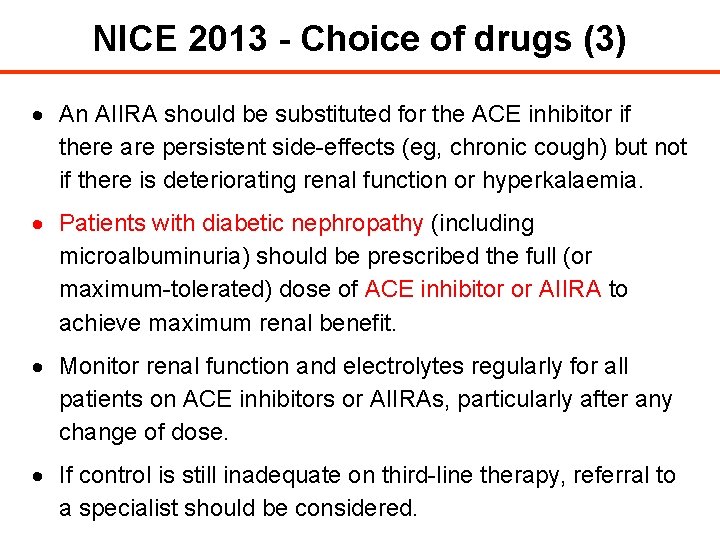
NICE 2013 - Choice of drugs (3) An AIIRA should be substituted for the ACE inhibitor if there are persistent side-effects (eg, chronic cough) but not if there is deteriorating renal function or hyperkalaemia. Patients with diabetic nephropathy (including microalbuminuria) should be prescribed the full (or maximum-tolerated) dose of ACE inhibitor or AIIRA to achieve maximum renal benefit. Monitor renal function and electrolytes regularly for all patients on ACE inhibitors or AIIRAs, particularly after any change of dose. If control is still inadequate on third-line therapy, referral to a specialist should be considered.
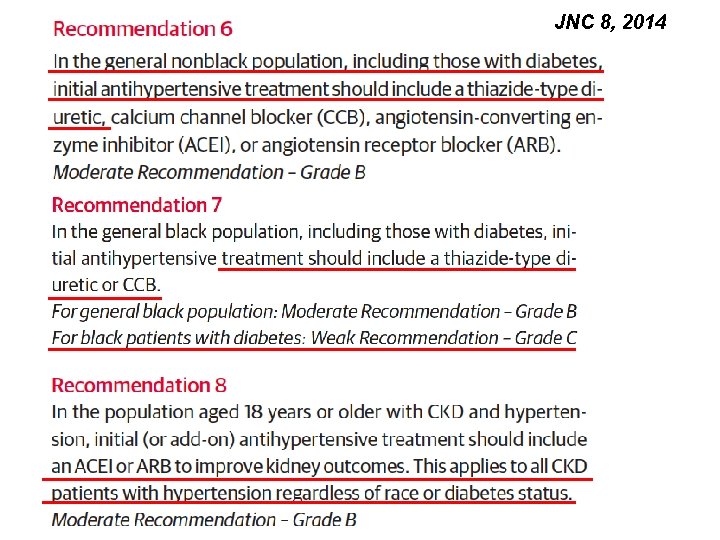
JNC 8, 2014
SUMMARY • Epidemiology • BP target: old vs. new guidelines • Choice of medication - efficacy - BP variability - tolerability • Conclusion
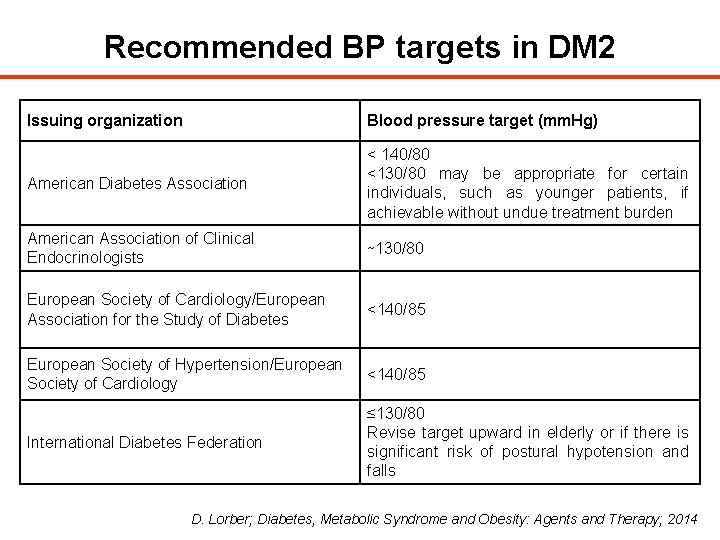
Recommended BP targets in DM 2 Issuing organization Blood pressure target (mm. Hg) American Diabetes Association < 140/80 <130/80 may be appropriate for certain individuals, such as younger patients, if achievable without undue treatment burden American Association of Clinical Endocrinologists ∼ 130/80 European Society of Cardiology/European Association for the Study of Diabetes <140/85 European Society of Hypertension/European Society of Cardiology <140/85 International Diabetes Federation ≤ 130/80 Revise target upward in elderly or if there is significant risk of postural hypotension and falls D. Lorber; Diabetes, Metabolic Syndrome and Obesity: Agents and Therapy; 2014
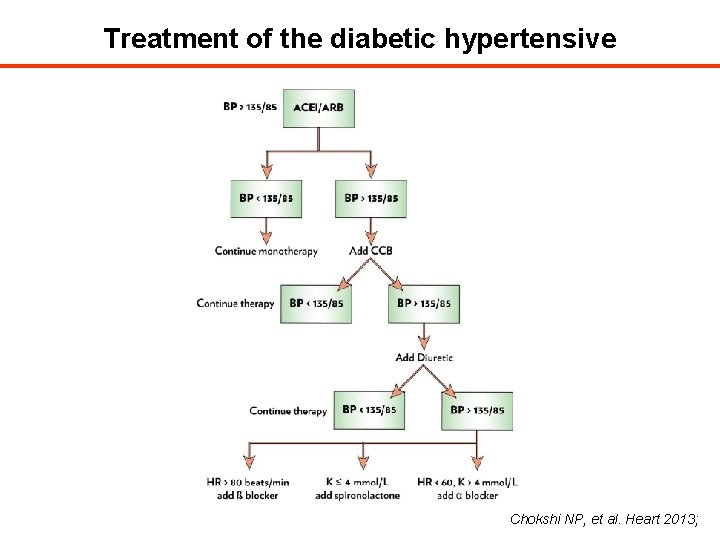
Treatment of the diabetic hypertensive Chokshi NP, et al. Heart 2013;
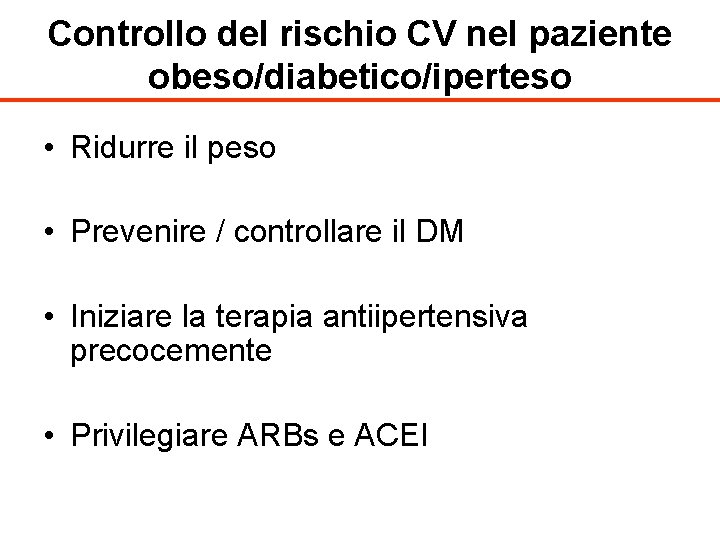
Controllo del rischio CV nel paziente obeso/diabetico/iperteso • Ridurre il peso • Prevenire / controllare il DM • Iniziare la terapia antiipertensiva precocemente • Privilegiare ARBs e ACEI
- Slides: 44