
TEN COMMANDMENTS OF SCIENTIFIC THINKING IN PSYCHOLOGY Week
- Slides: 12
TEN COMMANDMENTS OF SCIENTIFIC THINKING IN PSYCHOLOGY Week 15
TEN COMMANDMENTS OF UNSCIENTIFIC THINKING IN PSYCHOLOGY Week 15
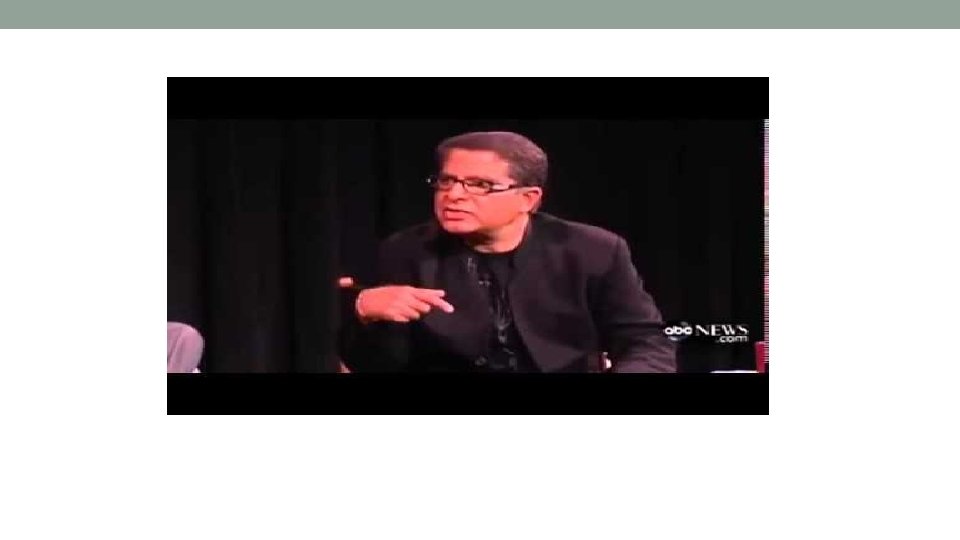
Deepak Chopra • In your online questionnaire (Week 2), you judged a series of statements whether they were profound or not. • Some were generated using the Online Bullshit Generator (http: //sebpearce. com/bullshit/) • Some were from original Deepak Chopra’s tweets • Some were modified from Deepak Chopra’s tweets, by inserting ‘hope’
Online Bullshit Generator • In Week 3, we discussed “colorless ideas sleep furiously”, a grammatically correct but semantically empty phrase. • The Online Bullshit Generator works the same way, except that the nouns in them are catchy “new age” words. • Try it here: http: //sebpearce. com/bullshit/
Why do people believe in bulls***? • We don’t know for sure, but according to Pennycock et al (2015)… • People have a tendency to judge bulls*** statements as profound • People who judge them as profound tend to display ontological confusions Pennycook et al. (2015). On the reception and detection of pseudo-profound bullshit. Judg Dec Making.
As promised: Back to Week 2 - What did we find? • We measured your tendency to feel hopeless. For example: “I might as well give up because there’s nothing I can do to make things better for me” “I happen to be particularly lucky and I expect to get more of the good things in life than the average person” “I never get what I want, so it’s foolish to want anything” • People who feel hopeless tend to think that bull**** statements of hope as more profound.
Your task • In the following videos, identify the tactics (“Commandments”) Deepak chopra uses to confuse (convince? ) his audience between what is scientific and what is unscientific. • As you watch the video, jot down these “Commandments” on a piece of paper. Ready?
Commandments of unscientific thinking Thou shalt (not)…
Take home message for the entire course • Psychology is a science • But what is science and what is nonscience is not always clear • This ambiguity has to do with the entire scientific enterprise, and is not per se peculiar to psychology • The aim of this course has never been to teach you what was science or nonscience per se • It was to teach you how to judge if something is science or nonscience.