
Teen Brain Development Empowering Teens to Make Choices
Teen Brain Development Empowering Teens to Make Choices for Health
Outline • Learn the unique characteristics of the teen brain. • Learn how substance use is especially hazardous on a teen’s brain. • Explore how stress is experienced by teens. • Discuss four strategies for “thriving”. • Investigate how to make steps towards change.
The Teen Brain
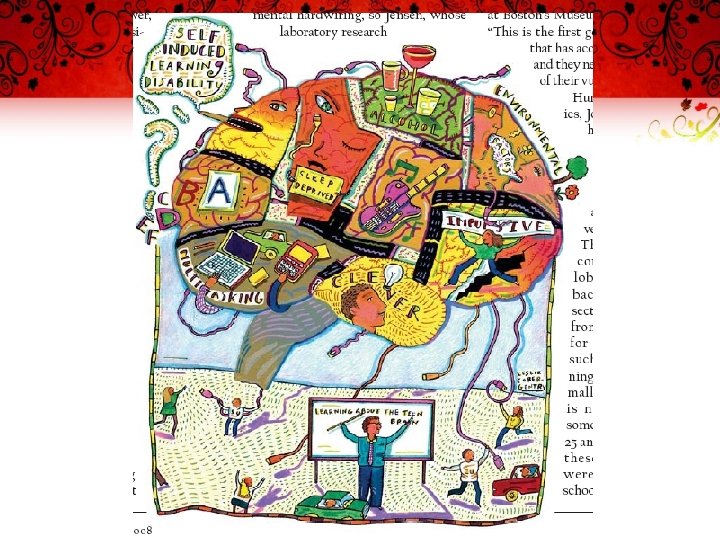
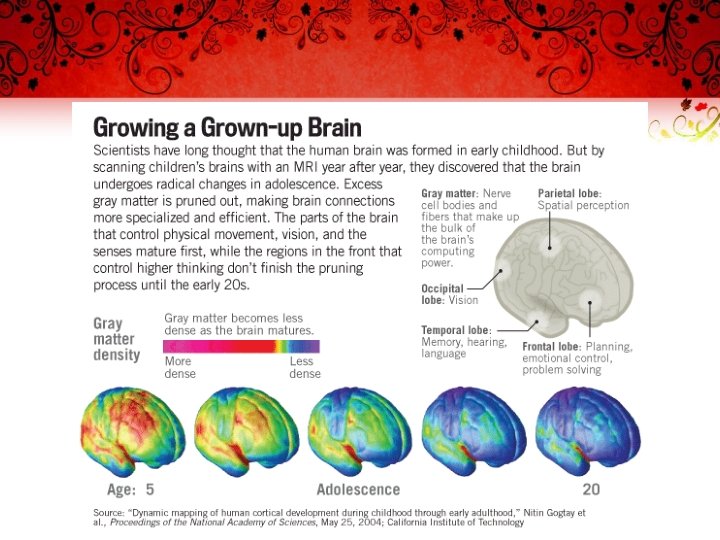
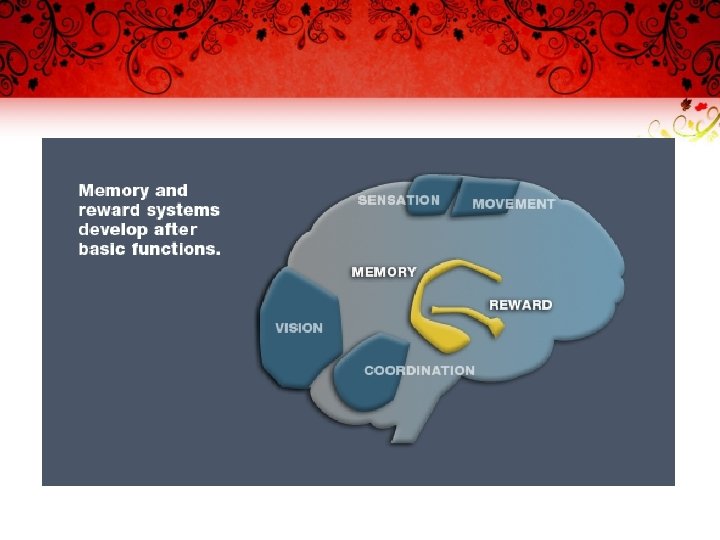
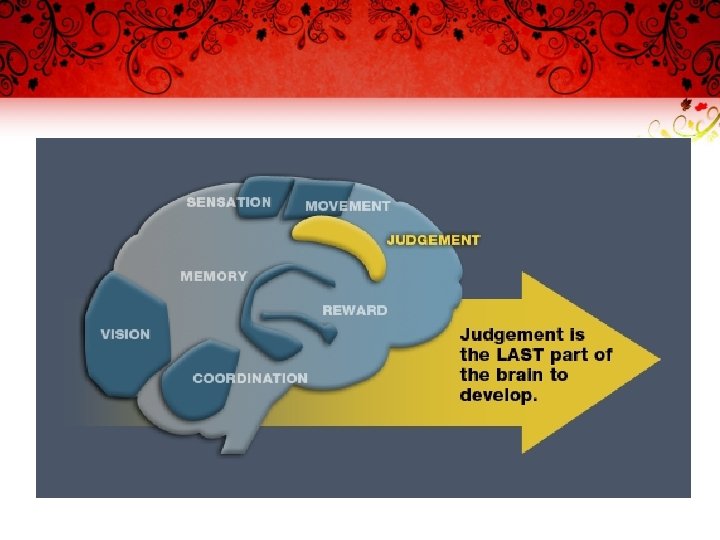
The Child’s Developing Brain http: //www. nytimes. com/interactive/2008/09/15/heal th/20080915 -brain-development. html
What Happens When You Take Your Developing Brain & Mix it With Some Drugs?

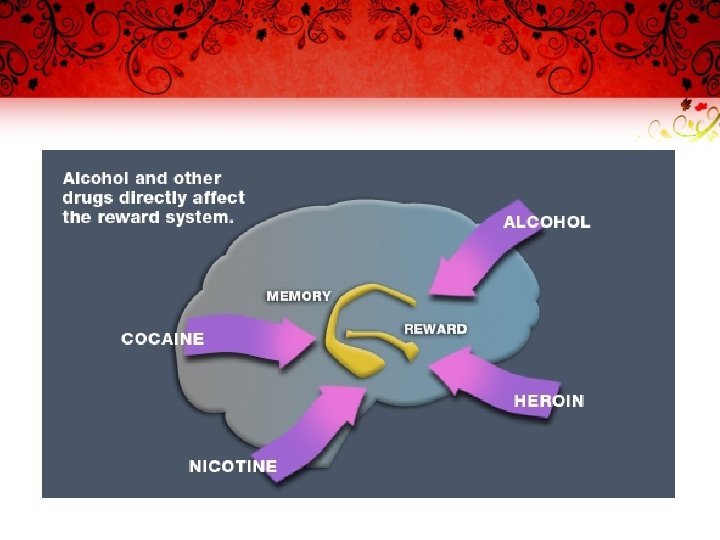
Why are drugs more addictive than natural rewards? • Some drugs can release 2 to 10 times the amount of dopamine that natural rewards do and the effect can last much longer. • The brain adjusts to the surges in dopamine by producing less dopamine and the ability to experience pleasure is reduced. • Eventually the person will feel flat, lifeless and depressed. . . when not using.
Pair Share- 5 min. 1) Think – What changes have you noticed in your thinking, feeling or behavior as a Freshman compared to middle school? – How could this be explained by what we know about teenage brain development? – Why do you think it’s important to understand brain development when studying about substance abuse? 2) Share this with your partner
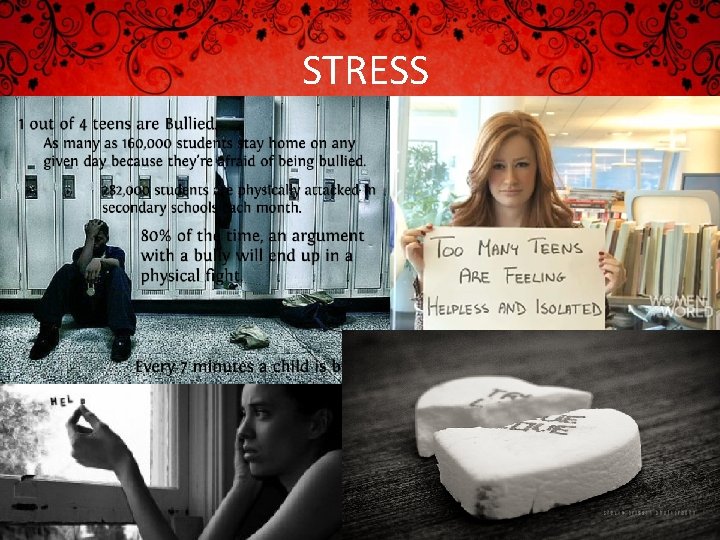
STRESS
Life is Hard for a Teen • Teens process information emotionally • May find it hard to put emotions into words • Tend to react quickly without considering consequences to their actions • Can misinterpret how others feel • Are vulnerable to stress- especially when emotionally charged
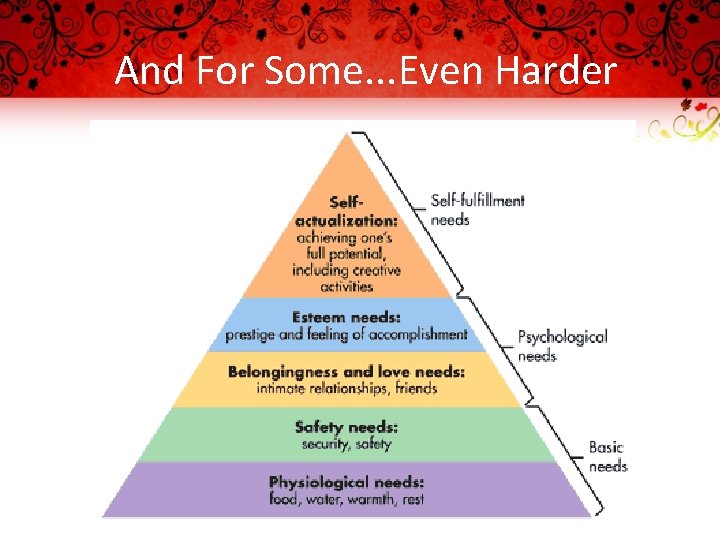
And For Some. . . Even Harder
When Basic Needs Aren’t Met • Fear, chaos, anxiety – the “survival brain” – teens are just trying to make it day to day • Trouble paying attention, sitting still, and controlling emotions • Living in a violent environment puts teens at risk of: depression, suicidal thoughts, and use of substances.
Strategies for “Thriving”
1. Find an Adult to Trust • Doesn’t have to be a parent- could be a coach, family friend, community member, counselor, adult sibling, relative, spiritual leader etc. . . • It’s important to have one person you can share your feelings with and get support from when dealing with tough situations. • If you ever feel unsafe or your basic needs are not being met, this is someone you can go to for help.
2. Take Care of Yourself • Find healthy ways to deal with stress – – – • For those who have experienced a trauma. . . now is the Physical Exercise time to explore helpful Journaling coping strategies and to Yoga continue the healing Mindfulness/ Meditation process Individual/Group Counseling – Bond with your friends
3. Make Sleep a Priority • Teens need more sleep than adults- 9 hours • Compared to a child, melatonin is released two hours later at night and stays in the brain later into the morning • Sleep deprivation can lead to symptoms similar to ADHD, risk of depression and less control of emotions. • Sleep is key to a healthy immune system and optimal memory functioning.
4. Connect with Your Community • Working in the community requires risktaking, independence and initiative. • The more you help others, the better you feel. • Allows you to make connections with supportive adults. • Ideas: school, religious group, homeless services, nursing homes, children programs, environmental, social, and political causes.
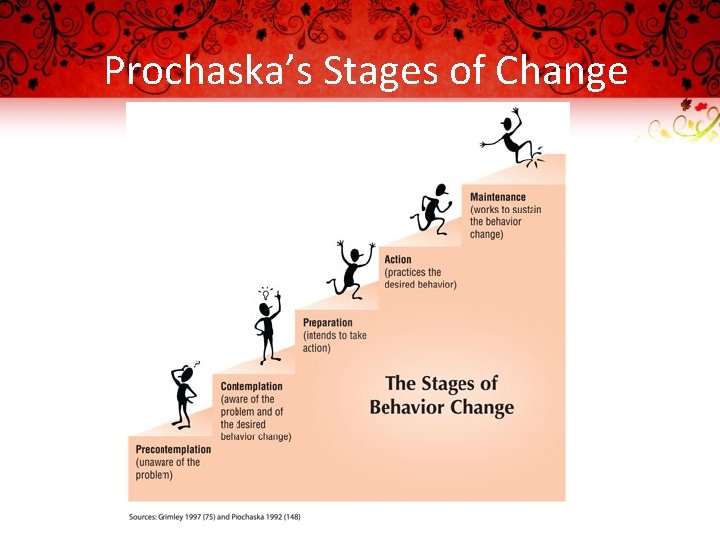
Prochaska’s Stages of Change
Exploring Change • Activity – The Freshman Experiment • A way to evaluate what is working and what is not • An opportunity to “try on” new behaviors
Thank you! • If you have any questions or concerns about what I shared today, you can stop by the counseling office during lunch Mon, Thurs, Fri or email me at jennifer_goslin@ beaverton. k 12. or. us
- Slides: 26