
Technique of Data Collection Interview The Interview may

- Slides: 20
Technique of Data Collection Interview
• The Interview may be regarded a systematic method by which one person enters more or less imaginatively into the inner life of another who is generally a comparative stranger to him.
Characteristics • Two or more persons • Face to face relations • Specific objective • Collection of data • All types of respondents
Objectives of Interview • Main source of Hypothesis • Information through direct and face to face contact • To seek opportunity for observation • • Internal and personal information • Information about qualitative information
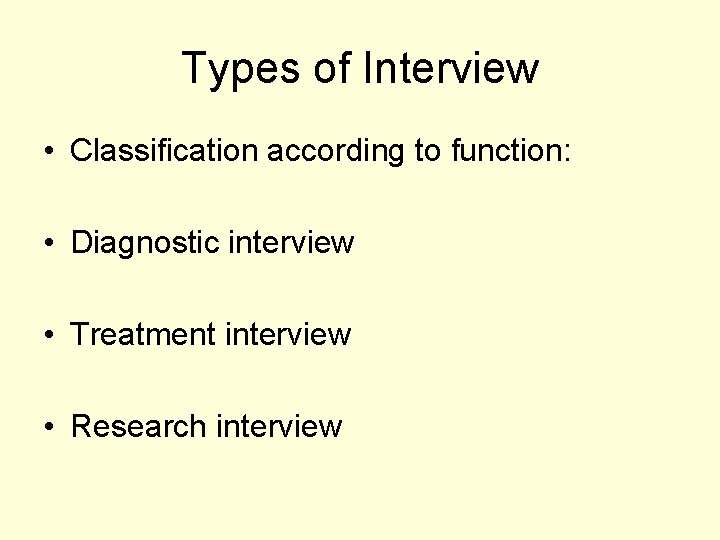
Types of Interview • Classification according to function: • Diagnostic interview • Treatment interview • Research interview
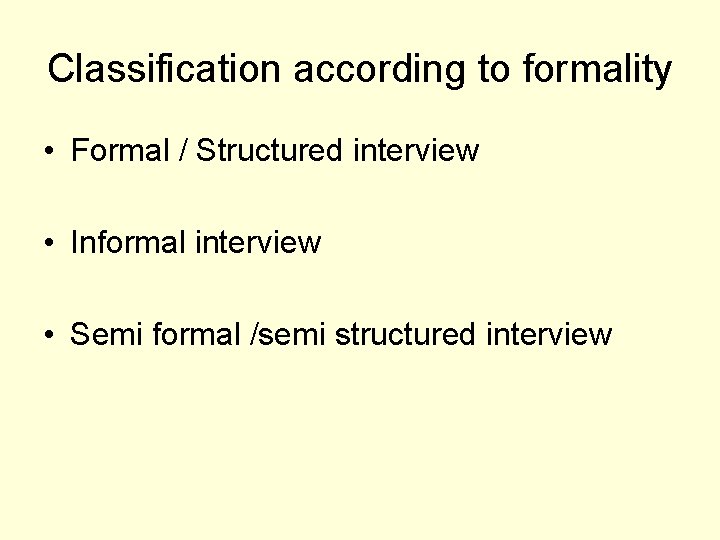
Classification according to formality • Formal / Structured interview • Informal interview • Semi formal /semi structured interview
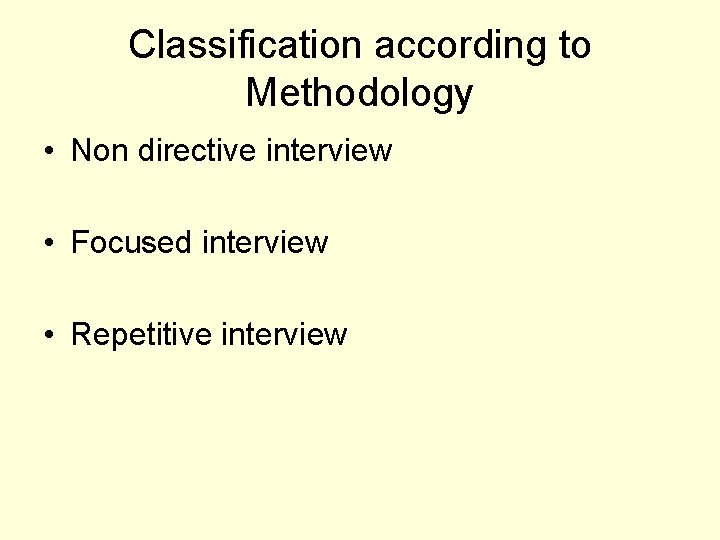
Classification according to Methodology • Non directive interview • Focused interview • Repetitive interview
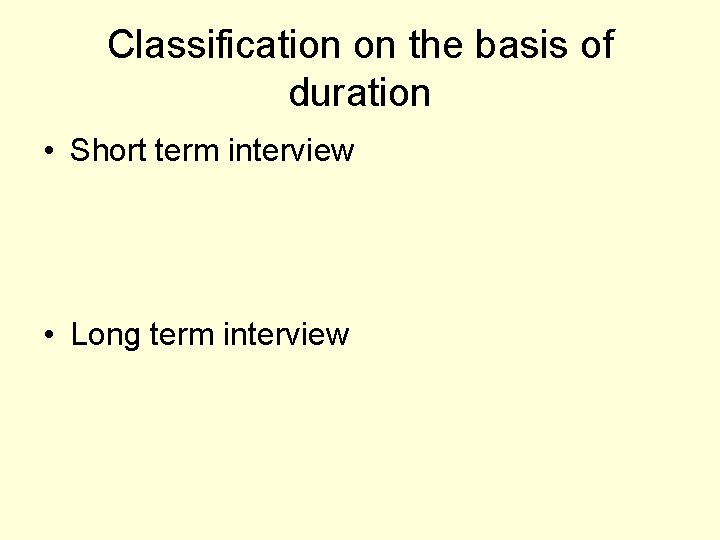
Classification on the basis of duration • Short term interview • Long term interview
Classification on the basis of contact • Direct interview • In-direct interview
Merits • Collection of all types of information • Study of abstract and non- visible phenomena • Study of past phenomena • Adequate Psychological study
• Inter- stimulative study • Verification of information's possible • Useful for all segments of the population • The information gathered is reliable • Flexible
De-merits • Biased study • Dependence on informants • Dependence on memory • Inferiority complex
• Inaccurate report • Problem of qualified interviewer • Too much time consuming • Specialized knowledge not always possible
• Danger of unnecessary details • Lot of subjectivity • Difference in social background • Expensive method • Problem of trained/expert interviewer
Qualities of a good interviewer • Attractive Pleasing Personality • Ability to investigate the truth • Ability to get active co-operation • Ability and Wisdom
• Good Conservationist • Un-biased • Honest • Psychologist/ Good analysist
• Tact and Initiative • Active participation without confronting the informant or injuring his feelings
Steps to be kept in mind during the process of interview • Selection of proper time and place • Introduction with the respondent • Establish rapport • Systematic questions to be put in clear language •
• Precautions should be taken on emotional points • Avoid questions which might disturb the interview • Encourage and guide the interviewee • Recording the interview
• THANKS