
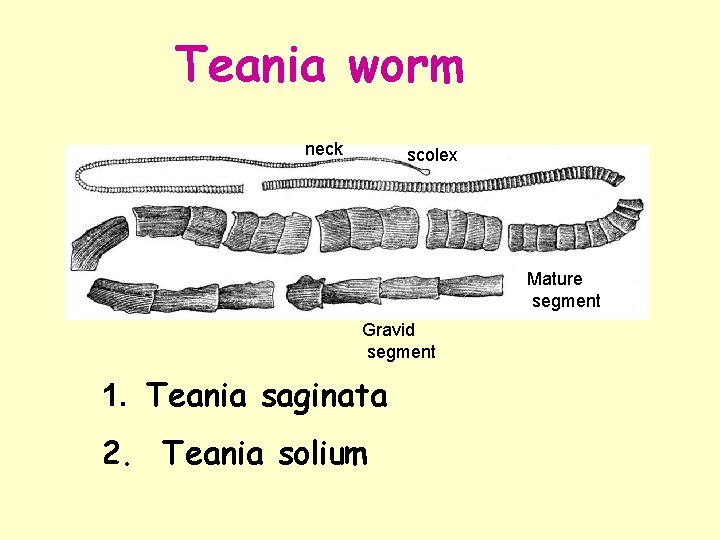
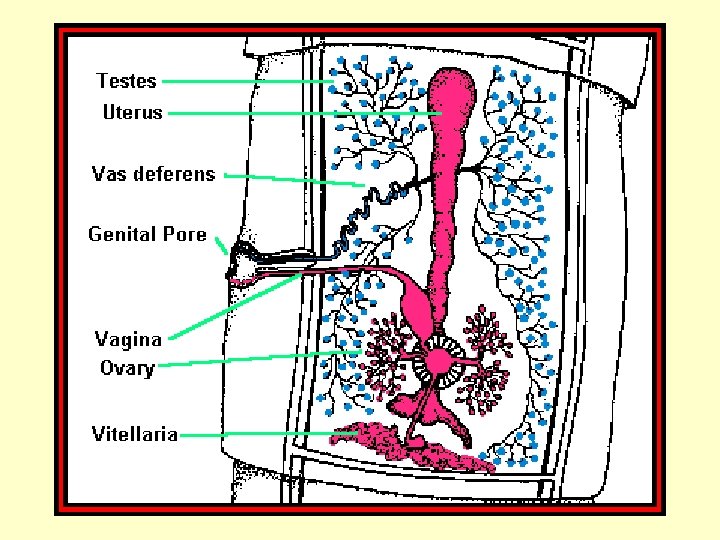
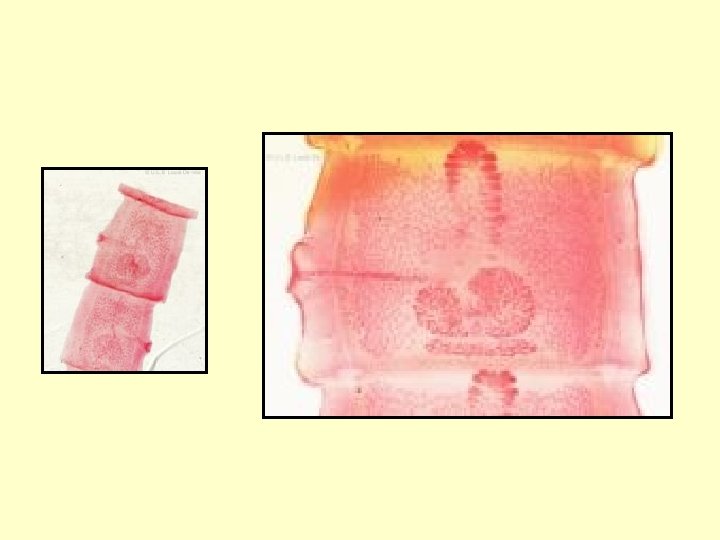
Teania worm neck scolex Mature segment Gravid segment


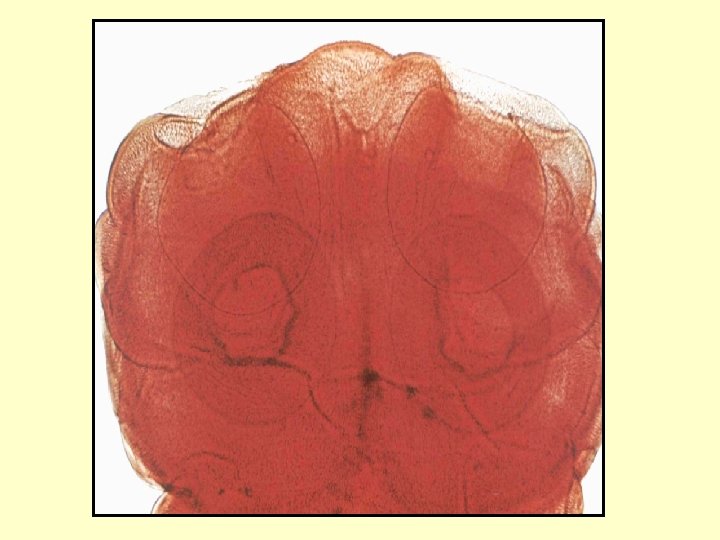
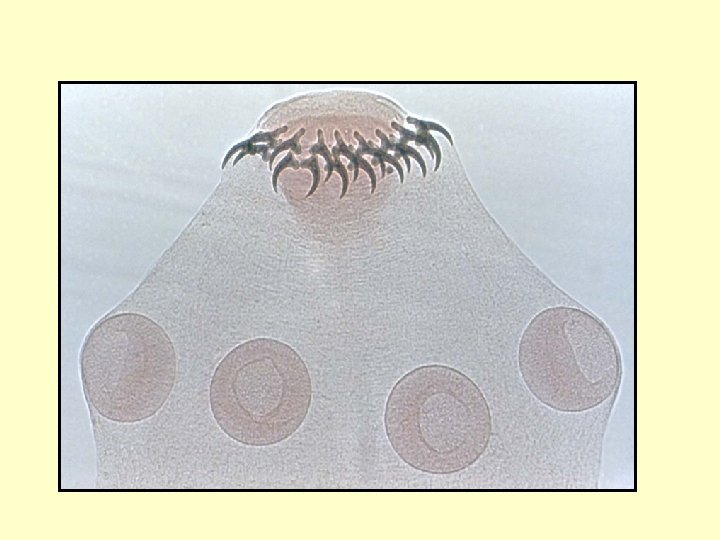


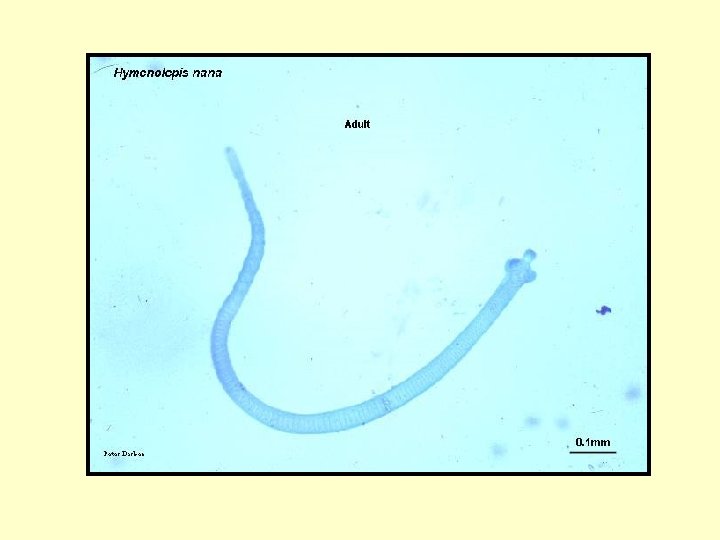
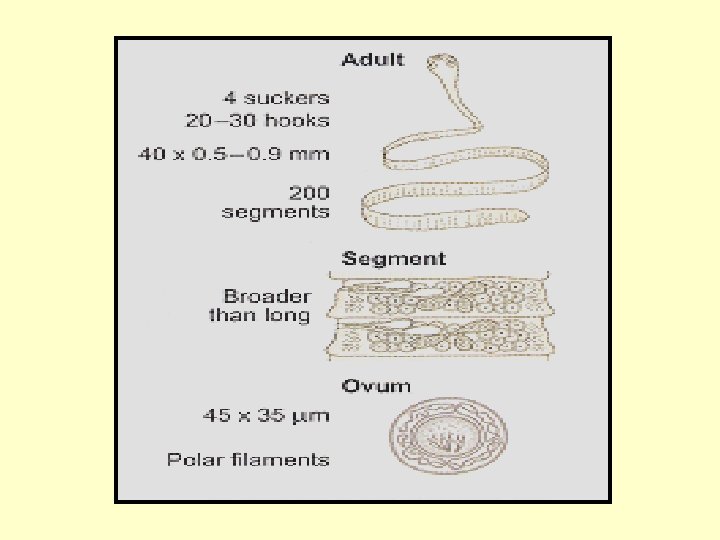
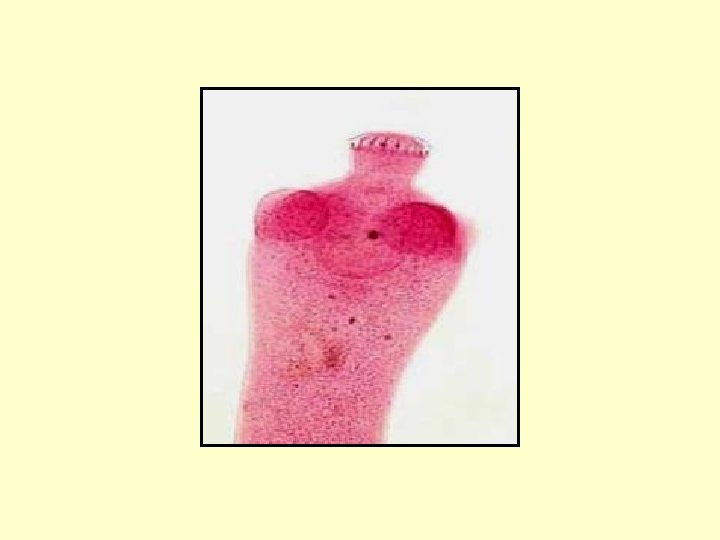
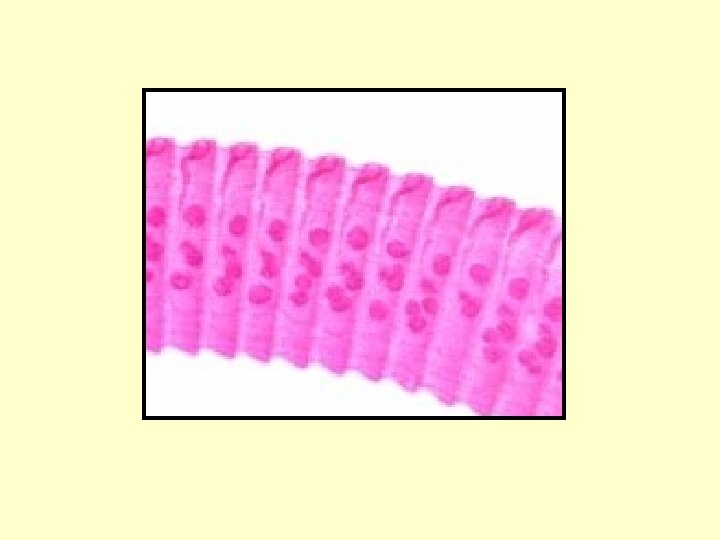
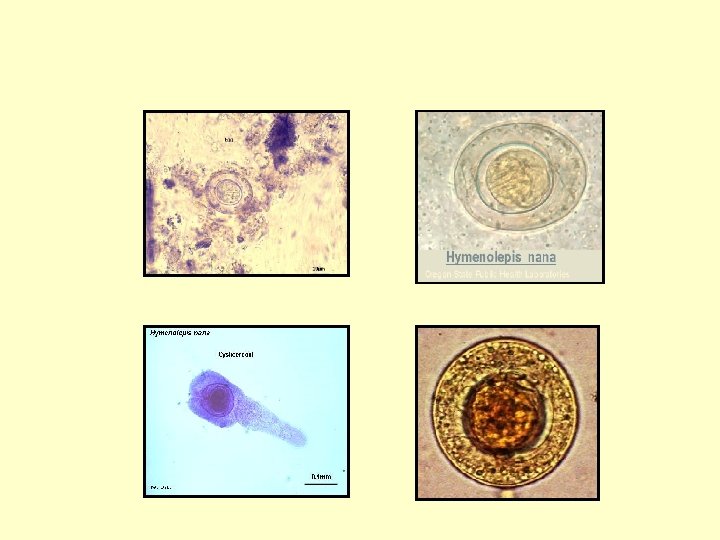




- Slides: 76
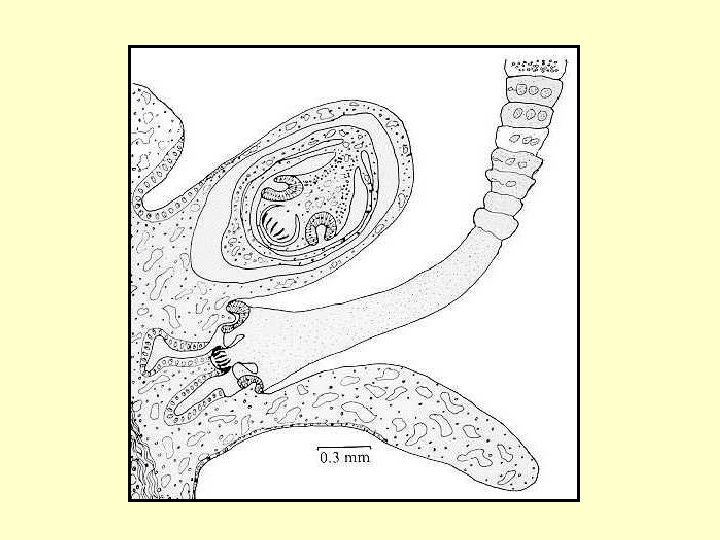
Teania worm neck scolex Mature segment Gravid segment 1. Teania saginata 2. Teania solium
Teania saginata
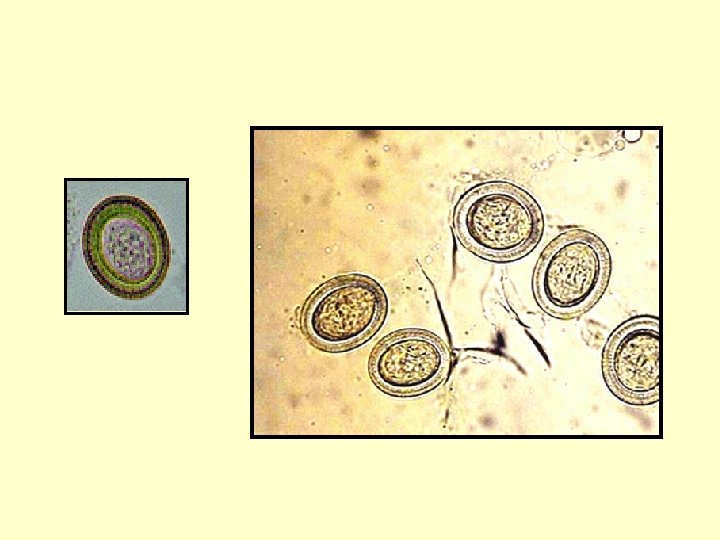
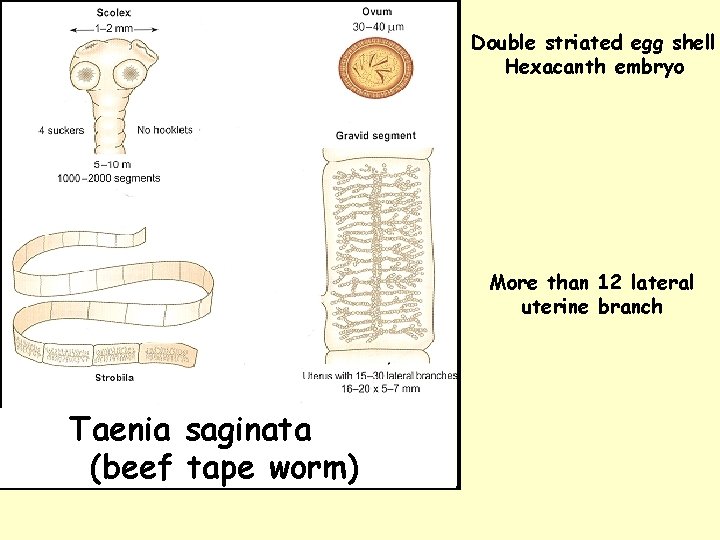
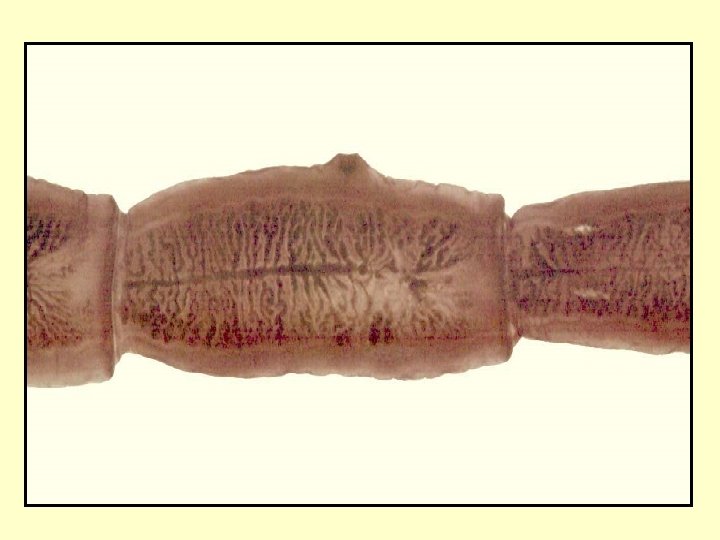
Double striated egg shell Hexacanth embryo More than 12 lateral uterine branch Taenia saginata (beef tape worm)
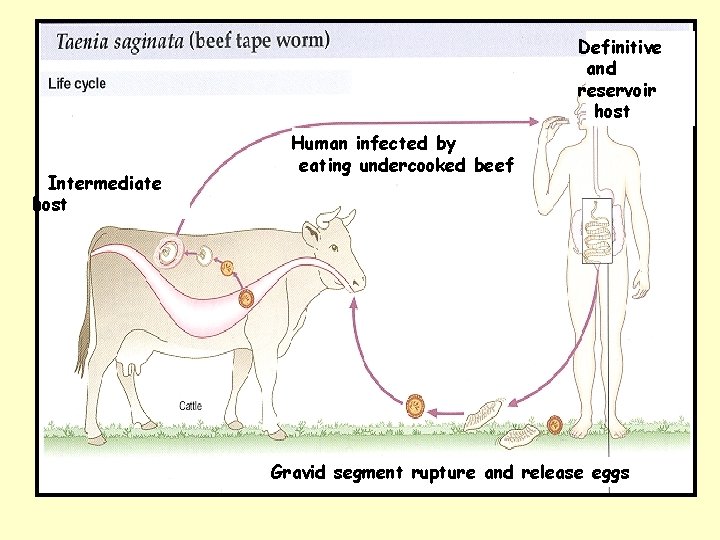
Definitive and reservoir host Intermediate host Human infected by eating undercooked beef Gravid segment rupture and release eggs
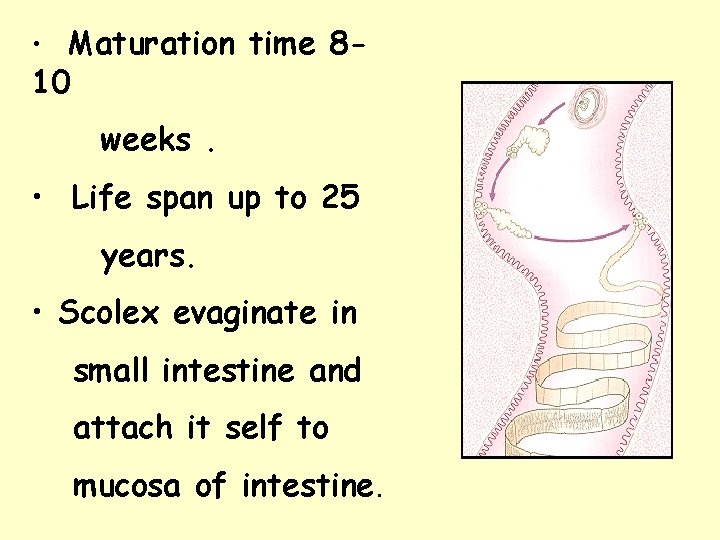
• Maturation time 8 - 10 weeks. • Life span up to 25 years. • Scolex evaginate in small intestine and attach it self to mucosa of intestine.
Pathology • Adult: may be abdominal pain with some abdominal disturbance.
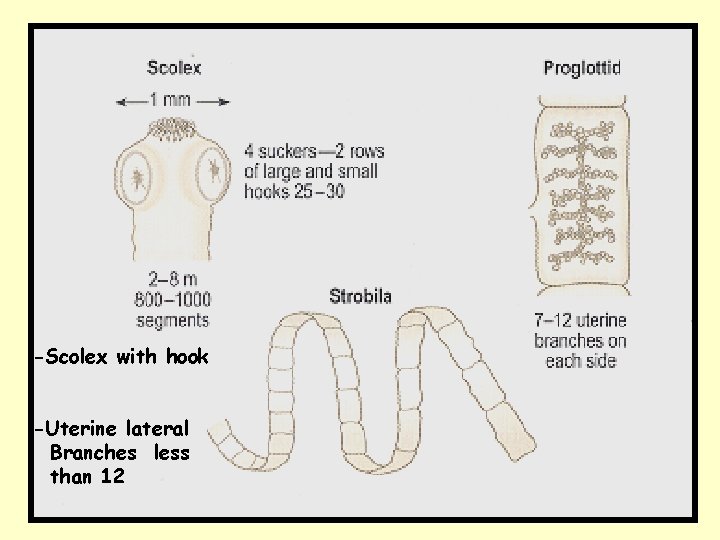
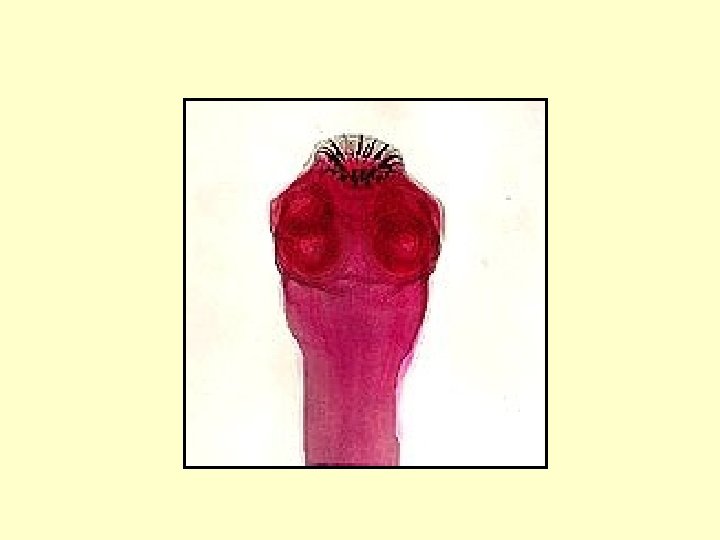
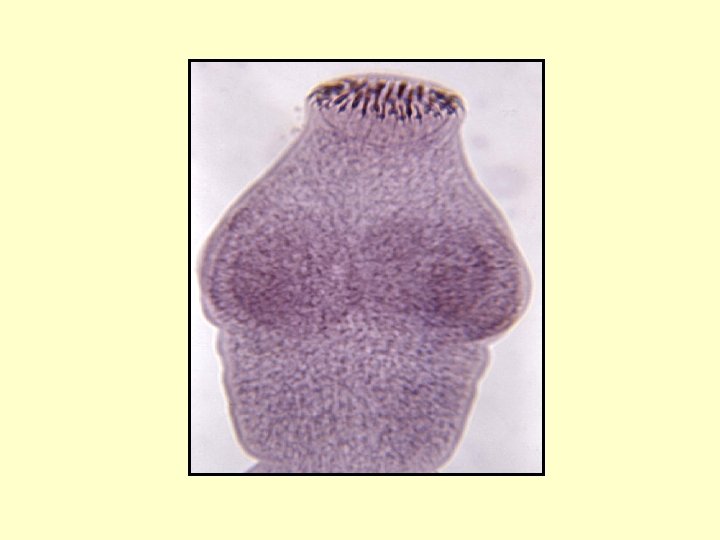
-Scolex with hook -Uterine lateral Branches less than 12
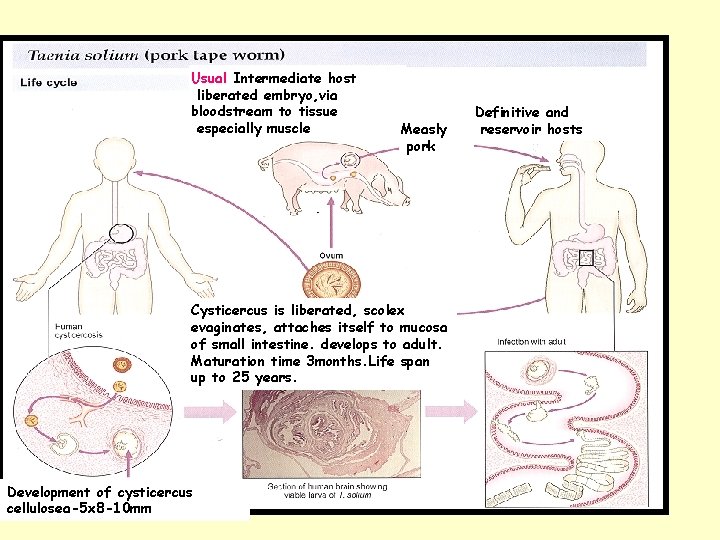
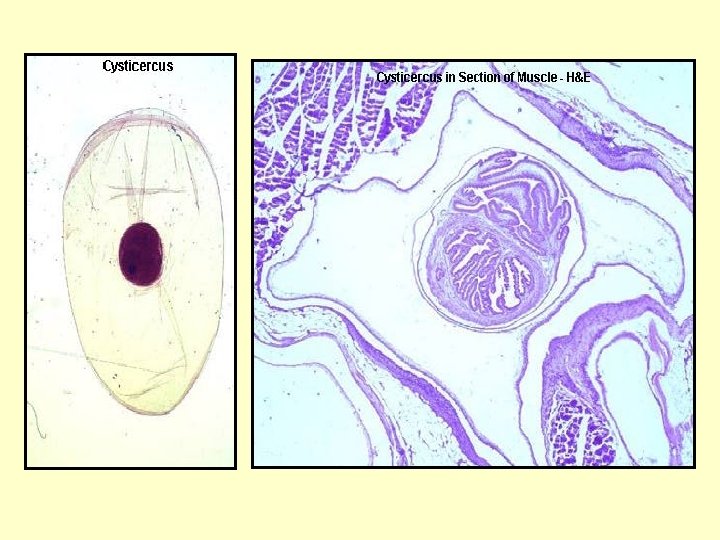
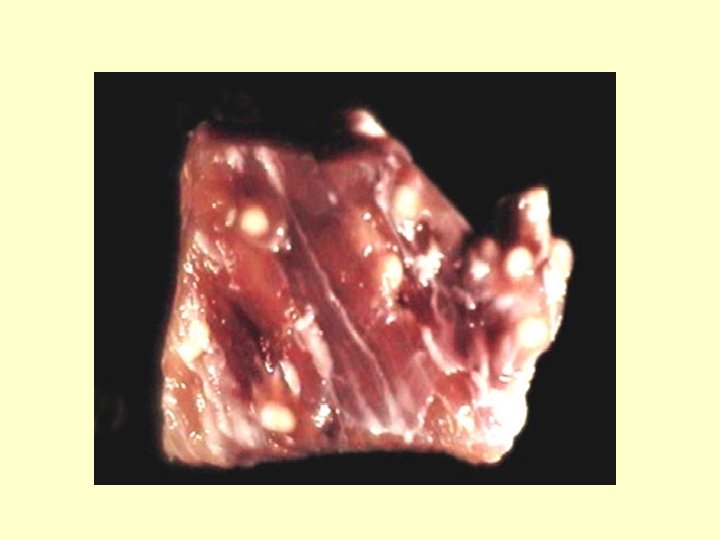
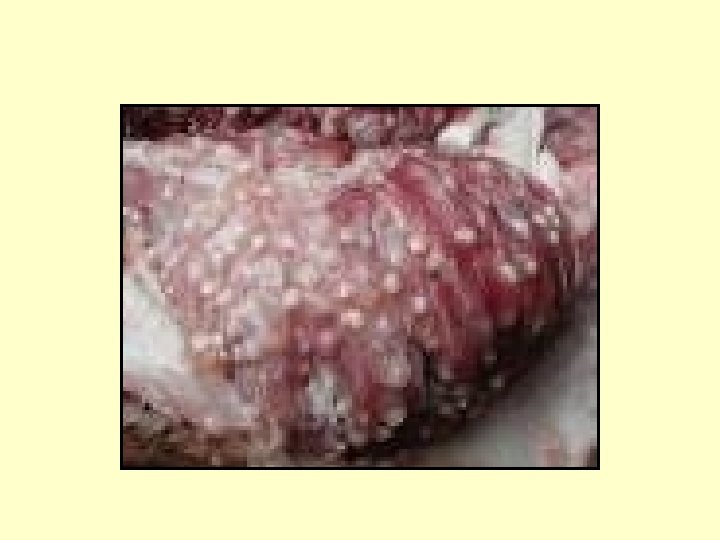
Usual Intermediate host liberated embryo, via bloodstream to tissue especially muscle Measly pork Cysticercus is liberated, scolex evaginates, attaches itself to mucosa of small intestine. develops to adult. Maturation time 3 months. Life span up to 25 years. Development of cysticercus cellulosea-5 x 8 -10 mm Definitive and reservoir hosts
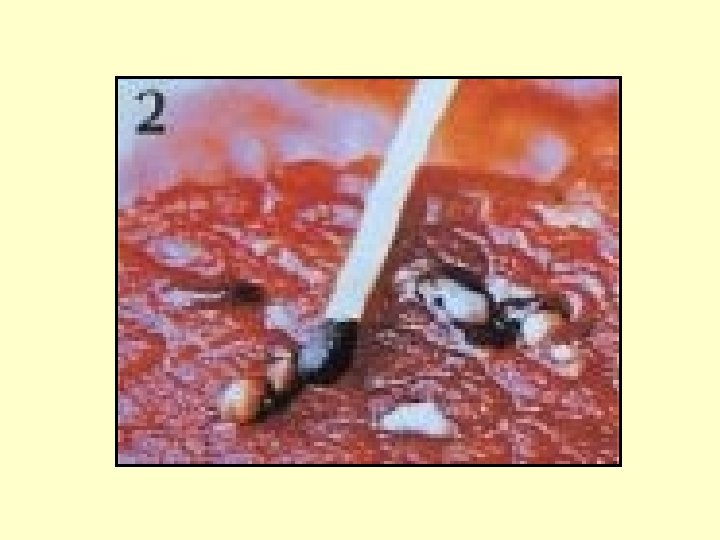
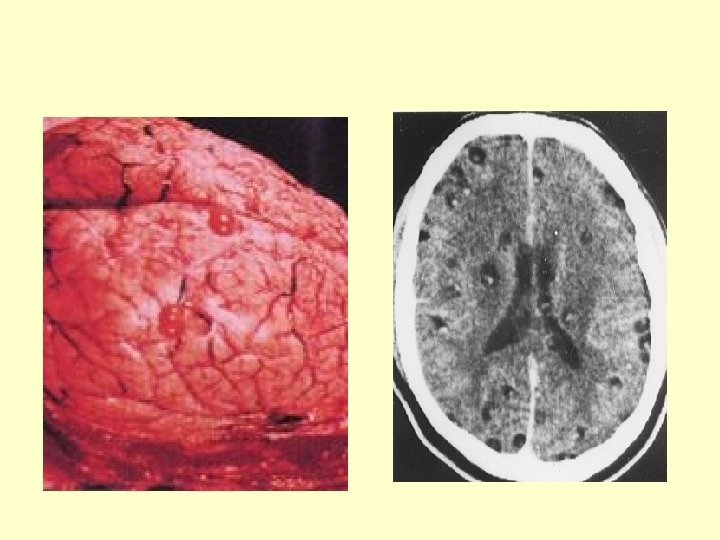
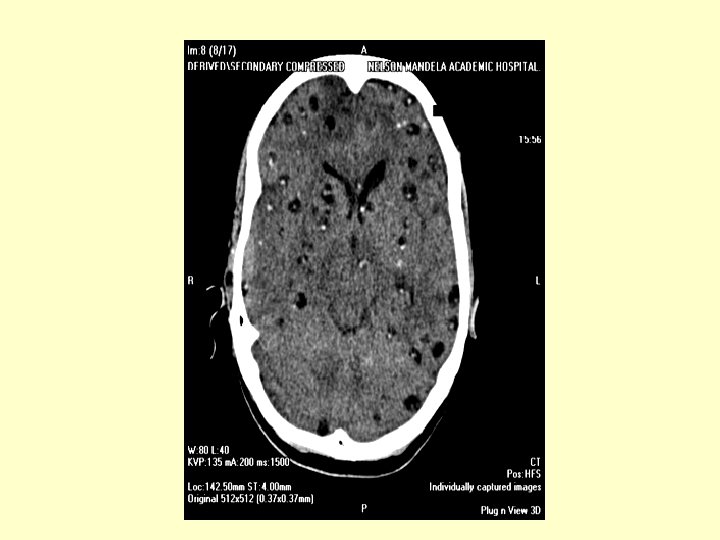
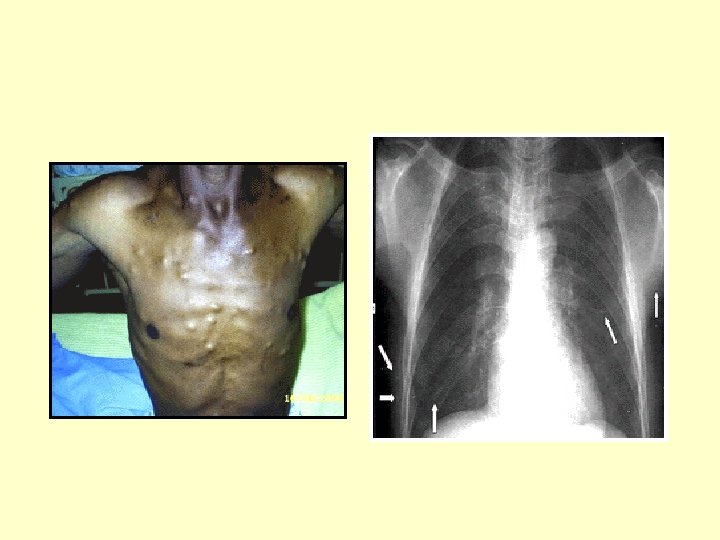
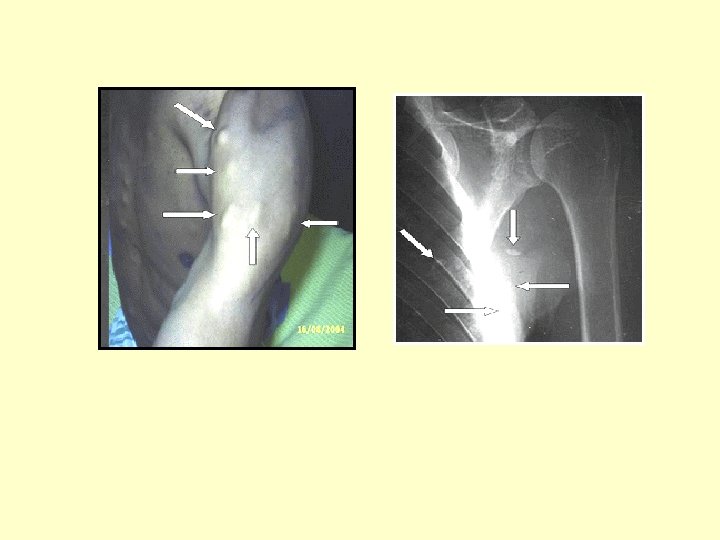
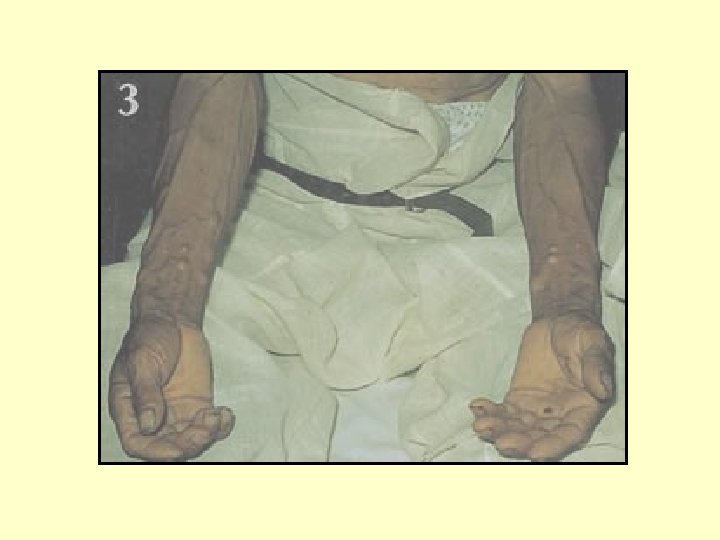
Pathology • Adult: may be abdominal pain with some abdominal disturbance. • Larvae of T. solium produce cystic nodules (cysticercosis) in subcutaneous tissue and muscles with mild symptoms; except when present in brain it can cause major central nervous system sign.
• Cysticercosis can occur by autoinfection: • Internal—antiprestalsis movement of intestine gets its contents back to the stomach • External ova in stool of infected patient contaminate his own food or hands
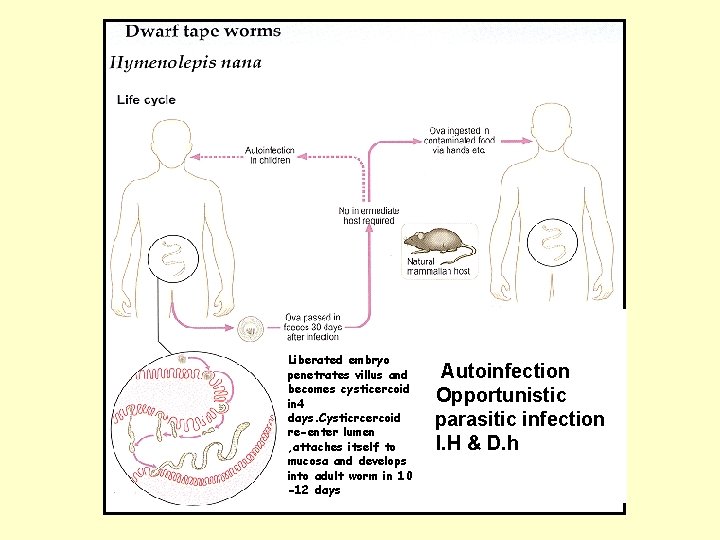
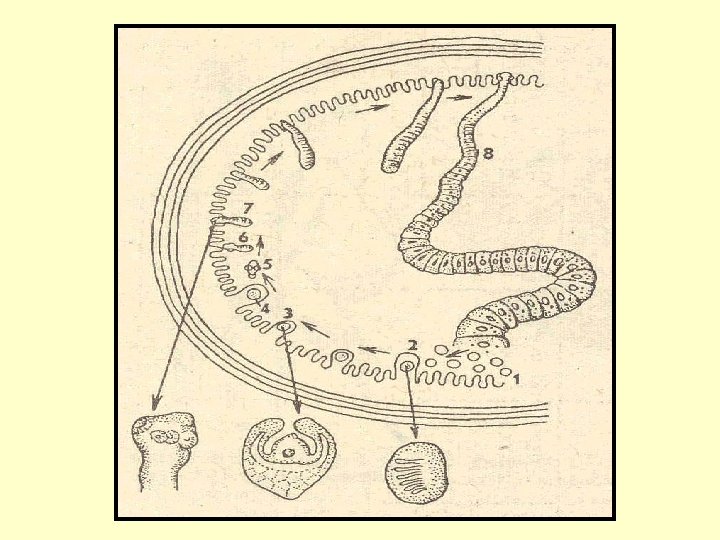
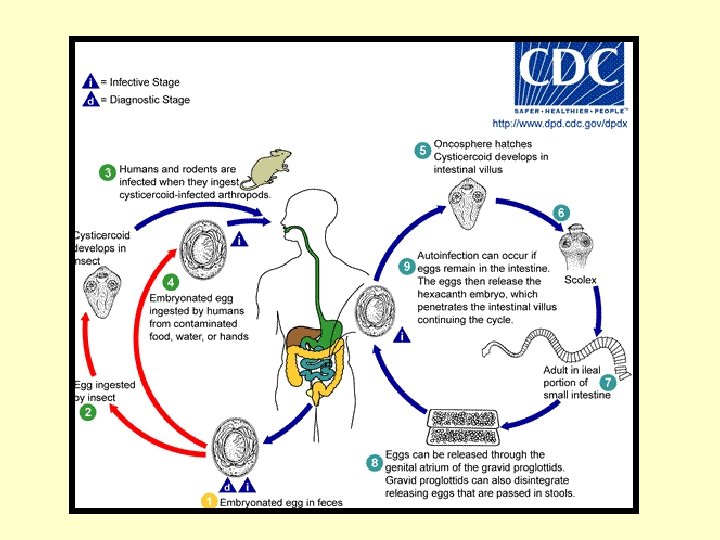
Liberated embryo penetrates villus and becomes cysticercoid in 4 days. Cysticrcercoid re-enter lumen , attaches itself to mucosa and develops into adult worm in 10 -12 days - Autoinfection - Opportunistic parasitic infection - I. H & D. h
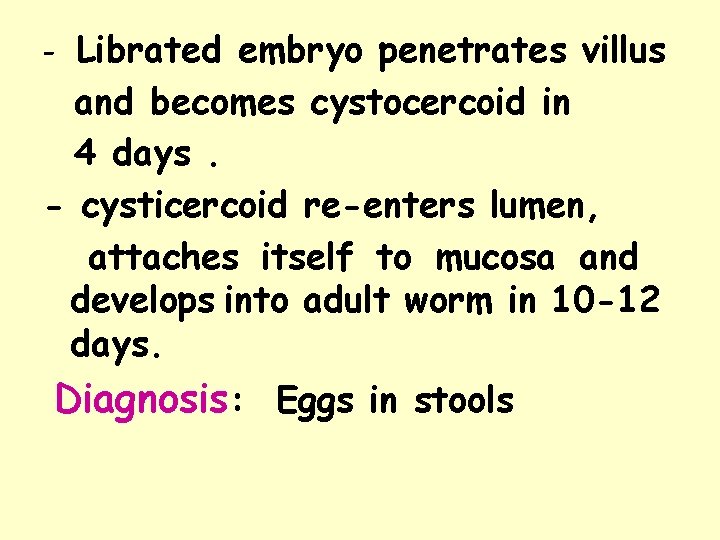
- Librated embryo penetrates villus and becomes cystocercoid in 4 days. - cysticercoid re-enters lumen, attaches itself to mucosa and develops into adult worm in 10 -12 days. Diagnosis: Eggs in stools
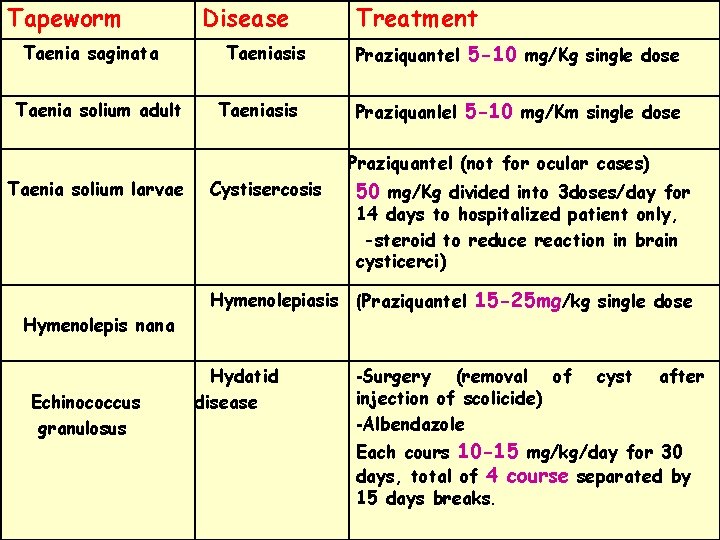
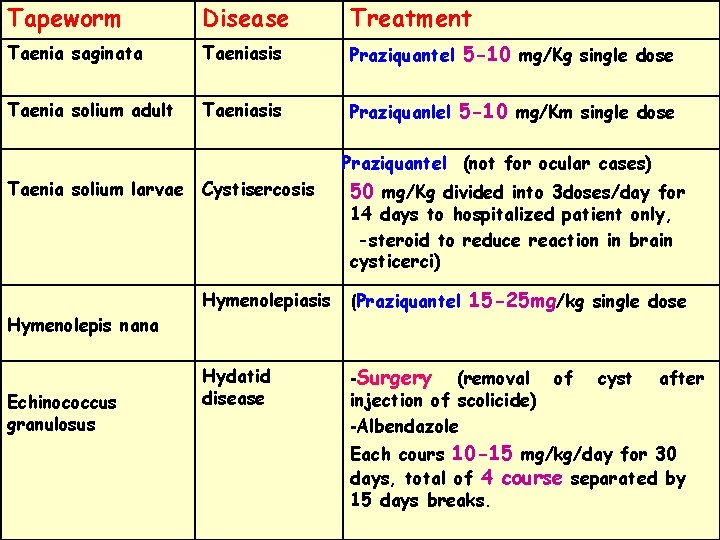
Tapeworm Taenia saginata Taenia solium adult Disease Taeniasis Treatment Praziquantel 5 -10 mg/Kg single dose Praziquanlel 5 -10 mg/Km single dose Praziquantel (not for ocular cases) Taenia solium larvae Hymenolepis nana Echinococcus granulosus Cystisercosis 50 mg/Kg divided into 3 doses/day for 14 days to hospitalized patient only, -steroid to reduce reaction in brain cysticerci) Hymenolepiasis (Praziquantel 15 -25 mg/kg single dose Hydatid disease -Surgery (removal of injection of scolicide) -Albendazole cyst after Each cours 10 -15 mg/kg/day for 30 days, total of 4 course separated by 15 days breaks.
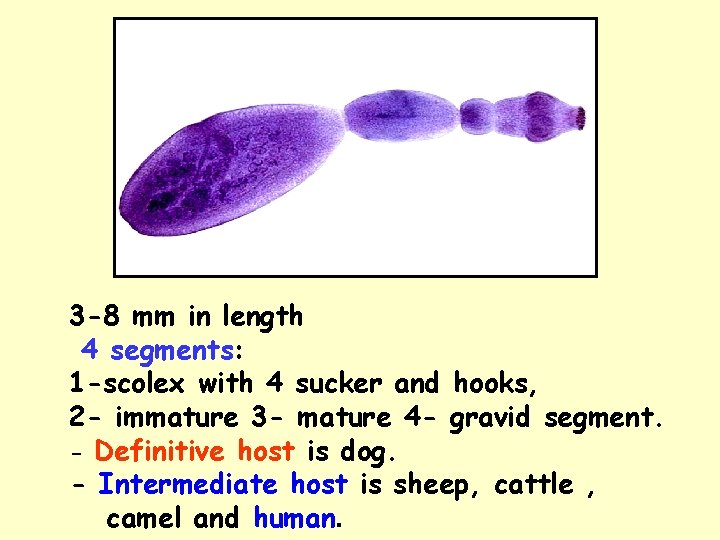
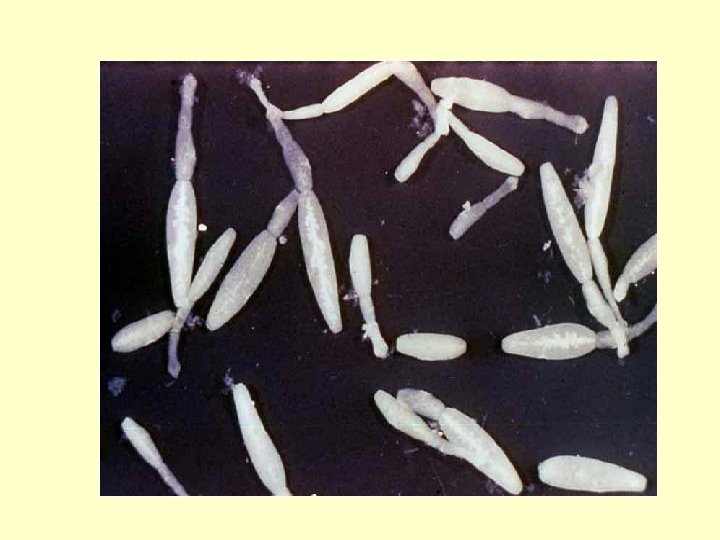
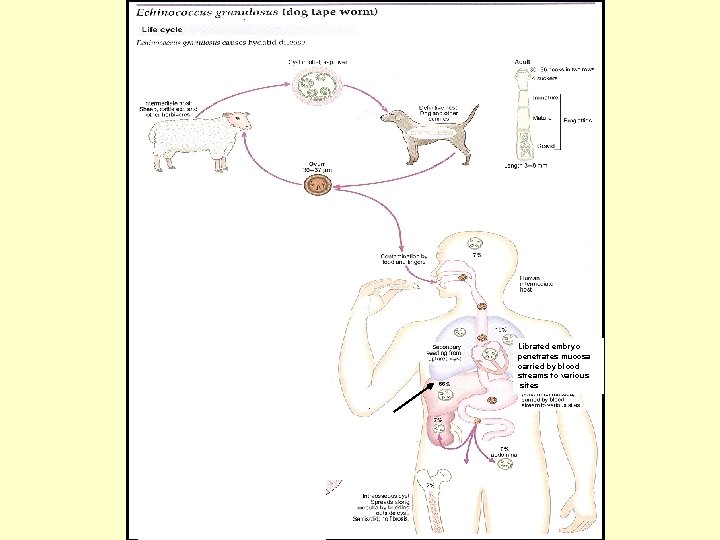
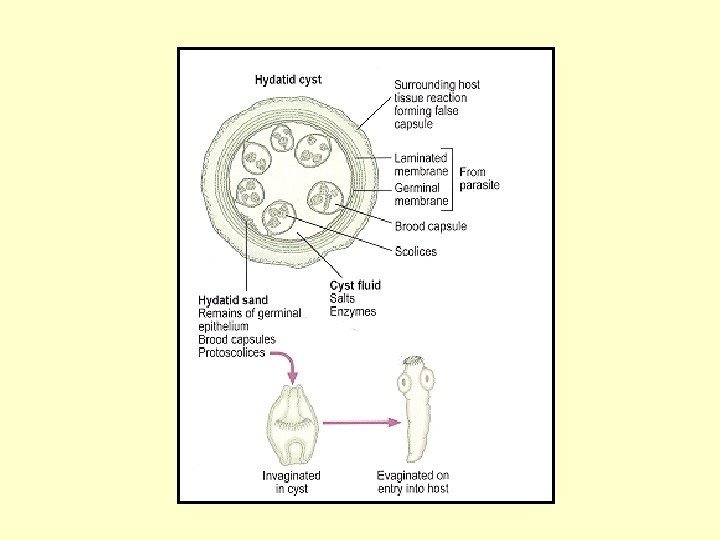
3 -8 mm in length 4 segments: 1 -scolex with 4 sucker and hooks, 2 - immature 3 - mature 4 - gravid segment. - Definitive host is dog. - Intermediate host is sheep, cattle , camel and human.
Librated embryo penetrates mucosa carried by blood streams to various sites
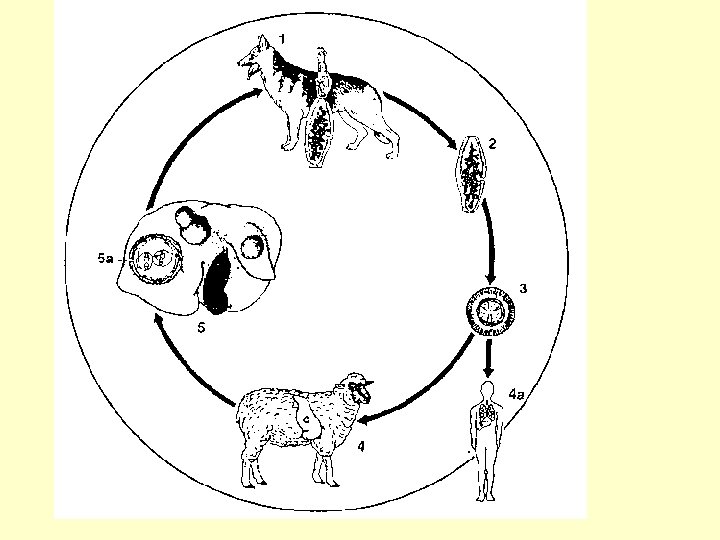
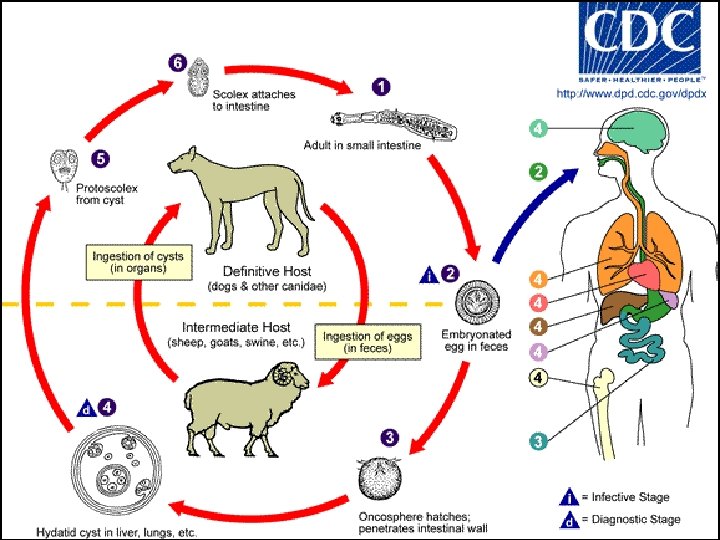
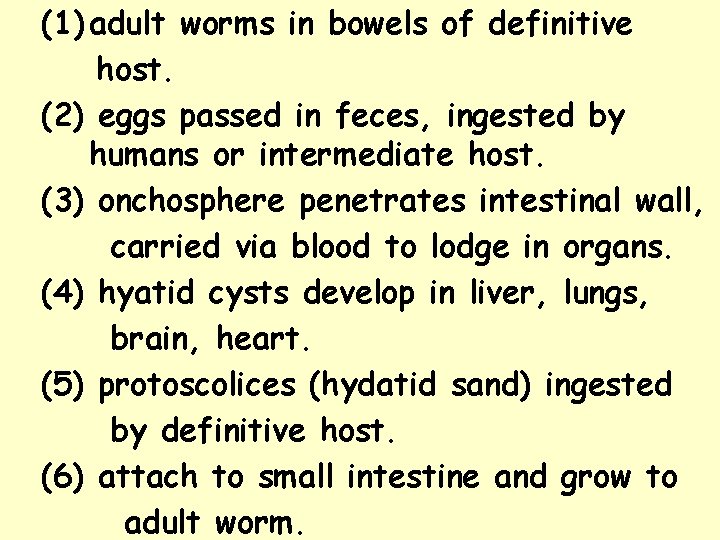
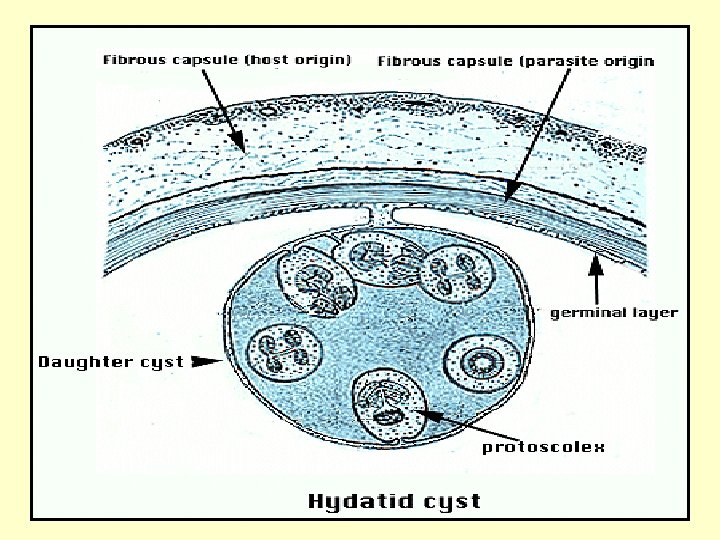
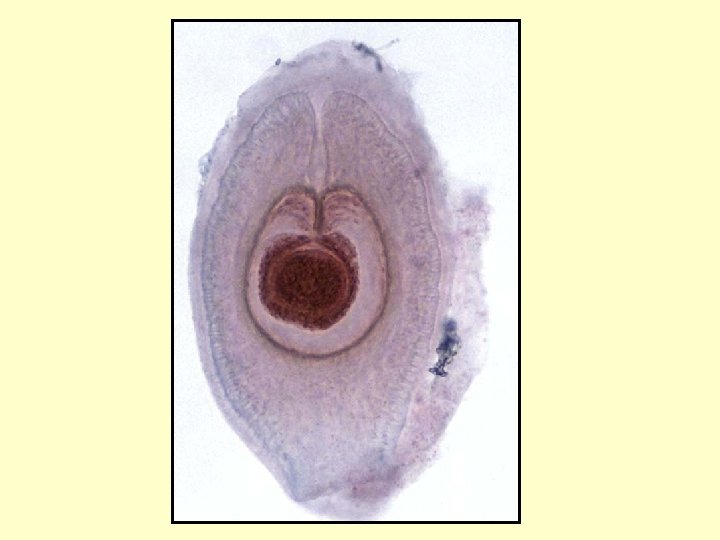
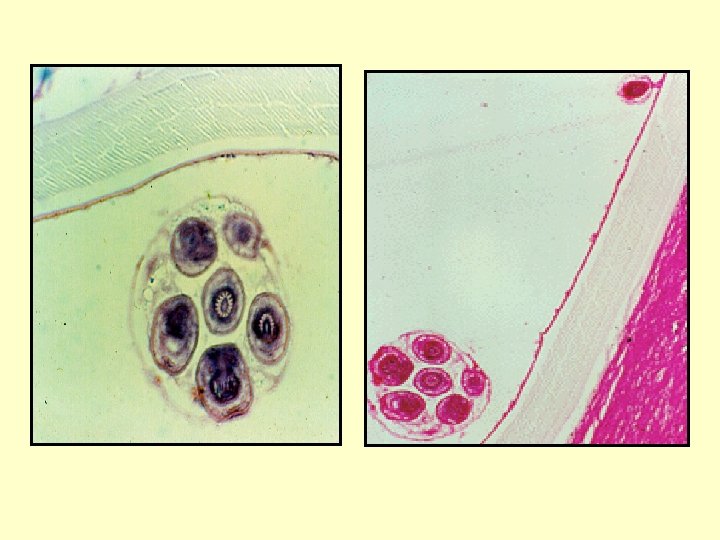
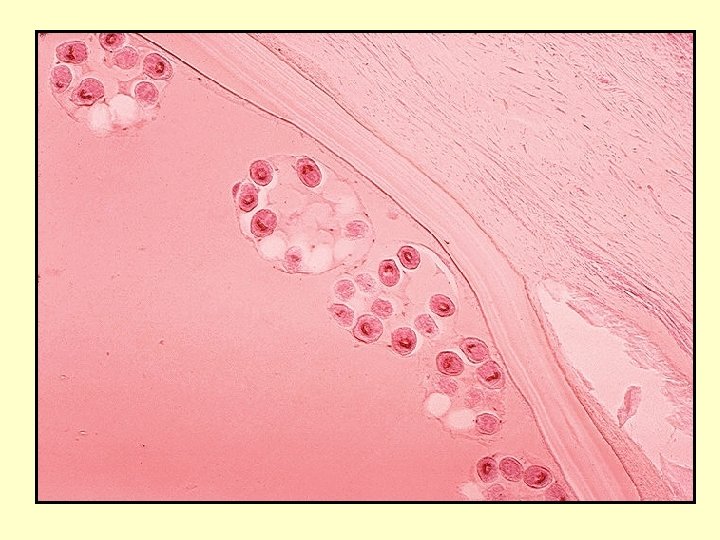
(1) adult worms in bowels of definitive host. (2) eggs passed in feces, ingested by humans or intermediate host. (3) onchosphere penetrates intestinal wall, carried via blood to lodge in organs. (4) hyatid cysts develop in liver, lungs, brain, heart. (5) protoscolices (hydatid sand) ingested by definitive host. (6) attach to small intestine and grow to adult worm.
• Infection • Human (I. H. ), acceidental ingestion of dog feces containing eggs. • Dogs (D. H. ) ingest offal (farm feed of ground organs) containing cysts.
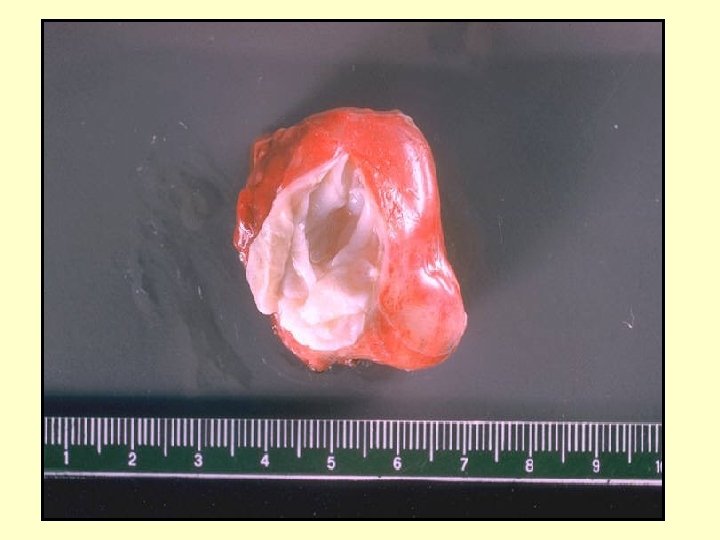
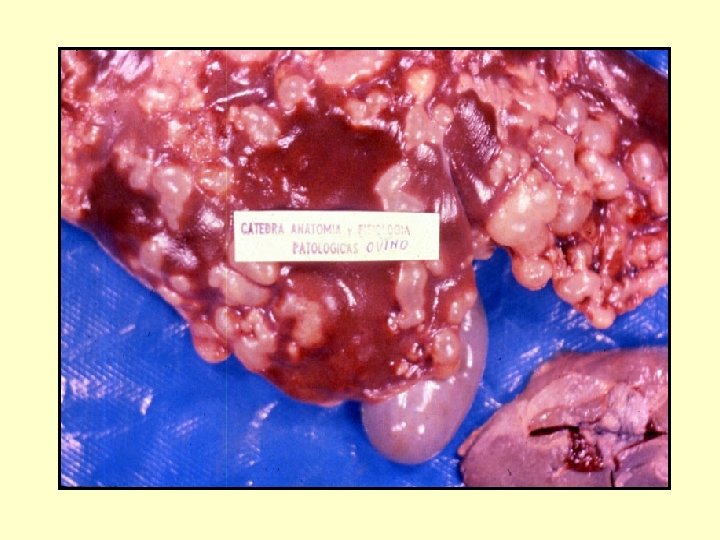
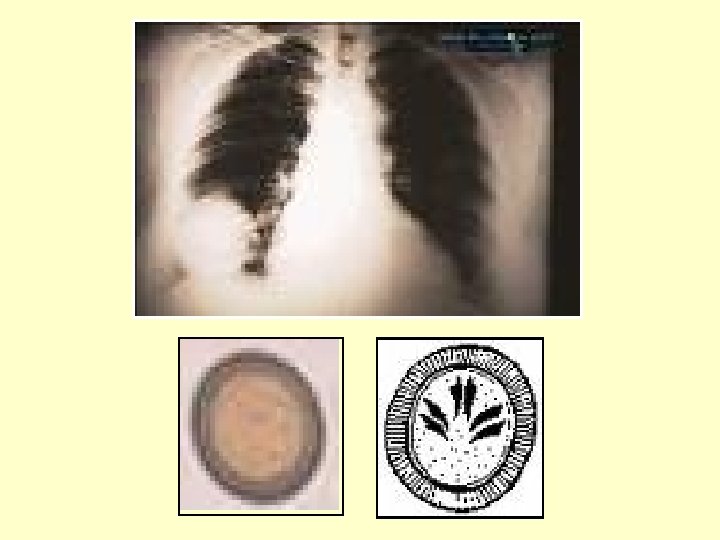
Clinical feature and pathology • Depend on site and size • Can cause obstructions and pressure on vital organs. • Or rupture of cyst with anaphylactic shock. • Some cyst grow for short time , die and calcify. • 66% of cyst found in liver in Rt lobe. • H. cyst in lung cause pul. symptoms and sputum containing blood and hydatid fluid. • Can be found in bone , brain , spleen and kidneys…. .
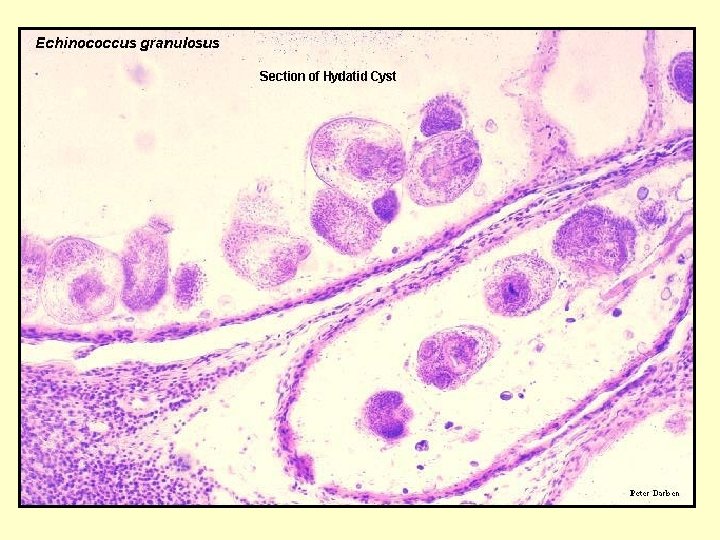
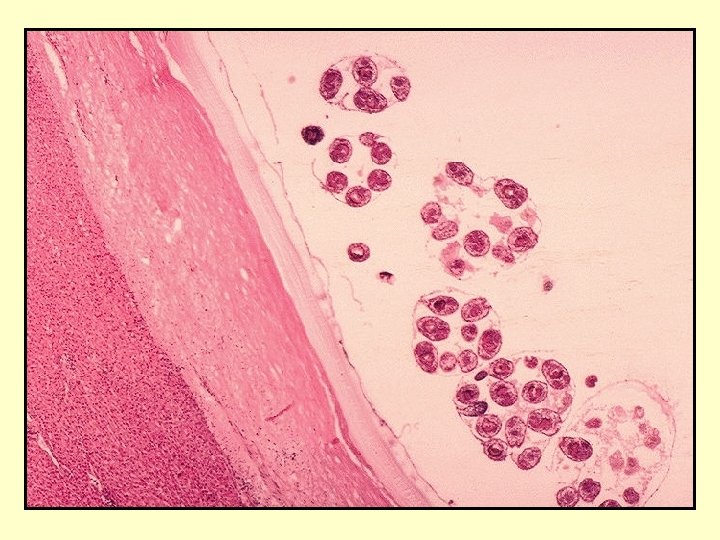
diagnosis: • Clinically, • ultrasound scanning and other imaging techniques • Laboratory • Serological detection of antibodies. • Examination of cyst fluid for brood capsules and protoscoleces, after surgical removal of cyst.
• Serologic Testing: detect antibody response • IHA (indirect hemagglutination test) • ELISA (enzyme-linked emmunosorbent assay)
Treatment: Surgical Removal of Hydatid Cysts • 90% effective but can be risky depending on location, size, and advancement of cyst • may need chemotherapy to prevent recurrance Chemotherapy • Albendazole is preferred treatment because it penetrates into hyatid cysts. • Dosage: 10 mg/kg body weight or 400 mg 2 x daily for 4 weeks, repeat cycles as necessary (up to 12) • Mebendazole Dosage: 40 mg/kg body weight 3 x daily for 3 -6 months
PAIR Treatment • Puncture, aspiration, injection, respiration • Inject protoscolicidal substances into the cyst
Tapeworm Disease Treatment Taenia saginata Taeniasis Praziquantel 5 -10 mg/Kg single dose Taenia solium adult Taeniasis Praziquanlel 5 -10 mg/Km single dose Praziquantel (not for ocular cases) Taenia solium larvae Cystisercosis 50 mg/Kg divided into 3 doses/day for Hymenolepiasis (Praziquantel 15 -25 mg/kg single dose Hydatid disease -Surgery (removal of injection of scolicide) -Albendazole Hymenolepis nana Echinococcus granulosus 14 days to hospitalized patient only, -steroid to reduce reaction in brain cysticerci) cyst after Each cours 10 -15 mg/kg/day for 30 days, total of 4 course separated by 15 days breaks.
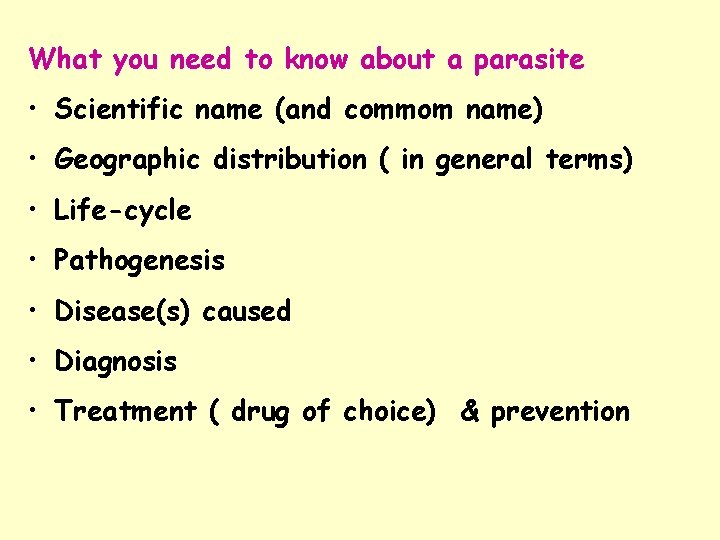
What you need to know about a parasite • Scientific name (and commom name) • Geographic distribution ( in general terms) • Life-cycle • Pathogenesis • Disease(s) caused • Diagnosis • Treatment ( drug of choice) & prevention
Resources on Parasitology Centre for Disease Control and Prevention (CDC) : http: //www. dpd. cdc. gov/DPDx/HT ML/Para_Health. htm
Resources on Parasitology