
Teaching Water Rescue By Taz Hartwick The need
Teaching Water Rescue By Taz Hartwick
The need for lifesaving education How serious is the drowning problem? Who drowns? What activities are involved? When do drowning occur? Where do drowning happen? What are the contributing factors? See 1 -2 to 1. 4 in CLM
Lifesaving vs Lifeguarding What are the differences? If you are at a lake and someone is drowning and you have your NLS are you a lifeguard or lifesaver?
Components of Lifesaving § Judgment § Knowledge § Skills § Fitness
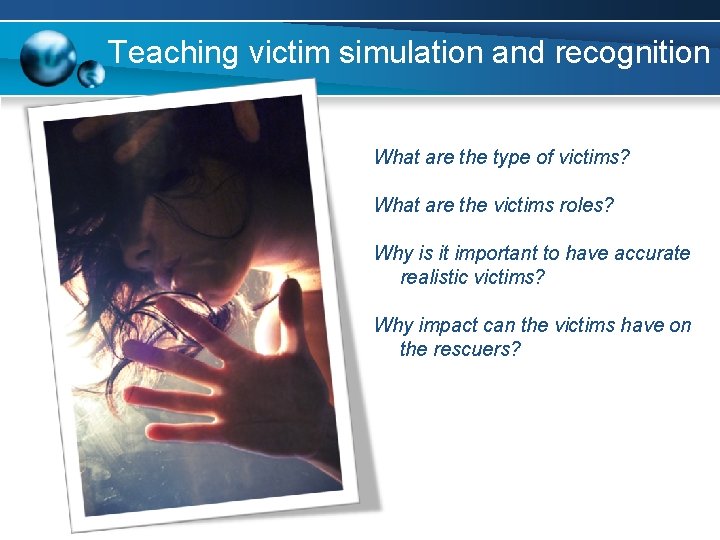
Teaching victim simulation and recognition What are the type of victims? What are the victims roles? Why is it important to have accurate realistic victims? Why impact can the victims have on the rescuers?
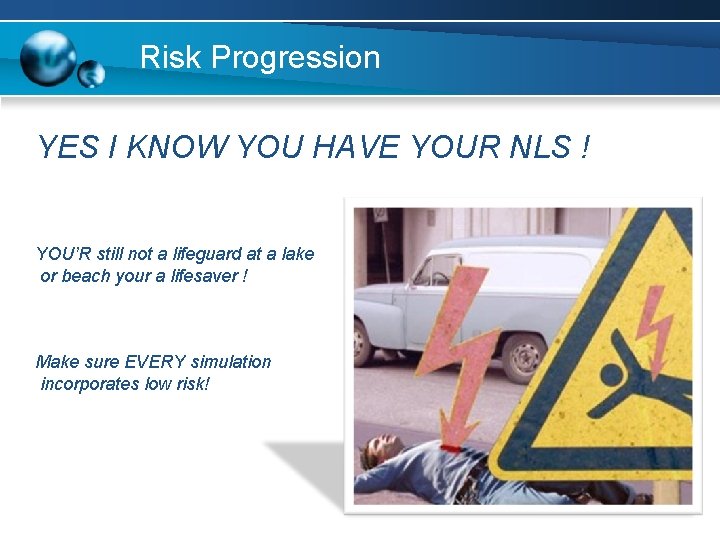
Risk Progression YES I KNOW YOU HAVE YOUR NLS ! YOU’R still not a lifeguard at a lake or beach your a lifesaver ! Make sure EVERY simulation incorporates low risk!
Teaching Through situations Basic Principles of situational training § Problem-solving and decision-making opportunities are built into all situations § Realistic victim simulation is maintained throughout § Realism and variety are incorporated into both pool and open water situations § The rescuer’s checklist and ladder approach are used to ensure low-risk rescues whenever possible.
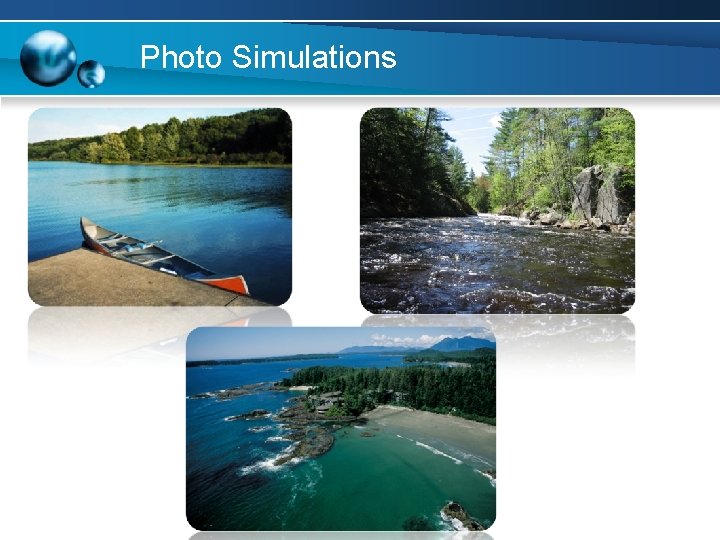
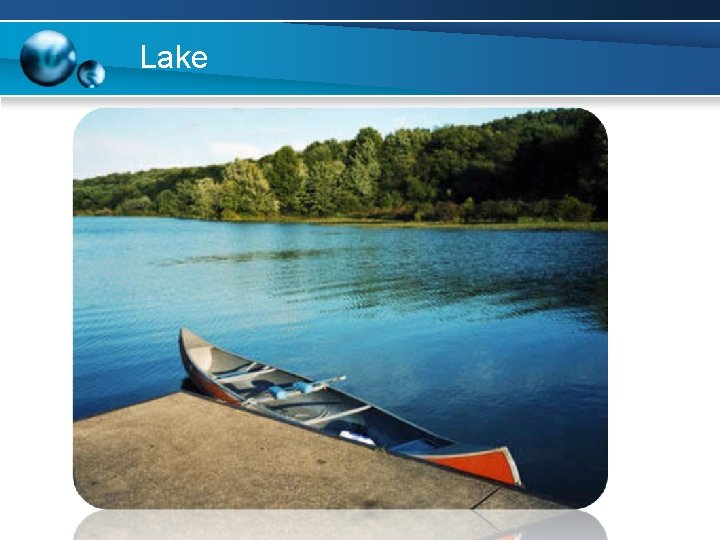
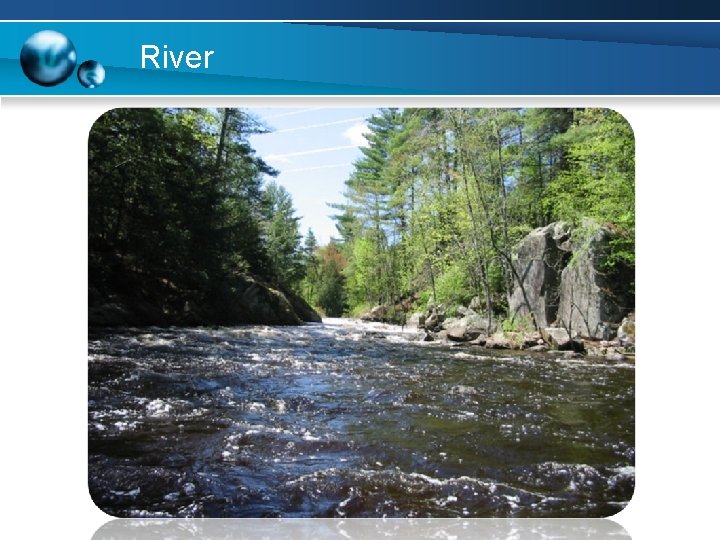
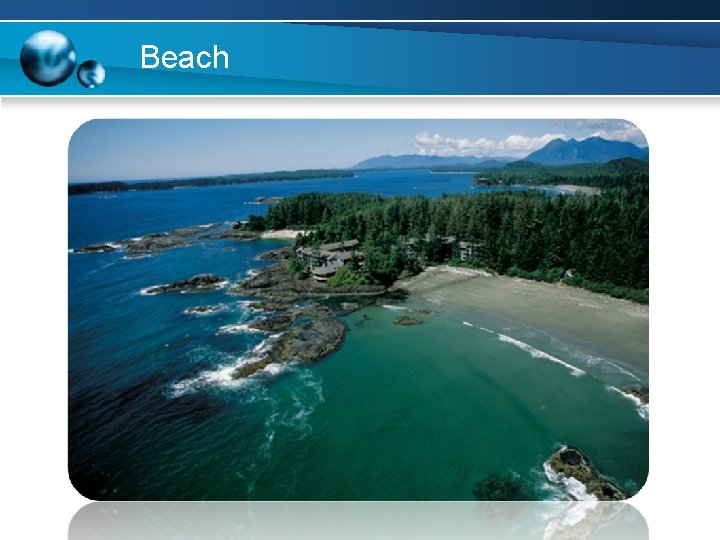
Photo Simulations
Lake
River
Beach
- Slides: 11