
TEACHING READING EXTENSIVE READING IT NOT ONLY TO


- Slides: 22
TEACHING READING
EXTENSIVE READING IT NOT ONLY TO TELL THE STUDENTS TO READ A LOT , IT IS NECESSARY TO OFFER A PROGRAM
Involves students reading long texts or large quantities for general understanding, with the intention of enjoying the texts. Students choose the books depending on their interests, and there is not always a follow-up discussion or work in class. Students are encouraged to read for pleasure and should become better readers To get students reading in English and liking it. To increase in reading fluency.
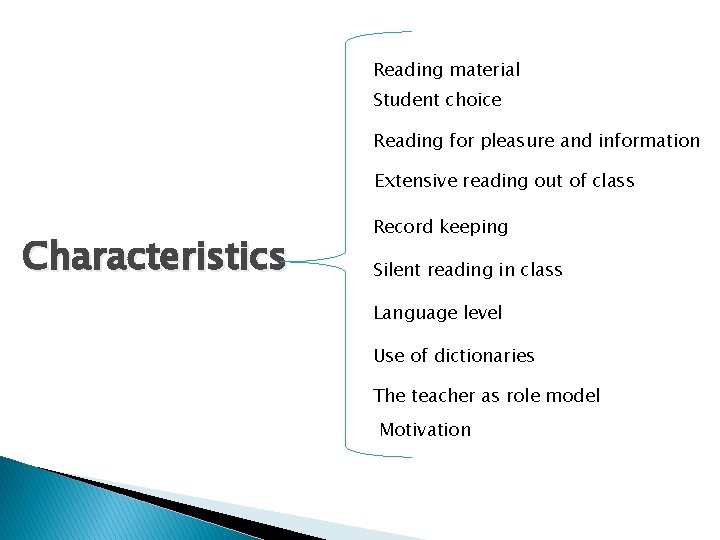
Reading material Student choice Reading for pleasure and information Extensive reading out of class Characteristics Record keeping Silent reading in class Language level Use of dictionaries The teacher as role model Motivation
Encourage students Persuade students Rad aloud Show his/her manner of reading Organise reading programs (books, number of books, genres, so on) TASK Weekly reports (writte or spoken) Diary by chapters Write book reviews and share with classmates Make up a new stories.
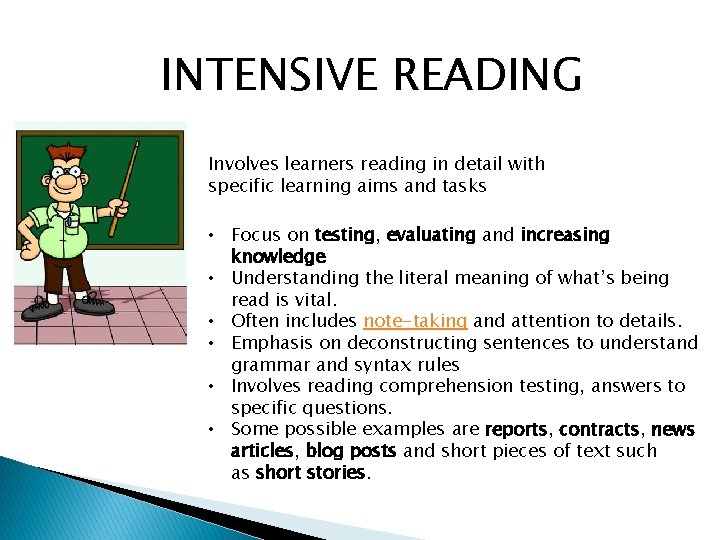
INTENSIVE READING Involves learners reading in detail with specific learning aims and tasks • Focus on testing, evaluating and increasing knowledge • Understanding the literal meaning of what’s being read is vital. • Often includes note-taking and attention to details. • Emphasis on deconstructing sentences to understand grammar and syntax rules • Involves reading comprehension testing, answers to specific questions. • Some possible examples are reports, contracts, news articles, blog posts and short pieces of text such as short stories.
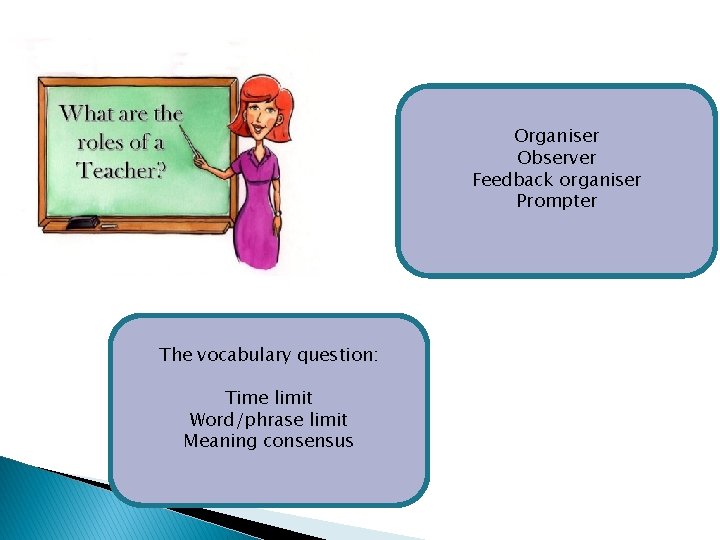
Organiser Observer Feedback organiser Prompter The vocabulary question: Time limit Word/phrase limit Meaning consensus
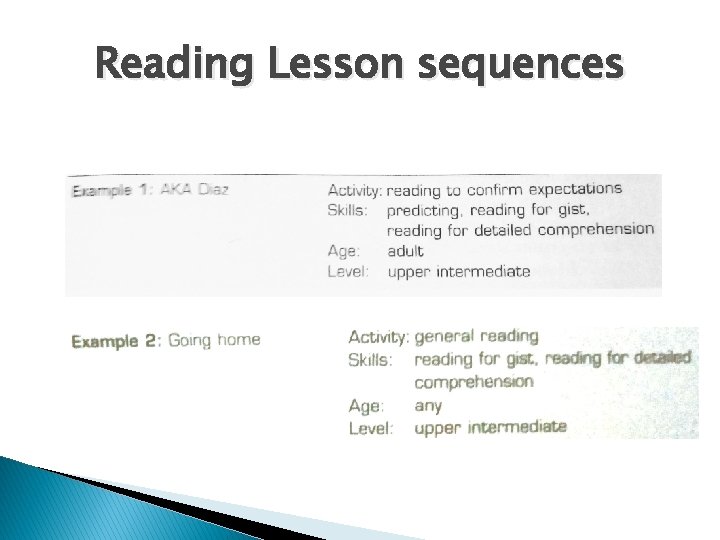
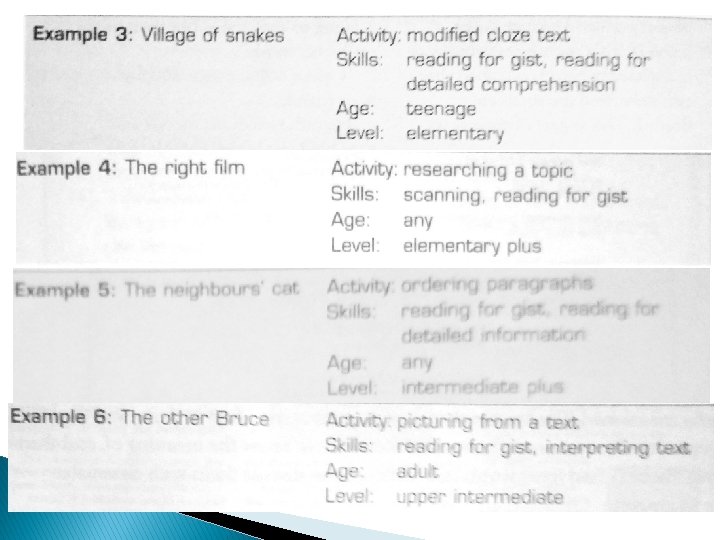
Reading Lesson sequences
TEACHING LISTENING
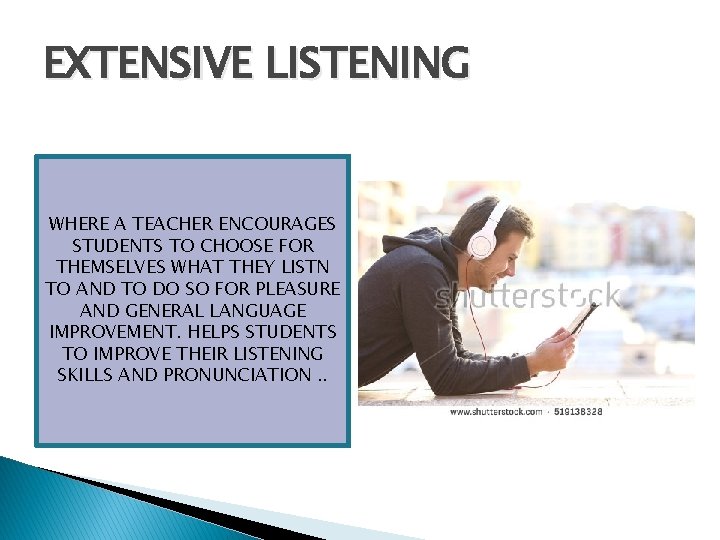
EXTENSIVE LISTENING WHERE A TEACHER ENCOURAGES STUDENTS TO CHOOSE FOR THEMSELVES WHAT THEY LISTN TO AND TO DO SO FOR PLEASURE AND GENERAL LANGUAGE IMPROVEMENT. HELPS STUDENTS TO IMPROVE THEIR LISTENING SKILLS AND PRONUNCIATION. .
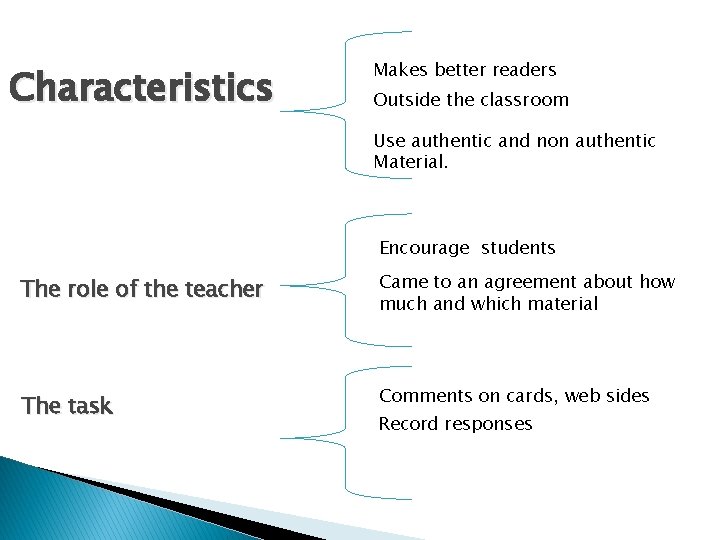
Characteristics Makes better readers Outside the classroom Use authentic and non authentic Material. Encourage students The role of the teacher Came to an agreement about how much and which material The task Comments on cards, web sides Record responses
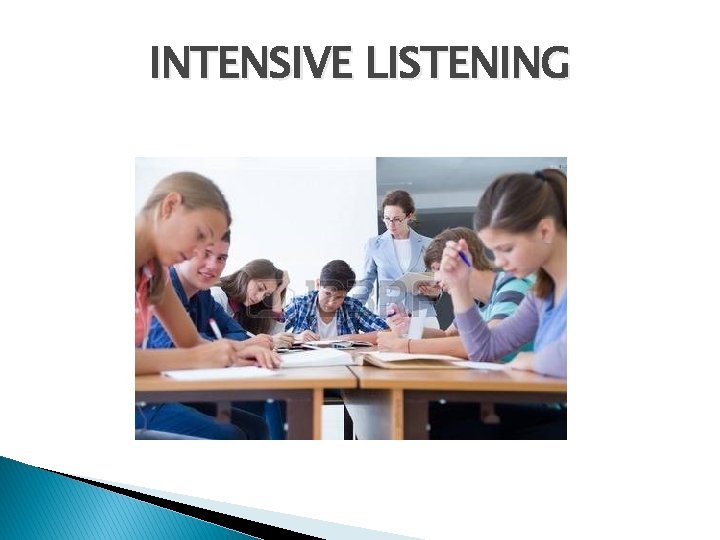
INTENSIVE LISTENING
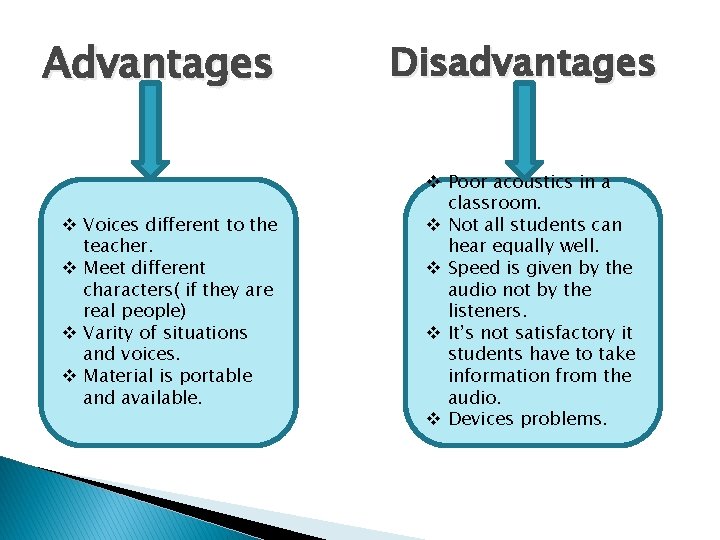
Advantages v Voices different to the teacher. v Meet different characters( if they are real people) v Varity of situations and voices. v Material is portable and available. Disadvantages v Poor acoustics in a classroom. v Not all students can hear equally well. v Speed is given by the audio not by the listeners. v It’s not satisfactory it students have to take information from the audio. v Devices problems.
HOW OFTEN DO STUDENTS HAVE TO LISTEN TO?
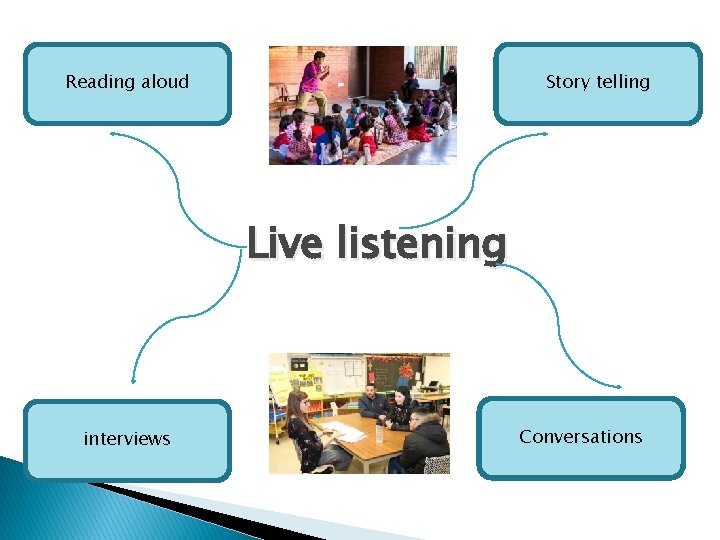
Reading aloud Story telling Live listening interviews Conversations
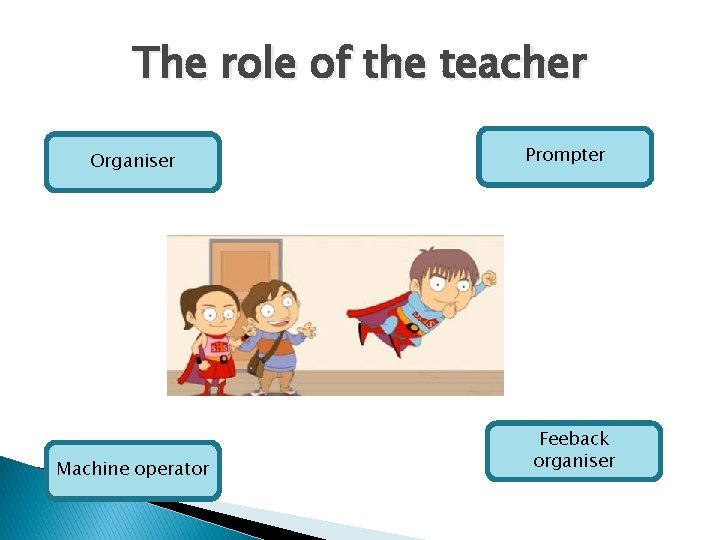
The role of the teacher Organiser Machine operator Prompter Feeback organiser
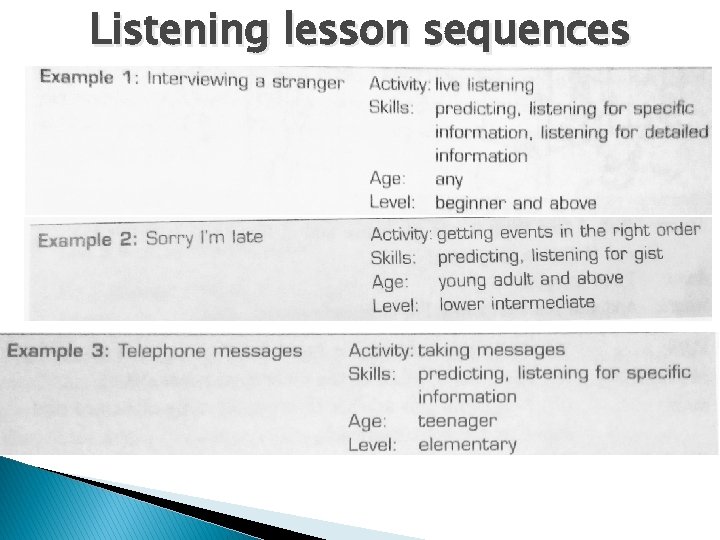
Listening lesson sequences
TV SERIES What is your favorite one? Why?
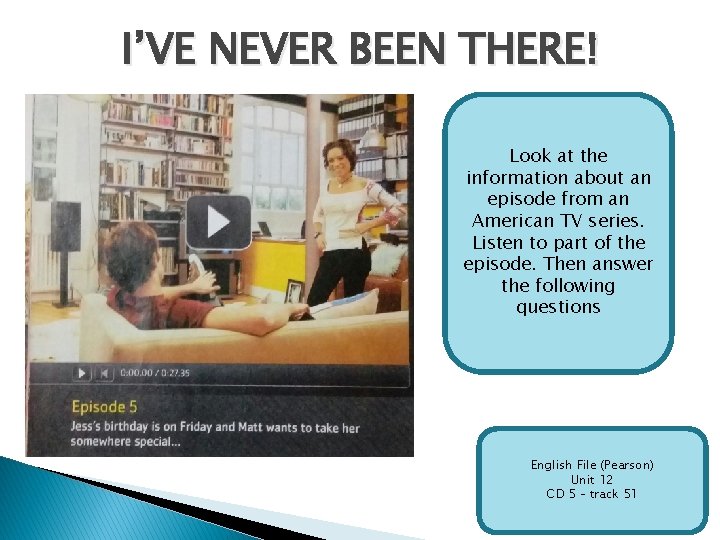
I’VE NEVER BEEN THERE! Look at the information about an episode from an American TV series. Listen to part of the episode. Then answer the following questions English File (Pearson) Unit 12 CD 5 – track 51
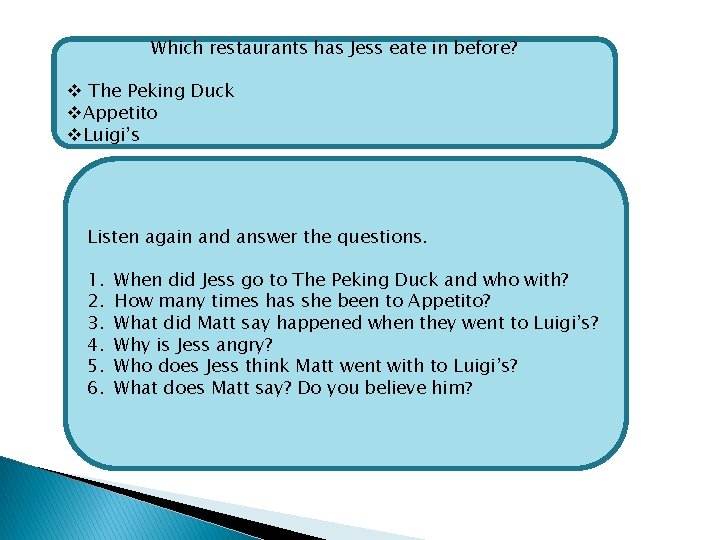
Which restaurants has Jess eate in before? v The Peking Duck v. Appetito v. Luigi’s Listen again and answer the questions. 1. 2. 3. 4. 5. 6. When did Jess go to The Peking Duck and who with? How many times has she been to Appetito? What did Matt say happened when they went to Luigi’s? Why is Jess angry? Who does Jess think Matt went with to Luigi’s? What does Matt say? Do you believe him?
BIBLIOGRAPHY Harmer (2006) The practice of English Language Teaching Richards J. and Rodgergs T. Approaches (2010) and Methods in Languages Teaching Latham Ch. (2013)English File Elementary Student’s book https: //www. teachingenglish. org. uk/article/int ensive-reading