
TEACHING LAND REGISTRATION Amy Goymour University of Cambridge

TEACHING LAND REGISTRATION Amy Goymour (University of Cambridge) and Ben Mc. Farlane (University College London)
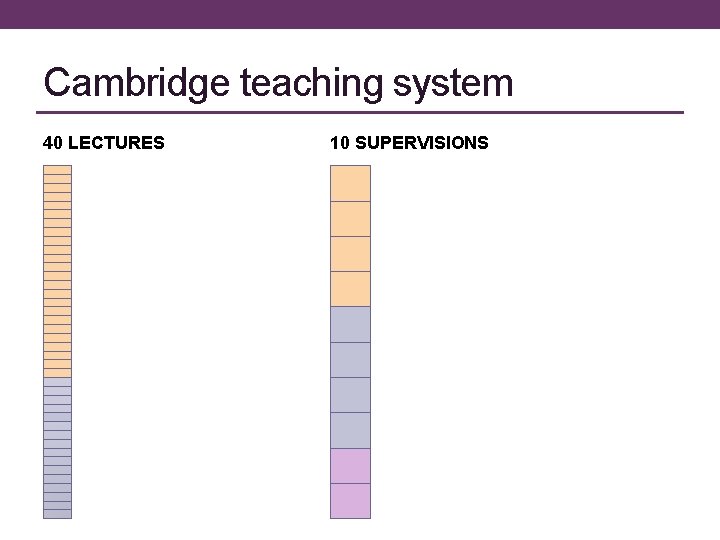
Cambridge teaching system 40 LECTURES 10 SUPERVISIONS
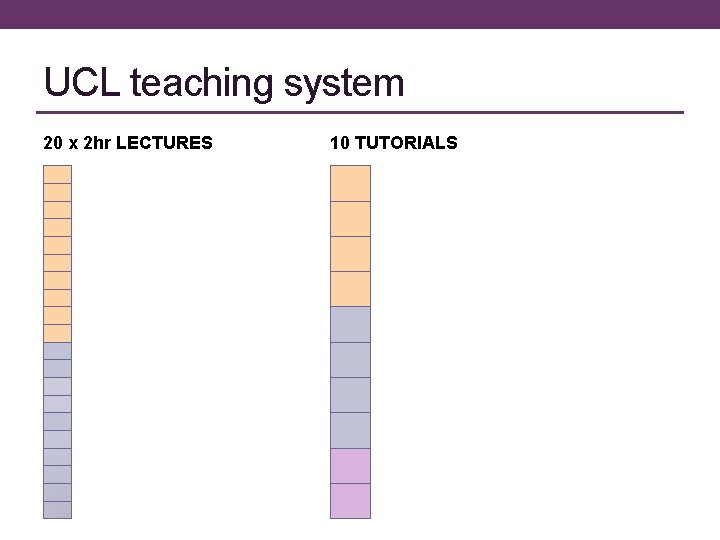
UCL teaching system 20 x 2 hr LECTURES 10 TUTORIALS
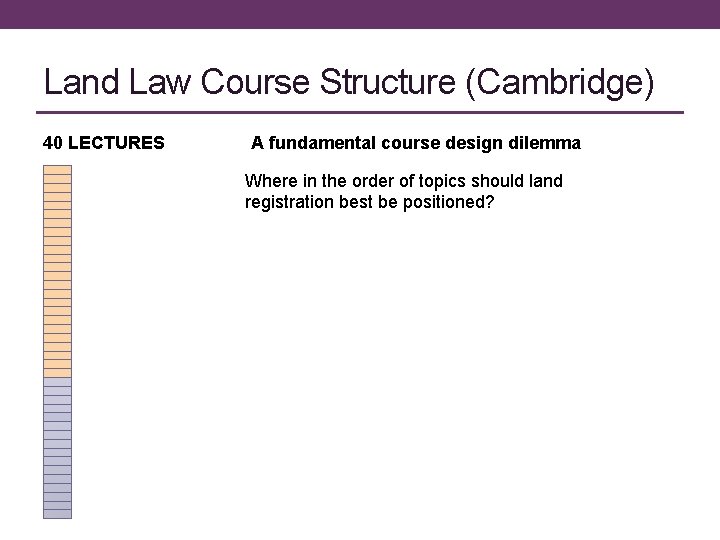
Land Law Course Structure (Cambridge) 40 LECTURES A fundamental course design dilemma Where in the order of topics should land registration best be positioned?
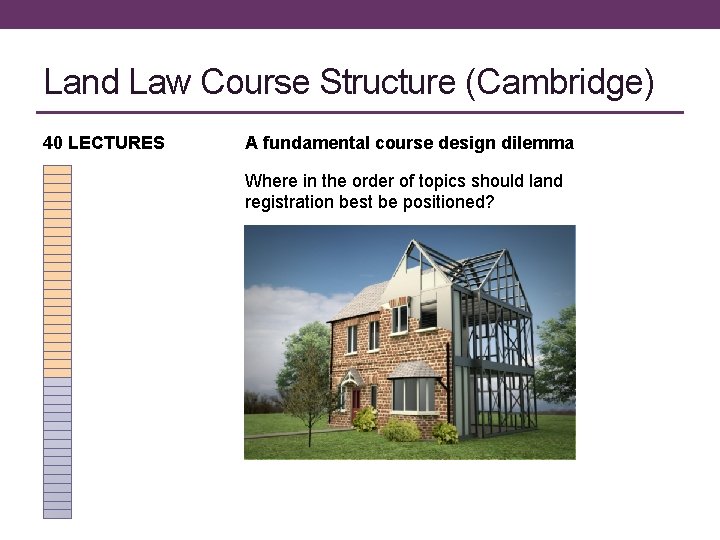
Land Law Course Structure (Cambridge) 40 LECTURES A fundamental course design dilemma Where in the order of topics should land registration best be positioned?

Land Law Course Structure (Cambridge) 40 LECTURES Introduction Adverse Possession Land Registration Trusts & Co-ownership Proprietary Estoppel Mortgages Easements & Freehold Covenants Leases and Licences
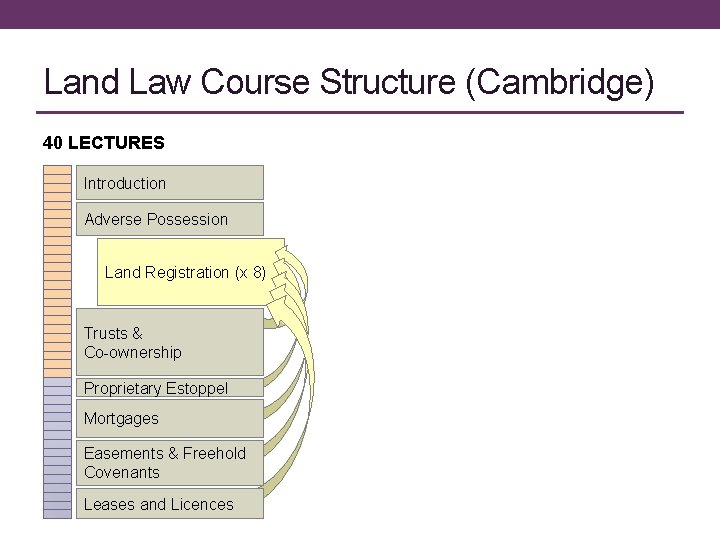
Land Law Course Structure (Cambridge) 40 LECTURES Introduction Adverse Possession Land Registration (x 8) Trusts & Co-ownership Proprietary Estoppel Mortgages Easements & Freehold Covenants Leases and Licences
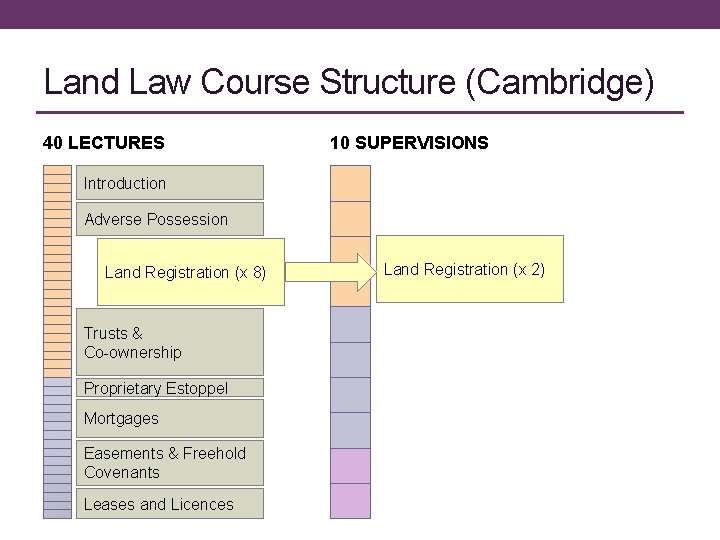
Land Law Course Structure (Cambridge) 40 LECTURES 10 SUPERVISIONS Introduction Adverse Possession Land Registration (x 8) Trusts & Co-ownership Proprietary Estoppel Mortgages Easements & Freehold Covenants Leases and Licences Land Registration (x 2)
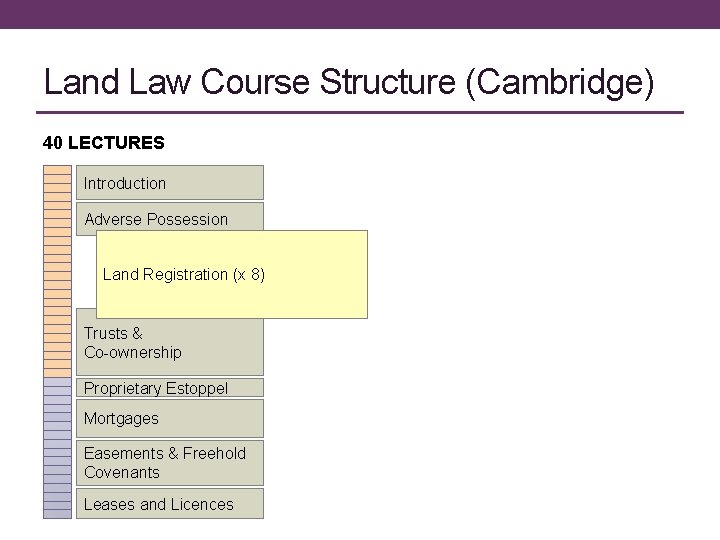
Land Law Course Structure (Cambridge) 40 LECTURES Introduction Adverse Possession Land Registration (x 8) Trusts & Co-ownership Proprietary Estoppel Mortgages Easements & Freehold Covenants Leases and Licences
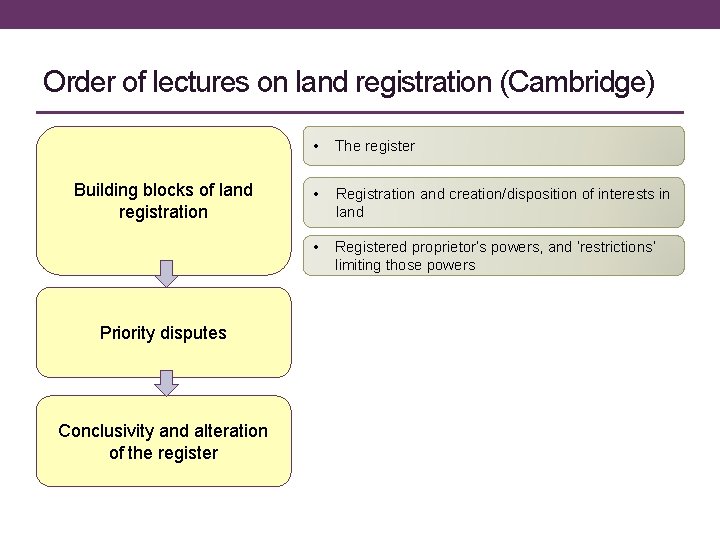
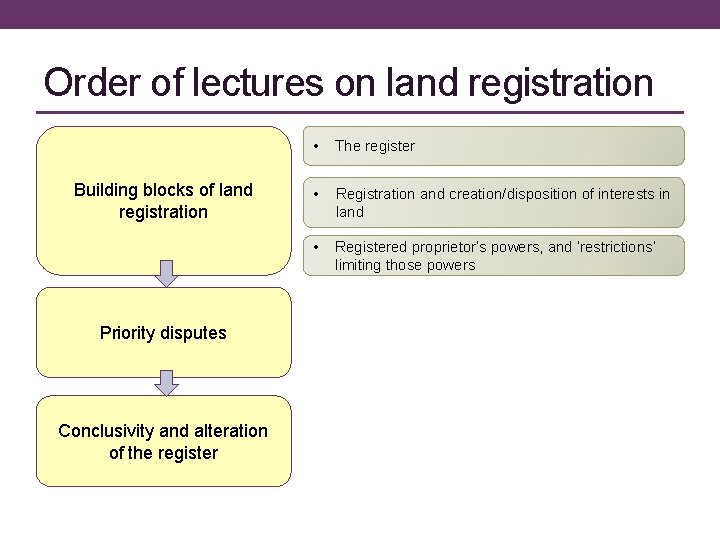
Order of lectures on land registration (Cambridge) Building blocks of land registration Priority disputes Conclusivity and alteration of the register • The register • Registration and creation/disposition of interests in land • Registered proprietor’s powers, and ‘restrictions’ limiting those powers
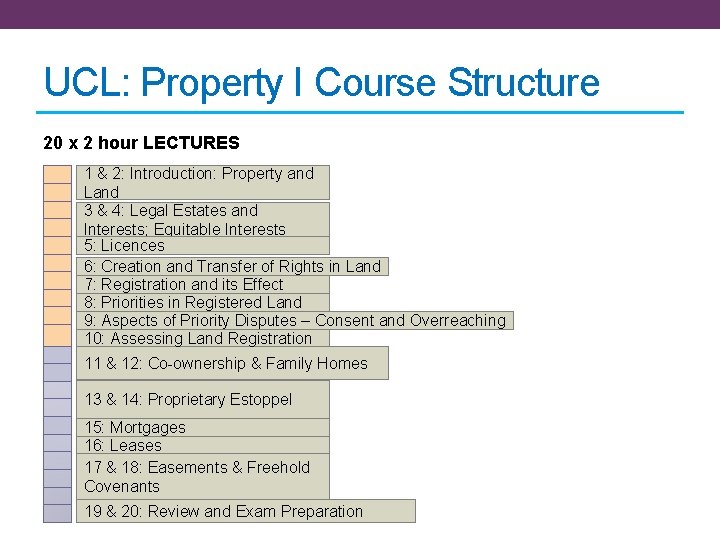
UCL: Property I Course Structure 20 x 2 hour LECTURES 1 & 2: Introduction: Property and Land 3 & 4: Legal Estates and Interests; Equitable Interests 5: Licences 6: Creation and Transfer of Rights in Land 7: Registration and its Effect 8: Priorities in Registered Land 9: Aspects of Priority Disputes – Consent and Overreaching 10: Assessing Land Registration 11 & 12: Co-ownership & Family Homes 13 & 14: Proprietary Estoppel 15: Mortgages 16: Leases 17 & 18: Easements & Freehold Covenants 19 & 20: Review and Exam Preparation
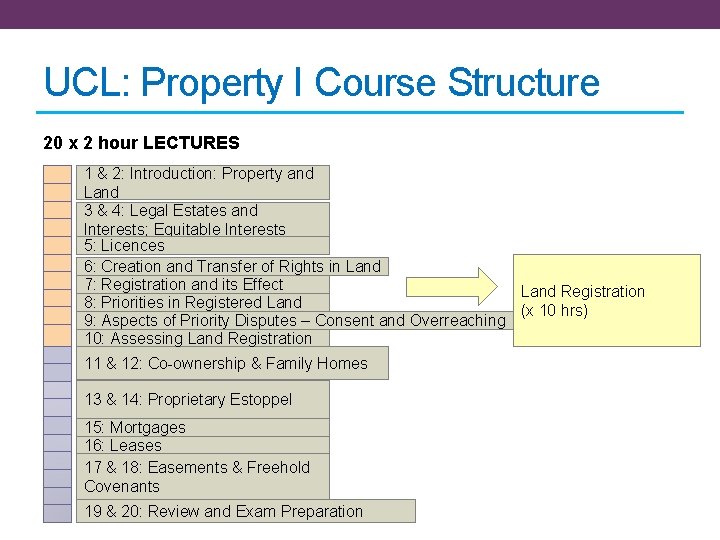
UCL: Property I Course Structure 20 x 2 hour LECTURES 1 & 2: Introduction: Property and Land 3 & 4: Legal Estates and Interests; Equitable Interests 5: Licences 6: Creation and Transfer of Rights in Land 7: Registration and its Effect Land Registration 8: Priorities in Registered Land (x 10 hrs) 9: Aspects of Priority Disputes – Consent and Overreaching 10: Assessing Land Registration 11 & 12: Co-ownership & Family Homes 13 & 14: Proprietary Estoppel 15: Mortgages 16: Leases 17 & 18: Easements & Freehold Covenants 19 & 20: Review and Exam Preparation
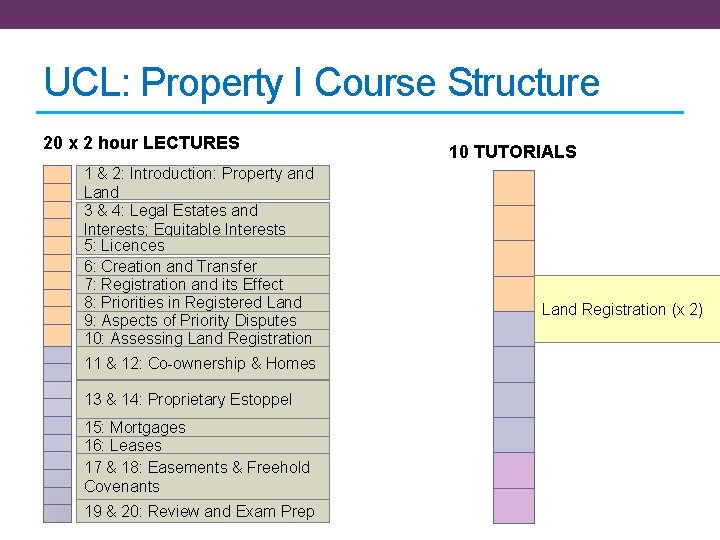
UCL: Property I Course Structure 20 x 2 hour LECTURES 1 & 2: Introduction: Property and Land 3 & 4: Legal Estates and Interests; Equitable Interests 5: Licences 6: Creation and Transfer 7: Registration and its Effect 8: Priorities in Registered Land 9: Aspects of Priority Disputes 10: Assessing Land Registration 11 & 12: Co-ownership & Homes 13 & 14: Proprietary Estoppel 15: Mortgages 16: Leases 17 & 18: Easements & Freehold Covenants 19 & 20: Review and Exam Prep 10 TUTORIALS Land Registration (x 2)

UCL: Order of lectures on land registration 6. Creation and Transfer 7. Effect of Registration • Starts with s 52 LPA • Detail of first registration not on syllabus • Effect of failure to comply with formalities • ss 58, 24, 23 LRA • Effect of mistake and fraud: Walker v Burton, Swift 1 st • Restrictions on rectification • Meaning of mistake: Baxter, Gold Harp, CP 227
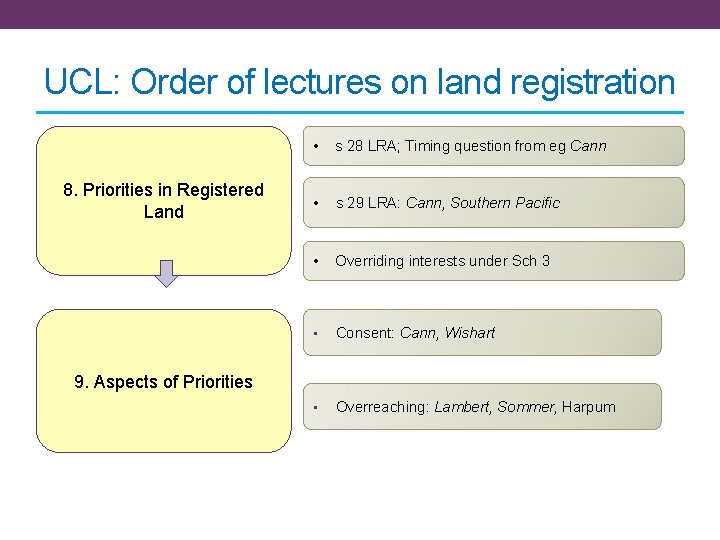
UCL: Order of lectures on land registration 8. Priorities in Registered Land • s 28 LRA; Timing question from eg Cann • s 29 LRA: Cann, Southern Pacific • Overriding interests under Sch 3 • Consent: Cann, Wishart • Overreaching: Lambert, Sommer, Harpum 9. Aspects of Priorities
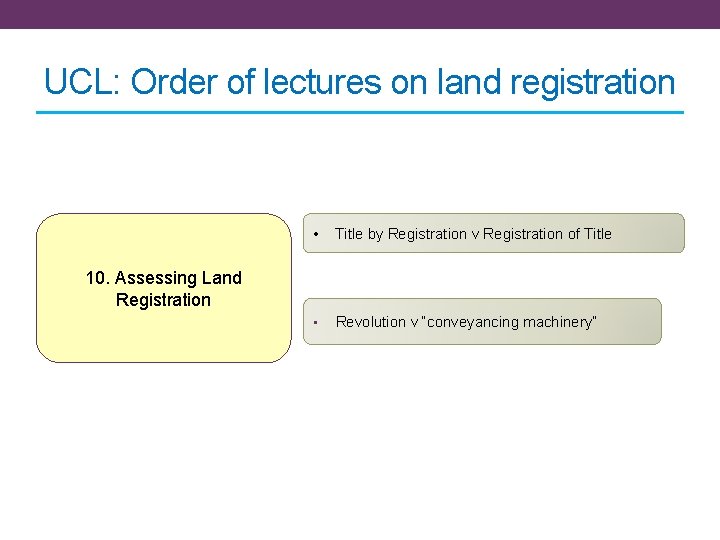
UCL: Order of lectures on land registration • Title by Registration v Registration of Title • Revolution v “conveyancing machinery” 10. Assessing Land Registration
8 Key Challenges Concerning Teaching Land Registration Challenges
8 Key Challenges Concerning Teaching Land Registration First registration? 1 Content: which substantive topics should be covered? Challenges
Order of lectures on land registration Building blocks of land registration Priority disputes Conclusivity and alteration of the register • The register • Registration and creation/disposition of interests in land • Registered proprietor’s powers, and ‘restrictions’ limiting those powers
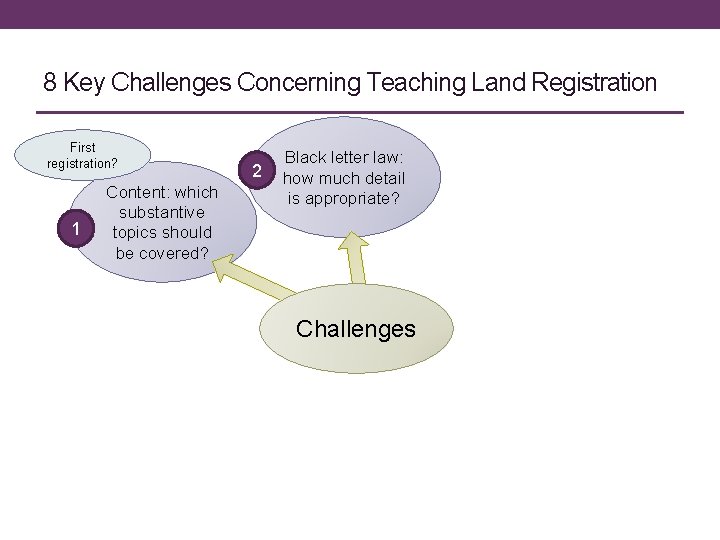
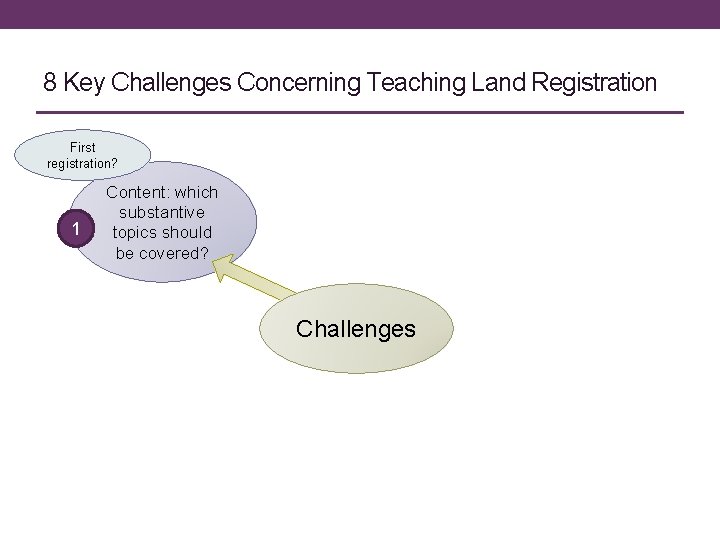
8 Key Challenges Concerning Teaching Land Registration First registration? 1 Content: which substantive topics should be covered? 2 Black letter law: how much detail is appropriate? Challenges
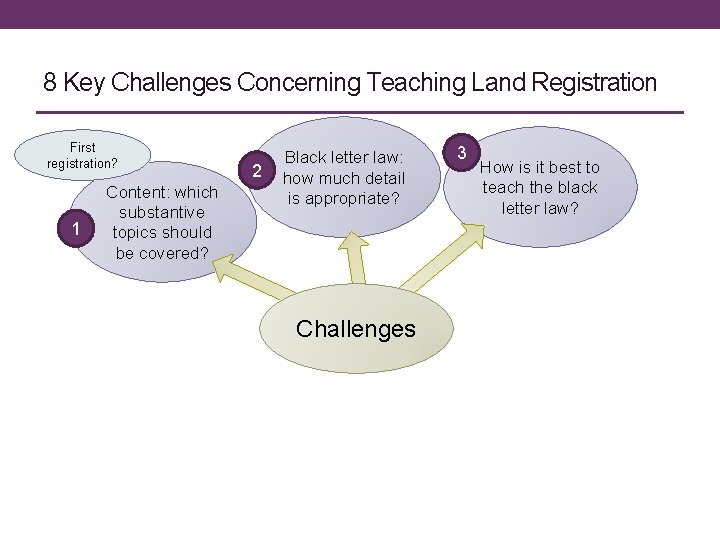
8 Key Challenges Concerning Teaching Land Registration First registration? 1 Content: which substantive topics should be covered? 2 Black letter law: how much detail is appropriate? Challenges 3 How is it best to teach the black letter law?
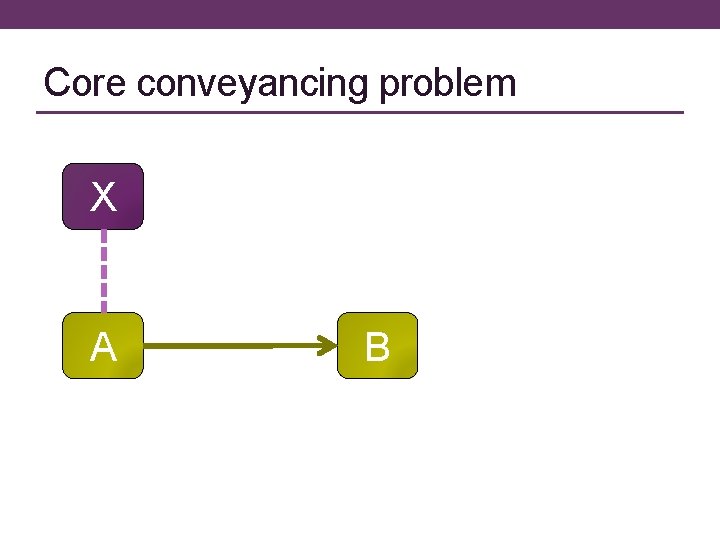
Core conveyancing problem X A B
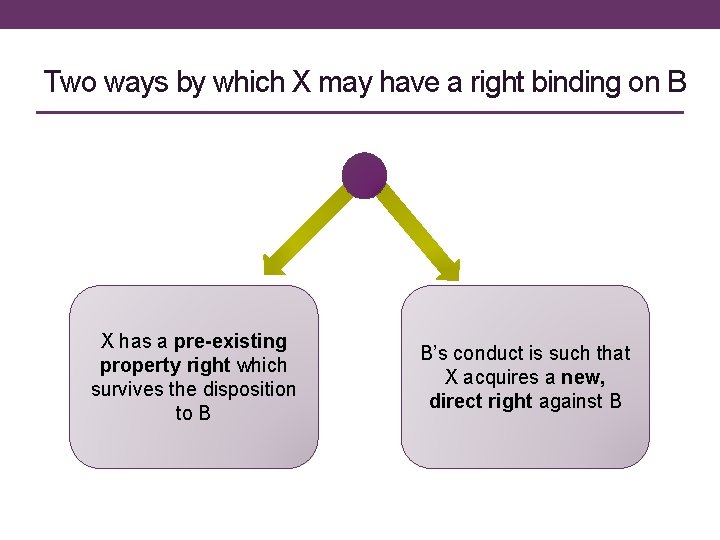
Two ways by which X may have a right binding on B X has a pre-existing property right which survives the disposition to B B’s conduct is such that X acquires a new, direct right against B
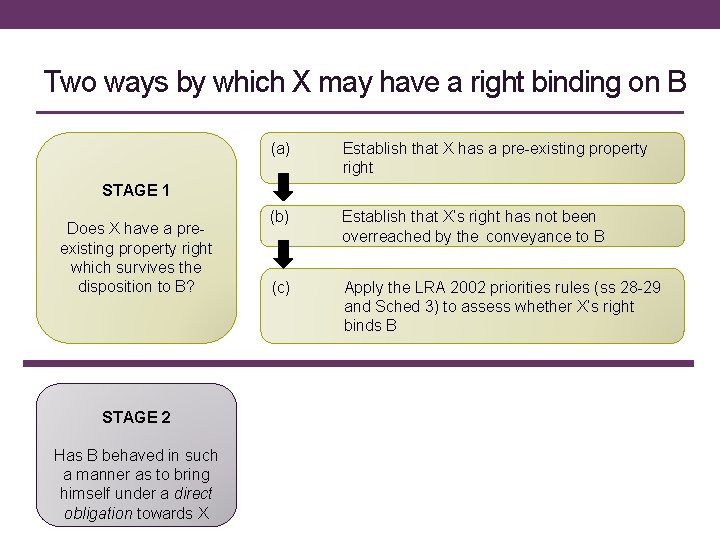
Two ways by which X may have a right binding on B (a) Establish that X has a pre-existing property right (b) Establish that X’s right has not been overreached by the conveyance to B (c) Apply the LRA 2002 priorities rules (ss 28 -29 and Sched 3) to assess whether X’s right binds B STAGE 1 Does X have a preexisting property right which survives the disposition to B? STAGE 2 Has B behaved in such a manner as to bring himself under a direct obligation towards X
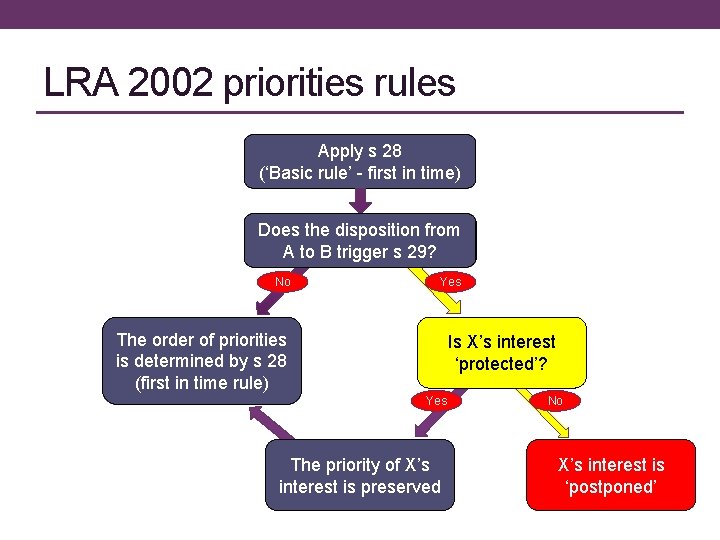
LRA 2002 priorities rules Apply s 28 (‘Basic rule’ - first in time) Does the disposition from A to B trigger s 29? No Yes The order of priorities is determined by s 28 (first in time rule) Is X’s interest ‘protected’? Yes The priority of X’s interest is preserved No X’s interest is ‘postponed’
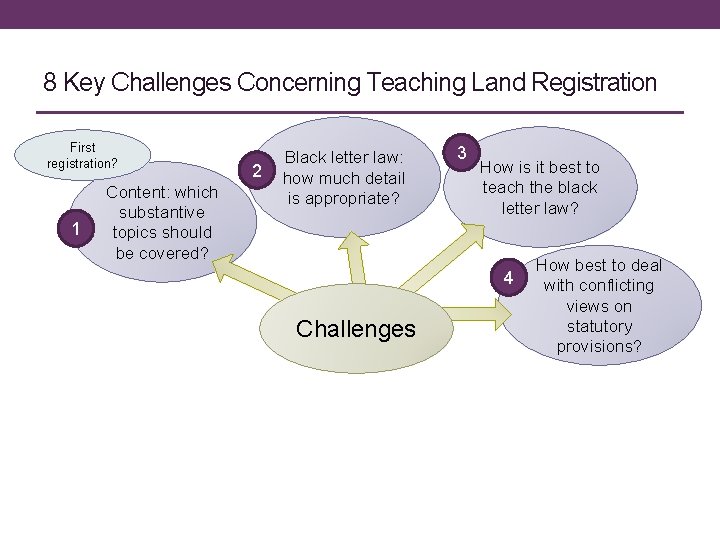
8 Key Challenges Concerning Teaching Land Registration First registration? 1 Content: which substantive topics should be covered? 2 Black letter law: how much detail is appropriate? 3 How is it best to teach the black letter law? 4 Challenges How best to deal with conflicting views on statutory provisions?
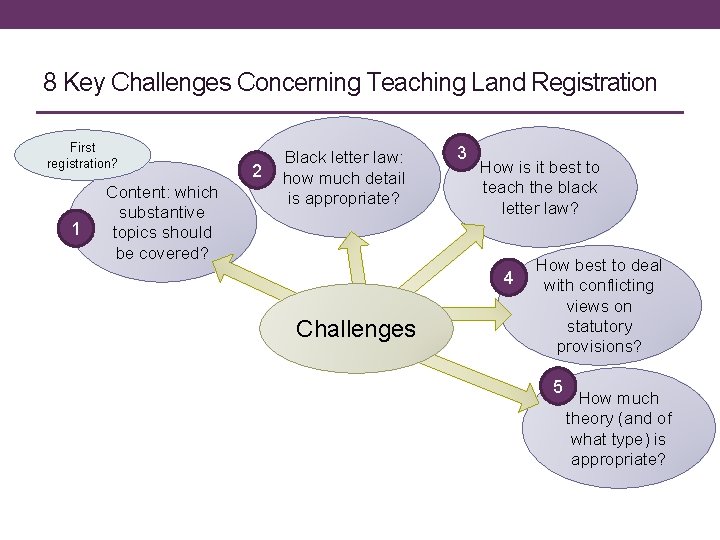
8 Key Challenges Concerning Teaching Land Registration First registration? 1 Content: which substantive topics should be covered? 2 Black letter law: how much detail is appropriate? 3 How is it best to teach the black letter law? 4 Challenges How best to deal with conflicting views on statutory provisions? 5 How much theory (and of what type) is appropriate?
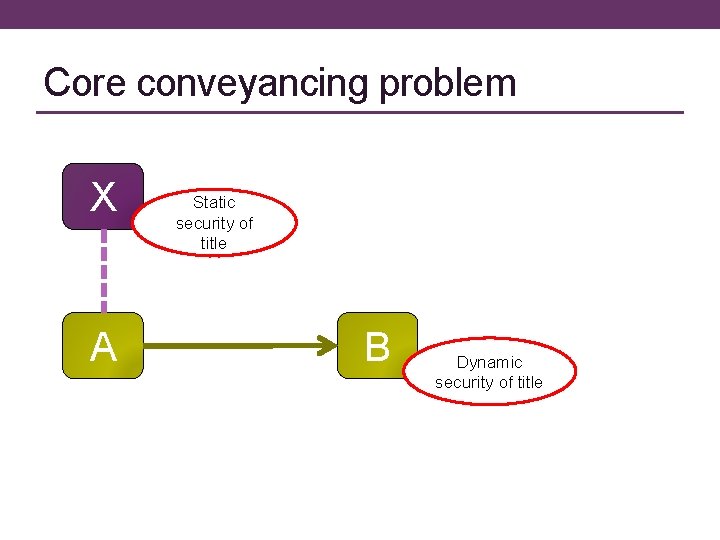
Core conveyancing problem X A Static security of title B Dynamic security of title

8 Key Challenges Concerning Teaching Land Registration First registration? 1 Content: which substantive topics should be covered? 2 Black letter law: how much detail is appropriate? 3 How is it best to teach the black letter law? 4 Challenges How best to deal with conflicting views on statutory provisions? 5 6 By what point of reference might the LRA system be evaluated? How much theory (and of what type) is appropriate?
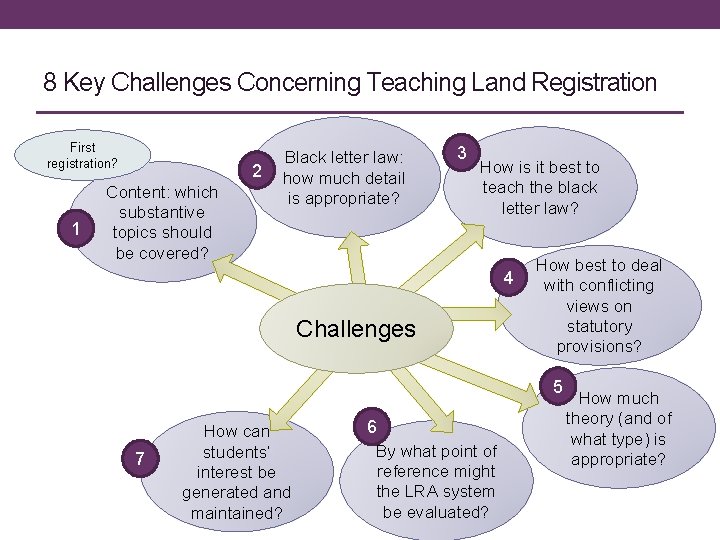
8 Key Challenges Concerning Teaching Land Registration First registration? 1 2 Content: which substantive topics should be covered? Black letter law: how much detail is appropriate? 3 How is it best to teach the black letter law? 4 Challenges How best to deal with conflicting views on statutory provisions? 5 7 How can students’ interest be generated and maintained? 6 By what point of reference might the LRA system be evaluated? How much theory (and of what type) is appropriate?
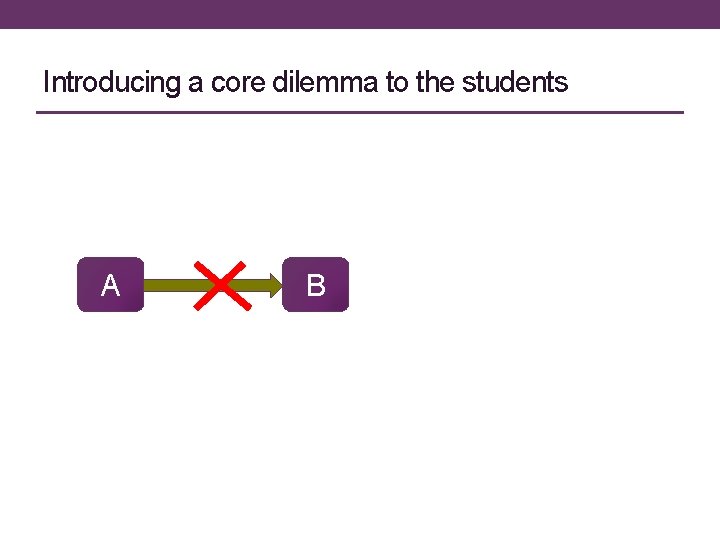
Introducing a core dilemma to the students A B
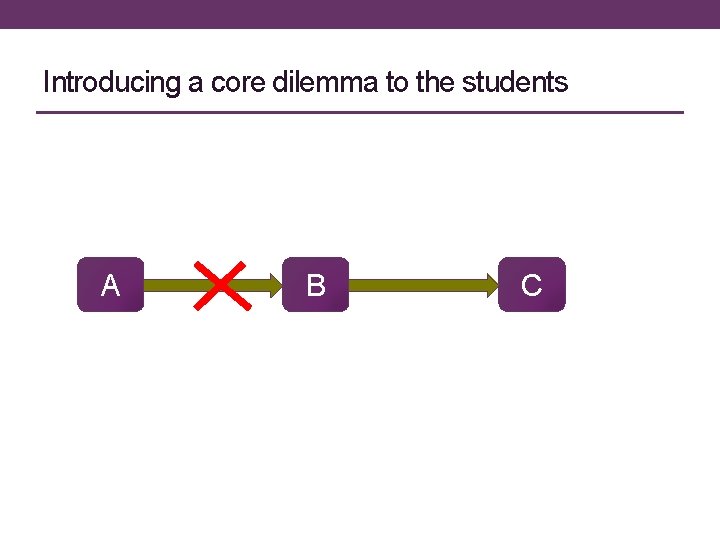
Introducing a core dilemma to the students A B C

Walker v Burton
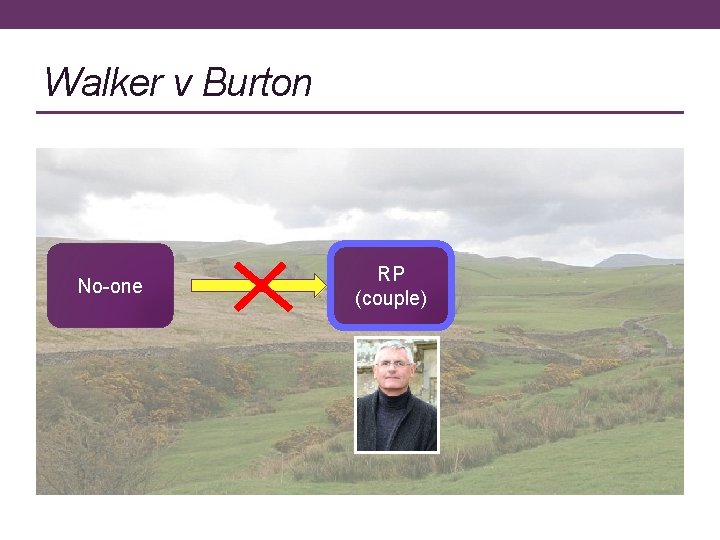
Walker v Burton No-one RP (couple)

8 Key Challenges Concerning Teaching Land Registration First registration? 1 2 Content: which substantive topics should be covered? Black letter law: how much detail is appropriate? 3 How is it best to teach the black letter law? 4 Problem of no 8 assumed knowledge of future interlinking topics 7 Challenges How best to deal with conflicting views on statutory provisions? 5 How can students’ interest be generated and maintained? 6 By what point of reference might the LRA system be evaluated? How much theory (and of what type) is appropriate?
- Slides: 35