
Teacher Talk Based on what you know about
Teacher Talk Based on what you know about LDC. . . What would you expect to see if you walked into a classroom that was implementing LDC at what you consider a high level of impact ?
Our Guiding Questions �How does LDC allow teachers to demonstrate effective teaching? �How can teachers use LDC in the student growth process?
Domain 1: Planning & Preparation Domain 2: Classroom Environment Domain 3: Instruction Domain 4: Professional Responsibilities 3
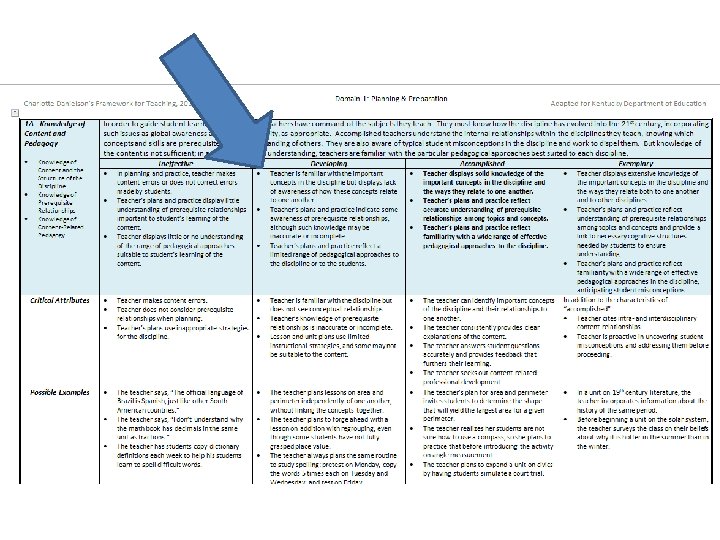
Digging Deeper into the Ff. T • Analyze your assigned component of the Ff. T. • Highlight language that connects to LDC implementation. • Chart some highlights of what it might look like in a LDC classroom. • Decide who will share.
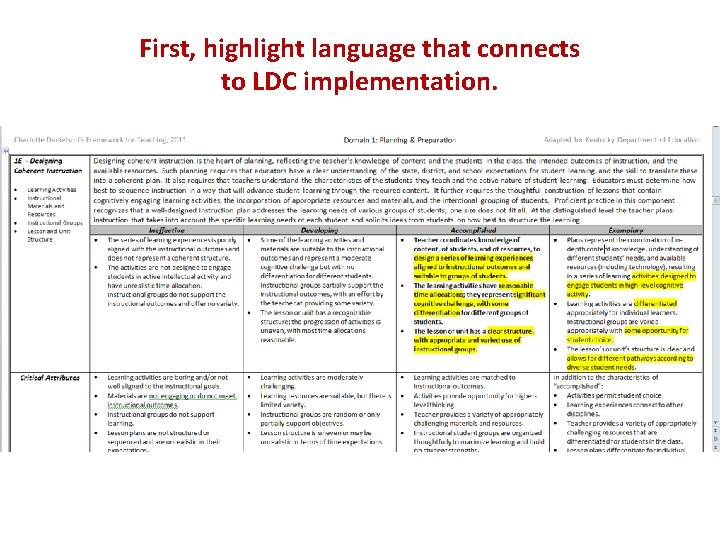
First, highlight language that connects to LDC implementation.
1 E – Designing Coherent Instruction • Teaching tasks and mini-tasks, if well designed, are cognitively challenging to students. • Teaching tasks and mini-tasks allow for differentiation through grouping & collaborative work. • Teaching tasks are designed to provide opportunities for student choice. • LDC modules provide a clear structure. • LDC allows for different pathways to learning,
r u o y t i s i v e r s. g n Let’ i m r o t s n brai What would you expect to see if you walked into a classroom that was implementing LDC at what you consider a high level of impact ?
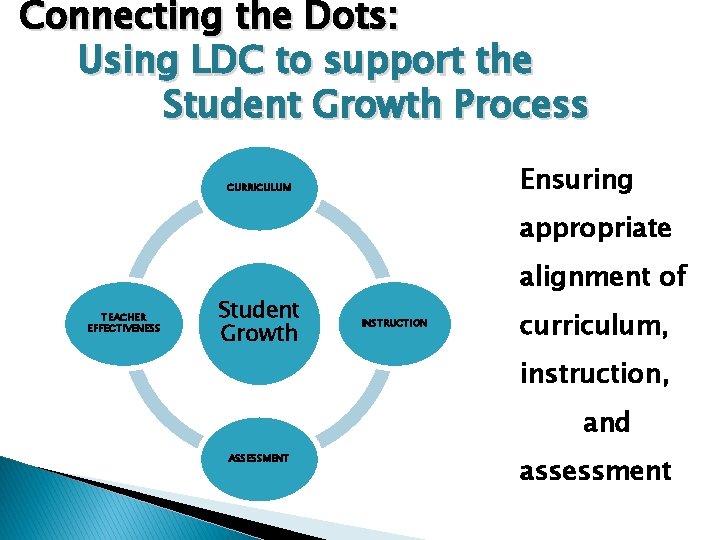
Connecting the Dots: Using LDC to support the Student Growth Process Ensuring CURRICULUM appropriate TEACHER EFFECTIVENESS Student Growth alignment of INSTRUCTION curriculum, instruction, and ASSESSMENT assessment
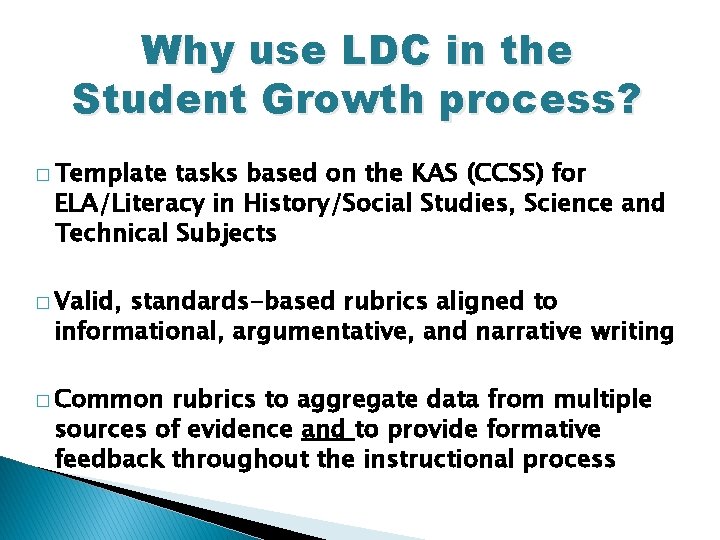
Why use LDC in the Student Growth process? � Template tasks based on the KAS (CCSS) for ELA/Literacy in History/Social Studies, Science and Technical Subjects � Valid, standards-based rubrics aligned to informational, argumentative, and narrative writing � Common rubrics to aggregate data from multiple sources of evidence and to provide formative feedback throughout the instructional process
How does LDC help support rigor in the student growth process? Turn & Talk
Rigor = Congruency to standards Do the measures provide an opportunity for students to demonstrate mastery of the identified skills, concepts or processes at the level of rigor intended in the standard? 13
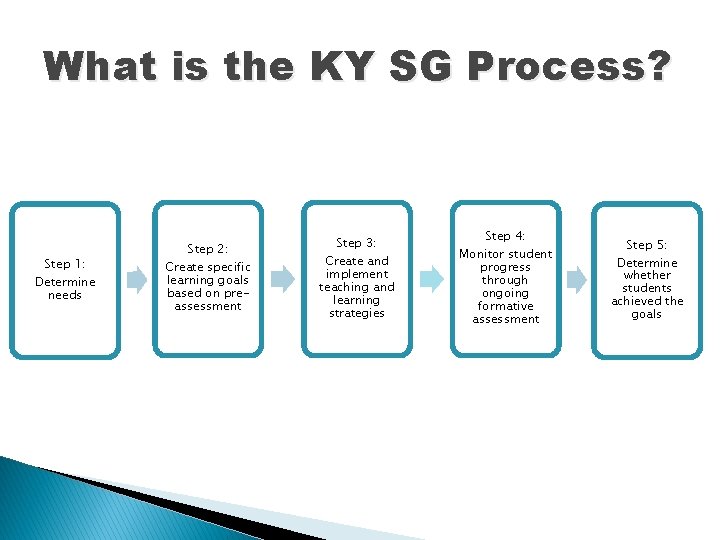
What is the KY SG Process? Step 1: Determine needs Step 2: Create specific learning goals based on preassessment Step 3: Create and implement teaching and learning strategies Step 4: Monitor student progress through ongoing formative assessment Step 5: Determine whether students achieved the goals
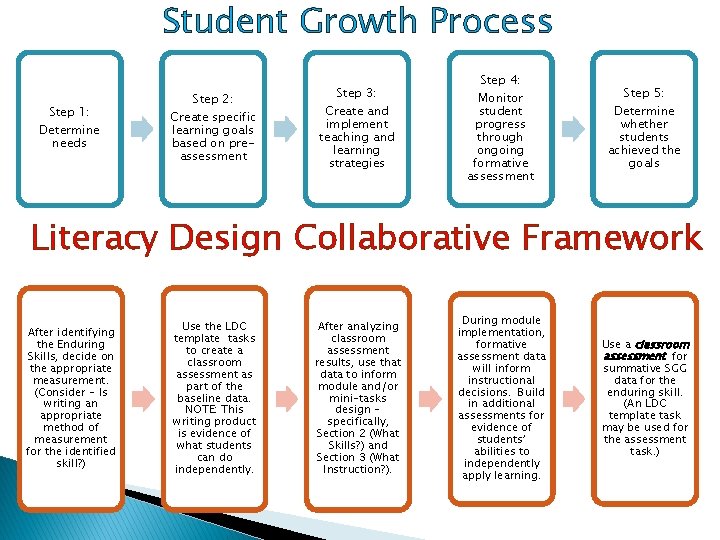
Student Growth Process Step 1: Determine needs Step 2: Create specific learning goals based on preassessment Step 3: Create and implement teaching and learning strategies Step 4: Monitor student progress through ongoing formative assessment Step 5: Determine whether students achieved the goals Literacy Design Collaborative Framework After identifying the Enduring Skills, decide on the appropriate measurement. (Consider - Is writing an appropriate method of measurement for the identified skill? ) Use the LDC template tasks to create a classroom assessment as part of the baseline data. NOTE: This writing product is evidence of what students can do independently. After analyzing classroom assessment results, use that data to inform module and/or mini-tasks design specifically, Section 2 (What Skills? ) and Section 3 (What Instruction? ). During module implementation, formative assessment data will inform instructional decisions. Build in additional assessments for evidence of students’ abilities to independently apply learning. Use a classroom assessment for summative SGG data for the enduring skill. (An LDC template task may be used for the assessment task. )
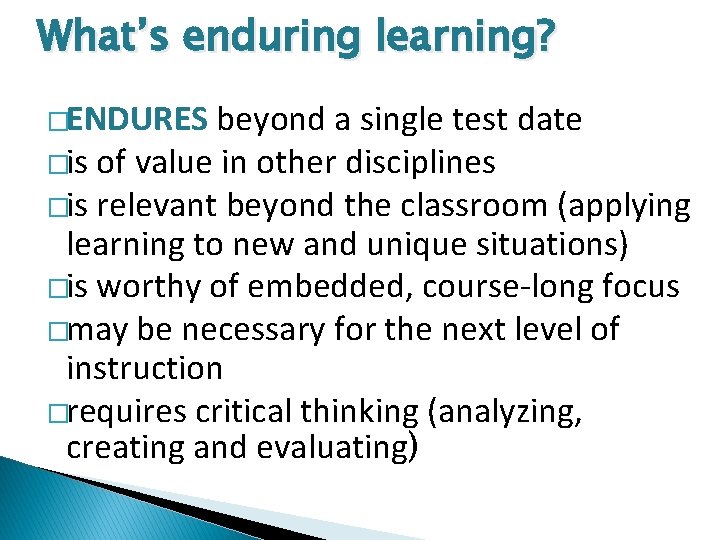
What’s enduring learning? �ENDURES beyond a single test date �is of value in other disciplines �is relevant beyond the classroom (applying learning to new and unique situations) �is worthy of embedded, course-long focus �may be necessary for the next level of instruction �requires critical thinking (analyzing, creating and evaluating)
Let’s take a look at the ELA scenario STEP 1: Determining Need – How did Mrs. Turner decide how to focus her goal and establish a baseline?
How did Ms. Turner decide to focus her SGG? Based on the needs of her students, Ms. Turner decides to focus on Reading/Research and Development in her SGG.
Contextual vs. Baseline data � Contextual Data: ◦ Data that informs teachers of where students are performing; aids your decision making for determining an area of focus for enduring skills: state assessments, interim assessments from previous year, common assignment/common assessment data, classroom formative assessments � Baseline Data: ◦ Data that establishes a beginning point of where students are against an enduring skill; provides the starting point for student growth goal-setting
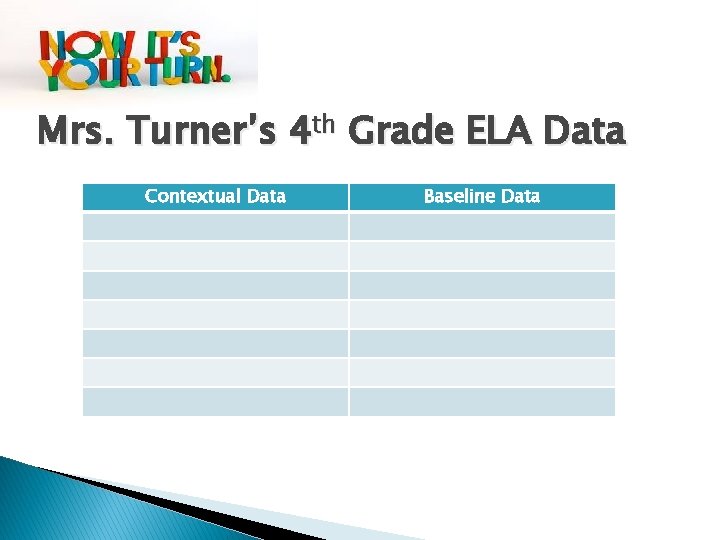
Mrs. Turner’s 4 th Grade ELA Data Contextual Data Baseline Data

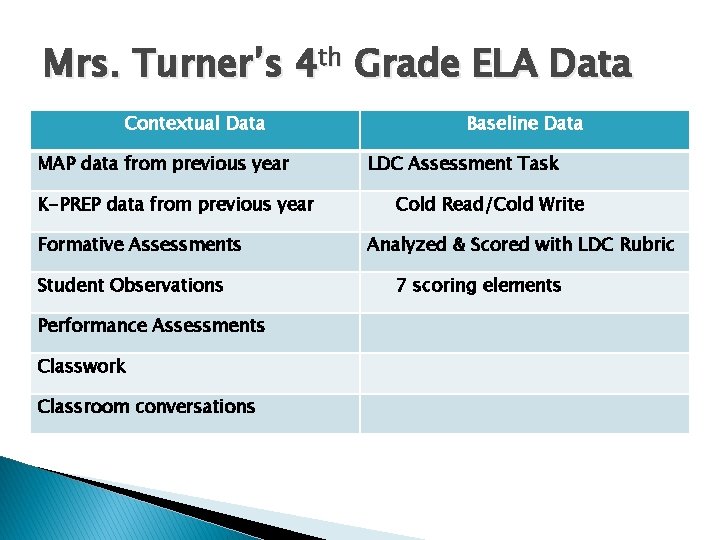
Mrs. Turner’s 4 th Grade ELA Data Contextual Data MAP data from previous year K-PREP data from previous year Formative Assessments Student Observations Performance Assessments Classwork Classroom conversations Baseline Data LDC Assessment Task Cold Read/Cold Write Analyzed & Scored with LDC Rubric 7 scoring elements
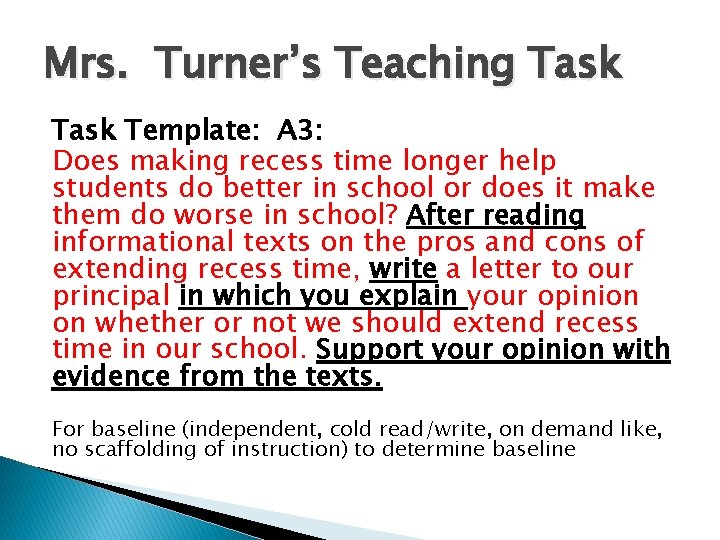
Mrs. Turner’s Teaching Task Template: A 3: Does making recess time longer help students do better in school or does it make them do worse in school? After reading informational texts on the pros and cons of extending recess time, write a letter to our principal in which you explain your opinion on whether or not we should extend recess time in our school. Support your opinion with evidence from the texts. For baseline (independent, cold read/write, on demand like, no scaffolding of instruction) to determine baseline
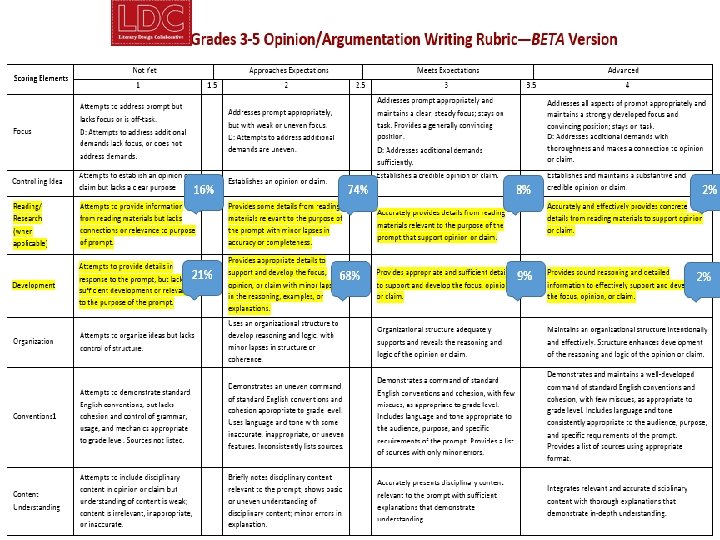
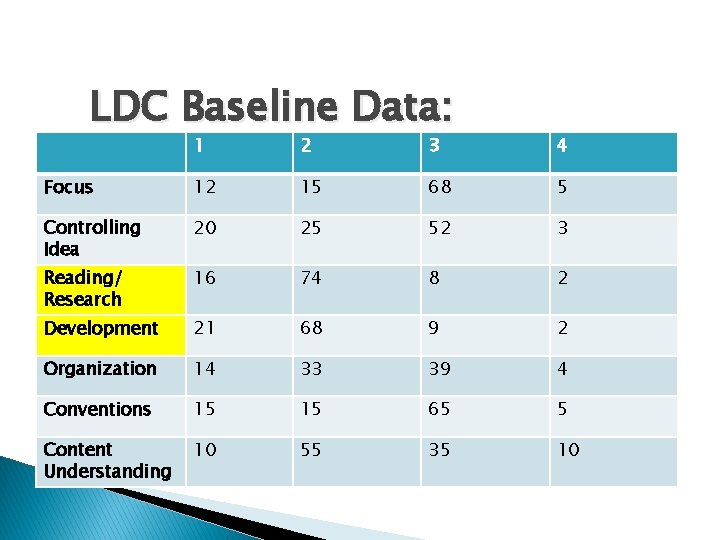
LDC Baseline Data: 1 2 3 4 Focus 12 15 68 5 Controlling Idea 20 25 52 3 Reading/ Research 16 74 8 2 Development 21 68 9 2 Organization 14 33 39 4 Conventions 15 15 65 5 Content Understanding 10 55 35 10

Unpacking a
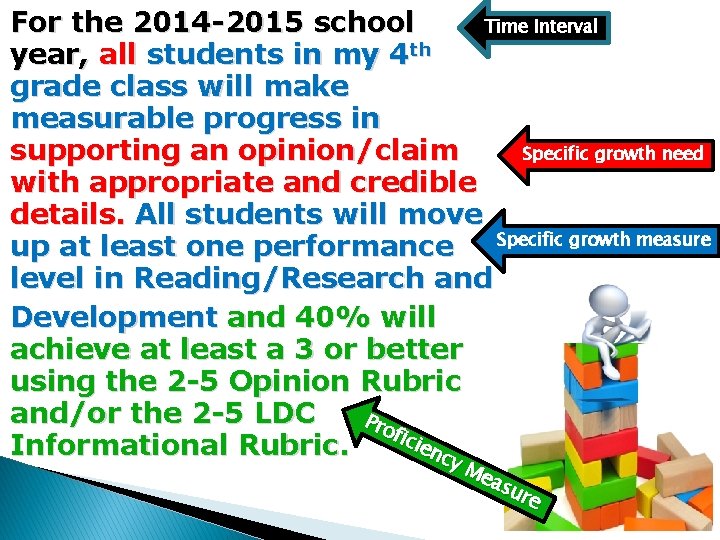
For the 2014 -2015 school Time Interval year, all students in my 4 th grade class will make measurable progress in Specific growth need supporting an opinion/claim with appropriate and credible details. All students will move Specific growth measure up at least one performance level in Reading/Research and Development and 40% will achieve at least a 3 or better using the 2 -5 Opinion Rubric and/or the 2 -5 LDC Pro fic ien Informational Rubric. cy Me asu re 23
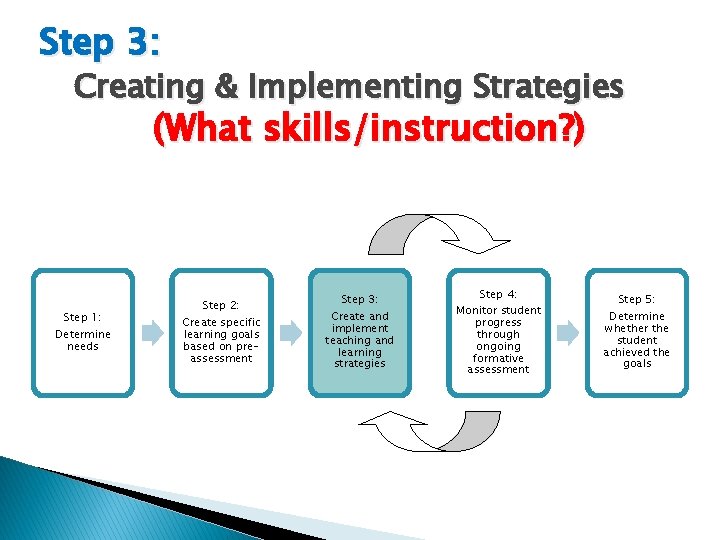
Step 3: Creating & Implementing Strategies (What skills/instruction? ) Step 1: Determine needs Step 2: Create specific learning goals based on preassessment Step 3: Create and implement teaching and learning strategies Step 4: Monitor student progress through ongoing formative assessment Step 5: Determine whether the student achieved the goals
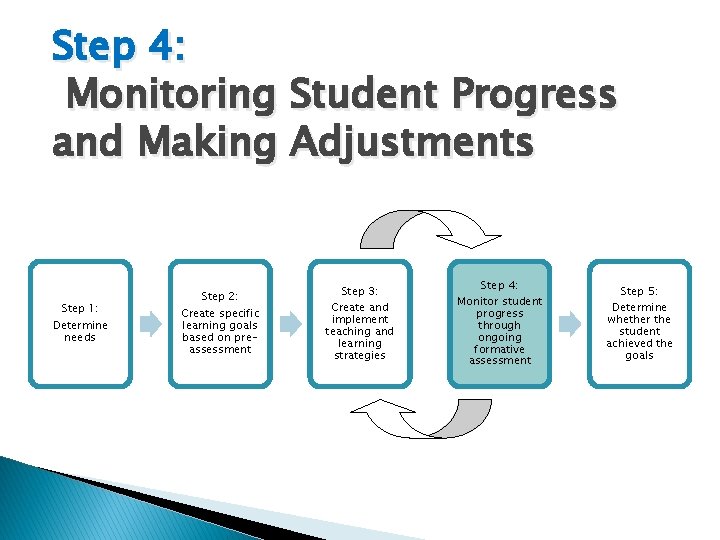
Step 4: Monitoring Student Progress and Making Adjustments Step 1: Determine needs Step 2: Create specific learning goals based on preassessment Step 3: Create and implement teaching and learning strategies Step 4: Monitor student progress through ongoing formative assessment Step 5: Determine whether the student achieved the goals
Steps 3 & 4 – Time for Teacher Reflection
It’s what we do with data that’s important – use it authentically to inform practice.
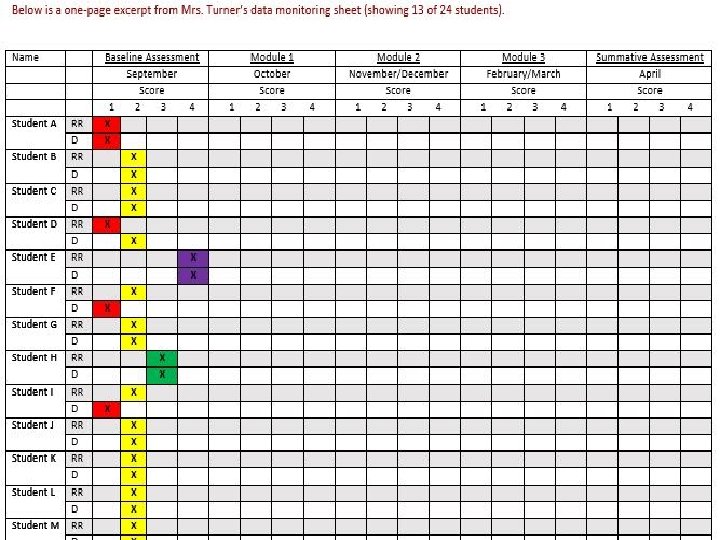
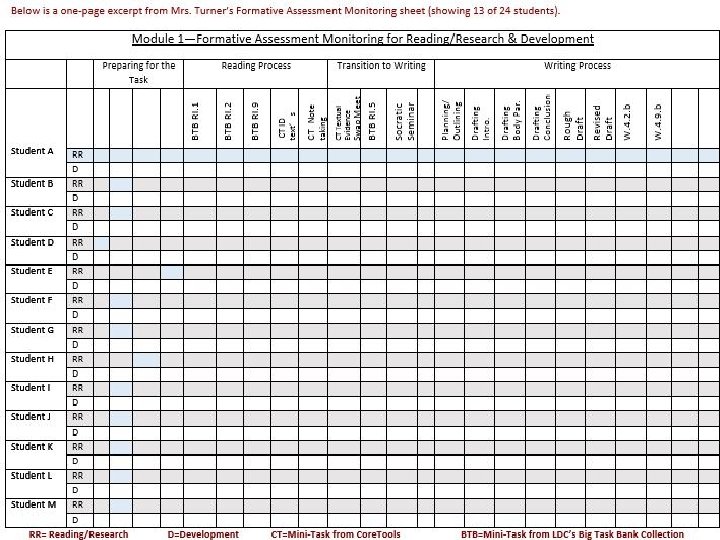
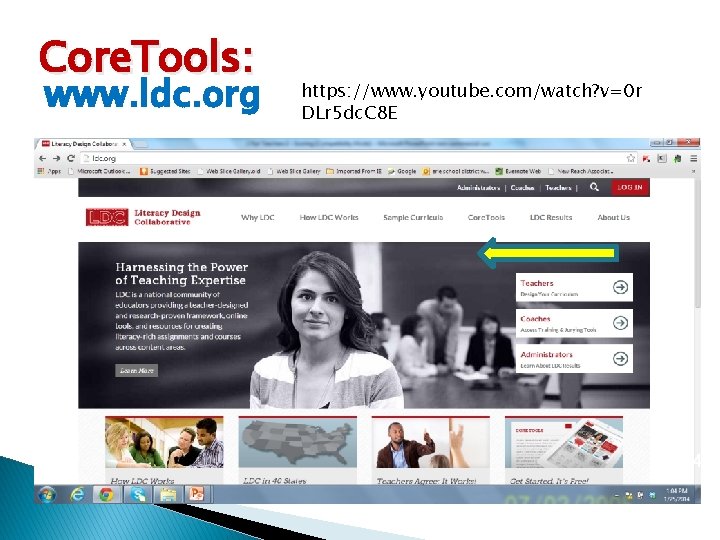
Core. Tools: www. ldc. org https: //www. youtube. com/watch? v=0 r DLr 5 dc. C 8 E 34
Explore the Rich Resources in the LDC Mini-Task Library Some examples: �Dialogue Boxes �Double Entry Journal �Cornell Notes �CER (Claim, Evidence, Reasoning) �Close Reading Annotation
LDC Big Task Bank � RI. 1 (Insert optional question. ) After reading ________, write a(n) (extended response) in which you explain what the text says explicitly and when drawing inferences. Use details and examples from the text to support your response. � RI. 2 After reading _______, write _______ in which you determine the main idea of the text and explain how key details support the main idea. Include a summary of the text. � RI. 9 (Insert Optional Question) After reading _________, write________ in which you integrate information in order to write or speak about the subject knowledgeably.
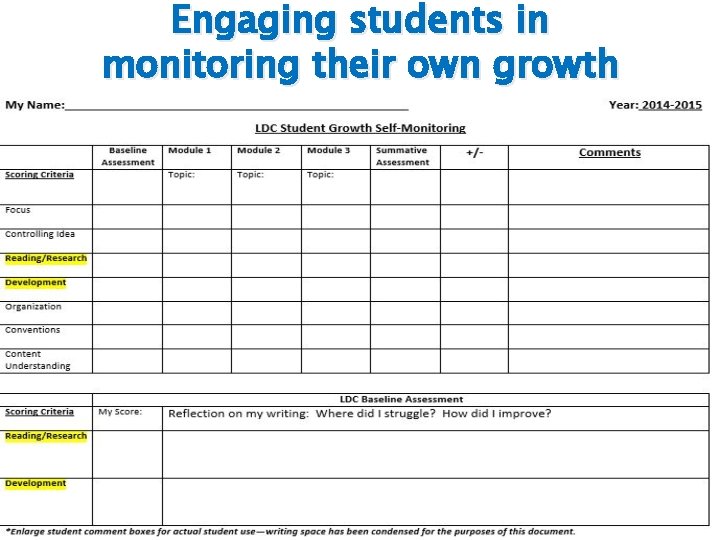
Engaging students in monitoring their own growth
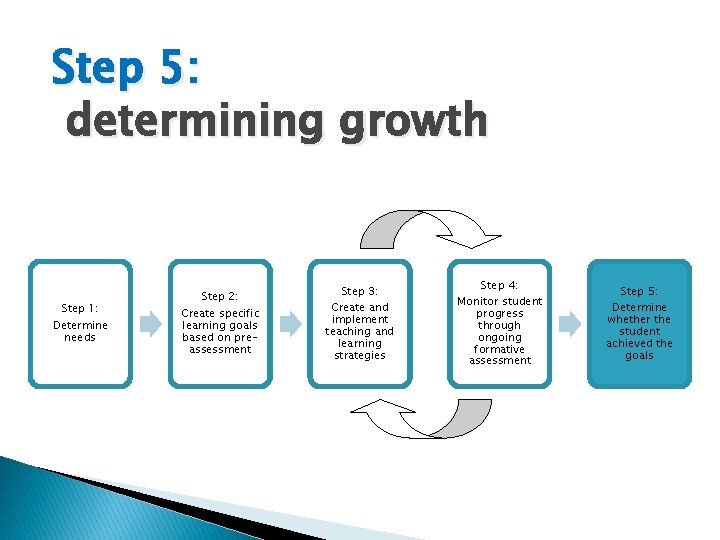
Step 5: determining growth Step 1: Determine needs Step 2: Create specific learning goals based on preassessment Step 3: Create and implement teaching and learning strategies Step 4: Monitor student progress through ongoing formative assessment Step 5: Determine whether the student achieved the goals
Our Guiding Questions �How does LDC allow teachers to demonstrate effective teaching? �How can teachers use LDC in the student growth process?
- Slides: 39