
Taxonomy Science of naming organisms and assigning them




- Slides: 63
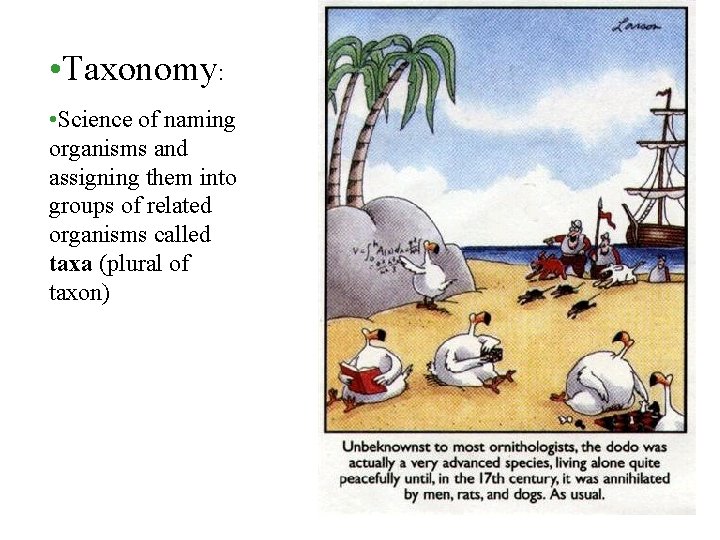
• Taxonomy: • Science of naming organisms and assigning them into groups of related organisms called taxa (plural of taxon)
1. Explain these things about Binomial Nomenclature: A. What are the two parts of a scientific species name? B. For what reason was it developed / Why is it still used? C. What language is used and why?
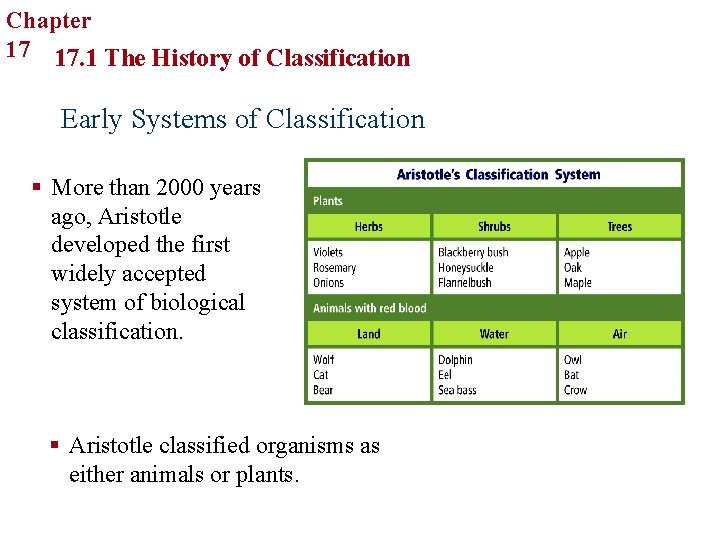
Chapter Organizing Life’s Diversity 17 17. 1 The History of Classification Early Systems of Classification § More than 2000 years ago, Aristotle developed the first widely accepted system of biological classification. § Aristotle classified organisms as either animals or plants.
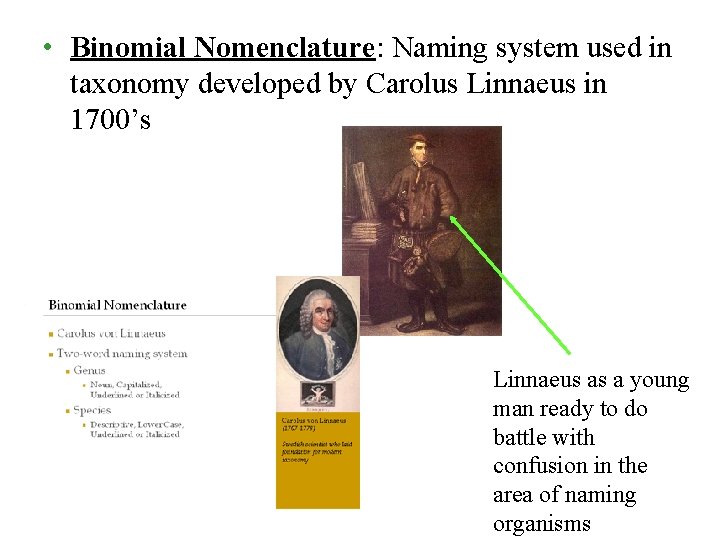
• Binomial Nomenclature: Naming system used in taxonomy developed by Carolus Linnaeus in 1700’s Linnaeus as a young man ready to do battle with confusion in the area of naming organisms
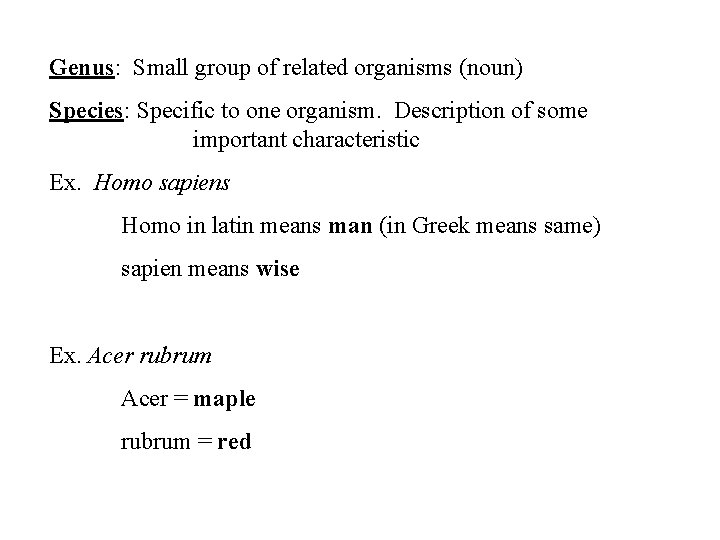
Genus: Small group of related organisms (noun) Species: Specific to one organism. Description of some important characteristic Ex. Homo sapiens Homo in latin means man (in Greek means same) sapien means wise Ex. Acer rubrum Acer = maple rubrum = red
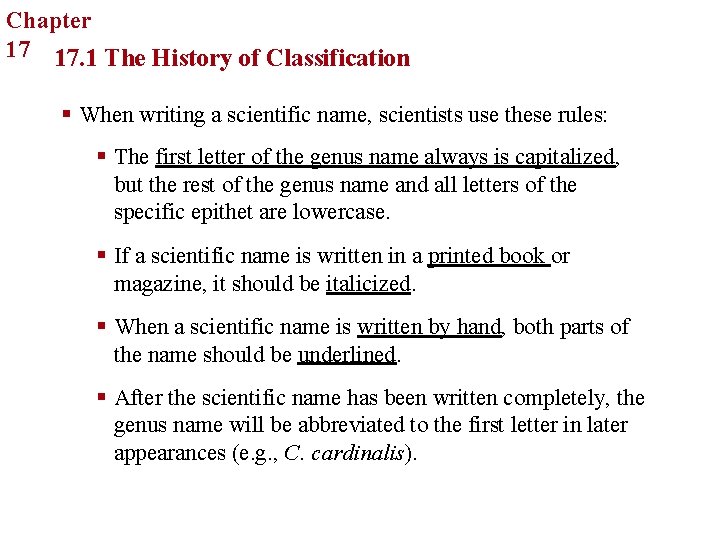
Chapter Organizing Life’s Diversity 17 17. 1 The History of Classification § When writing a scientific name, scientists use these rules: § The first letter of the genus name always is capitalized, but the rest of the genus name and all letters of the specific epithet are lowercase. § If a scientific name is written in a printed book or magazine, it should be italicized. § When a scientific name is written by hand, both parts of the name should be underlined. § After the scientific name has been written completely, the genus name will be abbreviated to the first letter in later appearances (e. g. , C. cardinalis).
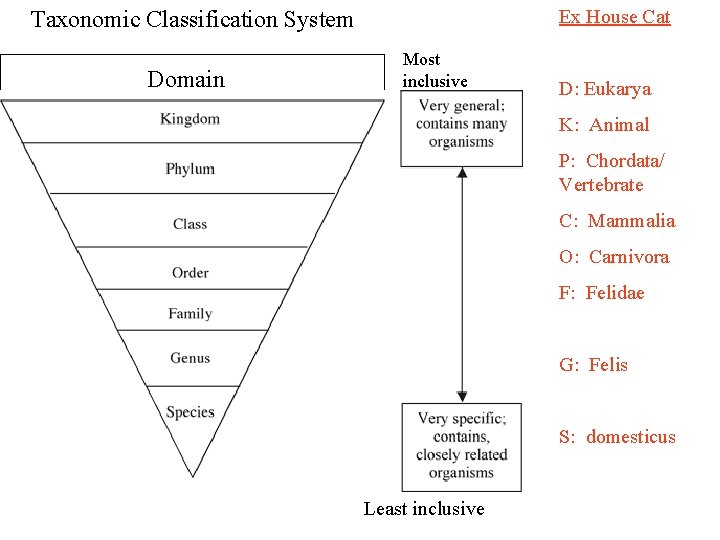
2. List the taxonomic categories in order from most inclusive to least:
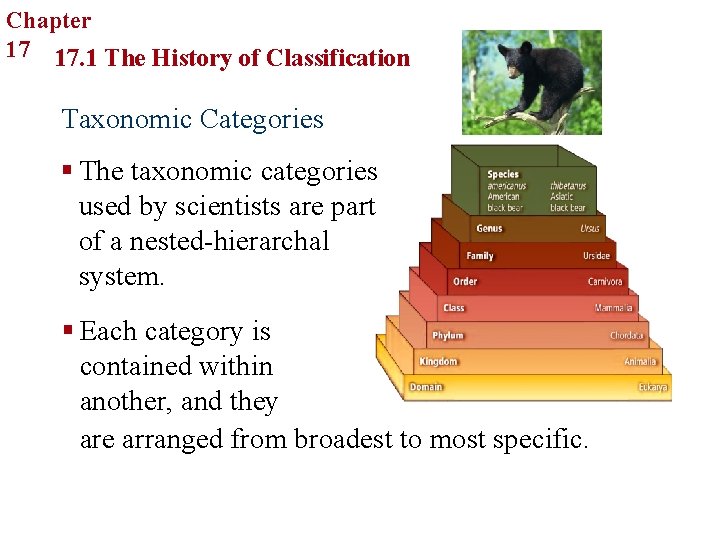
Chapter Organizing Life’s Diversity 17 17. 1 The History of Classification Taxonomic Categories § The taxonomic categories used by scientists are part of a nested-hierarchal system. § Each category is contained within another, and they are arranged from broadest to most specific.
Ex House Cat Taxonomic Classification System Domain Most inclusive D: Eukarya K: Animal P: Chordata/ Vertebrate C: Mammalia O: Carnivora F: Felidae G: Felis S: domesticus Least inclusive
3. Describe (not just list) the 3 Domains of Biology
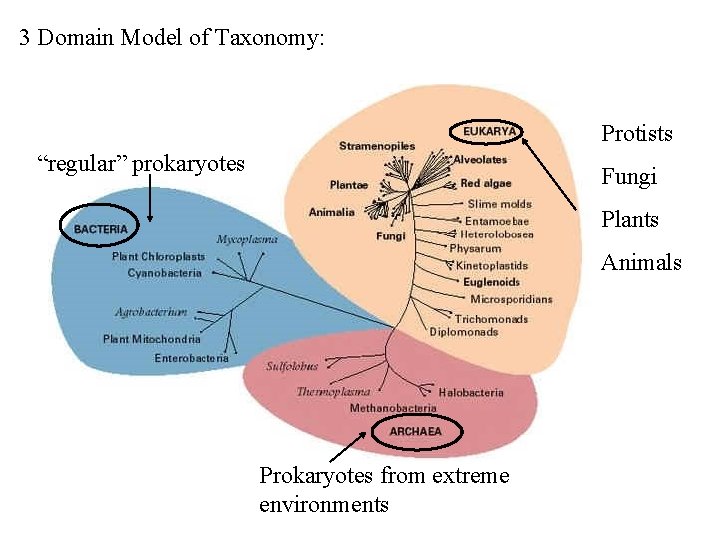
3 Domain Model of Taxonomy: Protists “regular” prokaryotes Fungi Plants Animals Prokaryotes from extreme environments
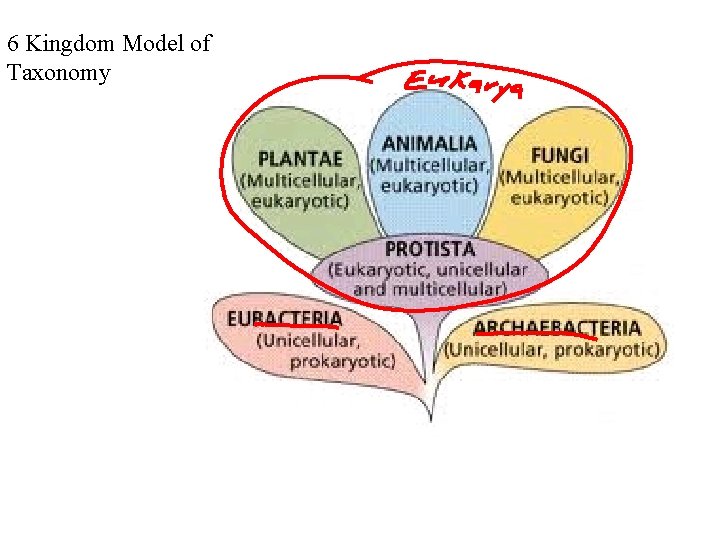
6 Kingdom Model of Taxonomy
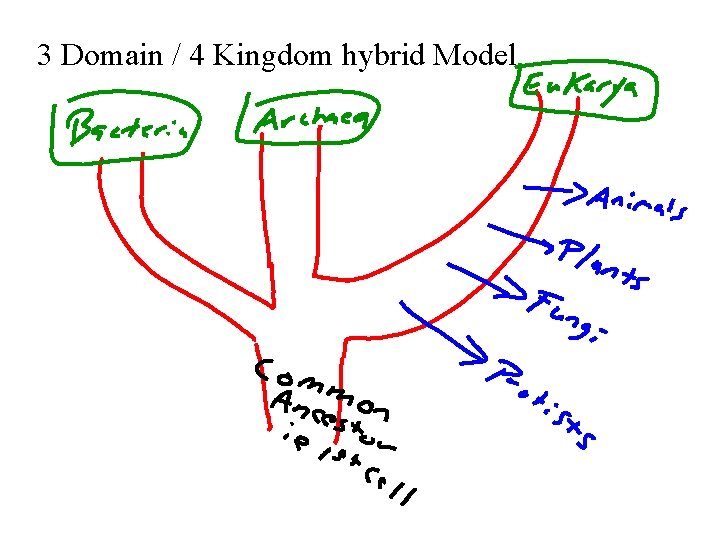
Draw the hybrid 3 Domain / 4 Kingdoms model of biology (“The tree of life”)
3 Domain / 4 Kingdom hybrid Model
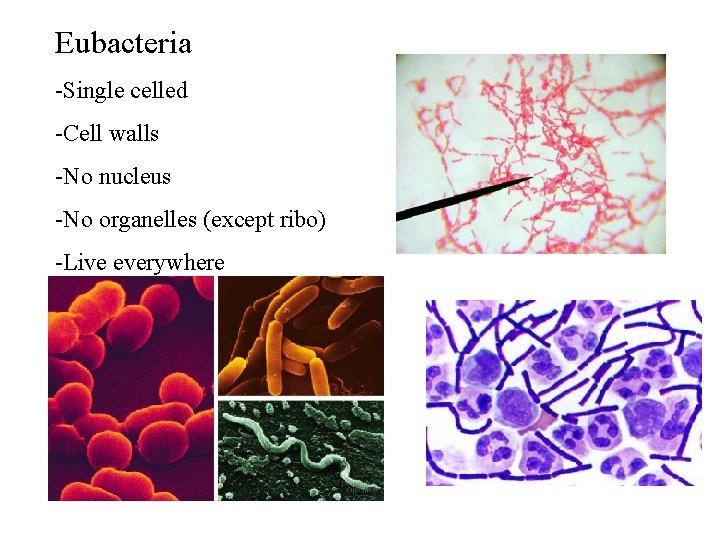
Eubacteria -Single celled -Cell walls -No nucleus -No organelles (except ribo) -Live everywhere
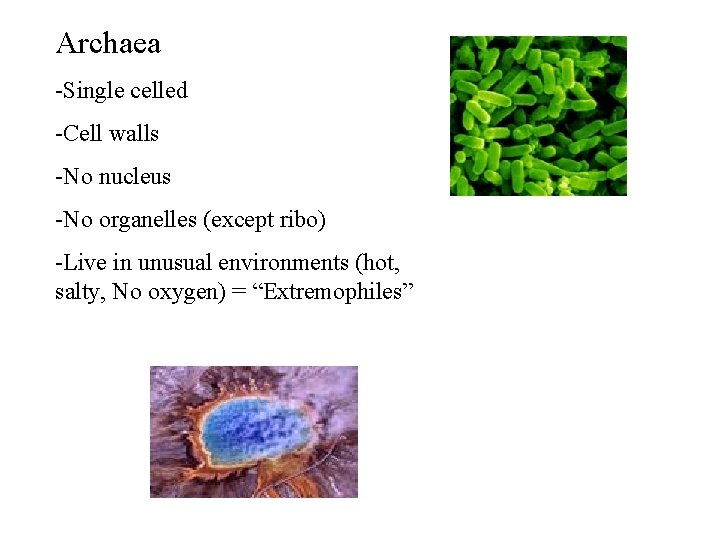
Archaea -Single celled -Cell walls -No nucleus -No organelles (except ribo) -Live in unusual environments (hot, salty, No oxygen) = “Extremophiles”
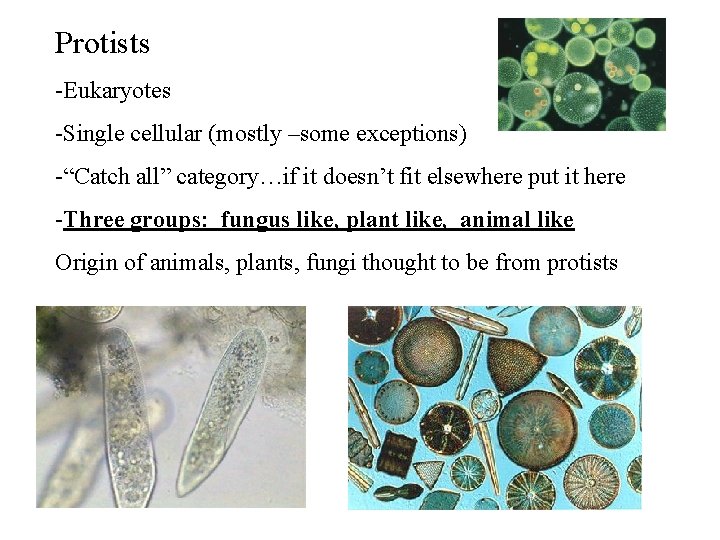
Protists -Eukaryotes -Single cellular (mostly –some exceptions) -“Catch all” category…if it doesn’t fit elsewhere put it here -Three groups: fungus like, plant like, animal like Origin of animals, plants, fungi thought to be from protists
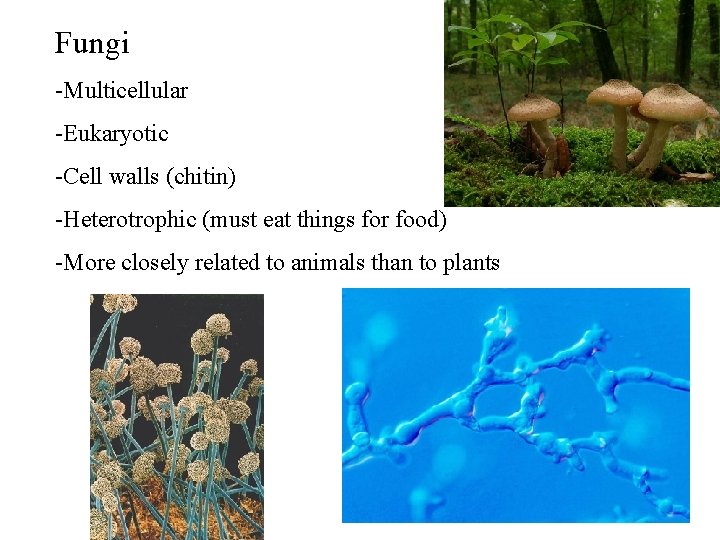
Fungi -Multicellular -Eukaryotic -Cell walls (chitin) -Heterotrophic (must eat things for food) -More closely related to animals than to plants
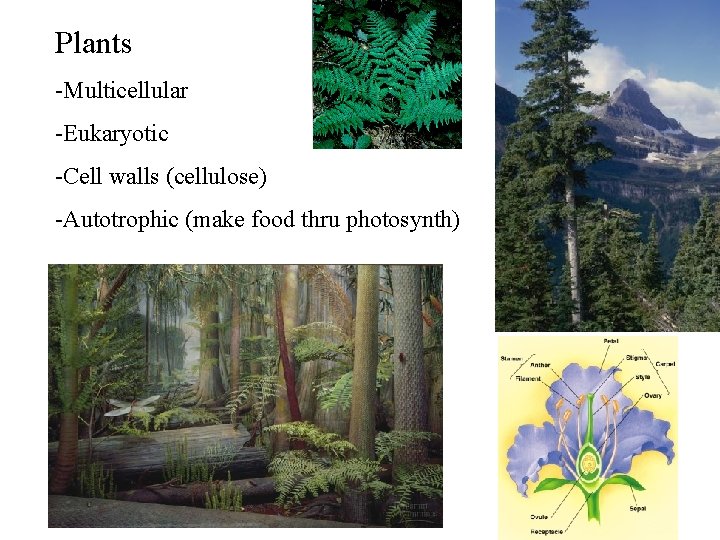
Plants -Multicellular -Eukaryotic -Cell walls (cellulose) -Autotrophic (make food thru photosynth)
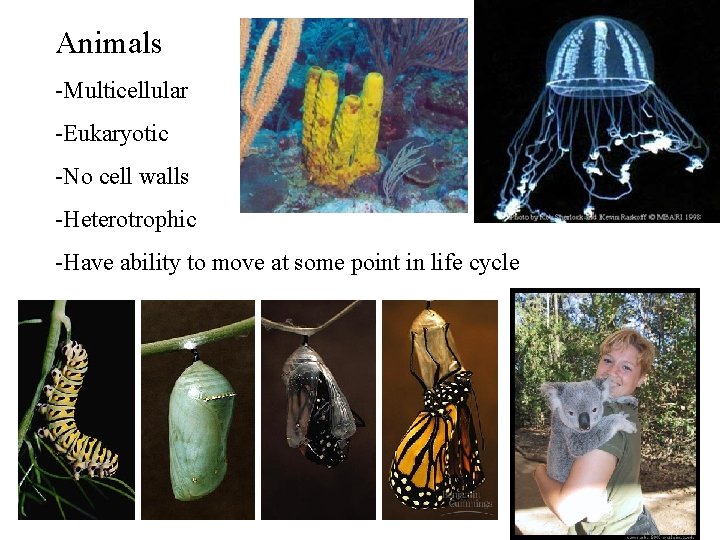
Animals -Multicellular -Eukaryotic -No cell walls -Heterotrophic -Have ability to move at some point in life cycle
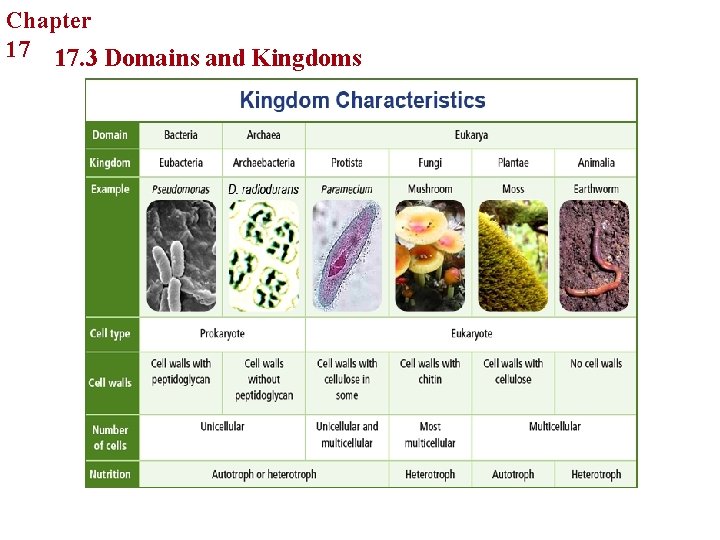
Chapter Organizing Life’s Diversity 17 17. 3 Domains and Kingdoms
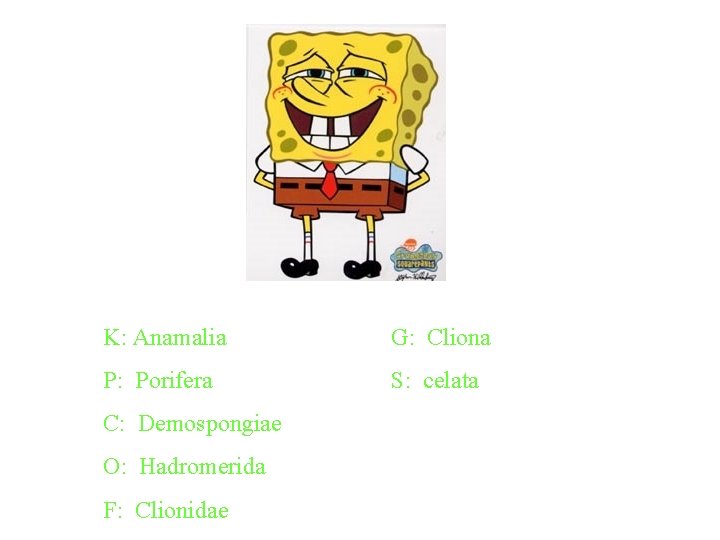
K: Anamalia G: Cliona P: Porifera S: celata C: Demospongiae O: Hadromerida F: Clionidae
Prokaryotes: Domain: Archaea Domain: Bacteria
They’re (almost) everywhere! An overview of prokaryotic life • Prokaryotes were the earliest organisms on Earth and evolved alone for 1. 5 billion years. • Today, prokaryotes still dominate the biosphere. • Their collective biomass outweighs all eukaryotes combined by at least tenfold. • More prokaryotes inhabit a handful of fertile soil or the mouth or skin of a human the total number of people who have ever lived.
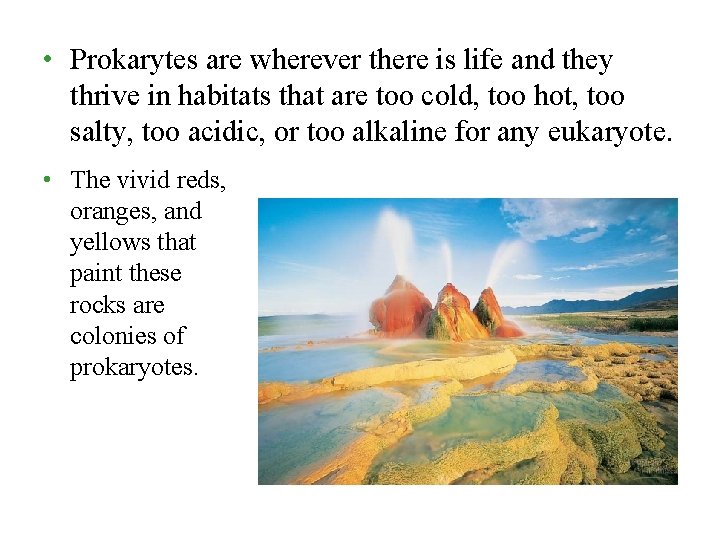
• Prokarytes are wherever there is life and they thrive in habitats that are too cold, too hot, too salty, too acidic, or too alkaline for any eukaryote. • The vivid reds, oranges, and yellows that paint these rocks are colonies of prokaryotes.
• We hear most about the minority of prokaryote species that cause serious illness. • During the 14 th century, a bacterial disease known as bubonic plague, spread across Europe and killed about 25% of the human population. • Other types of diseases caused by bacteria include tuberculosis, cholera, many sexually transmissible diseases, and certain types of food poisoning.
Why are bacteria considered to be overwhelmingly positive for humans?
• **However, more bacteria are benign or beneficial**. • 1. Bacteria in our intestines produce important vitamins. • 2. Prokaryotes recycle carbon and other chemical elements between organic matter and the soil and atmosphere. • 3. Your “prokaryotic flora” protects you from disease • Skin and gut inhabitants take up space so Bad ones (pathogenic bacteria) can’t get established • –”no room in the inn” scenario
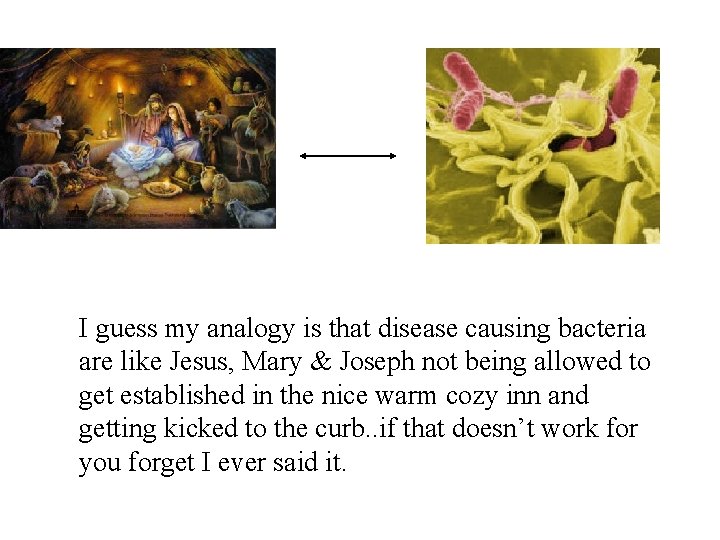
I guess my analogy is that disease causing bacteria are like Jesus, Mary & Joseph not being allowed to get established in the nice warm cozy inn and getting kicked to the curb. . if that doesn’t work for you forget I ever said it.
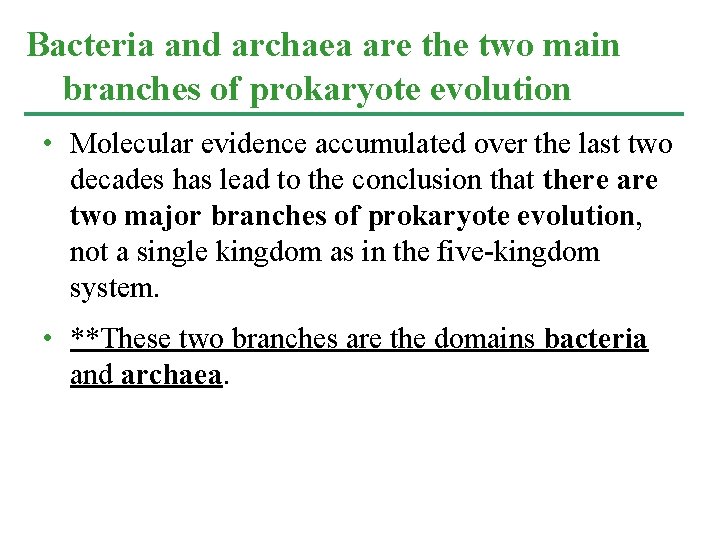
Bacteria and archaea are the two main branches of prokaryote evolution • Molecular evidence accumulated over the last two decades has lead to the conclusion that there are two major branches of prokaryote evolution, not a single kingdom as in the five-kingdom system. • **These two branches are the domains bacteria and archaea.
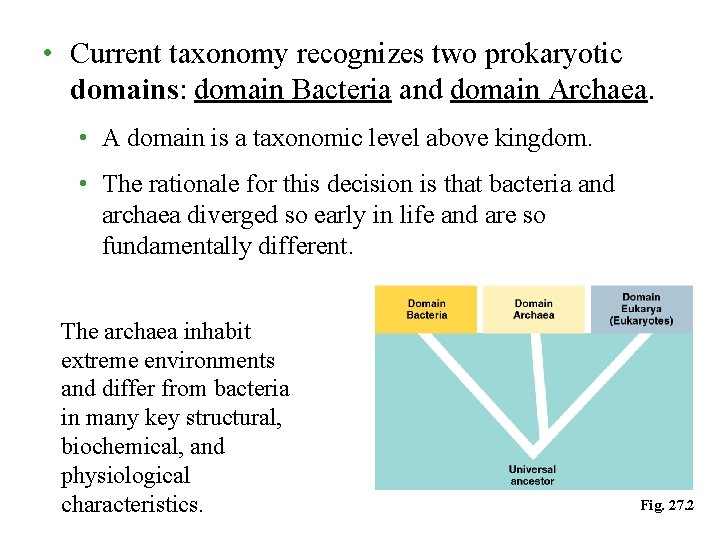
• Current taxonomy recognizes two prokaryotic domains: domain Bacteria and domain Archaea. • A domain is a taxonomic level above kingdom. • The rationale for this decision is that bacteria and archaea diverged so early in life and are so fundamentally different. The archaea inhabit extreme environments and differ from bacteria in many key structural, biochemical, and physiological characteristics. Fig. 27. 2
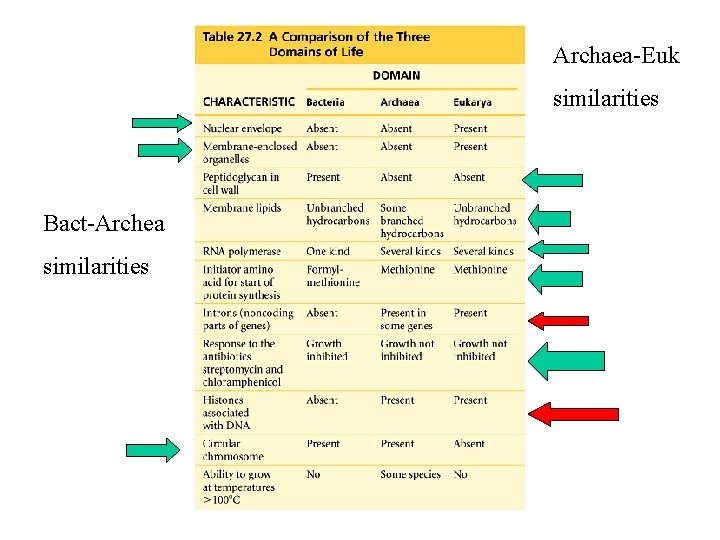
Why are the Archaea put into a separate Domain from the bacteria?
Archaea-Euk similarities Bact-Archea similarities
Where are Archaea found? Name 2 examples:
Archaea
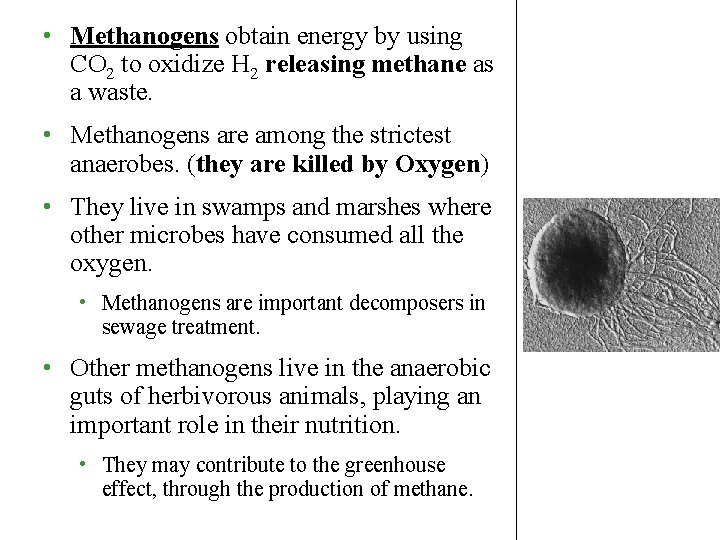
• Methanogens obtain energy by using CO 2 to oxidize H 2 releasing methane as a waste. • Methanogens are among the strictest anaerobes. (they are killed by Oxygen) • They live in swamps and marshes where other microbes have consumed all the oxygen. • Methanogens are important decomposers in sewage treatment. • Other methanogens live in the anaerobic guts of herbivorous animals, playing an important role in their nutrition. • They may contribute to the greenhouse effect, through the production of methane.
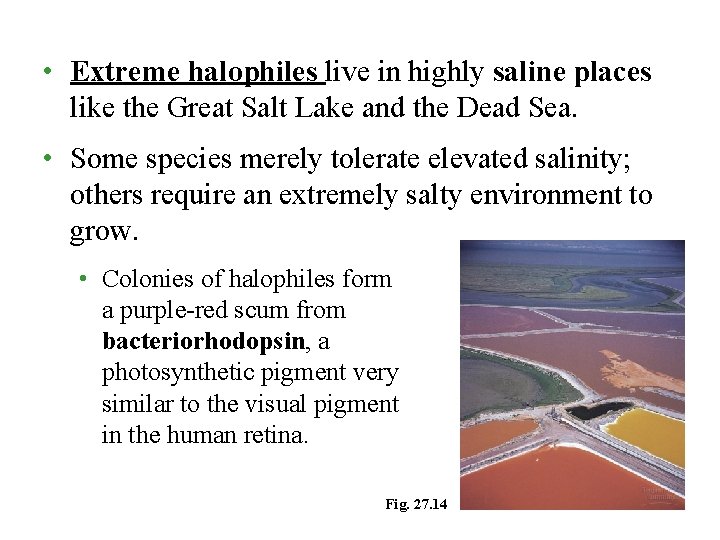
• Extreme halophiles live in highly saline places like the Great Salt Lake and the Dead Sea. • Some species merely tolerate elevated salinity; others require an extremely salty environment to grow. • Colonies of halophiles form a purple-red scum from bacteriorhodopsin, a photosynthetic pigment very similar to the visual pigment in the human retina. Fig. 27. 14
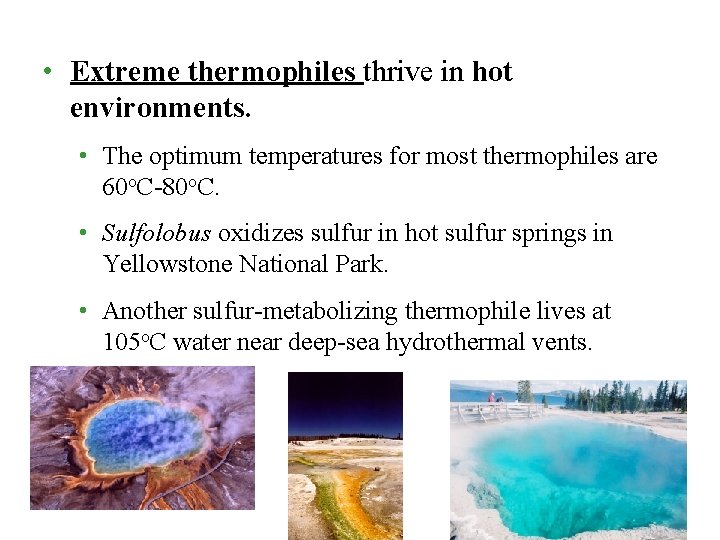
• Extreme thermophiles thrive in hot environments. • The optimum temperatures for most thermophiles are 60 o. C-80 o. C. • Sulfolobus oxidizes sulfur in hot sulfur springs in Yellowstone National Park. • Another sulfur-metabolizing thermophile lives at 105 o. C water near deep-sea hydrothermal vents.
Bacteria
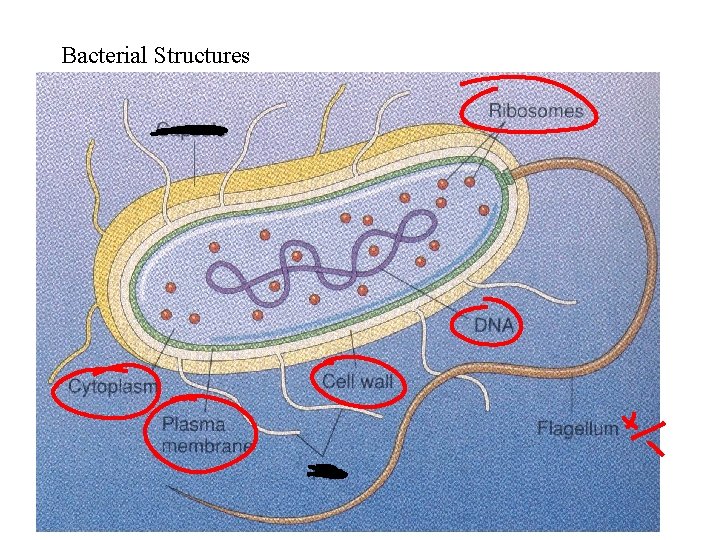
5. Draw a labelled diagram of a typical bacterium (5 points)
Bacterial Structures
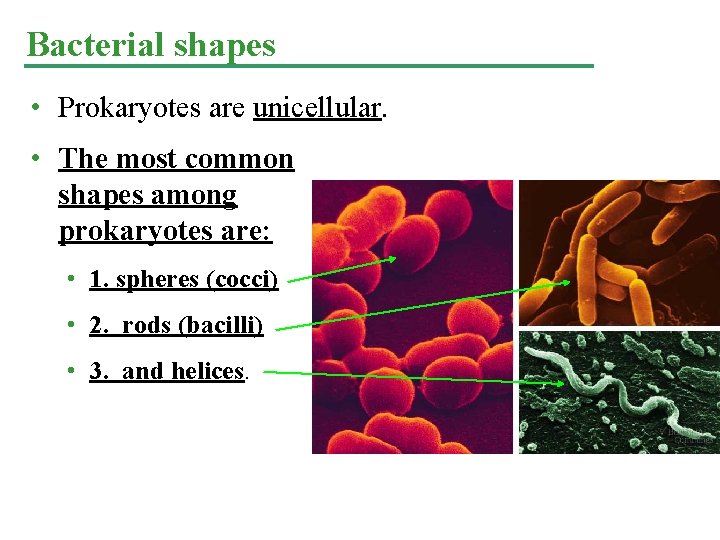
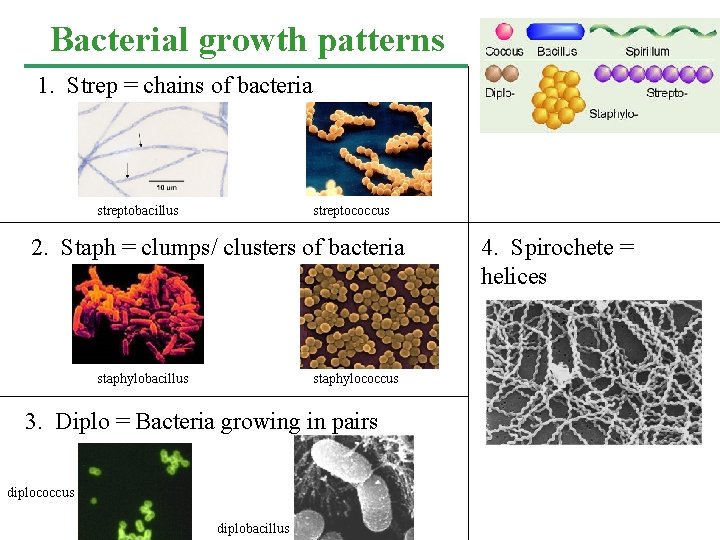
Bacterial shapes • Prokaryotes are unicellular. • The most common shapes among prokaryotes are: • 1. spheres (cocci) • 2. rods (bacilli) • 3. and helices.
Name this type of bacterial growth ______
Bacterial growth patterns 1. Strep = chains of bacteria streptobacillus streptococcus 2. Staph = clumps/ clusters of bacteria staphylobacillus staphylococcus 3. Diplo = Bacteria growing in pairs diplococcus diplobacillus 4. Spirochete = helices
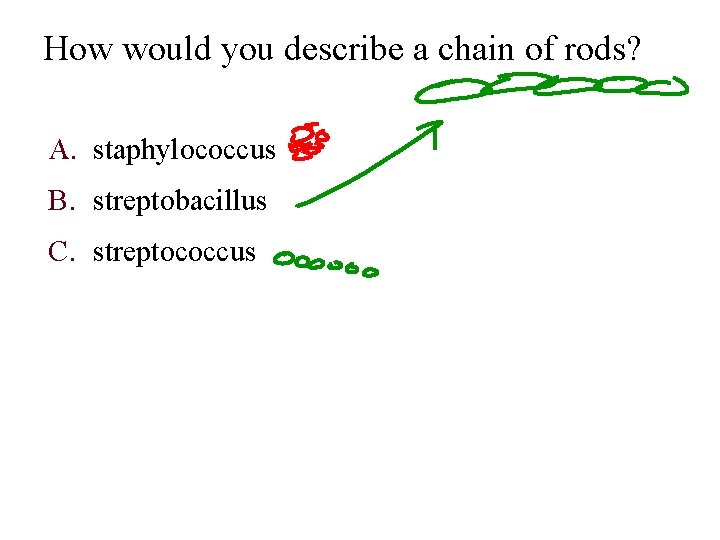
How would you describe a chain of rods? A. staphylococcus B. streptobacillus C. streptococcus
Experiments: A. Grossest spot in KMHS (no toilets, or classrooms with students, no rpt) B. Choose 1: (handwritten rpt due 1 week) 1. Does hand sanitizer work? 2. What antibiotic works best against E. Coli? (penicillin, streptomycin, neomycin, tetracycline, erythromycin, chloroamphenicol, kanamycin, novobiocin)
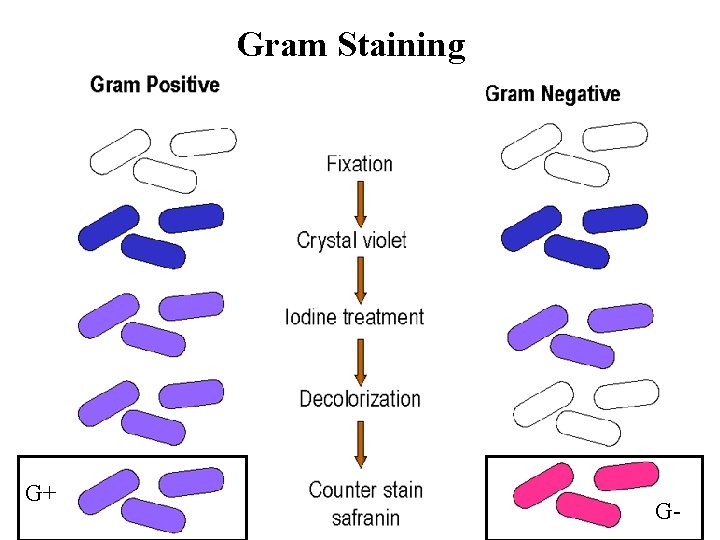
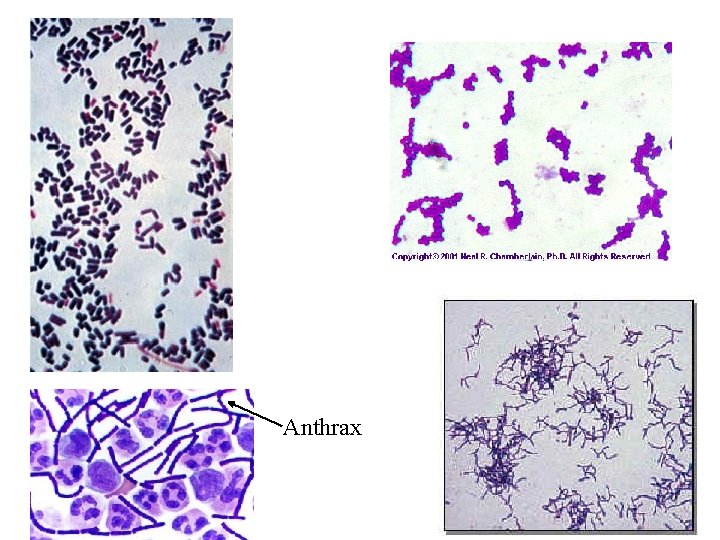
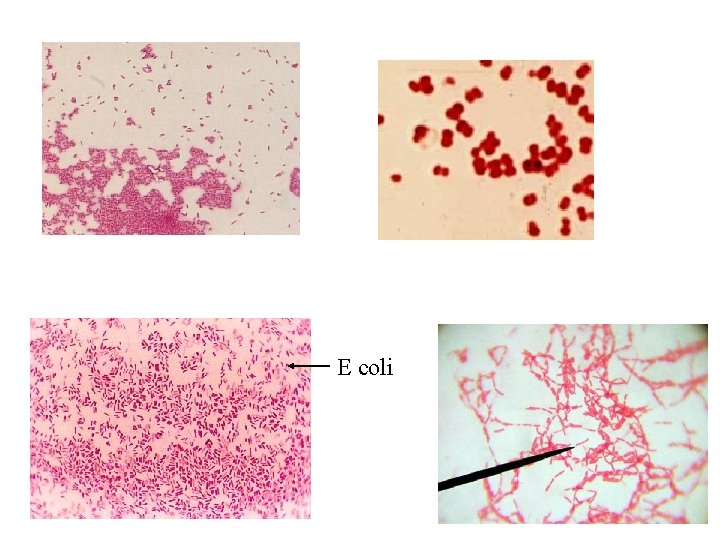
Gram Staining G+ G-
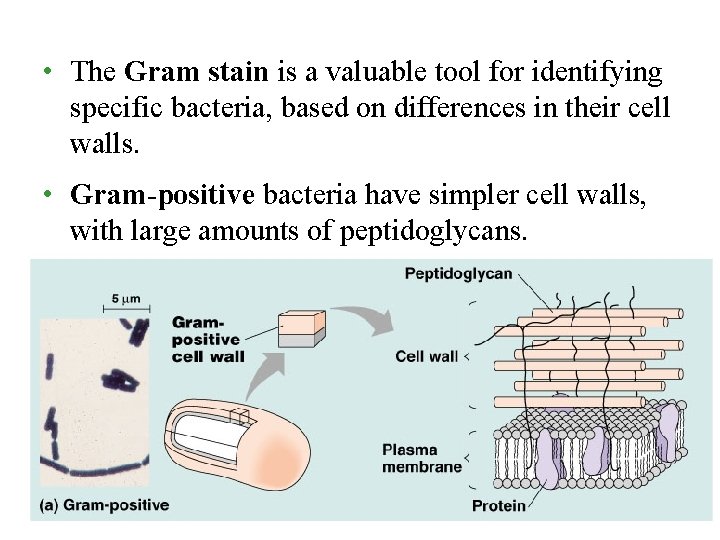
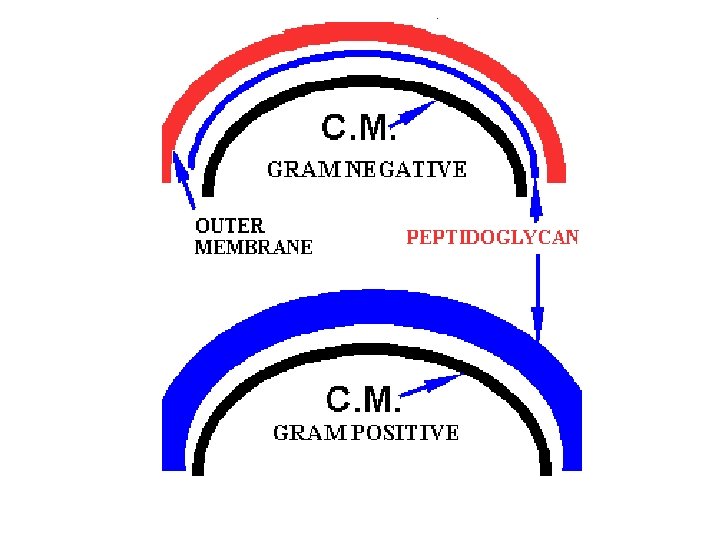
• The Gram stain is a valuable tool for identifying specific bacteria, based on differences in their cell walls. • Gram-positive bacteria have simpler cell walls, with large amounts of peptidoglycans.
Anthrax
5. Why are Gram negative bacterial infections harder to treat than Gram positive?
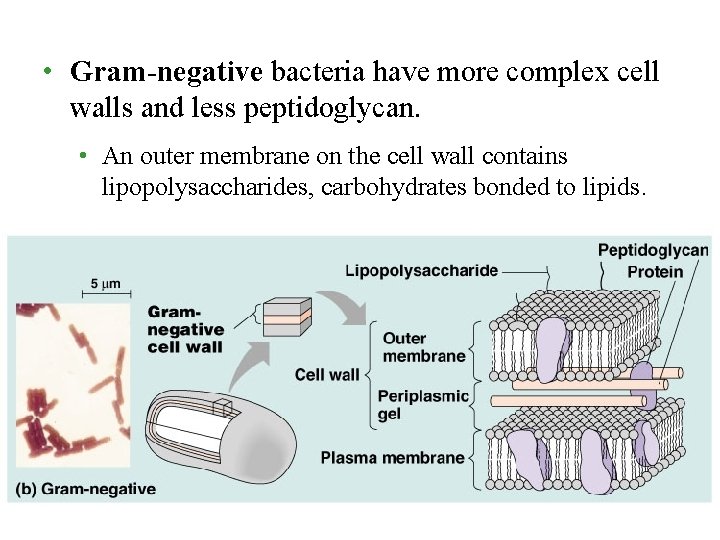
• Gram-negative bacteria have more complex cell walls and less peptidoglycan. • An outer membrane on the cell wall contains lipopolysaccharides, carbohydrates bonded to lipids.
E coli
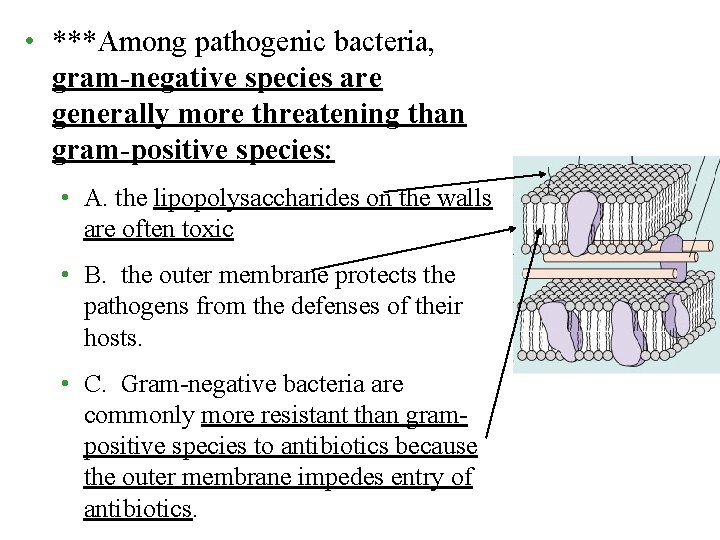
• ***Among pathogenic bacteria, gram-negative species are generally more threatening than gram-positive species: • A. the lipopolysaccharides on the walls are often toxic • B. the outer membrane protects the pathogens from the defenses of their hosts. • C. Gram-negative bacteria are commonly more resistant than grampositive species to antibiotics because the outer membrane impedes entry of antibiotics.
• ***Many antibiotics, including penicillins, inhibit the synthesis of cross-links in peptidoglycans, preventing the formation of a functional wall, particularly in gram-positive species. • These drugs are a very selective treatment because they cripple many species of bacteria without affecting humans and other eukaryotes, which do not synthesize peptidoglycans.
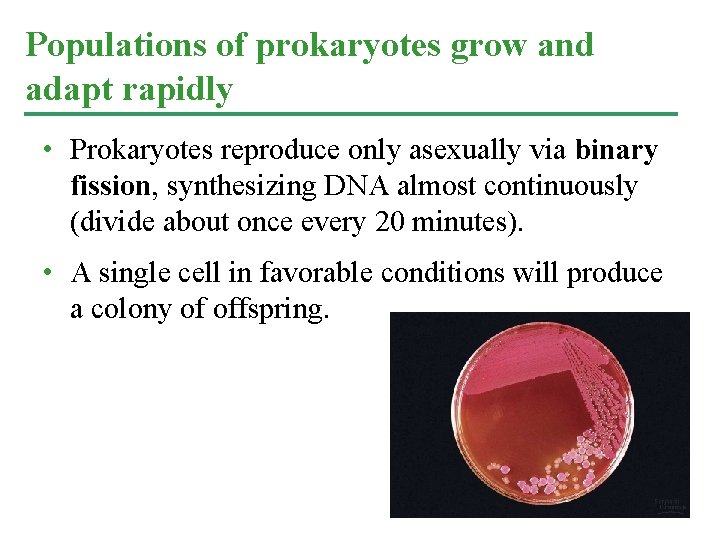
Populations of prokaryotes grow and adapt rapidly • Prokaryotes reproduce only asexually via binary fission, synthesizing DNA almost continuously (divide about once every 20 minutes). • A single cell in favorable conditions will produce a colony of offspring.
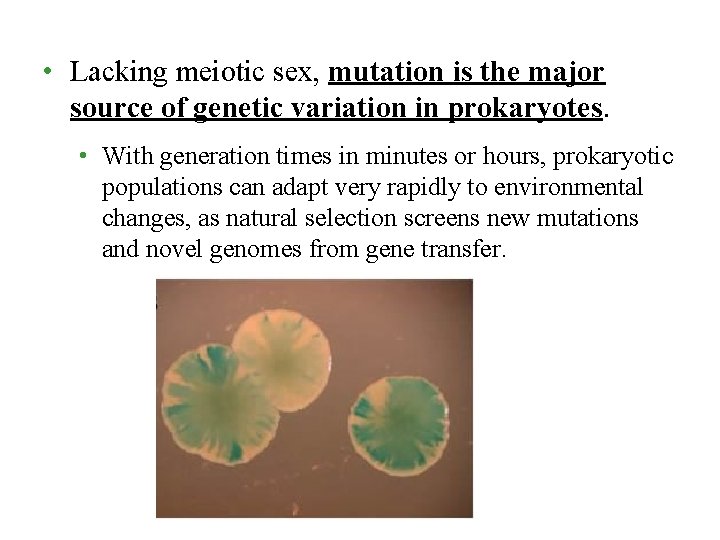
• Lacking meiotic sex, mutation is the major source of genetic variation in prokaryotes. • With generation times in minutes or hours, prokaryotic populations can adapt very rapidly to environmental changes, as natural selection screens new mutations and novel genomes from gene transfer.
Why do surgical tools need to be autoclaved to be considered sterile? (why won’t boiling do? )
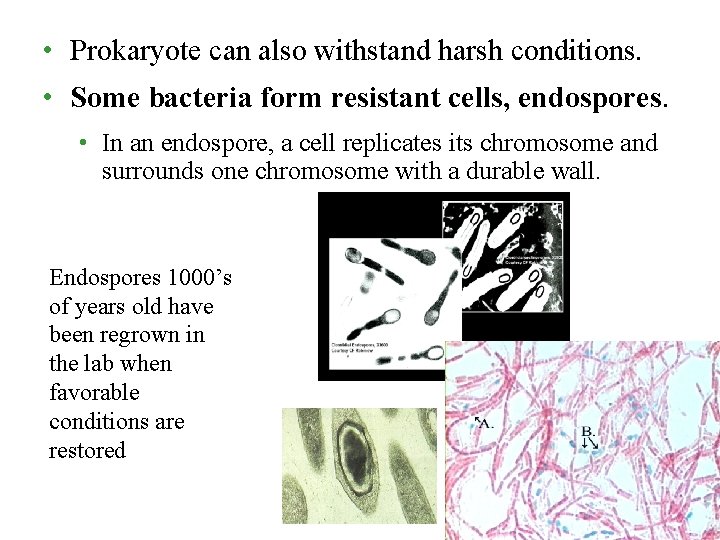
• Prokaryote can also withstand harsh conditions. • Some bacteria form resistant cells, endospores. • In an endospore, a cell replicates its chromosome and surrounds one chromosome with a durable wall. Endospores 1000’s of years old have been regrown in the lab when favorable conditions are restored
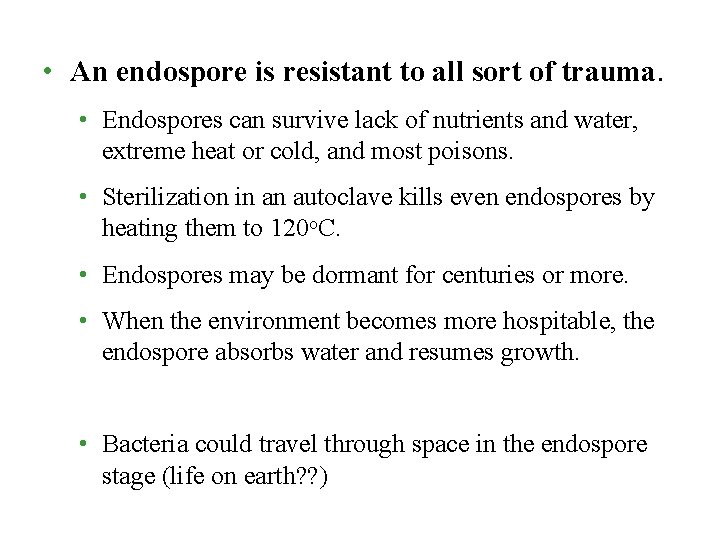
• An endospore is resistant to all sort of trauma. • Endospores can survive lack of nutrients and water, extreme heat or cold, and most poisons. • Sterilization in an autoclave kills even endospores by heating them to 120 o. C. • Endospores may be dormant for centuries or more. • When the environment becomes more hospitable, the endospore absorbs water and resumes growth. • Bacteria could travel through space in the endospore stage (life on earth? ? )
Cells of the Earth product Labeled drawings of these cell types and their structures: 1. Bacteria 2. Virus 3. Protist 4. Fungus 5. Plant 6. Animal Due May 23 in class…Advice: don’t wait until May 23 rd at 12: 02 AM to begin
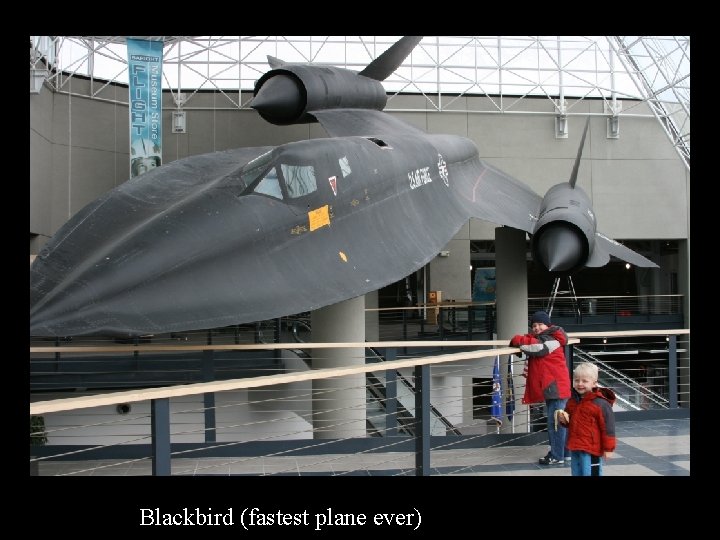
Blackbird (fastest plane ever)
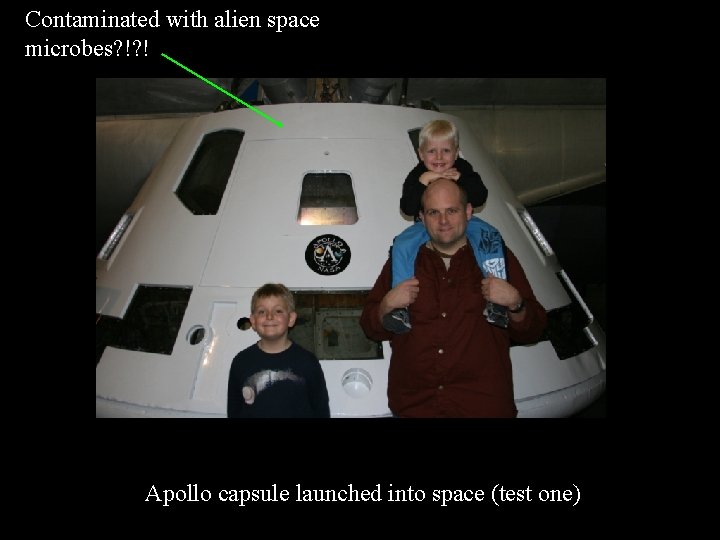
Contaminated with alien space microbes? !? ! Apollo capsule launched into space (test one)