
Taxonomy Order in Diversity Taxonomy the science of

- Slides: 44
Taxonomy Order in Diversity
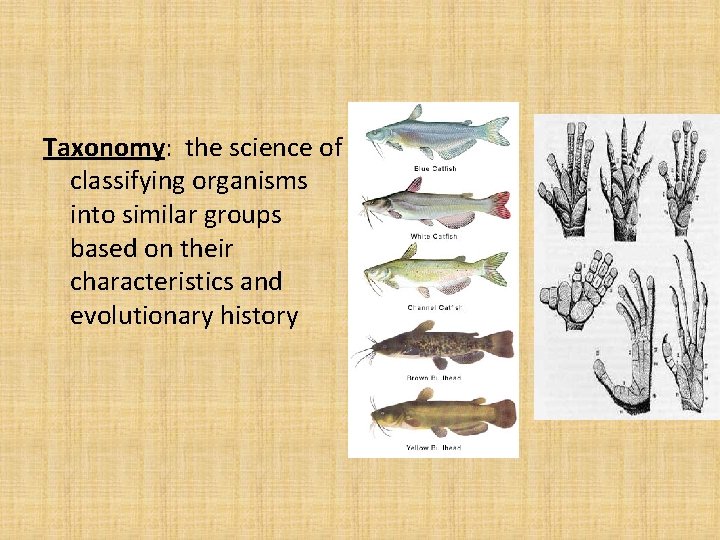
Taxonomy: the science of classifying organisms into similar groups based on their characteristics and evolutionary history
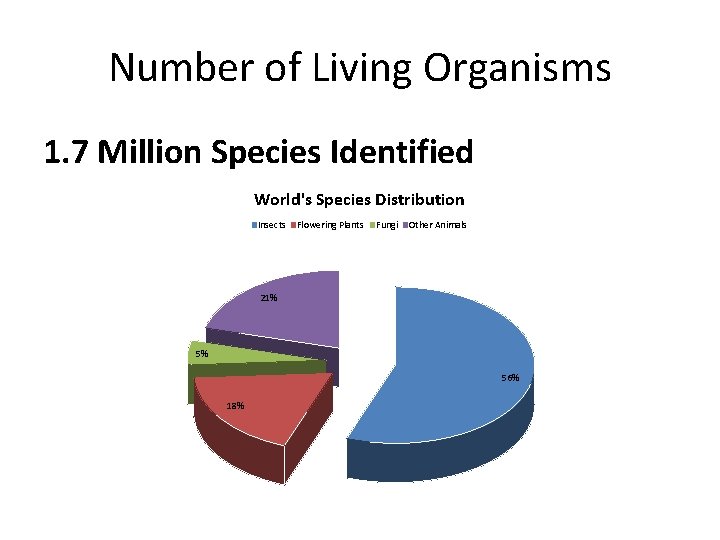
Number of Living Organisms 1. 7 Million Species Identified World's Species Distribution Insects Flowering Plants Fungi Other Animals 21% 5% 56% 18%
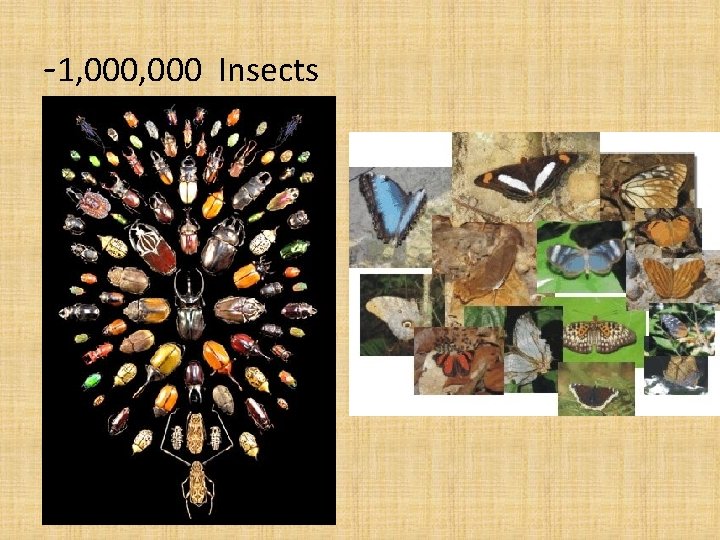
-1, 000 Insects
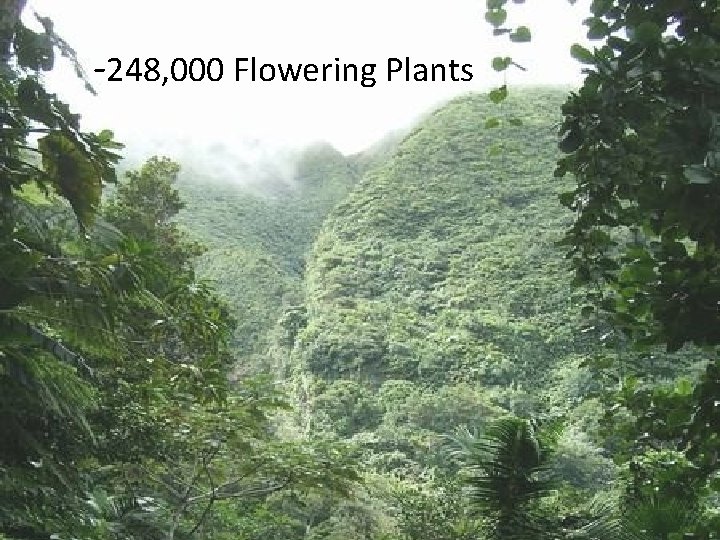
-248, 000 Flowering Plants
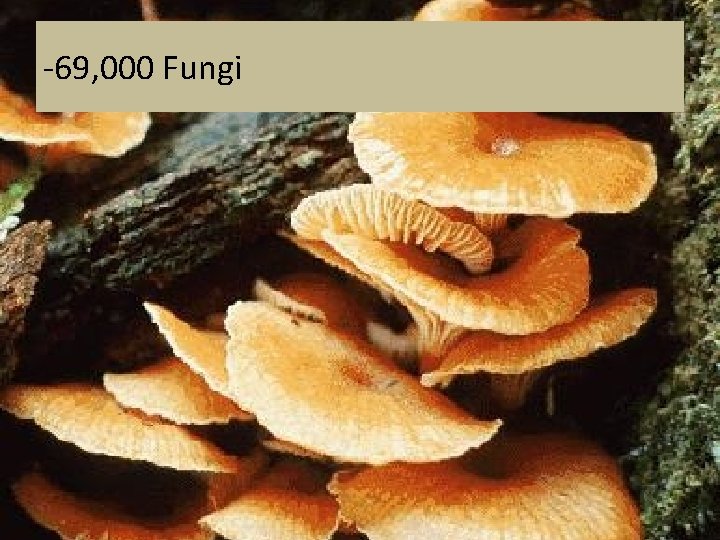
-69, 000 Fungi
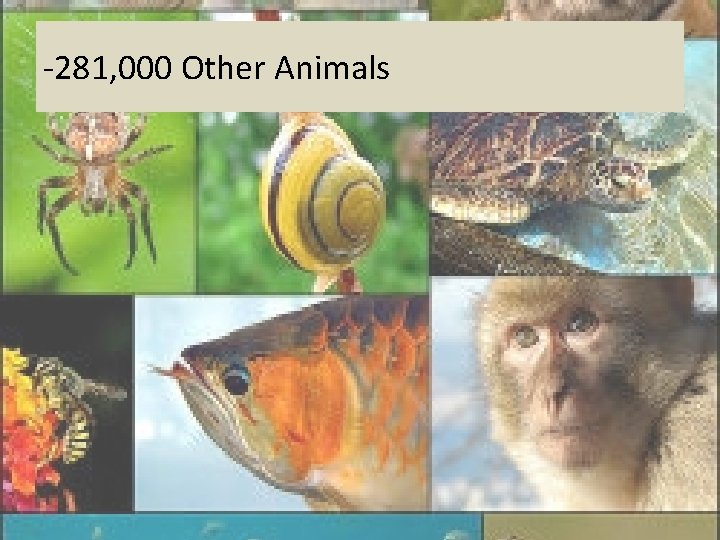
-281, 000 Other Animals
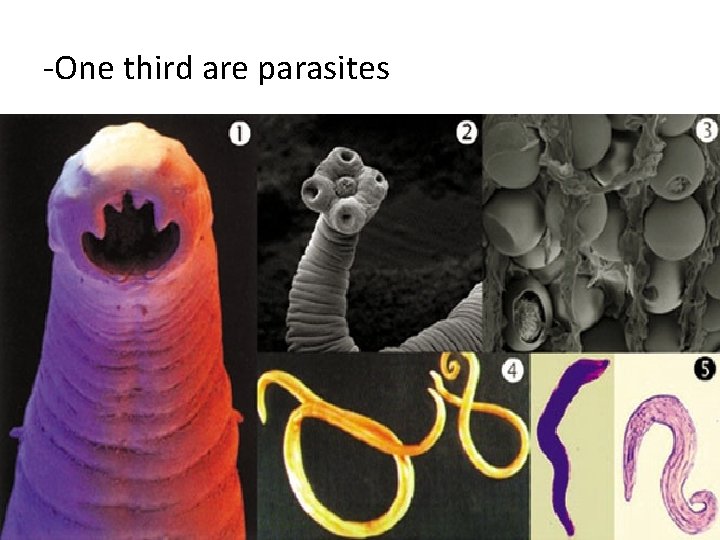
-One third are parasites
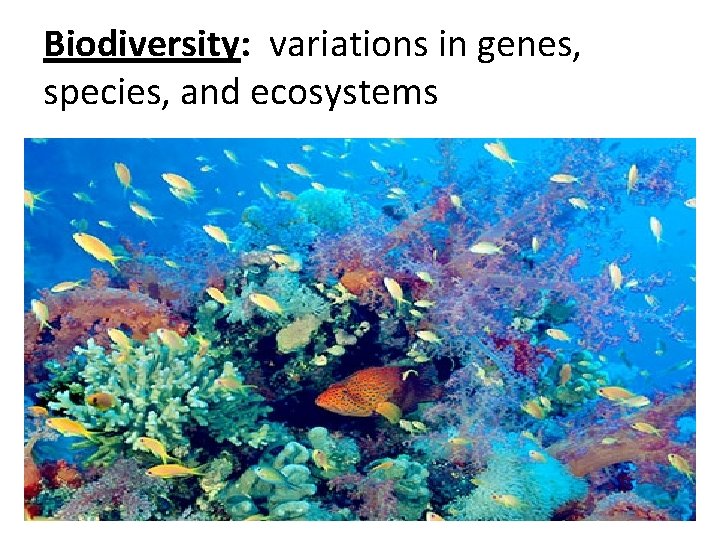
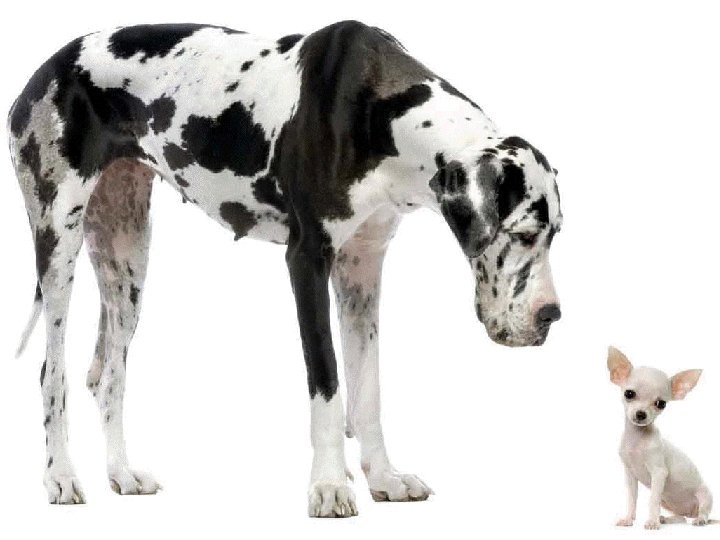
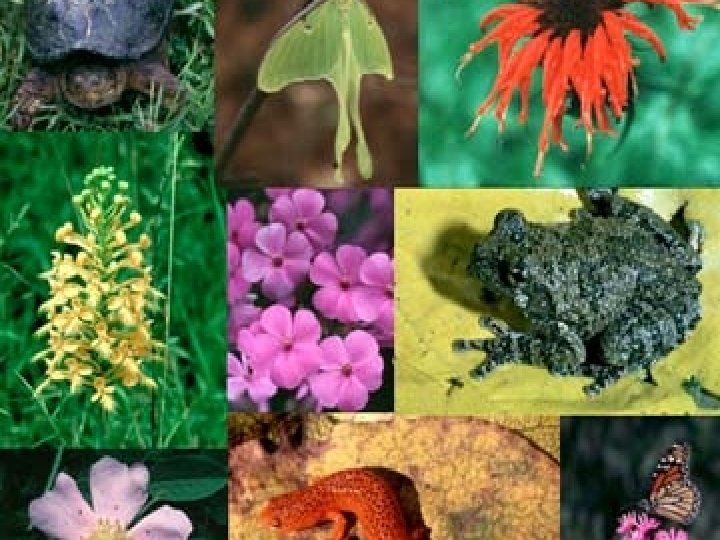
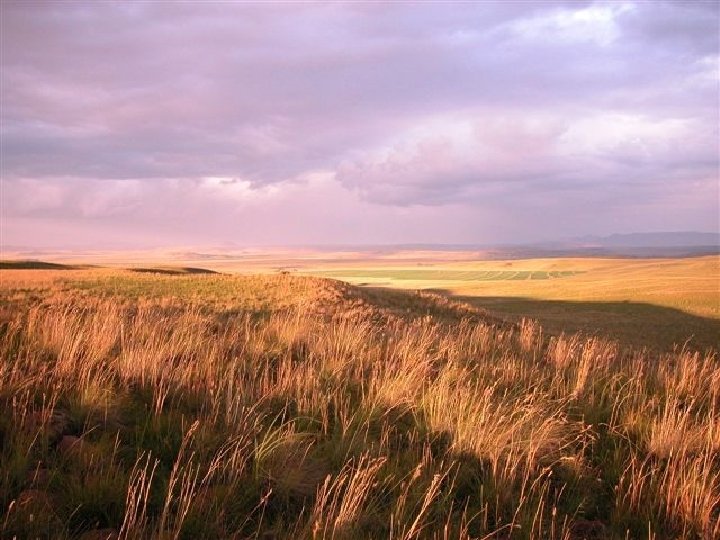
Biodiversity: variations in genes, species, and ecosystems
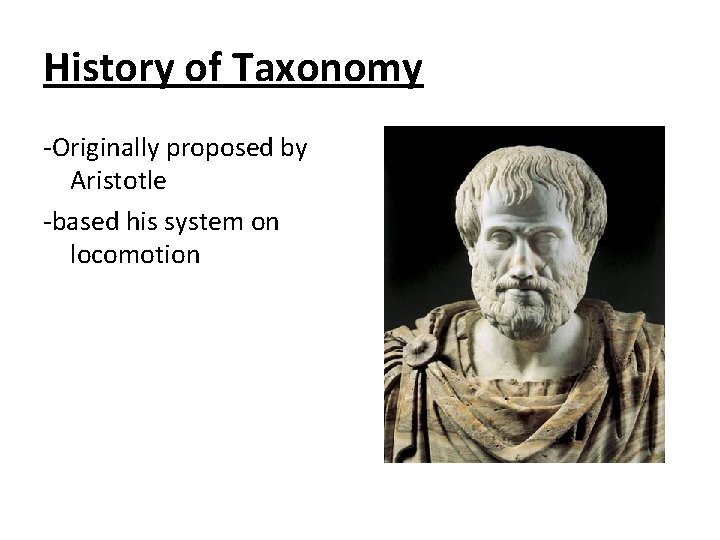
History of Taxonomy -Originally proposed by Aristotle -based his system on locomotion
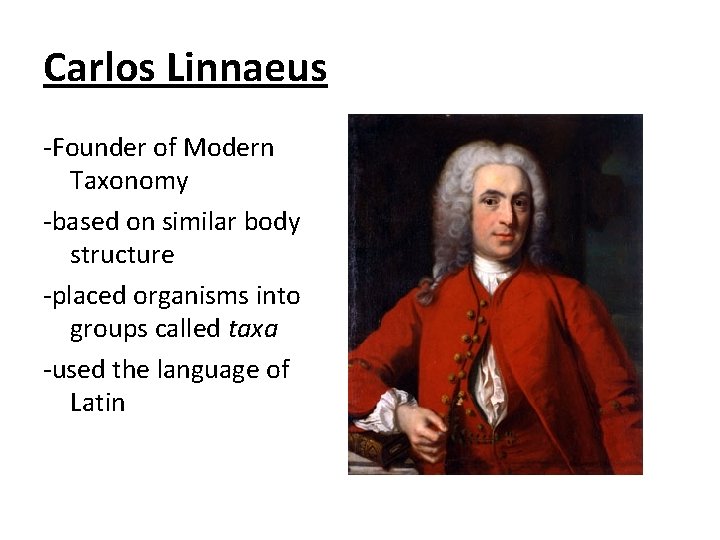
Carlos Linnaeus -Founder of Modern Taxonomy -based on similar body structure -placed organisms into groups called taxa -used the language of Latin
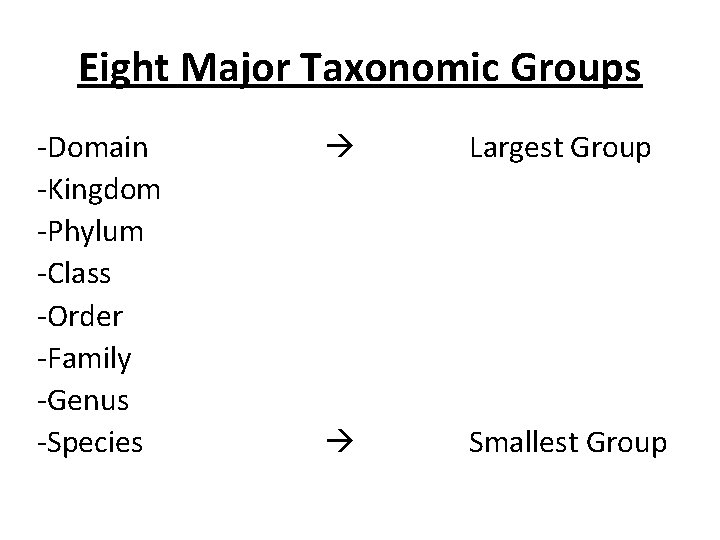
Eight Major Taxonomic Groups -Domain -Kingdom -Phylum -Class -Order -Family -Genus -Species Largest Group Smallest Group
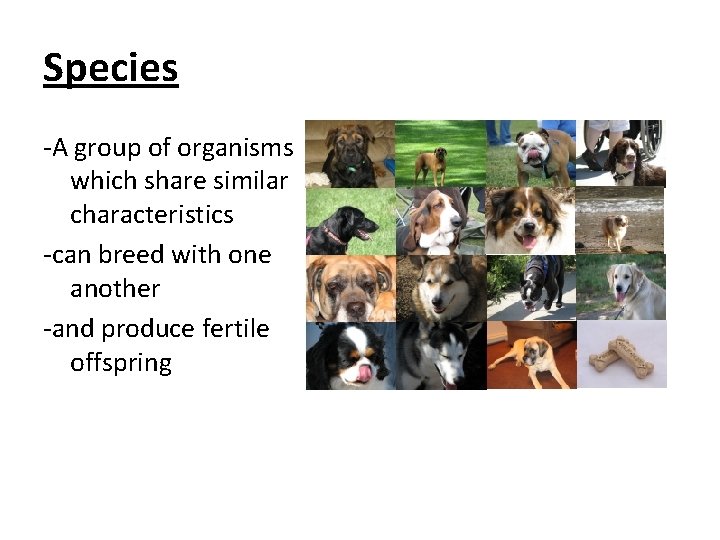
Species -A group of organisms which share similar characteristics -can breed with one another -and produce fertile offspring
Human Classification Domain: Eukarya Kingdom: Animalia Phylum: Chordata -Subphylum: Vertebrata Class: Mammalia Order: Primates Family: Hominidae Genus: Homo (man) Species: sapiens (wise)
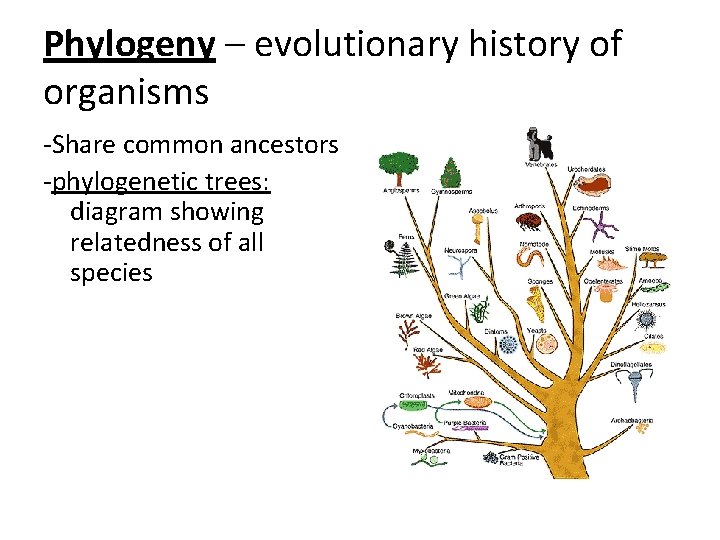
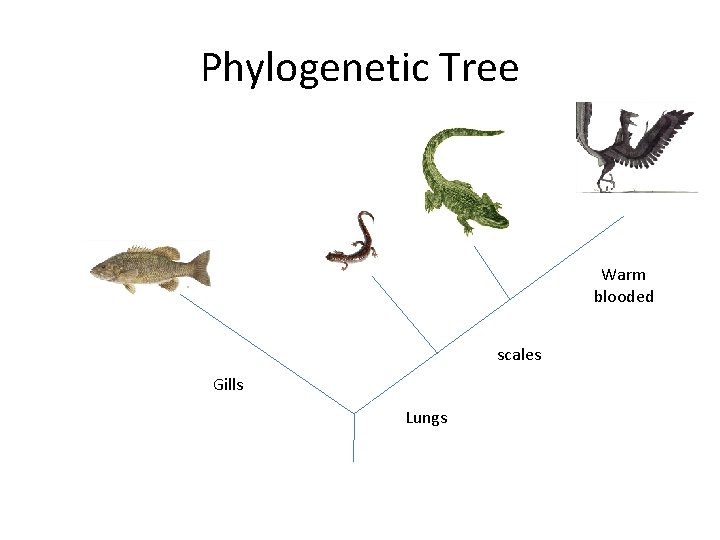
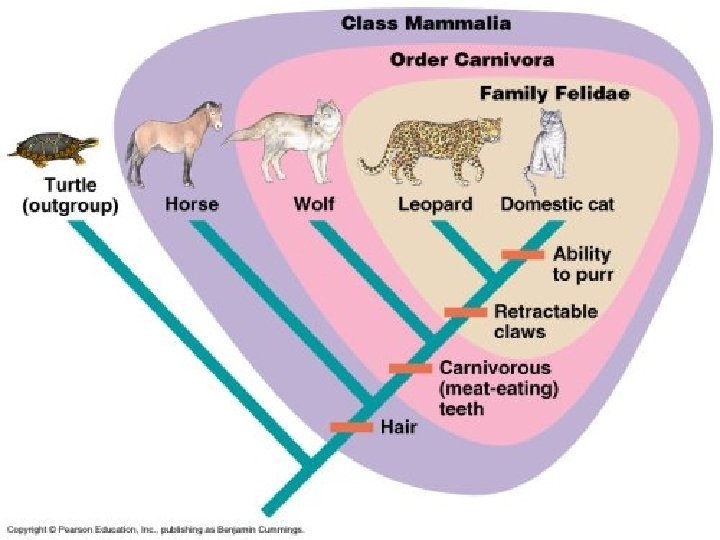
Phylogeny – evolutionary history of organisms -Share common ancestors -phylogenetic trees: diagram showing relatedness of all species
Phylogenetic Tree Warm blooded scales Gills Lungs
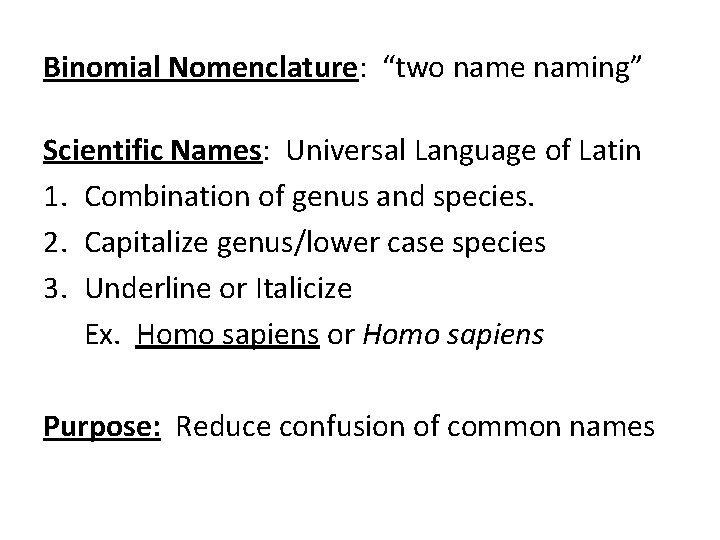
Binomial Nomenclature: “two name naming” Scientific Names: Universal Language of Latin 1. Combination of genus and species. 2. Capitalize genus/lower case species 3. Underline or Italicize Ex. Homo sapiens or Homo sapiens Purpose: Reduce confusion of common names
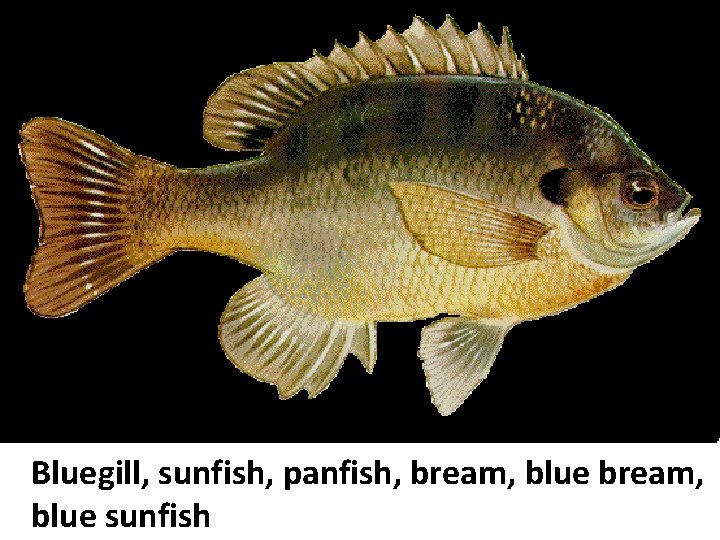
Bluegill, sunfish, panfish, bream, blue sunfish
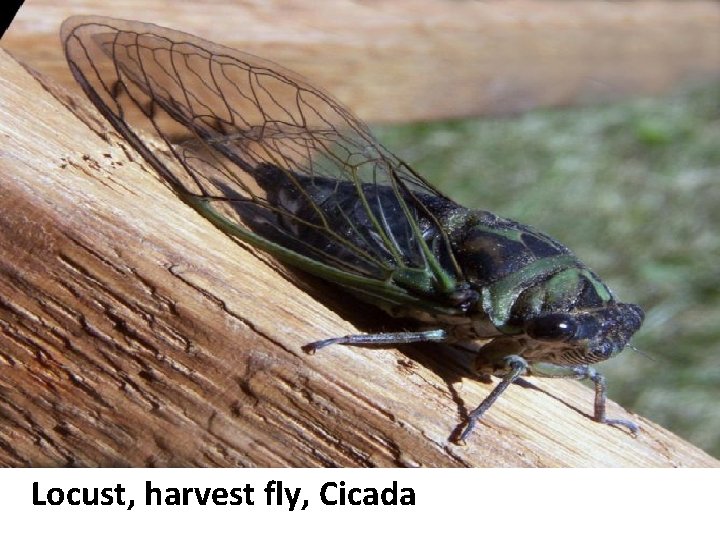
Locust, harvest fly, Cicada
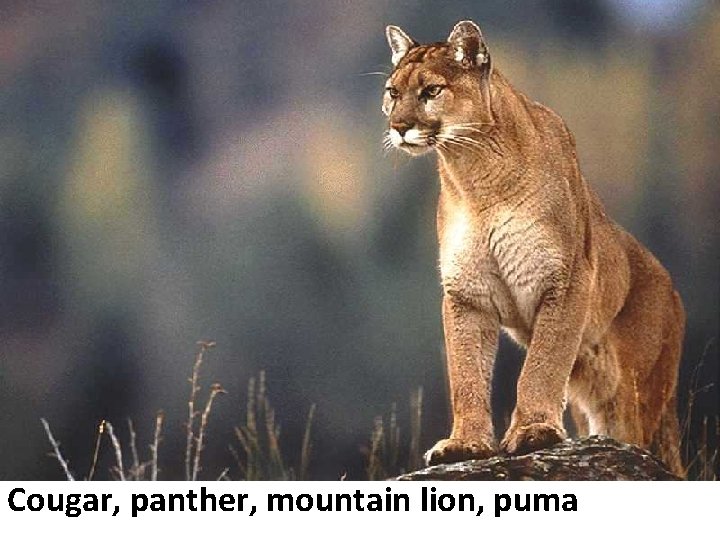
Cougar, panther, mountain lion, puma
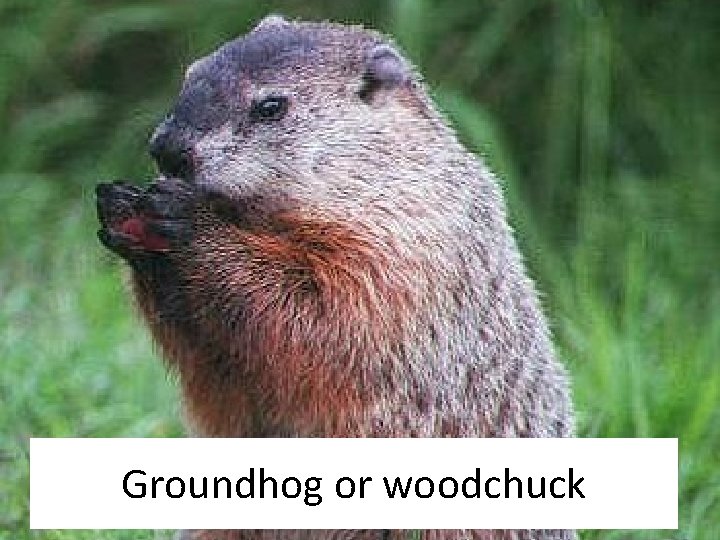
Groundhog or woodchuck
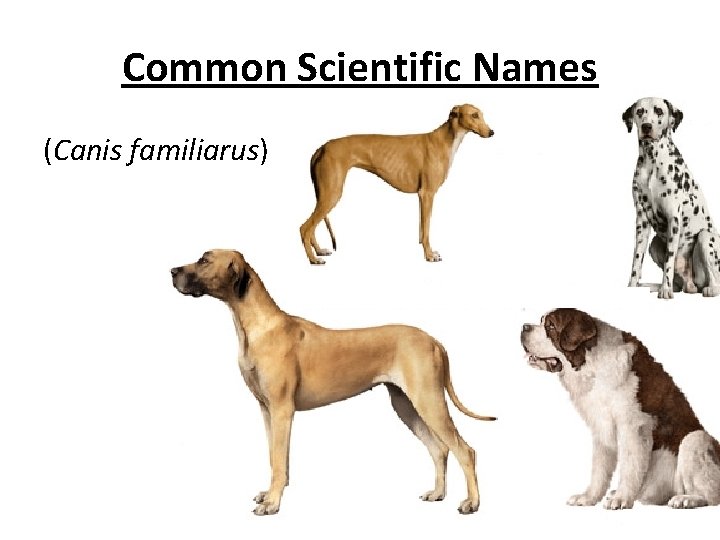
Common Scientific Names (Canis familiarus)
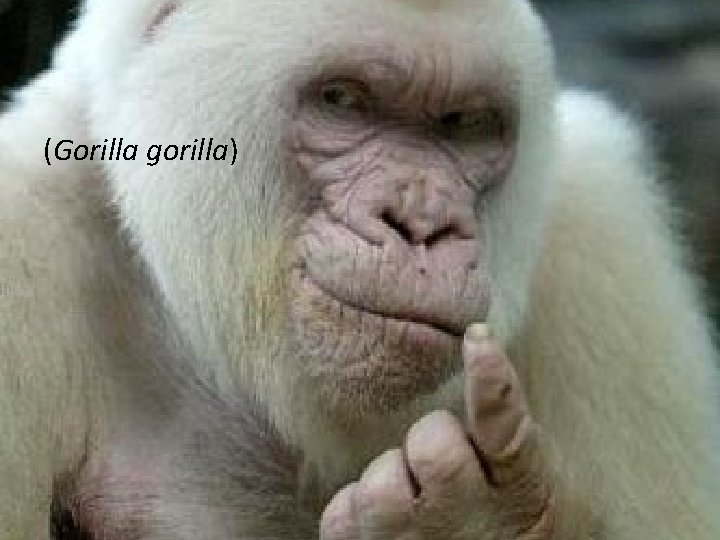
(Gorilla gorilla)
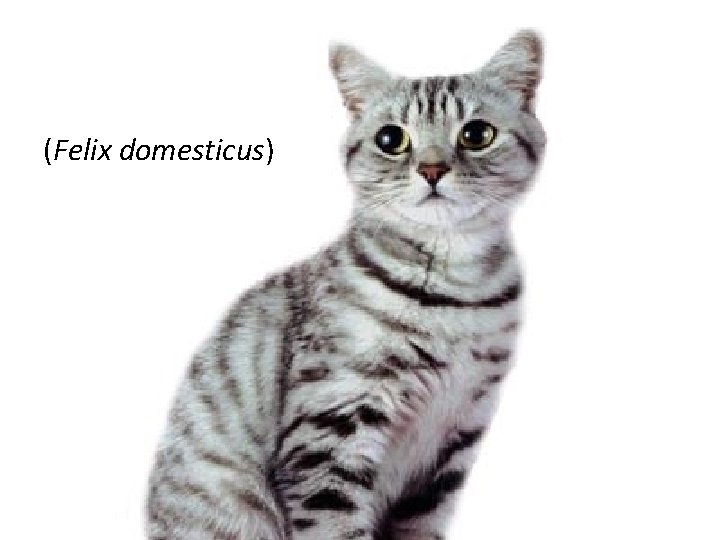
(Felix domesticus)
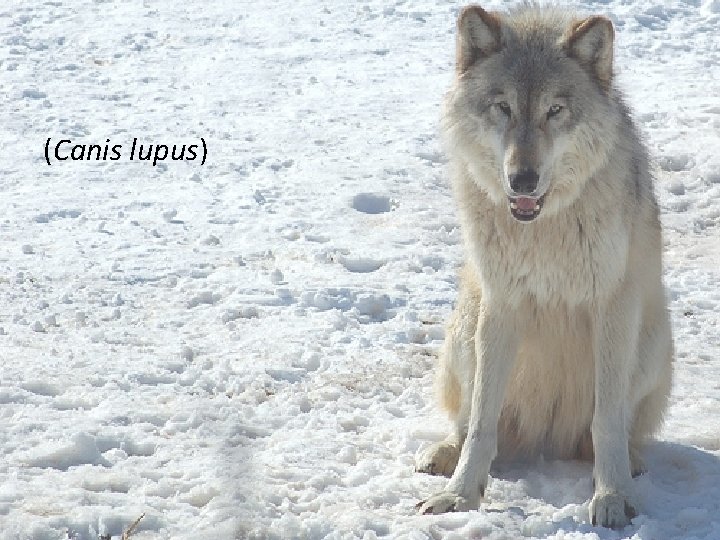
(Canis lupus)
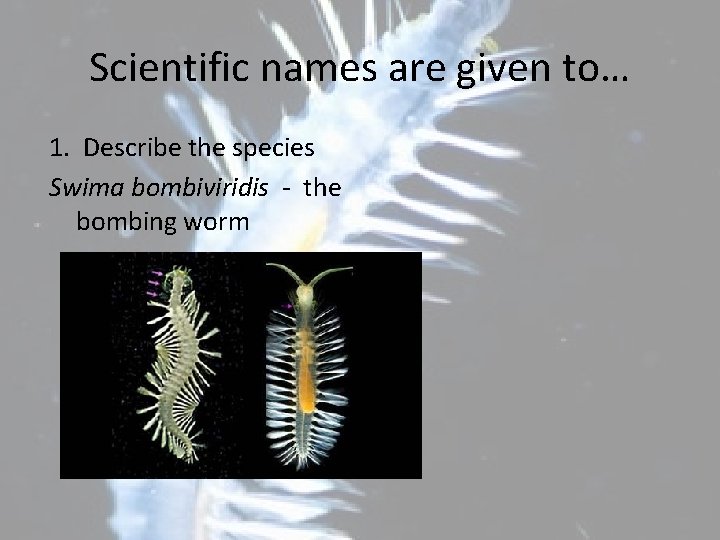
Scientific names are given to… 1. Describe the species Swima bombiviridis - the bombing worm
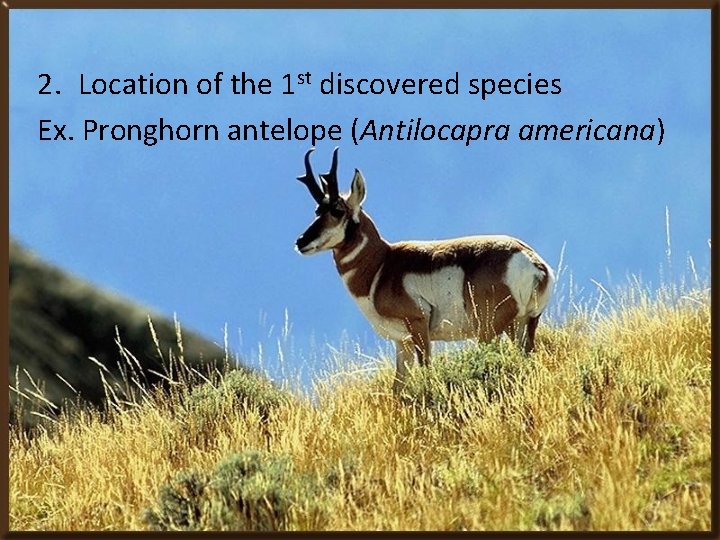
2. Location of the 1 st discovered species Ex. Pronghorn antelope (Antilocapra americana)
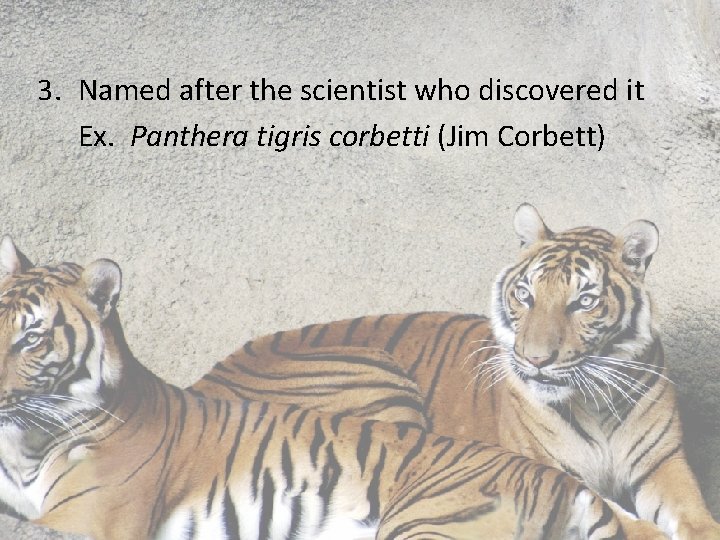
3. Named after the scientist who discovered it Ex. Panthera tigris corbetti (Jim Corbett)
Family Names -Plant families end in “aceae” Ex. Poeaceae (grasses) -Animal families end in “idae” ex. Hominidae (humans)
Modern Taxonomy -Three Domains -based on cell types -Six Kingdoms
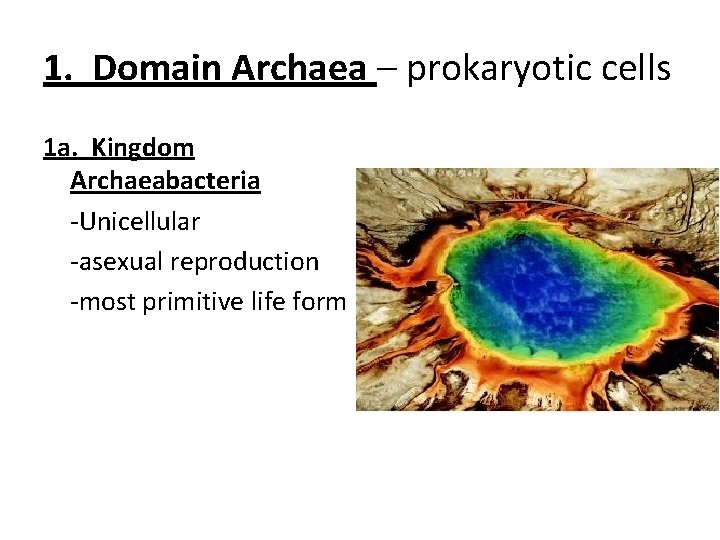
1. Domain Archaea – prokaryotic cells 1 a. Kingdom Archaeabacteria -Unicellular -asexual reproduction -most primitive life form
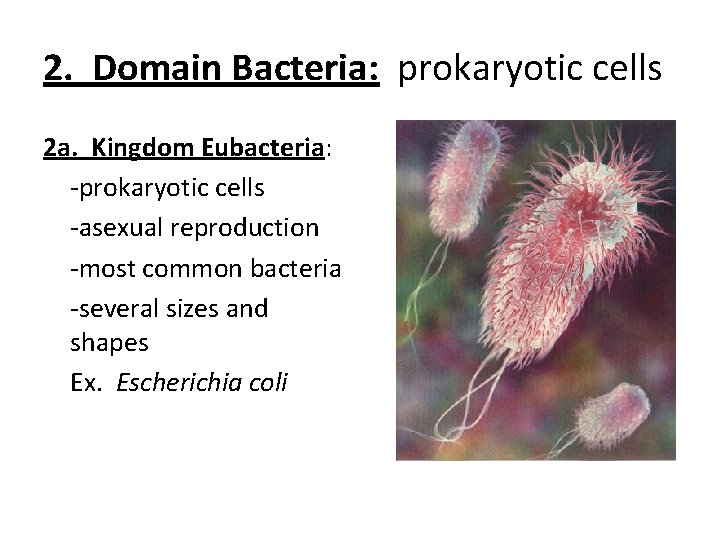
2. Domain Bacteria: prokaryotic cells 2 a. Kingdom Eubacteria: -prokaryotic cells -asexual reproduction -most common bacteria -several sizes and shapes Ex. Escherichia coli
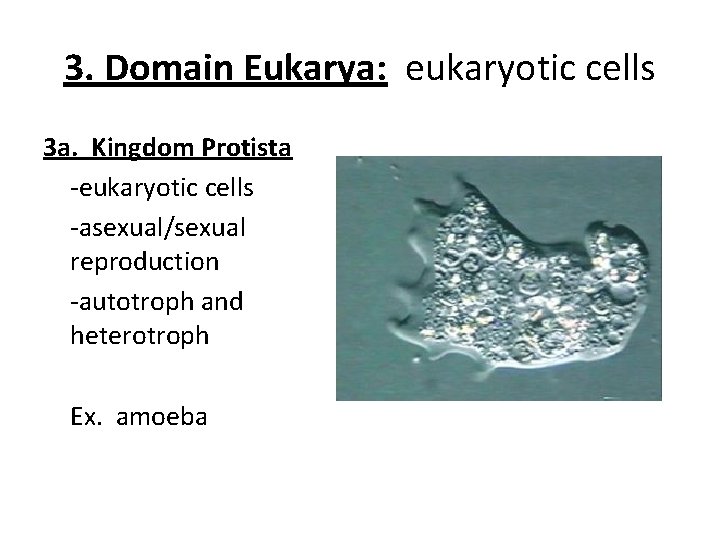
3. Domain Eukarya: eukaryotic cells 3 a. Kingdom Protista -eukaryotic cells -asexual/sexual reproduction -autotroph and heterotroph Ex. amoeba
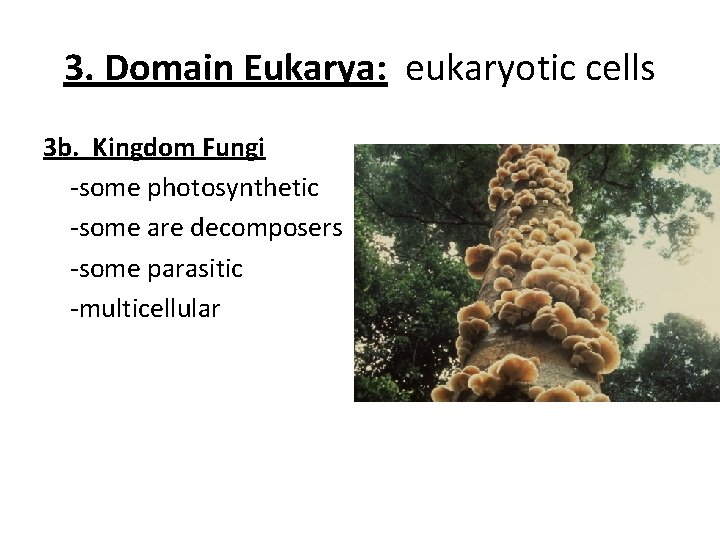
3. Domain Eukarya: eukaryotic cells 3 b. Kingdom Fungi -some photosynthetic -some are decomposers -some parasitic -multicellular
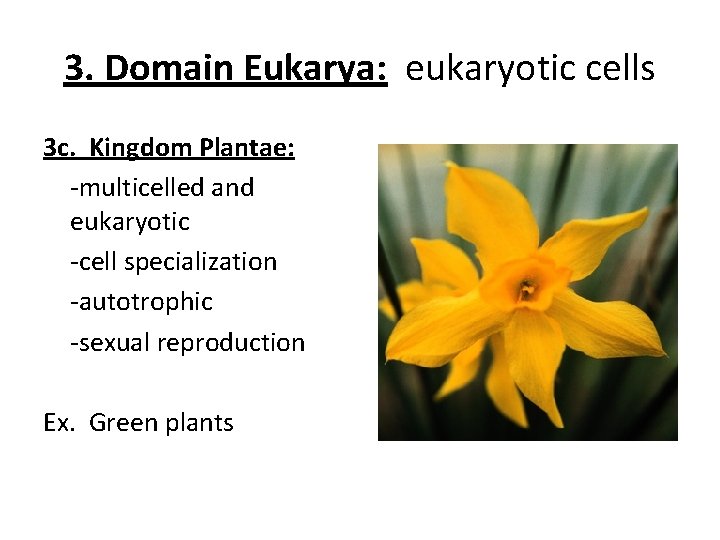
3. Domain Eukarya: eukaryotic cells 3 c. Kingdom Plantae: -multicelled and eukaryotic -cell specialization -autotrophic -sexual reproduction Ex. Green plants
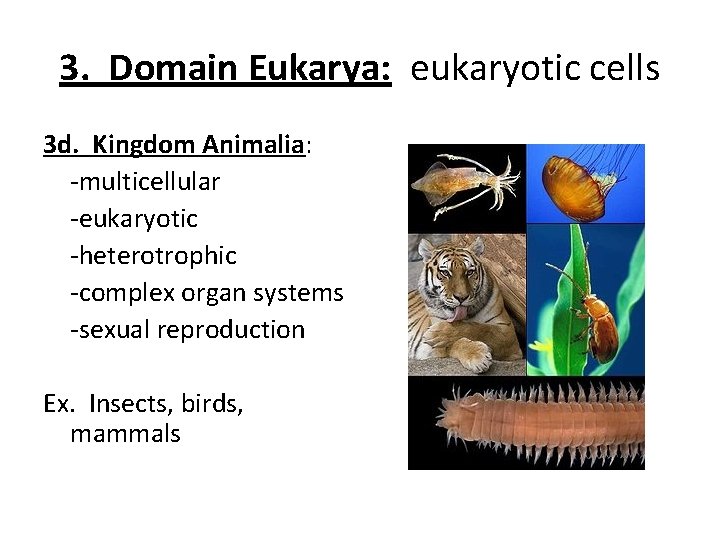
3. Domain Eukarya: eukaryotic cells 3 d. Kingdom Animalia: -multicellular -eukaryotic -heterotrophic -complex organ systems -sexual reproduction Ex. Insects, birds, mammals
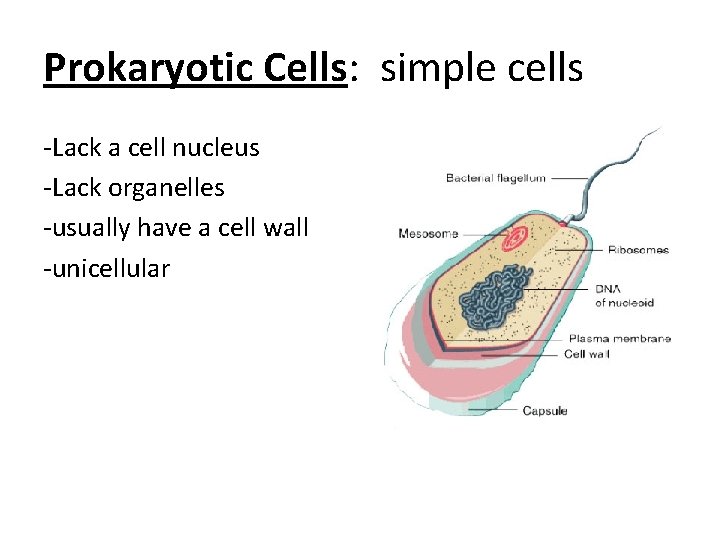
Prokaryotic Cells: simple cells -Lack a cell nucleus -Lack organelles -usually have a cell wall -unicellular
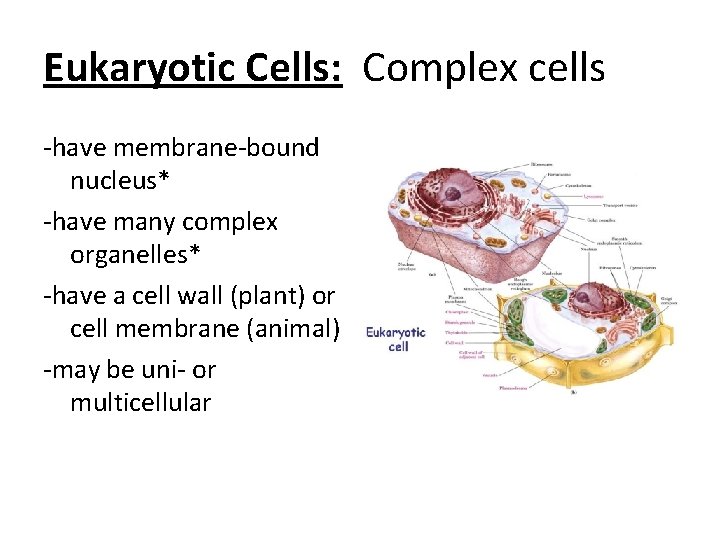
Eukaryotic Cells: Complex cells -have membrane-bound nucleus* -have many complex organelles* -have a cell wall (plant) or cell membrane (animal) -may be uni- or multicellular