
Taxonomic Groups A sampling of key organisms Major


- Slides: 22
Taxonomic Groups A sampling of key organisms
Major Taxonomic groups n n n n Domain Kingdom Phylum Class Order Family Genus species
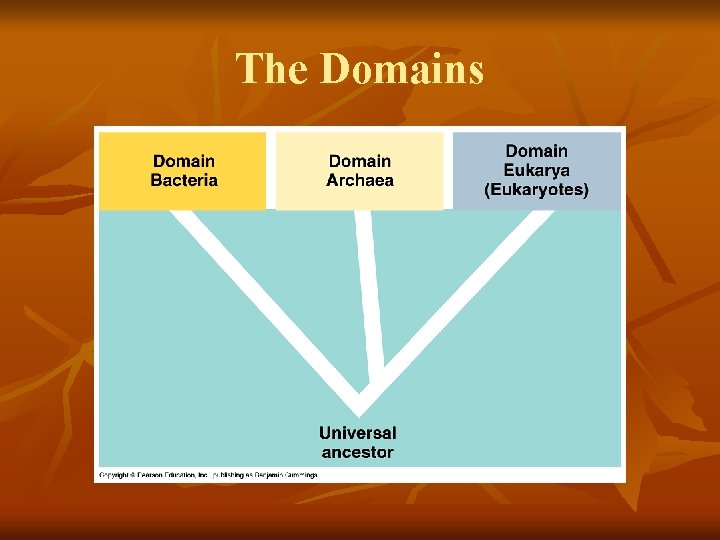
Domains n n Larger/more inclusive than Kingdoms Most biologists agree on three domains: Archaea, Bacteria, and Eukarya Archaea and Bacteria (also termed PROKARYOTIC) Tiny, unicellular (mostly), simple, lacking organized nucleus. PRO, NO nucleus Eukarya: larger, more complex cells, have an organized nucleus and membrane bound organelles. Can be single or multicellular. YOU are EUkaryotic
The Domains
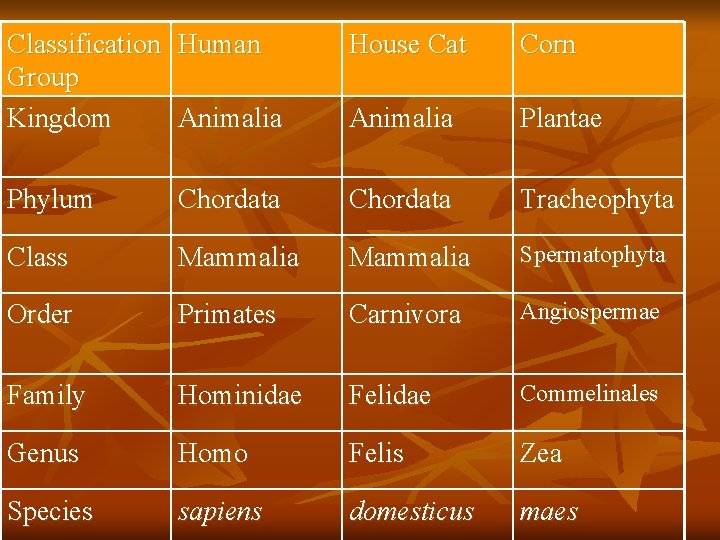
Classification Human Group Kingdom Animalia House Cat Corn Animalia Plantae Phylum Chordata Tracheophyta Class Mammalia Spermatophyta Order Primates Carnivora Angiospermae Family Hominidae Felidae Commelinales Genus Homo Felis Zea Species sapiens domesticus maes
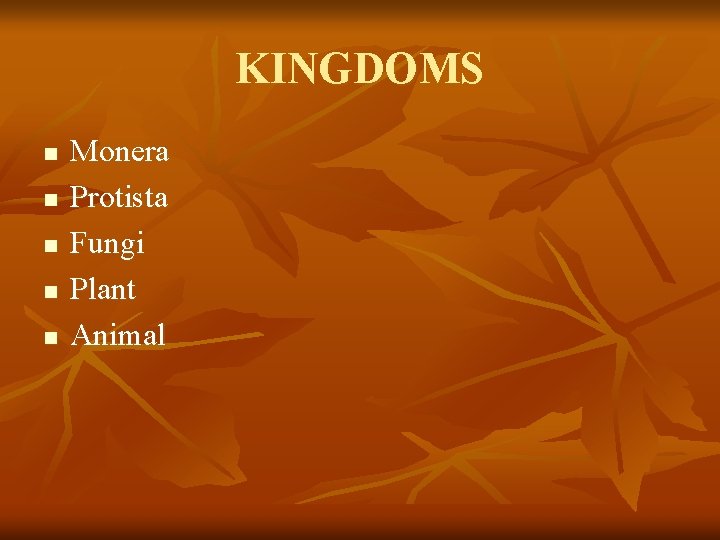
KINGDOMS n n n Monera Protista Fungi Plant Animal
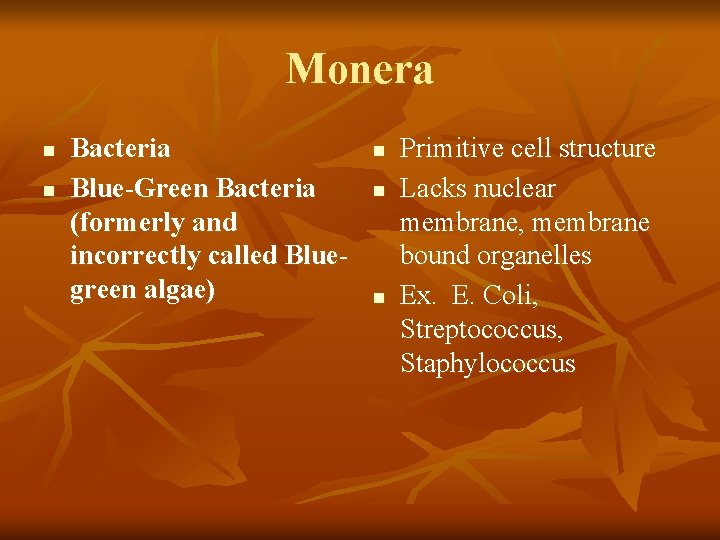
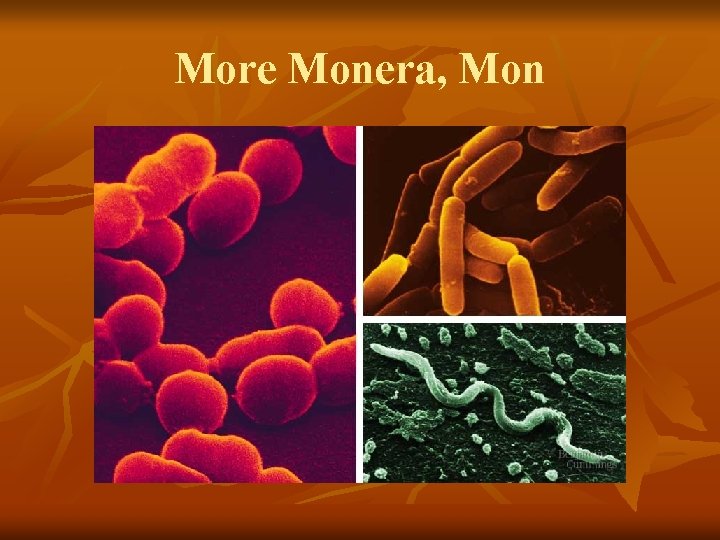
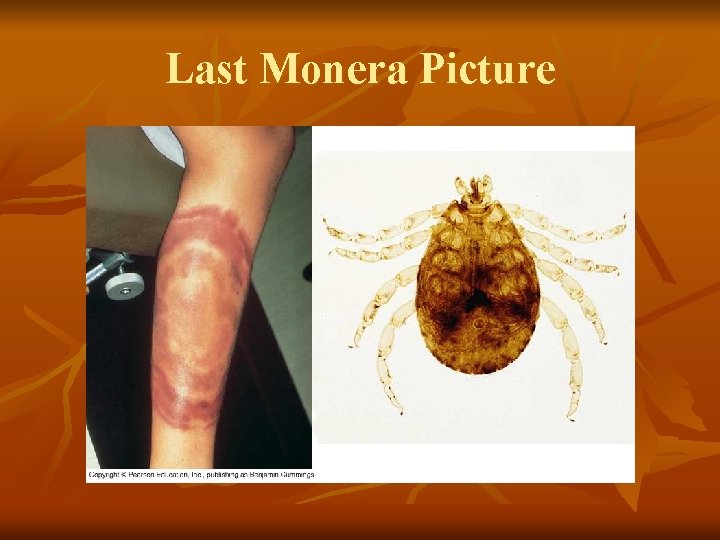
Monera n n Bacteria Blue-Green Bacteria (formerly and incorrectly called Bluegreen algae) n n n Primitive cell structure Lacks nuclear membrane, membrane bound organelles Ex. E. Coli, Streptococcus, Staphylococcus
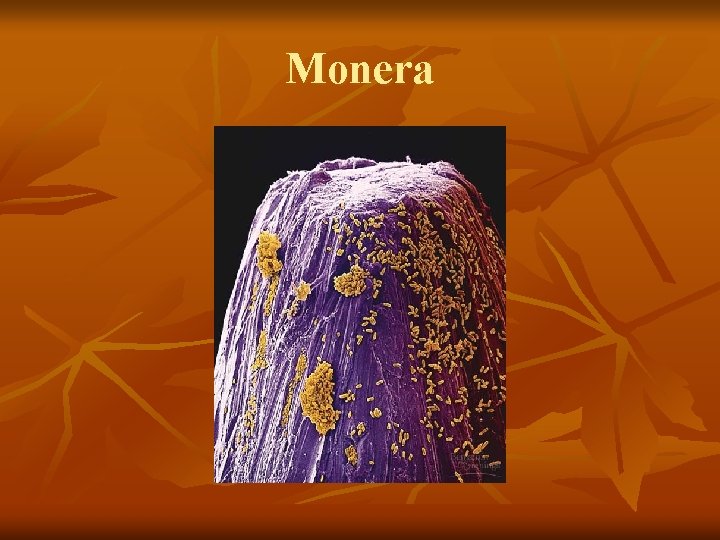
Monera
More Monera, Mon
Last Monera Picture
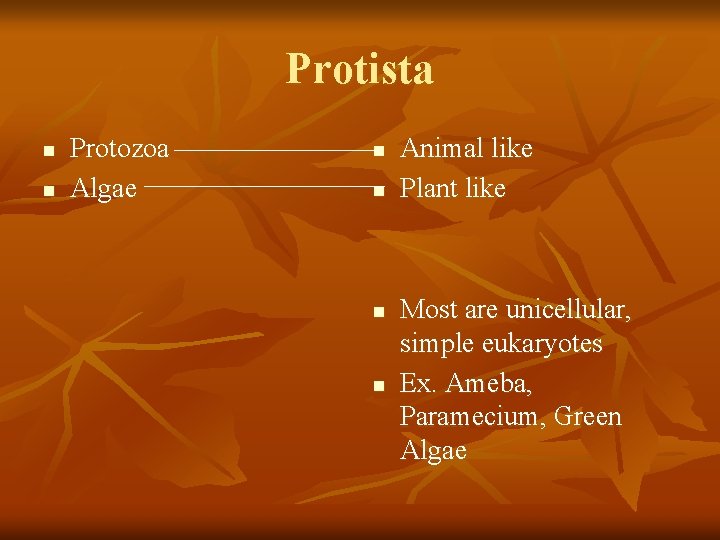
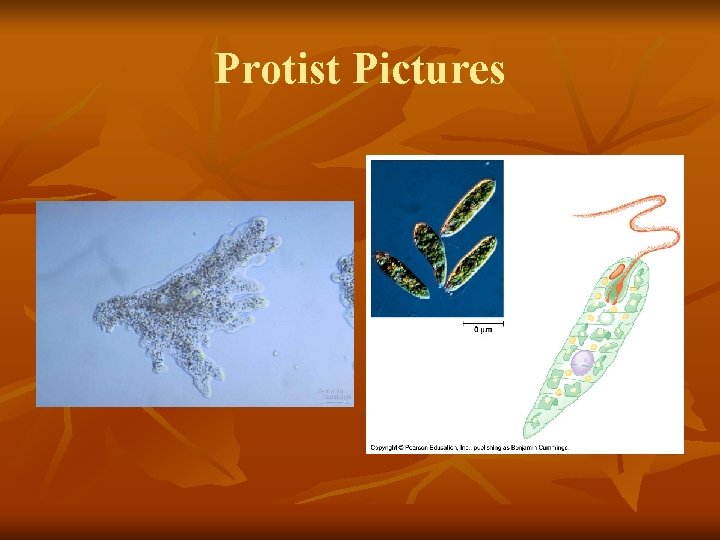
Protista n n Protozoa Algae n n Animal like Plant like Most are unicellular, simple eukaryotes Ex. Ameba, Paramecium, Green Algae
Protist Pictures
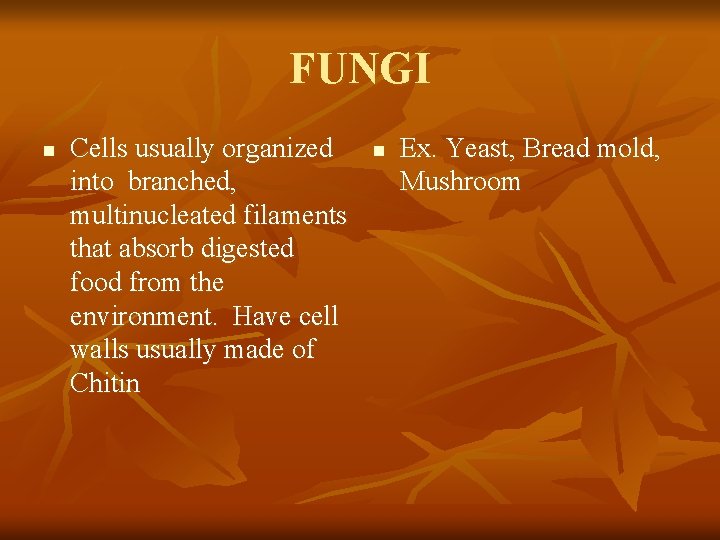
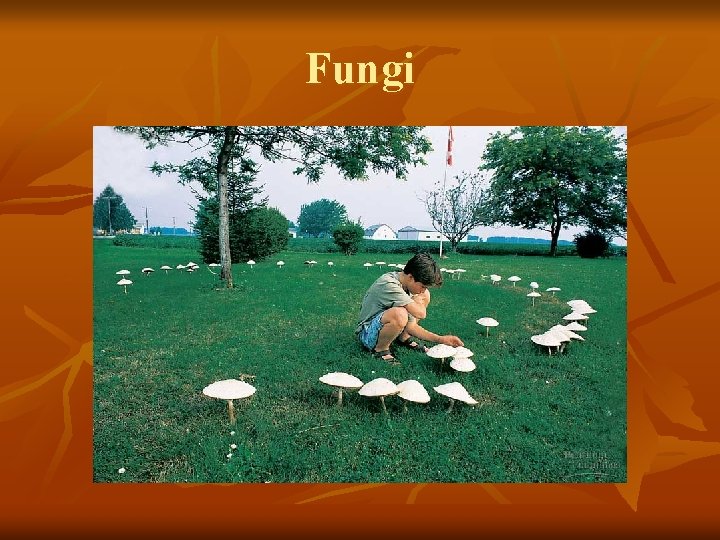
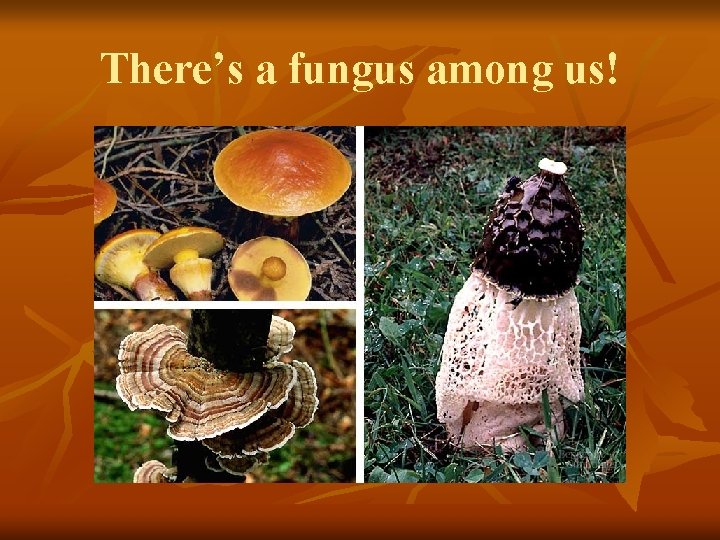
FUNGI n Cells usually organized into branched, multinucleated filaments that absorb digested food from the environment. Have cell walls usually made of Chitin n Ex. Yeast, Bread mold, Mushroom
Fungi
There’s a fungus among us!
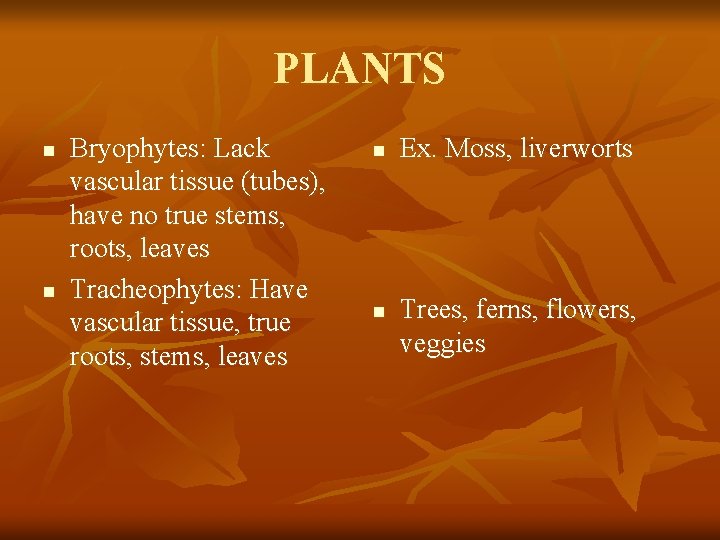
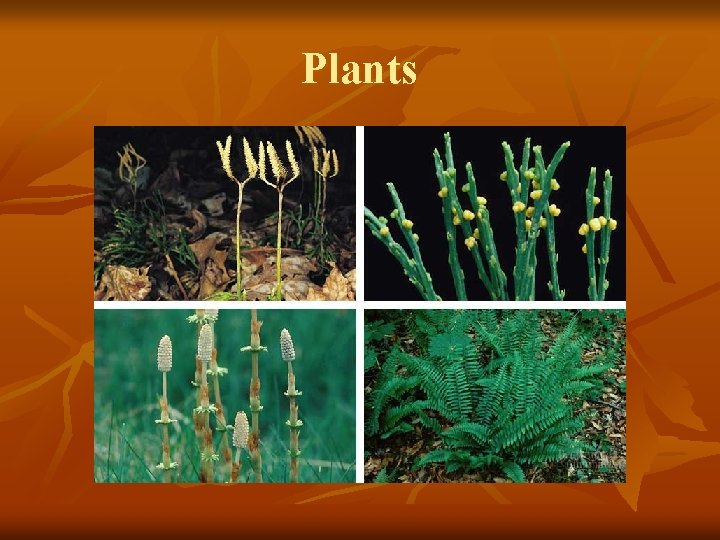
PLANTS n n Bryophytes: Lack vascular tissue (tubes), have no true stems, roots, leaves Tracheophytes: Have vascular tissue, true roots, stems, leaves n n Ex. Moss, liverworts Trees, ferns, flowers, veggies
Plants
More Plants
Even More Plants
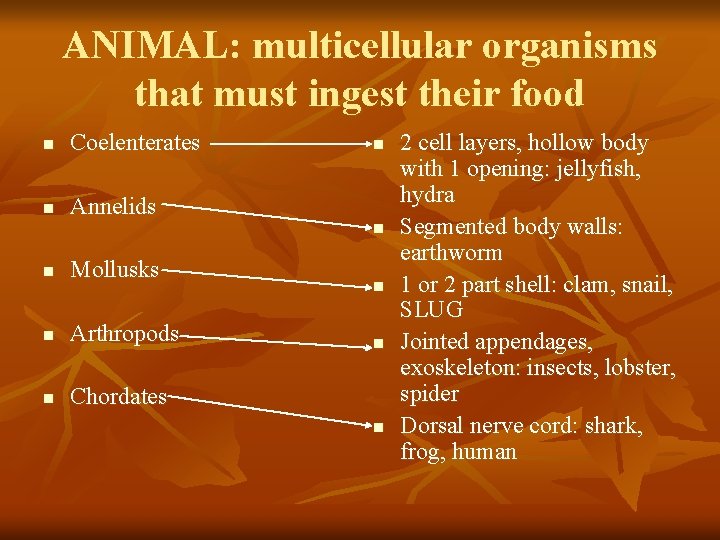
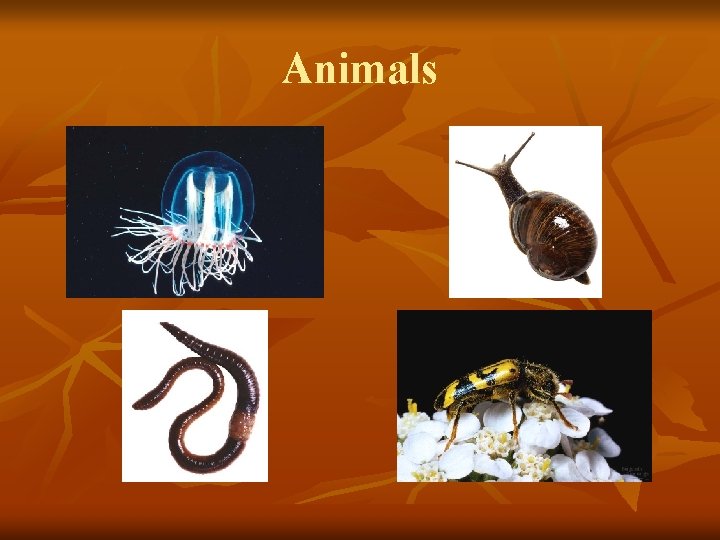
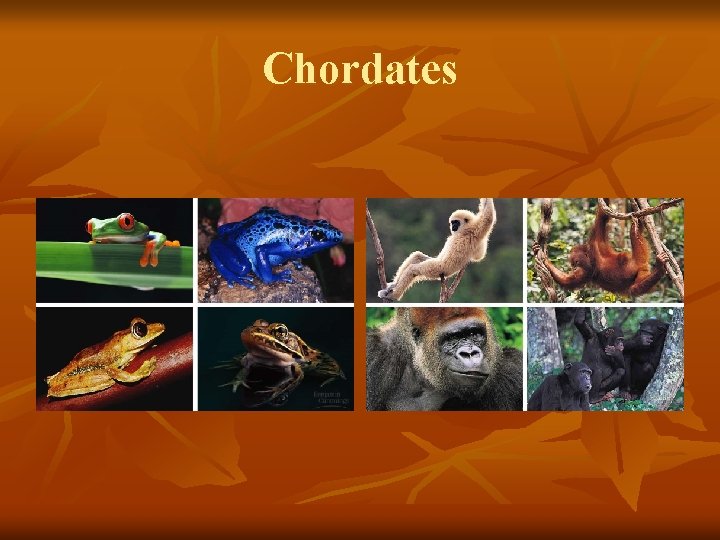
ANIMAL: multicellular organisms that must ingest their food n Coelenterates n Annelids n n n Mollusks n Arthropods n Chordates n n n 2 cell layers, hollow body with 1 opening: jellyfish, hydra Segmented body walls: earthworm 1 or 2 part shell: clam, snail, SLUG Jointed appendages, exoskeleton: insects, lobster, spider Dorsal nerve cord: shark, frog, human
Animals
Chordates