
Tammy Dodson Ed D NCSC NCC LPC Grandview
- Slides: 76
Tammy Dodson, Ed. D, NCSC, NCC, LPC Grandview High School Cherry Creek Schools
• Discuss the appropriate roles of the school counselor • The school counselor’s use of data • Brief overview of ASCA National Model • Next steps and district expectations
Be open to the experience and to each other.
Speak your truth without blame or judgment.
Notice moments of discomfort and stay focused.
Listen fully with your ears, eyes, and heart.
• Why are you a school counselor? • Do you believe you make a difference at your school? With your students? With your community? How? • Do your administrators believe you make a difference at your school? Impact student achievement? How? • Do the teachers at your school believe you make a difference at your school? How?
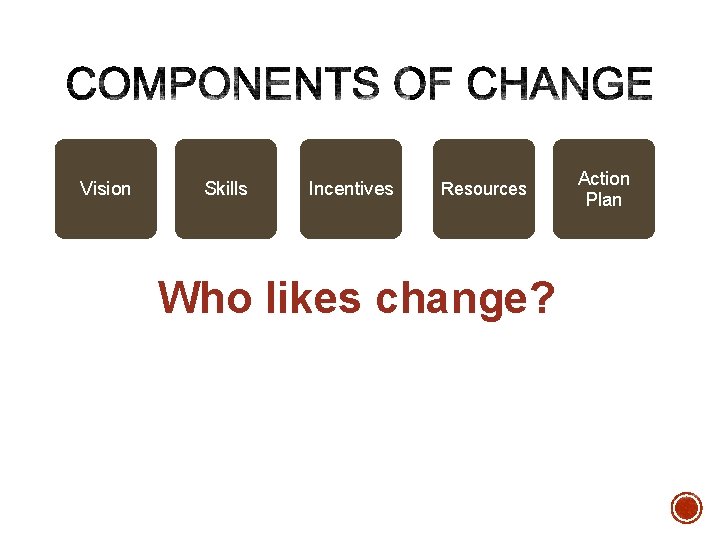
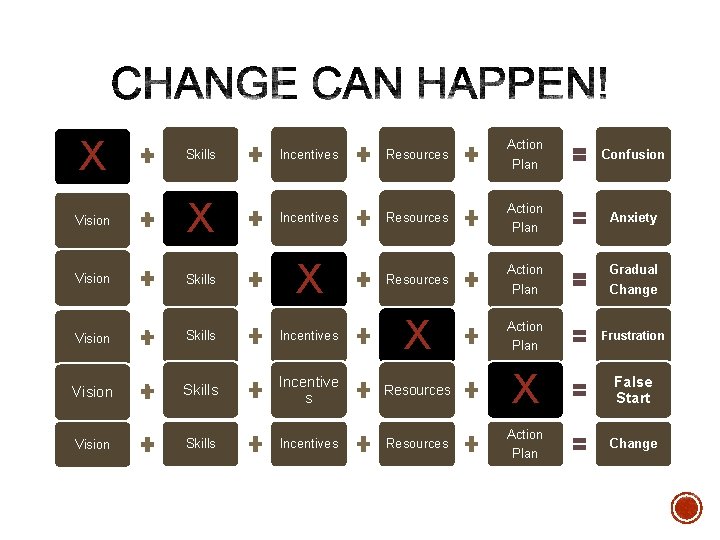
Vision Skills Incentives Resources Who likes change? Action Plan
X Skills Incentives Resources Action Plan Confusion Vision X Incentives Resources Action Plan Anxiety Vision Skills X Resources Action Plan Gradual Change Vision Skills Incentives X Action Plan Frustration Vision Skills Incentive s Resources X False Start Vision Skills Incentives Resources Action Plan Change
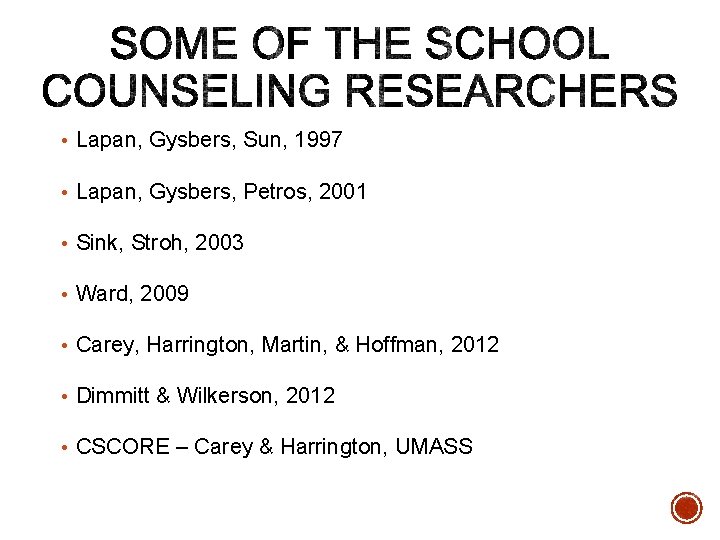
• Lapan, Gysbers, Sun, 1997 • Lapan, Gysbers, Petros, 2001 • Sink, Stroh, 2003 • Ward, 2009 • Carey, Harrington, Martin, & Hoffman, 2012 • Dimmitt & Wilkerson, 2012 • CSCORE – Carey & Harrington, UMASS
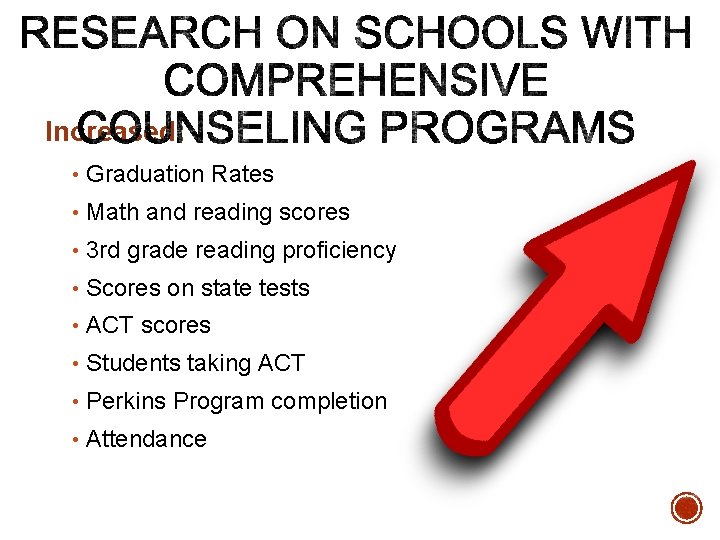
Increased: • Graduation Rates • Math and reading scores • 3 rd grade reading proficiency • Scores on state tests • ACT scores • Students taking ACT • Perkins Program completion • Attendance
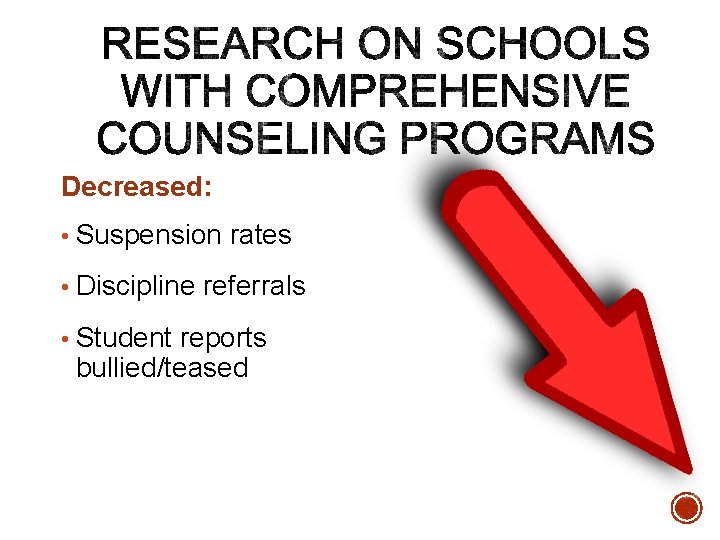
Decreased: • Suspension rates • Discipline referrals • Student reports bullied/teased
HOW THE SCHOOL COUNSELING PROGRAM IS ORGANIZED DOES MATTER!
WHAT SCHOOL COUNSELORS CHOOSE TO DO DOES MATTER!
• Lack of legitimization • Lack of consistent identity • Variation in roles from state to state and site to site • Non-school counselor responsibilities • Educator vs. Mental Health counselors • Random Acts of Guidance vs. Comprehensive program • Pre-service training varies as do administrative expectations • Lack of counselor accountability
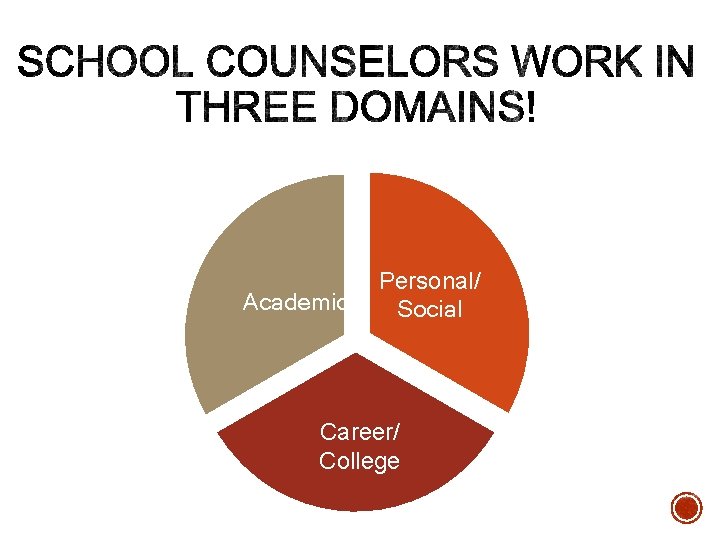
Academic Personal/ Social Career/ College
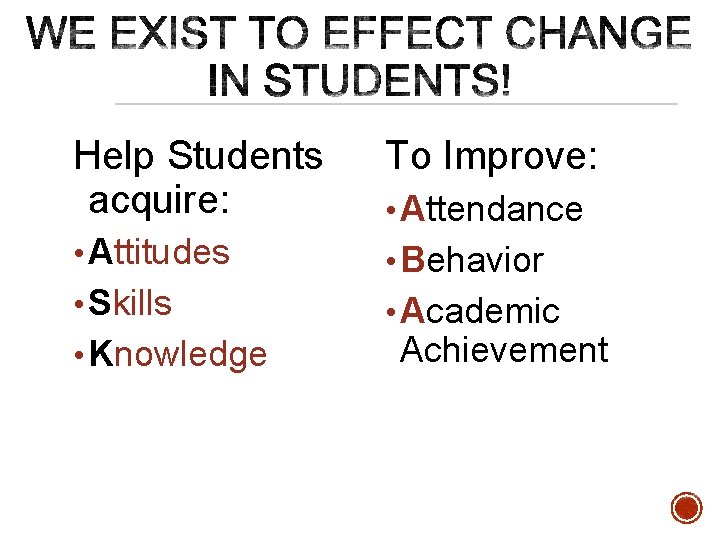
Help Students acquire: To Improve: • Attitudes • Behavior • Skills • Academic • Knowledge • Attendance Achievement
THE OLD QUESTION WAS. . . “What do school counselors do? ” THE NEW QUESTION IS. . . “How are students different because of the school counseling program?
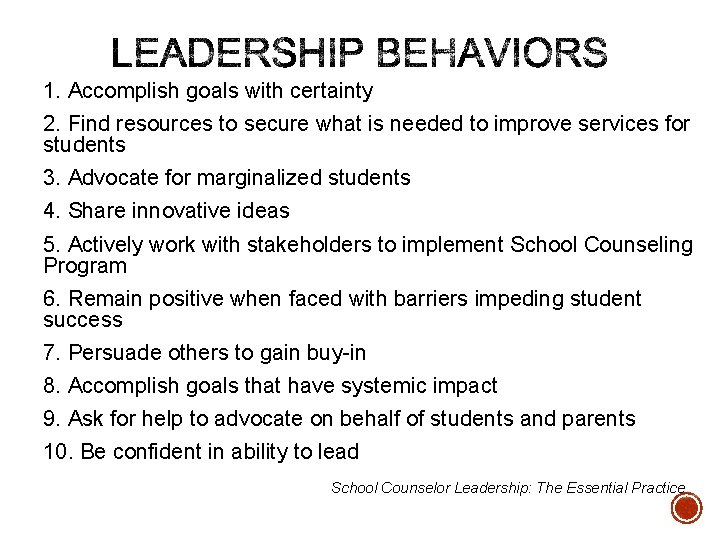
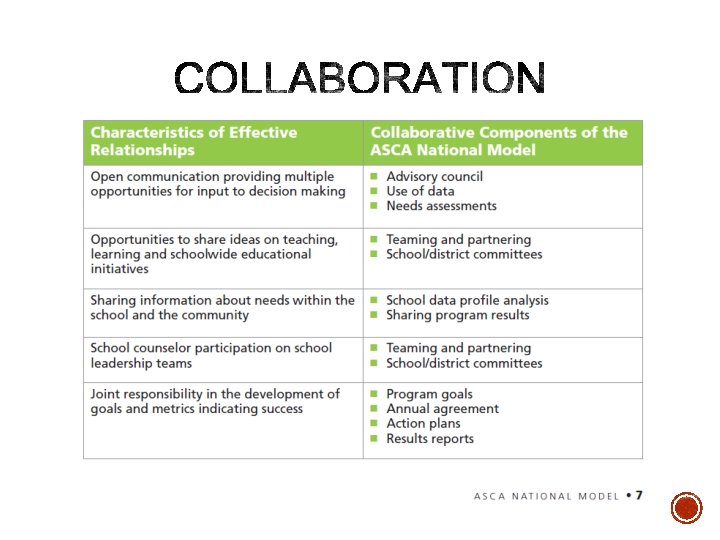
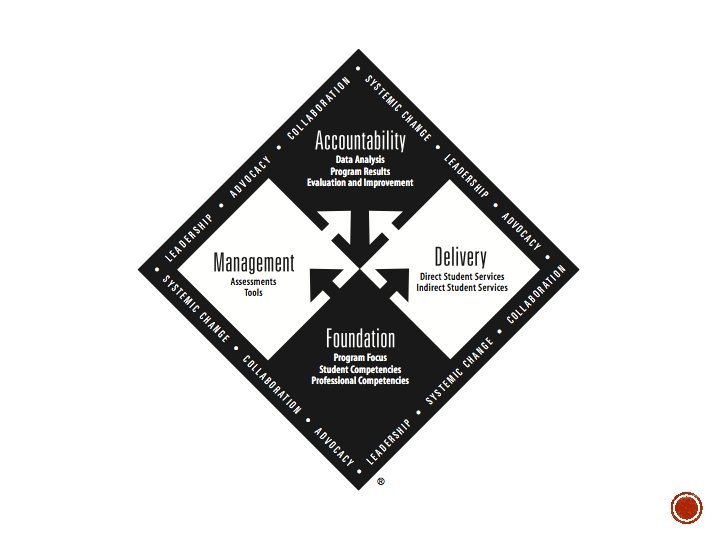
• Leadership • Advocacy • Collaboration • Systemic Change How are they integrated with the District Goals? How are they aligned with your school goals, college and career readiness, student achievement?
1. Accomplish goals with certainty 2. Find resources to secure what is needed to improve services for students 3. Advocate for marginalized students 4. Share innovative ideas 5. Actively work with stakeholders to implement School Counseling Program 6. Remain positive when faced with barriers impeding student success 7. Persuade others to gain buy-in 8. Accomplish goals that have systemic impact 9. Ask for help to advocate on behalf of students and parents 10. Be confident in ability to lead School Counselor Leadership: The Essential Practice
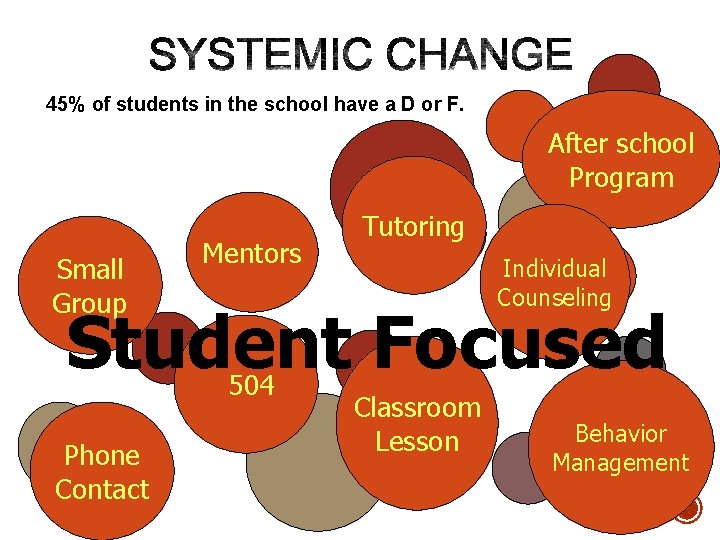
45% of students in the school have a D or F. After school Program Small Group Mentors Tutoring Individual Counseling Student Focused 504 Phone Contact Classroom Lesson Behavior Management
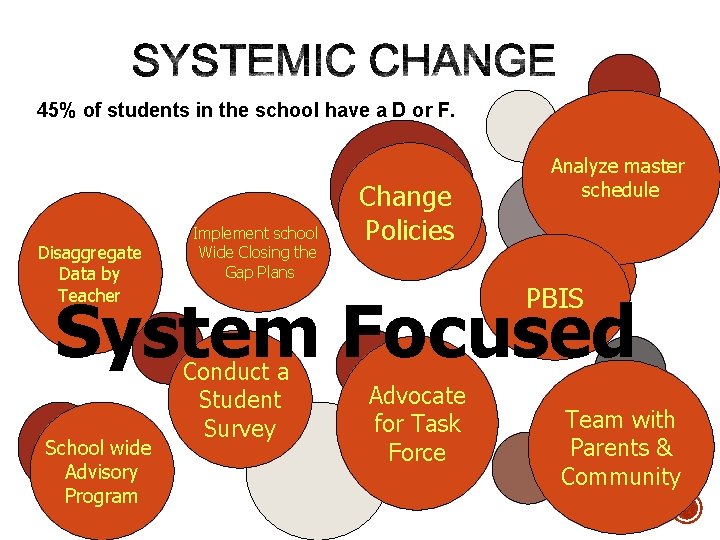
45% of students in the school have a D or F. Disaggregate Data by Teacher Implement school Wide Closing the Gap Plans Change Policies Analyze master schedule PBIS System Focused School wide Advisory Program Conduct a Student Survey Advocate for Task Force Team with Parents & Community
• • • More time with students More time spent on counseling More school counseling programs Better results for all students More engaged stakeholders More accountability
• • Time – how to prioritize Timing – when to start Buy-in from stakeholders ASCA school counselor role vs. reality Aligning with district “drivers” Data – implications Frustrations of so much to do
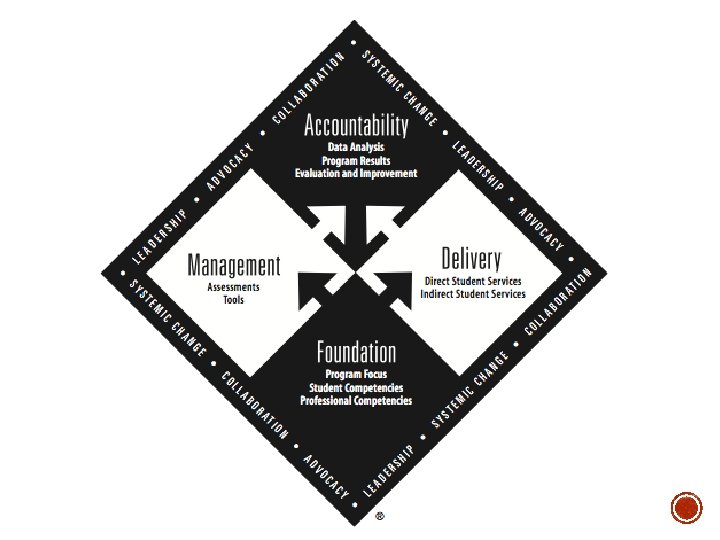
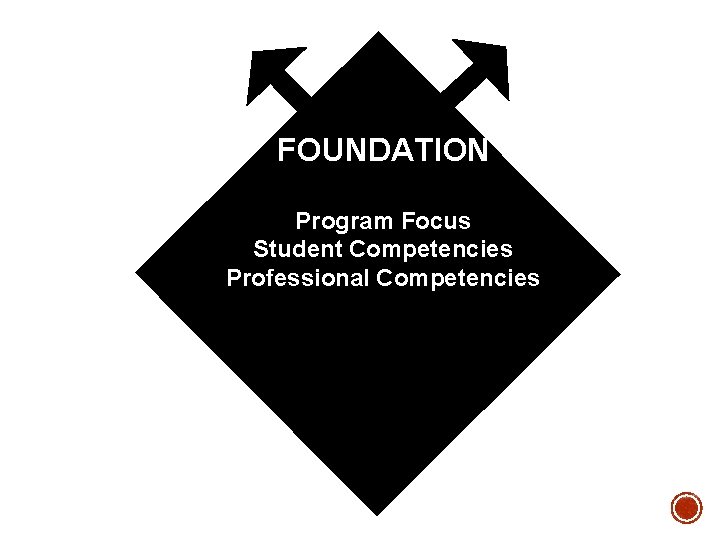
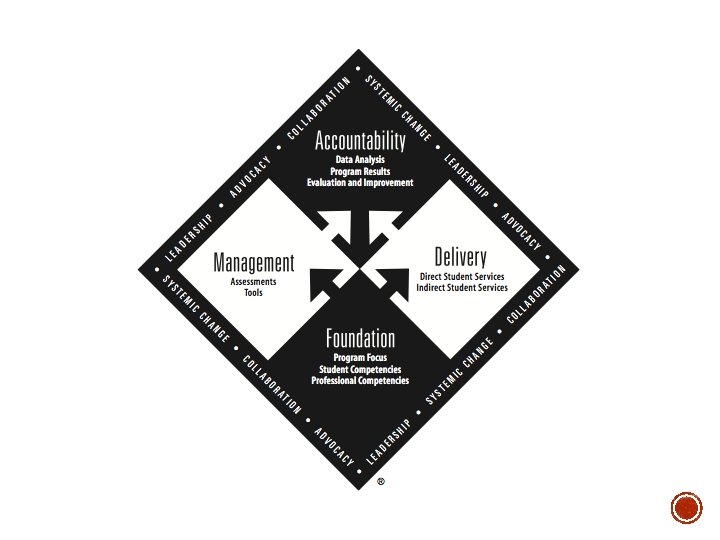
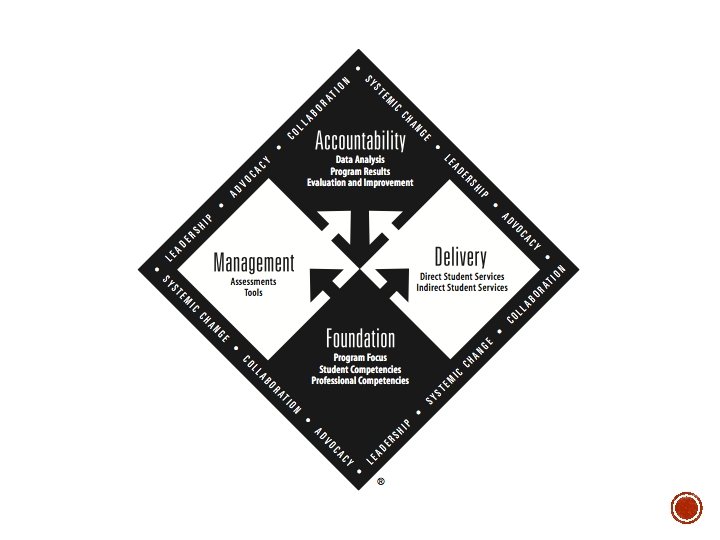
FOUNDATION Program Focus Student Competencies Professional Competencies
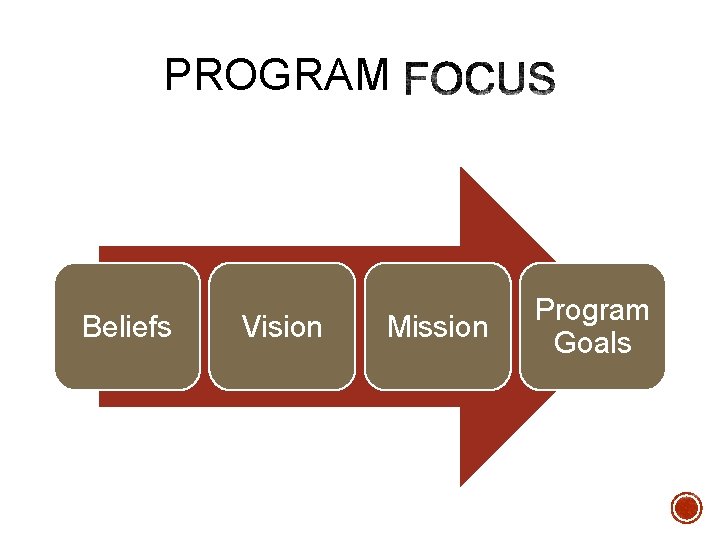
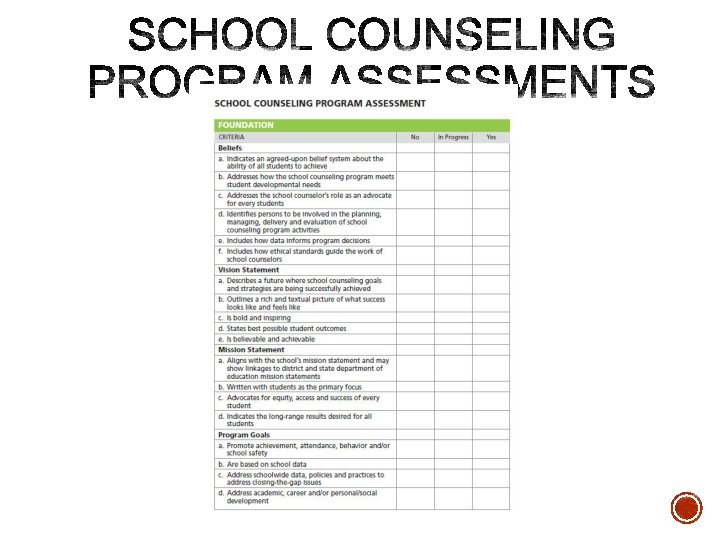
PROGRAM Beliefs Vision Mission Program Goals
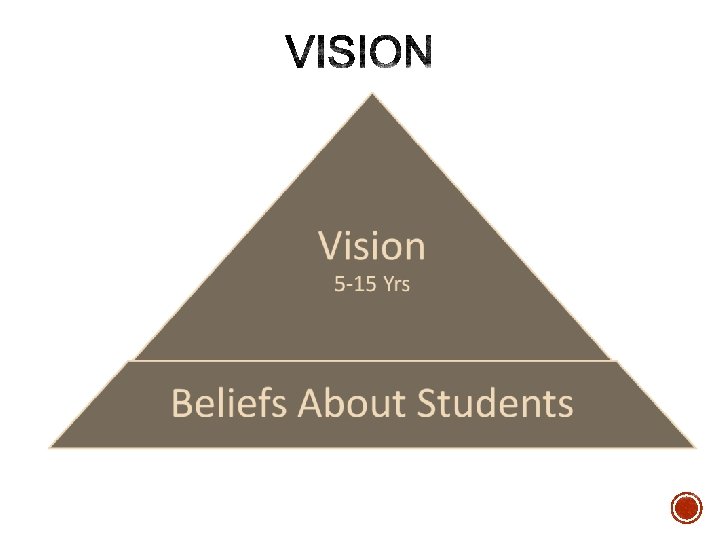
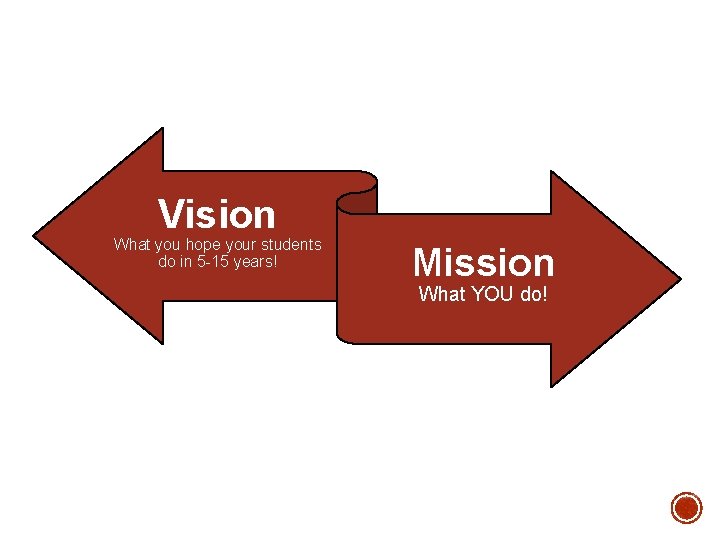
Vision What you hope your students do in 5 -15 years! Mission What YOU do!
… Define how the VISION and MISSION will be accomplished.
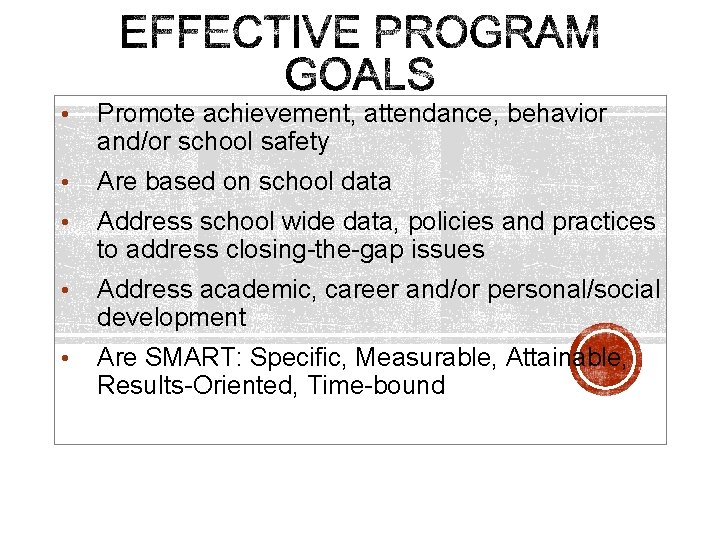
• Promote achievement, attendance, behavior and/or school safety • Are based on school data • Address school wide data, policies and practices to address closing-the-gap issues • Address academic, career and/or personal/social development • Are SMART: Specific, Measurable, Attainable, Results-Oriented, Time-bound
ASCA Student Standards Other Student Standards
ASCA MINDSETS & BEHAVIORS FOR STUDENT SUCCESS K-12 College and Career Readiness Standards for Every Student http: //www. schoolcounselor. org/schoolcounselors-members/about-asca/mindsetsbehaviors
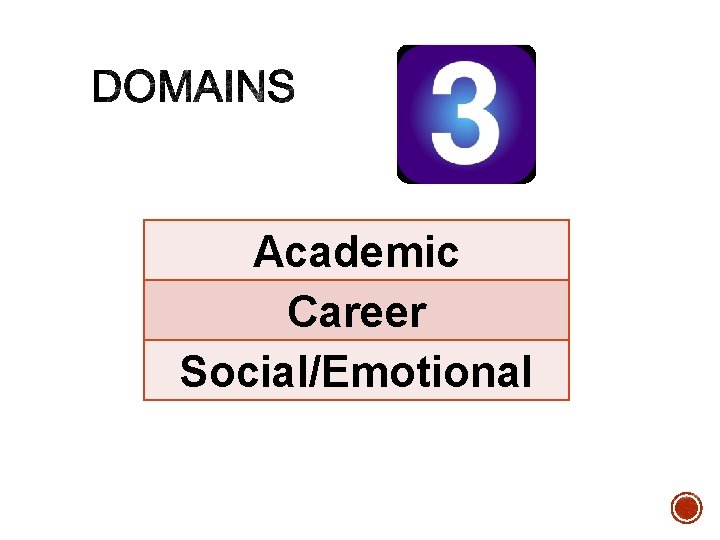
Academic Career Social/Emotional
Mindsets Behaviors
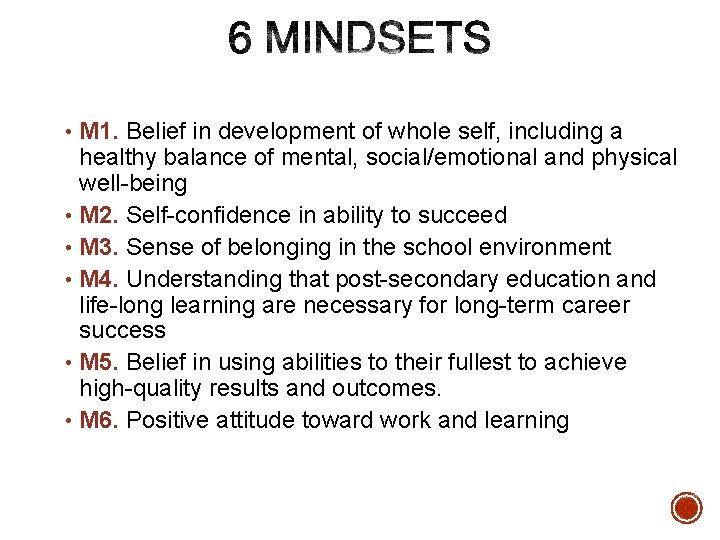
• M 1. Belief in development of whole self, including a healthy balance of mental, social/emotional and physical well-being • M 2. Self-confidence in ability to succeed • M 3. Sense of belonging in the school environment • M 4. Understanding that post-secondary education and life-long learning are necessary for long-term career success • M 5. Belief in using abilities to their fullest to achieve high-quality results and outcomes. • M 6. Positive attitude toward work and learning
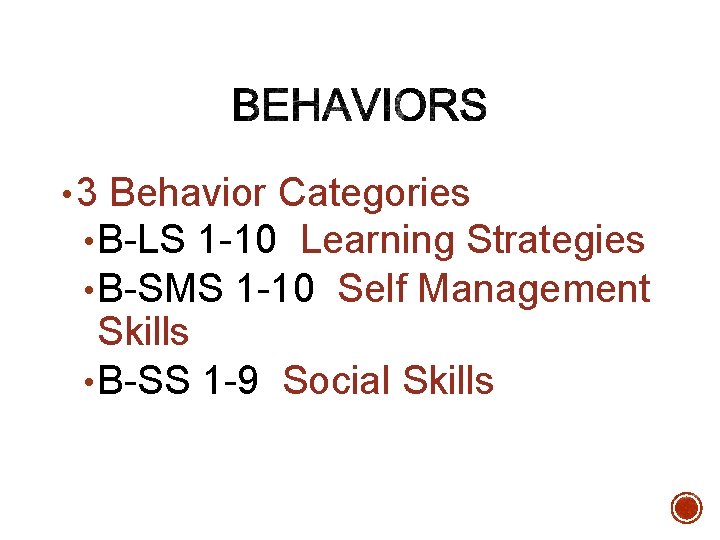
• 3 Behavior Categories • B-LS 1 -10 Learning Strategies • B-SMS 1 -10 Self Management Skills • B-SS 1 -9 Social Skills
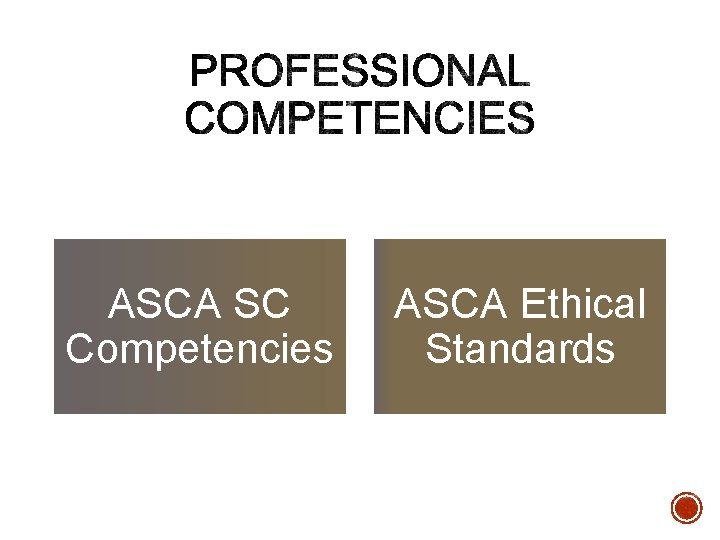
ASCA SC Competencies ASCA Ethical Standards
• Outline the attitudes, skills, and knowledge that ensure school counselors are equipped to meet the rigorous demands of the professional the needs of our pre. K-12 students. • The Competencies can be used by: • School counselors for self-assessment and professional development planning • Counselor education programs for training • Supervisors and administrators for supervision
• Outlines ethical behaviors necessary to maintain high standards of integrity, leadership, and professionalism. • The 2016 revision has National Model components woven throughout.
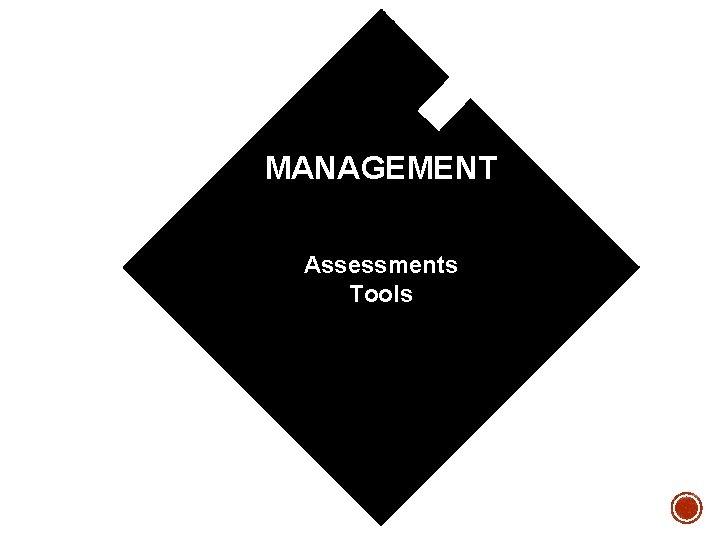
MANAGEMENT To Assessments Tools
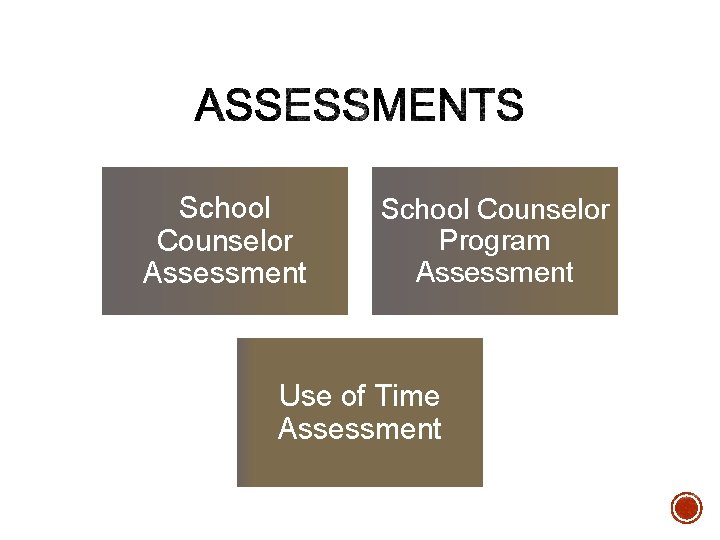
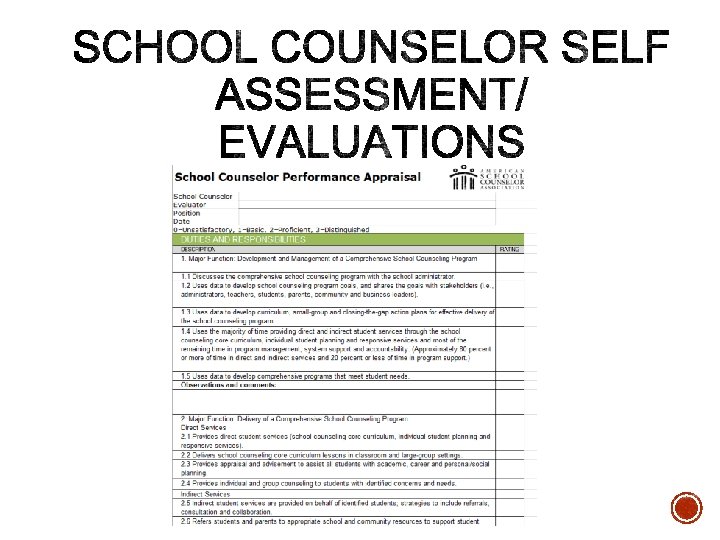
School Counselor Assessment School Counselor Program Assessment Use of Time Assessment
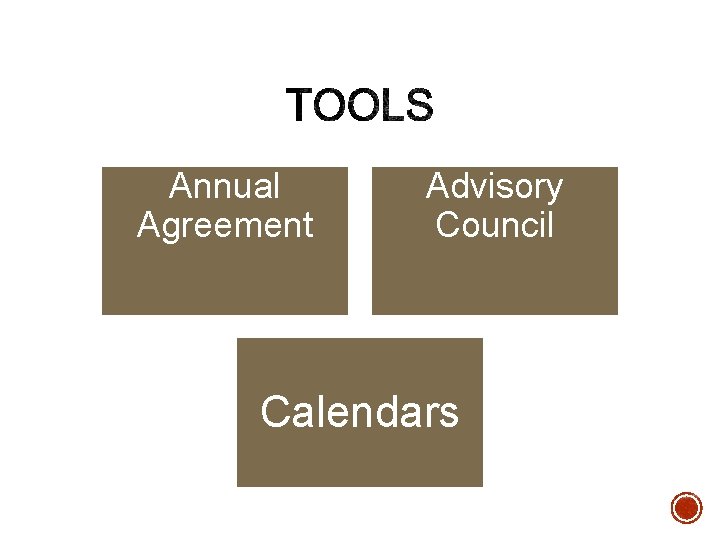
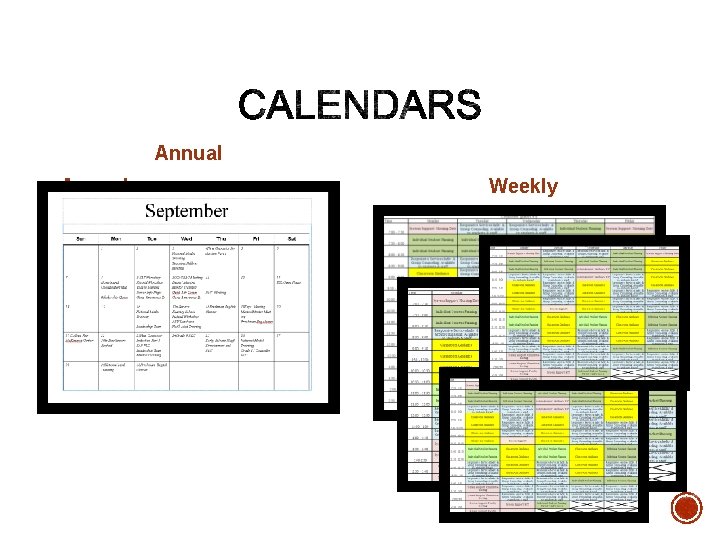
Annual Agreement Advisory Council Calendars
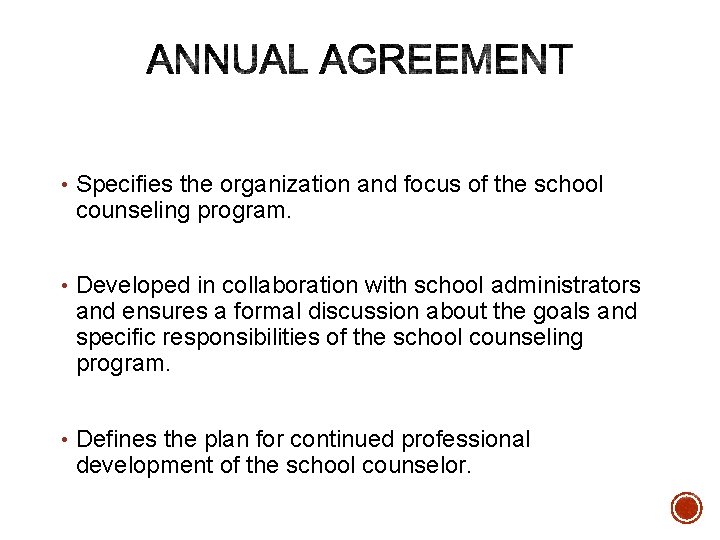
• Specifies the organization and focus of the school counseling program. • Developed in collaboration with school administrators and ensures a formal discussion about the goals and specific responsibilities of the school counseling program. • Defines the plan for continued professional development of the school counselor.
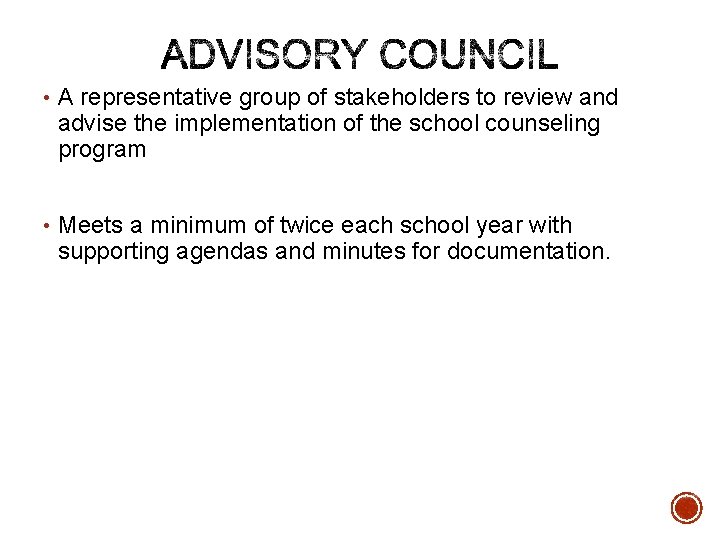
• A representative group of stakeholders to review and advise the implementation of the school counseling program • Meets a minimum of twice each school year with supporting agendas and minutes for documentation.
Advisory Council’s role: • Provide feedback on program goals (developed and explained by school counselors) • Review program results (based on data presentations of school counselors) • Make recommendations about the school counseling program • Advocate for the school counseling program
Annual Weekly
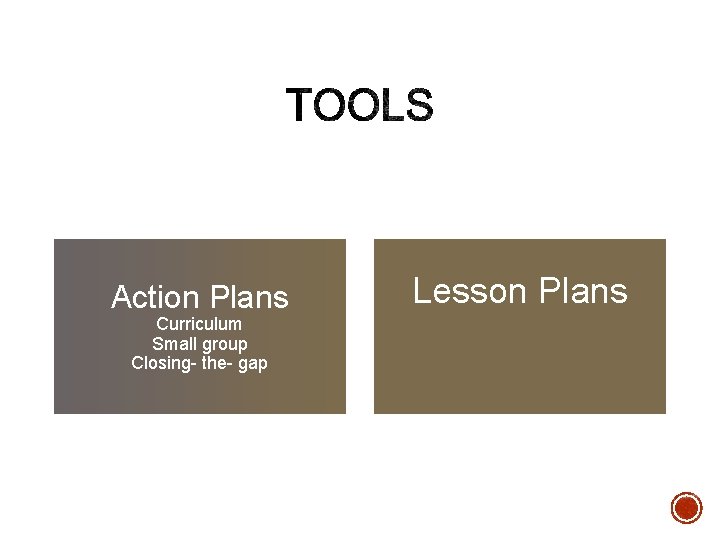
Action Plans Curriculum Small group Closing- the- gap Lesson Plans
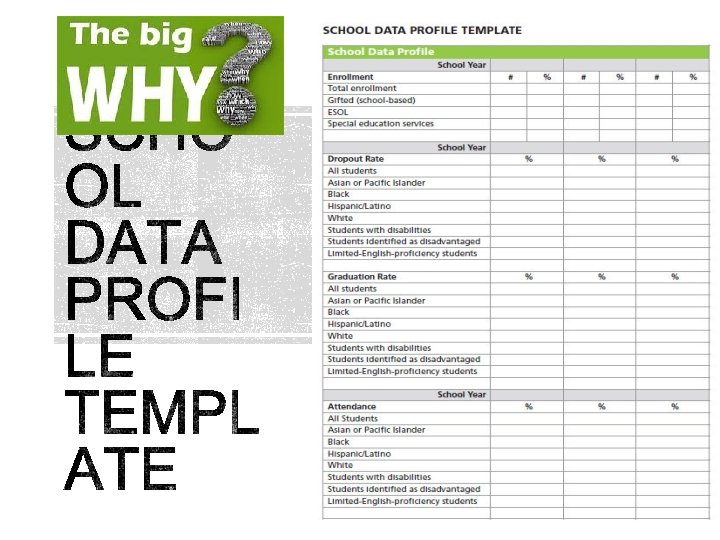
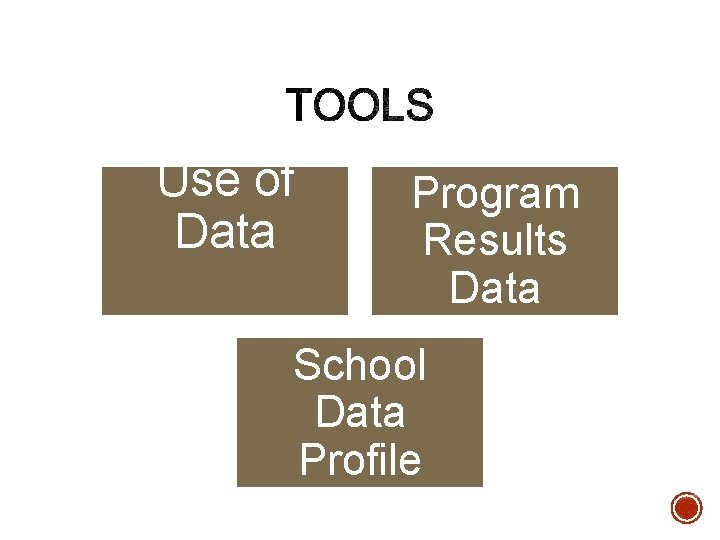
Use of Data Program Results Data School Data Profile
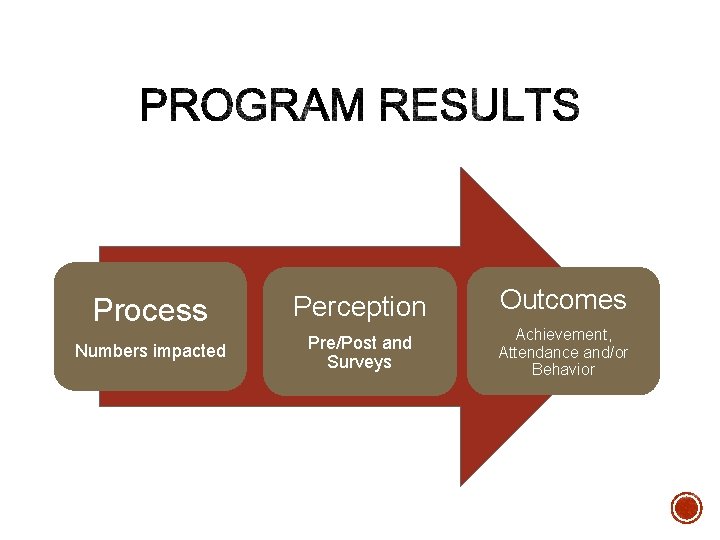
Process Perception Outcomes Numbers impacted Pre/Post and Surveys Achievement, Attendance and/or Behavior
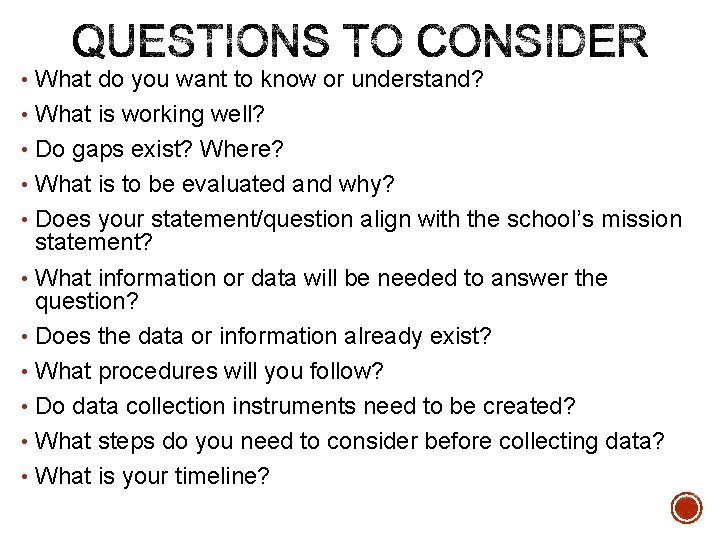
• What do you want to know or understand? • What is working well? • Do gaps exist? Where? • What is to be evaluated and why? • Does your statement/question align with the school’s mission statement? • What information or data will be needed to answer the question? • Does the data or information already exist? • What procedures will you follow? • Do data collection instruments need to be created? • What steps do you need to consider before collecting data? • What is your timeline?
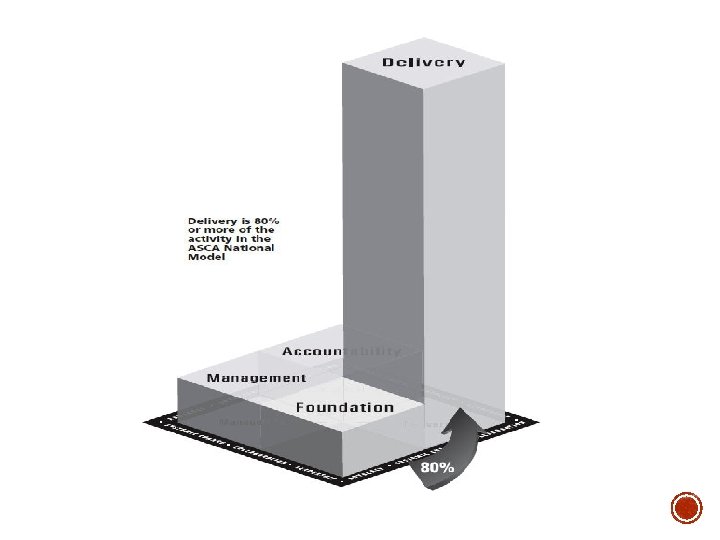
DELIVERY Direct Services Indirect Services
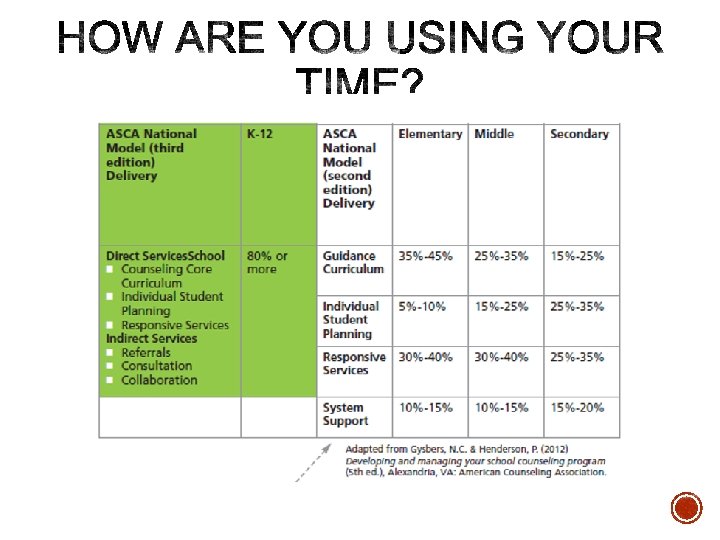
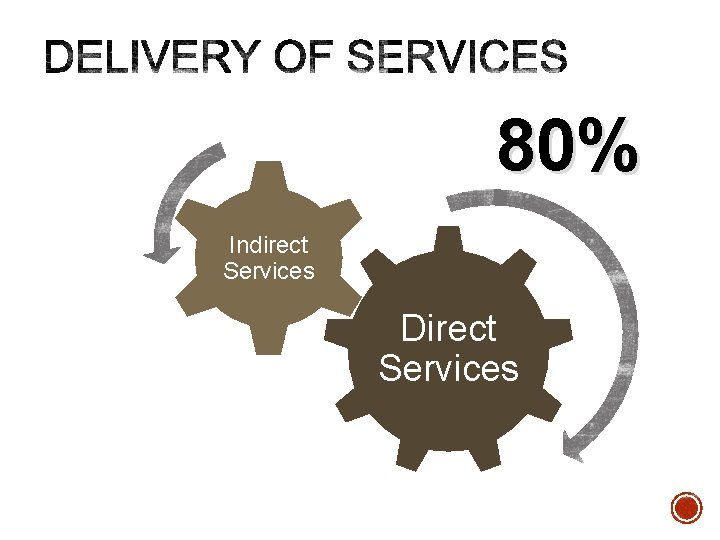
80% Indirect Services Direct Services
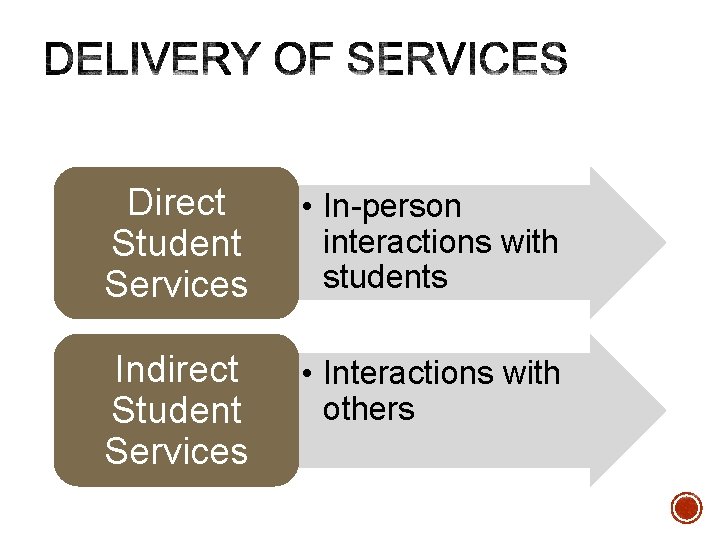
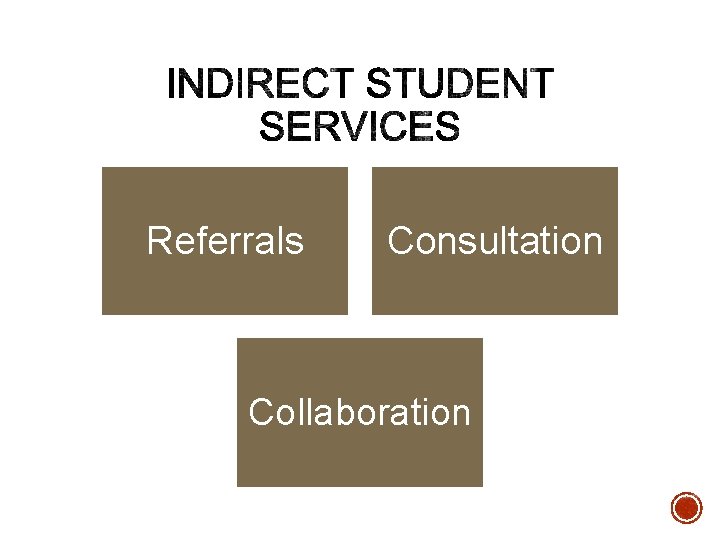
Direct Student Services • In-person interactions with students Indirect Student Services • Interactions with others
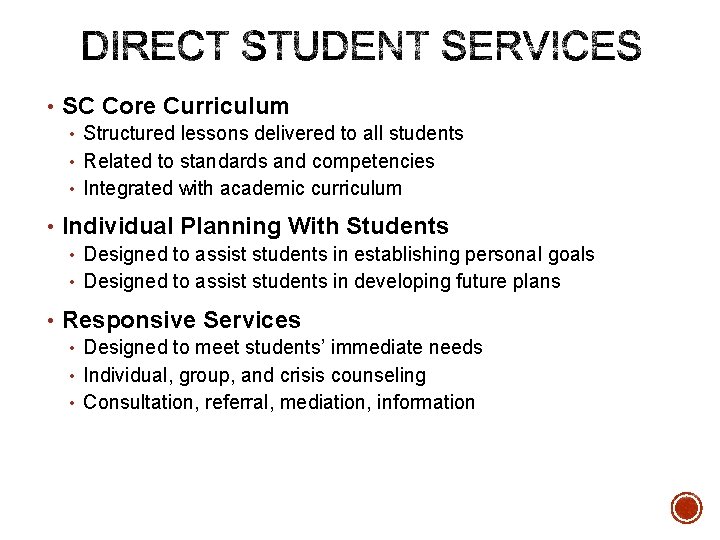
• SC Core Curriculum • Structured lessons delivered to all students • Related to standards and competencies • Integrated with academic curriculum • Individual Planning With Students • Designed to assist students in establishing personal goals • Designed to assist students in developing future plans • Responsive Services • Designed to meet students’ immediate needs • Individual, group, and crisis counseling • Consultation, referral, mediation, information
Referrals Consultation Collaboration
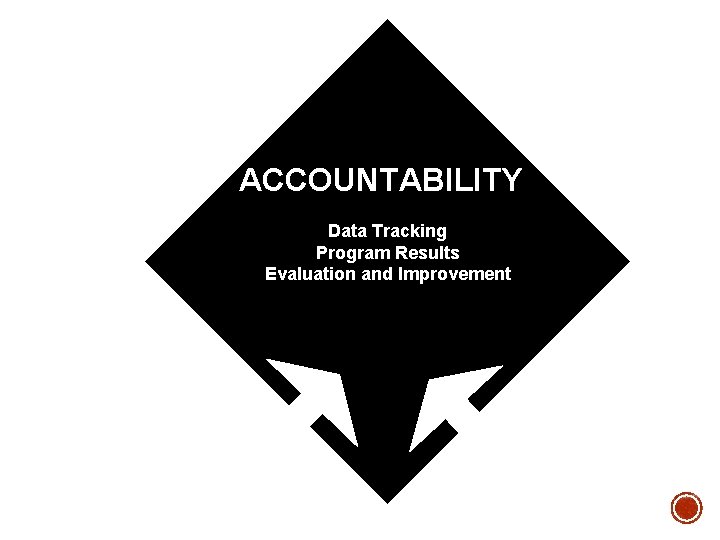
ACCOUNTABILITY Data Tracking Program Results Evaluation and Improvement
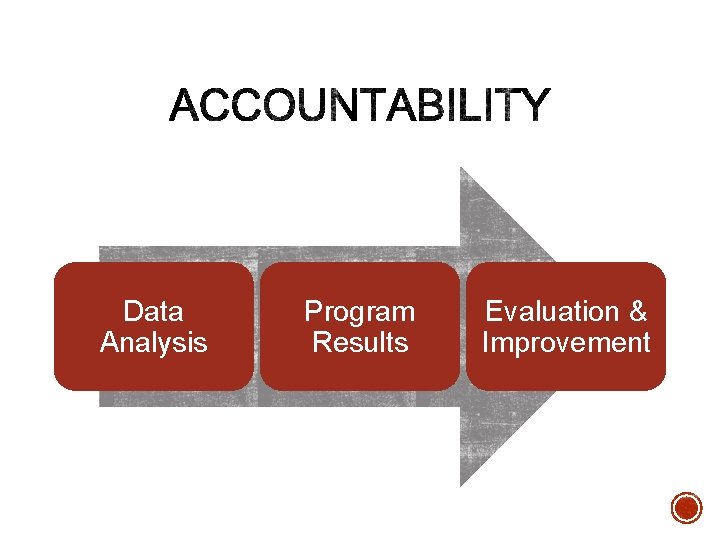
Data Analysis Program Results Evaluation & Improvement
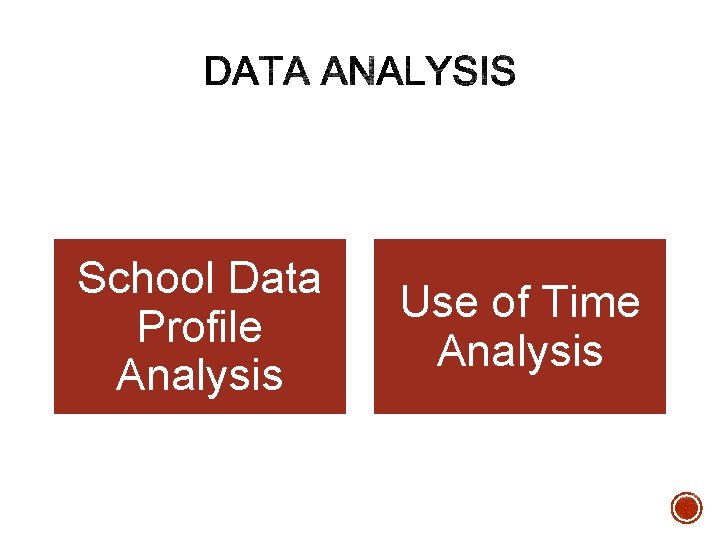
School Data Profile Analysis Use of Time Analysis
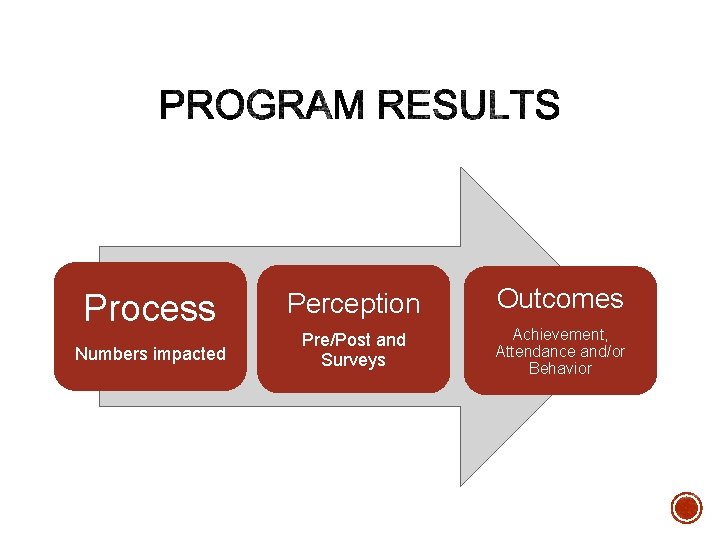
Process Perception Outcomes Numbers impacted Pre/Post and Surveys Achievement, Attendance and/or Behavior
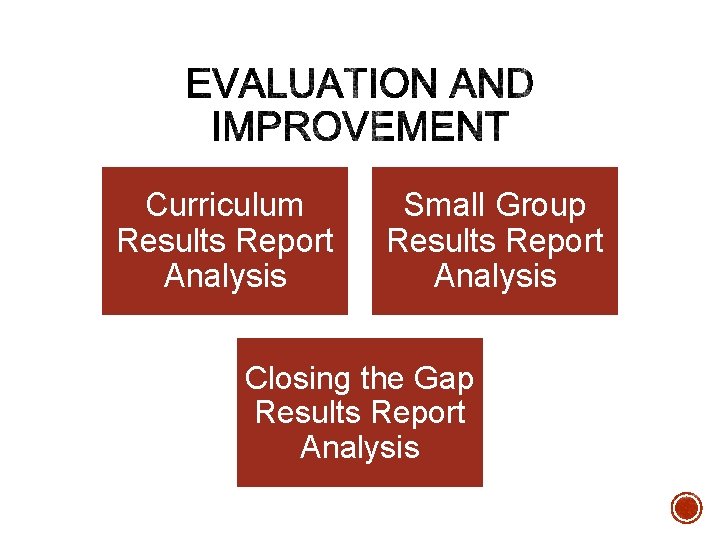
Curriculum Results Report Analysis Small Group Results Report Analysis Closing the Gap Results Report Analysis
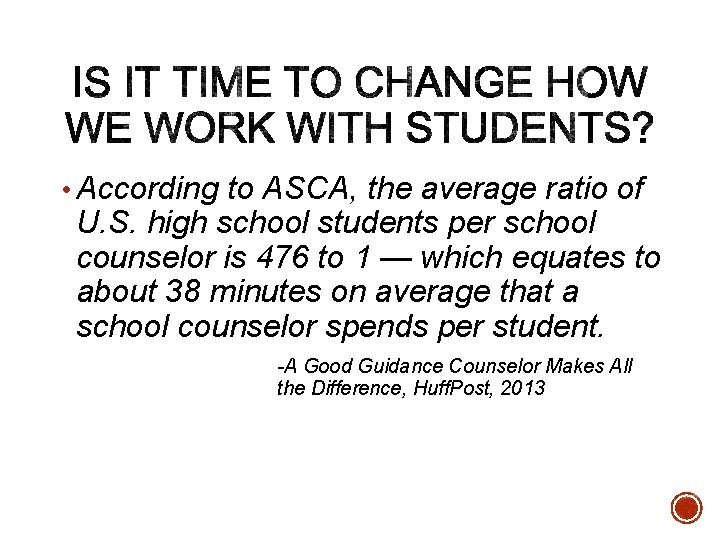
• According to ASCA, the average ratio of U. S. high school students per school counselor is 476 to 1 — which equates to about 38 minutes on average that a school counselor spends per student. -A Good Guidance Counselor Makes All the Difference, Huff. Post, 2013