
Talent Management trainthetrainer workshop Being talented Think of
Talent Management ‘train-the-trainer’ workshop
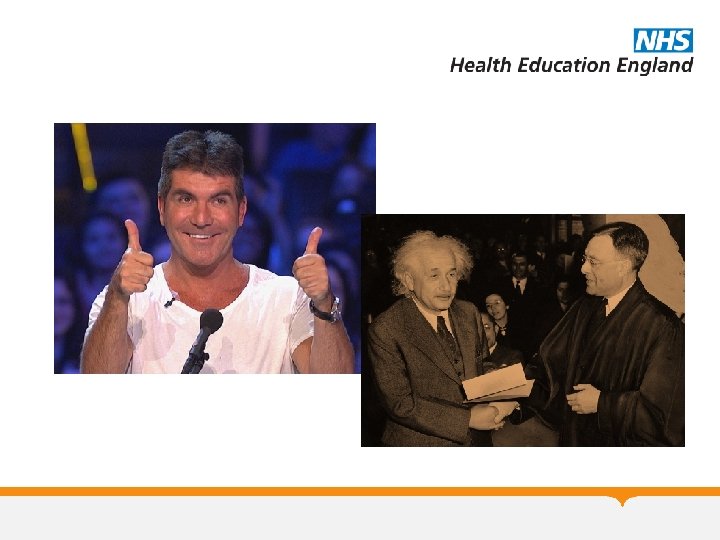
Being talented • Think of someone you consider to be talented in their field (sport, arts, music, librarianship…) • Discuss with at least two other people what it is that makes them talented
How will we work together?
Outline for today • • What is talent and talent management? Why manage talent? Elements of the toolkit The talent management process Inclusive talent management Holding a talent conversation Feedback and the TGROW coaching model Practicing a talent conversation

60 Ways to Learn and Develop
What do we mean by ‘talent’? NHS Leadership Academy Chartered Institute of Personnel Development (CIPD) • Right people in the right roles with • Individuals who are of particular the right values value to an organisation either in • With access to the right view of their ‘high potential’ for the opportunities, exposure, stretch and future or because they are development to reach their potential fulfilling business/operation critical • Whether this be in their current roles. or for a future role.
So what is talent management? Ensuring organisations maximise their talent, whether that be through recruiting the right people into the right roles, developing existing employees to enable them to realise their potential or making sure individuals who are identified as having talent are motivated to stay with an organisation, a sector or a profession in the longer term.
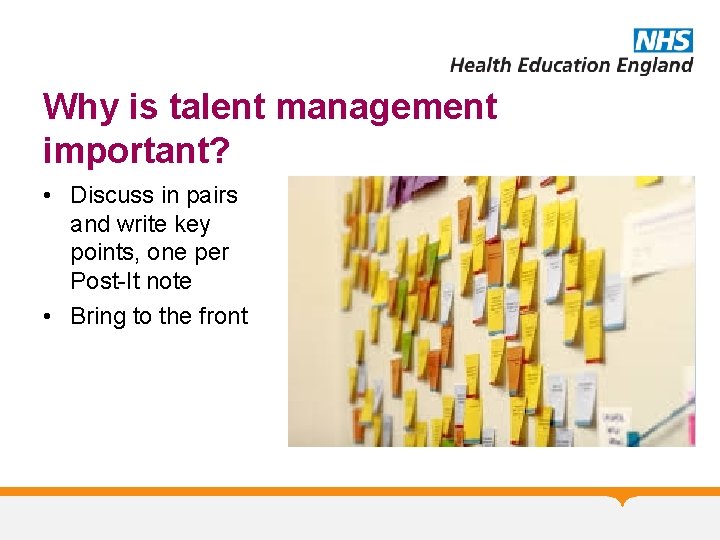
Why is talent management important? • Discuss in pairs and write key points, one per Post-It note • Bring to the front
Why do we want to manage talent? • To deliver Knowledge for Healthcare • To enable us to respond to an evolving landscape • For effective workforce planning – Ageing workforce – Shortage of professionals to fill specialist roles – Changing nature of skills required to make an impact • To be inclusive • To make sure we have the right people in the right roles at the right time @NHS_Health. Ed. Eng #insertcampaignhashtag
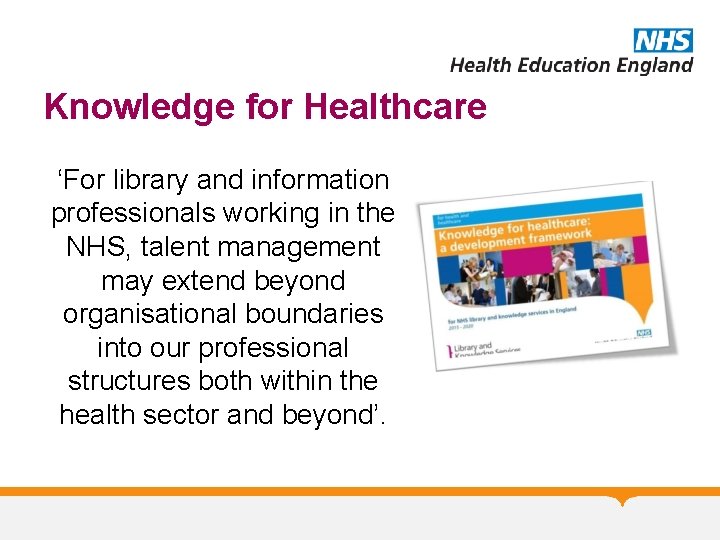
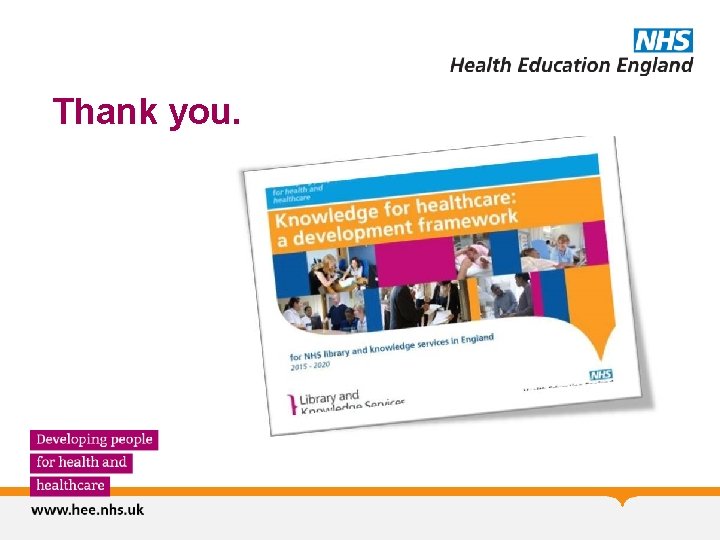
Knowledge for Healthcare ‘For library and information professionals working in the NHS, talent management may extend beyond organisational boundaries into our professional structures both within the health sector and beyond’.
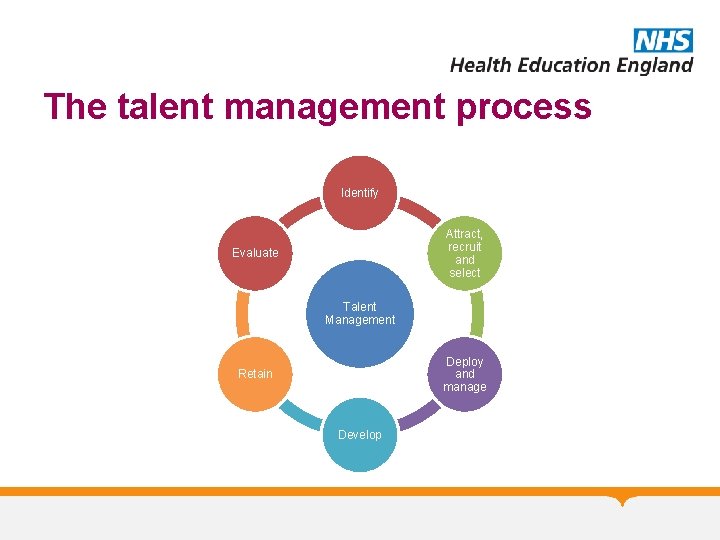
The talent management process Identify Attract, recruit and select Evaluate Talent Management Deploy and manage Retain Develop

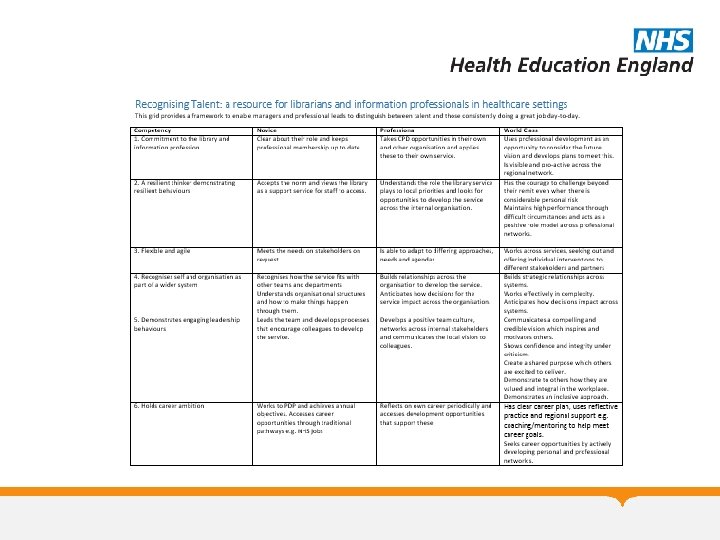
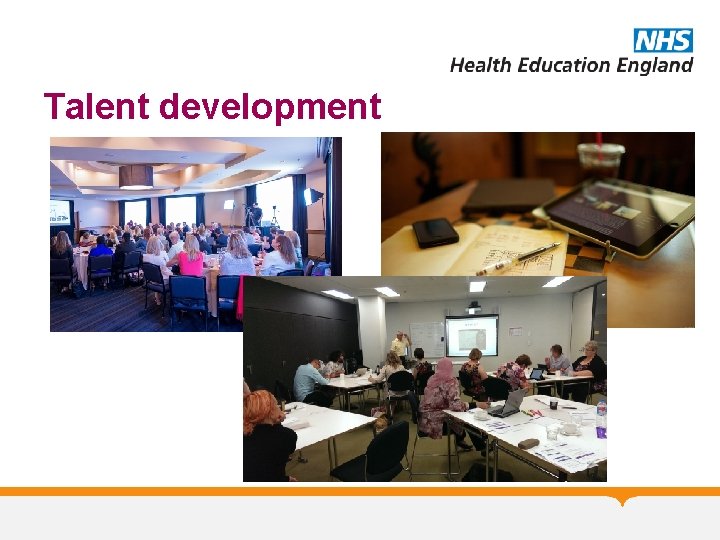
Talent development
Review of the morning • • • What is talent and talent management? Why manage talent? Elements of the toolkit The talent management process The talent grid Talent development
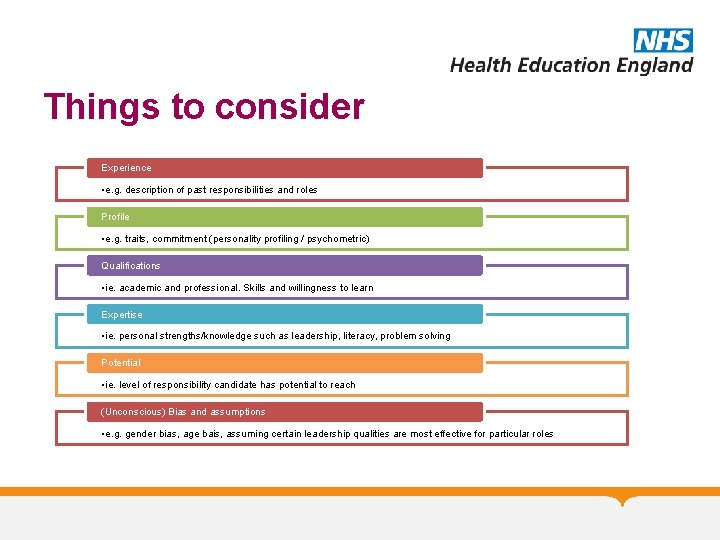
Things to consider Experience • e. g. description of past responsibilities and roles Profile • e. g. traits, commitment (personality profiling / psychometric) Qualifications • ie. academic and professional. Skills and willingness to learn Expertise • ie. personal strengths/knowledge such as leadership, literacy, problem solving Potential • ie. level of responsibility candidate has potential to reach (Unconscious) Bias and assumptions • e. g. gender bias, age bais, assuming certain leadership qualities are most effective for particular roles
Inclusive talent management • Inclusion is absolutely integral to talent management – why? • Does your organisation get it right? • What are the implications of getting it wrong? • What could you do better?
Unconscious bias Implicit or unconscious bias happens by our brains making incredibly quick judgments and assessments of people and situations without us realising. Our biases are influenced by our background, cultural environment and personal experiences • Stereotypes – To make assumptions about a person on the basis of their age, sex, race, nationality, sexuality etc. • Prejudice – Favouring or disfavouring an individual because of preconceived ideas relating to their age, sex, race, nationality, sexuality and so on
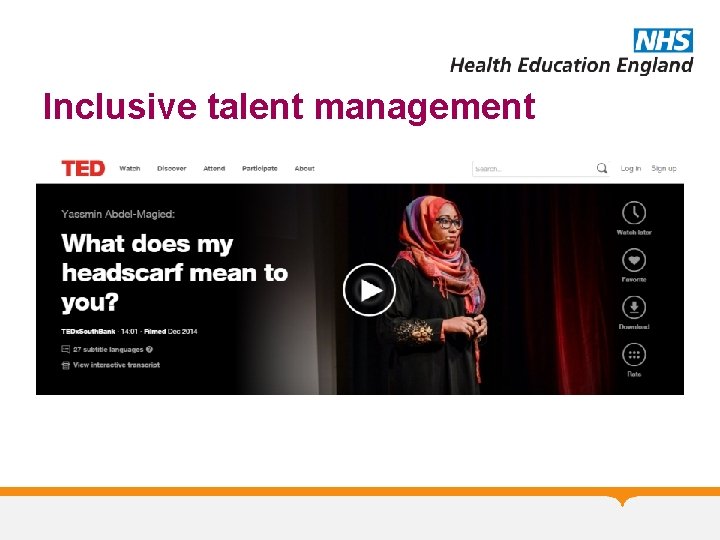
Inclusive talent management
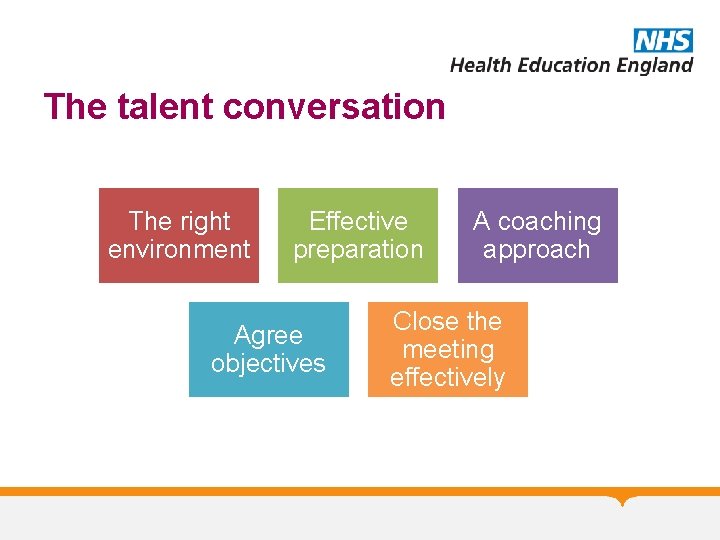
The talent conversation The right environment Effective preparation Agree objectives A coaching approach Close the meeting effectively
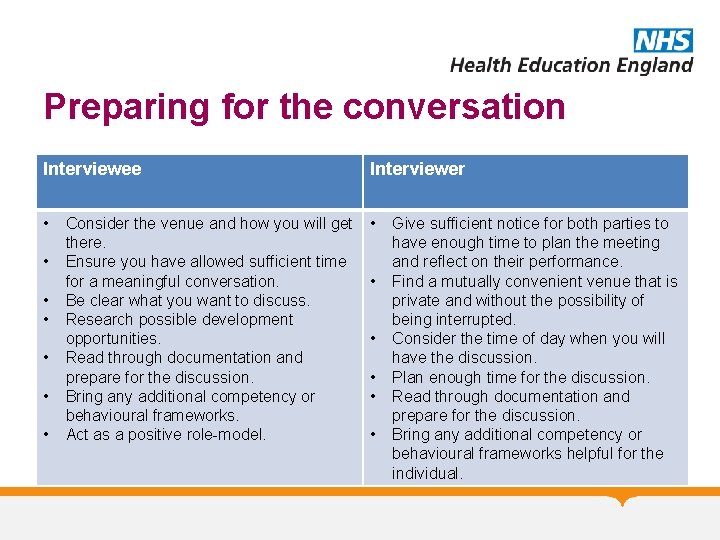
Preparing for the conversation Interviewee Interviewer • • Consider the venue and how you will get there. Ensure you have allowed sufficient time for a meaningful conversation. Be clear what you want to discuss. Research possible development opportunities. Read through documentation and prepare for the discussion. Bring any additional competency or behavioural frameworks. Act as a positive role-model. • • • Give sufficient notice for both parties to have enough time to plan the meeting and reflect on their performance. Find a mutually convenient venue that is private and without the possibility of being interrupted. Consider the time of day when you will have the discussion. Plan enough time for the discussion. Read through documentation and prepare for the discussion. Bring any additional competency or behavioural frameworks helpful for the individual.
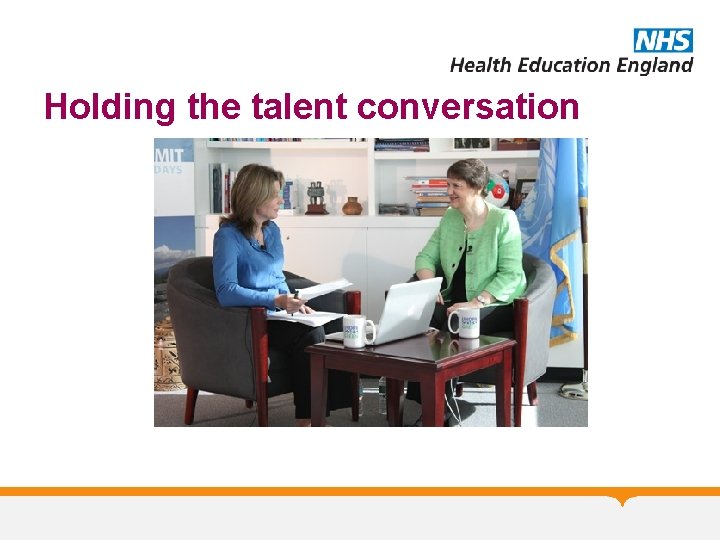
Holding the talent conversation
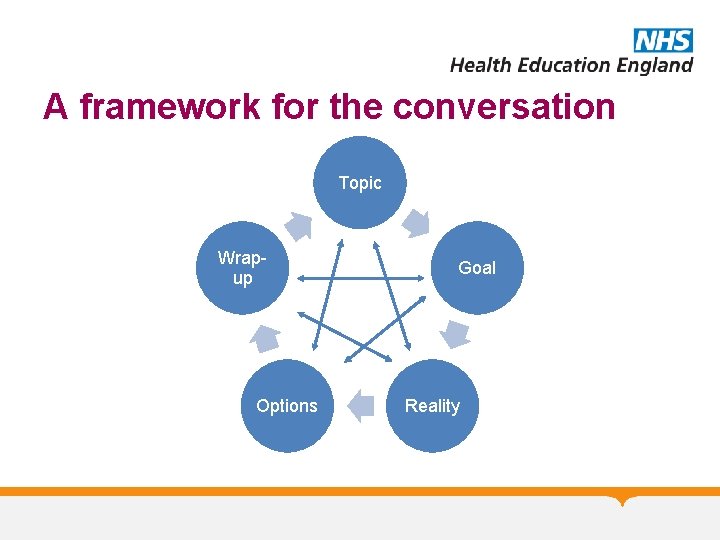
A framework for the conversation Topic Wrapup Options Goal Reality
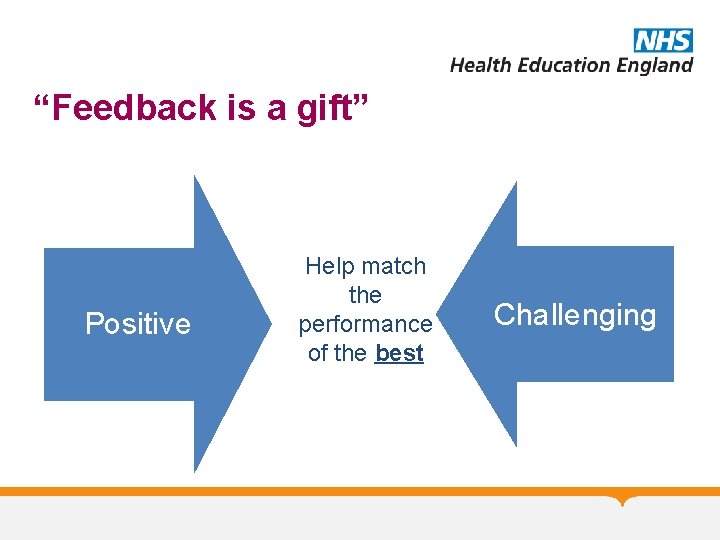
“Feedback is a gift” Positive Help match the performance of the best Challenging
Top tips for giving feedback • • Focus on behaviour, not what’s personal Be clear what you want to communicate Be specific Make clear and concrete suggestions for improvement Own your feedback – use ‘I’ rather than ‘you’ Be timely in your feedback Consider what is at stake Ensure your message has been understood in line with your intention
Concluding the conversation • Keep the momentum • Agree next steps for both parties and make sure they are recorded and shared • Ensure actions follow the SMART principles found in the toolkit • Decide when you will meet again to review progress • Thank the interviewee for their time
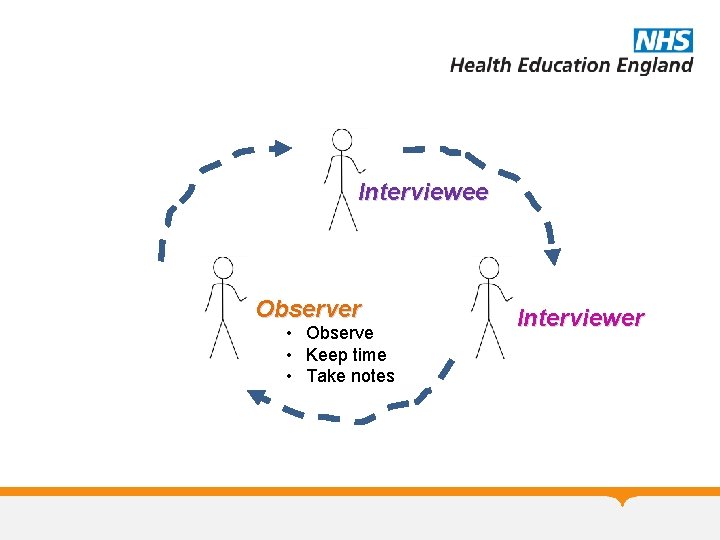
Interviewee Observer • Observe • Keep time • Take notes Interviewer

Conclusion • Talent management is about the systematic attraction, identification, development, engagement, retention and deployment of talented individuals who are of particular value to an organisation and professional practice • It takes place at a strategic and individual level • To be successful, planning is essential • Talent management provides individuals with access to the right opportunities, exposure, stretch and development to reach their potential, whether this be in their current role or for a future role.
Reflections
Next steps…. ?
Thank you.
- Slides: 34