
Taiko in Japanese Culture J Larry Stockton Taiko

- Slides: 52
Taiko in Japanese Culture J. Larry Stockton
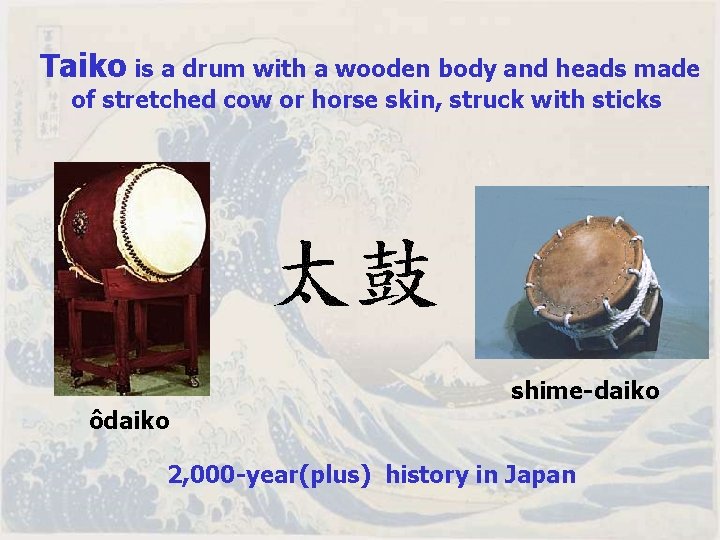
Taiko is a drum with a wooden body and heads made of stretched cow or horse skin, struck with sticks shime-daiko ôdaiko 2, 000 -year(plus) history in Japan
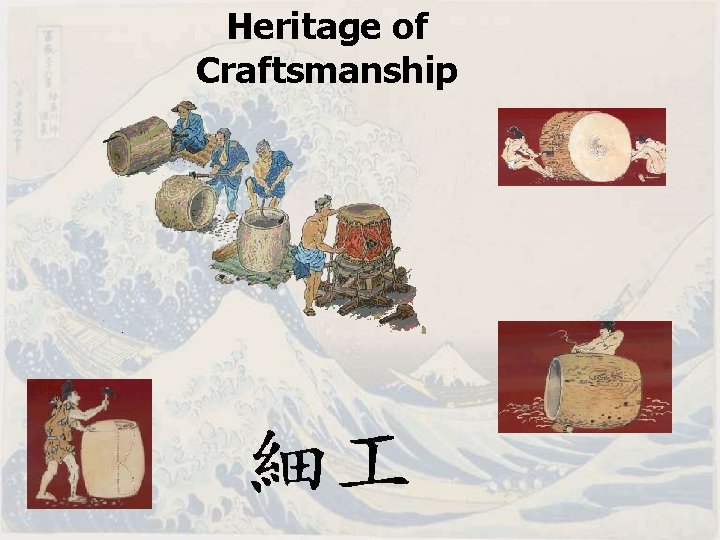
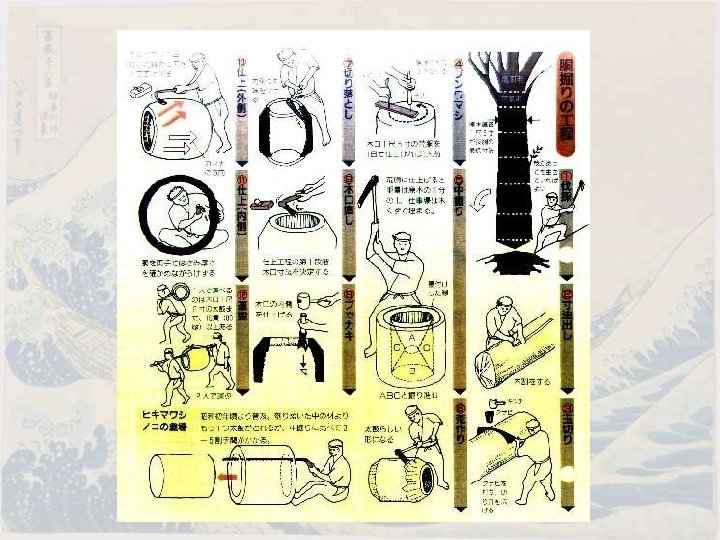
Heritage of Craftsmanship
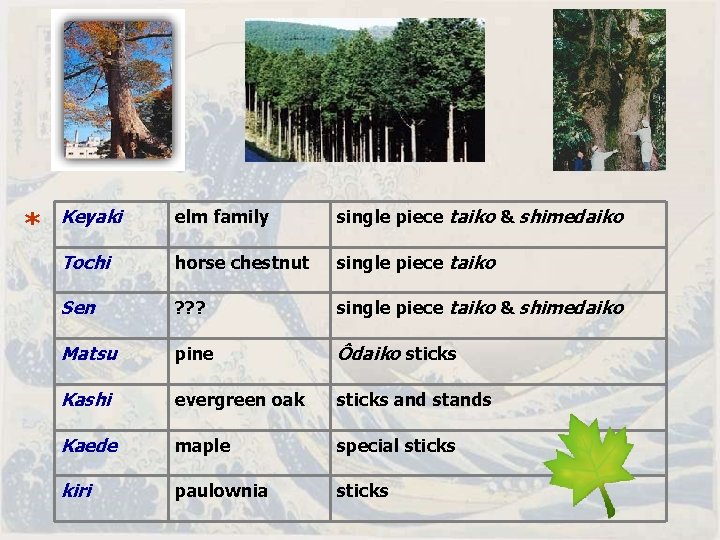
* Keyaki elm family single piece taiko & shimedaiko Tochi horse chestnut single piece taiko Sen ? ? ? single piece taiko & shimedaiko Matsu pine Ôdaiko sticks Kashi evergreen oak sticks and stands Kaede maple special sticks kiri paulownia sticks
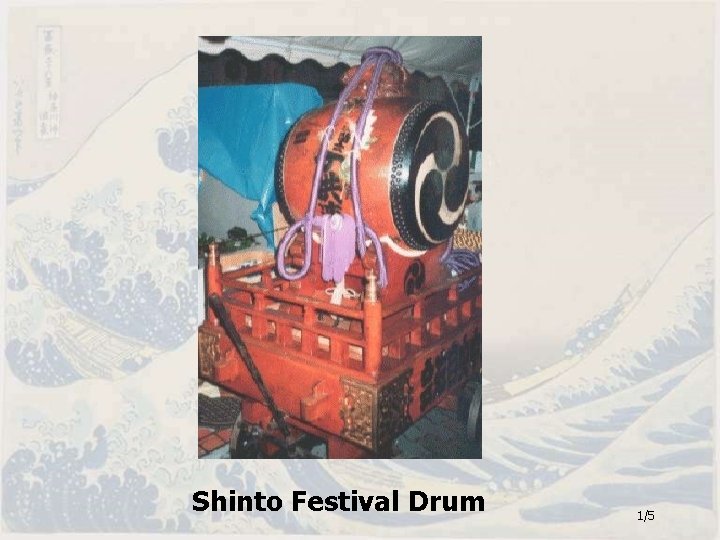
Shinto Festival Drum 1/5
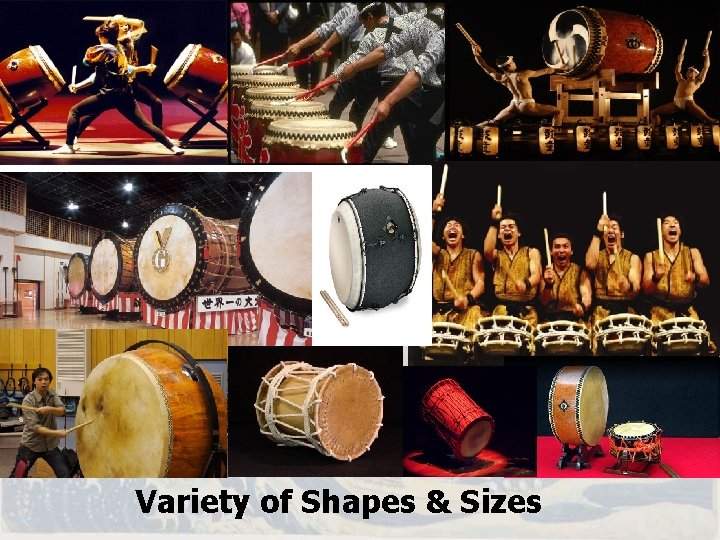
Variety of Shapes & Sizes
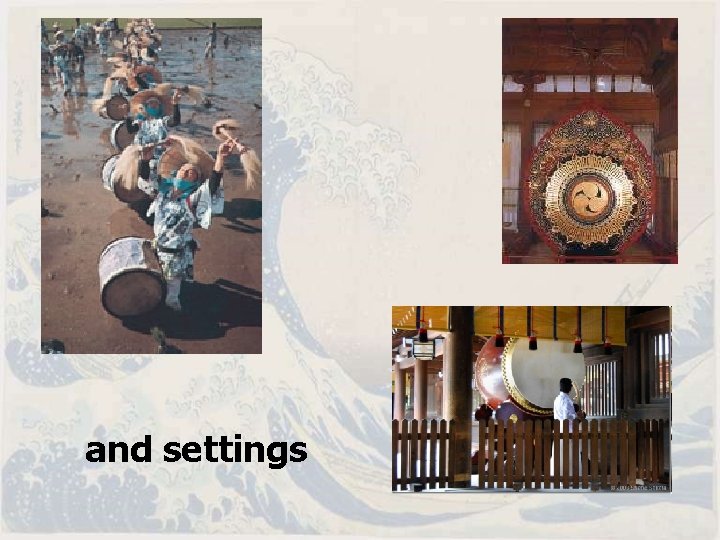
and settings
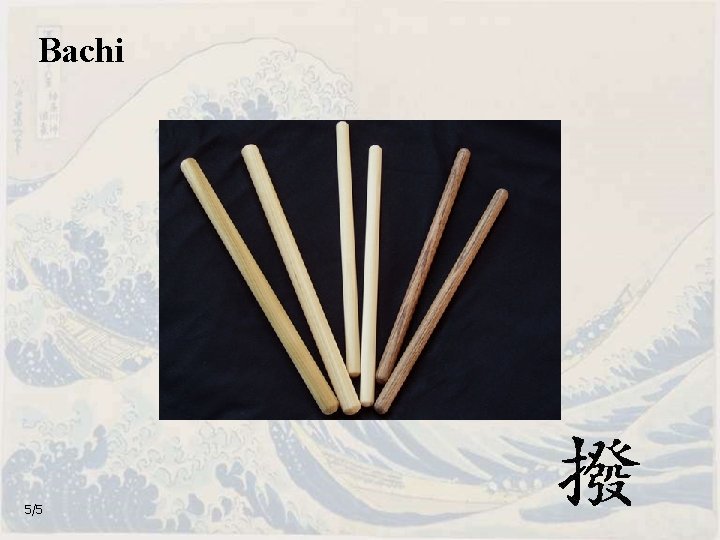
Bachi 5/5
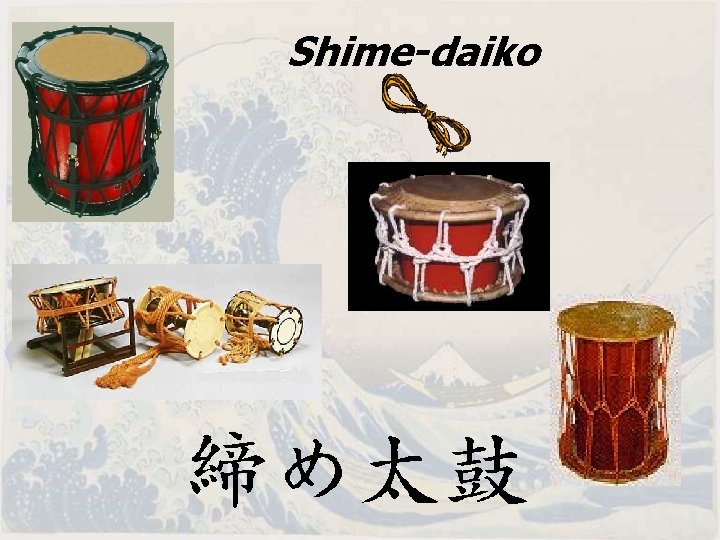
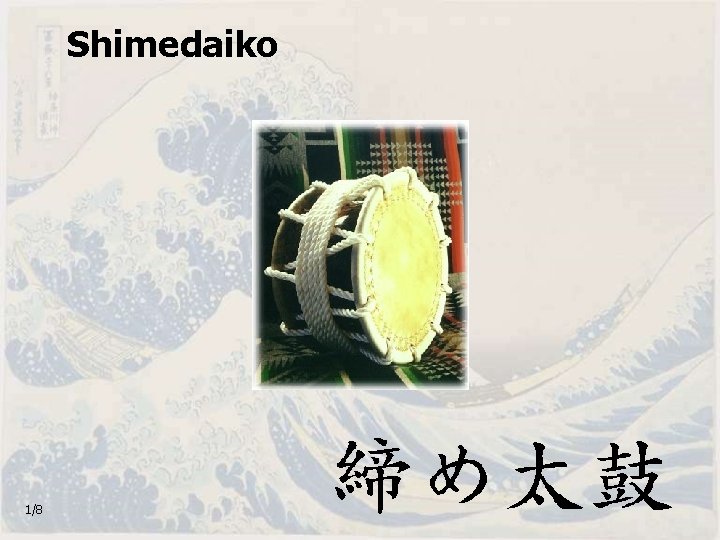
Shime-daiko
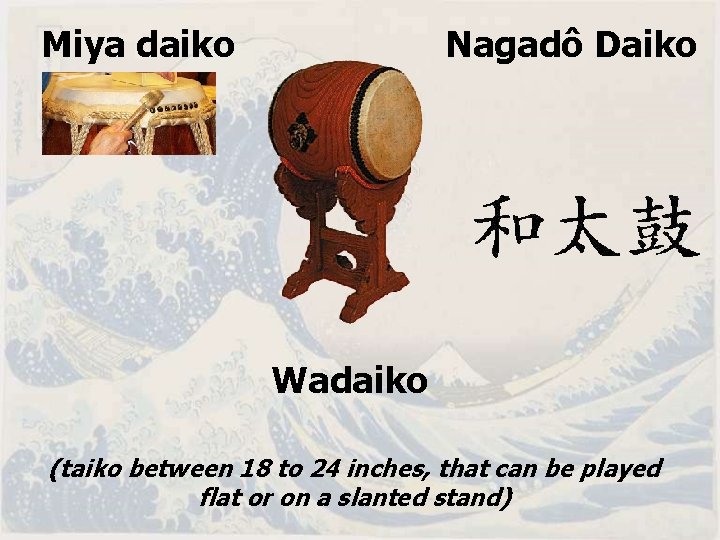
Miya daiko Nagadô Daiko Wadaiko (taiko between 18 to 24 inches, that can be played flat or on a slanted stand)
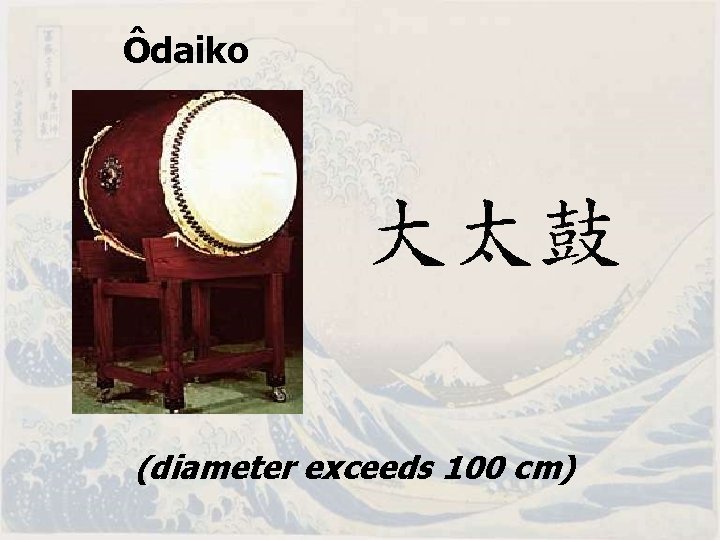
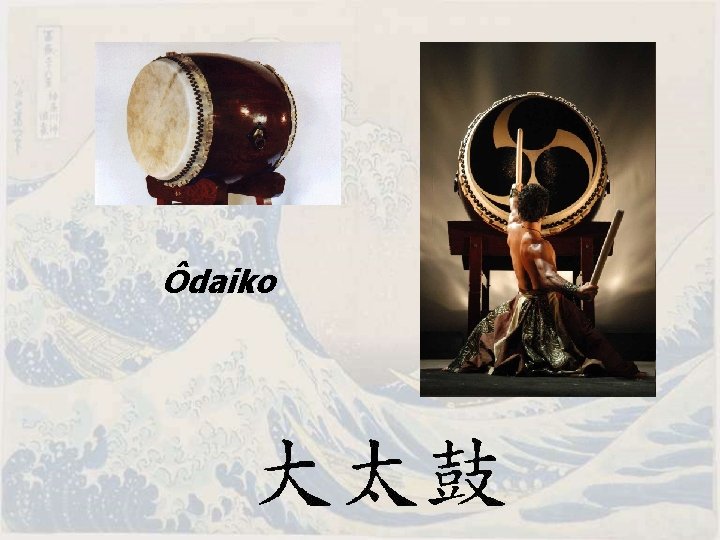
Ôdaiko (diameter exceeds 100 cm)
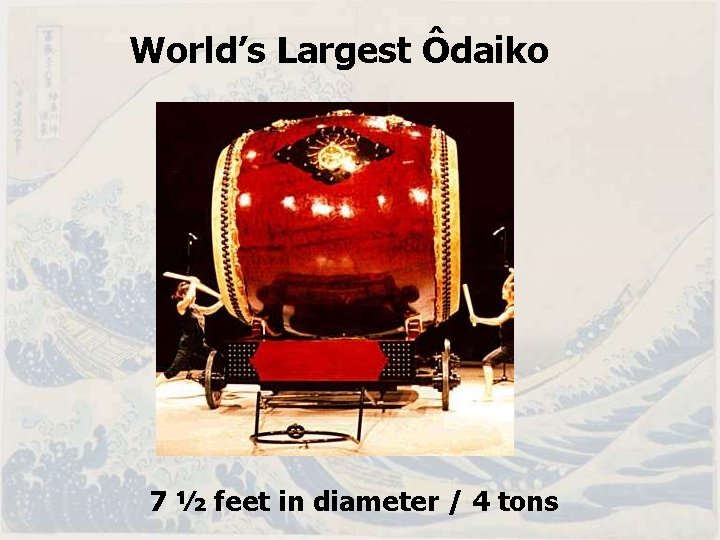
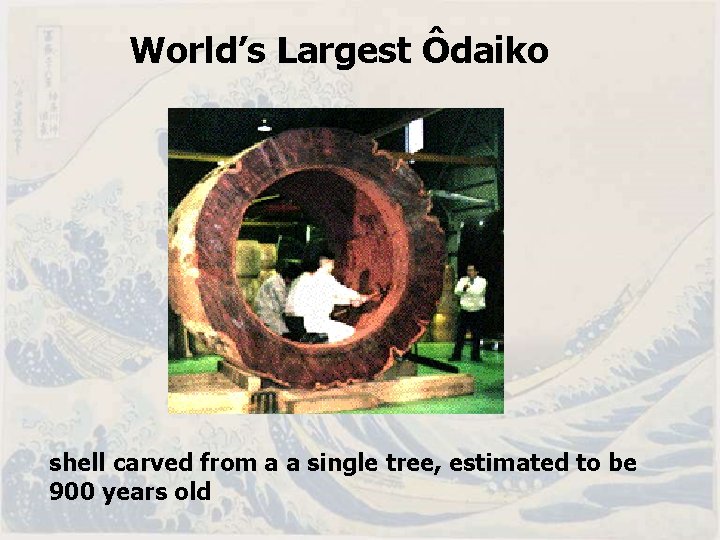
World’s Largest Ôdaiko 7 ½ feet in diameter / 4 tons
World’s Largest Ôdaiko shell carved from a a single tree, estimated to be 900 years old
Taiko in Cultural Context
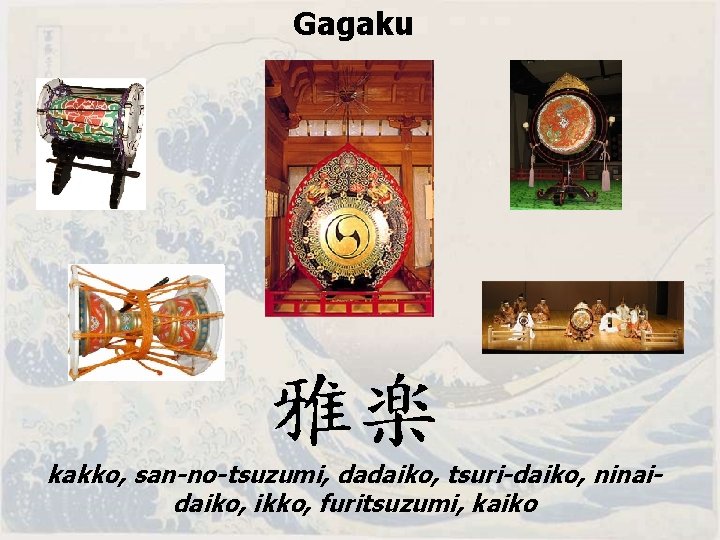
Gagaku kakko, san-no-tsuzumi, dadaiko, tsuri-daiko, ninaidaiko, ikko, furitsuzumi, kaiko
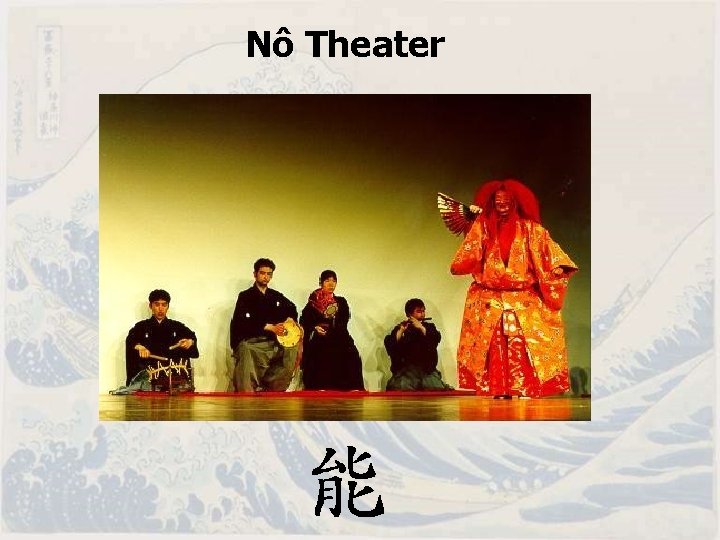
Nô Theater
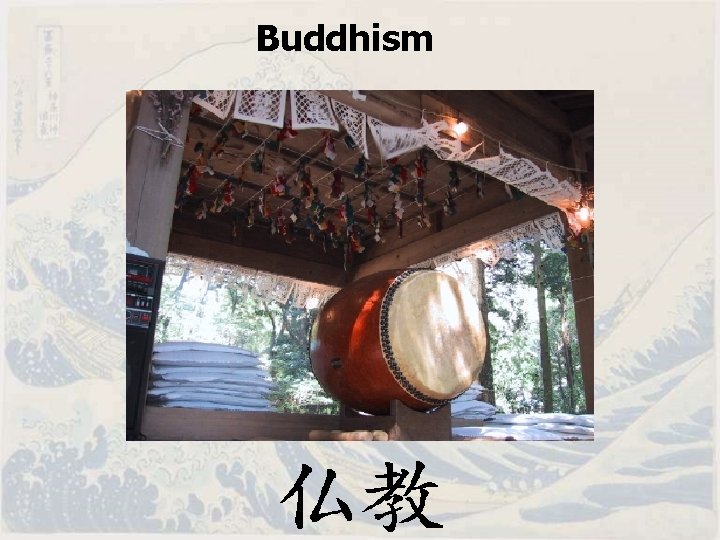
Buddhism
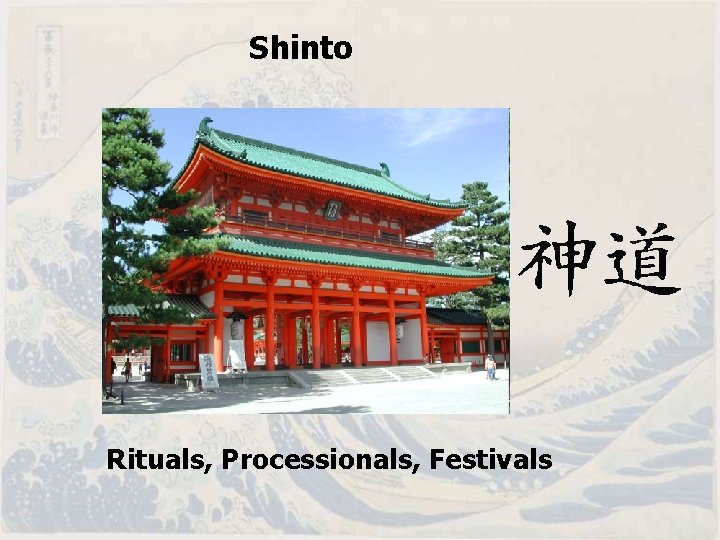
Shinto Rituals, Processionals, Festivals
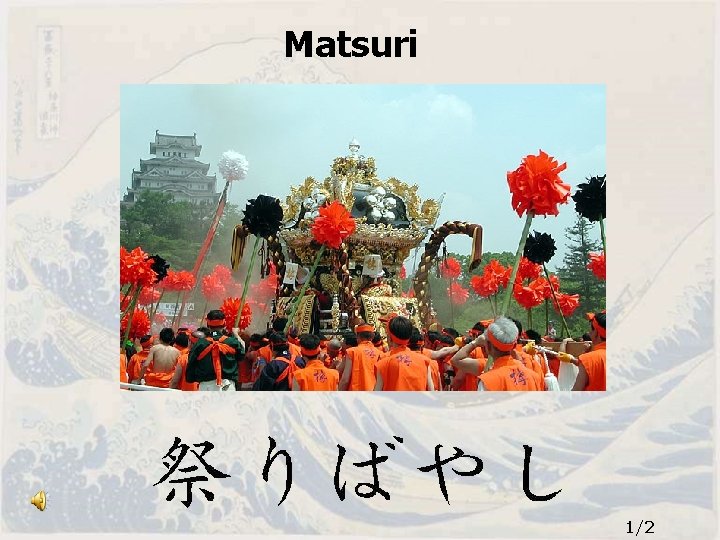
Matsuri 1/2
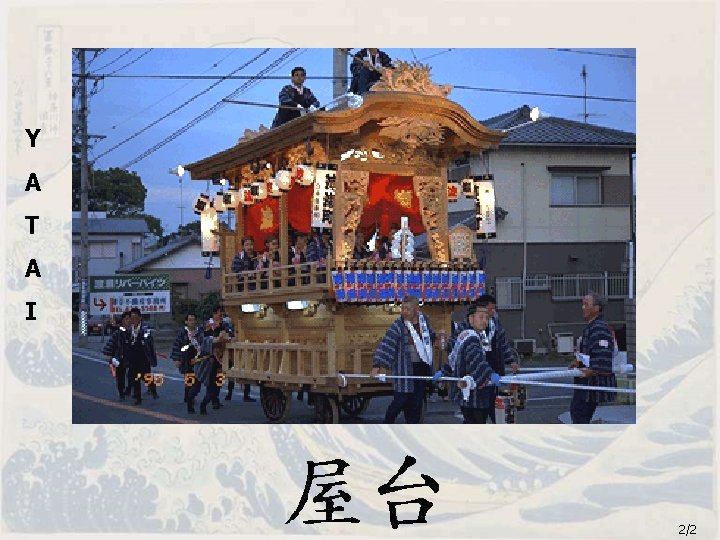
Y A T A I 2/2
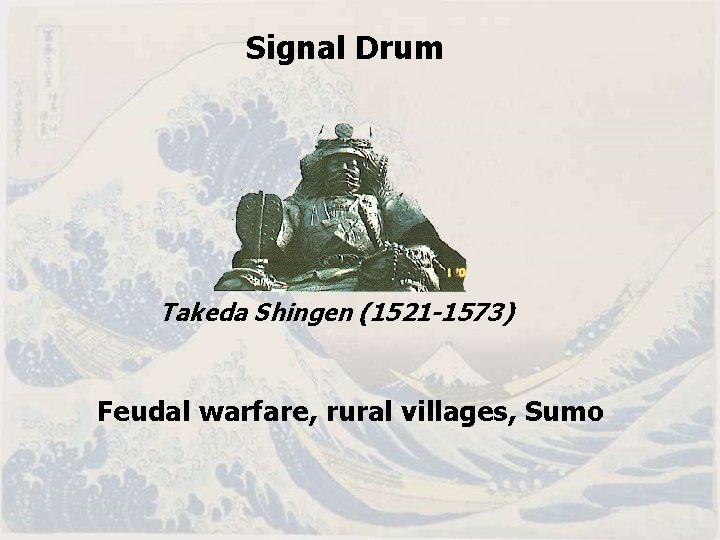
Signal Drum Takeda Shingen (1521 -1573) Feudal warfare, rural villages, Sumo
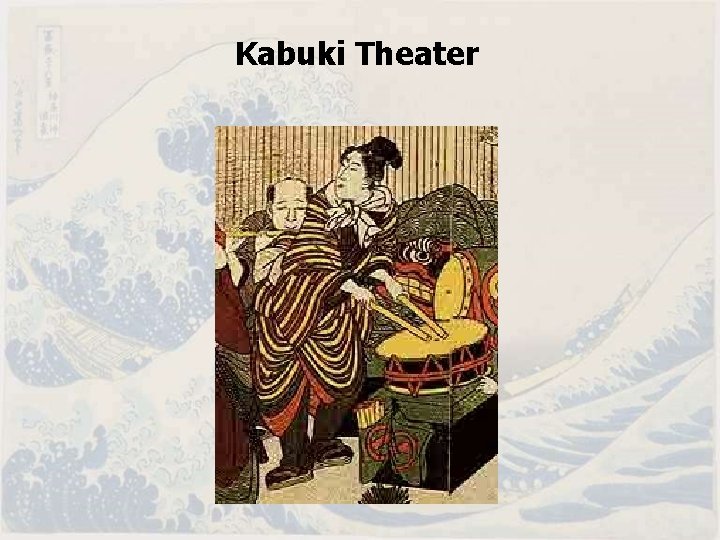
Kabuki Theater
Kumidaiko
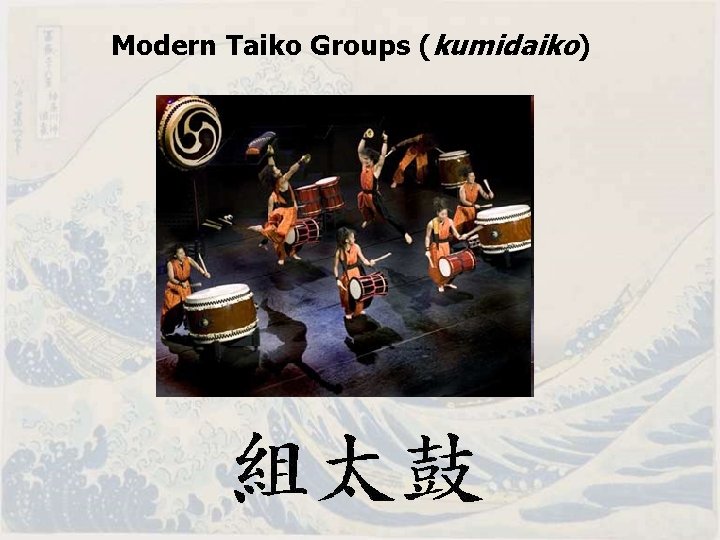
Modern Taiko Groups (kumidaiko)
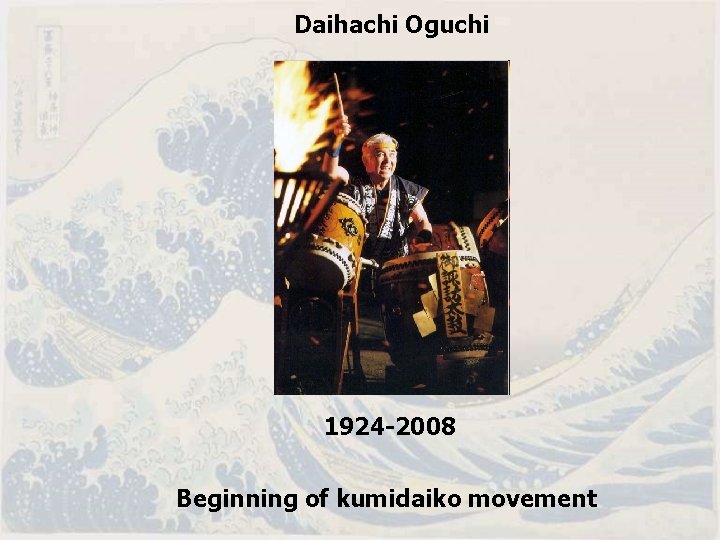
Daihachi Oguchi 1924 -2008 Beginning of kumidaiko movement
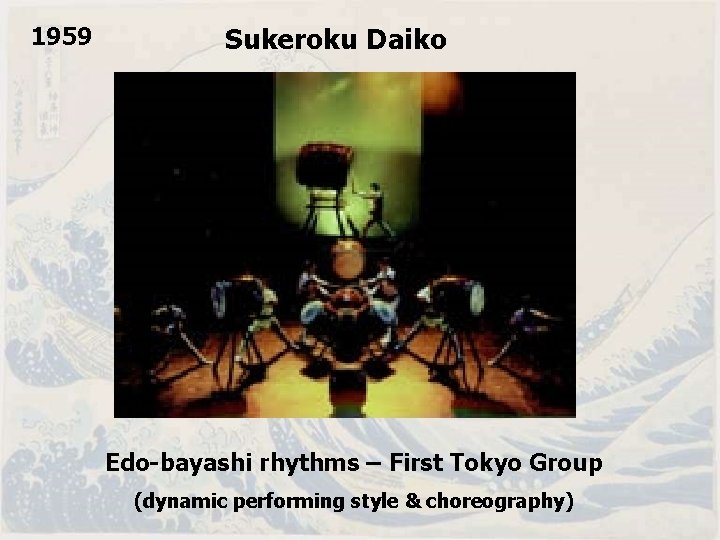
1959 Sukeroku Daiko Edo-bayashi rhythms – First Tokyo Group (dynamic performing style & choreography)
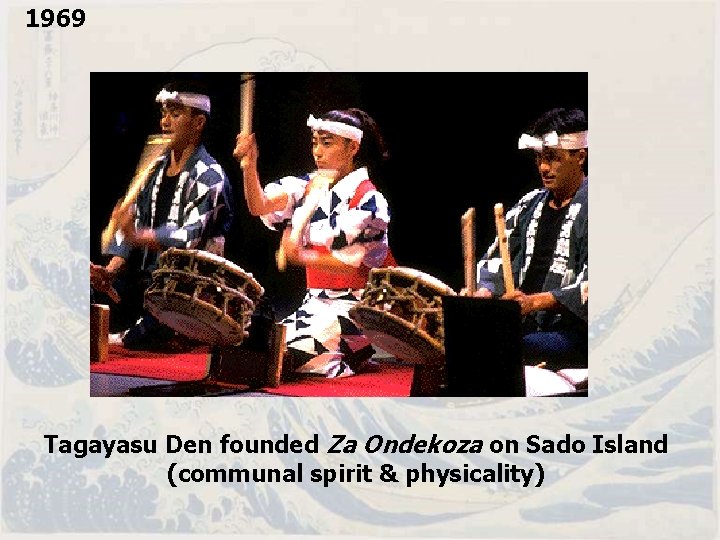
1969 Tagayasu Den founded Za Ondekoza on Sado Island (communal spirit & physicality)
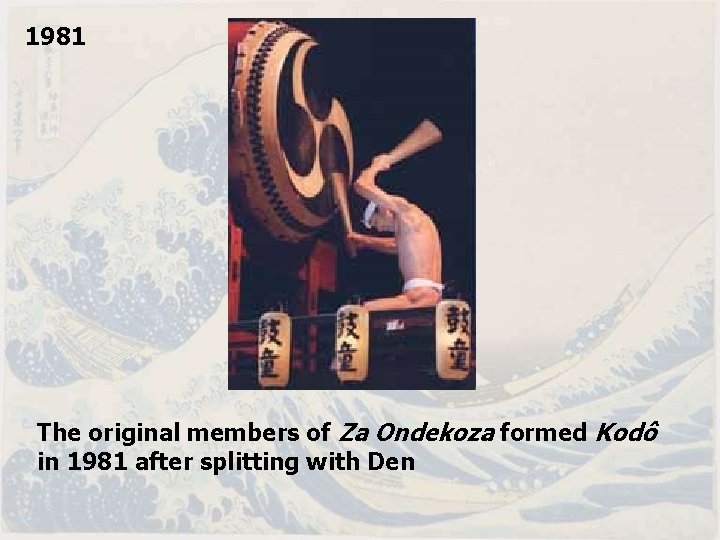
1981 The original members of Za Ondekoza formed Kodô in 1981 after splitting with Den
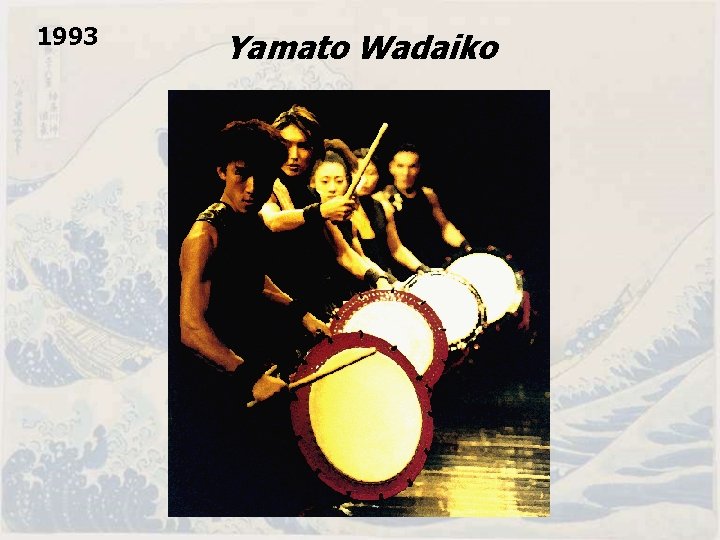
1993 Yamato Wadaiko
Aesthetic Concepts
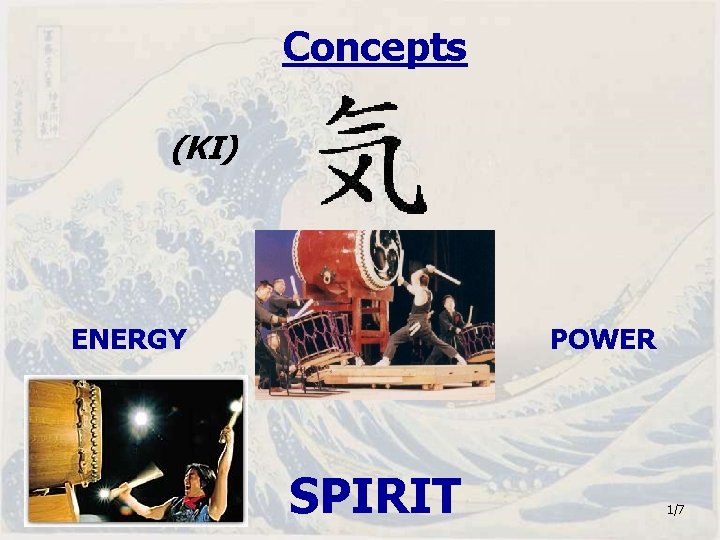
Concepts (KI) ENERGY POWER SPIRIT 1/7
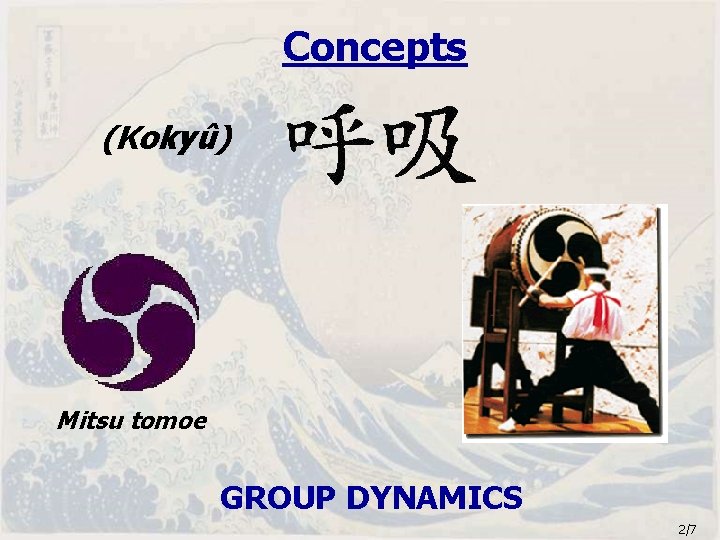
Concepts (Kokyû) Mitsu tomoe GROUP DYNAMICS 2/7
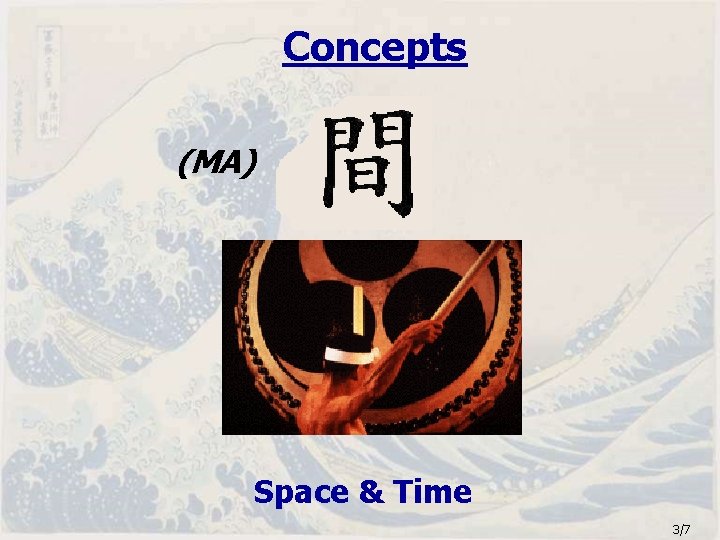
Concepts (MA) Space & Time 3/7
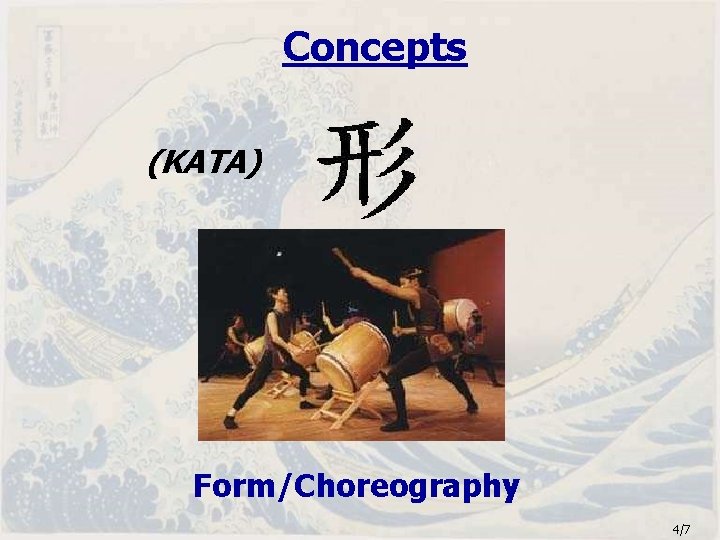
Concepts (KATA) Form/Choreography 4/7
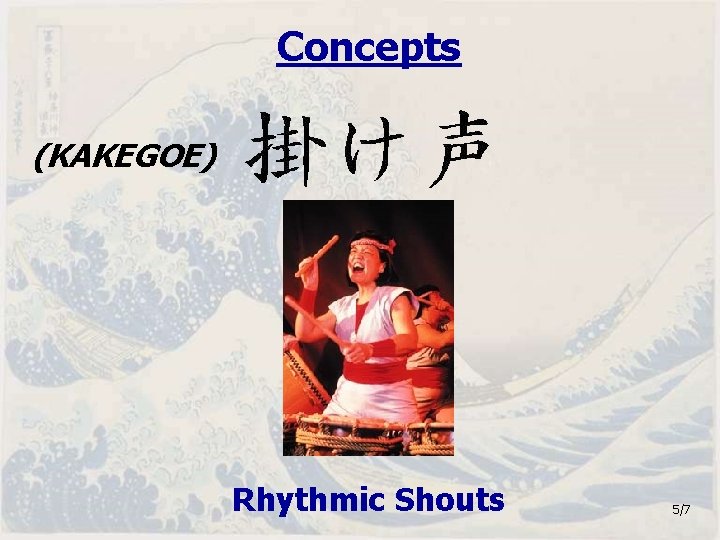
Concepts (KAKEGOE) Rhythmic Shouts 5/7
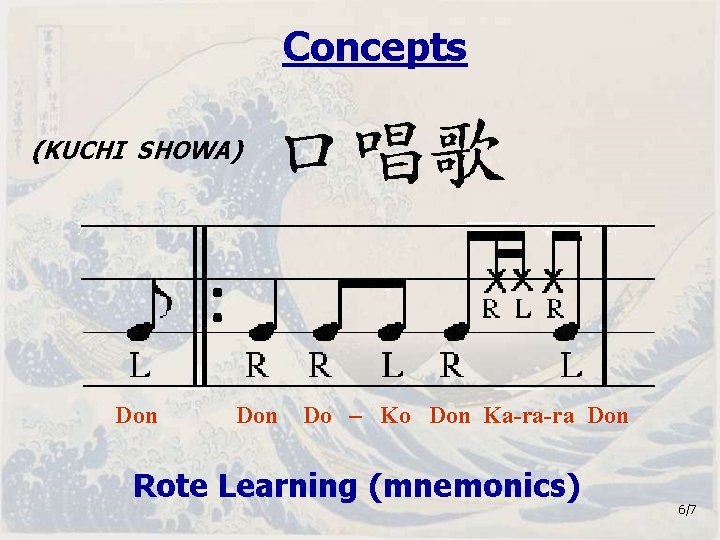
Concepts (KUCHI SHOWA) Don Do – Ko Don Ka-ra-ra Don Rote Learning (mnemonics) 6/7
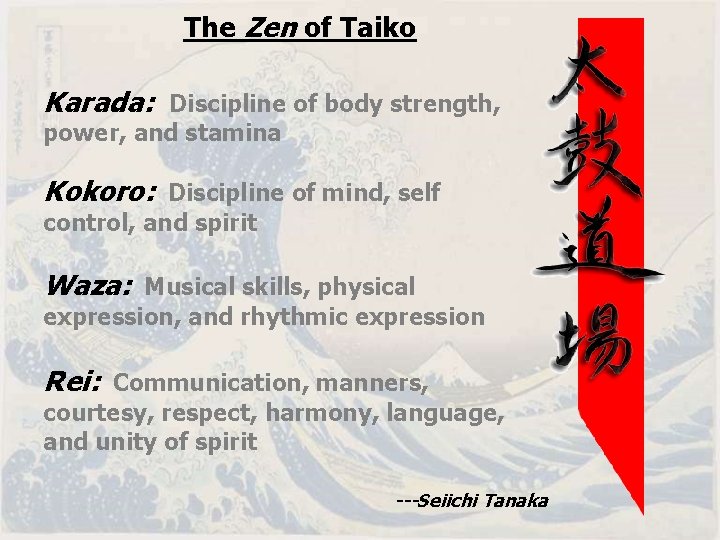
The Zen of Taiko Karada: Discipline of body strength, power, and stamina Kokoro: Discipline of mind, self control, and spirit Waza: Musical skills, physical expression, and rhythmic expression Rei: Communication, manners, courtesy, respect, harmony, language, and unity of spirit ---Seiichi Tanaka
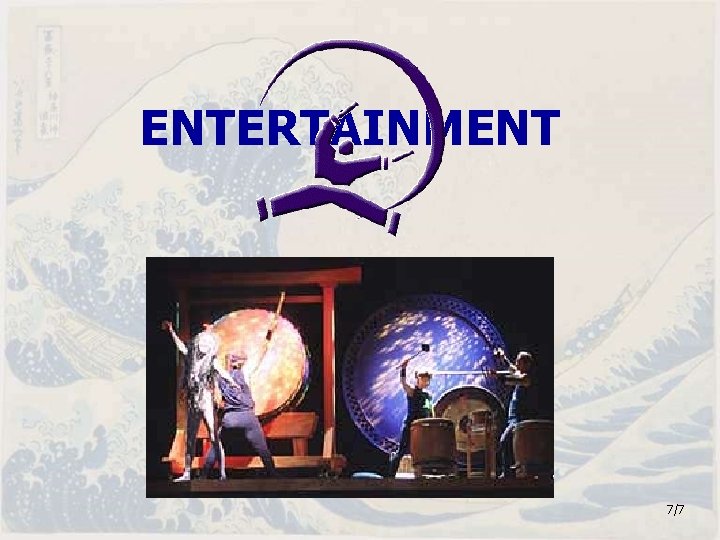
ENTERTAINMENT 7/7
Instruments in Kumidaiko
Ôdaiko
Shimedaiko 1/8
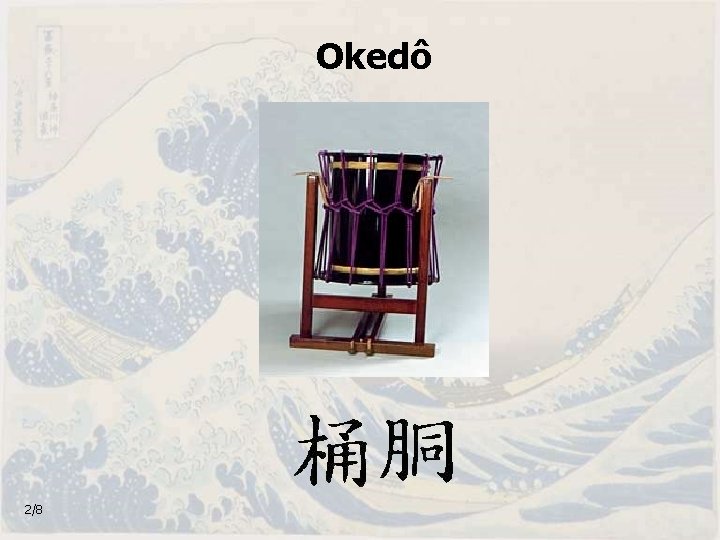
Okedô 2/8
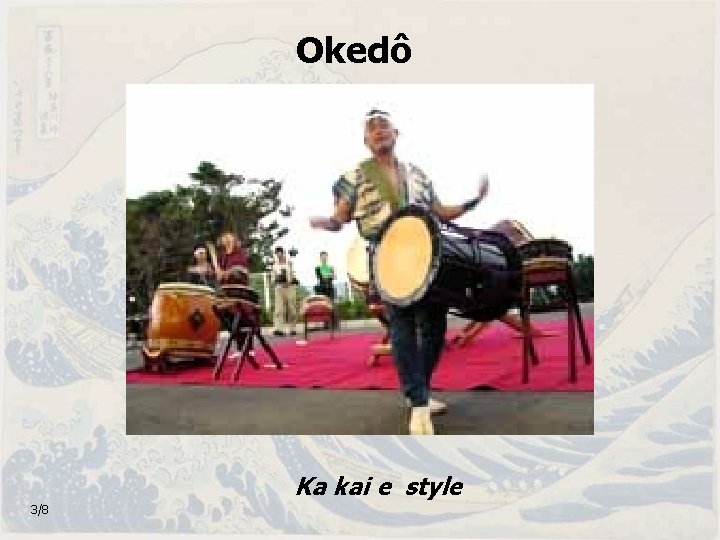
Okedô Ka kai e style 3/8
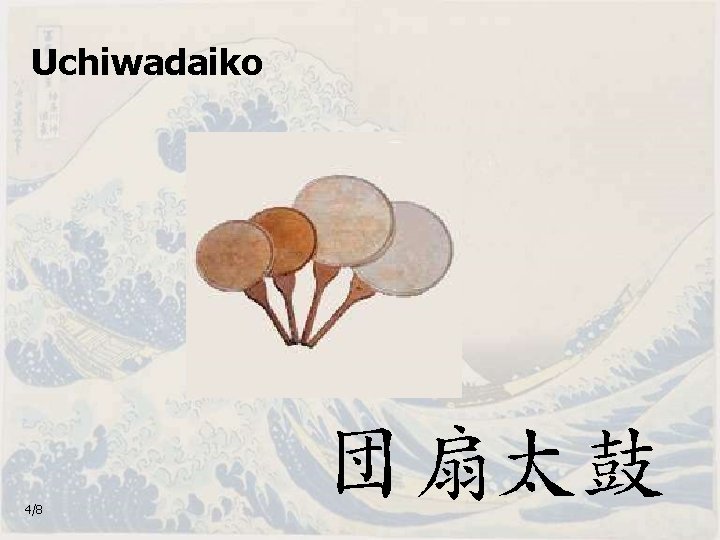
Uchiwadaiko 4/8
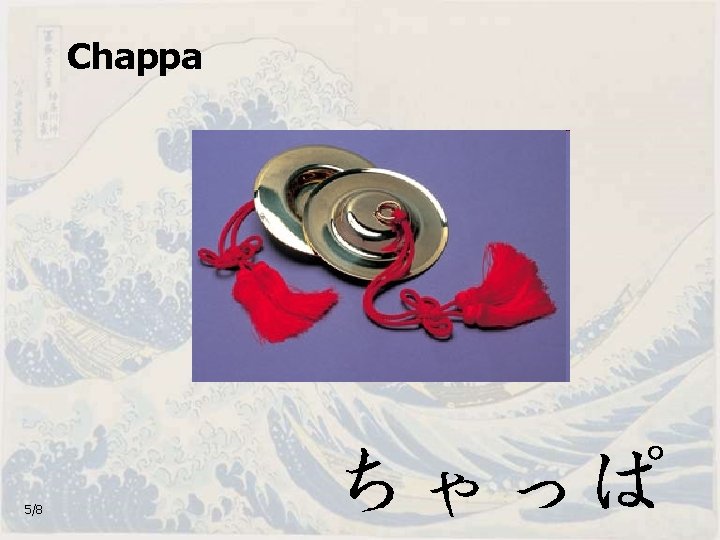
Chappa 5/8
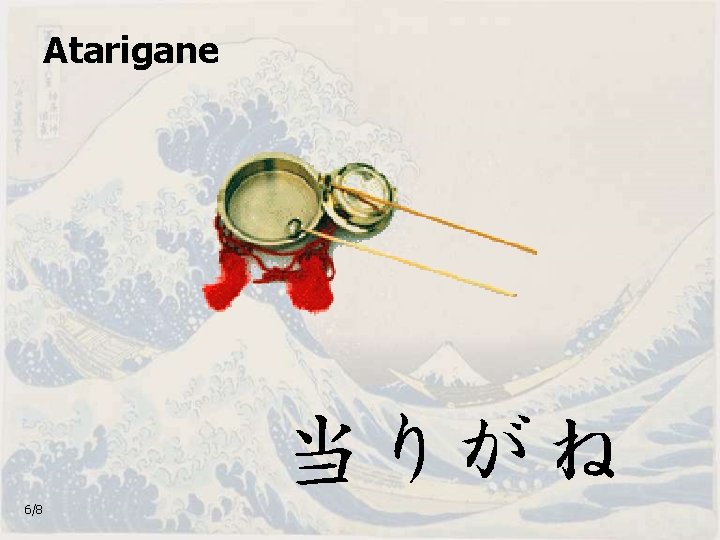
Atarigane 6/8
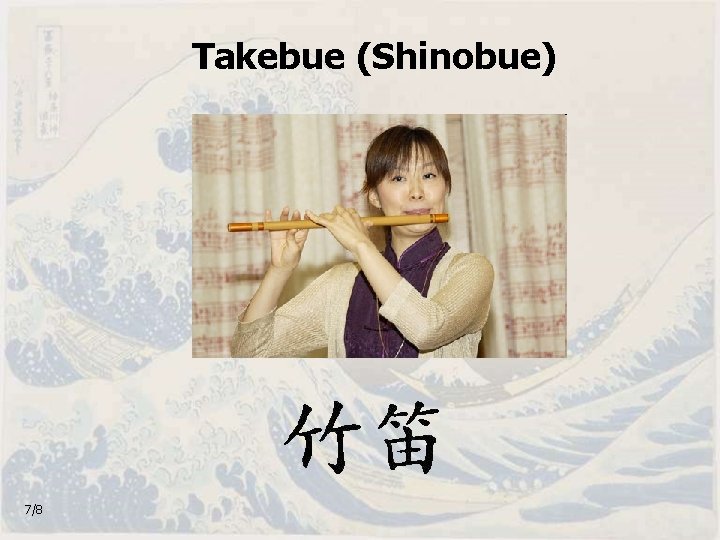
Takebue (Shinobue) 7/8
(Rakuen) Paradise !!!
The End