
T 2 DM EXERCISE PROGRAMMES Pulse Specific Needs




- Slides: 30
T 2 DM EXERCISE PROGRAMMES (Pulse Specific Needs ) para añadir texto Agustín Meléndez-Ortega Ph. D.
INTRODUCTION Definition and prevalence T 1 DM - T 2 DM Aims of the exercise programme Organizational preconditions Demands for qualification of instructors Evaluation measures Learning outcomes
DEFINITION and PREVALENCE Pulse para añadir texto
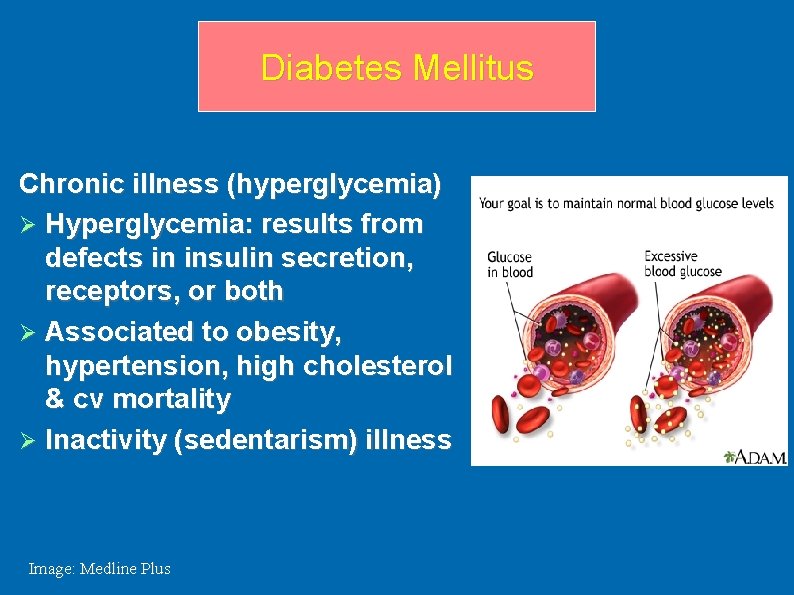
Diabetes Mellitus Chronic illness (hyperglycemia) Hyperglycemia: results from defects in insulin secretion, receptors, or both Associated to obesity, hypertension, high cholesterol & cv mortality Inactivity (sedentarism) illness Image: Medline Plus
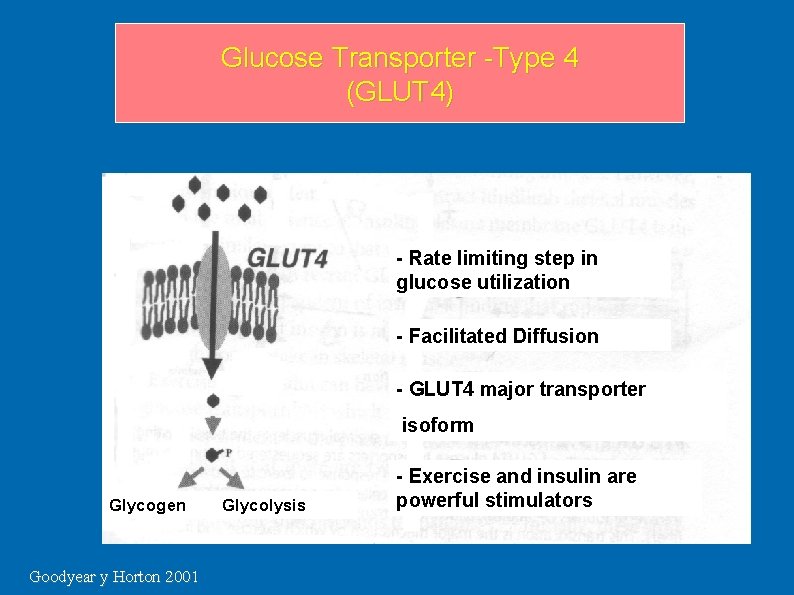
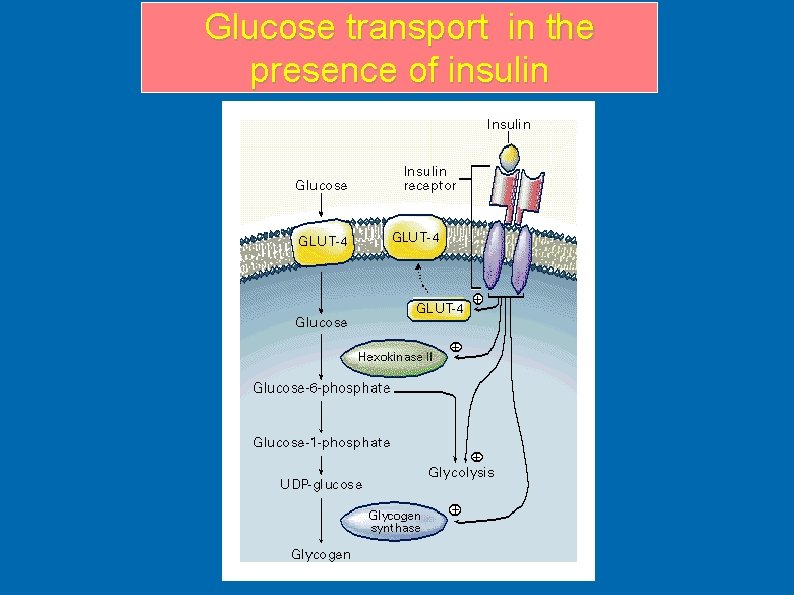
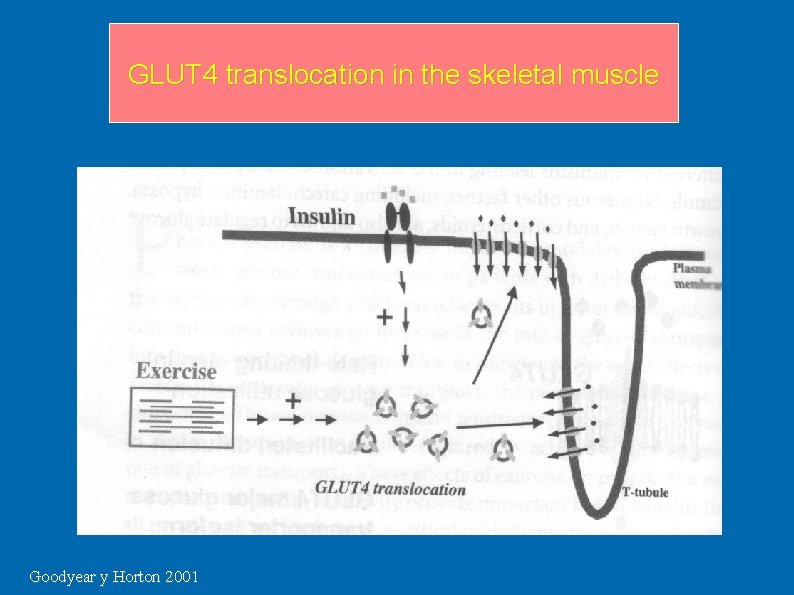
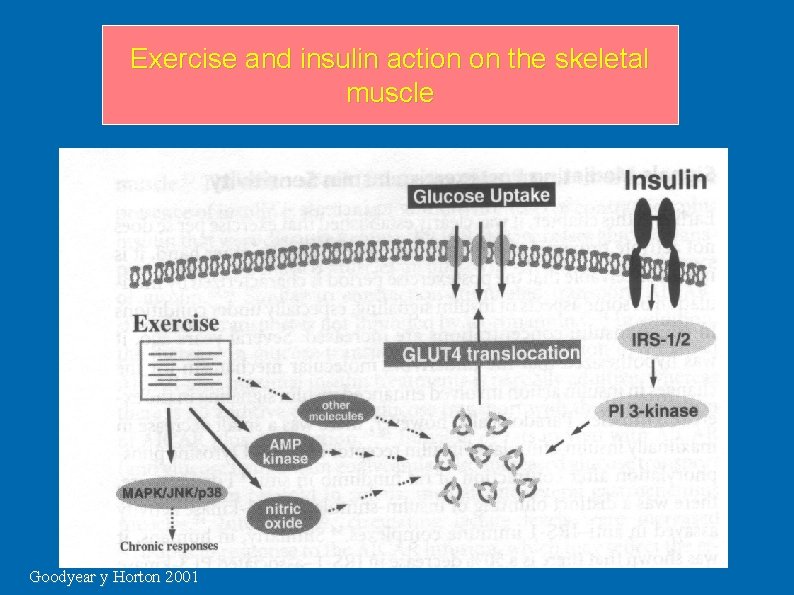
Glucose Transporter -Type 4 (GLUT 4) - Rate limiting step in glucose utilization - Facilitated Diffusion - GLUT 4 major transporter isoform Glycogen Goodyear y Horton 2001 Glycolysis - Exercise and insulin are powerful stimulators
Glucose transport in the presence of insulin
GLUT 4 translocation in the skeletal muscle Goodyear y Horton 2001
Exercise and insulin action on the skeletal muscle Goodyear y Horton 2001
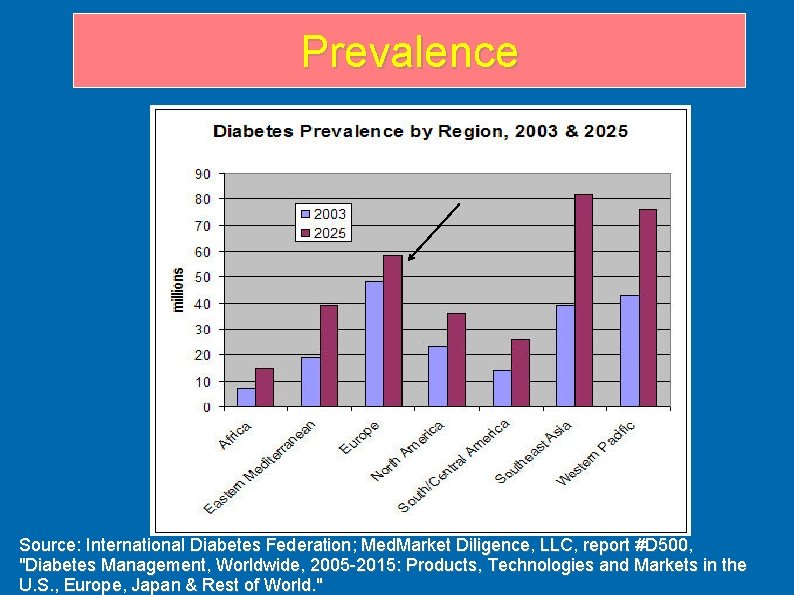
Prevalence Source: International Diabetes Federation; Med. Market Diligence, LLC, report #D 500, "Diabetes Management, Worldwide, 2005 -2015: Products, Technologies and Markets in the U. S. , Europe, Japan & Rest of World. "
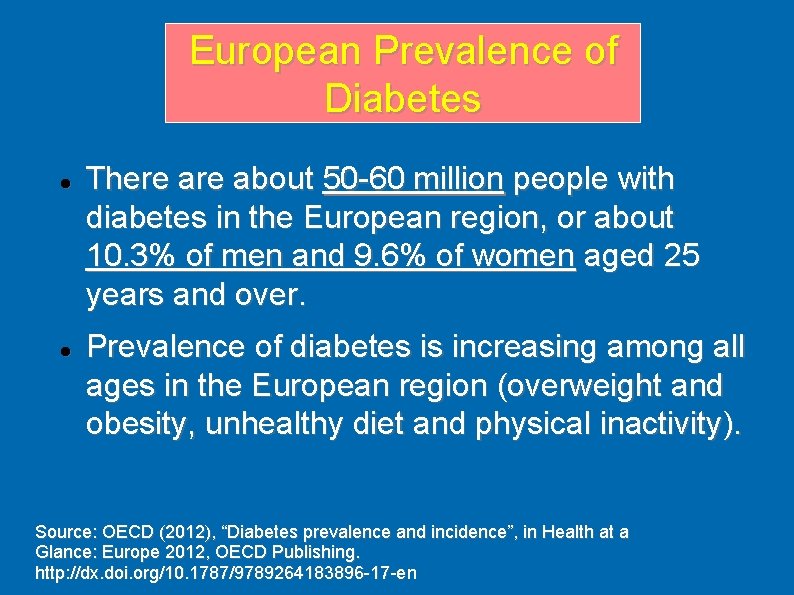
European Prevalence of Diabetes There about 50 -60 million people with diabetes in the European region, or about 10. 3% of men and 9. 6% of women aged 25 years and over. Prevalence of diabetes is increasing among all ages in the European region (overweight and obesity, unhealthy diet and physical inactivity). Source: OECD (2012), “Diabetes prevalence and incidence”, in Health at a Glance: Europe 2012, OECD Publishing. http: //dx. doi. org/10. 1787/9789264183896 -17 -en
AIMS of the EXERCISE PROGRAMME Pulse para añadir texto
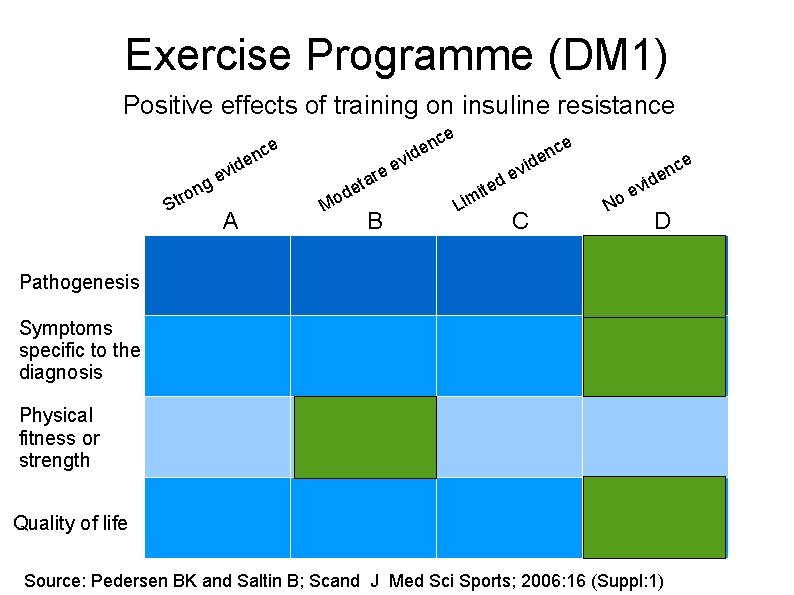
Exercise Programme (DM 1) Positive effects of training on insuline resistance ce vid e g ron St A ce n e en d i v ce en e e r a t M e od B d Li te mi ce n e id ev C N vid e o D Pathogenesis Symptoms specific to the diagnosis Physical fitness or strength Quality of life Source: Pedersen BK and Saltin B; Scand J Med Sci Sports; 2006: 16 (Suppl: 1)
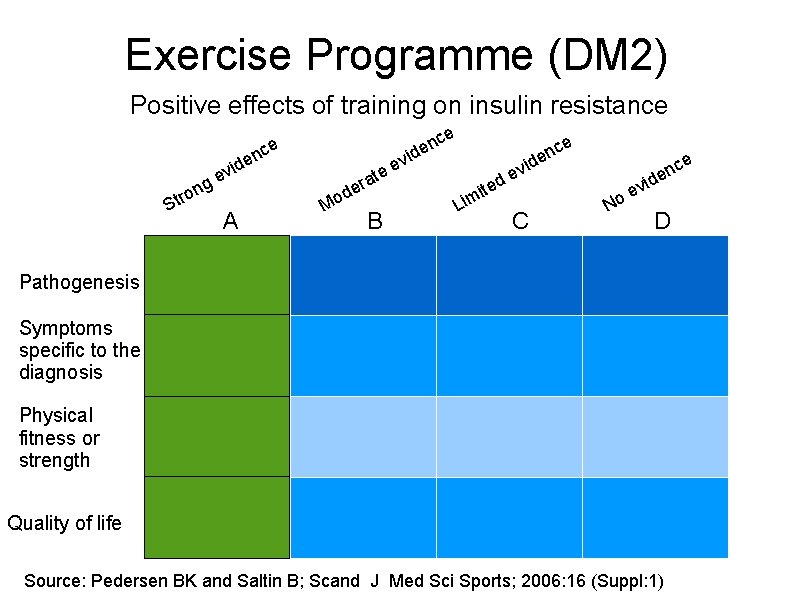
Exercise Programme (DM 2) Positive effects of training on insulin resistance ce vid e g ron St A ce n e en d i v ce en e e t a r M e od B d Li te mi ce n e id ev C N vid e o D Pathogenesis Symptoms specific to the diagnosis Physical fitness or strength Quality of life Source: Pedersen BK and Saltin B; Scand J Med Sci Sports; 2006: 16 (Suppl: 1)
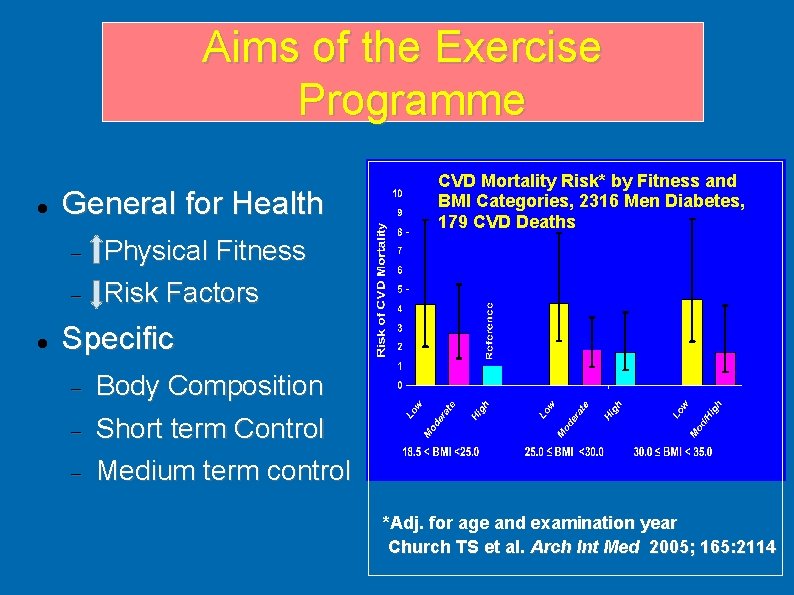
Aims of the Exercise Programme General for Health CVD Mortality Risk* by Fitness and BMI Categories, 2316 Men Diabetes, 179 CVD Deaths Physical Fitness Risk Factors Specific Body Composition Short term Control Medium term control *Adj. for age and examination year Church TS et al. Arch Int Med 2005; 165: 2114
ORGANIZATIONAL PRECONDITIONS Scenarios (Time with the disease) T 2 DM < 2 years T 2 DM 2 -5 years T 2 DM > 5 years Elderly (> 65) T 2 DM CV Fitness < pred. VO 2 max > pred. VO 2 max Body composition > BMI 30 < BMI 30 Source: Modified from Praet, SF y Van Loon, LJ. ; J. Appl Phys 103: 1113 -1120, 2007.
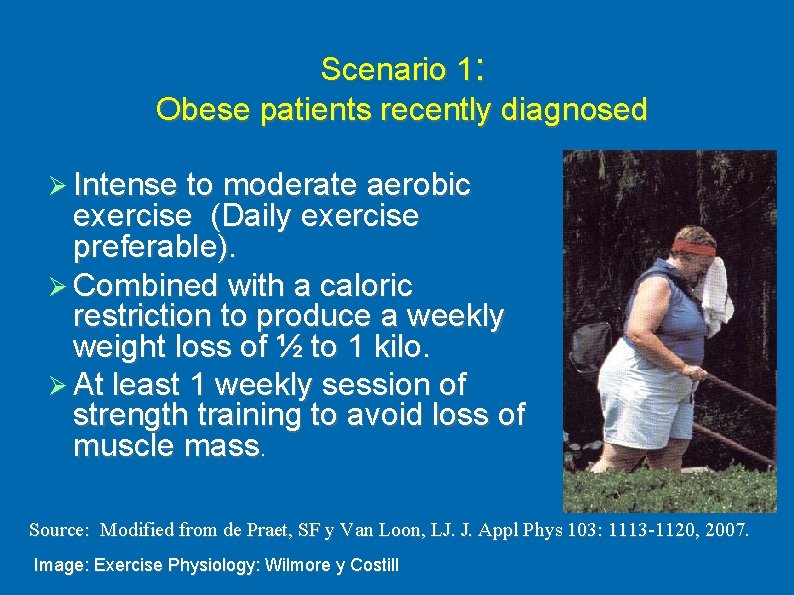
Scenario 1: Obese patients recently diagnosed Intense to moderate aerobic exercise (Daily exercise preferable). Combined with a caloric restriction to produce a weekly weight loss of ½ to 1 kilo. At least 1 weekly session of strength training to avoid loss of muscle mass. Source: Modified from de Praet, SF y Van Loon, LJ. J. Appl Phys 103: 1113 -1120, 2007. Image: Exercise Physiology: Wilmore y Costill
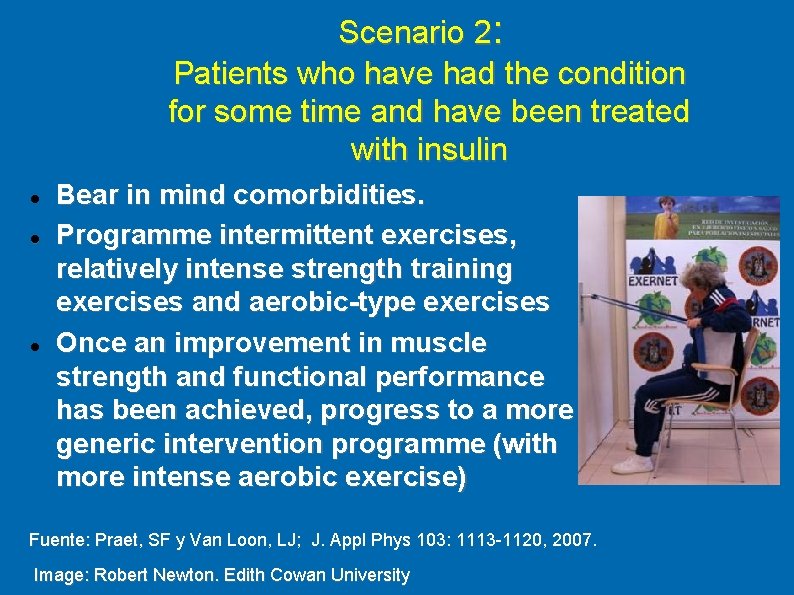
Scenario 2: Patients who have had the condition for some time and have been treated with insulin Bear in mind comorbidities. Programme intermittent exercises, relatively intense strength training exercises and aerobic-type exercises Once an improvement in muscle strength and functional performance has been achieved, progress to a more generic intervention programme (with more intense aerobic exercise) Fuente: Praet, SF y Van Loon, LJ; J. Appl Phys 103: 1113 -1120, 2007. Image: Robert Newton. Edith Cowan University
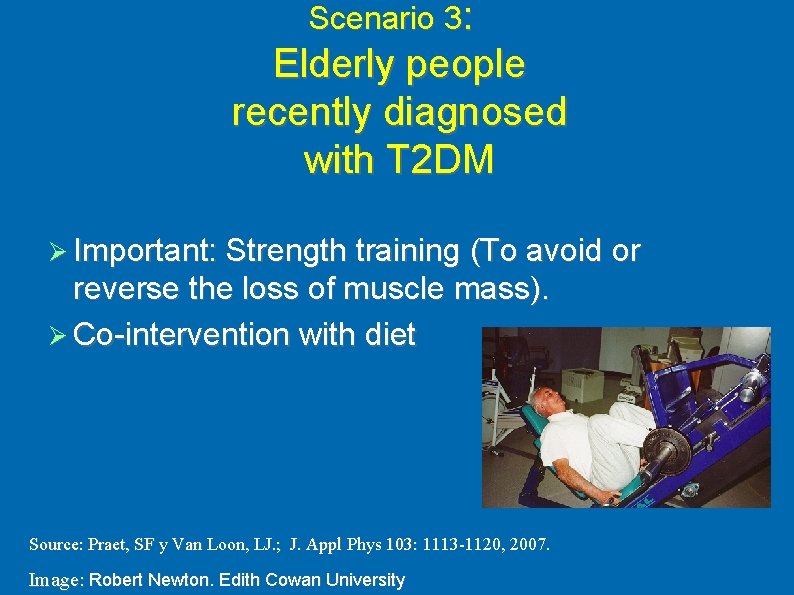
Scenario 3: Elderly people recently diagnosed with T 2 DM Important: Strength training (To avoid or reverse the loss of muscle mass). Co-intervention with diet Source: Praet, SF y Van Loon, LJ. ; J. Appl Phys 103: 1113 -1120, 2007. Image: Robert Newton. Edith Cowan University
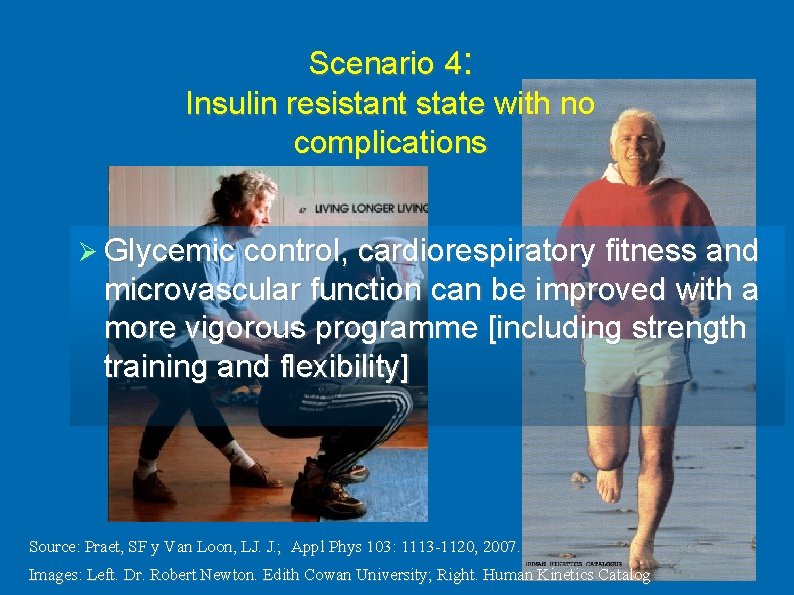
Scenario 4: Insulin resistant state with no complications Glycemic control, cardiorespiratory fitness and microvascular function can be improved with a more vigorous programme [including strength training and flexibility] Source: Praet, SF y Van Loon, LJ. J. ; Appl Phys 103: 1113 -1120, 2007. Images: Left. Dr. Robert Newton. Edith Cowan University; Right. Human Kinetics Catalog
DEMANDS for QUALIFICATION ofañadir the texto Pulse para INSTRUCTORS
Demands for Qualification of the Instructors General Exercise Programmes (See Capacity Building-Active Age) Diabetic specific and risk factors Management of hyper and hypoglycemia Avoidance of complication for comorbidities Adaptation for contraindications
Demands for Qualification of the Instructors Programming Complications (Comorbidities)
Programming Bear in mind that subjects are usually sedentary, with high blood pressure and cholesterol and overweight or obese, possible contraindications. Comorbidities Physical Fitness Body composition Treatment Orthopedic limitations (e. g. feet…),
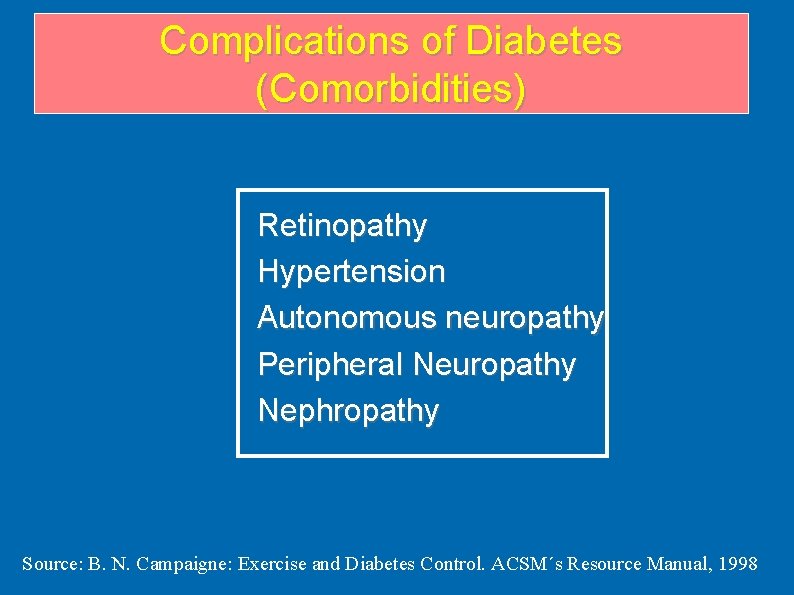
Complications of Diabetes (Comorbidities) Retinopathy Hypertension Autonomous neuropathy Peripheral Neuropathy Nephropathy Source: B. N. Campaigne: Exercise and Diabetes Control. ACSM´s Resource Manual, 1998
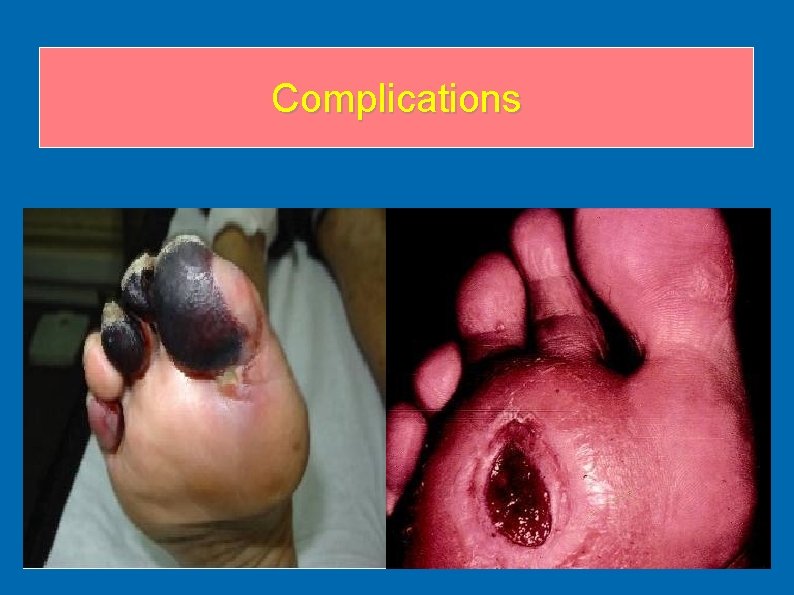
Complications
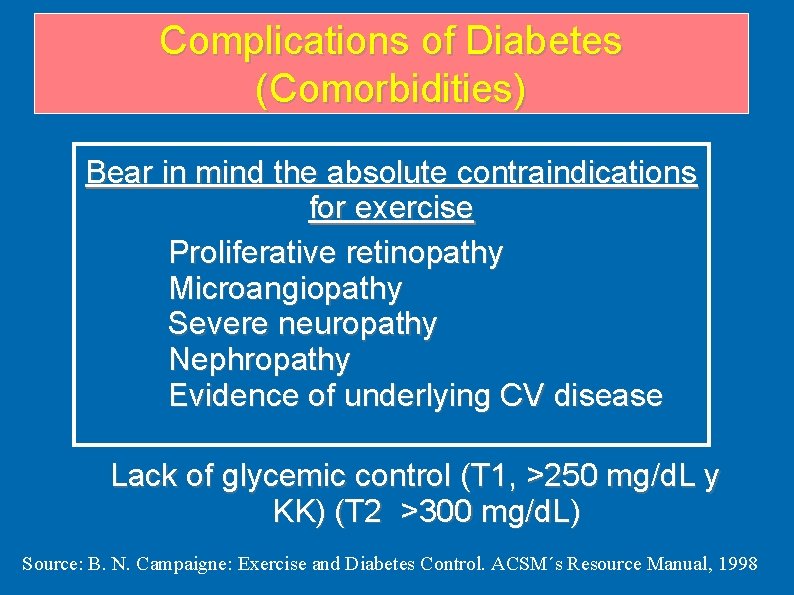
Complications of Diabetes (Comorbidities) Bear in mind the absolute contraindications for exercise Proliferative retinopathy Microangiopathy Severe neuropathy Nephropathy Evidence of underlying CV disease Lack of glycemic control (T 1, >250 mg/d. L y KK) (T 2 >300 mg/d. L) Source: B. N. Campaigne: Exercise and Diabetes Control. ACSM´s Resource Manual, 1998
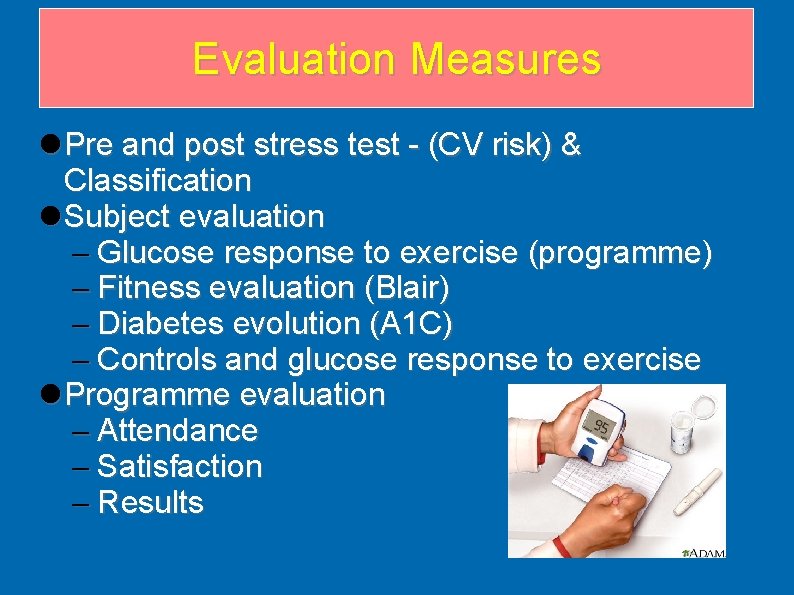
Evaluation Measures Pre and post stress test - (CV risk) & Classification Subject evaluation Glucose response to exercise (programme) Fitness evaluation (Blair) Diabetes evolution (A 1 C) Controls and glucose response to exercise Programme evaluation Attendance Satisfaction Results
Learning Outcomes FOR THE SUBJECT How to improve blood glucose control with exercise Decrement achieved in risk factors Short term response Medium term response How to act if complications arise Possible mechanism for different types of exercise