
T 1 DM Type 1 DM characterized by
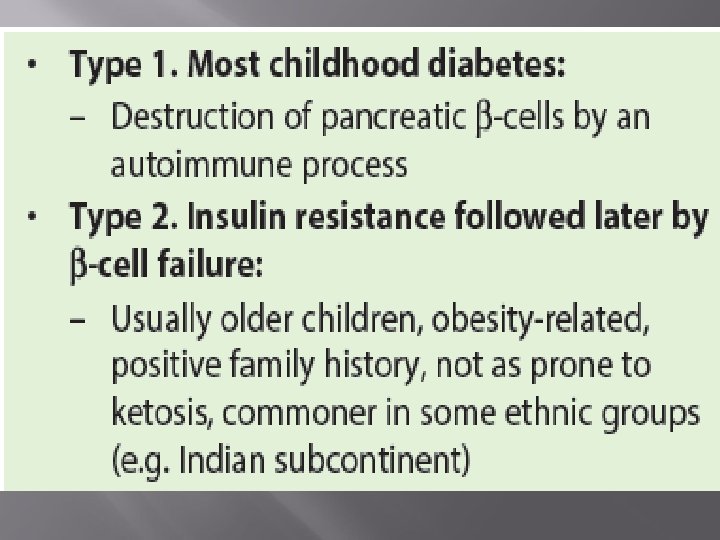

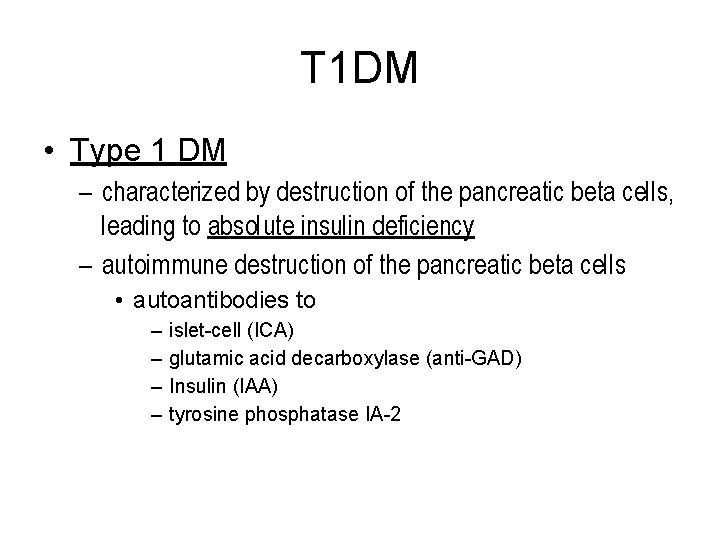
T 1 DM • Type 1 DM – characterized by destruction of the pancreatic beta cells, leading to absolute insulin deficiency – autoimmune destruction of the pancreatic beta cells • autoantibodies to – – islet-cell (ICA) glutamic acid decarboxylase (anti-GAD) Insulin (IAA) tyrosine phosphatase IA-2
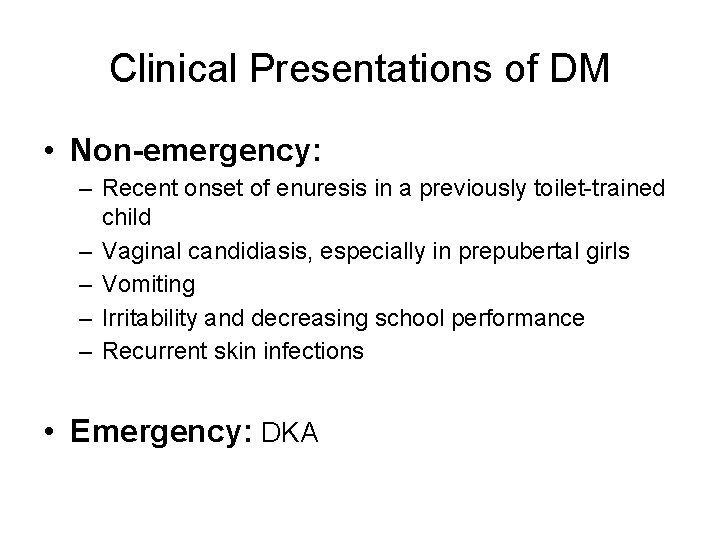
Clinical Presentations of DM • Non-emergency: – Recent onset of enuresis in a previously toilet-trained child – Vaginal candidiasis, especially in prepubertal girls – Vomiting – Irritability and decreasing school performance – Recurrent skin infections • Emergency: DKA
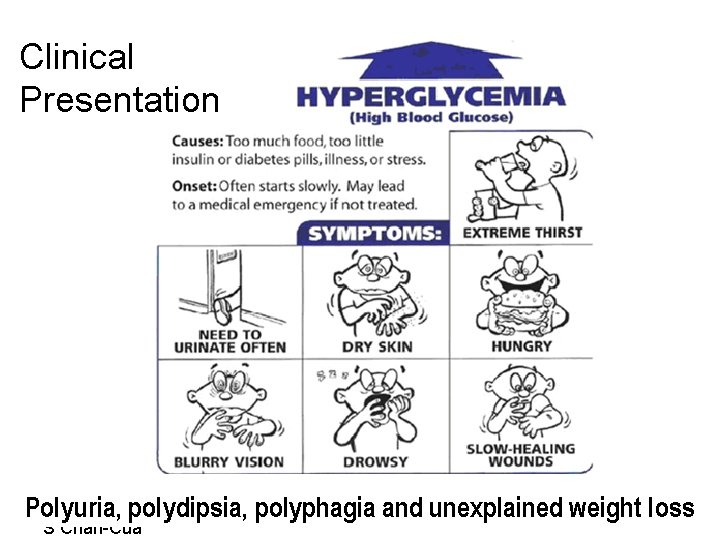
Clinical Presentation 20091219 polydipsia, polyphagia and unexplained weight loss Polyuria, S Chan-Cua
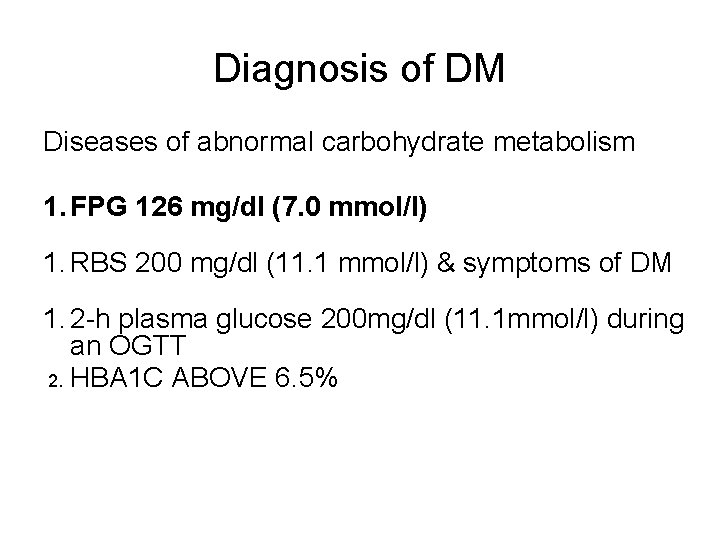
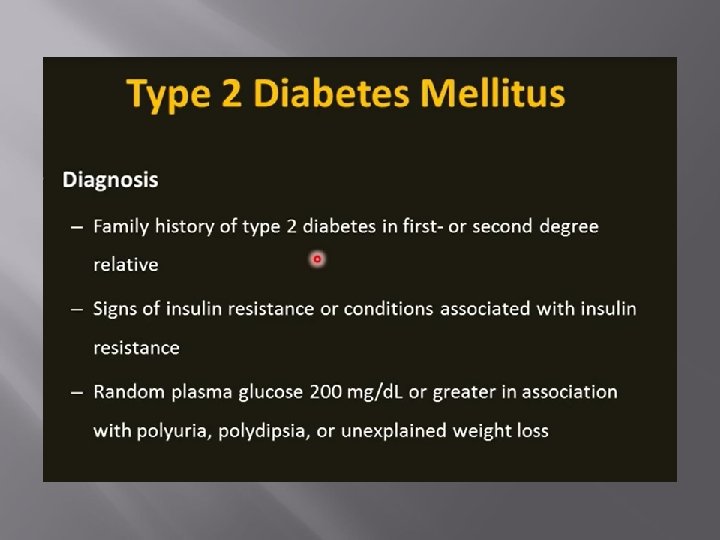
Diagnosis of DM Diseases of abnormal carbohydrate metabolism 1. FPG 126 mg/dl (7. 0 mmol/l) 1. RBS 200 mg/dl (11. 1 mmol/l) & symptoms of DM 1. 2 -h plasma glucose 200 mg/dl (11. 1 mmol/l) during an OGTT 2. HBA 1 C ABOVE 6. 5%
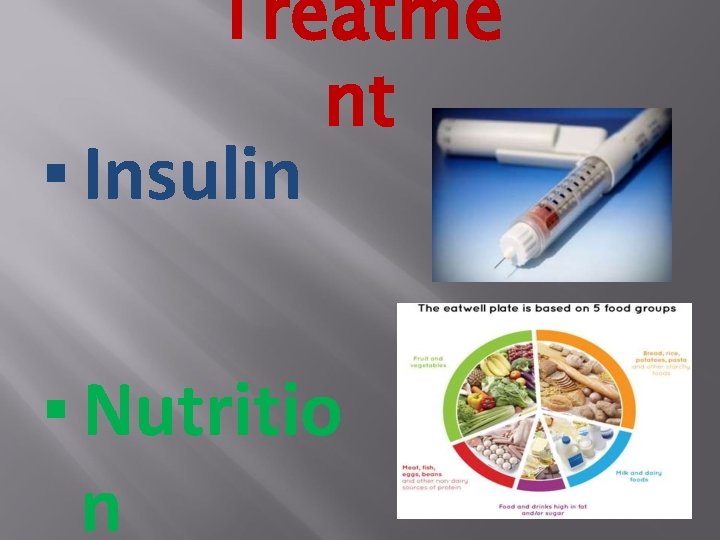
Treatme nt ▪ Insulin ▪ Nutritio n
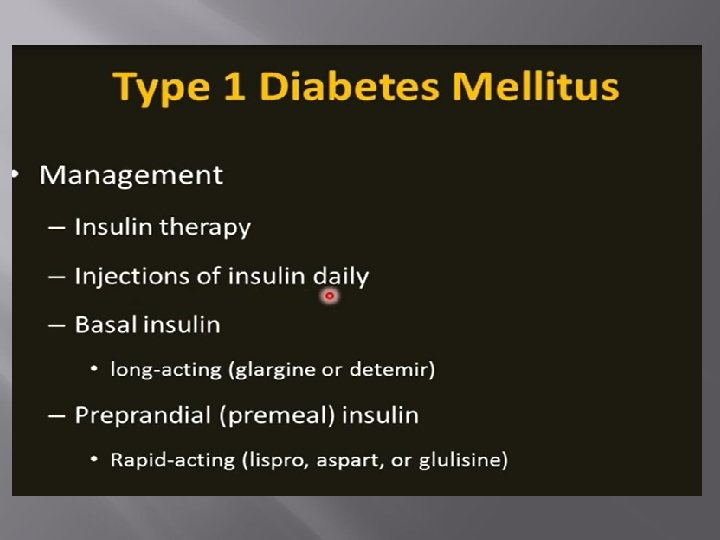
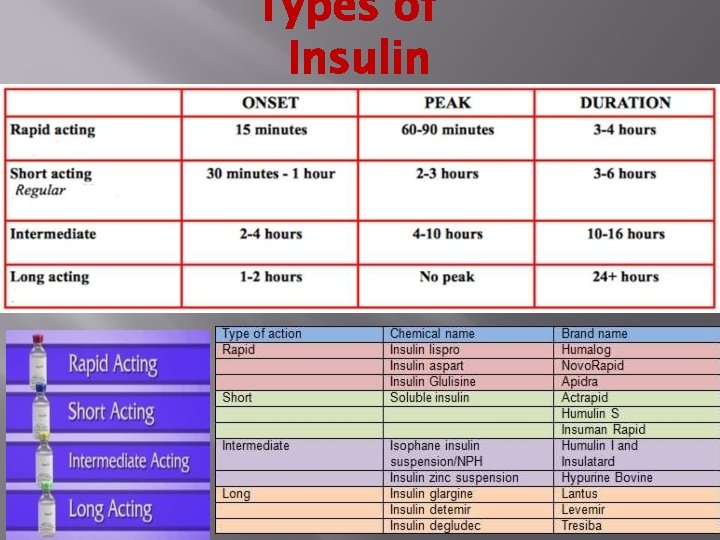
Types of Insulin
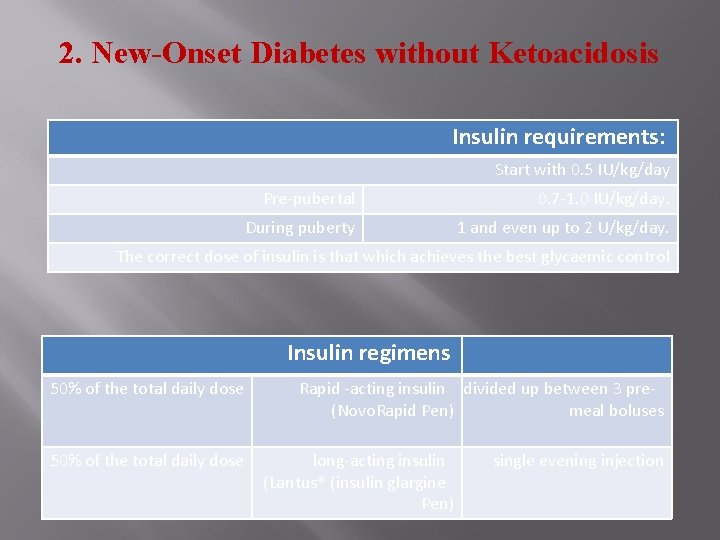
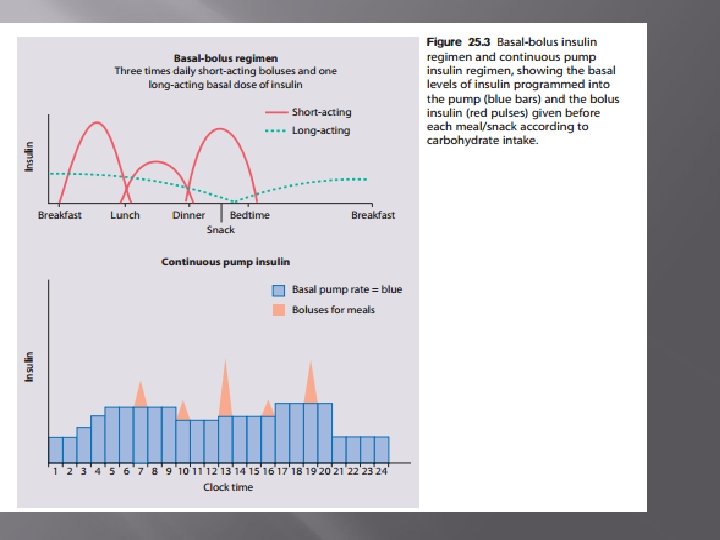
2. New-Onset Diabetes without Ketoacidosis Insulin requirements: Start with 0. 5 IU/kg/day Pre-pubertal 0. 7 -1. 0 IU/kg/day. During puberty 1 and even up to 2 U/kg/day. The correct dose of insulin is that which achieves the best glycaemic control Insulin regimens 50% of the total daily dose Rapid -acting insulin divided up between 3 pre(Novo. Rapid Pen) meal boluses long-acting insulin (Lantus® (insulin glargine Pen) single evening injection
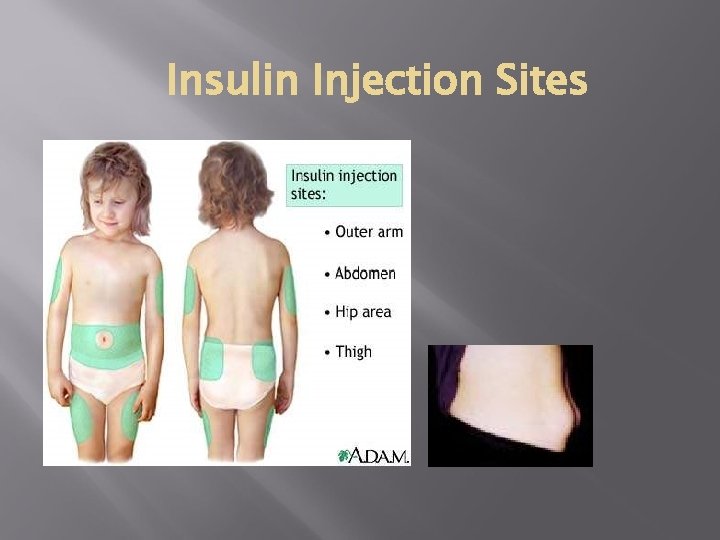
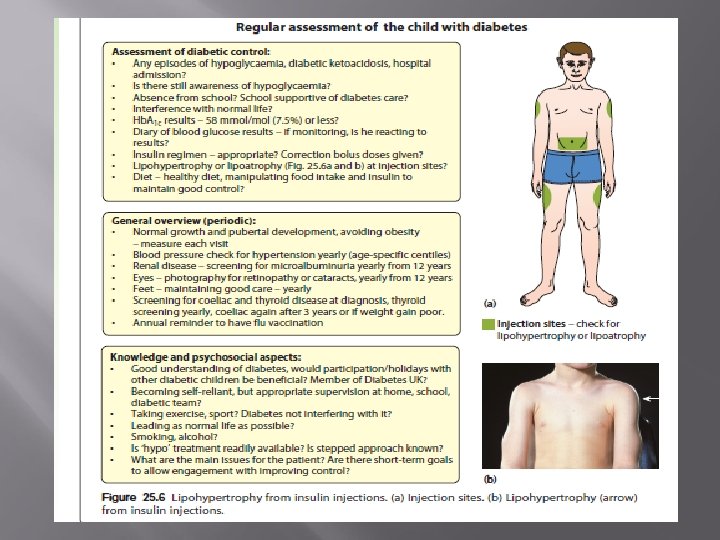
Insulin Injection Sites Picture of lipohypertrophy
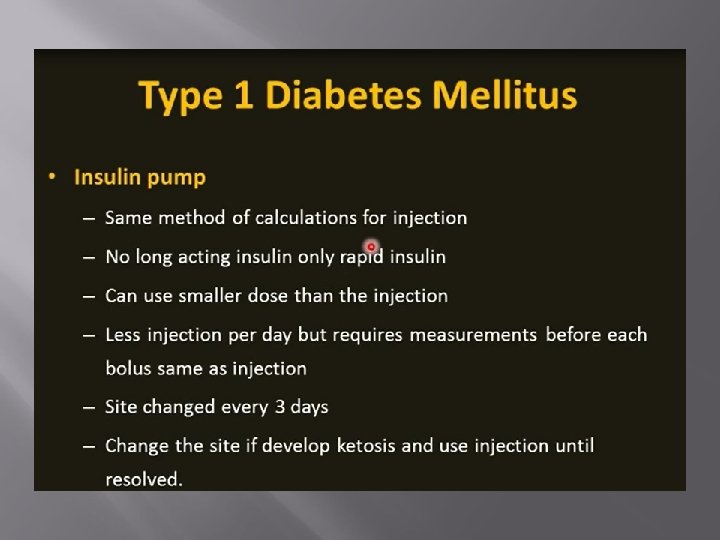
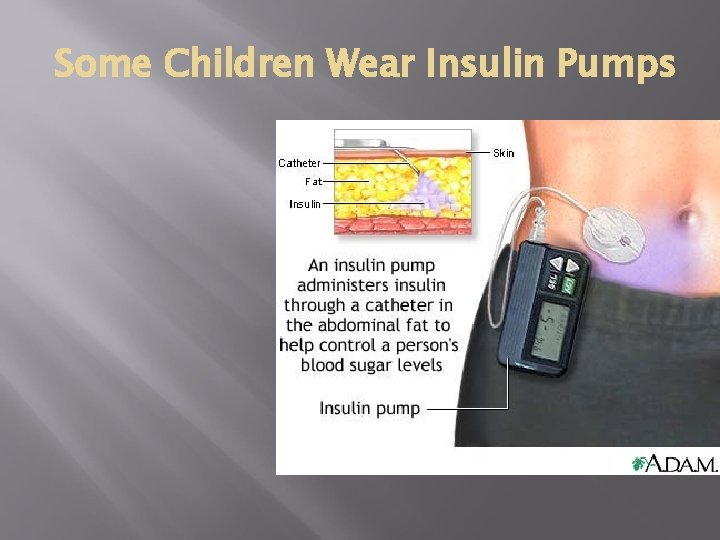
Some Children Wear Insulin Pumps
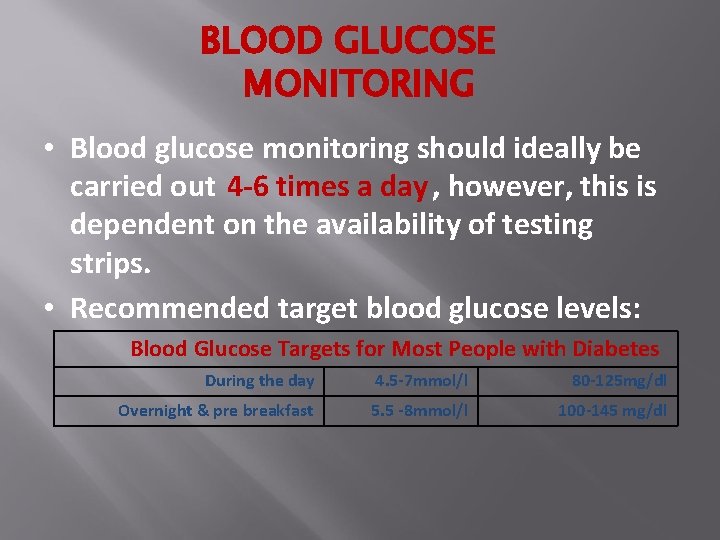
BLOOD GLUCOSE MONITORING • Blood glucose monitoring should ideally be carried out 4 -6 times a day , however, this is dependent on the availability of testing strips. • Recommended target blood glucose levels: Blood Glucose Targets for Most People with Diabetes During the day 4. 5 -7 mmol/l 80 -125 mg/dl Overnight & pre breakfast 5. 5 -8 mmol/l 100 -145 mg/dl
• Regular exercise; improves glucoregulation by increasing insulin receptor number. • No form of exercise, including competitive sports, should be forbidden to the diabetic child. • In patients who are in poor metabolic control, vigorous exercise may precipitate ketoacidosis because of the exercise-induced increase in the counter-regulatory hormones. • A major complication of exercise in diabetic patients is the presence of a hypoglycemic reaction during or within hours after exercise.
DIET The same total caloric intake as usual in non DM child is given with the same ratio 50% CHO • 35% Fat • 15% Proteins • Number of meals is preferred to be three fixed • major with two snakes in between. •
• Note: In general these 3 factors will aid in estimating correct mealtime does of insulin(rapid acting insulin ) 1. Check blood glucose 2. Estimate amount of carbohydrate about to be eaten. 3. Consider any exercise done before this meal or any exercise after meal.
What is Carbohydrate (CHO) Counting? • is a method of matching your insulin requirements with the amount of carbohydrate you eat and drink. • It is an effective way of managing the condition that, once mastered, will lead to better blood glucose control, greater flexibility and freedom of lifestyle.

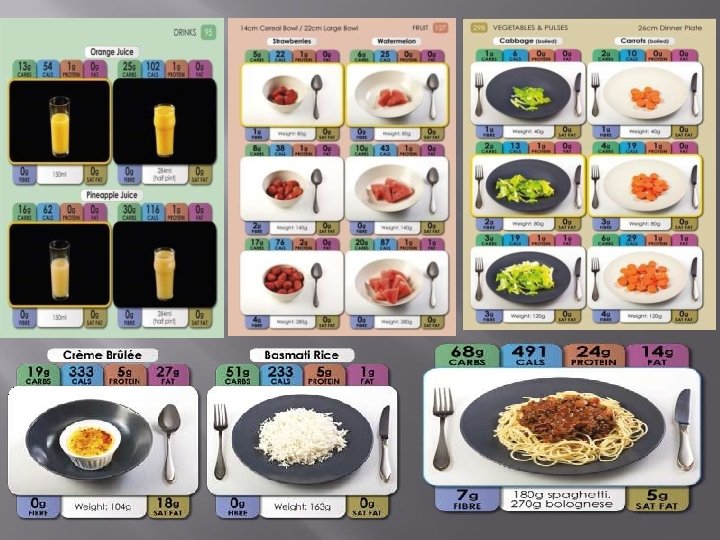
Carbohydrate Counting and Insulin Correction • adjusting insulin • Calculate amount of carbohydrate that patient eat. • Think about activity/exercise • Check blood glucose level. • Ideally, the measurement after the meal should be within 30 -50 points or ( 2 mmol/l) of the pre- meal levels. If it's not, need Carb Counting, Meal Plans, and Insulin Adjustment?
• Roughly according to Age the Insulin to CHO ratio : • Less than 5 years : 1 unites /25 gm • 5 to 8 years : 1 unites /20 gm. • 8 to 11 years : 1 unites /15 gm. • 11 to 18 years : 1 unites /10 gm
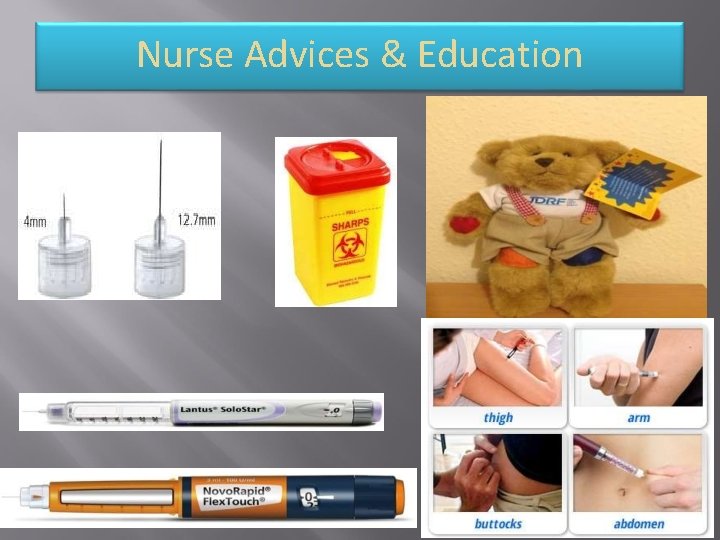
Nurse Advices & Education

Psychological support & Education
Screening for complications and associated conditions • height and weight & state of injection sites at each clinic visit. • Thyroid disease & coeliac disease at diagnosis and annually. • annual foot care reviews. • Regular dental and eye examinations every 2 years. • from the age of 12 years: blood pressure, retinopathy, microalbuminuria & S. Creatinine.
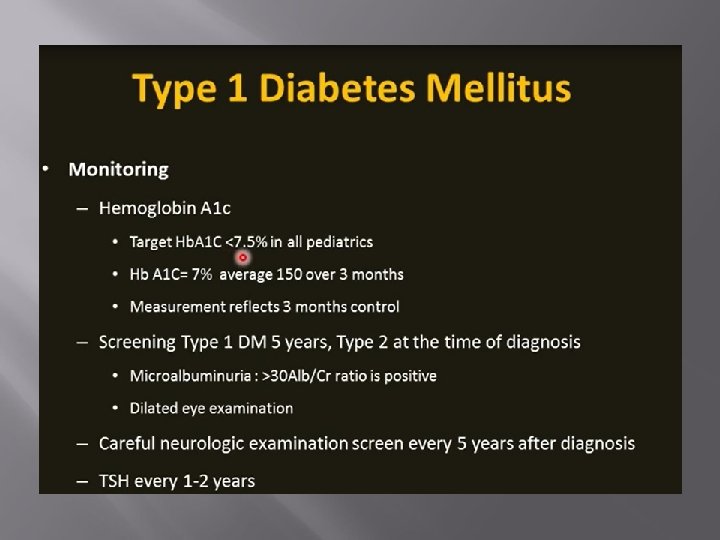
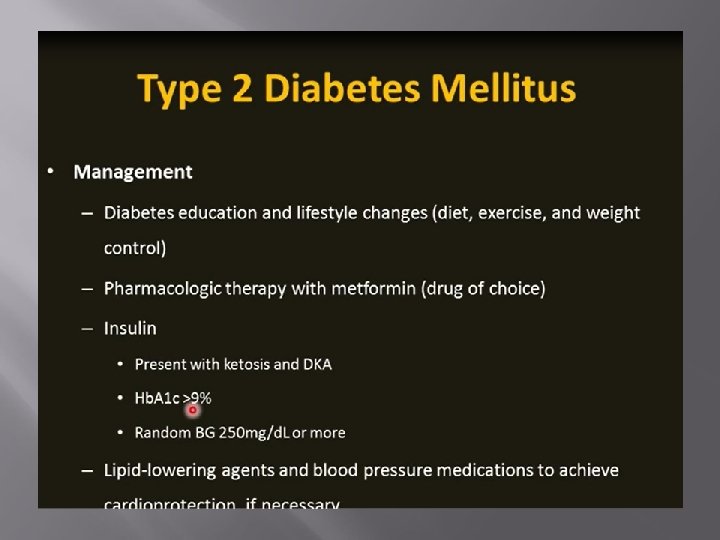
Partial Remission or Honeymoon Phase in Type 1 Diabetes • Insulin requirements can decrease transiently following initiation of insulin treatment. • This has been defined as insulin requirements of less than 0. 5 units per kg of body weight per day with an Hb. A 1 c < 7%. • Ketoacidosis at presentation and at a young age reduce the likelihood of a remission phase. • It is important to advise the family of the transient nature of the honeymoon phase to avoid the false hope that the diabetes is spontaneously disappearing. • Treatment by reduce the dose of Insulin Accordingly.
Management during Infection • Infection may precipitate hyperglycemia or DKA. • Mild infection should be treated + increase the dose of Insulin by 10 – 15%. • Sever infection necessitate hospitalization.
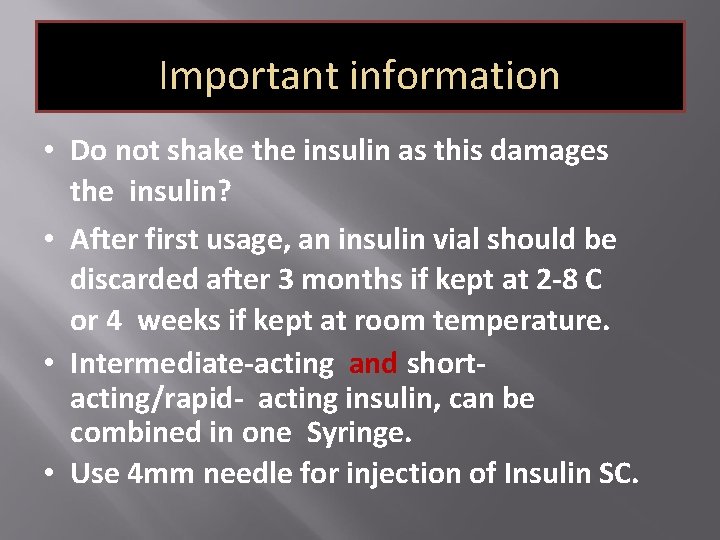
Important information • Do not shake the insulin as this damages the insulin? • After first usage, an insulin vial should be discarded after 3 months if kept at 2 -8 C or 4 weeks if kept at room temperature. • Intermediate-acting and shortacting/rapid- acting insulin, can be combined in one Syringe. • Use 4 mm needle for injection of Insulin SC.
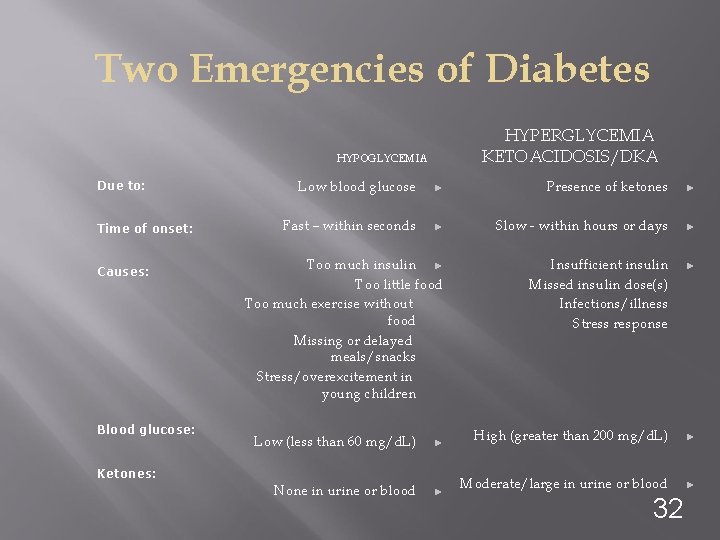
Two Emergencies of Diabetes HYPERGLYCEMIA KETOACIDOSIS/DKA HYPOGLYCEMIA Due to: Time of onset: Causes: Blood glucose: Low blood glucose ► Presence of ketones ► Fast – within seconds ► Slow - within hours or days ► Too much insulin ► Too little food Too much exercise without food Missing or delayed meals/snacks Stress/overexcitement in young children Insufficient insulin Missed insulin dose(s) Infections/illness Stress response ► Low (less than 60 mg/d. L) ► High (greater than 200 mg/d. L) ► None in urine or blood ► Moderate/large in urine or blood ► Ketones: 32
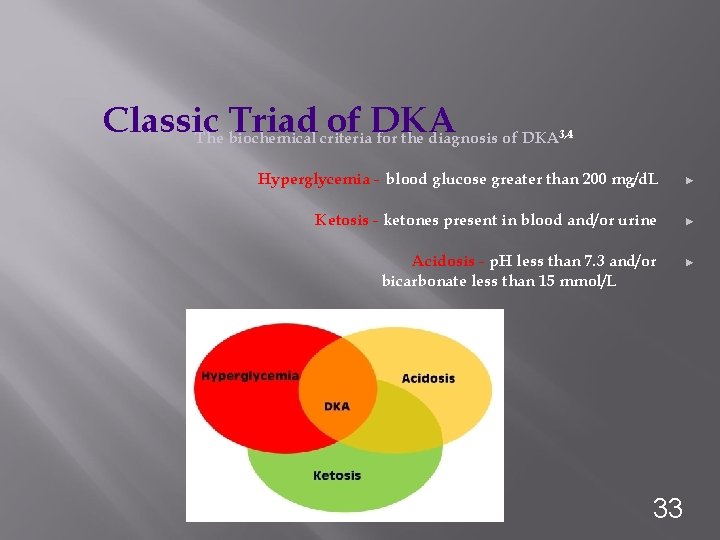
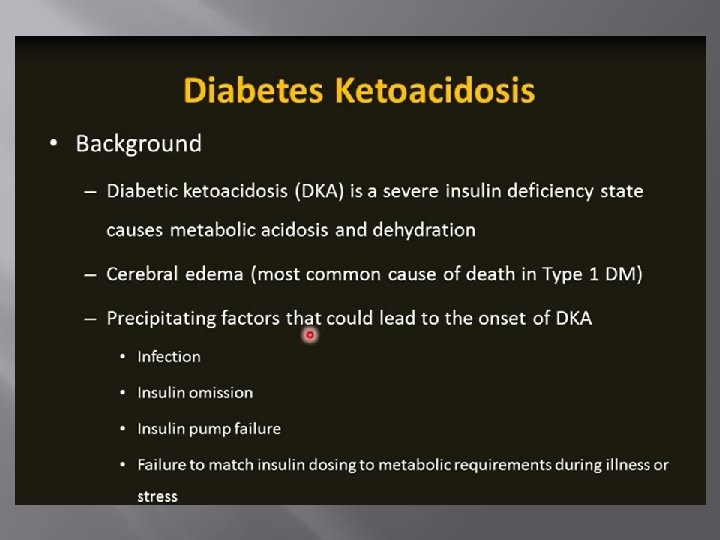
Classic Triad of DKA The biochemical criteria for the diagnosis of DKA 3, 4 Hyperglycemia - blood glucose greater than 200 mg/d. L ► Ketosis - ketones present in blood and/or urine ► Acidosis - p. H less than 7. 3 and/or bicarbonate less than 15 mmol/L 33 ►
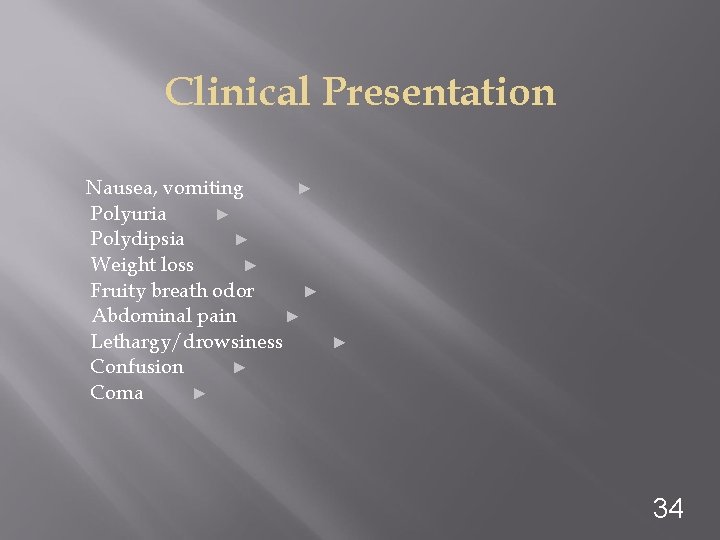
Clinical Presentation Nausea, vomiting ► Polyuria ► Polydipsia ► Weight loss ► Fruity breath odor ► Abdominal pain ► Lethargy/drowsiness Confusion ► Coma ► ► 34
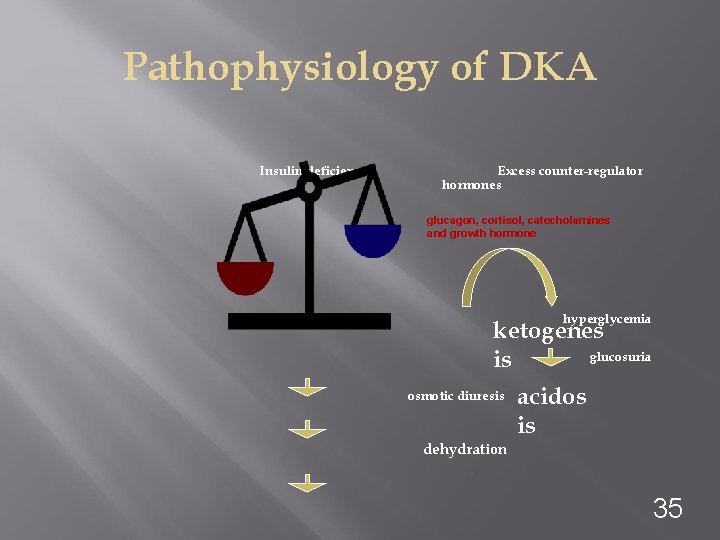
Pathophysiology of DKA Insulin deficiency Excess counter-regulator hormones glucagon, cortisol, catecholamines and growth hormone hyperglycemia ketogenes glucosuria is osmotic diuresis acidos is dehydration 35
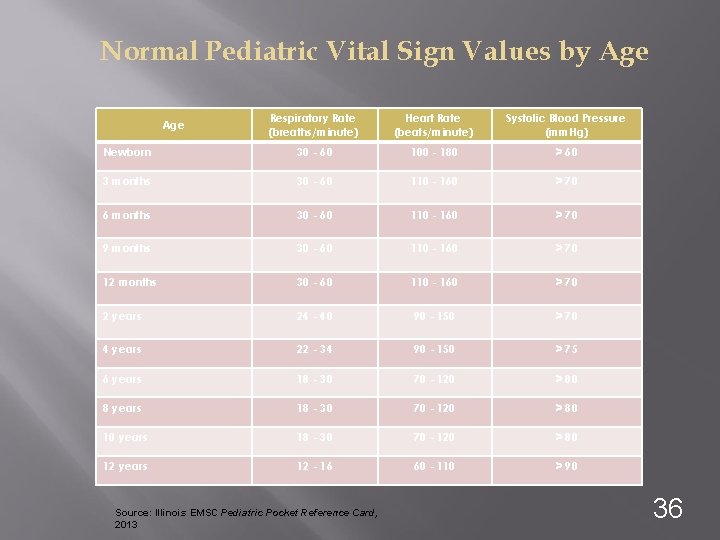
Normal Pediatric Vital Sign Values by Age Respiratory Rate (breaths/minute) Heart Rate (beats/minute) Systolic Blood Pressure (mm. Hg) Newborn 30 - 60 100 - 180 > 60 3 months 30 - 60 110 - 160 > 70 6 months 30 - 60 110 - 160 > 70 9 months 30 - 60 110 - 160 > 70 12 months 30 - 60 110 - 160 > 70 2 years 24 - 40 90 - 150 > 70 4 years 22 - 34 90 - 150 > 75 6 years 18 - 30 70 - 120 > 80 8 years 18 - 30 70 - 120 > 80 10 years 18 - 30 70 - 120 > 80 12 years 12 - 16 60 - 110 > 90 Age Source: Illinois EMSC Pediatric Pocket Reference Card, 2013 36
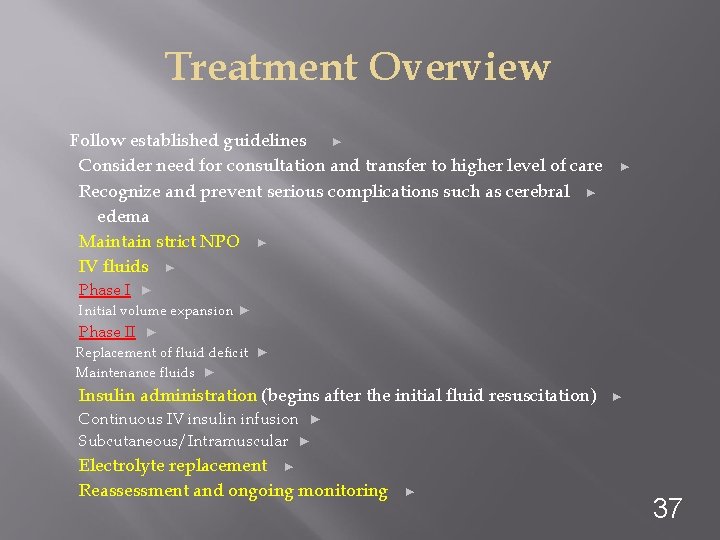
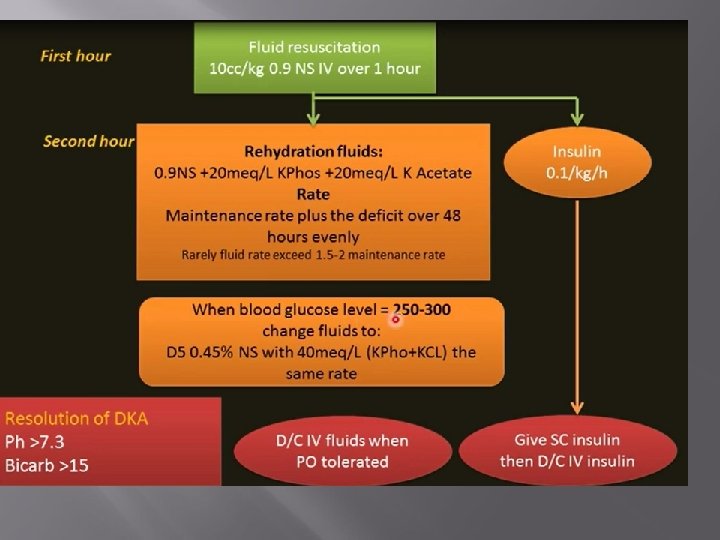
Treatment Overview Follow established guidelines ► Consider need for consultation and transfer to higher level of care Recognize and prevent serious complications such as cerebral ► edema Maintain strict NPO ► IV fluids ► ► Phase I ► Initial volume expansion ► Phase II ► Replacement of fluid deficit ► Maintenance fluids ► Insulin administration (begins after the initial fluid resuscitation) ► Continuous IV insulin infusion ► Subcutaneous/Intramuscular ► Electrolyte replacement ► Reassessment and ongoing monitoring ► 37
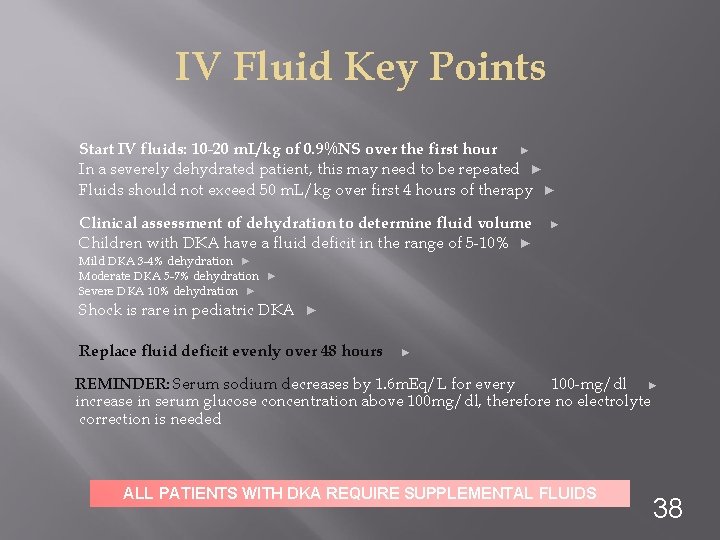
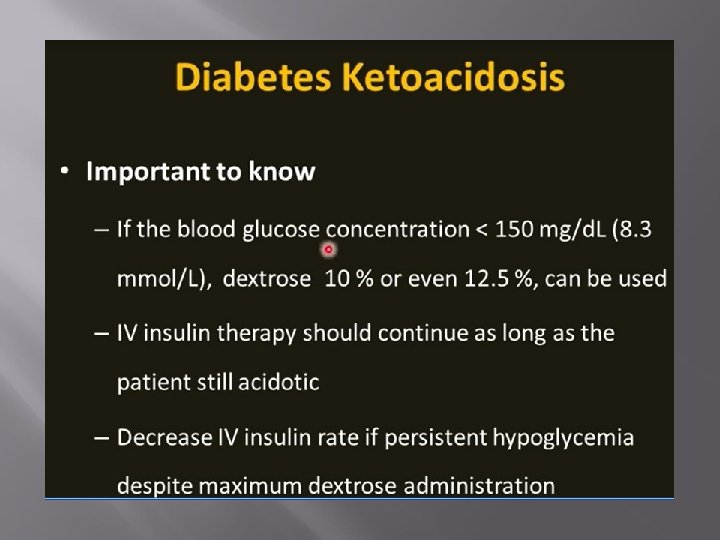
IV Fluid Key Points Start IV fluids: 10 -20 m. L/kg of 0. 9%NS over the first hour ► In a severely dehydrated patient, this may need to be repeated ► Fluids should not exceed 50 m. L/kg over first 4 hours of therapy ► Clinical assessment of dehydration to determine fluid volume Children with DKA have a fluid deficit in the range of 5 -10% ► ► Mild DKA 3 -4% dehydration ► Moderate DKA 5 -7% dehydration ► Severe DKA 10% dehydration ► Shock is rare in pediatric DKA ► Replace fluid deficit evenly over 48 hours ► REMINDER: Serum sodium decreases by 1. 6 m. Eq/L for every 100 -mg/dl ► increase in serum glucose concentration above 100 mg/dl, therefore no electrolyte correction is needed ALL PATIENTS WITH DKA REQUIRE SUPPLEMENTAL FLUIDS 38
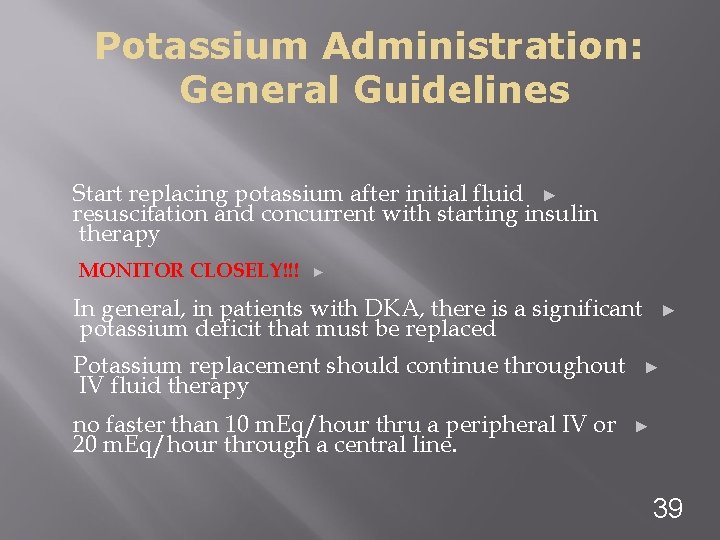
Potassium Administration: General Guidelines Start replacing potassium after initial fluid ► resuscitation and concurrent with starting insulin therapy MONITOR CLOSELY!!! ► In general, in patients with DKA, there is a significant potassium deficit that must be replaced Potassium replacement should continue throughout IV fluid therapy no faster than 10 m. Eq/hour thru a peripheral IV or 20 m. Eq/hour through a central line. ► ► ► 39
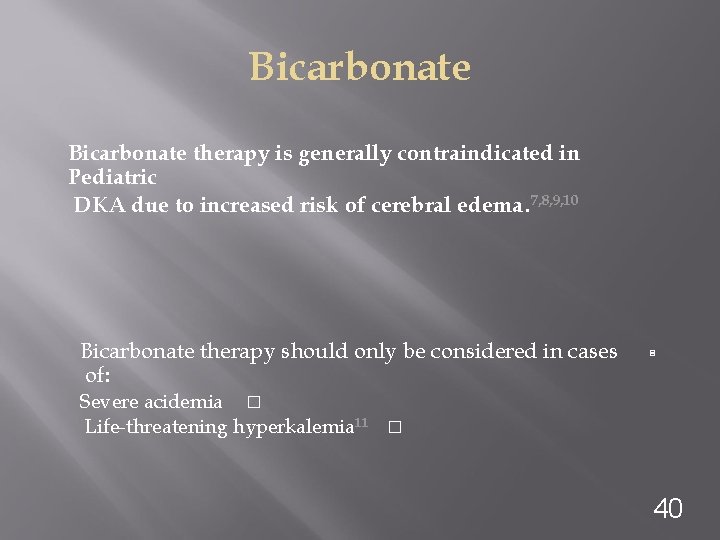
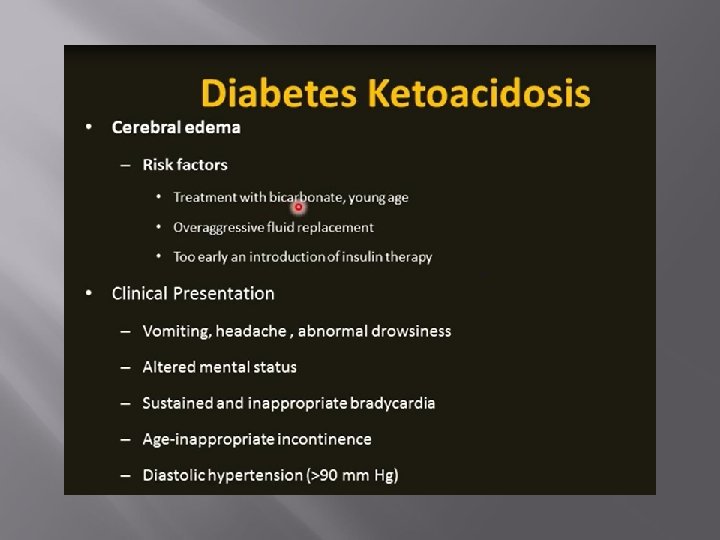
Bicarbonate therapy is generally contraindicated in Pediatric DKA due to increased risk of cerebral edema. 7, 8, 9, 10 Bicarbonate therapy should only be considered in cases of: Severe acidemia � Life-threatening hyperkalemia 11 ▣ � 40
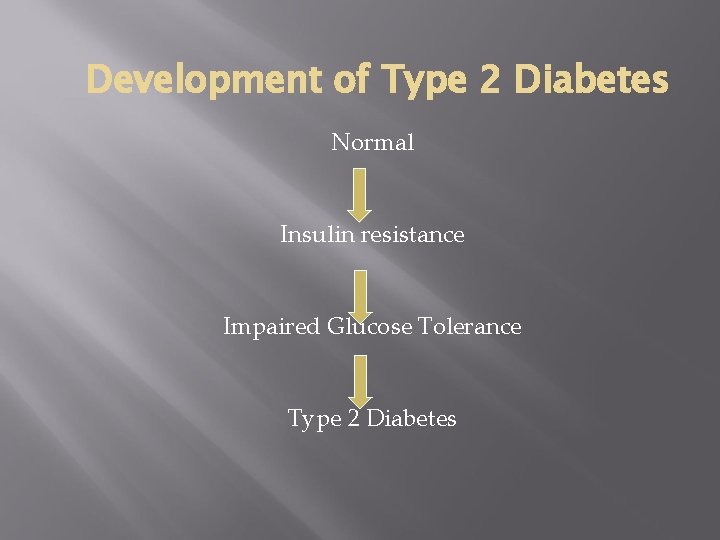
Development of Type 2 Diabetes Normal Insulin resistance Impaired Glucose Tolerance Type 2 Diabetes
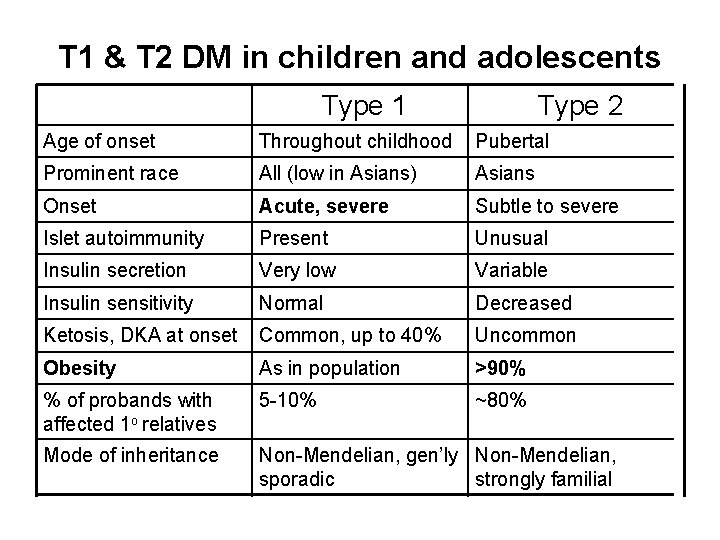
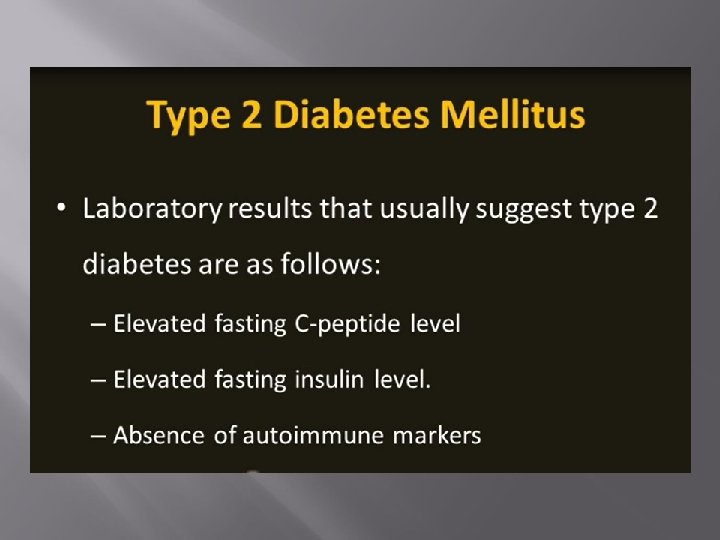
T 1 & T 2 DM in children and adolescents Type 1 Type 2 Age of onset Throughout childhood Pubertal Prominent race All (low in Asians) Asians Onset Acute, severe Subtle to severe Islet autoimmunity Present Unusual Insulin secretion Very low Variable Insulin sensitivity Normal Decreased Ketosis, DKA at onset Common, up to 40% Uncommon Obesity As in population >90% % of probands with affected 1 o relatives 5 -10% ~80% Mode of inheritance Non-Mendelian, gen’ly Non-Mendelian, sporadic strongly familial
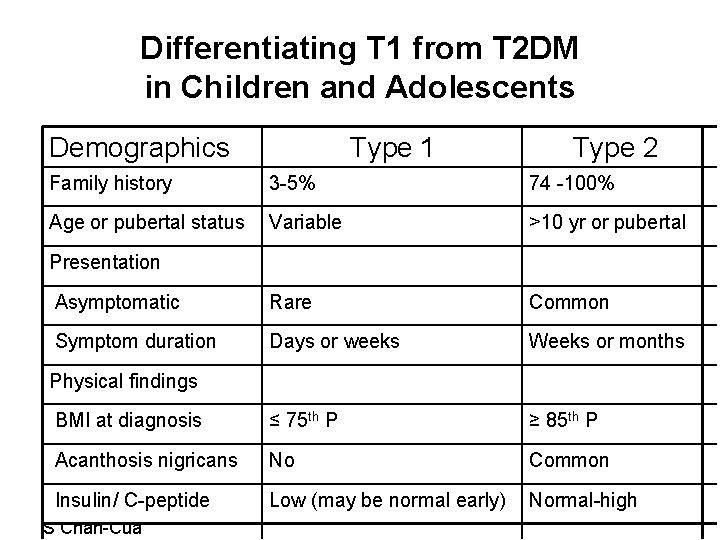
Differentiating T 1 from T 2 DM in Children and Adolescents Demographics Type 1 Type 2 Family history 3 -5% 74 -100% Age or pubertal status Variable >10 yr or pubertal Asymptomatic Rare Common Symptom duration Days or weeks Weeks or months BMI at diagnosis ≤ 75 th P ≥ 85 th P Acanthosis nigricans No Common Low (may be normal early) Normal-high Presentation Physical findings Insulin/ C-peptide 20091219 S Chan-Cua
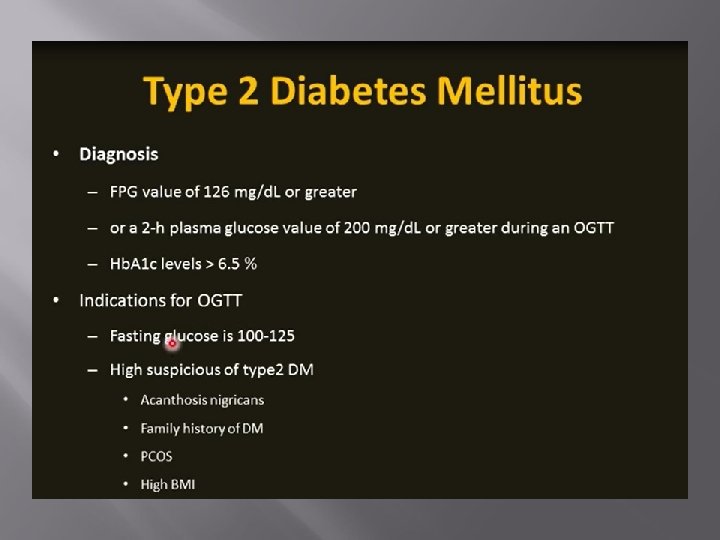
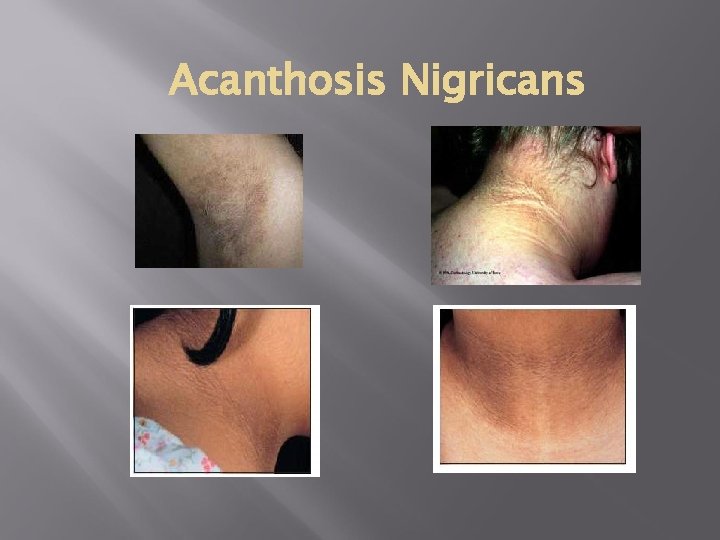
Acanthosis Nigricans
- Slides: 54