
SYSTEMS THINKING ONE HEALTH COURSE Module Overview ProblemBased
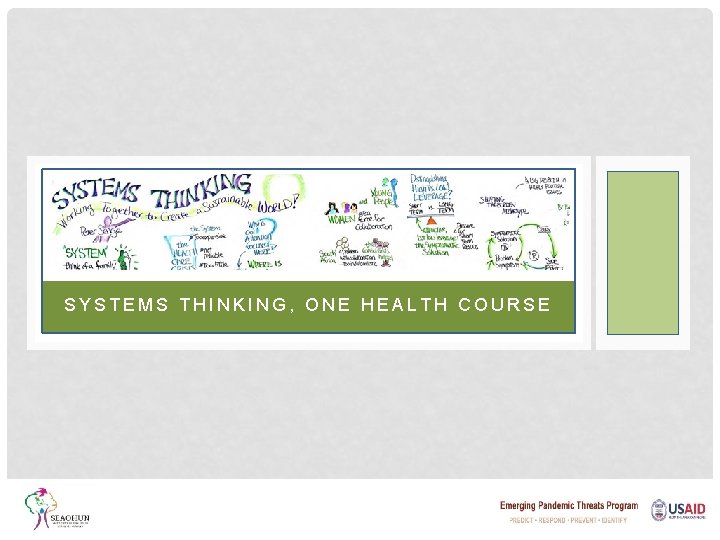
SYSTEMS THINKING, ONE HEALTH COURSE
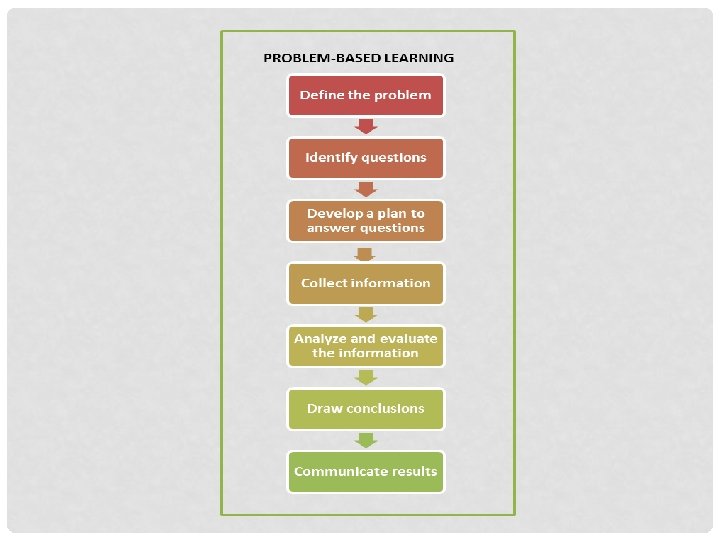
Module Overview: Problem-Based Learning SYSTEMS THINKING, ONE HEALTH COURSE
MODULE COMPETENCIES • Competency #1 • Describe the elements of complex problems and systems thinking • Competency #2 • Create and use systems mapping to deepen understanding of OH problems • Competency #3 • Partner with OH team members to develop solutions to complex OH problems using systems thinking and tools
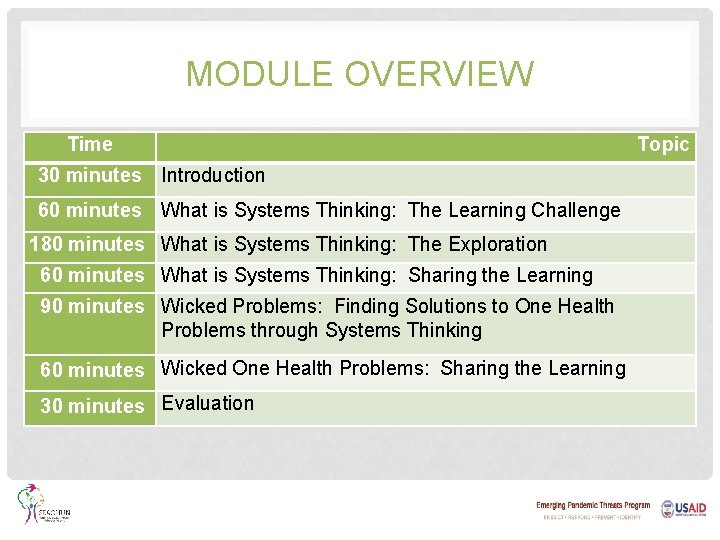
MODULE OVERVIEW Time 30 minutes Introduction 60 minutes What is Systems Thinking: The Learning Challenge 180 minutes What is Systems Thinking: The Exploration 60 minutes What is Systems Thinking: Sharing the Learning 90 minutes Wicked Problems: Finding Solutions to One Health Problems through Systems Thinking 60 minutes Wicked One Health Problems: Sharing the Learning 30 minutes Evaluation Topic

What is Systems Thinking: The Learning Challenge SYSTEMS THINKING, ONE HEALTH COURSE

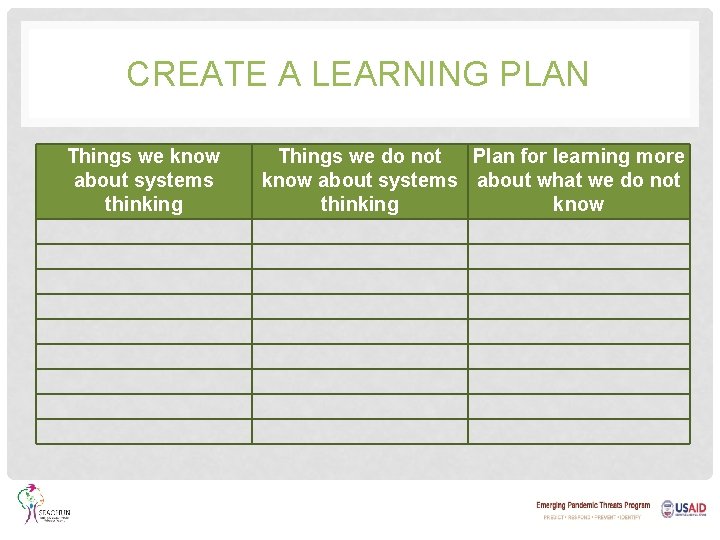
CREATE A LEARNING PLAN Things we know about systems thinking Things we do not Plan for learning more know about systems about what we do not thinking know
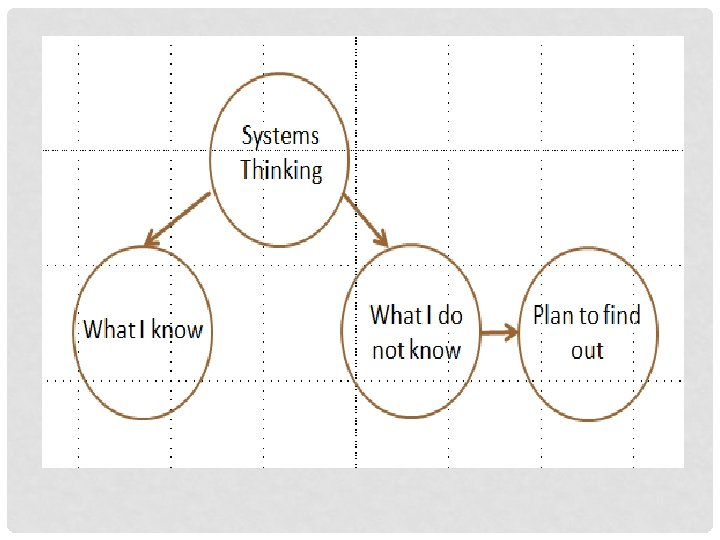
AS A TEAM, THINK ABOUT… • What do you need to know about systems thinking in order to use a systems thinking approach in addressing One Health problems? • In what order should you research the items identified in the previous question? • What are the primary resources that you will use? • What will you do when you cannot find the information that you want? • What will you do when you have questions? • How will you know when you have enough information?
What is Systems Thinking: The Exploration SYSTEMS THINKING, ONE HEALTH COURSE
Wicked Problems: Finding Solutions to One Health Problems through Systems Thinking SYSTEMS THINKING, ONE HEALTH COURSE
OH Challenge SYSTEMS THINKING
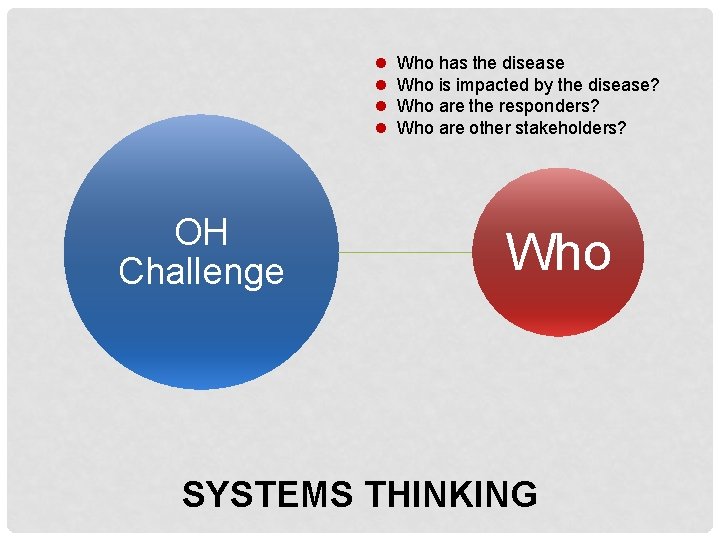
l l OH Challenge Who has the disease Who is impacted by the disease? Who are the responders? Who are other stakeholders? Who SYSTEMS THINKING
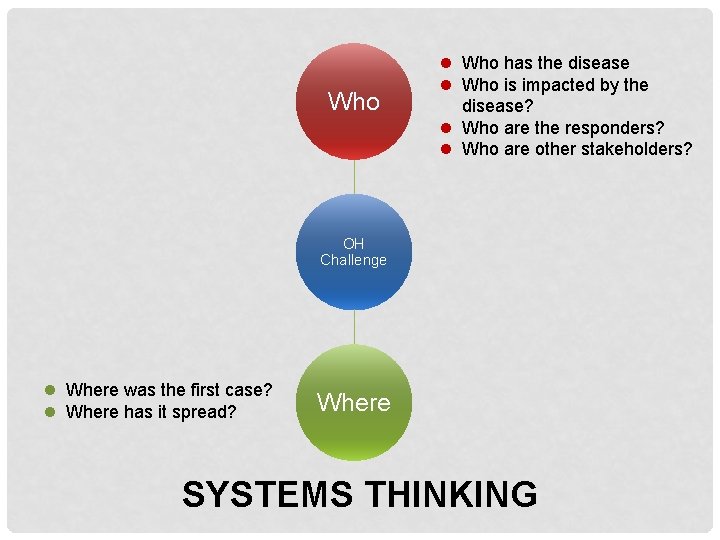
Who l Who has the disease l Who is impacted by the disease? l Who are the responders? l Who are other stakeholders? OH Challenge l Where was the first case? l Where has it spread? Where SYSTEMS THINKING
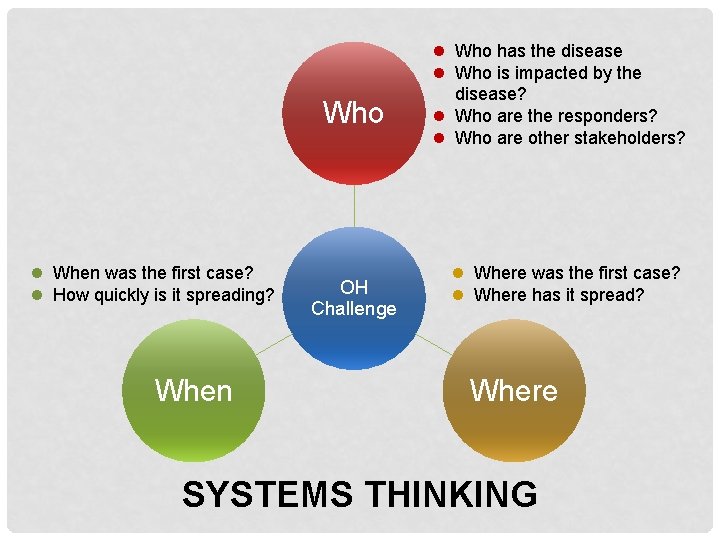
Who l When was the first case? l How quickly is it spreading? When OH Challenge l Who has the disease l Who is impacted by the disease? l Who are the responders? l Who are other stakeholders? l Where was the first case? l Where has it spread? Where SYSTEMS THINKING
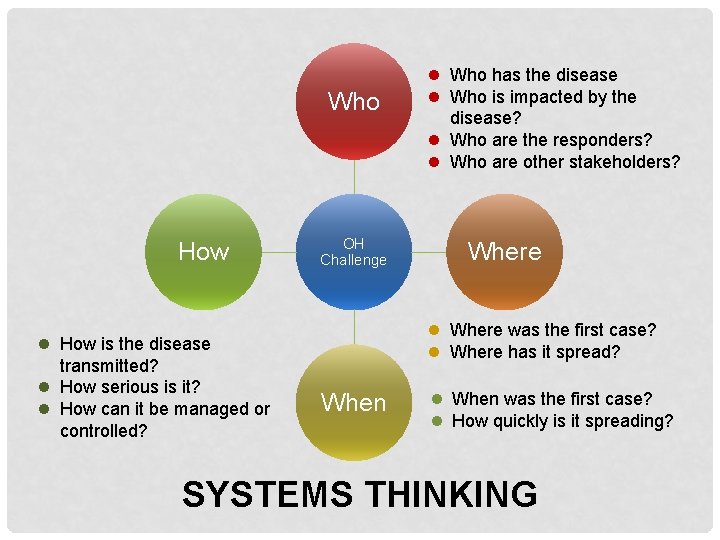
Who How l How is the disease transmitted? l How serious is it? l How can it be managed or controlled? OH Challenge l Who has the disease l Who is impacted by the disease? l Who are the responders? l Who are other stakeholders? Where l Where was the first case? l Where has it spread? When l When was the first case? l How quickly is it spreading? SYSTEMS THINKING
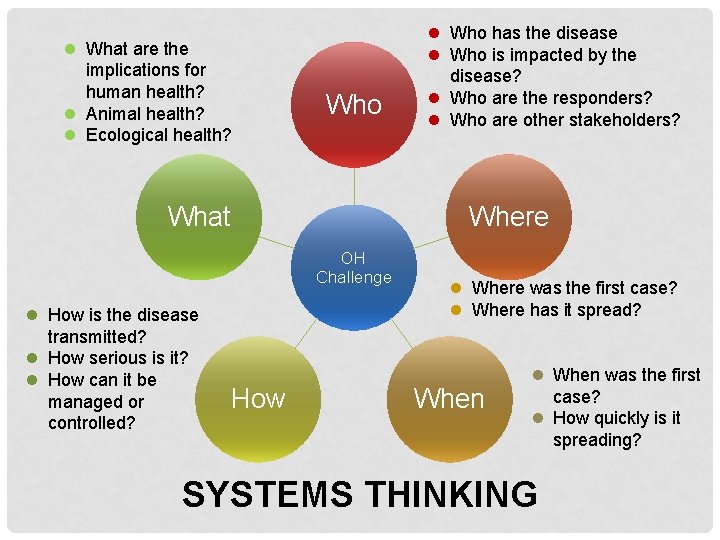
l What are the implications for human health? l Animal health? l Ecological health? Who What Where OH Challenge l How is the disease transmitted? l How serious is it? l How can it be managed or controlled? l Who has the disease l Who is impacted by the disease? l Who are the responders? l Who are other stakeholders? How l Where was the first case? l Where has it spread? When l When was the first case? l How quickly is it spreading? SYSTEMS THINKING

l Why did the outbreak occur? l What are the implications for human health? l Animal health? l Ecological health? Who Why l l Who has the disease Who is impacted by the disease? Who are the responders? Who are other stakeholders? Where l Where was the first case? l Where has it spread? OH Challenge What l How is the disease transmitted? l How serious is it? l How can it be managed or controlled? When How l When was the first case? l How quickly is it spreading? SYSTEMS THINKING
What is a Wicked Problem? SYSTEMS THINKING, ONE HEALTH COURSE
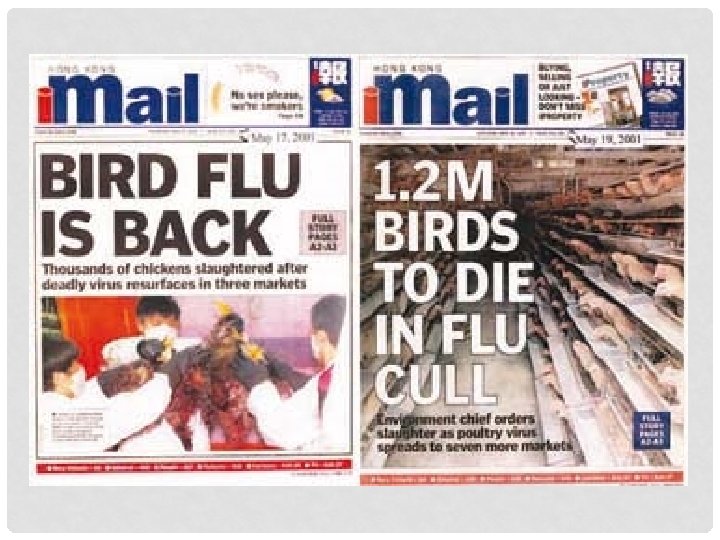
WICKED PROBLEMS
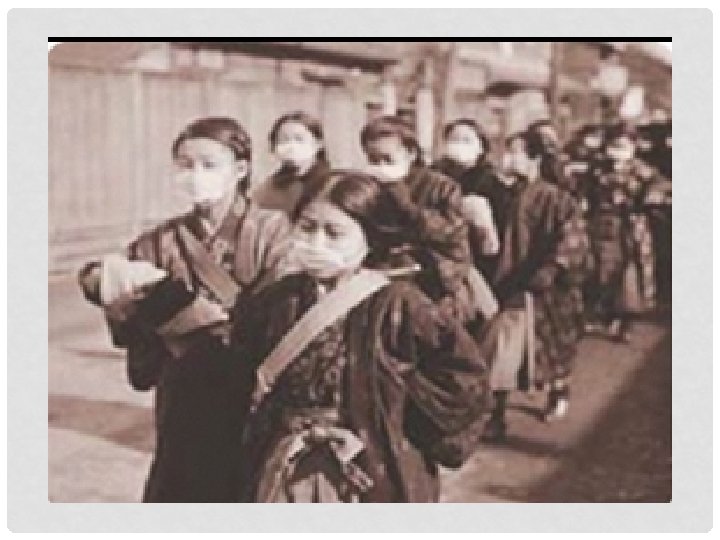
WICKED PROBLEMS
ONE THING. . • That you liked/felt was a strength of the module. • That you would suggest we change.
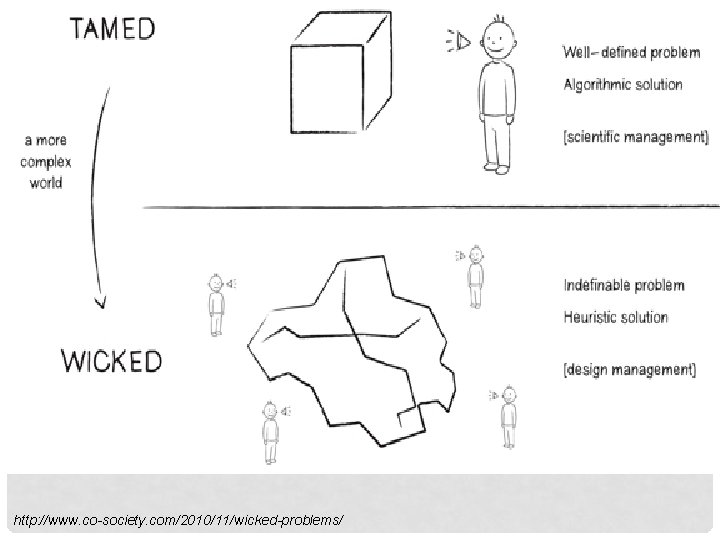
http: //www. co-society. com/2010/11/wicked-problems/
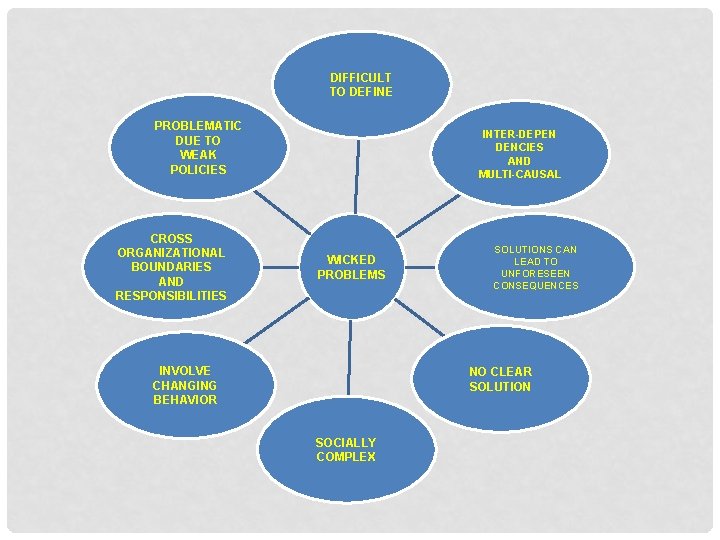
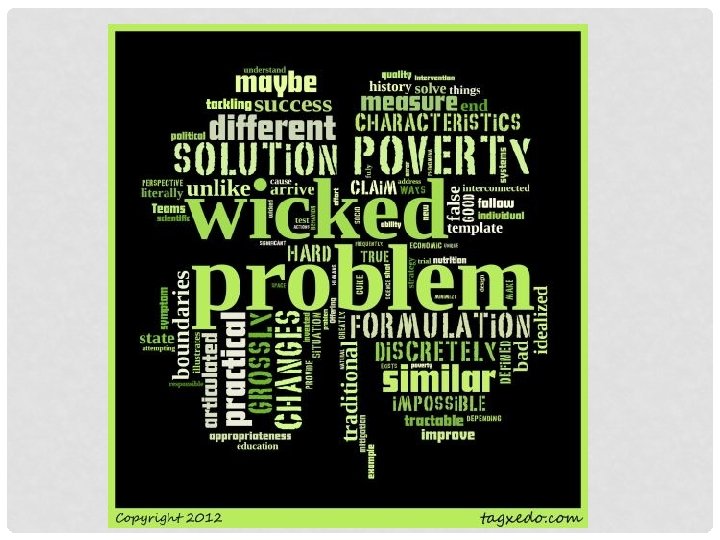
DIFFICULT TO DEFINE PROBLEMATIC DUE TO WEAK POLICIES CROSS ORGANIZATIONAL BOUNDARIES AND RESPONSIBILITIES INTER-DEPEN DENCIES AND MULTI-CAUSAL WICKED PROBLEMS INVOLVE CHANGING BEHAVIOR SOLUTIONS CAN LEAD TO UNFORESEEN CONSEQUENCES NO CLEAR SOLUTION SOCIALLY COMPLEX
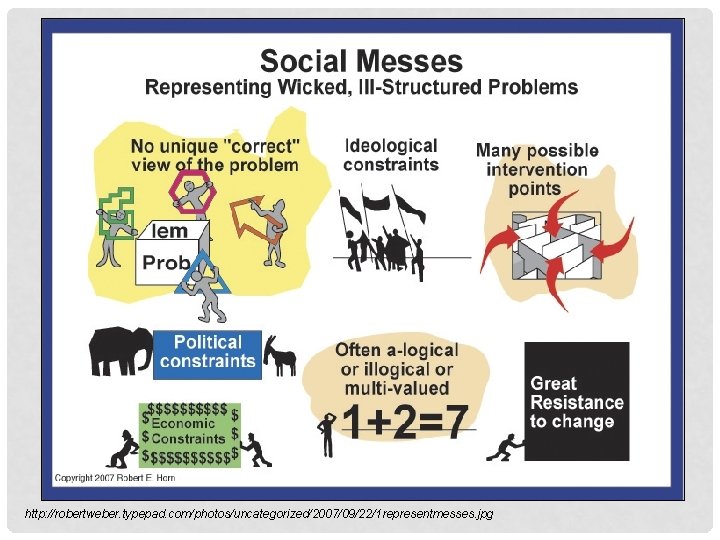
http: //robertweber. typepad. com/photos/uncategorized/2007/09/22/1 representmesses. jpg
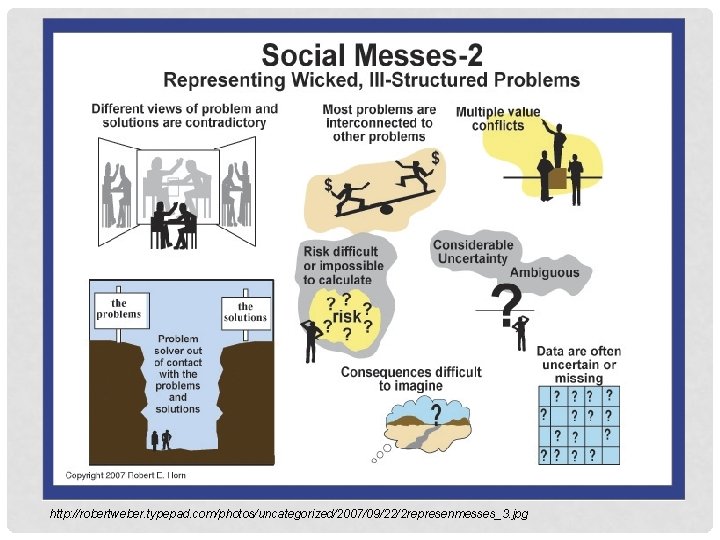
http: //robertweber. typepad. com/photos/uncategorized/2007/09/22/2 represenmesses_3. jpg
“If everyone is thinking alike, then somebody isn't thinking. ” Gen. George S. Patton
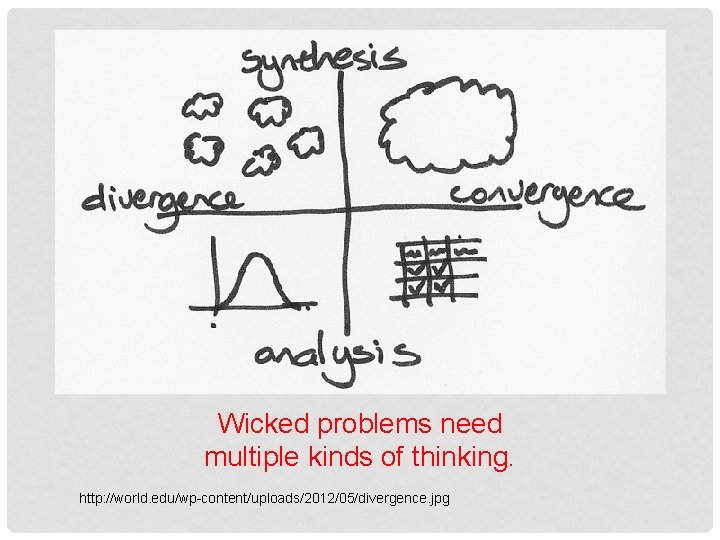
Wicked problems need multiple kinds of thinking. http: //world. edu/wp-content/uploads/2012/05/divergence. jpg
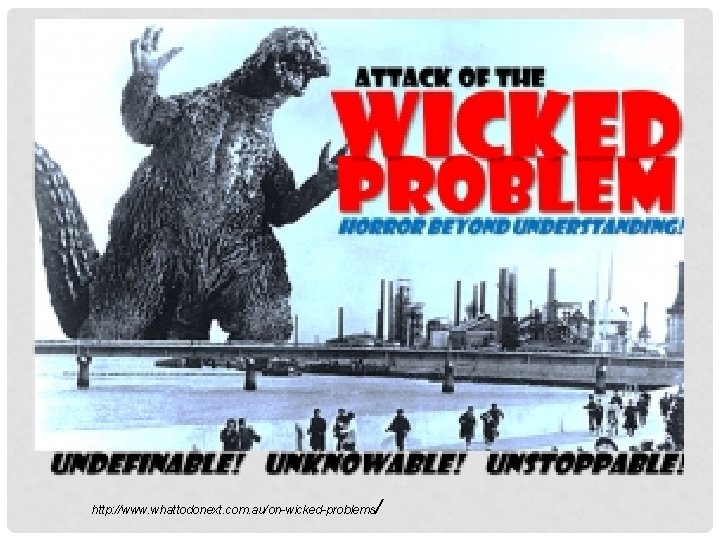
/ http: //www. whattodonext. com. au/on-wicked-problems
ONE HEALTH WICKED CHALLENGES • Challenge 1. There is an outbreak of an influenza-like illness among people and animals in a small town in Thailand. Create a systems map of how you would respond to the outbreak boundary conditions. • Challenge 2. Fifty (50) chickens die before the TET holiday in one village in Vietnam. • Challenge 3. Three come to the health station showing signs and symptoms of dengue fever in a small town in Indonesia.
Wicked Problems: Sharing Solutions SYSTEMS THINKING, ONE HEALTH COURSE
Module Review SYSTEMS THINKING, ONE HEALTH COURSE
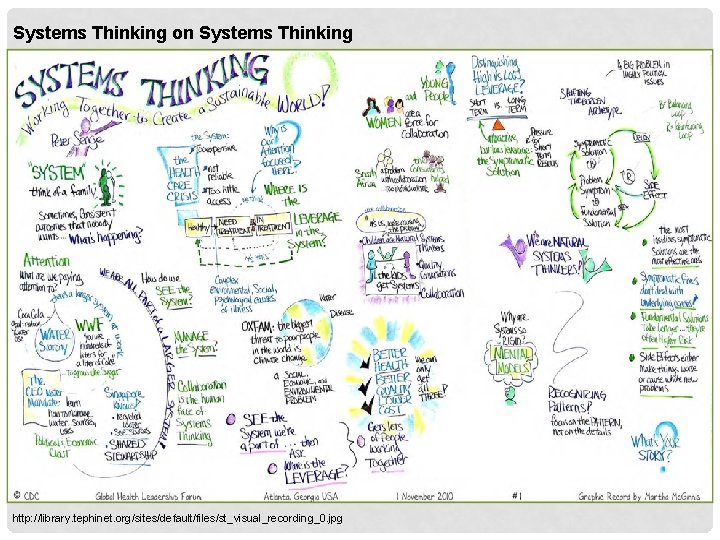
Systems Thinking on Systems Thinking http: //library. tephinet. org/sites/default/files/st_visual_recording_0. jpg
- Slides: 42