
Systems of Government Government is a system of

- Slides: 18
Systems of Government • Government is a system of rule. • The exercise of authority over a state. – Control – Rule – Management
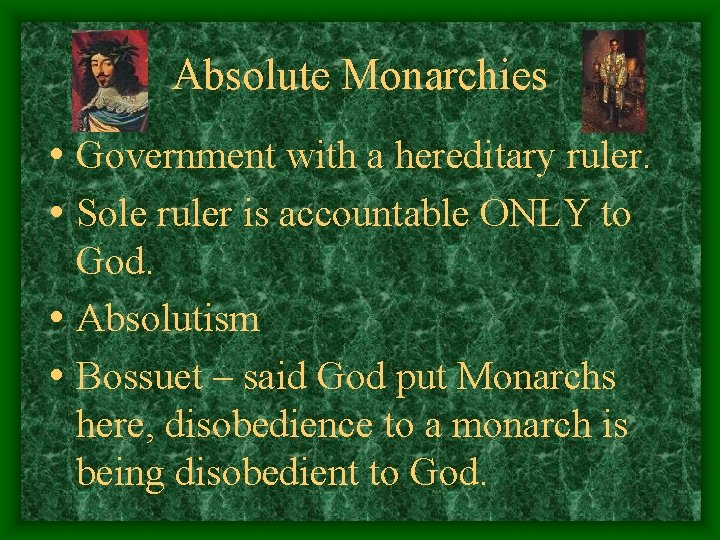
Absolute Monarchies • Government with a hereditary ruler. • Sole ruler is accountable ONLY to God. • Absolutism • Bossuet – said God put Monarchs here, disobedience to a monarch is being disobedient to God.
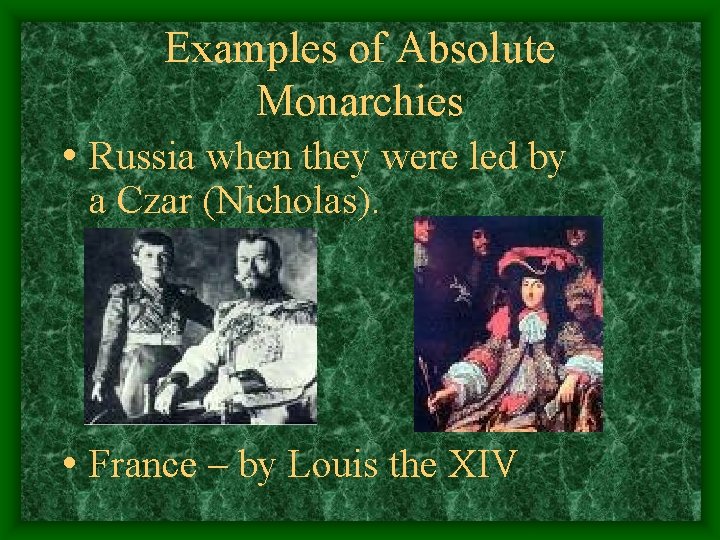
Examples of Absolute Monarchies • Russia when they were led by a Czar (Nicholas). • France – by Louis the XIV
Constitutional Monarchies • System of government in which a monarch has agreed to share power with a constitutionally organized government. • The monarch may retain head of state, or be purely a ceremonial head.
Usually limits monarch’s power. • Monarch is usually a King or Queen. • Constitution splits the government’s power to the legislature and the judiciary.
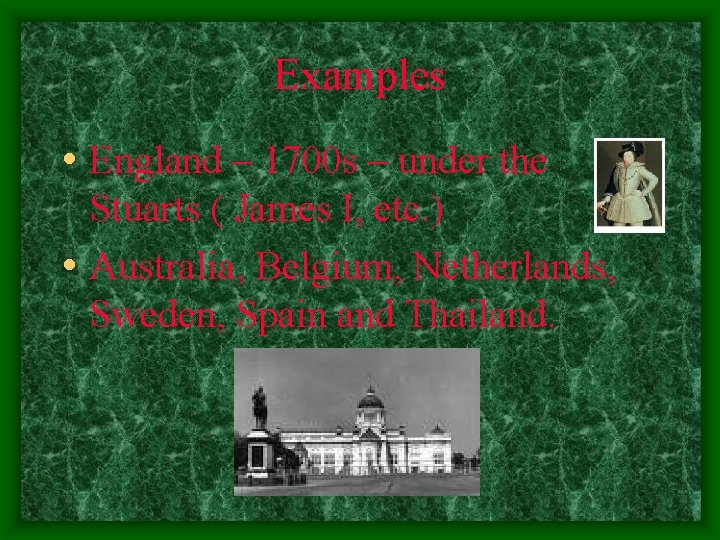
Examples • England – 1700 s – under the Stuarts ( James I, etc. ) • Australia, Belgium, Netherlands, Sweden, Spain and Thailand.
Parliamentary Democracy • Similar to our three branch system of government. – Executive Branch – Legislative Branch – Judicial Branch • Two party system used in England 1871 -1921
Roots are from British Parliament. • Winston Churchill – “ Government is a servant to the people and not its master. • Parliament elects the Head of State. Three branches have the most power.
Examples • England • Canada
Presidential Democracy • System of government in which supreme authority rests with the people. • Usually have three branches of government. • Some call it a representative Democracy.
Good example is U. S. • Democracy defined : – Demos – people – Kratos – Might • The people can control elected officials and keep voting in the “good” ones and getting rid of the “bad” ones.
Dictatorship • Usually ruled by one, usually by strict force and fear. • Those who rule cannot be held responsible to the will of the people. • Not accountable for policies.
Might be the oldest form of government. • Most common form of government seen, especially when there is a military revolt. • Dictators are authoritarian. • Absolute and unchallengeable authority.
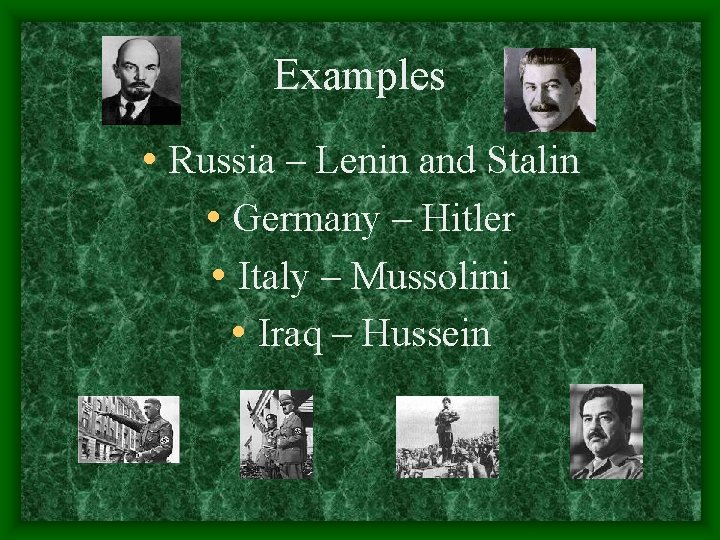
Examples • Russia – Lenin and Stalin • Germany – Hitler • Italy – Mussolini • Iraq – Hussein
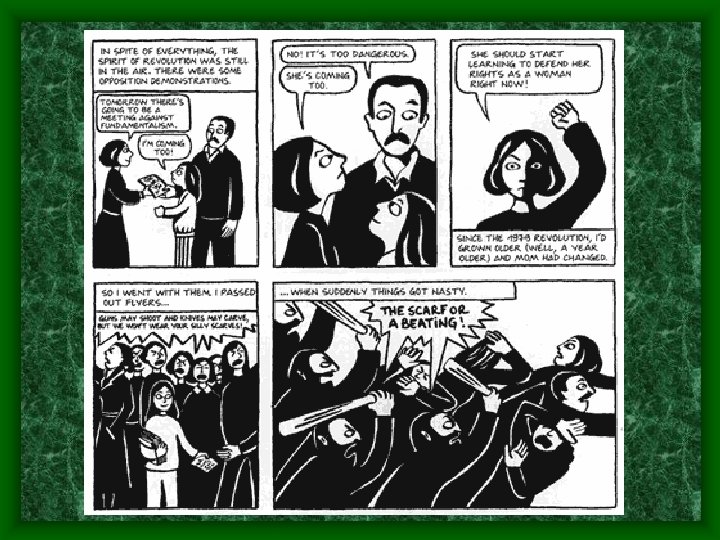
Theocracies • Government by those regarded as divinely guided. • Governments leaders may be clergy, or the state’s may be based on religious law. • Theocratic rule was a basis for early civilizations.
• The Enlightenment marked the end for Theocracies in most western countries.
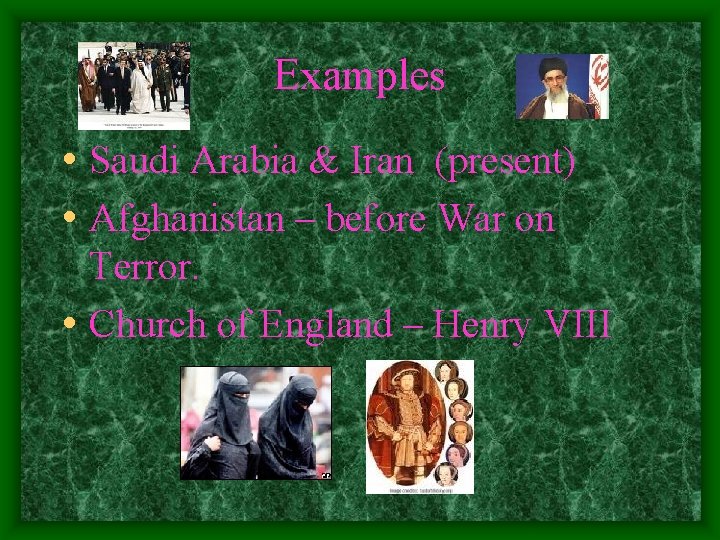
Examples • Saudi Arabia & Iran (present) • Afghanistan – before War on Terror. • Church of England – Henry VIII