
Systems of Government Absolute Monarchy Form of government
Systems of Government
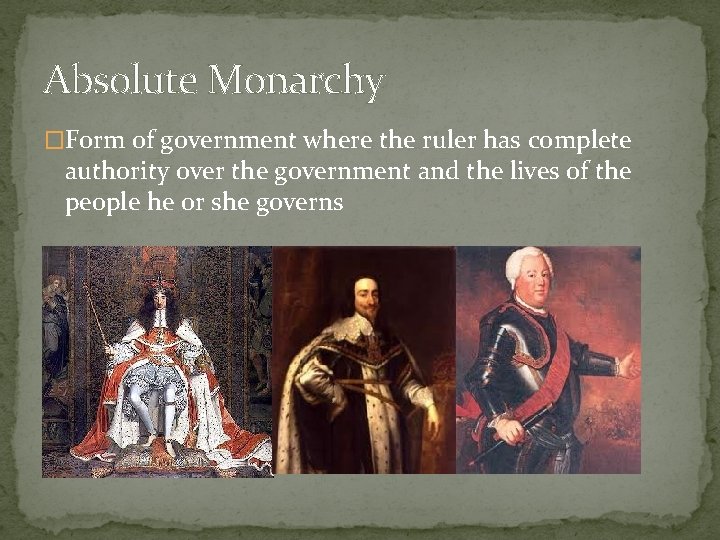
Absolute Monarchy �Form of government where the ruler has complete authority over the government and the lives of the people he or she governs
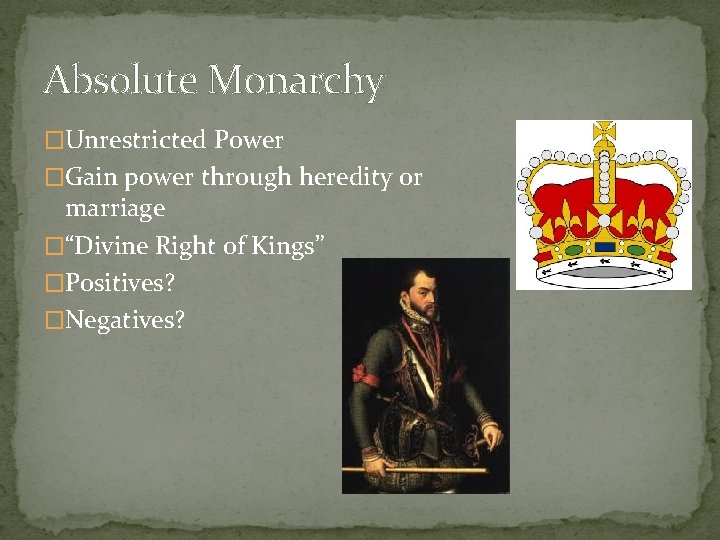
Absolute Monarchy �Unrestricted Power �Gain power through heredity or marriage �“Divine Right of Kings” �Positives? �Negatives?
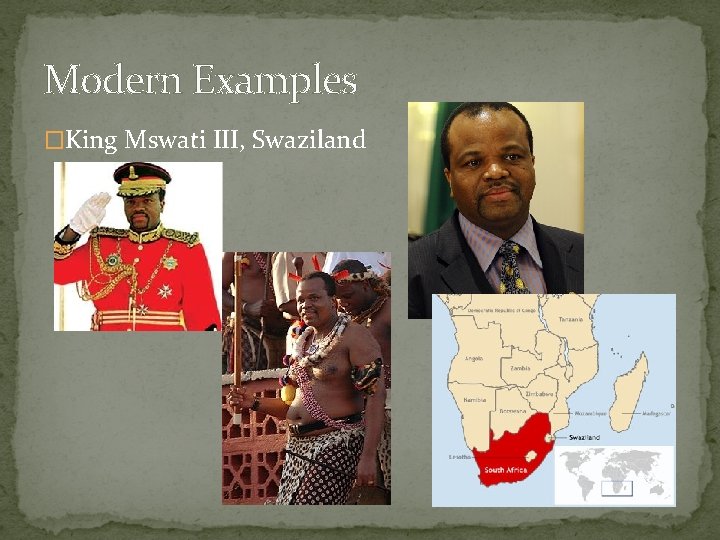
Modern Examples �King Mswati III, Swaziland
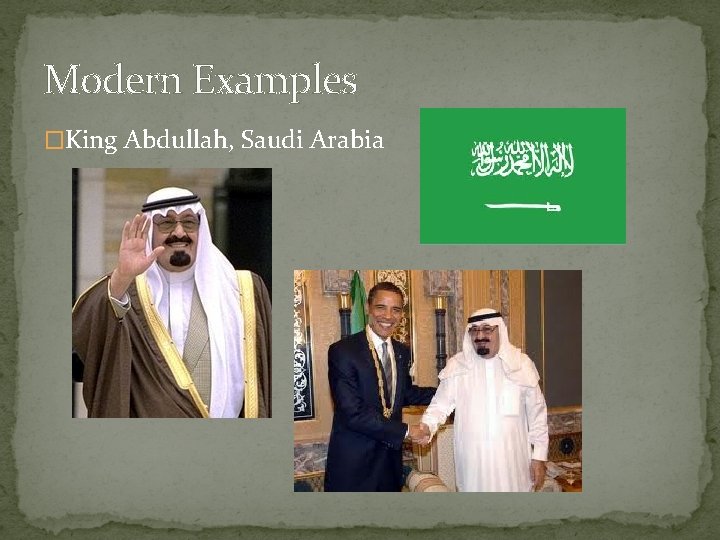
Modern Examples �King Abdullah, Saudi Arabia
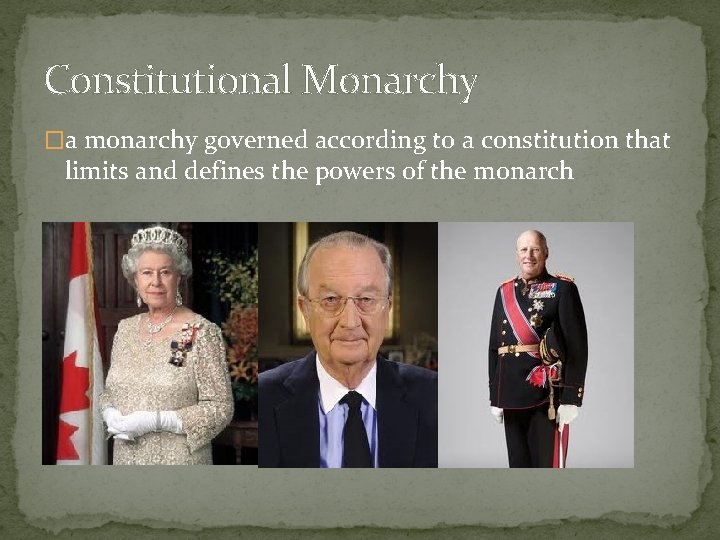
Constitutional Monarchy �a monarchy governed according to a constitution that limits and defines the powers of the monarch
Constitutional Monarchy �Limited Power �Today most monarchs give up power, position is title only �Pros: � Govern by rules, not personal feelings �Cons: � Irrelevant � Expensive
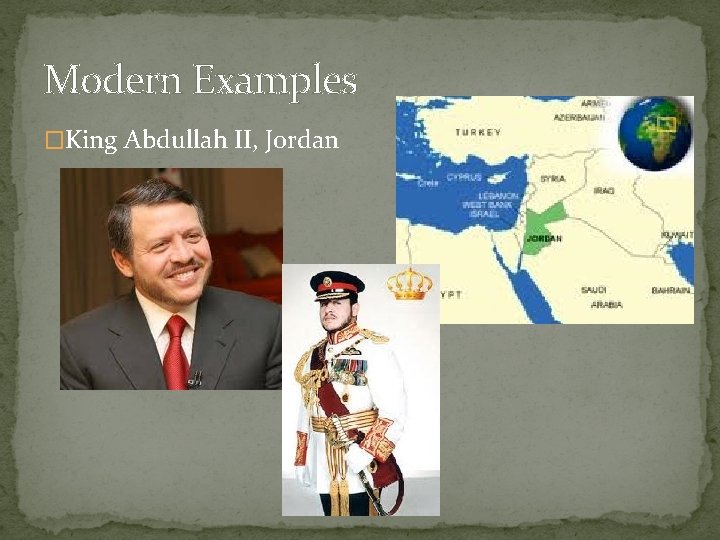
Modern Examples �King Abdullah II, Jordan
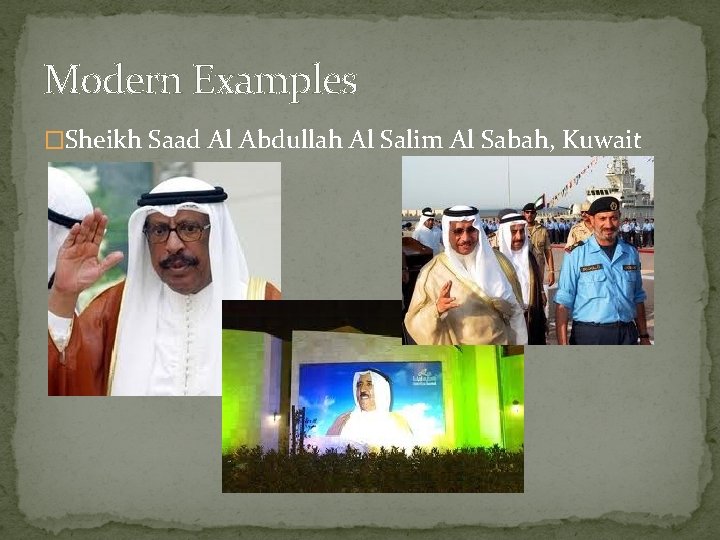
Modern Examples �Sheikh Saad Al Abdullah Al Salim Al Sabah, Kuwait
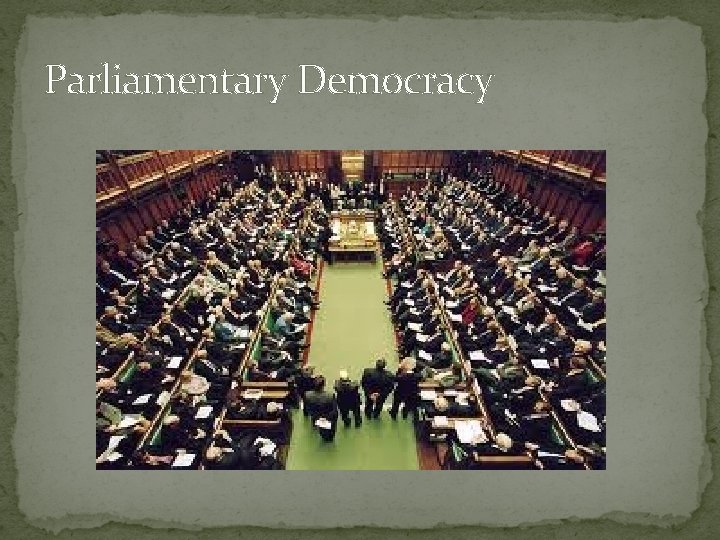
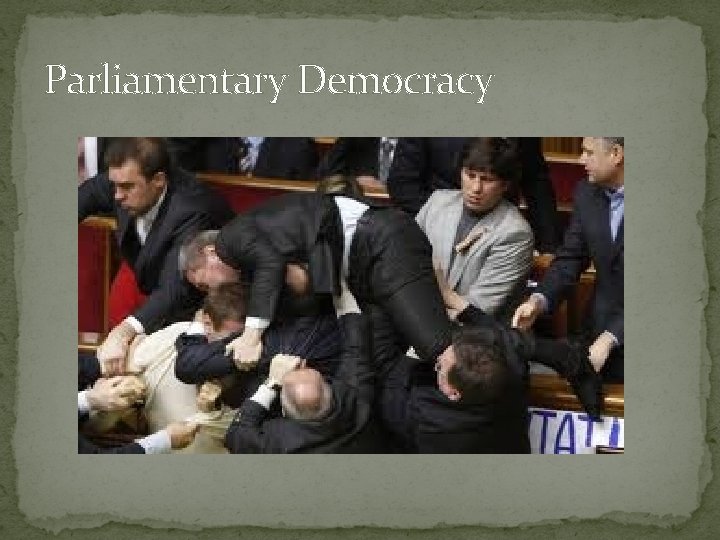
Parliamentary Democracy �Form of government in which the party with the greatest representation in the parliament (legislature) forms the government, its leader becoming prime minister or chancellor. �The parties in the minority serve in opposition to the majority and have the duty to challenge it regularly. �The prime minister may be removed from power whenever he loses the confidence of a majority of the ruling party or of the parliament
Parliamentary Democracy
Parliamentary Democracy
Parliamentary Democracy �Members of Parliament elected to serve a certain period of time � Early Elections Possible � Need majority to stay in power �Pros: � Avoid legislative gridlock � Accountability � Easily Replaceable � Cons: � Easily Replaceable
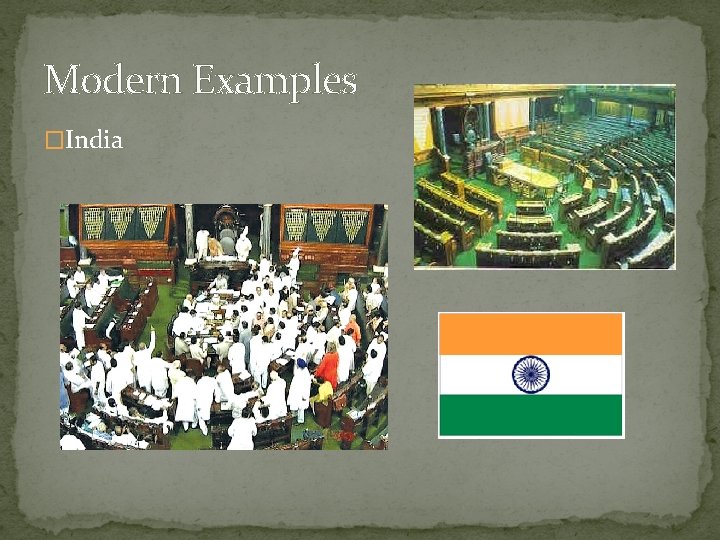
Modern Examples �India
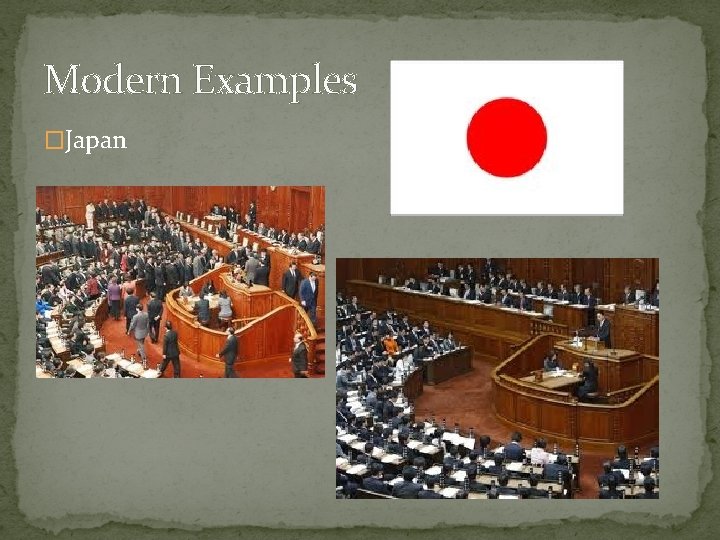
Modern Examples �Japan
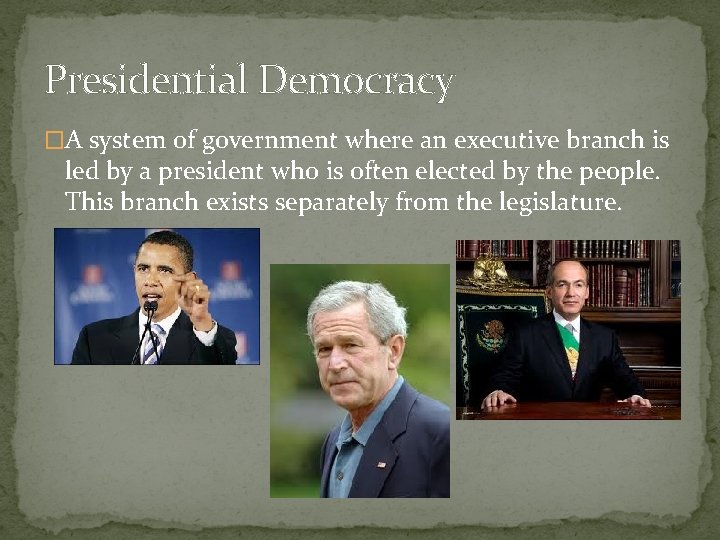
Presidential Democracy �A system of government where an executive branch is led by a president who is often elected by the people. This branch exists separately from the legislature.
Presidential Democracy �Direct Elections, President elected by people �Checks & Balances: President and legislature work separate from each other �President and Legislature serve fixed terms �Pros: � People decide � Checks & Balances � Stability � Cons � Gridlock
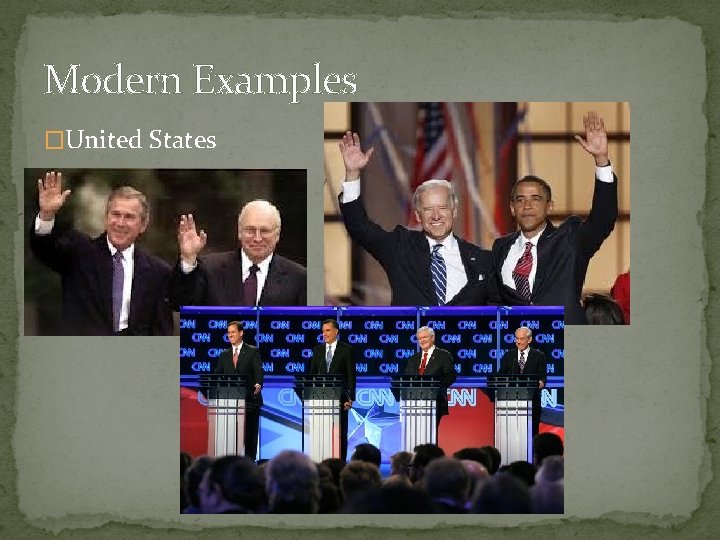
Modern Examples �United States
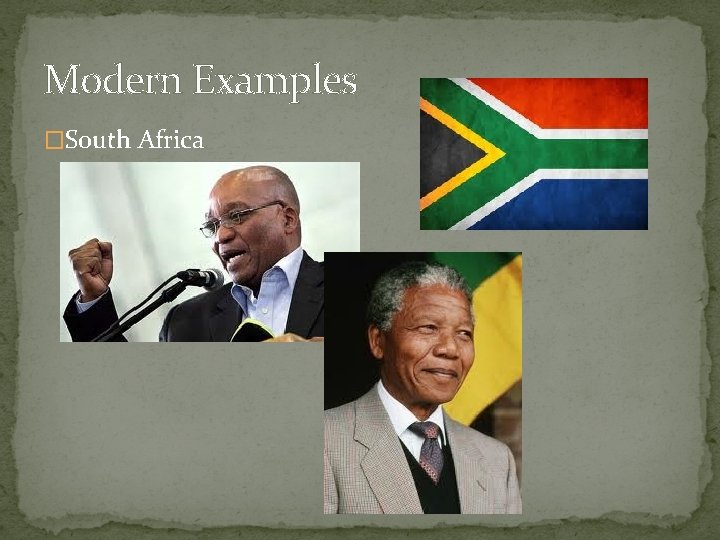
Modern Examples �South Africa
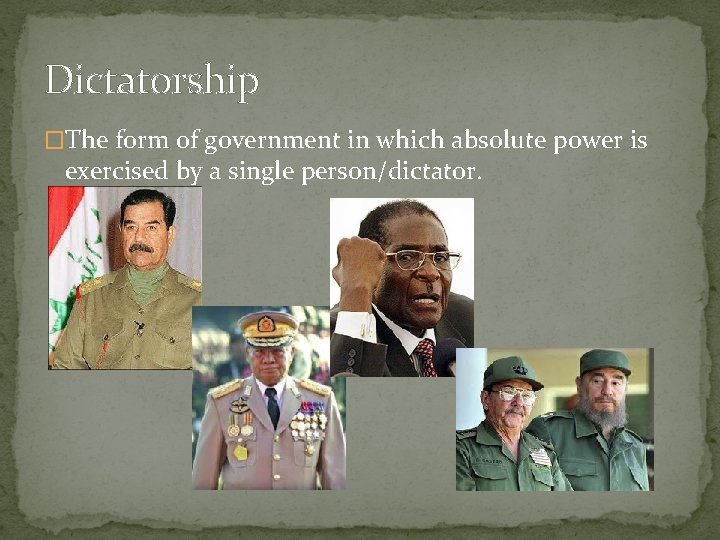
Dictatorship �The form of government in which absolute power is exercised by a single person/dictator.
Dictatorship �Dictator holds unlimited power �Censorship �One-party rule �Pros: � Actions easily taken � Cons: � Oppressive � Strict rules, little freedom
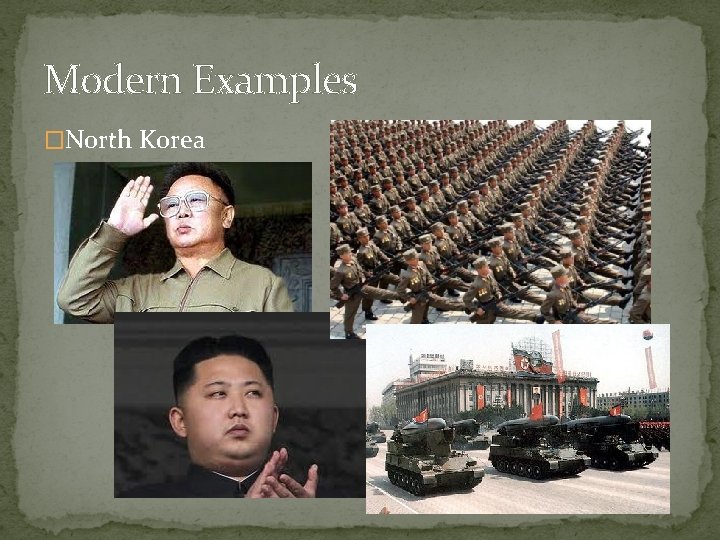
Modern Examples �North Korea
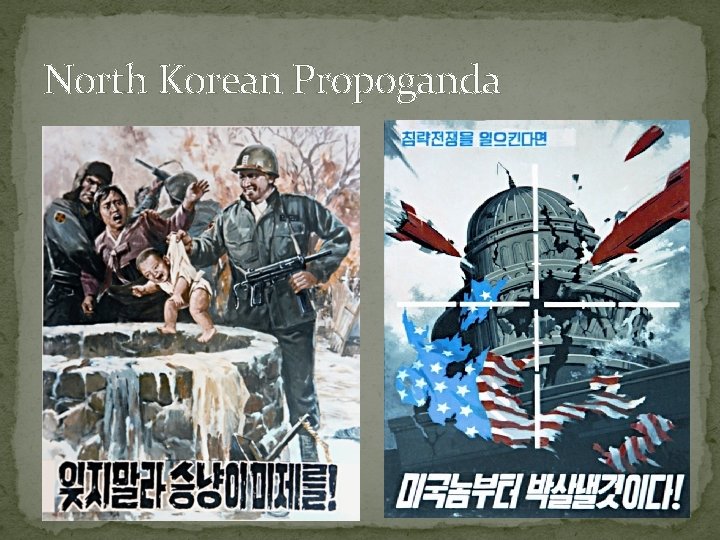
North Korean Propoganda
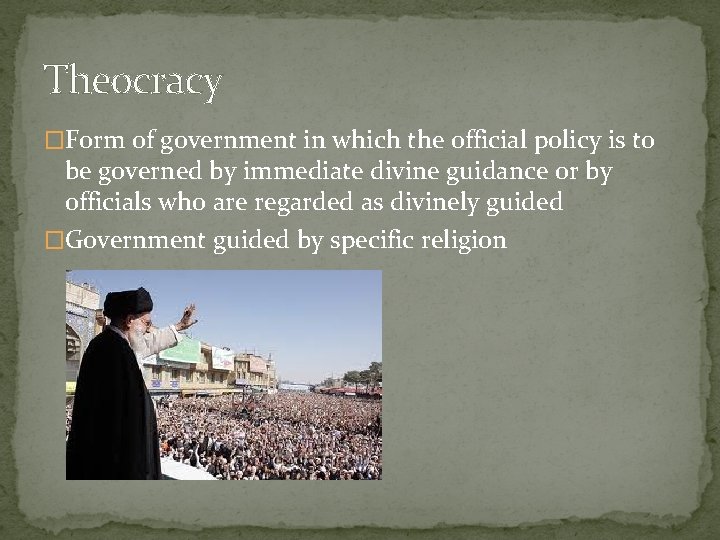
Theocracy �Form of government in which the official policy is to be governed by immediate divine guidance or by officials who are regarded as divinely guided �Government guided by specific religion
Theocracy �“Rule of God” �"God” himself is recognized as the head of the state �Hierarchy of the government identical with the administrative hierarchy of the religion or…. �Government hierarchy subordinate to the religious hierarchy
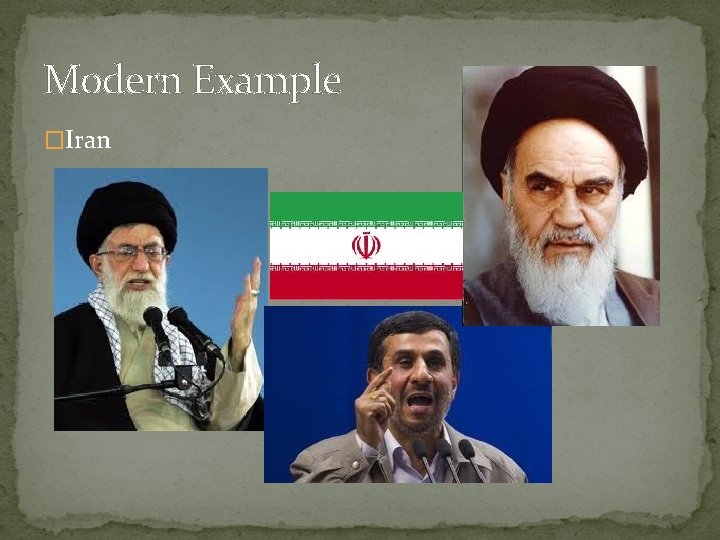
Modern Example �Iran
- Slides: 26