
Systems Analysis of Errors Debora Simmons Ph D
Systems Analysis of Errors Debora Simmons, Ph. D, RN, CCNS
What is a Systems Approach? Humans are fallible and errors are to be expected, even in the best organizations. Errors are seen as consequences rather than causes, having their origins not so much in the perversity of human nature as in "upstream" systemic factors. Reason, 2000
What is a System? A set or group of interacting, interrelated or interdependent elements or parts that are organized and integrated to form a collective unity or a unified whole to achieve a common objective Reason, 1990
Systems of the body § Interdependent – lung-heart- kidney § Interactive –vascular-heart-kidney
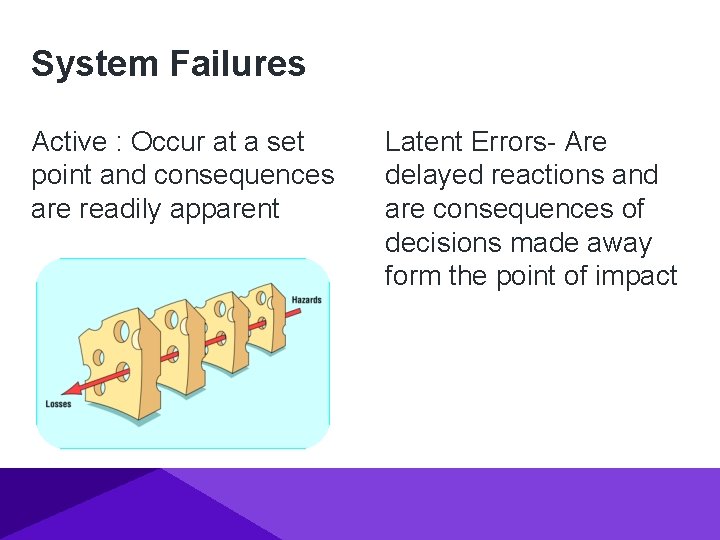
System Failures Active : Occur at a set point and consequences are readily apparent Latent Errors- Are delayed reactions and are consequences of decisions made away form the point of impact James Reason
B James
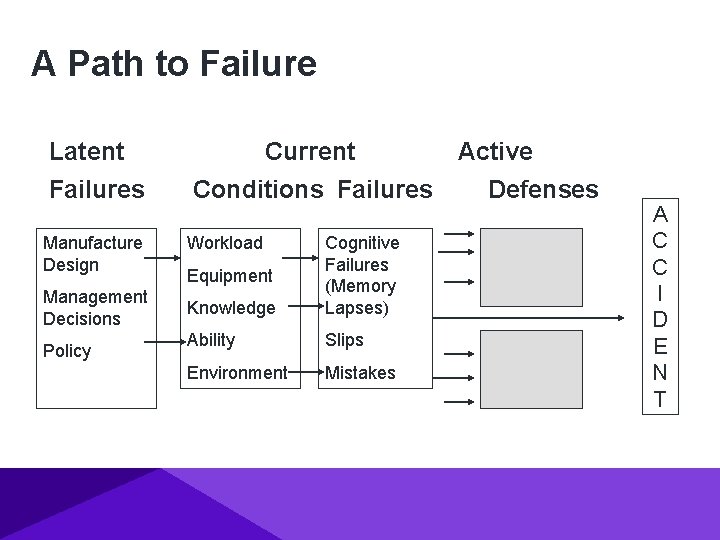
A Path to Failure Latent Failures Manufacture Design Management Decisions Policy Current Conditions Failures Workload Knowledge Cognitive Failures (Memory Lapses) Ability Slips Environment Mistakes Equipment Active Defenses A C C I D E N T
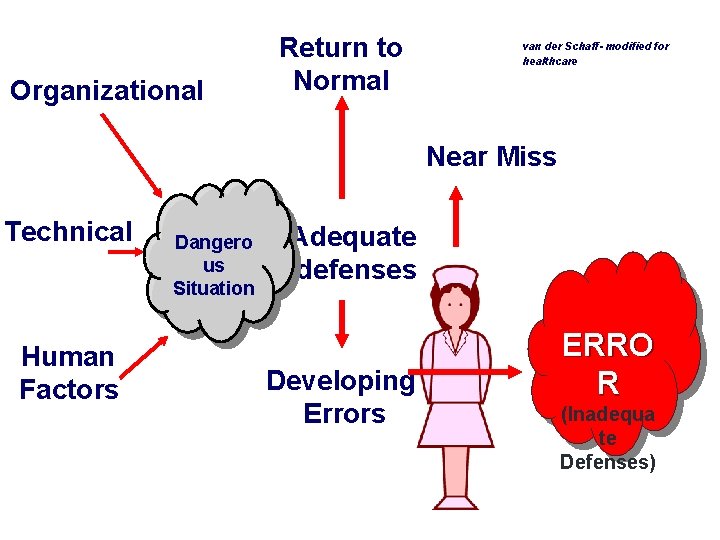
Organizational Return to Normal van der Schaff- modified for healthcare Near Miss Technical Human Factors Dangero us Situation Adequate defenses Developing Errors ERRO R (Inadequa te Defenses)
The Cause and Effect Principle
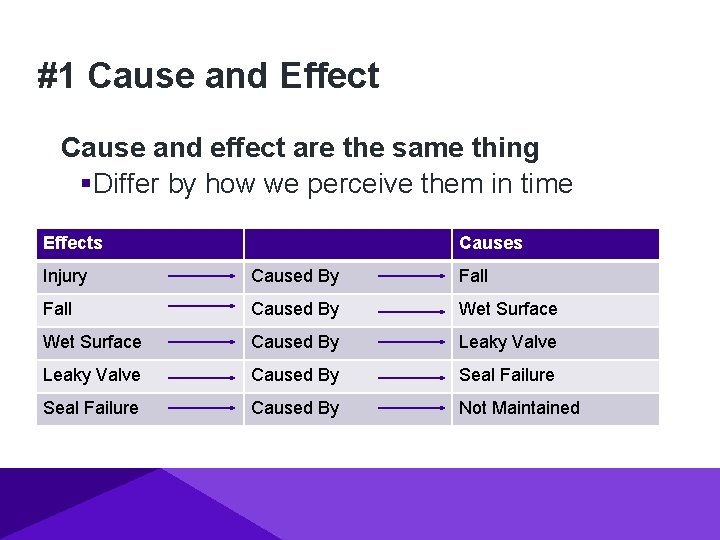
#1 Cause and Effect Cause and effect are the same thing §Differ by how we perceive them in time Effects Causes Injury Caused By Fall Caused By Wet Surface Caused By Leaky Valve Caused By Seal Failure Caused By Not Maintained
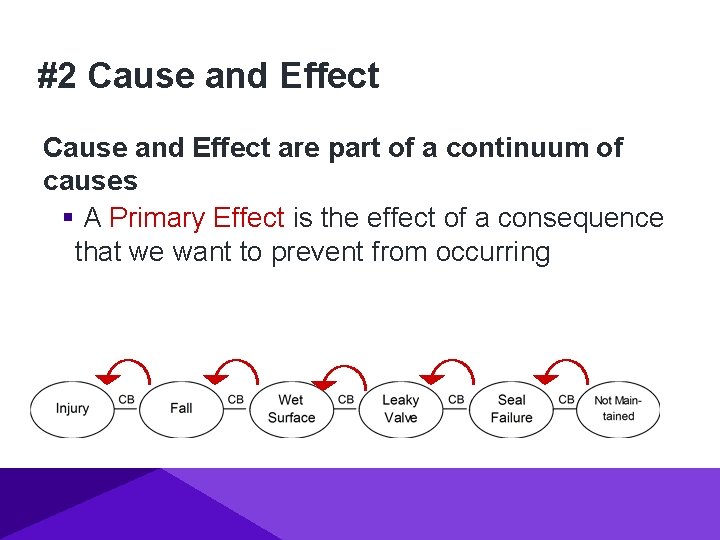
#2 Cause and Effect are part of a continuum of causes § A Primary Effect is the effect of a consequence that we want to prevent from occurring
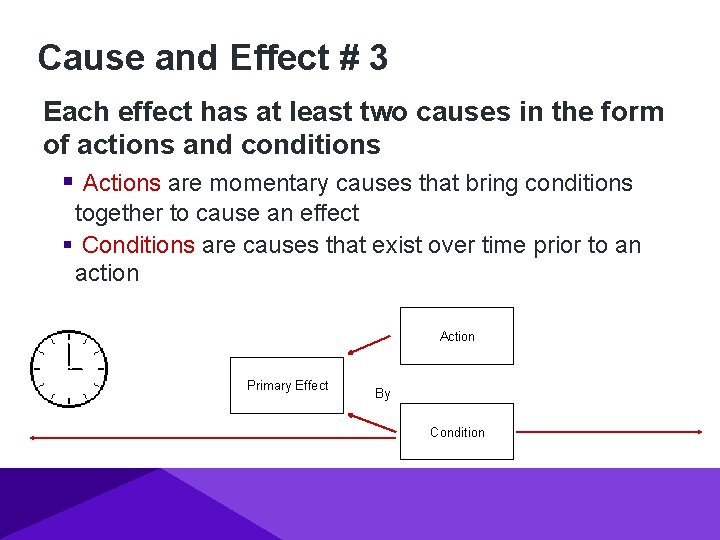
Cause and Effect # 3 Each effect has at least two causes in the form of actions and conditions § Actions are momentary causes that bring conditions together to cause an effect § Conditions are causes that exist over time prior to an action Action Primary Effect By Condition
Cause and Effect Principle #4 § An effect exists only if its causes exist at the same point in time and space § You have to have: the action and the conditions
Cause and Effect Principle # 5 § There is never one cause
Problem Solving Using C/E § Identify causal relationships and control one or more of the causes to affect the problem in a way that meets the objectives § Understand the problem § Use an effective tool set
Classic If people are more careful, pay attention, are more detailed there will be a decrease in errors (My Mother)
New It is the design of objects, activities, procedures patterns of behavior that result in error Norman and Reason
Human Factors Analysis Properties of Memory Decision Making Information Environment Physical
Error is Inevitable Because of Human Limitations § § Limited memory capacity Limited mental processing capacity Negative effects of stress - Tunnel vision Negative influence of fatigue and other physiological factors § Limited ability to multitask § Flawed teamwork
Systems of Care § > 80 % medical error is system derived § 95 % of mistakes are made by the good guys like you and me § Finding the “Bad Apples” and fixing them doesn’t work – there aren’t enough § The system solution – make it hard to do the wrong thing
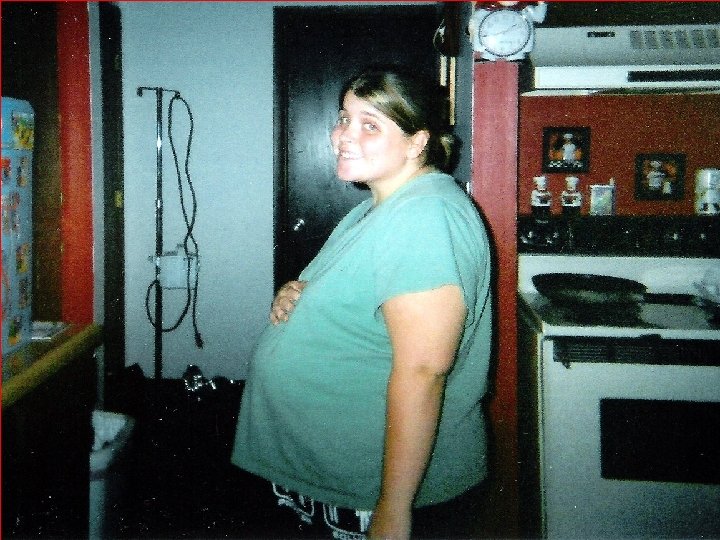
Nurse inadvertently connected a feeding of expressed breast milk to an intravenous line
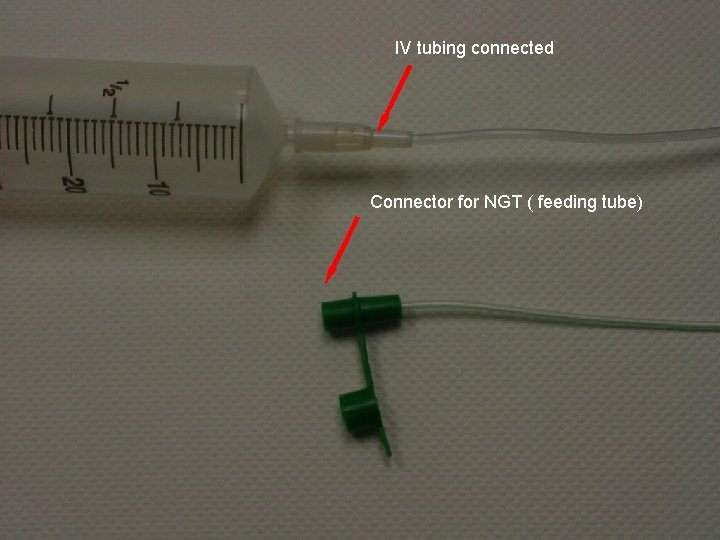
IV tubing connected Connector for NGT ( feeding tube)
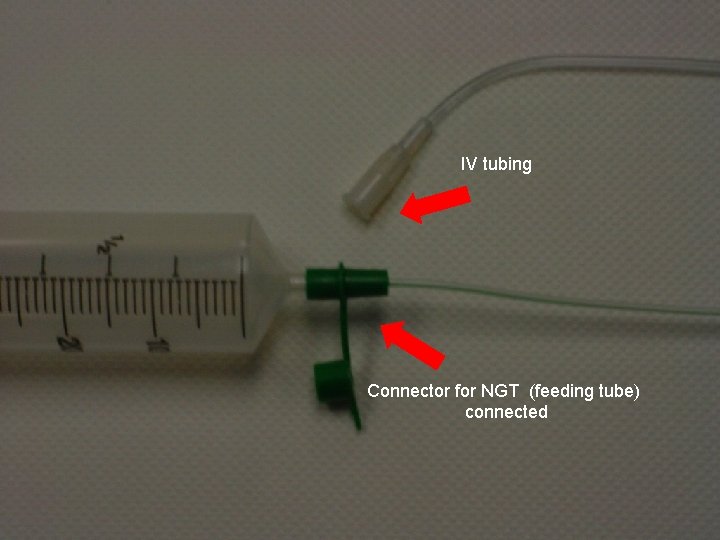
IV tubing Connector for NGT (feeding tube) connected
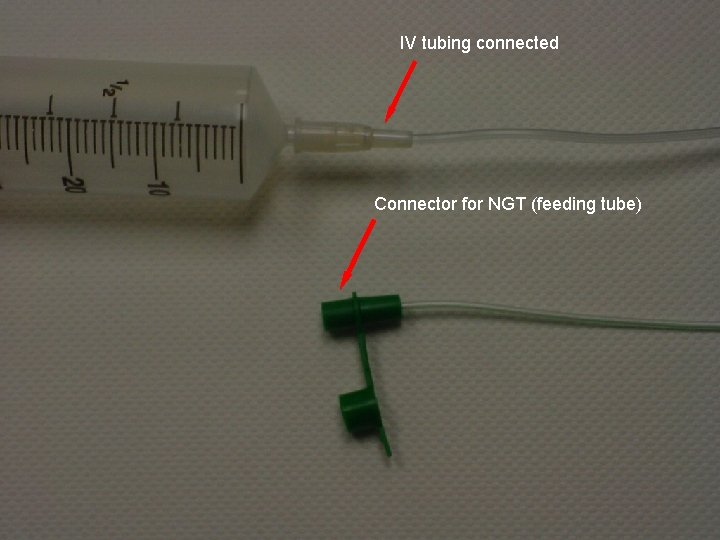
IV tubing connected Connector for NGT (feeding tube)
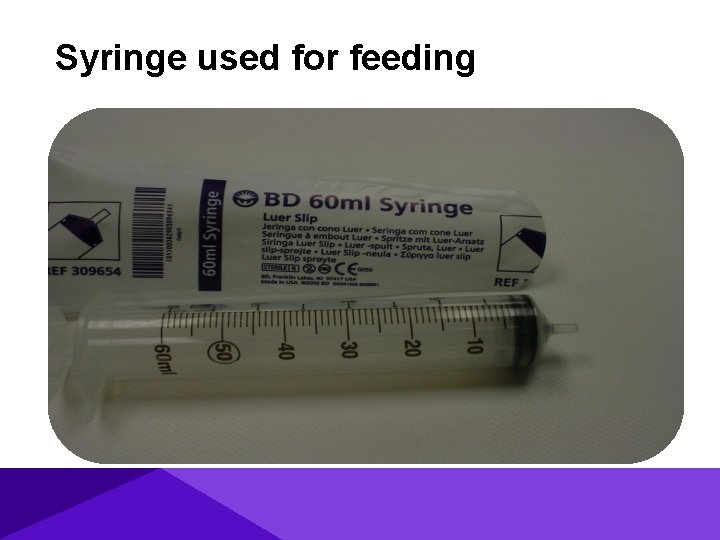
Syringe used for feeding
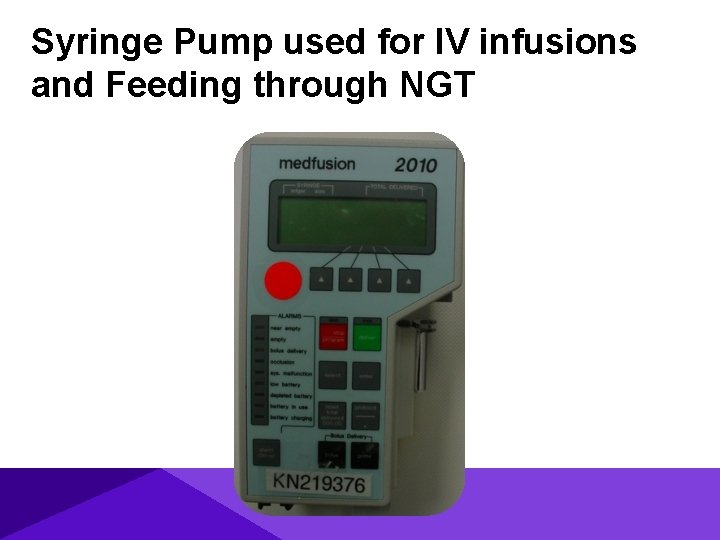
Syringe Pump used for IV infusions and Feeding through NGT
27
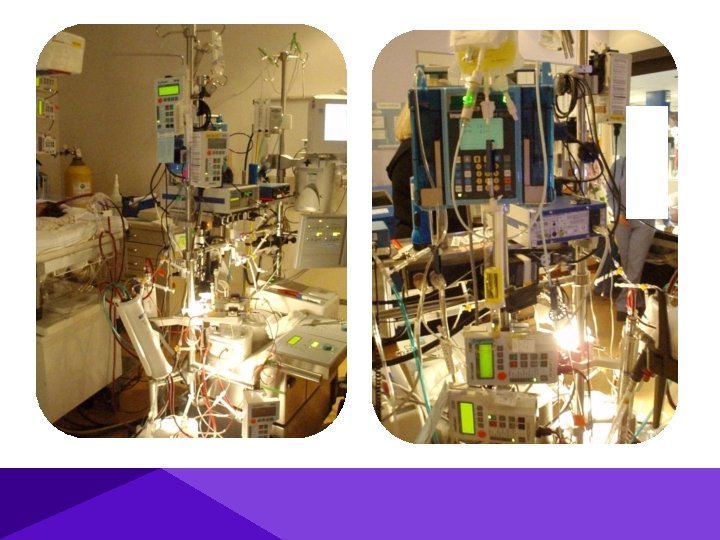
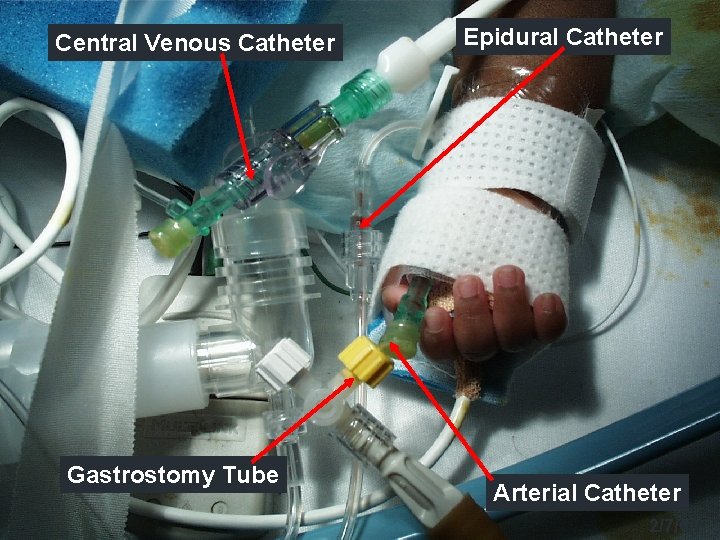
Central Venous Catheter Gastrostomy Tube Epidural Catheter Arterial Catheter 29 2/7/00
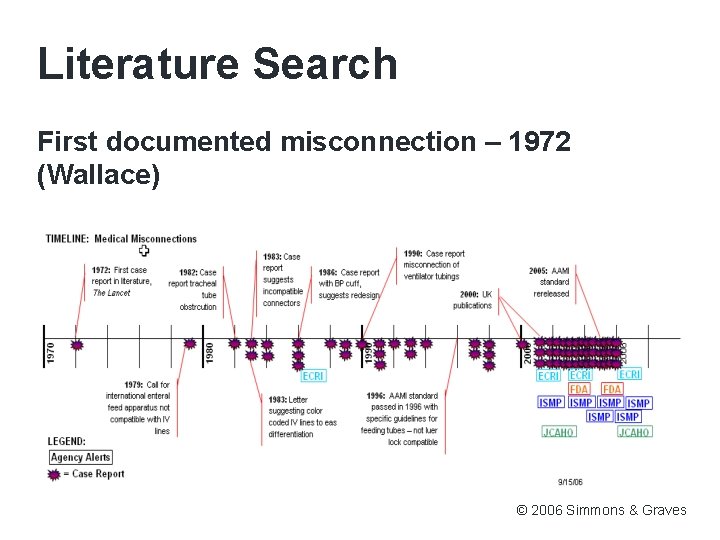
Literature Search First documented misconnection – 1972 (Wallace) © 2006 Simmons & Graves
Tubing misconnections § Joint Commission § Institute for Safe Medication Practices § American Association Medical Instrumentation - 1996 and 2005 § Food and Drug Administration § International Standards Organization § American Nurses Association § World Health Organization § California Bill 2013 deadaline § ADva. MED
A review by USP of more than 1200 cases: § Intravenous infusions connected to epidural lines, and epidural solutions (intended for epidural administration) connected to peripheral or central IV catheters. § Bladder irrigation solutions using primary intravenous tubing connected as secondary infusions to peripheral or central IV catheters. § Infusions intended for IV administration connected to an indwelling bladder (foley) catheter. § Infusions intended for IV administration connected to nasogastric (NG) tubes. § Intravenous solutions administered with blood administration sets, and blood products transfused with primary intravenous tubing. § Primary intravenous solutions administered through various other functionally dissimilar catheters, such as external dialysis catheters, a ventriculostomy drain, an amnio-infusion catheter, and the distal port of a pulmonary artery catheter.
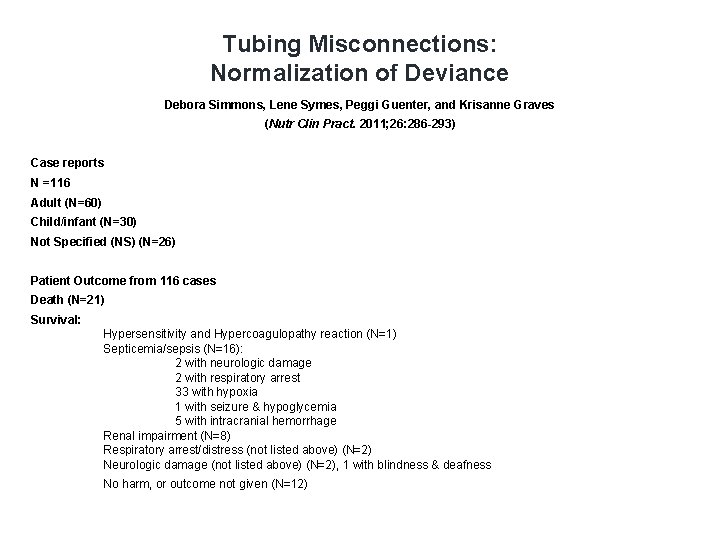
Tubing Misconnections: Normalization of Deviance Debora Simmons, Lene Symes, Peggi Guenter, and Krisanne Graves (Nutr Clin Pract. 2011; 26: 286 -293) Case reports N =116 Adult (N=60) Child/infant (N=30) Not Specified (NS) (N=26) Patient Outcome from 116 cases Death (N=21) Survival: Hypersensitivity and Hypercoagulopathy reaction (N=1) Septicemia/sepsis (N=16): 2 with neurologic damage 2 with respiratory arrest 33 with hypoxia 1 with seizure & hypoglycemia 5 with intracranial hemorrhage Renal impairment (N=8) Respiratory arrest/distress (not listed above) (N=2) Neurologic damage (not listed above) (N=2), 1 with blindness & deafness No harm, or outcome not given (N=12)
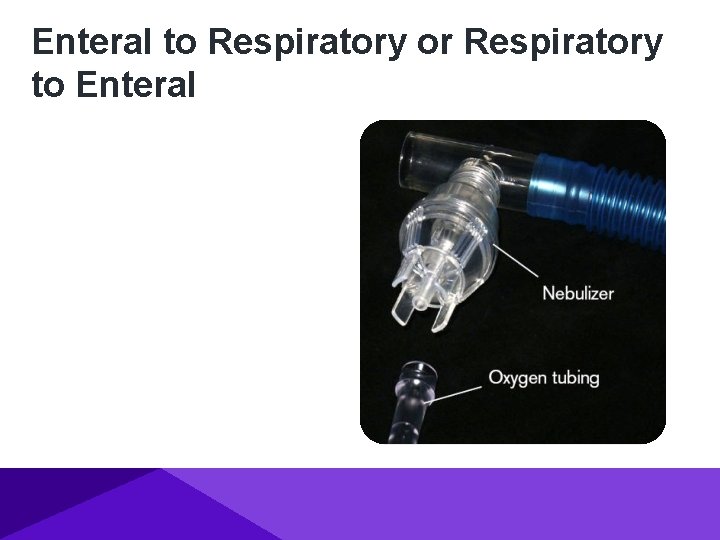
Enteral to Respiratory or Respiratory to Enteral
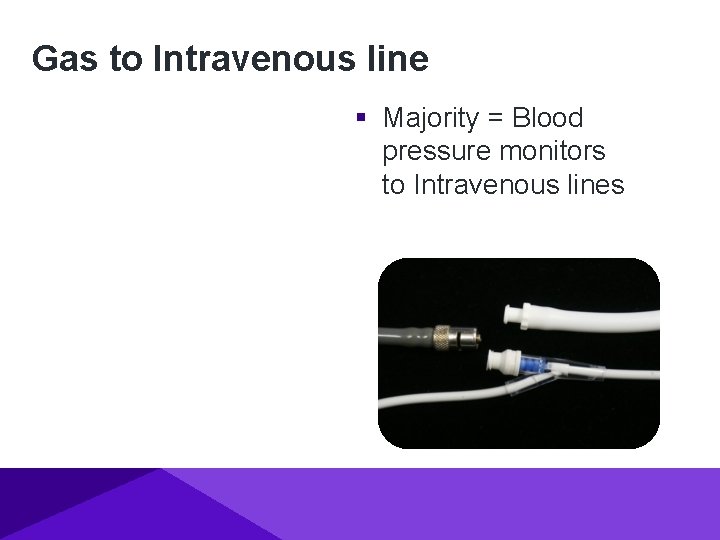
Gas to Intravenous line § Majority = Blood pressure monitors to Intravenous lines
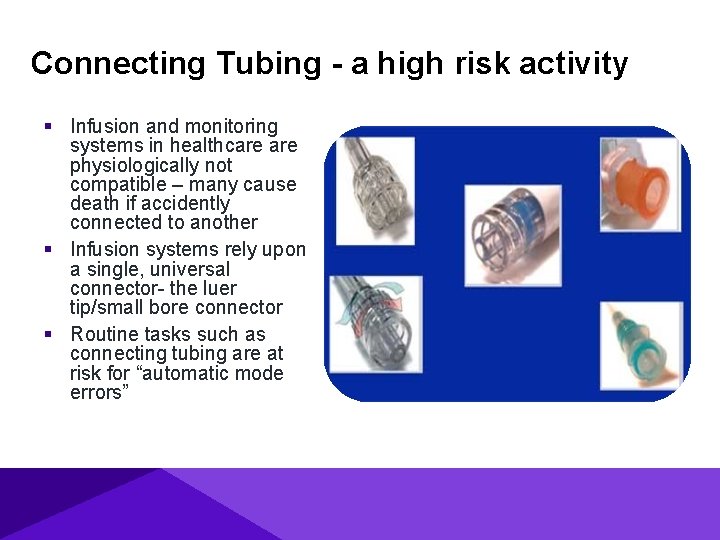
Connecting Tubing - a high risk activity § Infusion and monitoring systems in healthcare physiologically not compatible – many cause death if accidently connected to another § Infusion systems rely upon a single, universal connector- the luer tip/small bore connector § Routine tasks such as connecting tubing are at risk for “automatic mode errors”
Nurses’ Understanding of Tubing Misconnections between Enteral and Intravenous Systems: a multiple case, explanatory, grounded theory study July 6, 2011
What do nurses understand about tubing misconnections between enteral and intravenous systems?
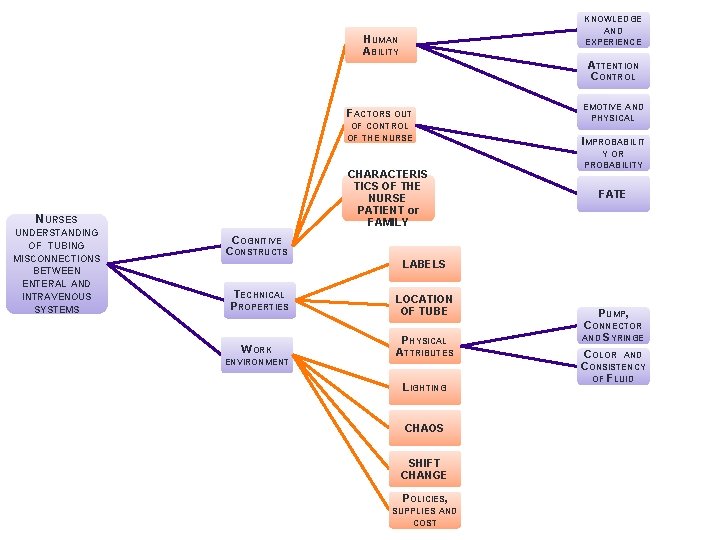
KNOWLEDGE AND EXPERIENCE HUMAN ABILITY ATTENTION CONTROL FACTORS OUT OF CONTROL OF THE NURSES UNDERSTANDING OF TUBING MISCONNECTIONS BETWEEN ENTERAL AND INTRAVENOUS SYSTEMS CHARACTERIS TICS OF THE NURSE PATIENT or FAMILY EMOTIVE AND PHYSICAL IMPROBABILIT Y OR PROBABILITY FATE COGNITIVE CONSTRUCTS LABELS TECHNICAL PROPERTIES LOCATION OF TUBE WORK PHYSICAL ATTRIBUTES ENVIRONMENT LIGHTING CHAOS SHIFT CHANGE POLICIES, SUPPLIES AND COST PUMP, CONNECTOR AND SYRINGE COLOR AND CONSISTENCY OF FLUID
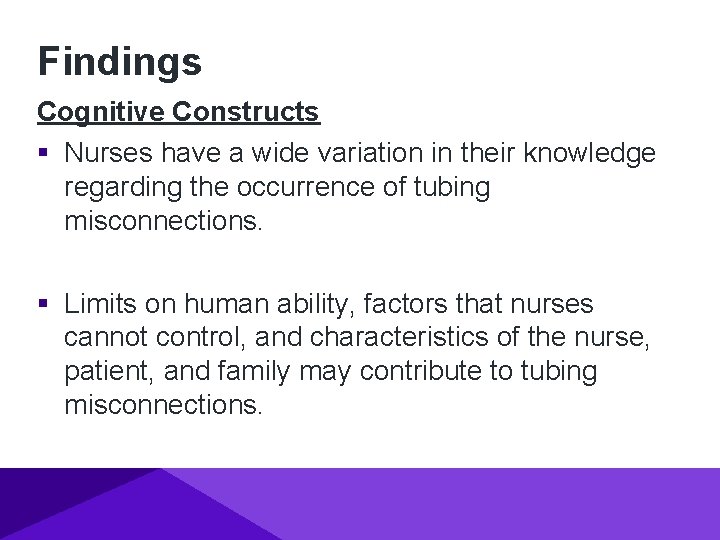
Findings Cognitive Constructs § Nurses have a wide variation in their knowledge regarding the occurrence of tubing misconnections. § Limits on human ability, factors that nurses cannot control, and characteristics of the nurse, patient, and family may contribute to tubing misconnections.
Findings Work Environment § Multiple organizational practices do not support the mental work of nurses. § Healthcare has not applied common safety concepts to the work environment. Technical Properties § Some nurses rely on physical attributes of devices to cue them to make tubing connections. Others report that relying on such cues may lead to misconnections.
Future Research Cognitive Constructs § Nursing education research : How do you imbed generic safety knowledge within the nursing workforce? § How can we improve human (nursing) ability to provide safe and effective patient care in the face of complexity in healthcare? Work Environment § How can the work environment and organizational practices be modified to support the work of nurses? Technical Properties § How do nurses’ attach meaning to common medical devices and tasks? § What design features of healthcare devices support nurses’ cognitive work?
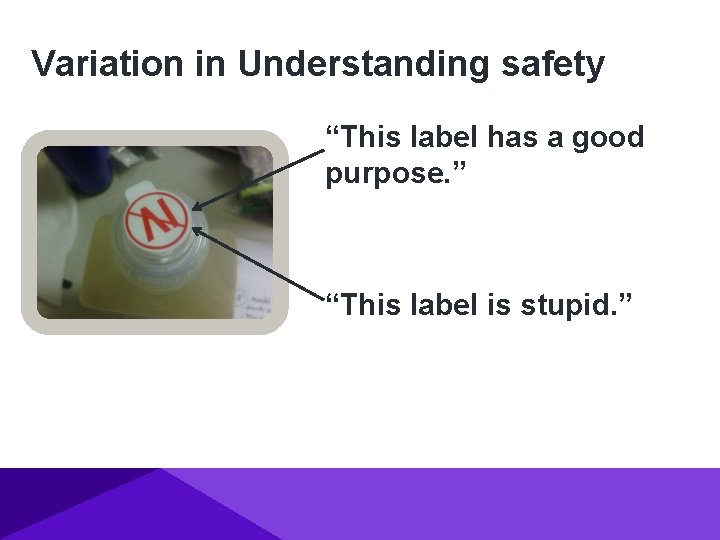
Variation in Understanding safety “This label has a good purpose. ” “This label is stupid. ”
Overarching Conclusions § Nurses do not conceptualize making a tubing connection as a linear process. § Nursing has not assimilated basic safety principles into practice. § Factors related to the cognitive constructs of nurses, the work environment, and technology properties are pervasive and create an environment that may be deadly for patients.
Human Factors the study of interrelationships between humans, the tools they use, and the environment in which they live and work § Used to design safer and more effective systems § Commonly used in industry (aviation, nuclear, chemical, production) § Used in critical incident analysis - 9/11, Chernobyl, Challenger, Three Mile Island
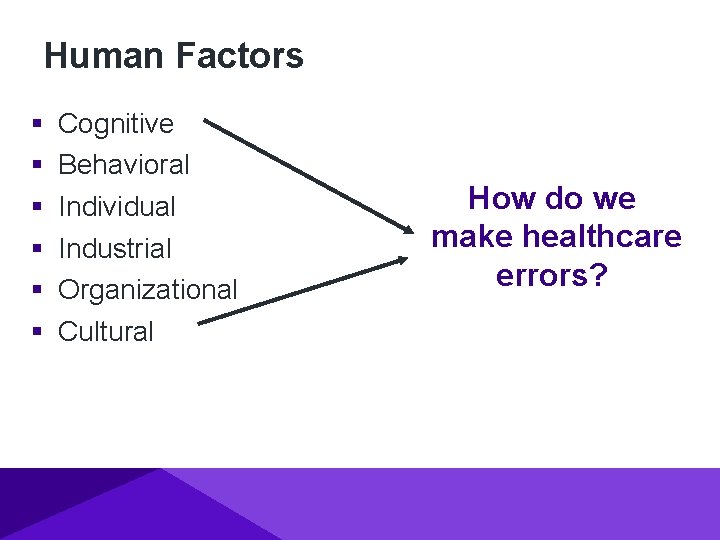
Human Factors § § § Cognitive Behavioral Individual Industrial Organizational Cultural How do we make healthcare errors?
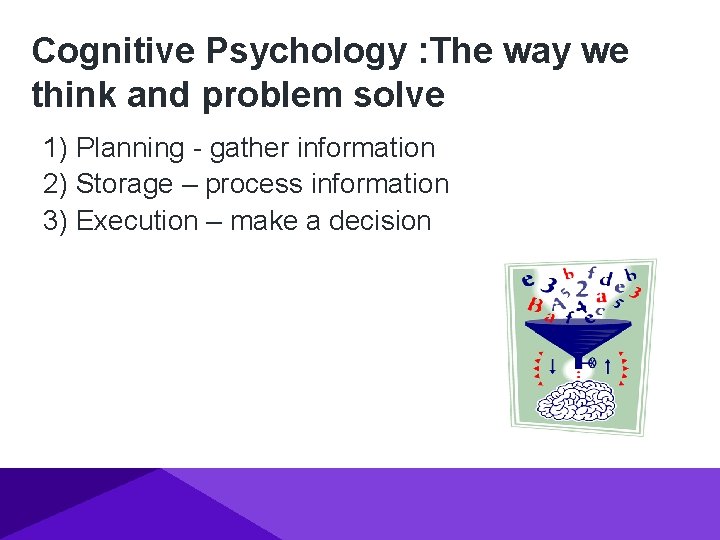
Cognitive Psychology : The way we think and problem solve 1) Planning - gather information 2) Storage – process information 3) Execution – make a decision
Memory § Ability to store, retain, and subsequently recall information § Three main stages in the formation and retrieval of memory: – Encoding (processing and combining of received information) – Storage (creation of a permanent record of the encoded information) – Retrieval/Recall (calling back the stored information in response to some cue for use in some process or activity)
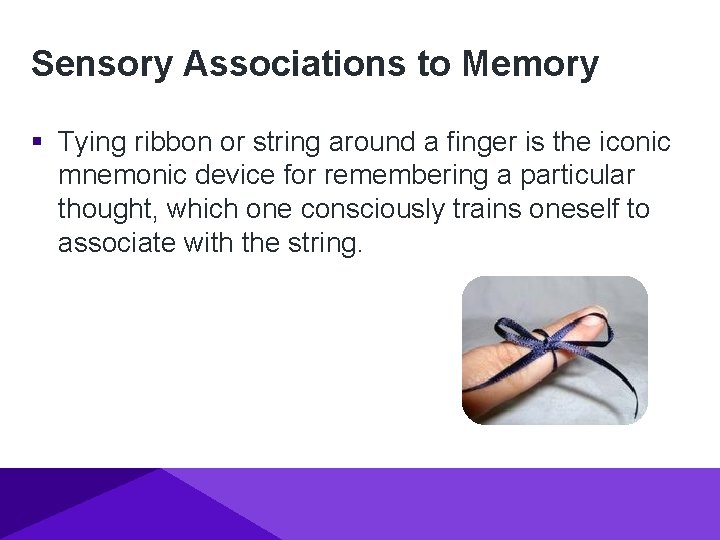
Sensory Associations to Memory § Tying ribbon or string around a finger is the iconic mnemonic device for remembering a particular thought, which one consciously trains oneself to associate with the string.
Error Modes Automatic Mode § Slips § Lapses Non Automatic Mode § Mistakes
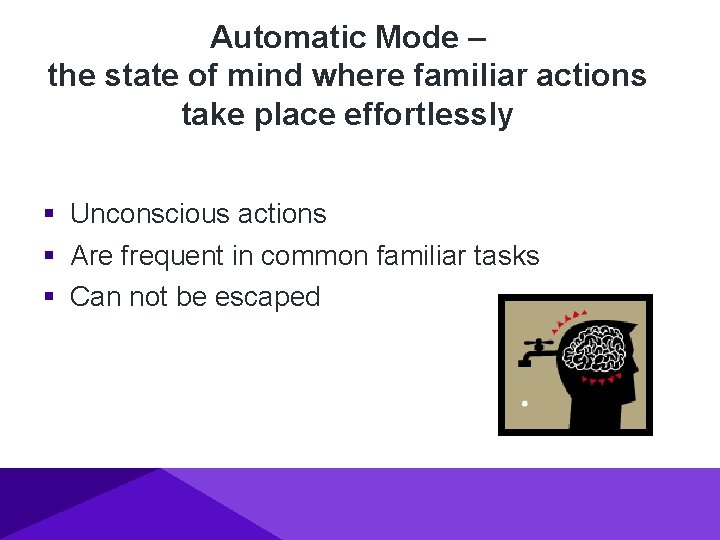
Automatic Mode – the state of mind where familiar actions take place effortlessly § Unconscious actions § Are frequent in common familiar tasks § Can not be escaped
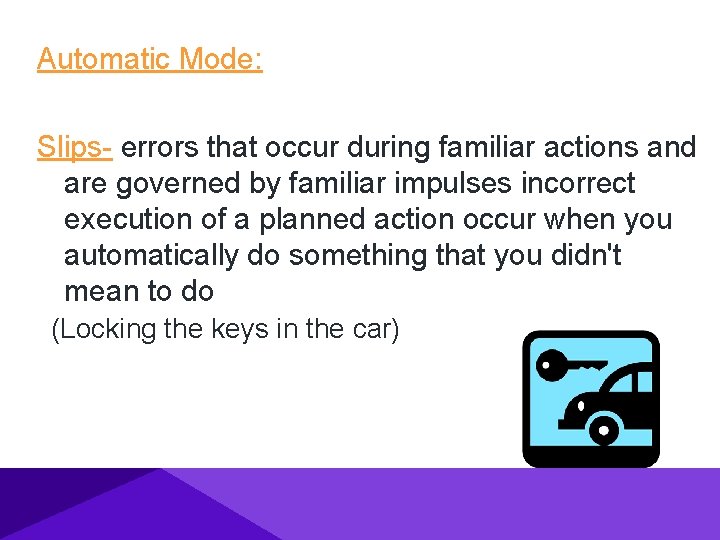
Automatic Mode: Slips- errors that occur during familiar actions and are governed by familiar impulses incorrect execution of a planned action occur when you automatically do something that you didn't mean to do (Locking the keys in the car)
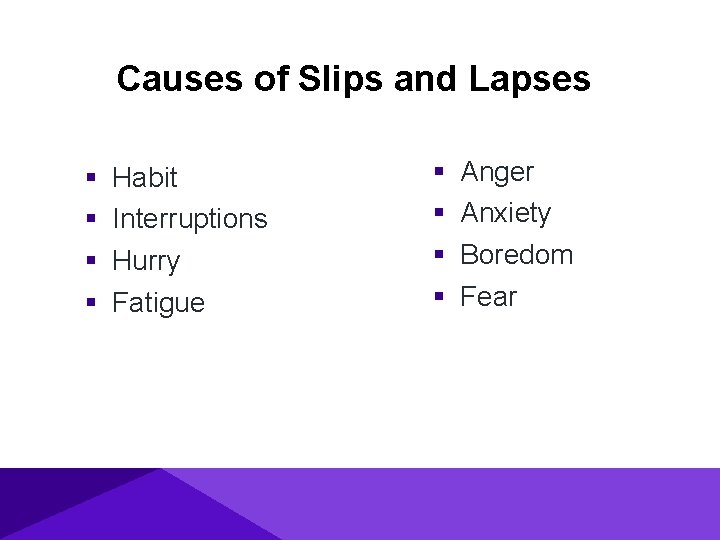
Causes of Slips and Lapses § § Habit Interruptions Hurry Fatigue § § Anger Anxiety Boredom Fear
Please comment § FDA Issues Feeding Tube Misconnection Guidance Document § To help combat the deadly problem of tubing misconnections, the U. S. Food. . . manufacturers weigh the risk of small-bore connectors for enteral feeding tubes. www. aami. org/news/2012/073012_connector. html
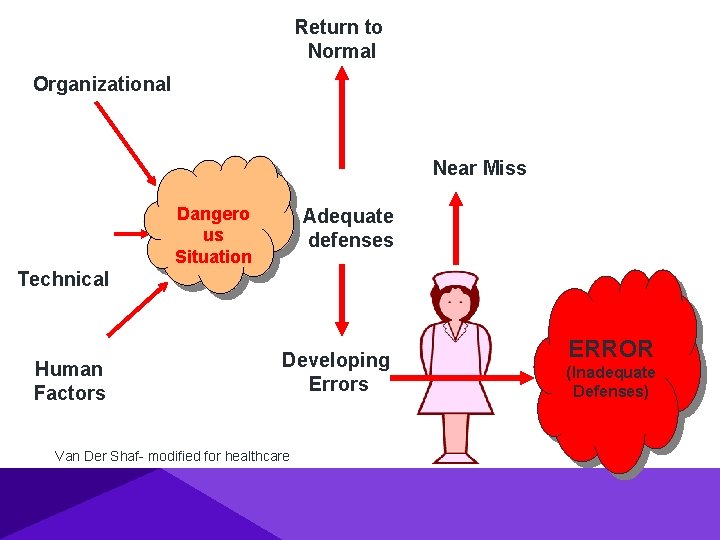
Return to Normal Organizational Near Miss Dangero us Situation Adequate defenses Technical Human Factors Developing Errors Van Der Shaf- modified for healthcare ERROR (Inadequate Defenses)
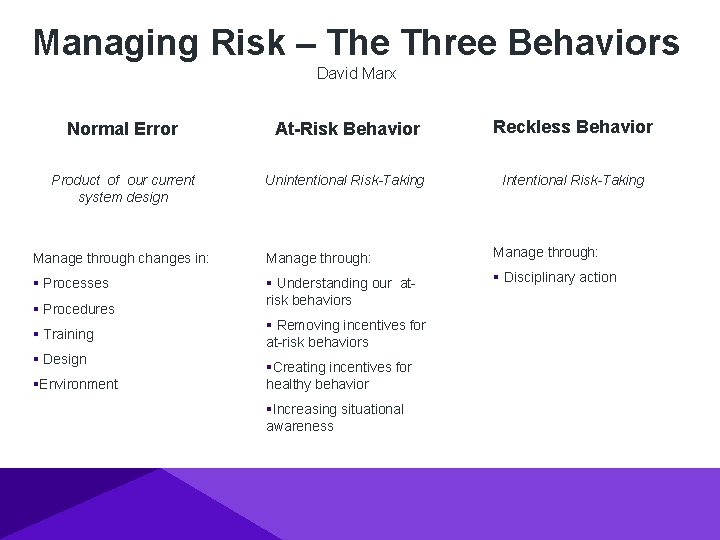
Managing Risk – The Three Behaviors David Marx Normal Error At-Risk Behavior Reckless Behavior Product of our current system design Unintentional Risk-Taking Intentional Risk-Taking Manage through changes in: Manage through: § Processes § Understanding our atrisk behaviors § Disciplinary action § Procedures § Training § Design §Environment § Removing incentives for at-risk behaviors §Creating incentives for healthy behavior §Increasing situational awareness
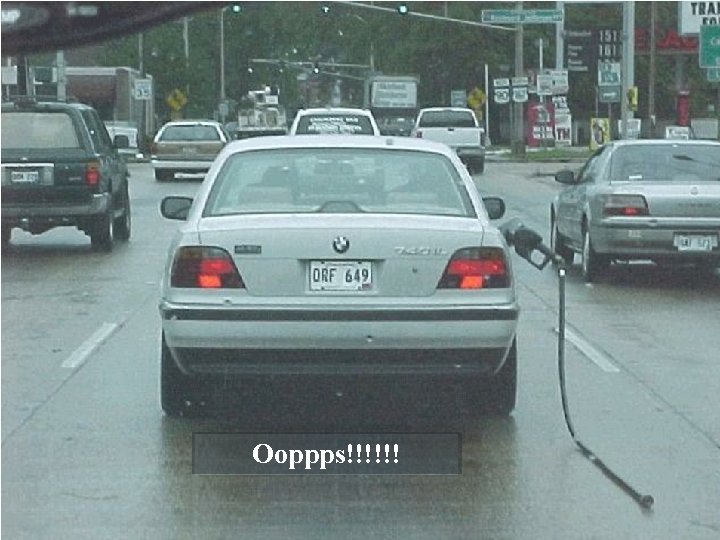
Ooppps!!!!!!
- Slides: 58