
System Strengthening Audit Charlotte Mitchell and Dr Joe
- Slides: 12
System Strengthening: Audit Charlotte Mitchell and Dr Joe Bourdillon-Schicker
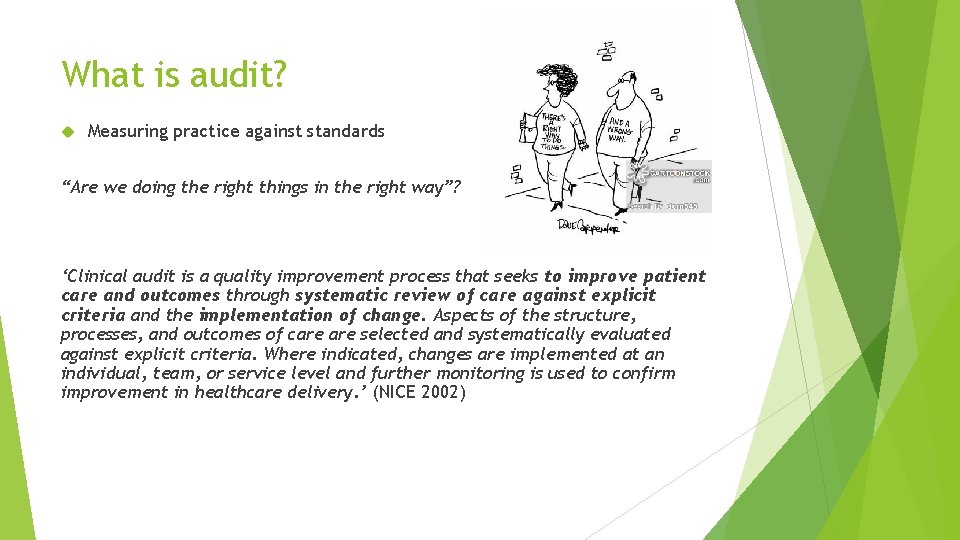
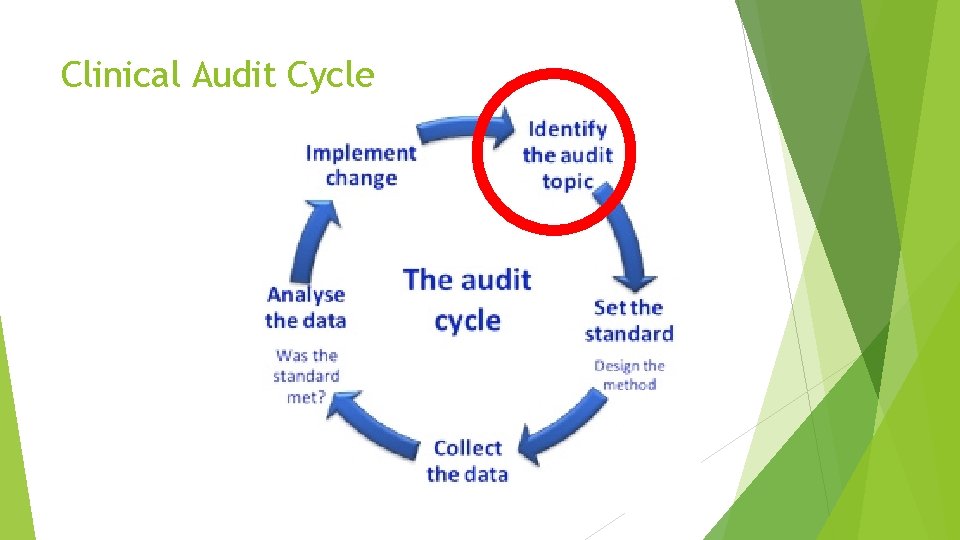
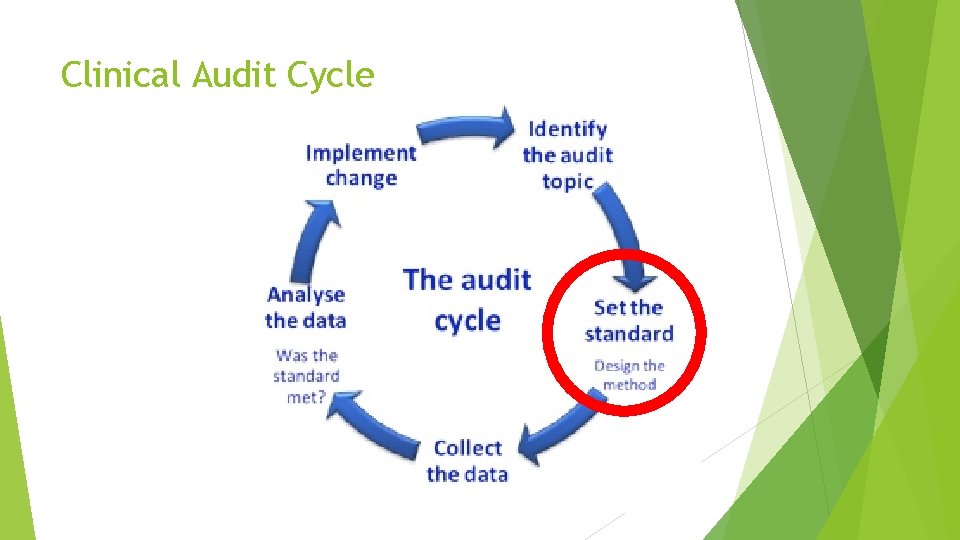
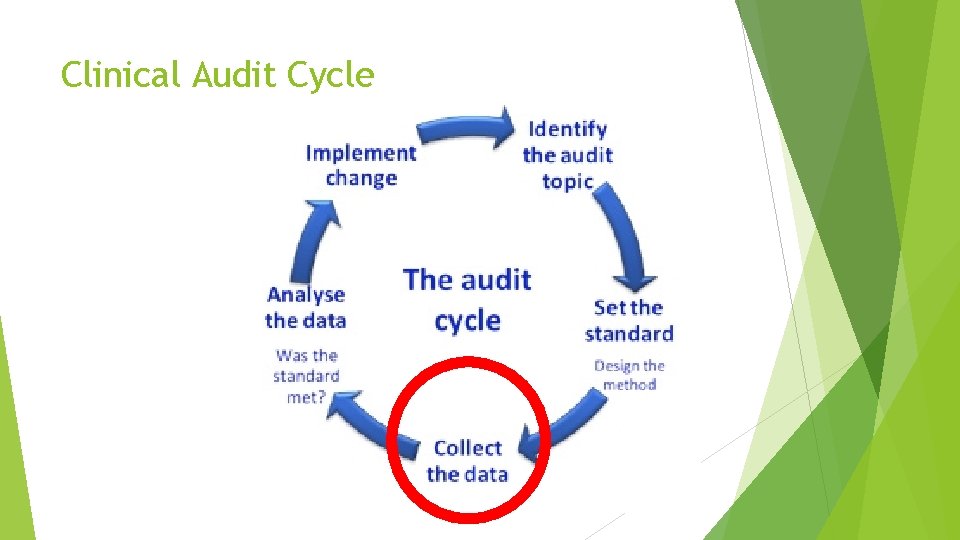
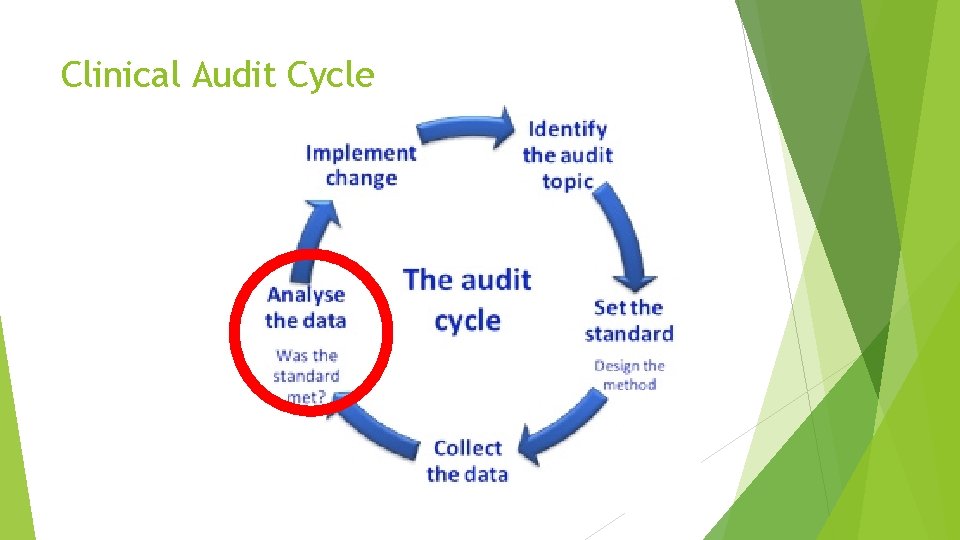
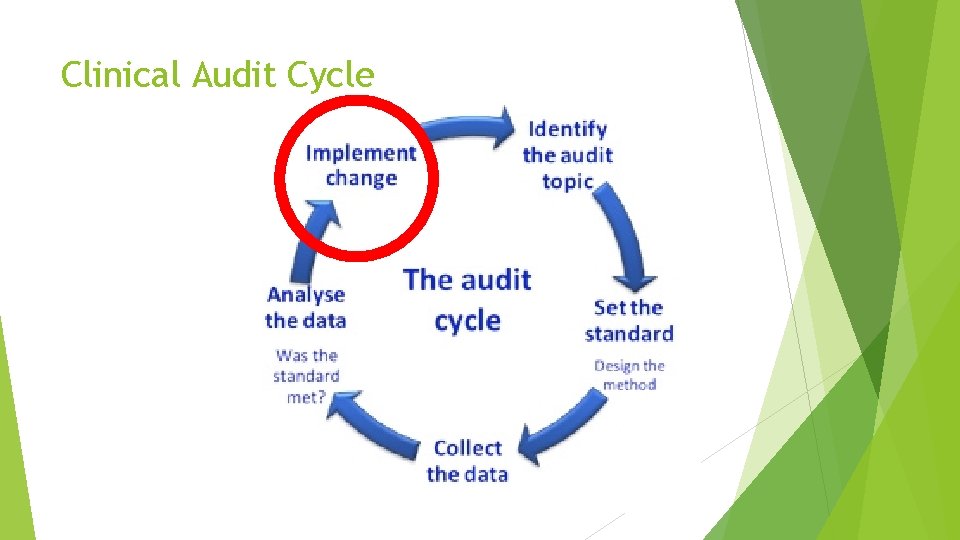
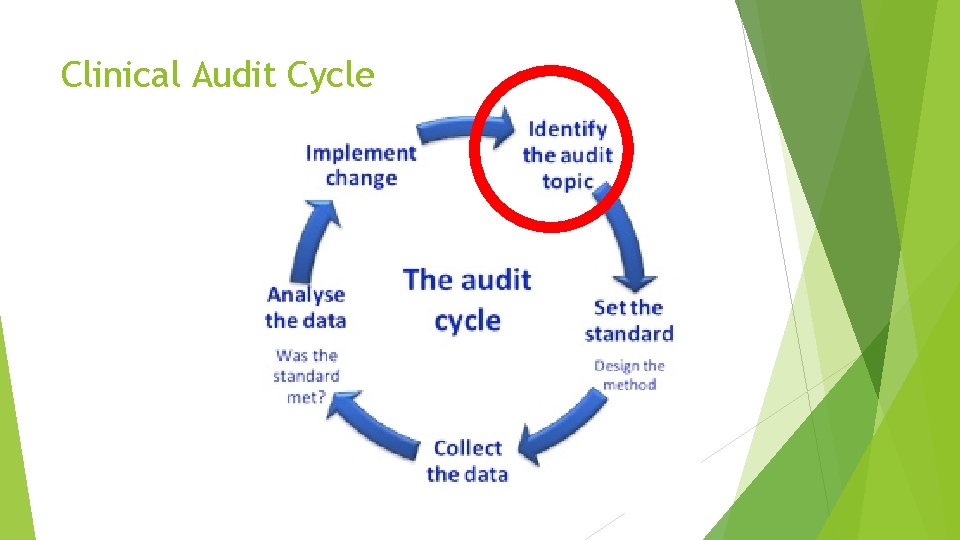
What is audit? Measuring practice against standards “Are we doing the right things in the right way”? ‘Clinical audit is a quality improvement process that seeks to improve patient care and outcomes through systematic review of care against explicit criteria and the implementation of change. Aspects of the structure, processes, and outcomes of care selected and systematically evaluated against explicit criteria. Where indicated, changes are implemented at an individual, team, or service level and further monitoring is used to confirm improvement in healthcare delivery. ’ (NICE 2002)
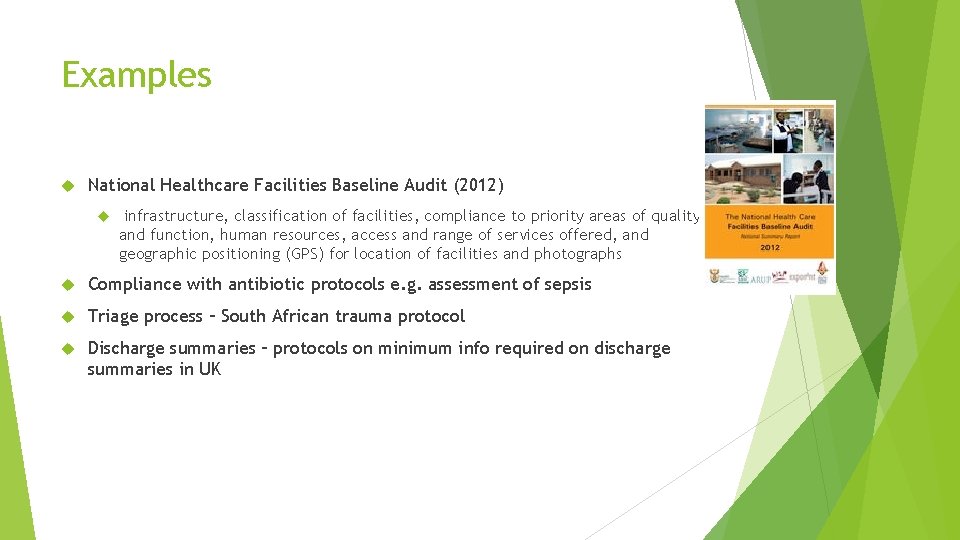
Examples National Healthcare Facilities Baseline Audit (2012) infrastructure, classification of facilities, compliance to priority areas of quality and function, human resources, access and range of services offered, and geographic positioning (GPS) for location of facilities and photographs Compliance with antibiotic protocols e. g. assessment of sepsis Triage process – South African trauma protocol Discharge summaries – protocols on minimum info required on discharge summaries in UK
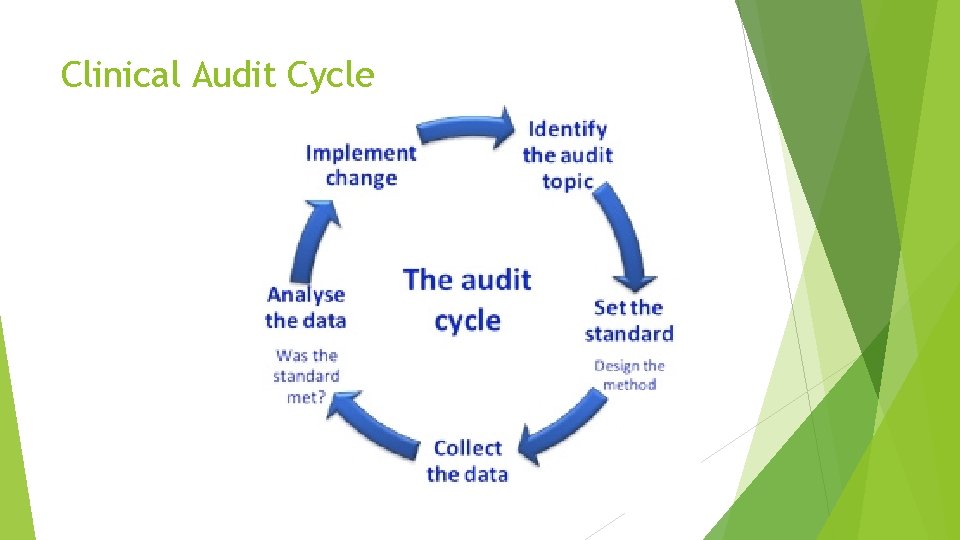
Clinical Audit Cycle
Clinical Audit Cycle
Clinical Audit Cycle
Clinical Audit Cycle
Clinical Audit Cycle
Clinical Audit Cycle
Clinical Audit Cycle
Challenges Needing to set standards from appropriate guidelines Requires a rigid, intensive approach Completing the audit cycle Timescales
Benefits Rigorous way of ensuring evidence-based practice Positively impact on staff and patients when undertaken well for appropriate topics