
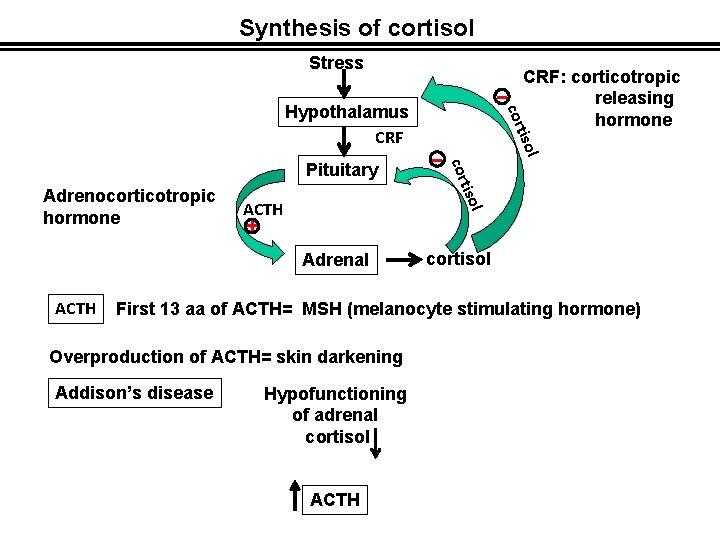
Synthesis of cortisol Stress tiso Adrenal cortisol ACTH
- Slides: 11
Synthesis of cortisol Stress tiso Adrenal cortisol ACTH l - l ACTH Pituitary tiso cor Adrenocorticotropic hormone - cor Hypothalamus CRF: corticotropic releasing hormone + First 13 aa of ACTH= MSH (melanocyte stimulating hormone) Overproduction of ACTH= skin darkening Addison’s disease Hypofunctioning of adrenal cortisol ACTH
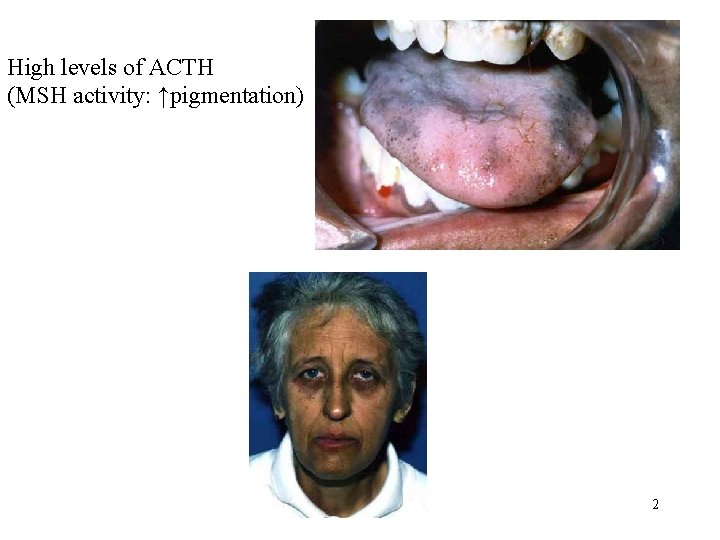
High levels of ACTH (MSH activity: ↑pigmentation) 2
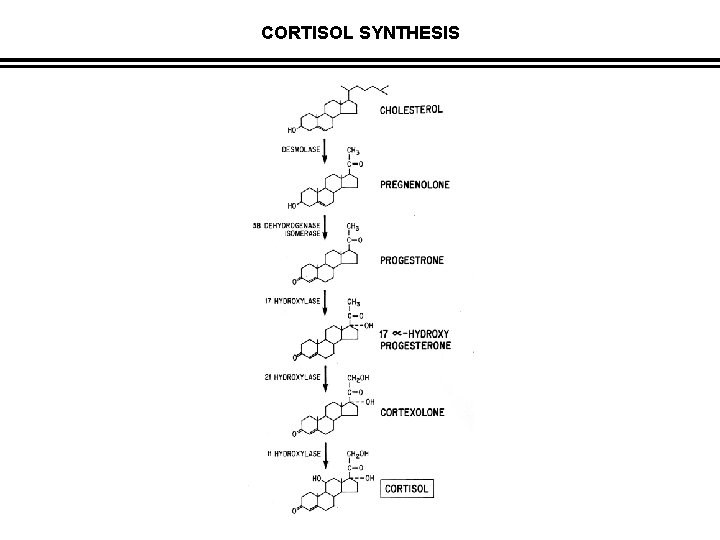
CORTISOL SYNTHESIS
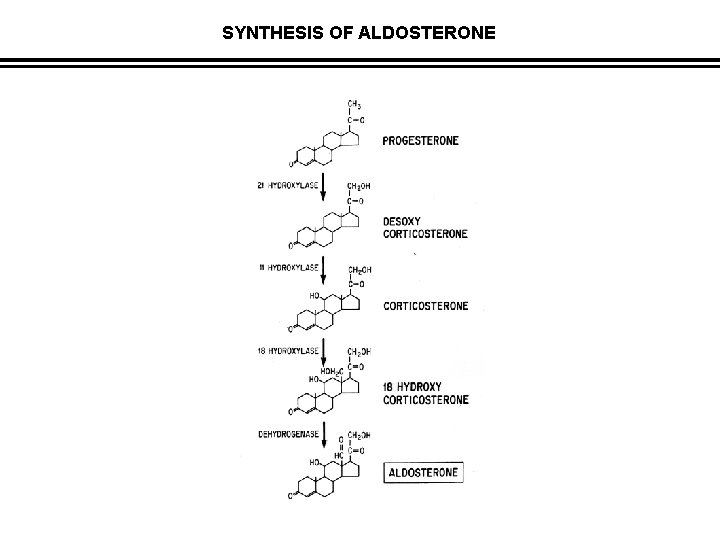
SYNTHESIS OF ALDOSTERONE
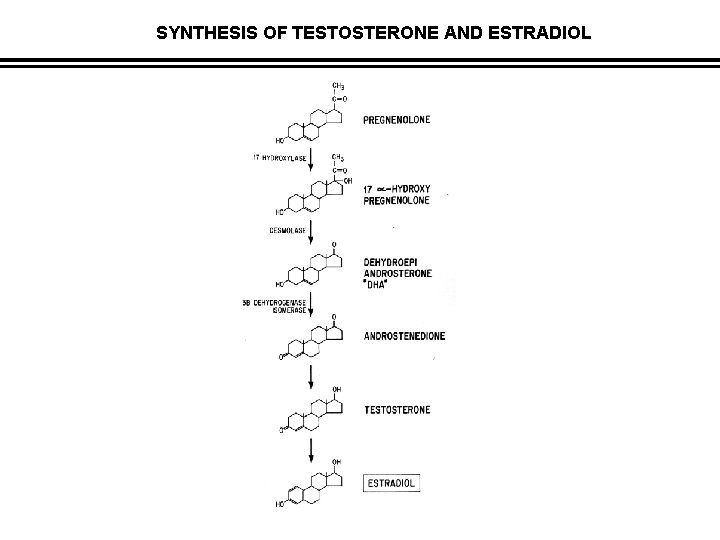
SYNTHESIS OF TESTOSTERONE AND ESTRADIOL
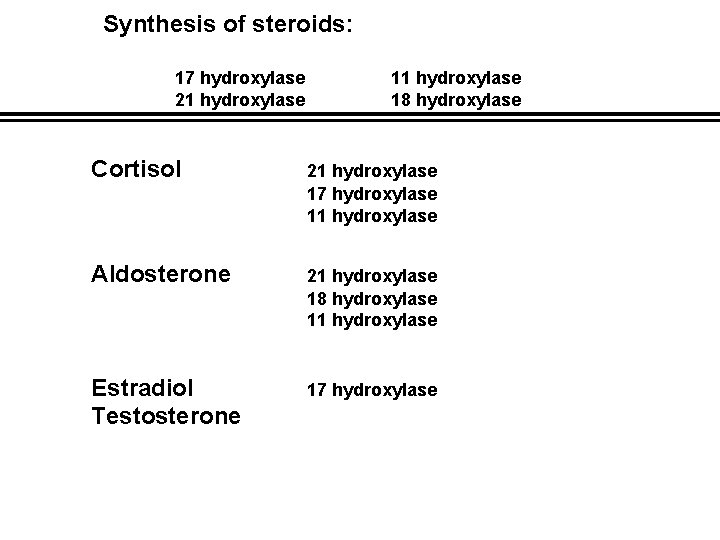
Synthesis of steroids: 17 hydroxylase 21 hydroxylase 18 hydroxylase Cortisol 21 hydroxylase 17 hydroxylase 11 hydroxylase Aldosterone 21 hydroxylase 18 hydroxylase 11 hydroxylase Estradiol Testosterone 17 hydroxylase
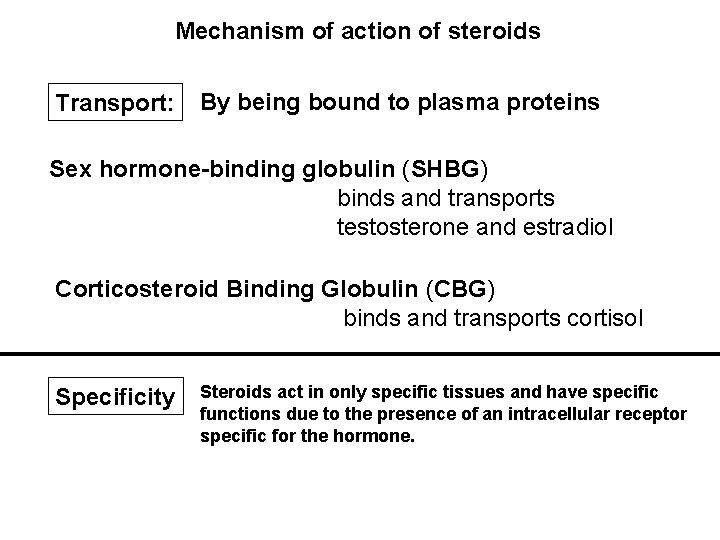
Mechanism of action of steroids Transport: By being bound to plasma proteins Sex hormone-binding globulin (SHBG) binds and transports testosterone and estradiol Corticosteroid Binding Globulin (CBG) binds and transports cortisol Specificity Steroids act in only specific tissues and have specific functions due to the presence of an intracellular receptor specific for the hormone.
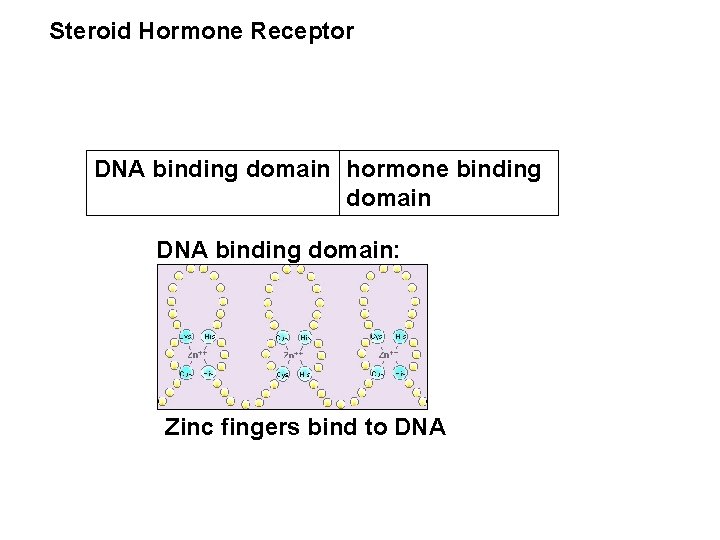
Steroid Hormone Receptor DNA binding domain hormone binding domain DNA binding domain: Zinc fingers bind to DNA
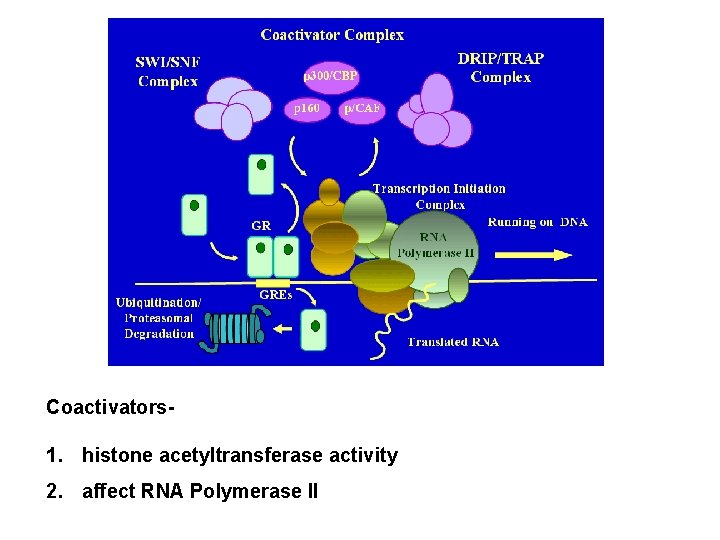
Coactivators- 1. histone acetyltransferase activity 2. affect RNA Polymerase II
• Patients whose breast tumors are ER+ respond to hormone ablative therapy 1) Anti estrogens (such as taxmoxifen) 2) Aromatase inhibitors (letrozole) (aromatase – enzyme responsible for estradiol synthesis)
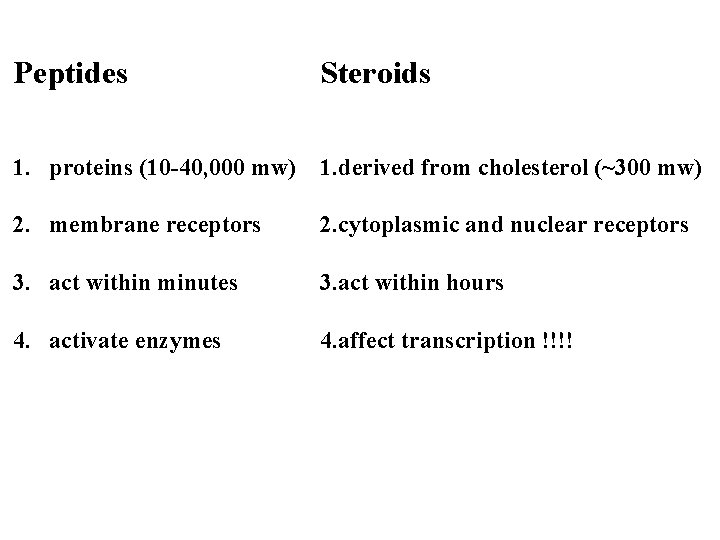
Peptides Steroids 1. proteins (10 -40, 000 mw) 1. derived from cholesterol (~300 mw) 2. membrane receptors 2. cytoplasmic and nuclear receptors 3. act within minutes 3. act within hours 4. activate enzymes 4. affect transcription !!!!