
Swine diseases Ages of pigs are important Neonates


- Slides: 44
Swine diseases
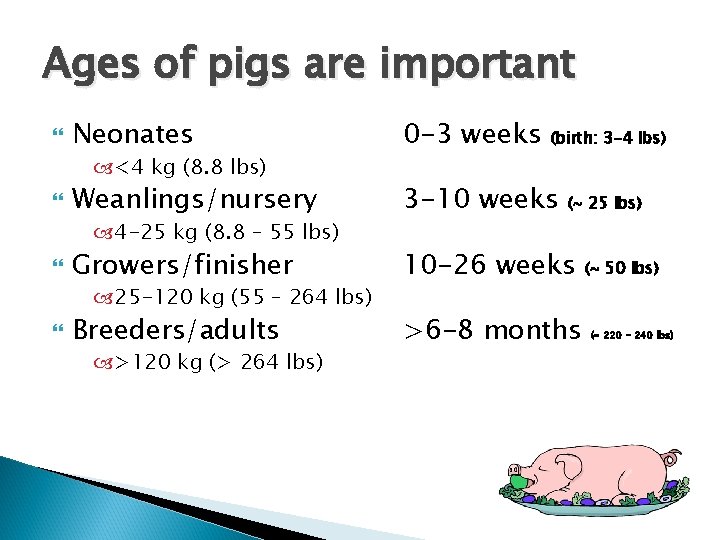
Ages of pigs are important Neonates 0 -3 weeks Weanlings/nursery 3 -10 weeks Growers/finisher 10 -26 weeks Breeders/adults >6 -8 months <4 kg (8. 8 lbs) 4 -25 kg (8. 8 – 55 lbs) 25 -120 kg (55 – 264 lbs) >120 kg (> 264 lbs) (birth: 3 -4 lbs) (~ 25 lbs) (~ 50 lbs) (~ 220 - 240 lbs)
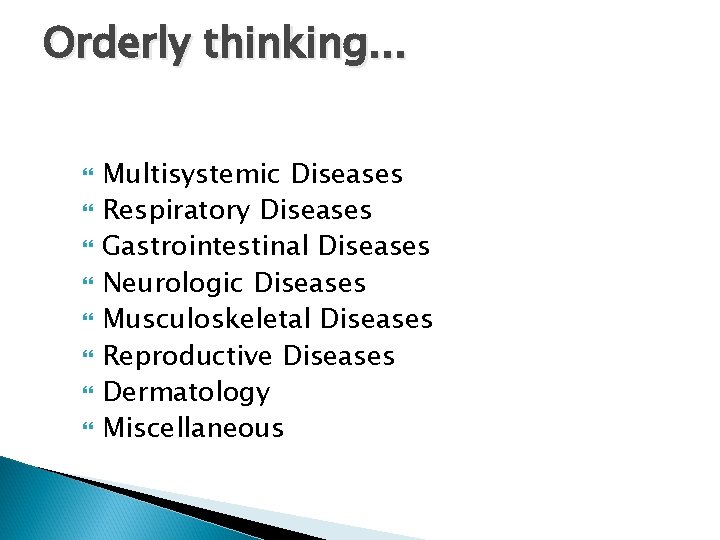
Orderly thinking. . . Multisystemic Diseases Respiratory Diseases Gastrointestinal Diseases Neurologic Diseases Musculoskeletal Diseases Reproductive Diseases Dermatology Miscellaneous
Multisystemic diseases Nutritional ◦ Vitamin E / selenium deficiency Infectious ◦ Erysipelas (Erysipelothrix rhusiopathiae): gram + rod ◦ Glasser’s disease (Haemophilus parasuis): gram coccobacillus ◦ Salmonella: gram negative ◦ PRRS (arterivirus) ◦ Pseudorabies virus (herpes virus)
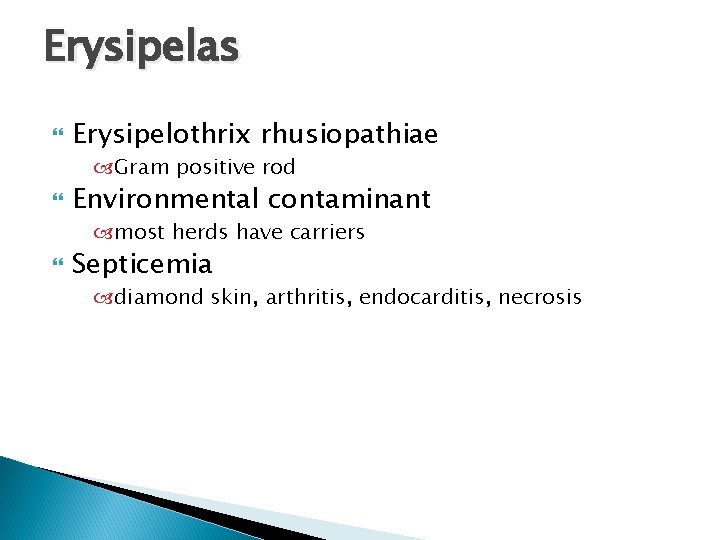
Erysipelas Erysipelothrix rhusiopathiae Gram positive rod Environmental contaminant most herds have carriers Septicemia diamond skin, arthritis, endocarditis, necrosis
Erysipelas acute septicemia ◦ fever, prostration, anorexia, vomiting, reluctance to walk ◦ Hemorrhages may be present in multiple organs throughout the body. ◦ Mortality can be quite high. chronic forms of infection include endocarditis and arthritis
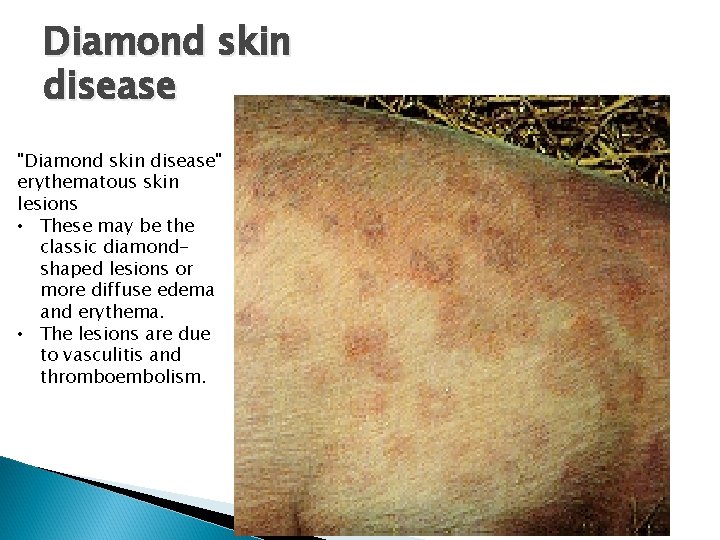
Diamond skin disease "Diamond skin disease" erythematous skin lesions • These may be the classic diamondshaped lesions or more diffuse edema and erythema. • The lesions are due to vasculitis and thromboembolism.
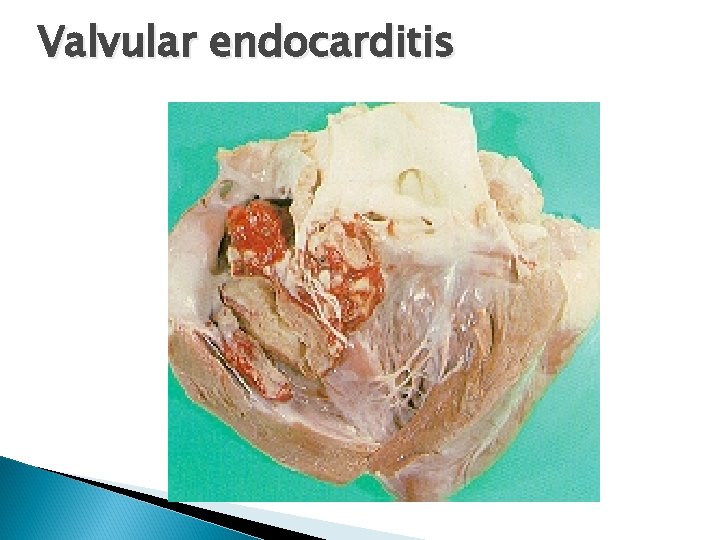
Valvular endocarditis
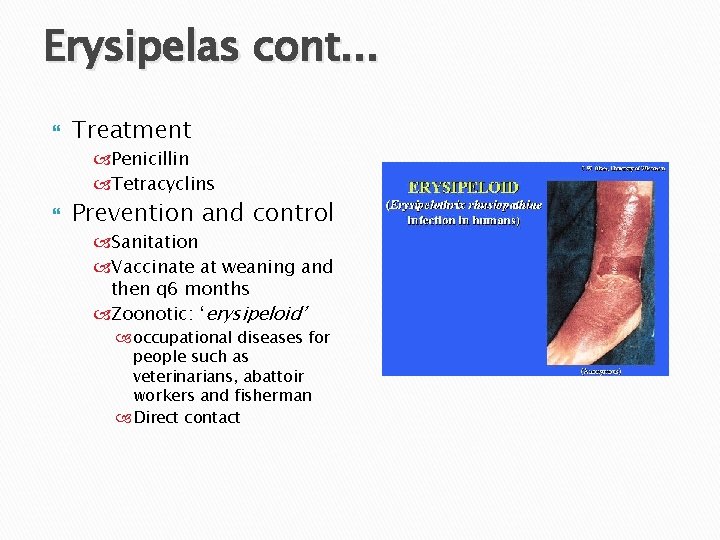
Erysipelas cont. . . Treatment Penicillin Tetracyclins Prevention and control Sanitation Vaccinate at weaning and then q 6 months Zoonotic: ‘erysipeloid’ occupational diseases for people such as veterinarians, abattoir workers and fisherman Direct contact
Treatment and prevention Penicillin – first choice people and animals cephalosporins and clindamycin -people. Caution and hygiene are important to prevent infection when working with potentially infected animals or in potentially contaminated environments
Glasser’s disease (polyserositis) Haemophilus parasuis small, pleomorphic, and fastidious, Gram-negative rod (coccobacillus) Endemic 3 wk – 3 month (have no active/passive immunity) initiated by stress ◦ weaning, changes in environment, commingling, or as coinfection with other disease agents Also associated with PRRS or swine influenza
Glassers - HX 1931 an organism, presumably the same one, was isolated from swine with influenza and named Haemophilus influenzae suis. 1943 it was clear that the organism was a pathogen in its own right, not necessarily associated with swine influenza, and the name was shortened to Haemophilus suis. 1976, definitive taxonomic studies resulted in the present name, Haemophilus parasuis
Glassers - CS Initially: fever, anorexia, depression Meningoencephalitis: ◦ tremors, incoordination, posterior paresis or lateral recumbency Polyserositis Polyarthritis Mortality at any age Less common clinical signs: ◦ rhinitis, dyspnea, reddening of the conjunctiva, cyanosis of the extremities and edema of the eyelids or ears
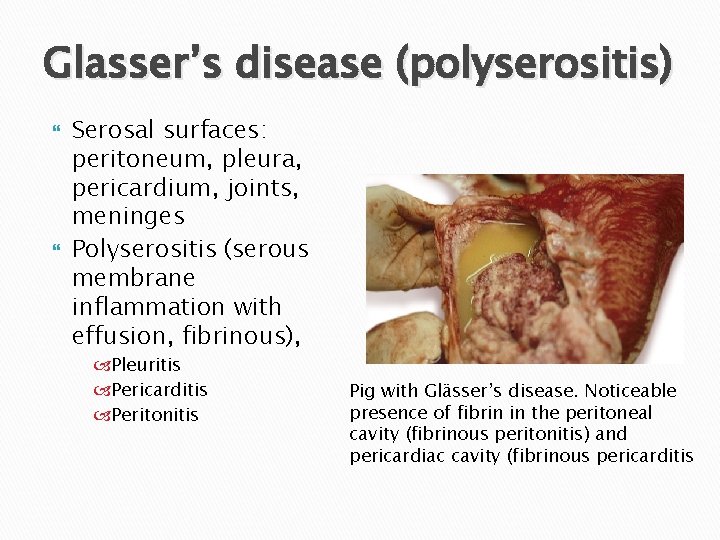
Glasser’s disease (polyserositis) Serosal surfaces: peritoneum, pleura, pericardium, joints, meninges Polyserositis (serous membrane inflammation with effusion, fibrinous), Pleuritis Pericarditis Peritonitis Pig with Glässer’s disease. Noticeable presence of fibrin in the peritoneal cavity (fibrinous peritonitis) and pericardiac cavity (fibrinous pericarditis
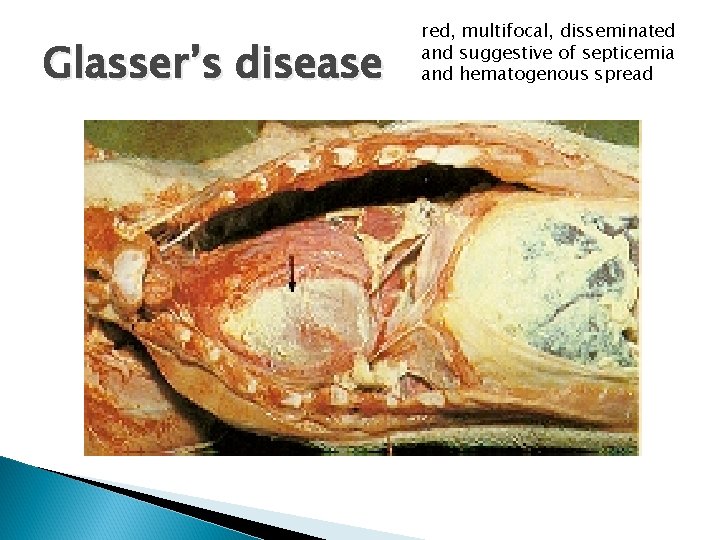
Glasser’s disease red, multifocal, disseminated and suggestive of septicemia and hematogenous spread
Glasser’s cont. . . Diagnosis Culture is difficult (but try it) Brain, visceral pleura and other serosal exudates are preferred culture sites Go with suspicion from gross lesions Molecular techniques for identifying H. parasuis (research) Treatment: Antibiotics and sulphonamides Penicillins Tetracyclins periodic evaluation of antibiograms is warranted. Mass: medicate, through the water (same age group)
Glassers - Prevention and control Reduce stress Control of other diseases: PRRSV prophylactic antimicrobials Vaccine at weaning then again 3 -4 weeks later against one serovar of H. parasuis may not assure good protection against all serovars. (21 serovars)
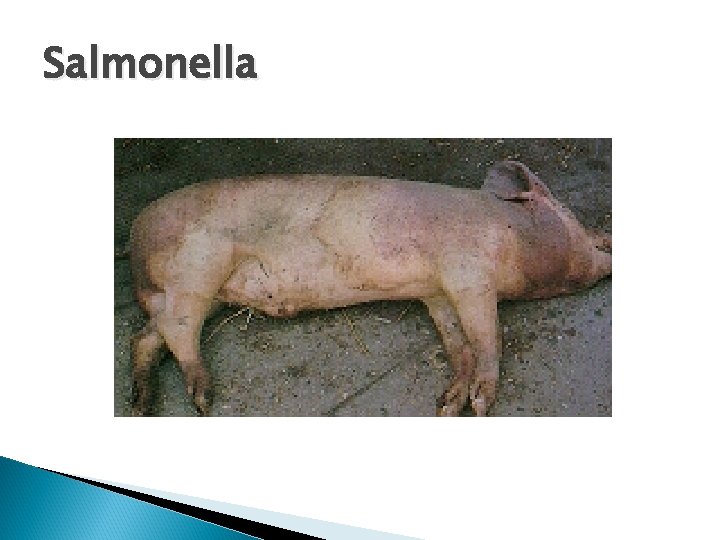
Salmonella sp. 2000 serotypes: small, hardy, ubiquitous, Gram-negative bacilli ◦ Salmonella cholerasuis: mostly only in swine ◦ Salmonella typhimurium Zoonotic Contaminated pork products are not a primary source of food-borne salmonellosis outbreaks in people but efforts to reduce salmonellae in the pork food chain are a high priority for the swine industry disease in both people and swine include Salmonella serotypes typhimurium, enteritidis, agona and heidelberg
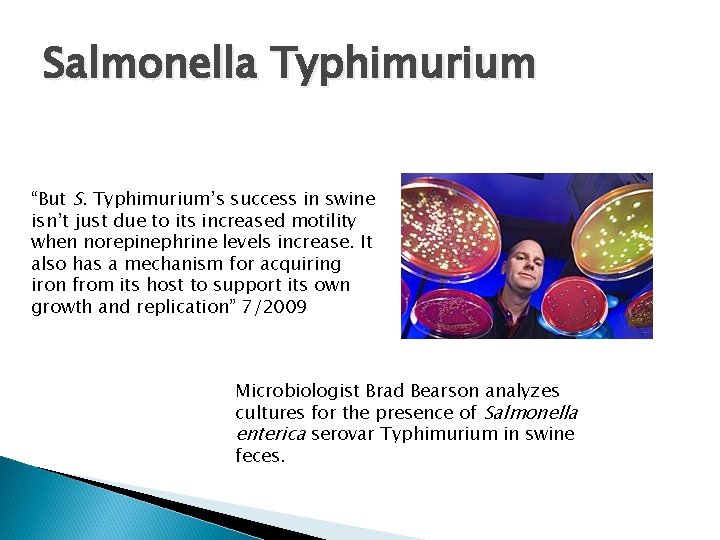
Salmonella Typhimurium “But S. Typhimurium’s success in swine isn’t just due to its increased motility when norepinephrine levels increase. It also has a mechanism for acquiring iron from its host to support its own growth and replication” 7/2009 Microbiologist Brad Bearson analyzes cultures for the presence of Salmonella enterica serovar Typhimurium in swine feces.
Salmonella - HX In 1886 the organism now known as Salmonella serotype choleraesuis was erroneously reported to cause hog cholera
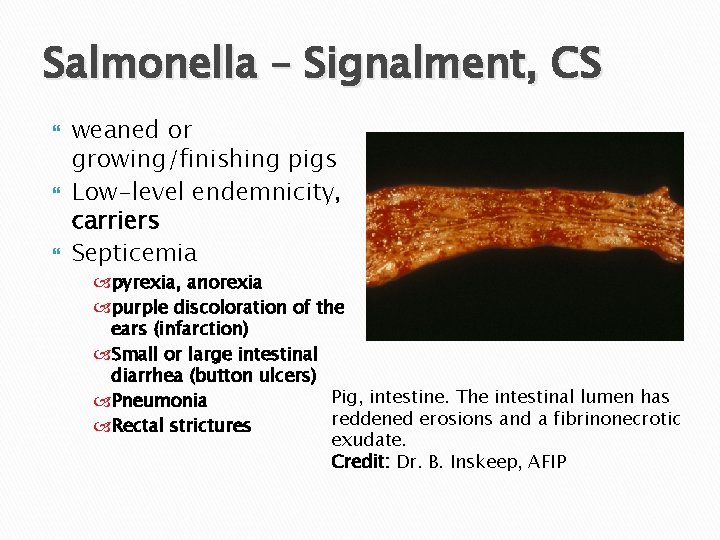
Salmonella – Signalment, CS weaned or growing/finishing pigs Low-level endemnicity, carriers Septicemia pyrexia, anorexia purple discoloration of the ears (infarction) Small or large intestinal diarrhea (button ulcers) Pig, intestine. The intestinal lumen has Pneumonia reddened erosions and a fibrinonecrotic Rectal strictures exudate. Credit: Dr. B. Inskeep, AFIP
Salmonella
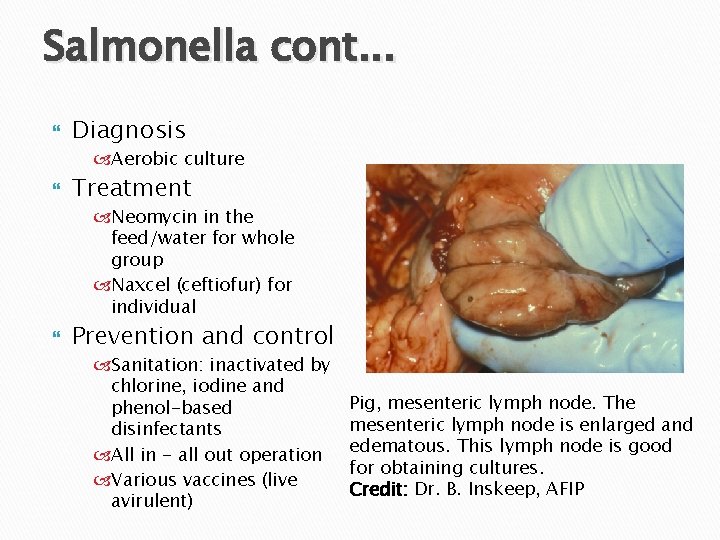
Salmonella cont. . . Diagnosis Aerobic culture Treatment Neomycin in the feed/water for whole group Naxcel (ceftiofur) for individual Prevention and control Sanitation: inactivated by chlorine, iodine and phenol-based disinfectants All in - all out operation Various vaccines (live avirulent) Pig, mesenteric lymph node. The mesenteric lymph node is enlarged and edematous. This lymph node is good for obtaining cultures. Credit: Dr. B. Inskeep, AFIP
PRRS Porcine reproduction (sows and gilts) and respiratory syndrome (young growing pigs but also occurs in naïve finishing pigs and breeding stock) Most important economic disease in USA (after eradication of classical swine fever) Arterivirus: SS enveloped RNA Virus (high mutation rates) persist in long-term carrier pigs (greater than 200 days) in reality stop shedding 60 days later
PRRS - HX 1987 -88 in North Carolina, Iowa and Minnesota 1989 – 90: Several outbreaks in Indiana were reported During the subsequent decade, PRRS spread rapidly, both in Europe and North America By the end of 1992 the disease was reported in Canada, Great Britain and several European countries. Two distinct strains of virus, one in Europe and one in the United States, were characterized as genetically different but are clinically similar in most respects. Both are now in the United States, along with a multitude of viral variants. Old name: swine infertility and respiratory syndrome (SIRS)
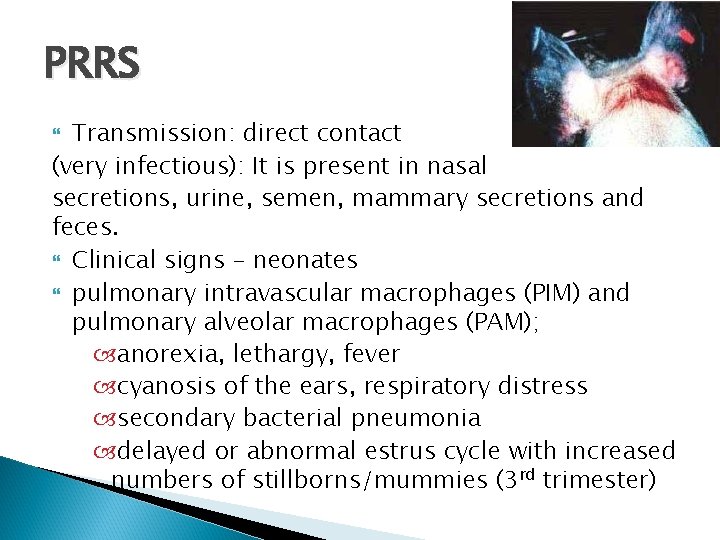
PRRS Transmission: direct contact (very infectious): It is present in nasal secretions, urine, semen, mammary secretions and feces. Clinical signs – neonates pulmonary intravascular macrophages (PIM) and pulmonary alveolar macrophages (PAM); anorexia, lethargy, fever cyanosis of the ears, respiratory distress secondary bacterial pneumonia delayed or abnormal estrus cycle with increased numbers of stillborns/mummies (3 rd trimester)
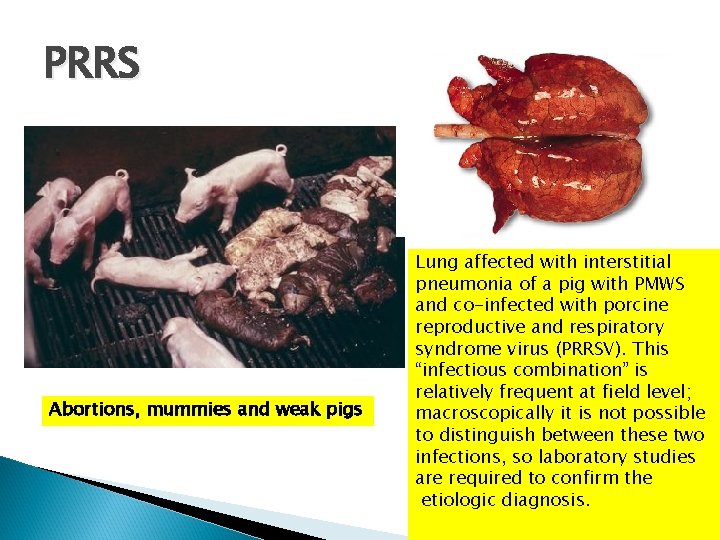
PRRS Abortions, mummies and weak pigs Lung affected with interstitial pneumonia of a pig with PMWS and co-infected with porcine reproductive and respiratory syndrome virus (PRRSV). This “infectious combination” is relatively frequent at field level; macroscopically it is not possible to distinguish between these two infections, so laboratory studies are required to confirm the etiologic diagnosis.
PRRS cont. . . Diagnosis virus isolation (VI), detection of PRRS antigen by fluorescent antibody tests (FAT) or immunohistochemistry (IHC), or detection of PRRS virus genome by polymerase chain reaction (PCR) and be coupled with presence of typical lesions. serology provides indirect evidence of infection but does not determine if there is actual disease caused by PRRS virus. Supportive care, treat secondary bacteria moderately resistant to environmental degradation, the virus is easily inactivated by phenol, formaldehyde, and most common disinfectants
PRRS CONTROL closed herds: ◦ replacements do not enter male or female replacements from PRRSv positive herds outside the pyramid ◦ Enter only PRRSv free replacement seedstock into a production pyramid. semen: ◦ Do not use PRRSv positive semen from a stud outside the pyramid. ◦ Assure any outside semen is from a stud that is confirmed PRRSv free before entering it into a production pyramid. commercial modified live vaccines ◦ Live vaccines pose a dilemma as vaccine virus may act as a foreign introduction Change feed with mycotoxins
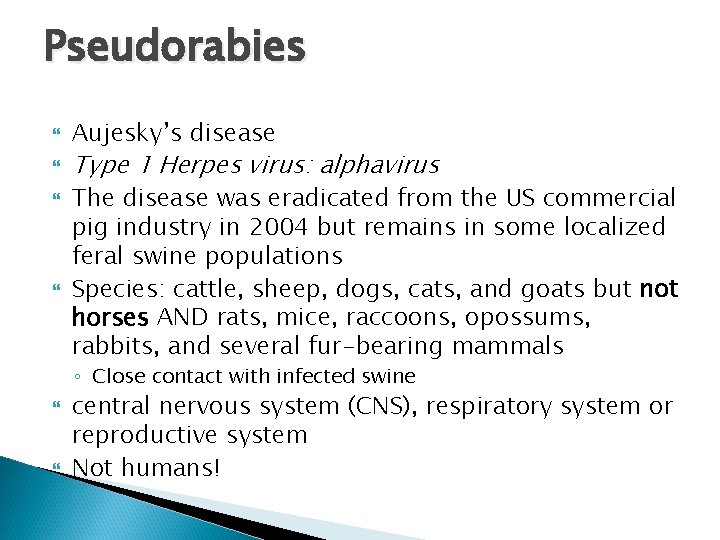
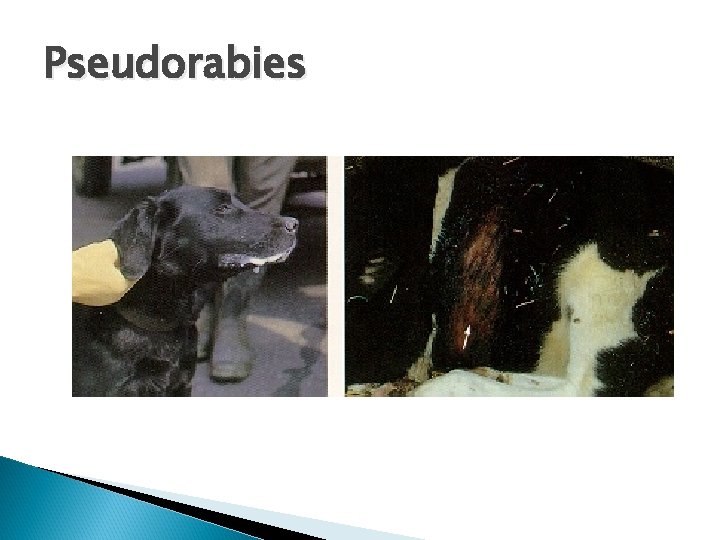
Pseudorabies Aujesky’s disease Type 1 Herpes virus: alphavirus The disease was eradicated from the US commercial pig industry in 2004 but remains in some localized feral swine populations Species: cattle, sheep, dogs, cats, and goats but not horses AND rats, mice, raccoons, opossums, rabbits, and several fur-bearing mammals ◦ Close contact with infected swine central nervous system (CNS), respiratory system or reproductive system Not humans!
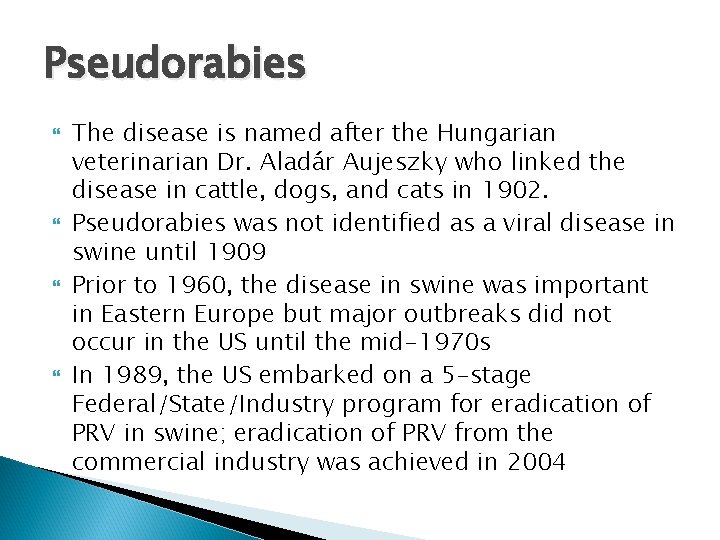
Pseudorabies The disease is named after the Hungarian veterinarian Dr. Aladár Aujeszky who linked the disease in cattle, dogs, and cats in 1902. Pseudorabies was not identified as a viral disease in swine until 1909 Prior to 1960, the disease in swine was important in Eastern Europe but major outbreaks did not occur in the US until the mid-1970 s In 1989, the US embarked on a 5 -stage Federal/State/Industry program for eradication of PRV in swine; eradication of PRV from the commercial industry was achieved in 2004
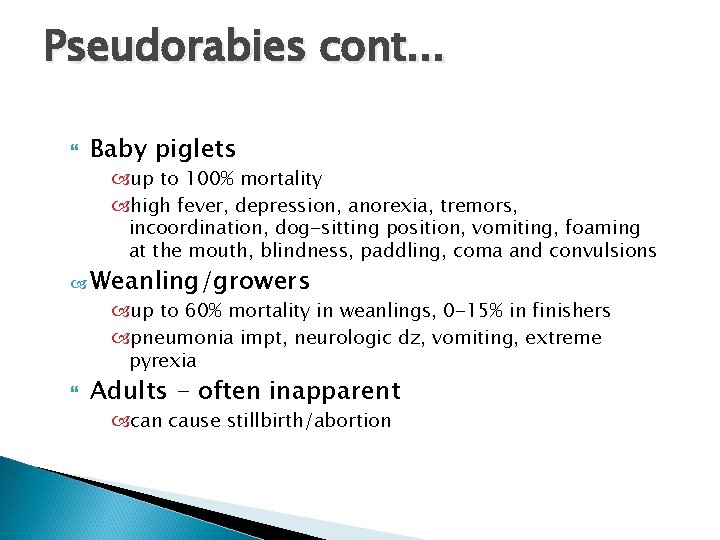
Pseudorabies cont. . . Baby piglets up to 100% mortality high fever, depression, anorexia, tremors, incoordination, dog-sitting position, vomiting, foaming at the mouth, blindness, paddling, coma and convulsions Weanling/growers up to 60% mortality in weanlings, 0 -15% in finishers pneumonia impt, neurologic dz, vomiting, extreme pyrexia Adults - often inapparent can cause stillbirth/abortion
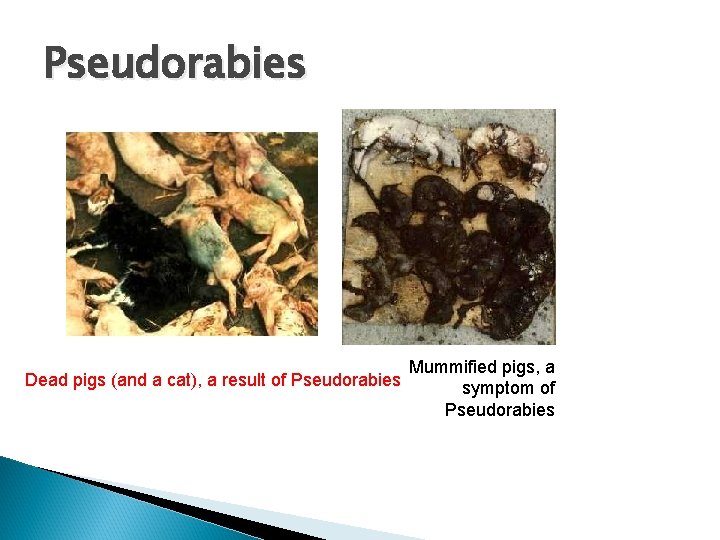
Pseudorabies Dead pigs (and a cat), a result of Pseudorabies Mummified pigs, a symptom of Pseudorabies
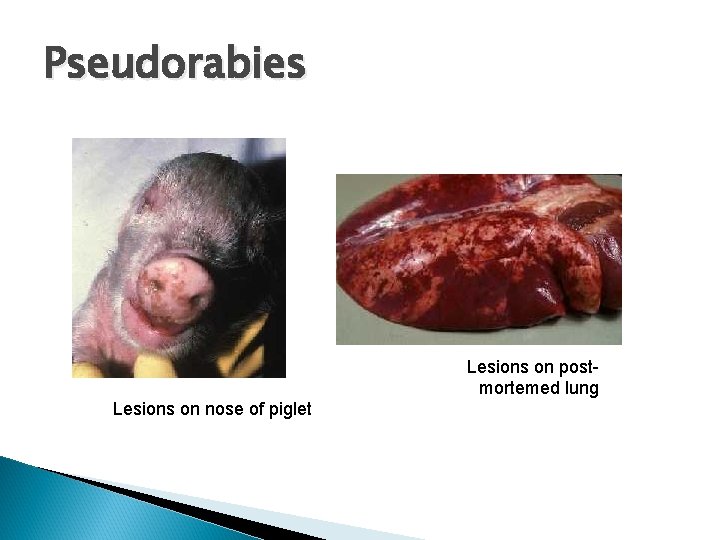
Pseudorabies Lesions on postmortemed lung Lesions on nose of piglet
Pseudorabies cont. . . Reportable disease! Diagnosis Necropsy histologic lesions in brain, ulcers in gi tract Serum neutralization is standard test ELISA can be used as a screening test Treatment - none Prevention closed herd! quarantine! restrict wildlife The virus can be destroyed by many disinfectants, including orthophenylphenol, quarternary ammonium or iodine compounds, and 5% sodium hydroxide vaccination
Pseudorabies
Pseudorabies Regulation ◦ use of vaccine regulated by states ◦ federal regulations for monitoring all animals over 6 mo old must be tested 25% of herd tested q 3 months or. . . 10% of herd tested q 1 month
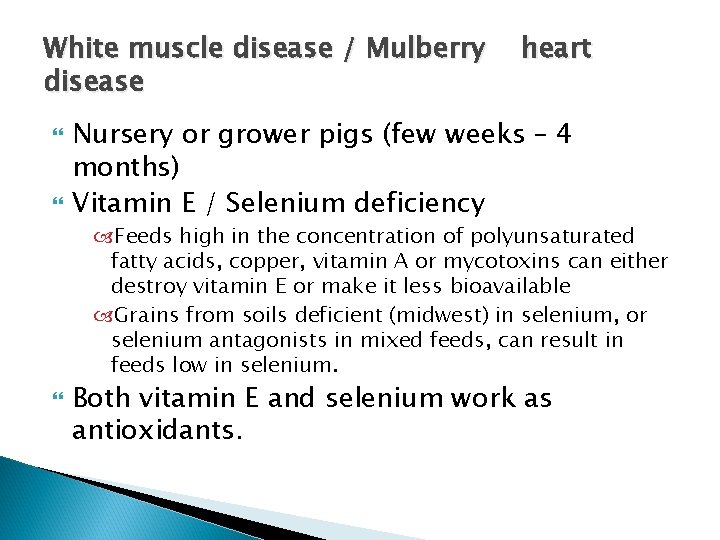
White muscle disease / Mulberry disease heart Nursery or grower pigs (few weeks – 4 months) Vitamin E / Selenium deficiency Feeds high in the concentration of polyunsaturated fatty acids, copper, vitamin A or mycotoxins can either destroy vitamin E or make it less bioavailable Grains from soils deficient (midwest) in selenium, or selenium antagonists in mixed feeds, can result in feeds low in selenium. Both vitamin E and selenium work as antioxidants.
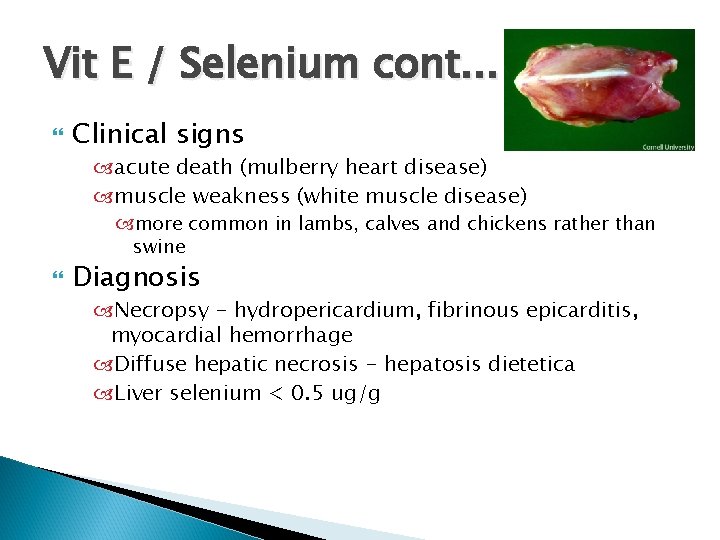
Vit E / Selenium cont. . . Clinical signs acute death (mulberry heart disease) muscle weakness (white muscle disease) more common in lambs, calves and chickens rather than swine Diagnosis Necropsy - hydropericardium, fibrinous epicarditis, myocardial hemorrhage Diffuse hepatic necrosis - hepatosis dietetica Liver selenium < 0. 5 ug/g
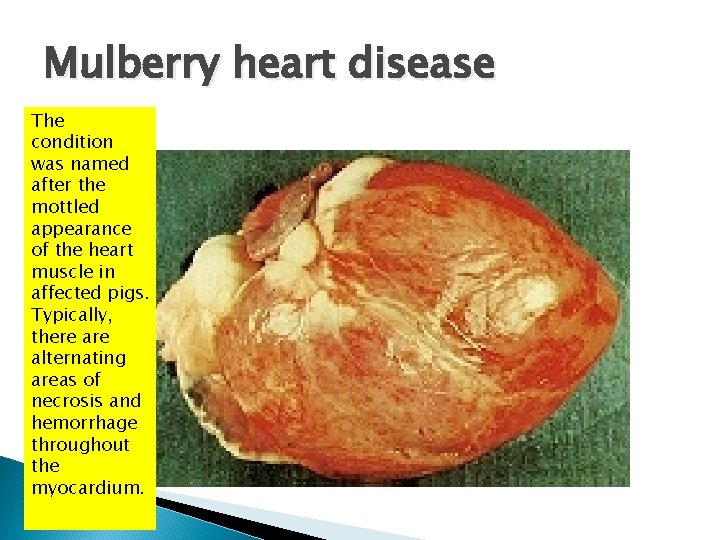
Mulberry heart disease The condition was named after the mottled appearance of the heart muscle in affected pigs. Typically, there alternating areas of necrosis and hemorrhage throughout the myocardium.
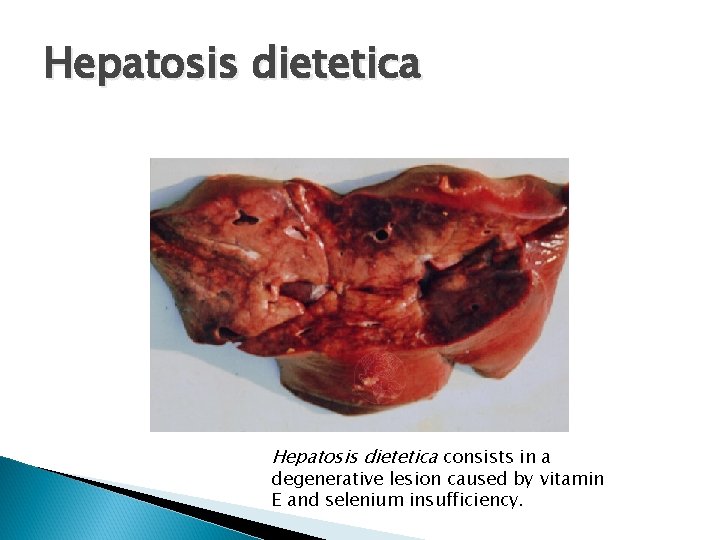
Hepatosis dietetica consists in a degenerative lesion caused by vitamin E and selenium insufficiency.
Vit E/ Selenium prevention or treatment of a deficiency, pigs can be injected with vitamin E and/or selenium and tissue levels will be increased rapidly. supplementation of feed or drinking water Sows injected in late gestation give birth to pigs with increased levels of both compounds. MHD is more responsive to vitamin E; HD more so to selenium
References http: //www. aphis. usda. gov/animal_health/an imal_dis_spec/swine/ http: //www. ncsu. edu/project/swine_extensio n/ncporkconf/2002/roberts. htm http: //www. vetmed. wisc. edu/pbs/zoonoses/ Erysipelas/erysipelasindex. html http: //vetmed. iastate. edu/vdpam/newvdpam-employees/food-supply-veterinarymedicine/swine-diseases/haemophilus -parasuishttp: //vetpath. wordpress. com/category/necr opsy-cases/
References http: //www. fmv. utl. pt/atlas/figado/pages_us /figad 015_ing. htm