
Sustainable Pro Poor Tourism The Destination Management Approach
Sustainable Pro Poor Tourism The Destination Management Approach The Arusha Round Table on Responsible Tourism Partnerships - 3 June 2010 Birgit Steck Senior Tourism Advisor Dar es Salaam, Tanzania bsteck@snvworld. org
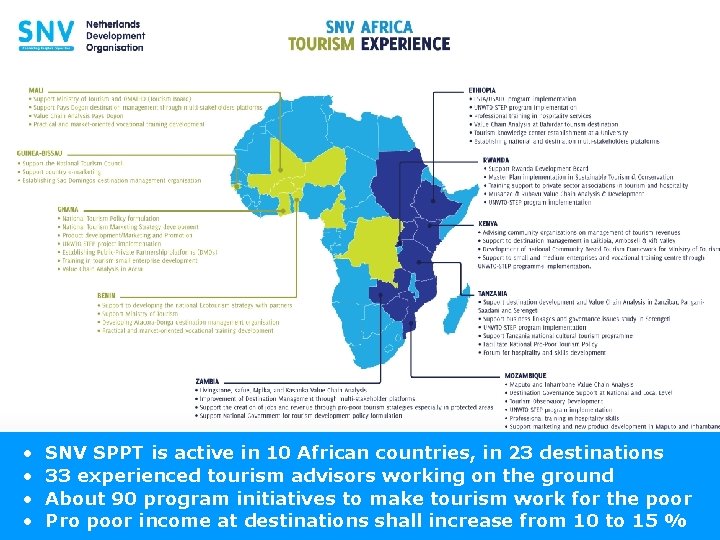
• • SNV SPPT is active in 10 African countries, in 23 destinations Morning After 2015: SNV in Latin America Page 2 33 experienced tourism advisors working The on the ground About 90 program initiatives to make tourism work for the poor Pro poor income at destinations shall increase from 10 to 15 %

SNV‘s starting point in Tanzania
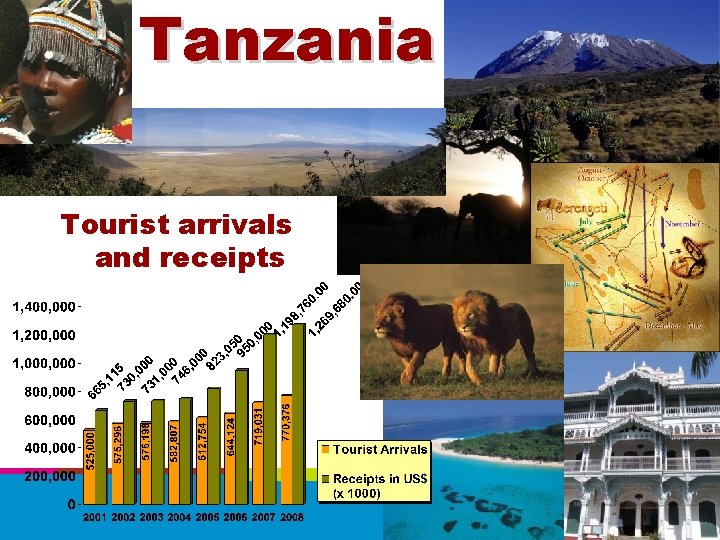
Tanzania Tourist arrivals and receipts The Morning After 2015: SNV in Latin America Page 4

Comparing tourism revenue to the poor in different destinations Destination: type of tourism Northern Tanzania: mountain climbing Ethiopia: cultural outside Addis Luang Prabang, Laos: cultural Central Vietnam: business tourism South Africa: game viewing Northern Tanzania: safari Cape Verde: beach package Namibia: protected areas Ethiopia: business in Addis The Gambia: beach package Ghana: business in Accra Cambodia: cultural 0% 5% 10% 15% 20% 25% 30% Pro-poor income (PPI) as % of destination spending ITC/ODI, 2009 SPPT - The Destination Management Approach
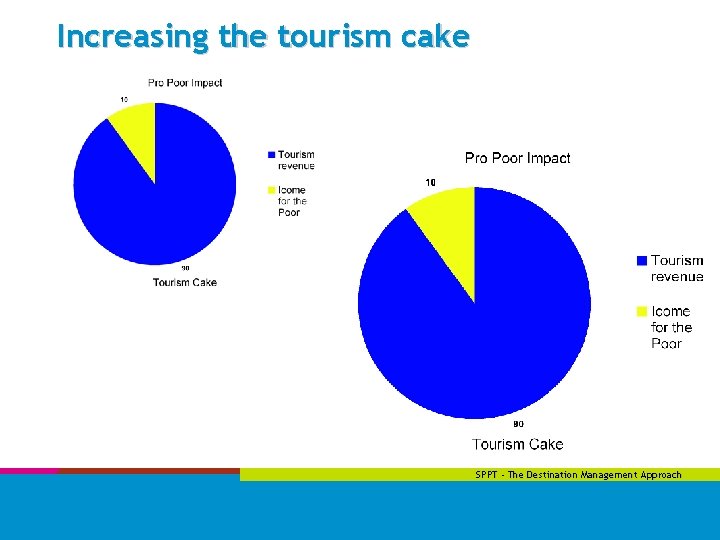
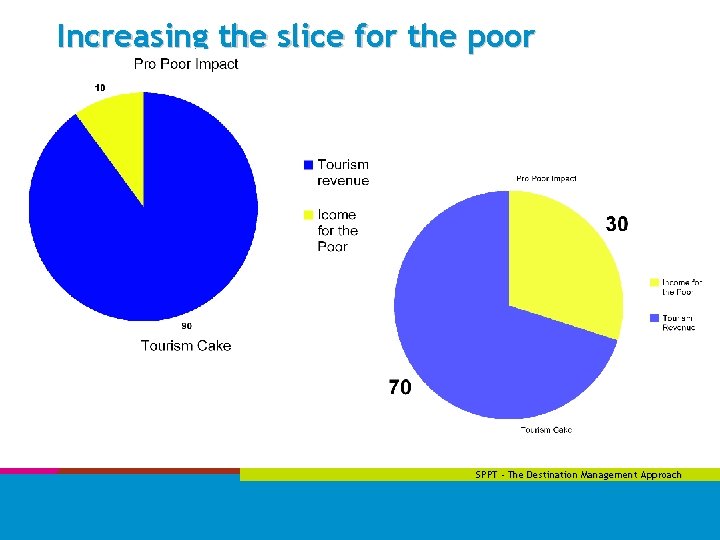
SPPT Principles • • • Any kind of tourism can benefit the poor. Tourism is a driver for local development. Strengthen the performance of the overall tourism sector at national and destinationlevel (increasing the overall size of the tourism cake). • Increase opportunities for the poor to benefit (more) from tourism by enhancing linkages into the local economy (increasing the slice of the tourist cake for the poor).
Increasing the tourism cake SPPT - The Destination Management Approach
Increasing the slice for the poor SPPT - The Destination Management Approach
SNV –Tanzania: programmatic areas in SPPT • Work at national and destination level • Adopt two complementary approaches: --Destination Management (DMA) and --Value Chain Analysis & Development (VCA/D) • 5 programmatic areas: -----DMA Serengeti -----DMA Tanga-Pangani -----DMA Zanzibar -----Tanzania Cultural Tourism Program and -----Policy Dialogue for enabling the SPPT environment SPPT - The Destination Management Approach
Zanzibar Tourism Value Chain Analysis TOURISM: MORE VALUE FOR ZANZIBAR The Morning After 2015: SNV in Latin America Page 10
TOURISM: MORE VALUE FOR ZANZIBAR Value Chain Analysis Tourism OBJECTIVES • To measure the financial flows from the tourism industry accruing to the poor’ in Zanzibar • To suggest and prioritise interventions based on this analysis SPPT - The Destination Management Approach TOURISM: MORE VALUE FOR ZANZIBAR Tourism Value Chain Analysis

METHODOLOGY Tourism Value Chain Analysis in Zanzibar: • • Measures where tourism revenue is flowing throughout the tourism industry Measures the direct financial impacts on ‘the poor’ who are defined prior to the research: (PPI - Pro Poor Income) • • Analyses the barriers for the ‘poor’ in engaging in earning tourism revenue Suggests interventions based on the financial and logistical analysis SPPT - The Destination Management Approach TOURISM: MORE VALUE FOR ZANZIBAR Tourism Value Chain Analysis

MAP OF TOURISM SECTORS FOR THE ACTUAL ANALYSIS Accommodation Providers • Number and Type • Costs, Turnover, Profitability • Employees • Government • Revenues Retail -discretionary out of pocket spending Food and Beverage Operations • Independent Restaurants • Restaurants in Coastal Areas • Street Vendors • Linkages to the Food and Beverage Sector • Hotel shops and high end busin. • Employment • Micro enterprises and the informal sector • Souvenir shops • Painters • Clothes and material shops • Wood carvers Tours and excursions • Tour operators • Dive Operators • Guides • Spice Farmers • Boat Tripsinformal sector • Taxi services Services • Hotel outlets and high end businesses • Micro enterprises and the informal sector • Internet Cafés • Provision Stores Non-tourism, but related sectors SPPT - The Destination Management Approach TOURISM: MORE VALUE FOR ZANZIBAR Tourism Value Chain Analysis
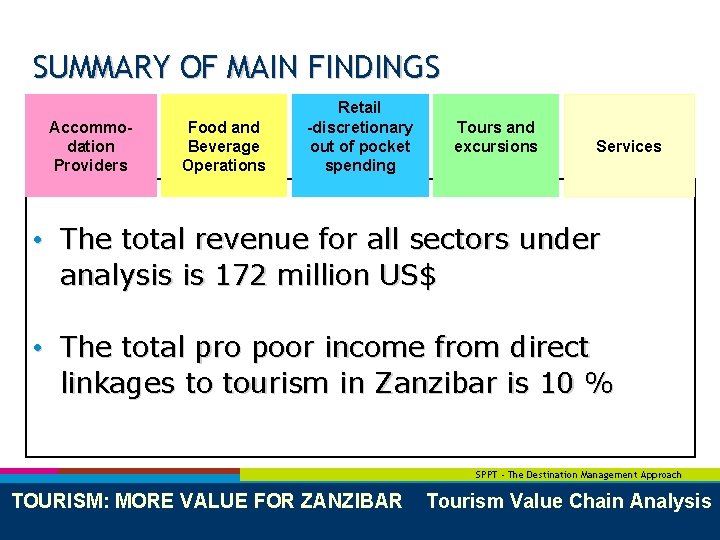
SUMMARY OF MAIN FINDINGS Accommodation Providers Food and Beverage Operations Retail -discretionary out of pocket spending Tours and excursions Services • The total revenue for all sectors under analysis is 172 million US$ • The total pro poor income from direct linkages to tourism in Zanzibar is 10 % SPPT - The Destination Management Approach TOURISM: MORE VALUE FOR ZANZIBAR Tourism Value Chain Analysis
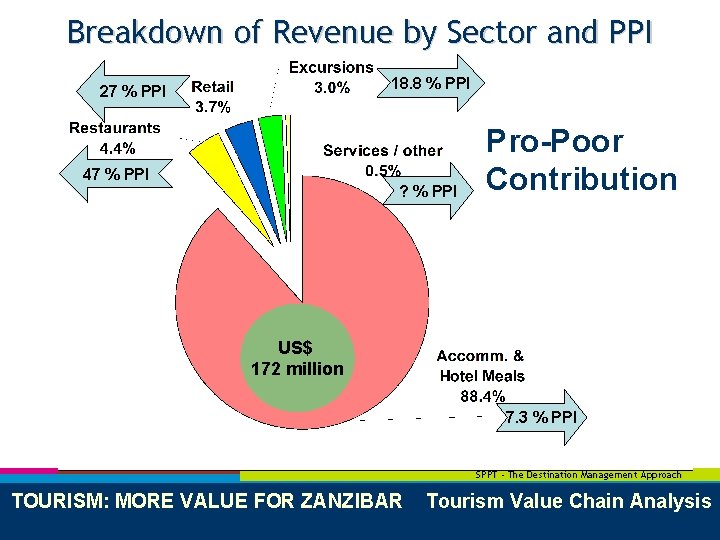
Breakdown of Revenue by Sector and PPI 18. 8 % PPI 27 % PPI 47 % PPI ? % PPI Pro-Poor Contribution US$ 172 million 7. 3 % PPI SPPT - The Destination Management Approach TOURISM: MORE VALUE FOR ZANZIBAR Tourism Value Chain Analysis

SUMMARY OF MAIN FINDINGS Breakdown of Revenue by Sector and Pro-Poor Contribution Accomm. & Hotel Meals Restaurants 152 million 7. 5 million % Total Revenue 88. 4 % Pro-Poor Benefit 7. 3 Revenue (US$) Net Pro-poor benefit 6. 5 % 11. 2 million Tours & Excursions Services / other 6. 3 million 5. 2 million 0. 8 million 4. 4 3. 7 3. 0 0. 5 47 27 18. 8 Not Known 2. 1 % 3. 6 million Retail 1. 0 % 1. 7 million 0. 6 % 1. 0 million Minimal SPPT - The Destination Management Approach TOURISM: MORE VALUE FOR ZANZIBAR Tourism Value Chain Analysis
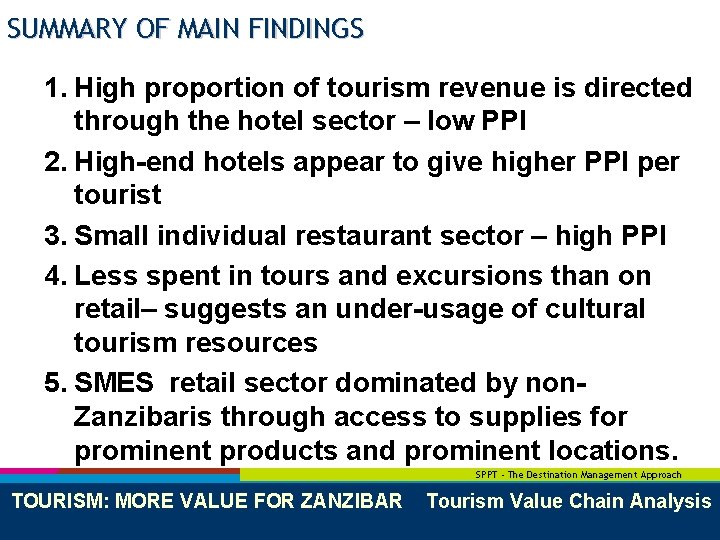
SUMMARY OF MAIN FINDINGS 1. High proportion of tourism revenue is directed through the hotel sector – low PPI 2. High-end hotels appear to give higher PPI per tourist 3. Small individual restaurant sector – high PPI 4. Less spent in tours and excursions than on retail– suggests an under-usage of cultural tourism resources 5. SMES retail sector dominated by non. Zanzibaris through access to supplies for prominent products and prominent locations. SPPT - The Destination Management Approach TOURISM: MORE VALUE FOR ZANZIBAR Tourism Value Chain Analysis
SUMMARY OF MAIN FINDINGS 6. Informal sector is significant: formalisation in some cases will improve revenue and customer experience, in others will reduce profitability through tax. 7. Agricultural linkages hindered by variety, quality and high seasonality of produce. 8. Only more wealthy fishers can engage with tourism but face lack of current market information and high perishability. SPPT - The Destination Management Approach TOURISM: MORE VALUE FOR ZANZIBAR Tourism Value Chain Analysis Way forward
INTERVENTIONS: Awareness raising on SPPT 1. Employment 2. Linkages 3. SME development SPPT - The Destination Management Approach TOURISM: MORE VALUE FOR ZANZIBAR Tourism Value Chain Analysis
Way forward in Zanzibar DMA: Co-ordinate in interventions by different development partners and local stakeholders • “Anchor” SPPT approach in MKUZA update, tourism as lead sector • All relevant the stakeholders in the government involved and plan for MKUZA implementation workshop 1. - Continue hospitality training for Zanzibaris 2. - Work towards a Train the Trainers Program 3. Strengthen agricultural linkages and others 4. Analyse SMEs and market for their products SPPT - The Destination Management Approach TOURISM: MORE VALUE FOR ZANZIBAR Tourism Value Chain Analysis
Responsible Tourism Certification Scheme and the SPPT Context • Within a destination, a common vision needs to be developed among all stakeholders as a basis for a Destination Management Plan: Where do we want to be in (X) years time? • Ensure the commitment of all stakeholders • Sustainable Pro Poor Tourism does not necessarily need a Certification Scheme, can be a useful tool. • Important to understand Responsible Tourism Criteria • Certification should be started and implemented by an independent body. SPPT - The Destination Management Approach
AHSANTENI SANA
- Slides: 22