
Sustainability of Response to Knack Maneuver for Urinary
Sustainability of Response to Knack Maneuver for Urinary Incontinence Janis M. Miller, Lee Park, Meg Tolbert, Ruta Misiunas, John JO De. Lancey University of Michigan NIH (ORWH & NICHD): P 50 HD 044406 and UM Pelvic Floor Research Group
Knack Maneuver* The trick or skill of using the pelvic floor muscles at the moment of expected urinary leakage n n Date: 14 th century (per Merriam Webster) a : a clever trick or stratagem b : a clever way of doing something c : a special ready capacity that is hard to analyze or teach *Miller, 1998
Other terms for the Knack n n n n n squeeze when you sneeze, Kegel when you cough, quick Kegel, perineal blockage for stress (Bocier, 1990) perineal lock (Cammu, 1991) bracing, pelvic clutch, muscle clenching motor learning program (Hay-Smith, 2007)
Knack vs Kegel Exercise n n n Knack: one contraction selectively timed with an event that would otherwise elicit leakage Kegel exercise: repetitive contractions as exercise for strengthening PFMT usually incorporates both, though may use only the Knack or only strengthening exercises (Kegels)
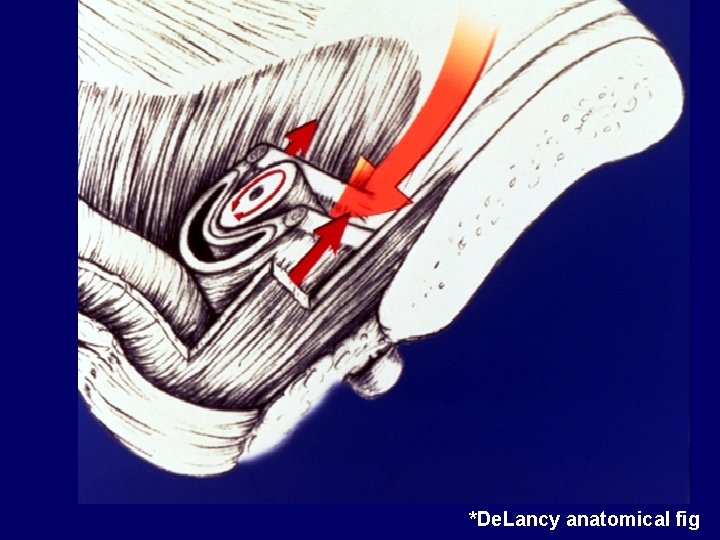
What muscles are employed? n PFM include… Levator ani (pubococcygeal portion) n Urethral striated muscle n n Both are activated on volitional effort
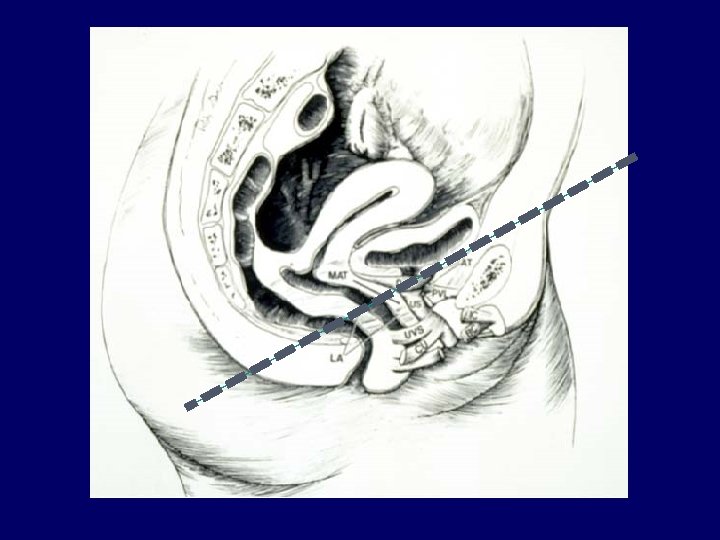
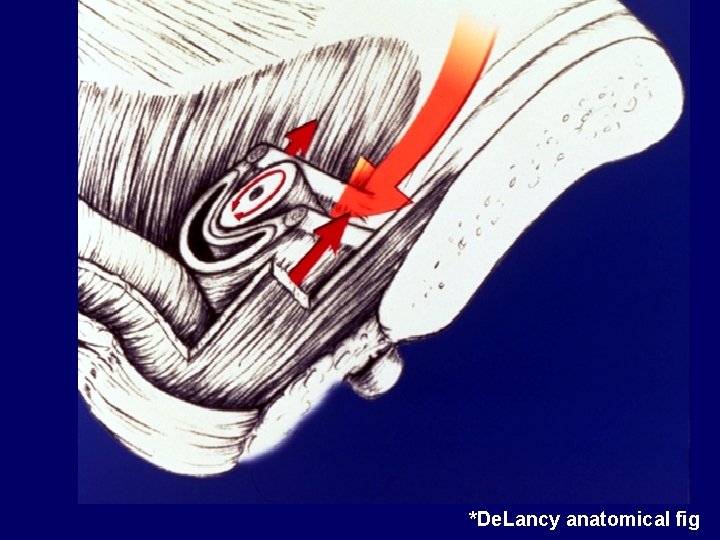
*De. Lancy anatomical fig
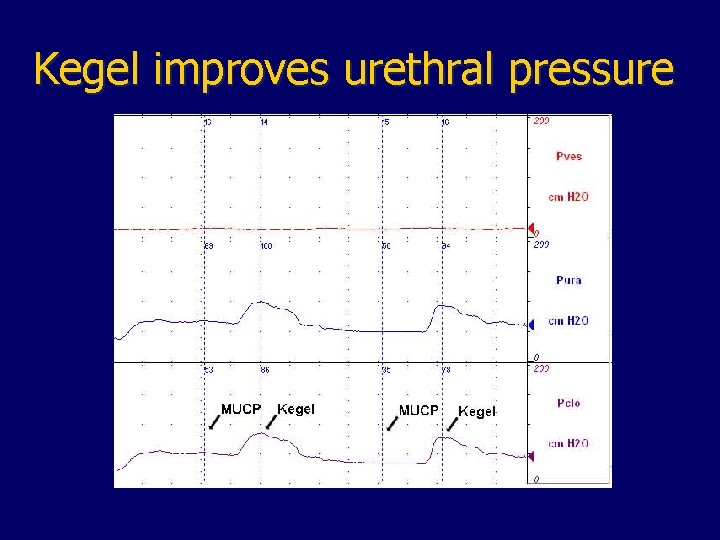
Kegel improves urethral pressure
*De. Lancy anatomical fig
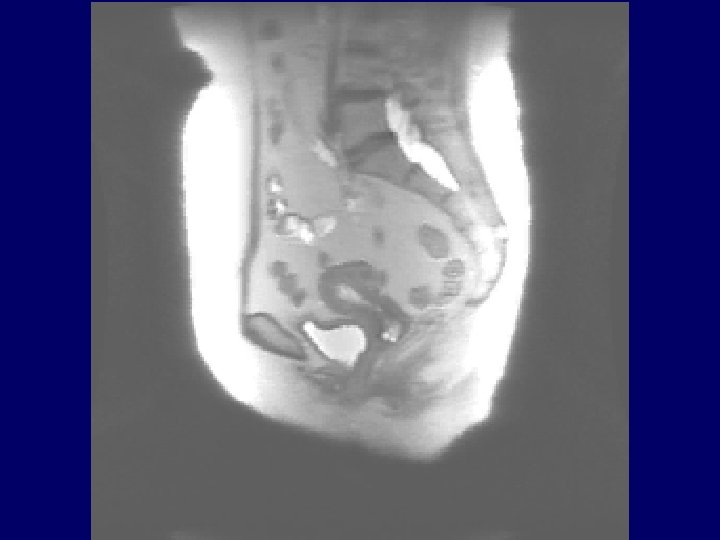
KEGEL MRI
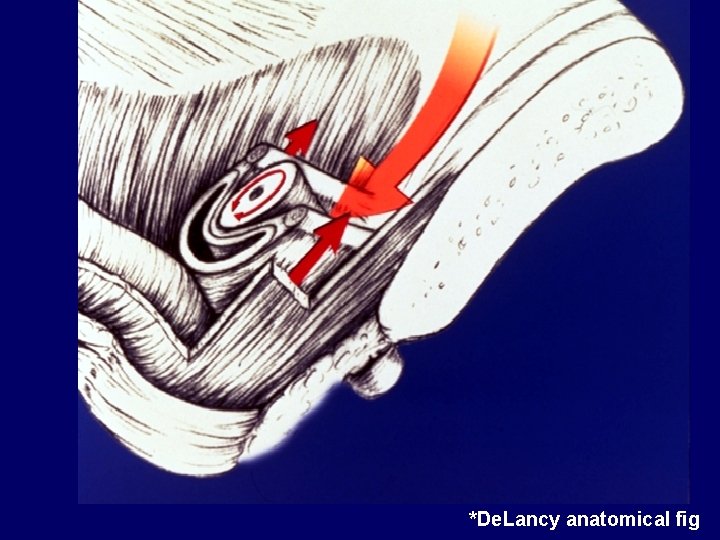
*De. Lancy anatomical fig
Mechanism vs Outcome n n n Showing closure or stabilization of structures ……is different from showing that “Knack” performed at the moment of expected urinary leakage, actually prevents that leakage.
Theoretical mechanism demonstrable, but so what? Does it work? n Problems: n Can’t measure urethral closure pressure and quantify urinary leakage simultaneously n Can’t measure pelvic muscle stabilization quantify urinary leakage simultaneously n
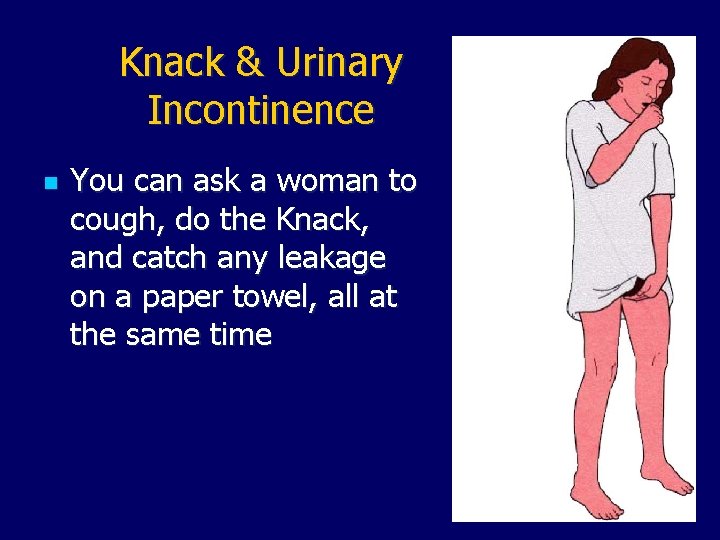
Knack & Urinary Incontinence n You can ask a woman to cough, do the Knack, and catch any leakage on a paper towel, all at the same time
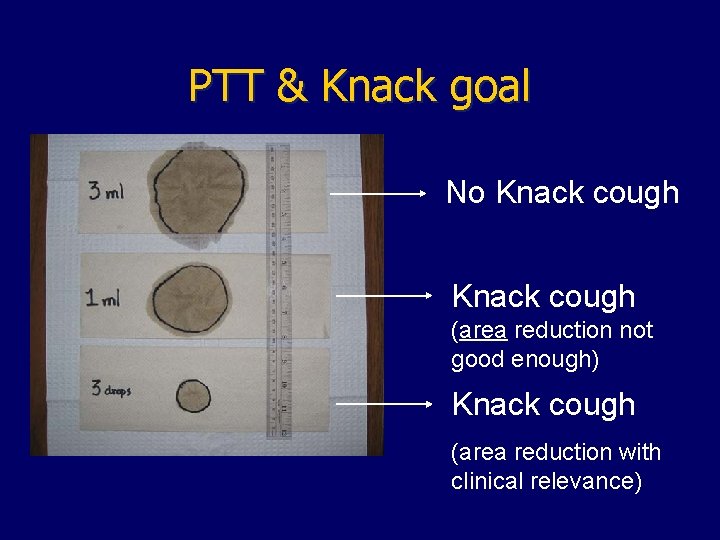
PTT & Knack goal No Knack cough (area reduction not good enough) Knack cough (area reduction with clinical relevance)
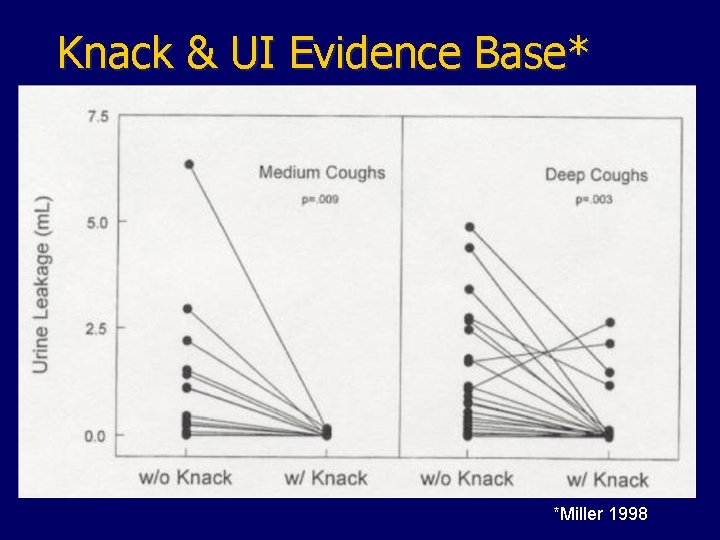
Knack & UI Evidence Base* *Miller 1998
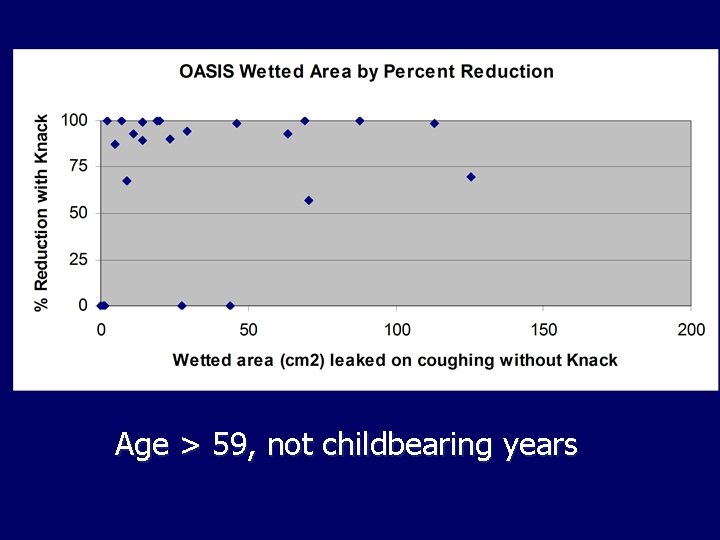
Age > 59, not childbearing years
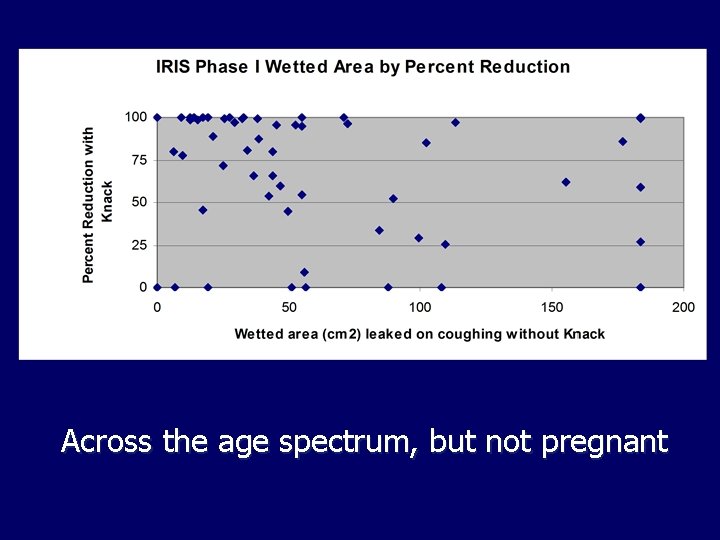
Across the age spectrum, but not pregnant
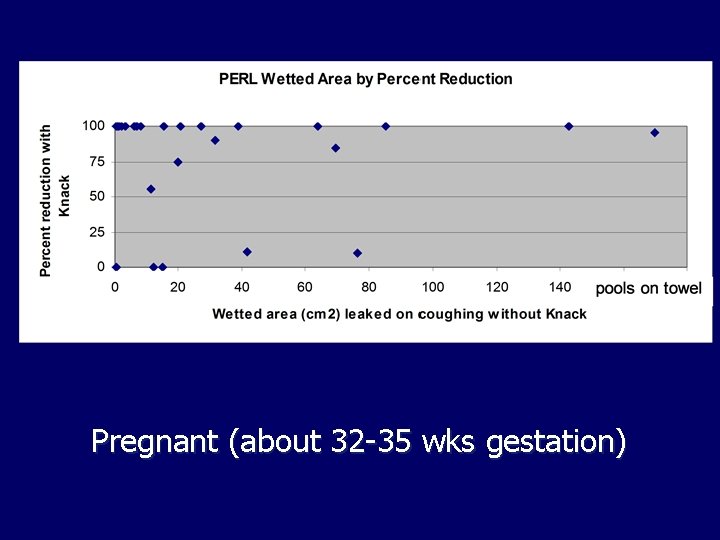
Pregnant (about 32 -35 wks gestation)
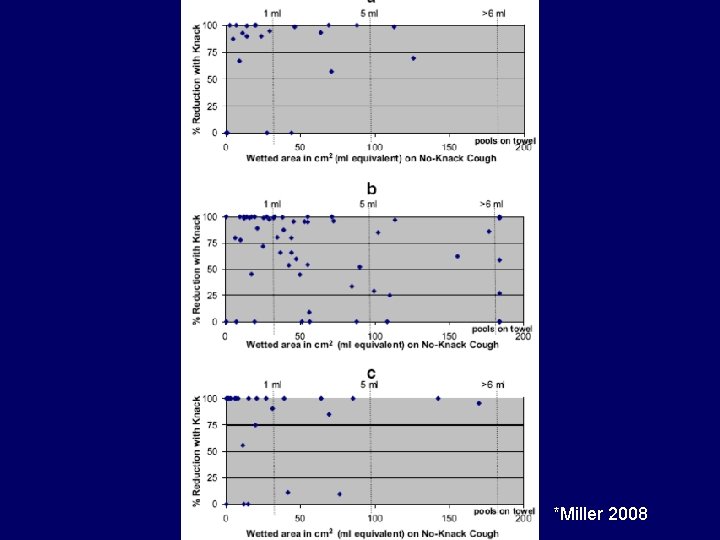
*Miller 2008
Knack works for many in controlled conditions with no distractions n n Even under these very controlled conditions, not all women are helped Can the effect be sustained in the real world environment? …. And over time? Is it a substantial enough effect to make a difference to women?
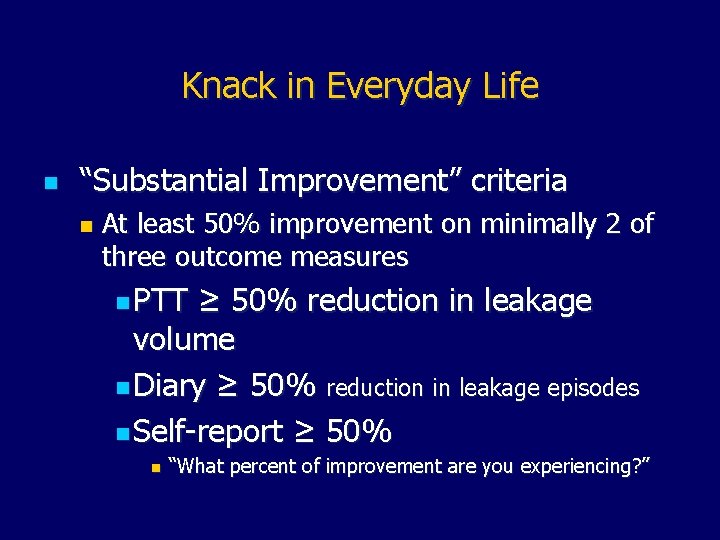
Knack in Everyday Life n “Substantial Improvement” criteria n At least 50% improvement on minimally 2 of three outcome measures n PTT ≥ 50% reduction in leakage volume n Diary ≥ 50% reduction in leakage episodes n Self-report ≥ 50% n “What percent of improvement are you experiencing? ”
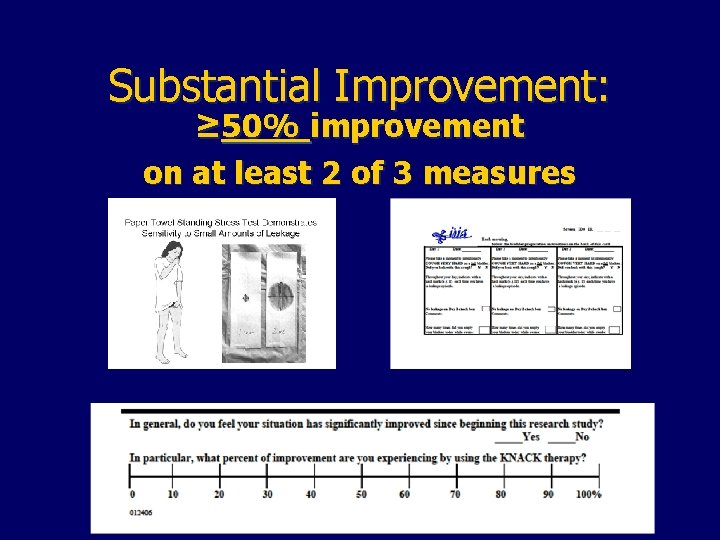
Substantial Improvement: ≥ 50% improvement on at least 2 of 3 measures
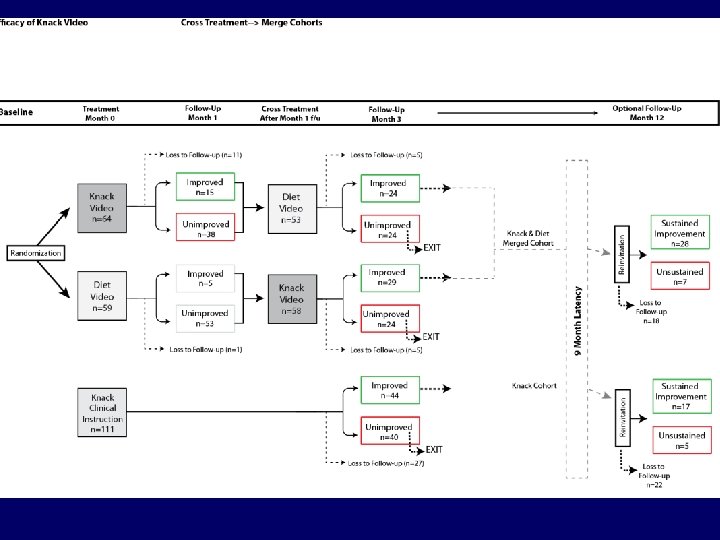
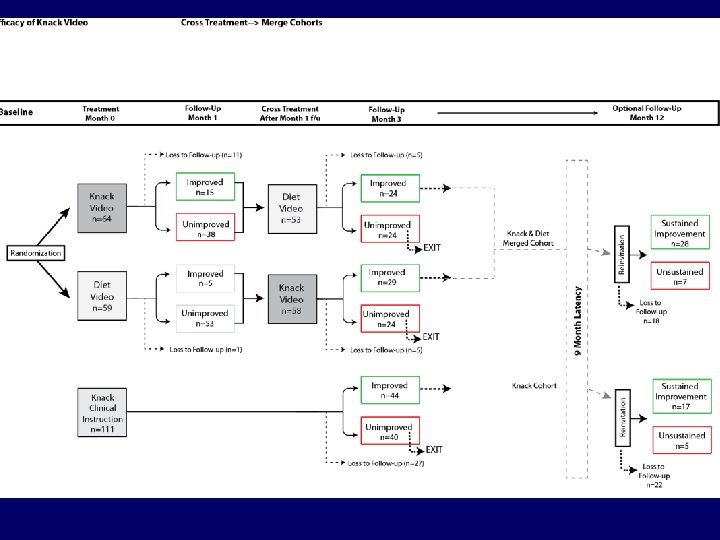
Knack in Everyday Life Short-term n Phase I: 10 -minute Video teaching RCT n N=133 n F/U to 1 mo with cross-over to 3 mo n n Results: 53% of the women were substantially improved
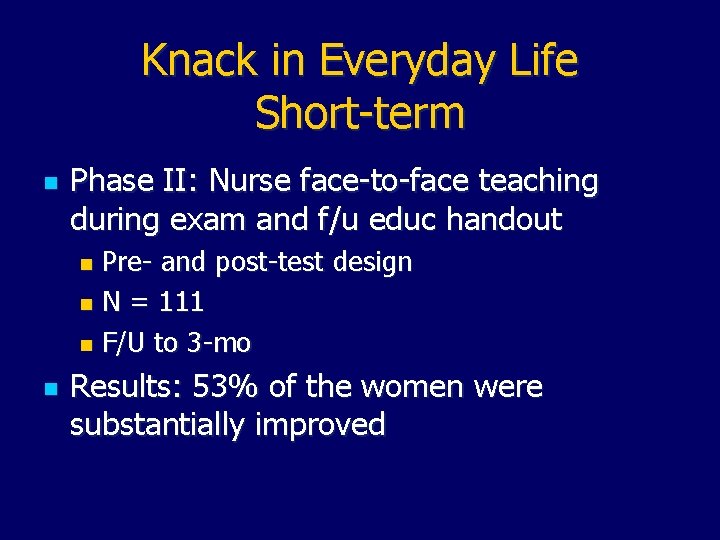
Knack in Everyday Life Short-term n Phase II: Nurse face-to-face teaching during exam and f/u educ handout Pre- and post-test design n N = 111 n F/U to 3 -mo n n Results: 53% of the women were substantially improved
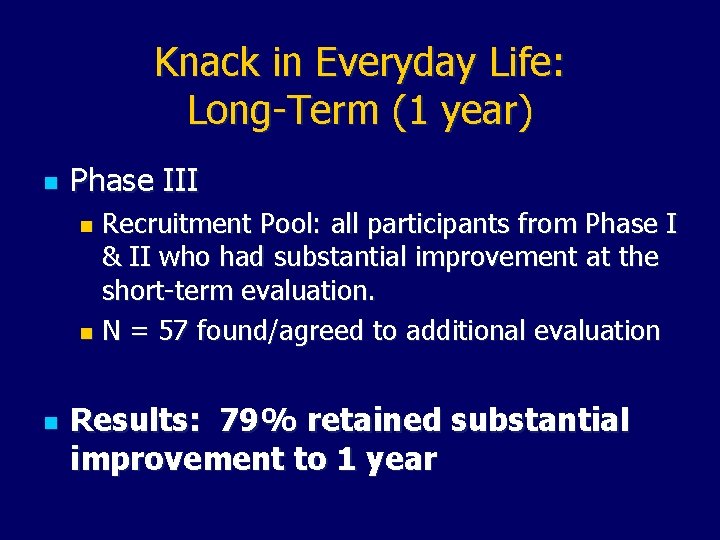
Knack in Everyday Life: Long-Term (1 year) n Phase III Recruitment Pool: all participants from Phase I & II who had substantial improvement at the short-term evaluation. n N = 57 found/agreed to additional evaluation n n Results: 79% retained substantial improvement to 1 year
Conclusion n Teaching the Knack may help many, per 10 minute video or in person instruction, even without dedicated exercise
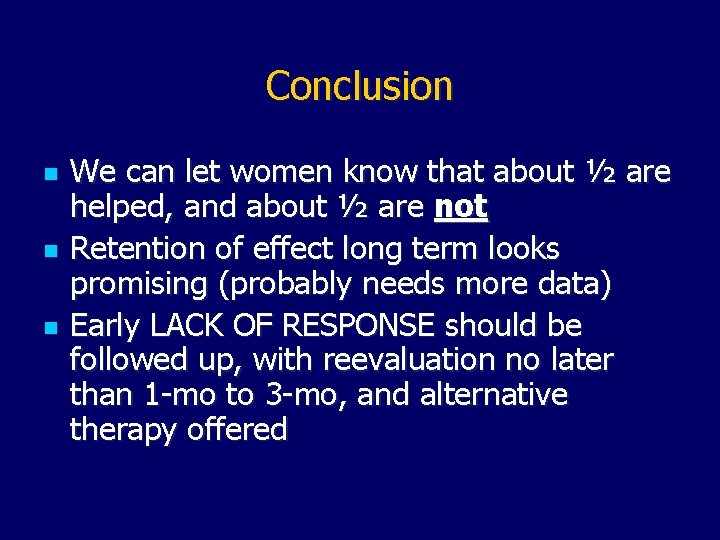
Conclusion n We can let women know that about ½ are helped, and about ½ are not Retention of effect long term looks promising (probably needs more data) Early LACK OF RESPONSE should be followed up, with reevaluation no later than 1 -mo to 3 -mo, and alternative therapy offered
- Slides: 30