
Survival Tactics 101 Introduction Throughout millions of years
- Slides: 21
Survival Tactics 101
Introduction • Throughout millions of years of evolution, organisms have evolved numerous ways of defending themselves against predators • Obviously, being able to flee from a predator is the choice of many prey animals we can consider • However, there are some often overlooked but interesting methods of defense which involve deception • These include camouflage and mimicry
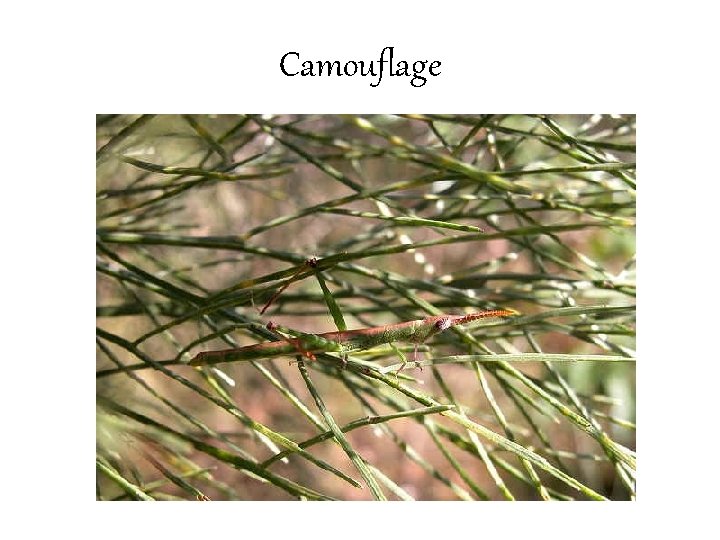
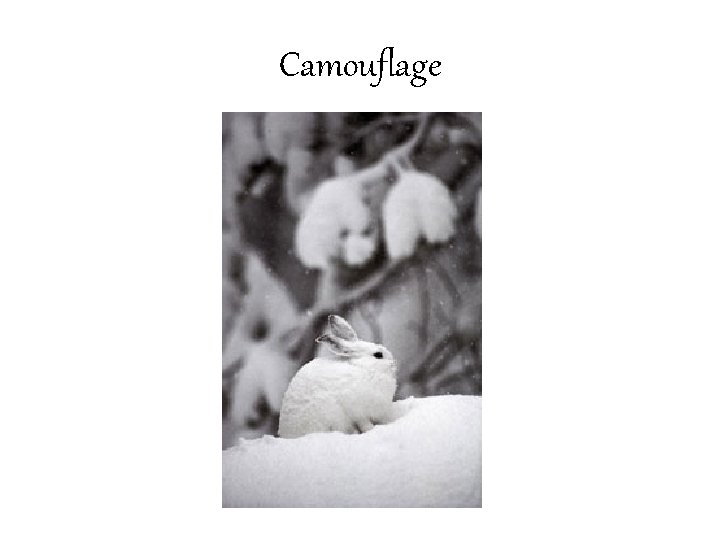
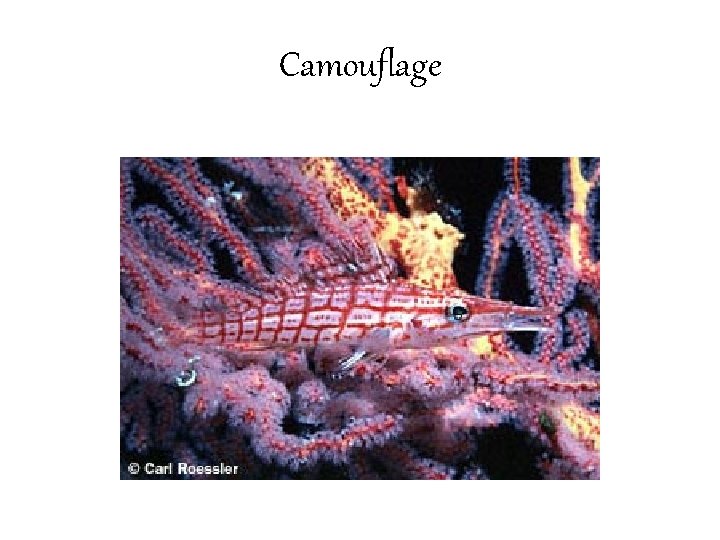
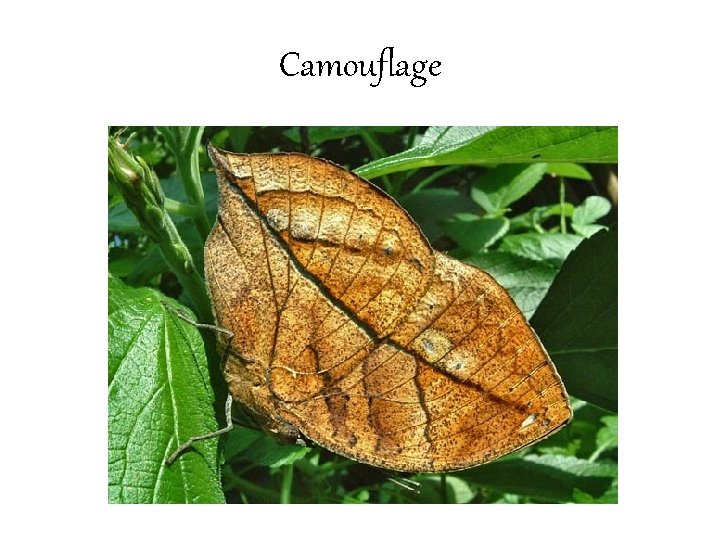
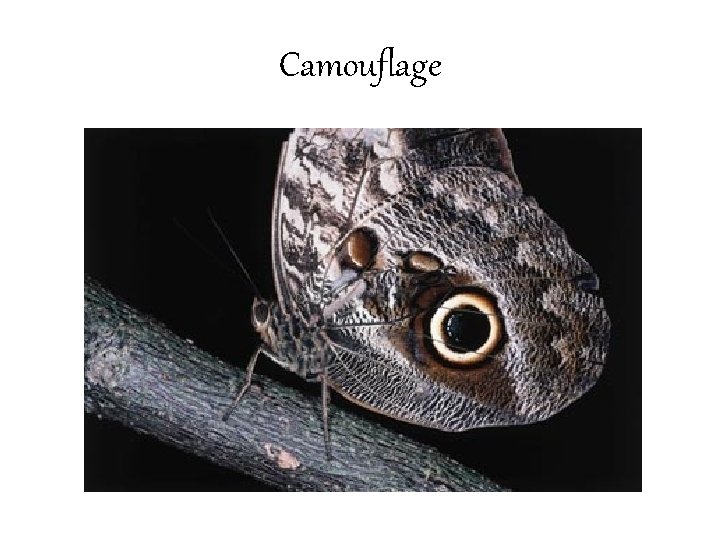
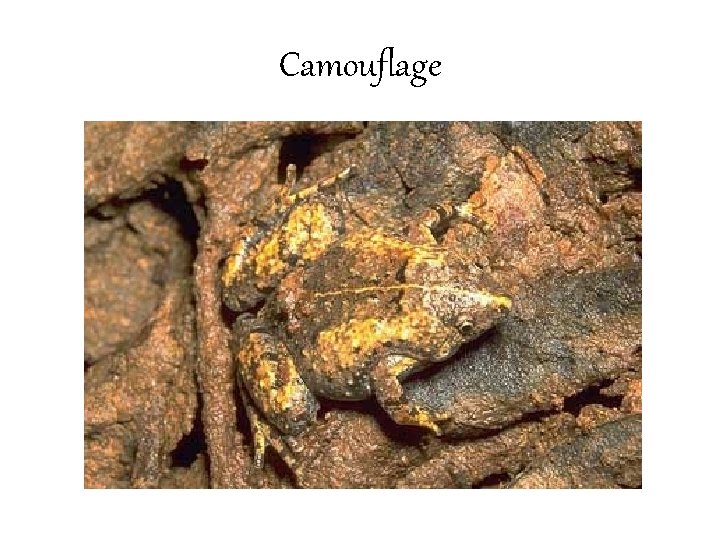
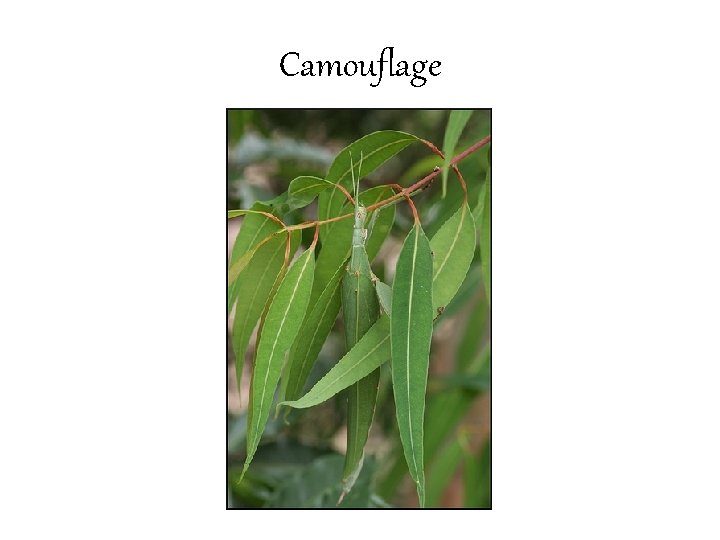
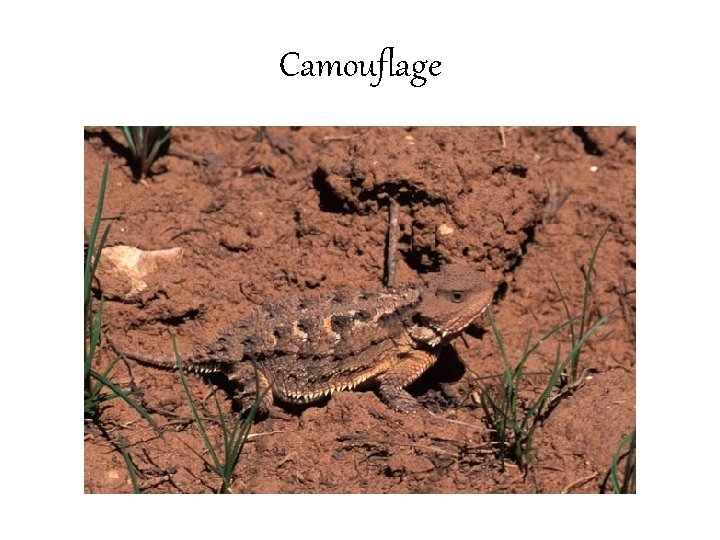
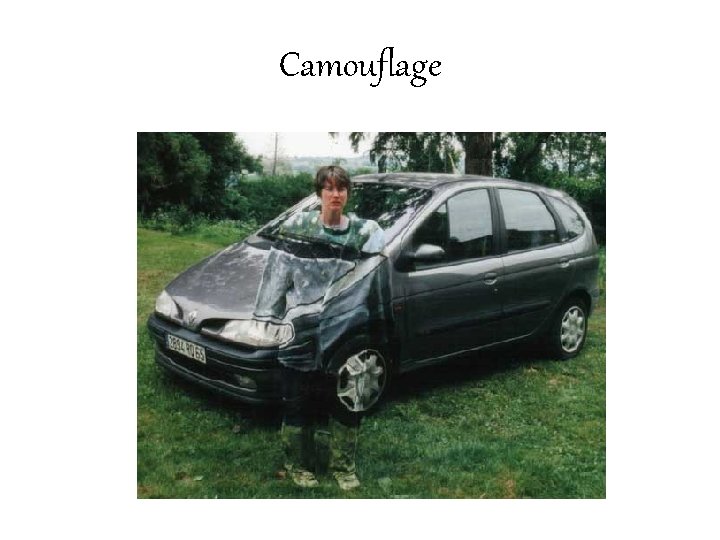
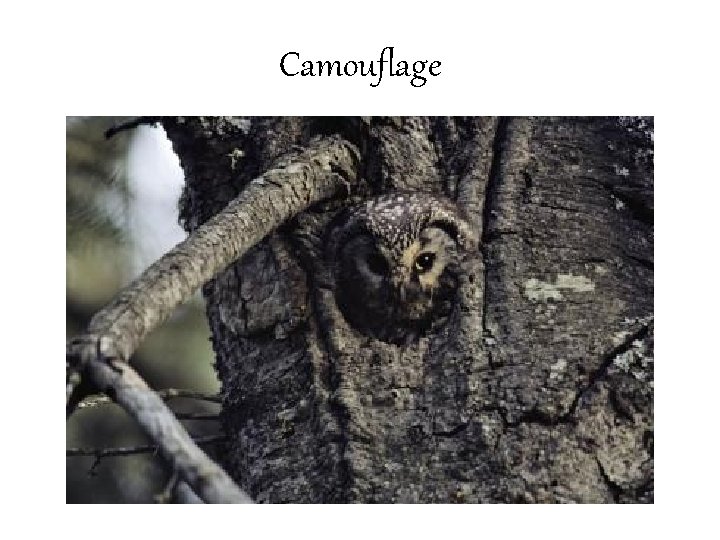
Camouflage • Animals that camouflage themselves pretend to be something they are not. • Either their coloration, marking patterns, or entire body resembles something else in their environment • Video
Camouflage
Camouflage
Camouflage
Camouflage
Camouflage
Camouflage
Camouflage
Camouflage
Camouflage
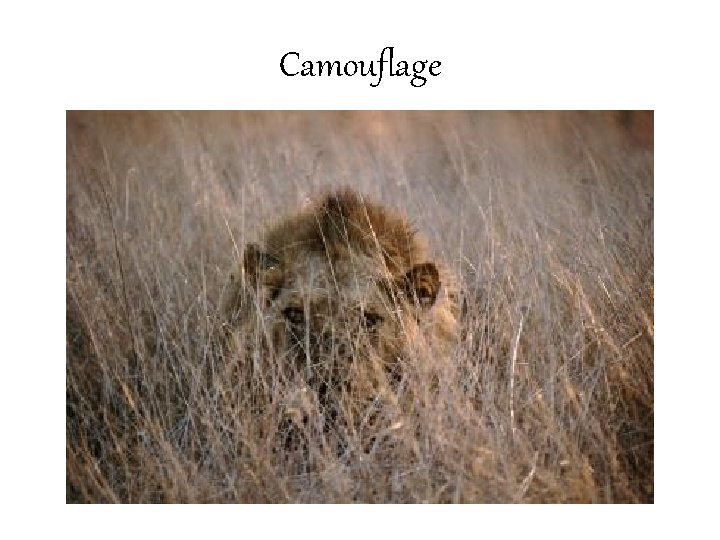
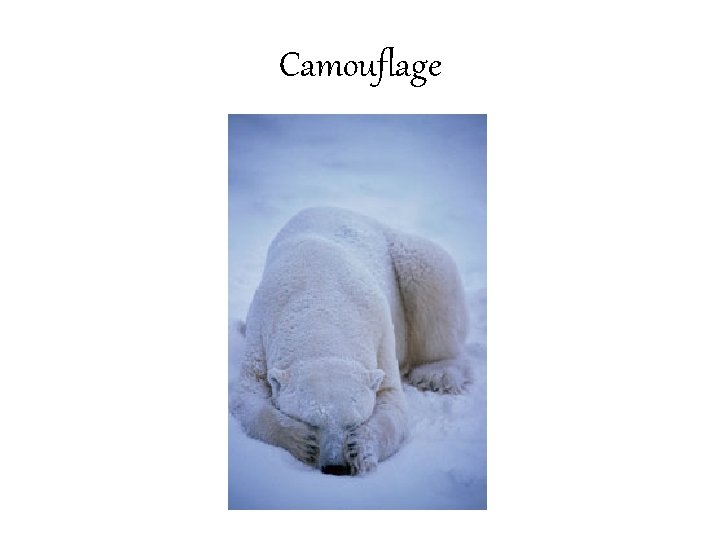
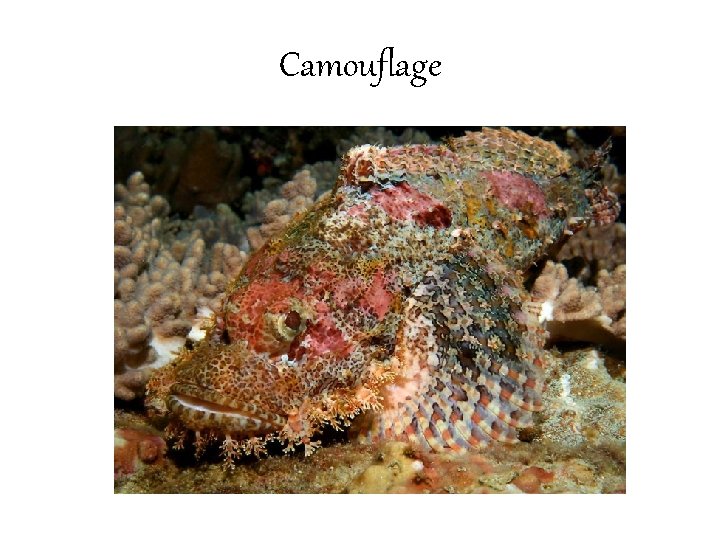
Camouflage • Some predators also depend on camouflage, but this time it is in order to avoid being seen by their prey.
Camouflage
Camouflage
Camouflage
Camouflage
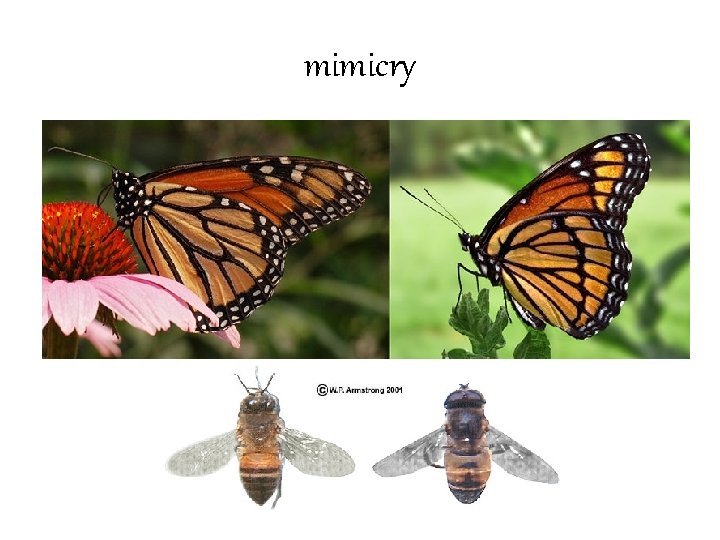
mimicry • Video • In mimicry, an organism (the mimic) closely resembles another organism (the model) in order to deceive a third, (the operator) • The model and the mimic are not always closely related, but both usually live in the same area • This is similar to camouflage, but in mimicry the model is generally a similar organism rather than a static part of the background environment
mimicry • Batesian mimicry occurs when an edible mimic resembles an unpalatable or poisonous model • In this type of mimicry, only the mimic benefits • An example of Batesian mimicry is the scarlet king snake, a non-poisonous mimic of the extremely venomous coral snake • Video
mimicry • Mullerian mimicry occurs when two (or more) distasteful or poisonous organisms resemble each other • Both species benefit because a predator who learns to avoid one species will most likely avoid the other, too • Example: The Viceroy Butterfly has evolved to mimic and look like the poisonous monarch butterfly so that predators will avoid it
mimicry