
Survey of Microorganisms 1 2 3 4 5
- Slides: 27
Survey of Microorganisms 1. 2. 3. 4. 5. 6. Virus Bacteria Cyanobacteria Algae Fungi protozoa
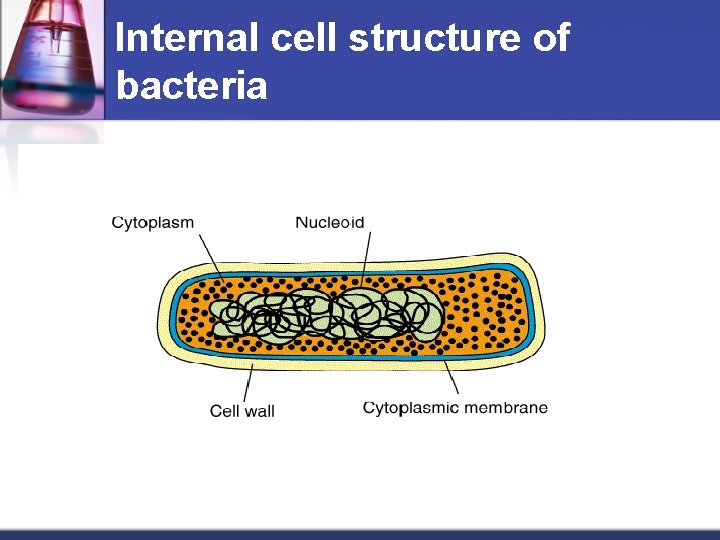
Internal cell structure of bacteria
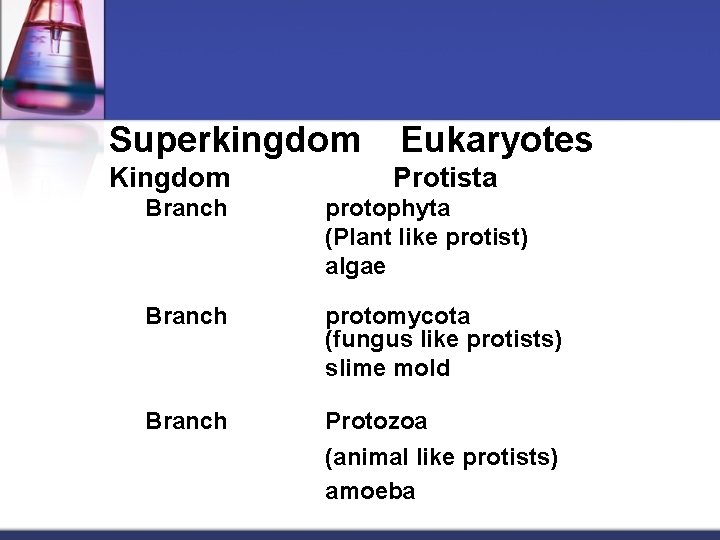
Superkingdom Eukaryotes Kingdom Protista Branch protophyta (Plant like protist) algae Branch protomycota (fungus like protists) slime mold Branch Protozoa (animal like protists) amoeba
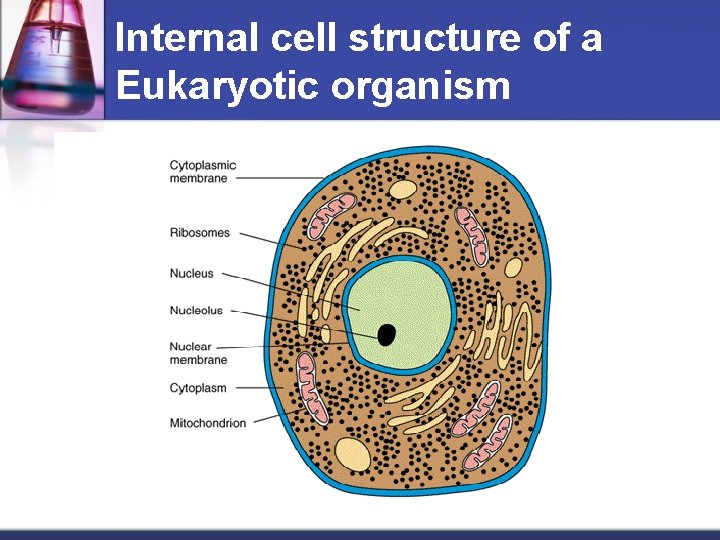
Internal cell structure of a Eukaryotic organism
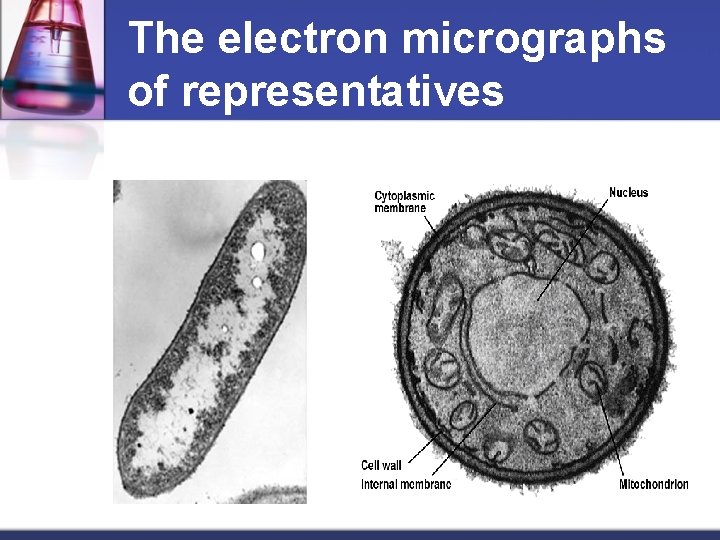
The electron micrographs of representatives
Kingdom Fungi Kingdom Plantae Kingdom Animalia
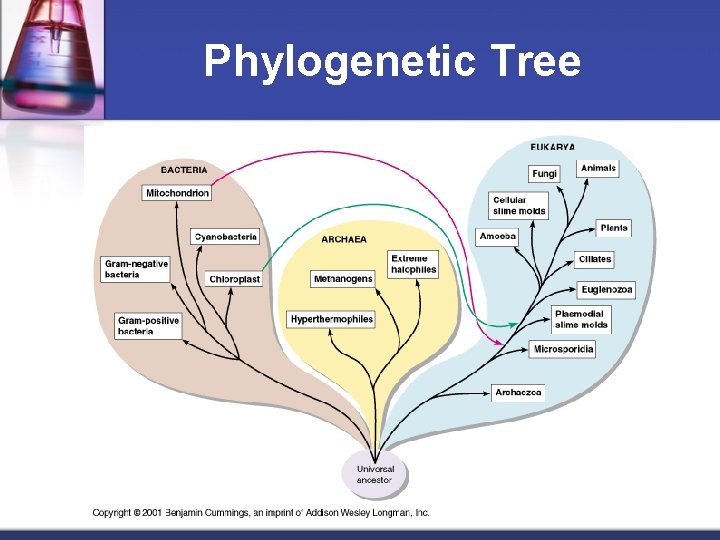
Phylogenetic Tree
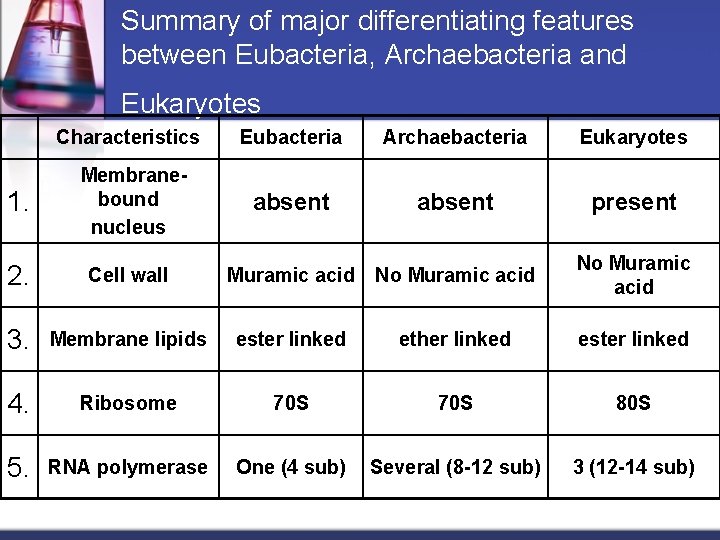
Summary of major differentiating features between Eubacteria, Archaebacteria and Eukaryotes Characteristics Eubacteria Archaebacteria Eukaryotes 1. Membranebound nucleus absent present 2. Cell wall Muramic acid No Muramic acid 3. Membrane lipids ester linked ether linked ester linked 4. Ribosome 70 S 80 S 5. RNA polymerase One (4 sub) Several (8 -12 sub) 3 (12 -14 sub)
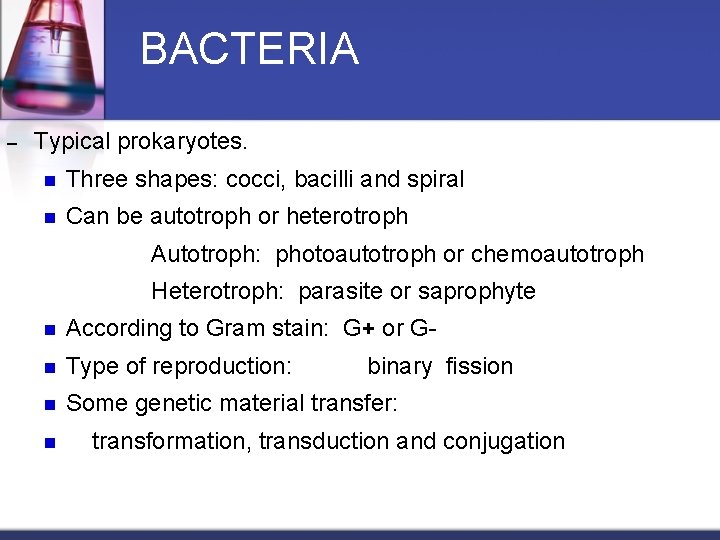
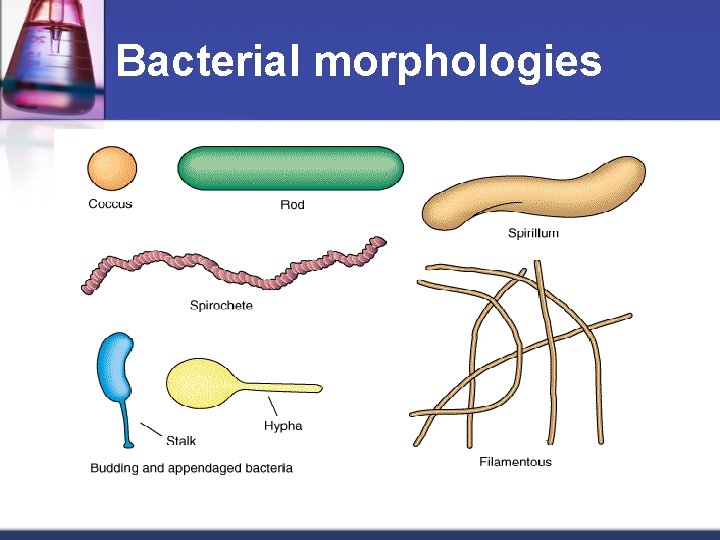
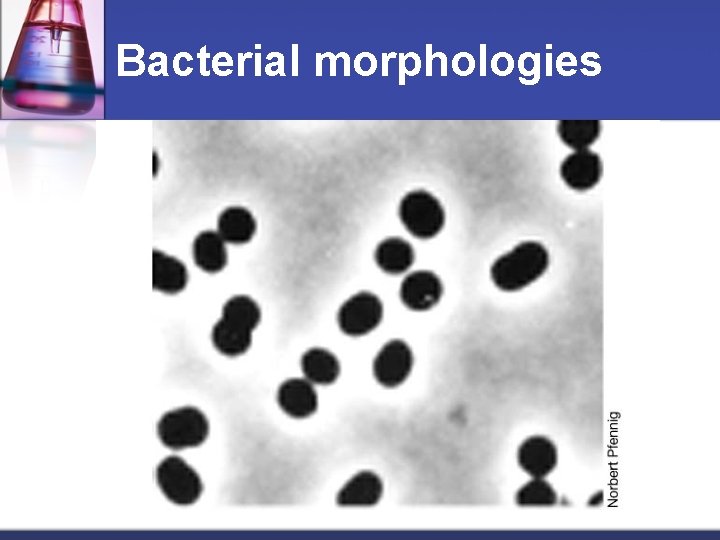
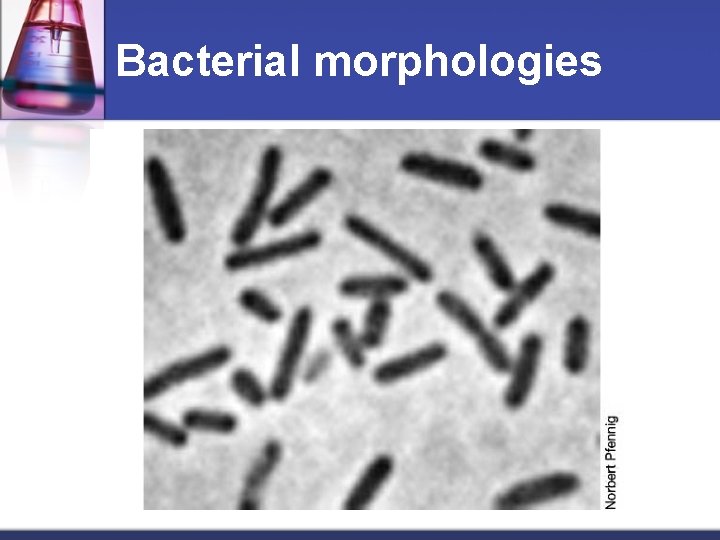
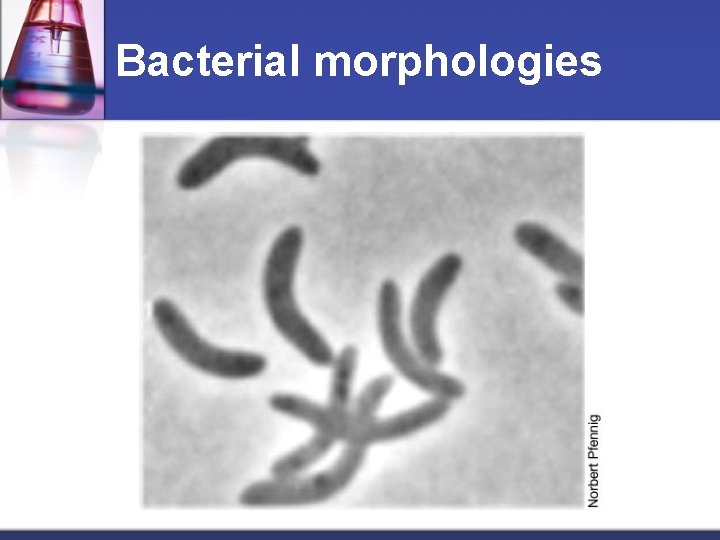
BACTERIA – Typical prokaryotes. n Three shapes: cocci, bacilli and spiral n Can be autotroph or heterotroph Autotroph: photoautotroph or chemoautotroph Heterotroph: parasite or saprophyte n According to Gram stain: G+ or G- n Type of reproduction: n Some genetic material transfer: n binary fission transformation, transduction and conjugation
Bacterial morphologies
Bacterial morphologies
Bacterial morphologies
Bacterial morphologies
Cyanobacteria Blue green algae, in both fresh and marine water. n A typical procayrotic living organism n Autotroph, photosynthesis machinery is very similar to higher plants. n No chloroplast, have chlorophyll and other pigments such as phycocyanin, phycoerythrin, carotene etc. n Three forms: unicellular, colonial and filaments. n Some filament cyanobacteria have heterocyst that can fix N 2 to ammonia. n e. g. Anacystis , Oscillatoria n
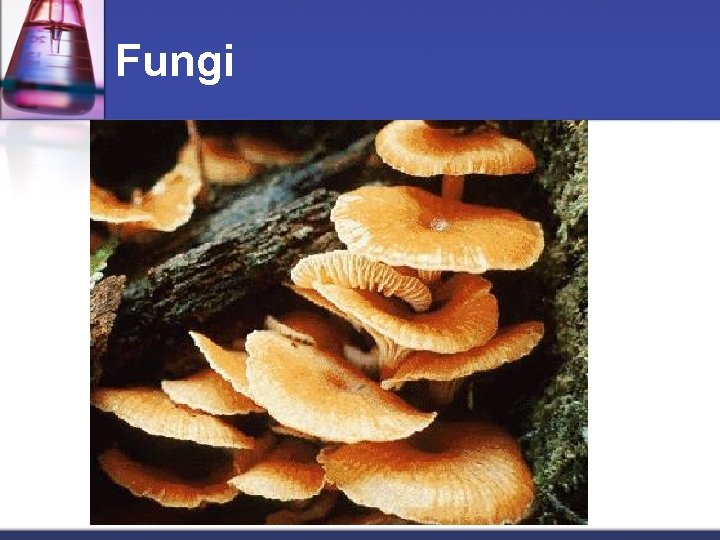
Fungi – Eukaryotic living organisms – Heterotroph (1) unicellular yeast (2) muticellular molds
Fungi
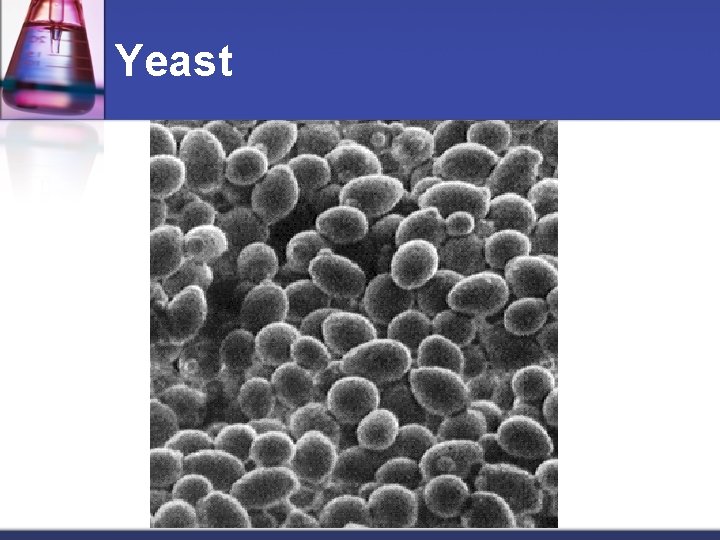
Yeast – – – Reproduction: Budding processes (asexual reproduction) forming buds on the mother cell when mature, punch off to become new single yeast cells. sex spores (sexual reproduction), produce sex spores following the fusion of two separate cells. Many yeast convert carbohydrates to alcohol for alcoholic beverages (e. g. Saccharomyces cerevisiae) Some are used to raise bread (produce CO 2 in the dough)
Yeast
Multicellular fungi – – – More complex than yeast, many of them become visible as “mildew” in damp weather. have hair like structure (mycelium) Sexual and asexual reproduction Some mold are responsible for the flavor of fine cheeses. Major sources of antibiotics e. g. Penicillium chrysogenum for penicillin
Slim Mold (lower fungi) – – This is a lower fungi, in Protista and protomycota. It is similar to fungi, but distinct. Heterotroph. They live in cool, shady moist places in nature - on decaying wood, dead leaves or other damp organic matter.
Algae – – – – Eukaryotic living organisms Autotroph: Carry out a green plant type of photosynthesis resulting in the photolysis of water and the evolution of O 2. Mainly aquatic in nature. Some of the primitive ones are classified in protista; complex multicellular types are placed in plant kingdom. Three forms: unicellular, filaments and colonial. 7 classes on the basis of their cellular structure, pigment composition. Only five will be discussed in here and differentiate them using food storage particles. e. g. euglena, spirogyra and cladophora.
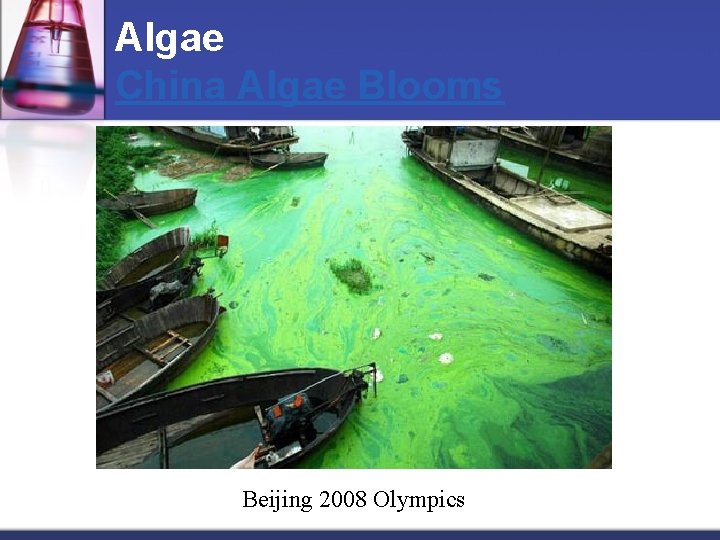
Algae China Algae Blooms Beijing 2008 Olympics
Algae 1. 2. 3. Euglenoids eg. Euglena food storage is a lipoid polysaccharide - paramylum Green algae eg. Chlamydomonas food storage - starch Golden Brown algae eg. Diatoms food storage – oil and leucosin (a polysaccharide) have fucoxanthin, a brownish pigment
Algae Cont. 4. Brown Algae Mainly marine water algae food storage – laminarin, a polysaccharide and mannitol, a sugar alcohol 5. Fire Algae Dinoflagellate eg. Peridinium food storage – starch, fat, oils
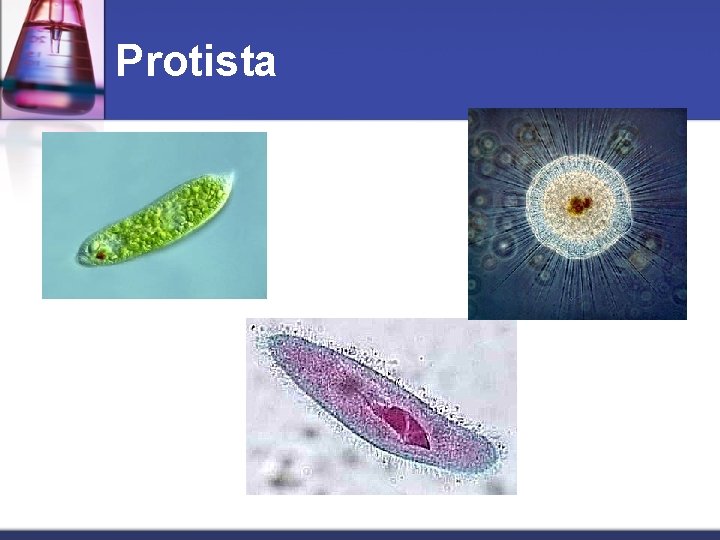
Protista – – – Unicellular, heterotroph Animal like, move, they are either free living or parasites. A wide variety of shapes and sizes some elongated, some are oval. Sizes: from 5 -10 um to 1 -2 mm. Sexual or asexual reproduction e. g. amoebas, paramecium
Protista