
Surgical Management of Obesity Topic Outline Introduction What
Surgical Management of Obesity
Topic Outline - Introduction - What is the Bariatric Surgeries - Operations & Selection - Outcomes and complications - Eligibility for Obesity Surgery
• Obesity : is a multifactorial chronic metabolic disorder which essentially manifests it self as surplus of unexpended energy stores as fat. • Contributing Factors : genetic predisposition, eating disorders, psychological issues, poor diet, lack of exercise and comorbid conditions • Morbid Obesity : Body mass index (BMI) equal to or greater than 40 kg/m 2

Comorbidities associated with obesity - Metabolic syndrome - Type 2 DM - High blood pressure - Dyslipidemia - Obstructive sleep apnea - Venous and lymphatic stasis - Osteoarthritis - Decreased mobility - Chronic respiratory hypoventilation - Hypertrophic cardiomyopathy - Poor quality of life - Urinary stress incontinence - GERD

BMI KG/M^2
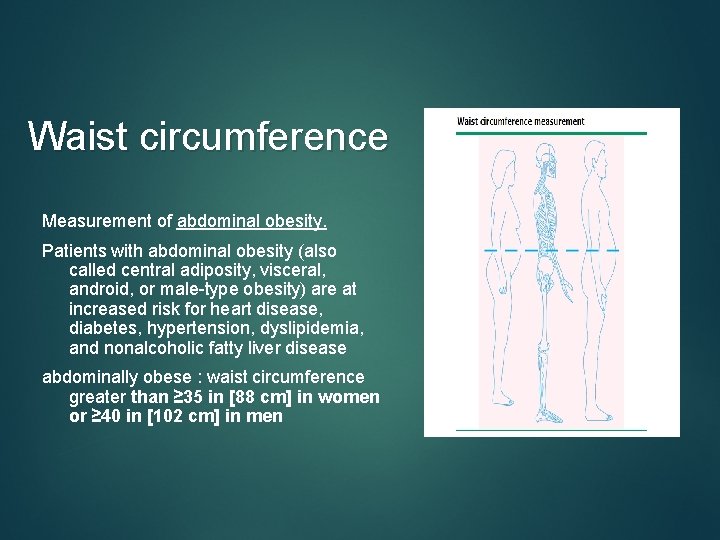
Waist circumference Measurement of abdominal obesity. Patients with abdominal obesity (also called central adiposity, visceral, android, or male-type obesity) are at increased risk for heart disease, diabetes, hypertension, dyslipidemia, and nonalcoholic fatty liver disease abdominally obese : waist circumference greater than ≥ 35 in [88 cm] in women or ≥ 40 in [102 cm] in men
Selection criteria for obesity surgery - BMI ≥ 40, or BMI ≥ 35 and at least one or more obesity-related co-morbidities such as type II diabetes (T 2 DM), hypertension, sleep apnea - Between 30 and 35, and you have uncontrolled diabetes. - . . etc. - -Minimum of 5 years obesity - Failure of conservative management - No alcoholism or major untreated psychiatric illness - Avoid if likely to get pregnant within 2 years - Age limits 18 -55 - Acceptable operative risk on preoperative assessment
Bariatric surgery is an operation that helps you lose weight by making changes to your digestive system. It is the most effective approach for achieving durable weight loss in the morbidly obese
Contraindications ● Glycemic or lipid control or CVS risk reduction independent of (BMI) parameters. ● Severe obesity > 270 kg ● 18 y. o < Age > 65 y. o ( considered when comorbidity is severe ) ● Uncontrolled and untreated eating disorders (eg, bulimia) ● Drug and alcohol abuse ● Anesthetic risks ● Severe coagulopathy ● Inability to comply with nutritional requirements including life-long vitamin replacement ● End stage organ function of heart, lungs, or both. ● Prader-Willi syndrome
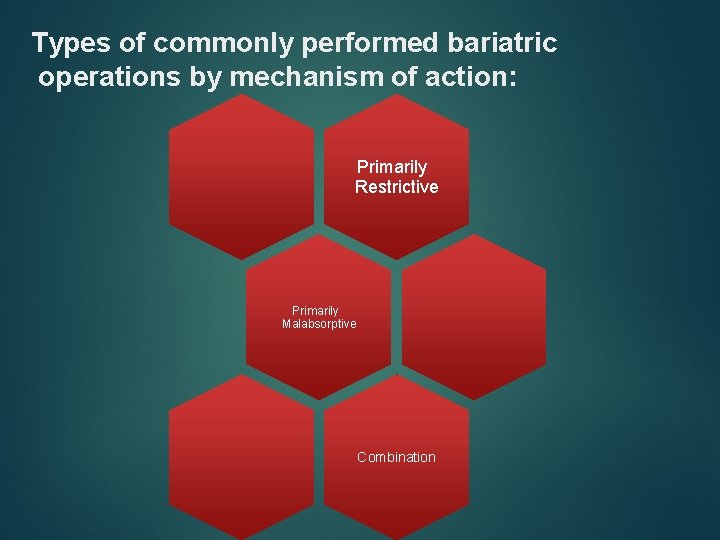
Types of commonly performed bariatric operations by mechanism of action: Primarily Restrictive Primarily Malabsorptive Combination
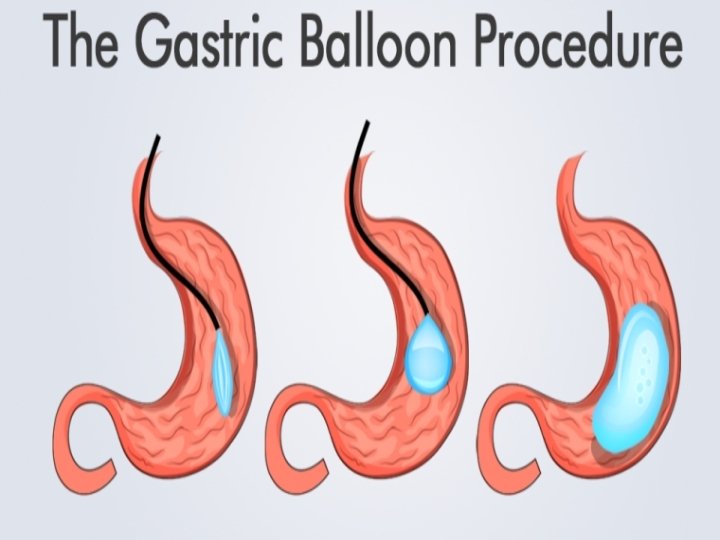
Restrictive procedures - Adjustable Gastric Banding (AGB) - Vertical Banded Gastroplasty (VBG) -Gastric Balloon - Sleeve Gastrectomy
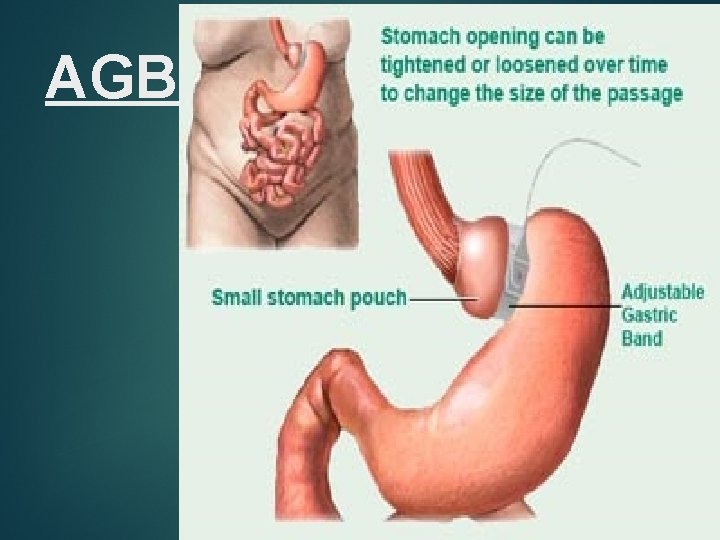
AGB
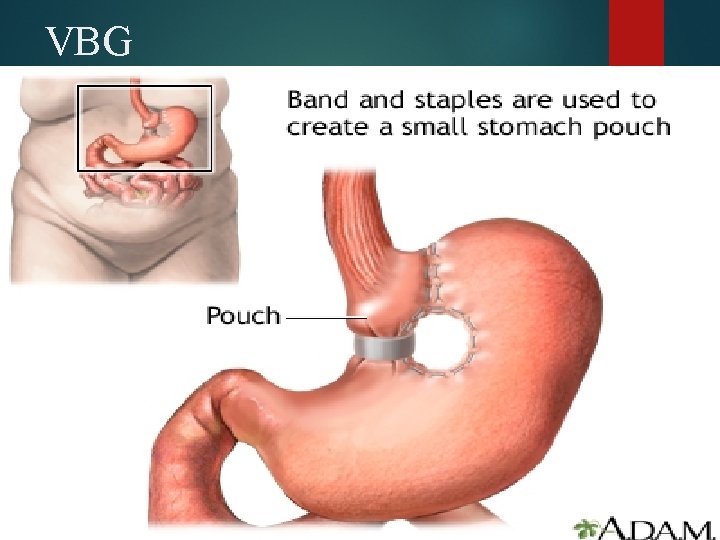
VBG
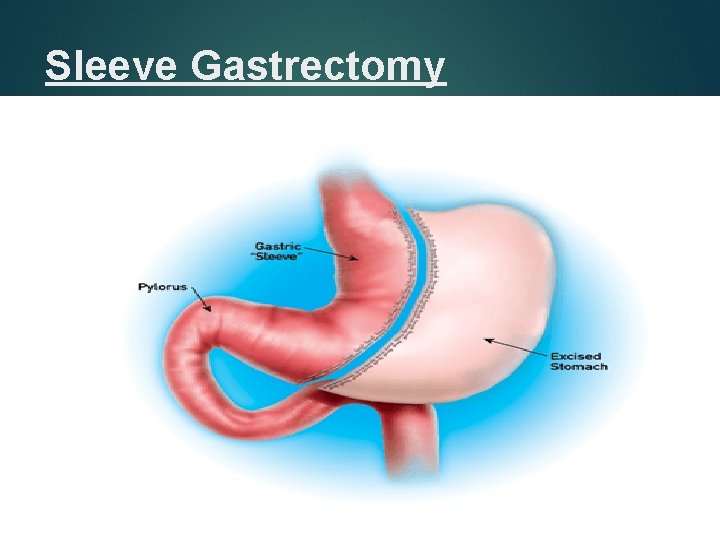
Sleeve Gastrectomy
Malabsorptive procedures - Biliopancreatic diversion (BPD) - Duodenal switch (DS)
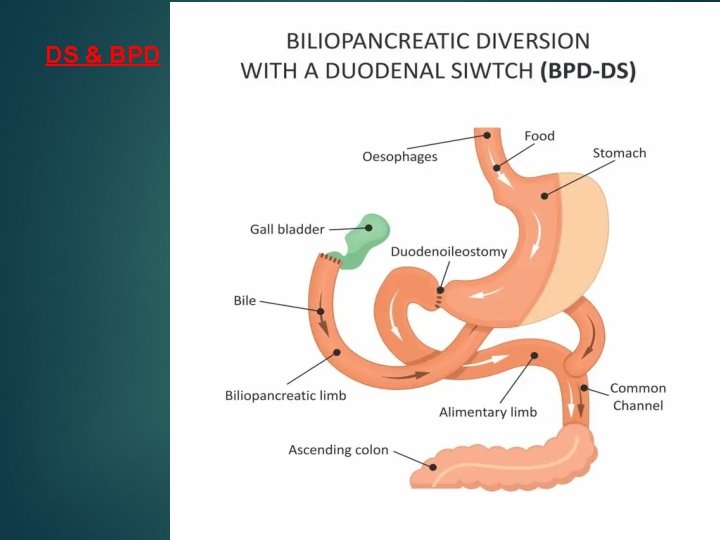
DS & BPD
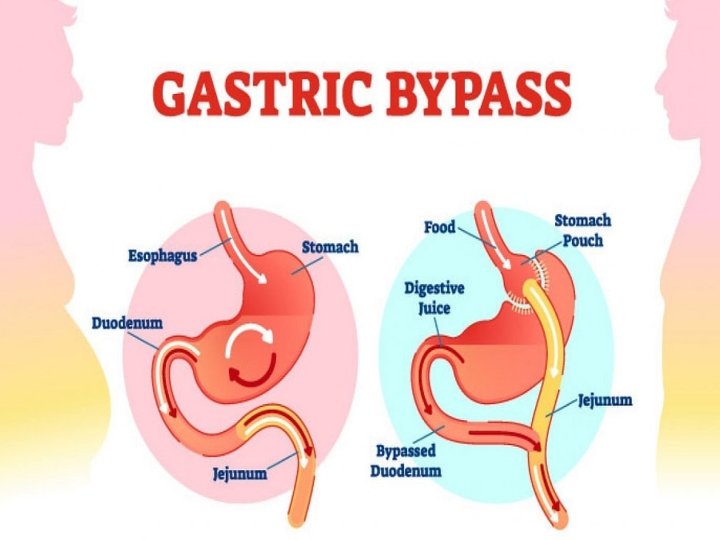
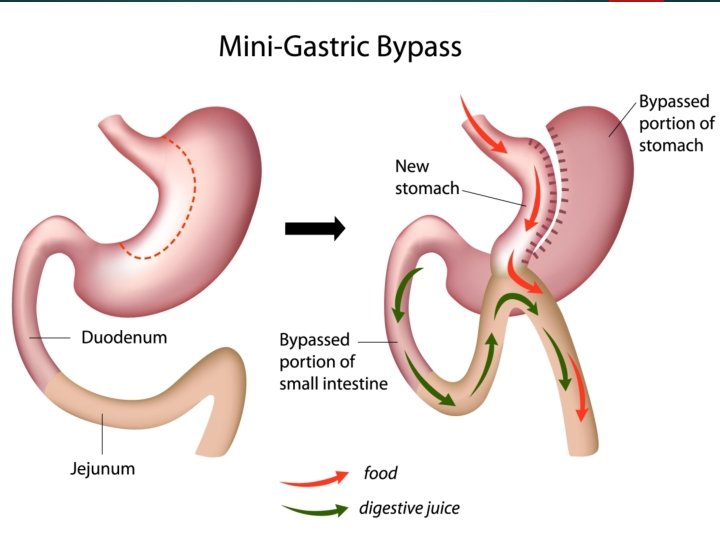
Combination ( by two mechanisms) -Roux-en-Y gastric bypass -Mini gastric Bypass
Which procedure to do ?
- All procedures can be effective in the treatment of morbid obesity - They can be performed by open surgery and more recently by laparoscopy
Case. Patient on multiple psychiatric medications , complains from obesity BMI 41 , has had multiple abdominal surgeries , what Bariatric surgery would you recommend ?

Thank you. .
- Slides: 24