
Supporting the Mental Health of Children in Kindergarten




- Slides: 36
Supporting the Mental Health of Children in Kindergarten and the Primary Grades Dr. Kim Houtmeyers
COPING
Three Common Treatment Strategies • Cognitive Behavioural Therapy (CBT)
Three Common Treatment Strategies • Cognitive Behavioural Therapy (CBT) • Dialectical Behavioural Therapy (DBT)
Three Common Treatment Strategies • Cognitive Behavioural Therapy (CBT) • Dialectical Behavioural Therapy (DBT) • Collaborative Problem Solving (CPS)
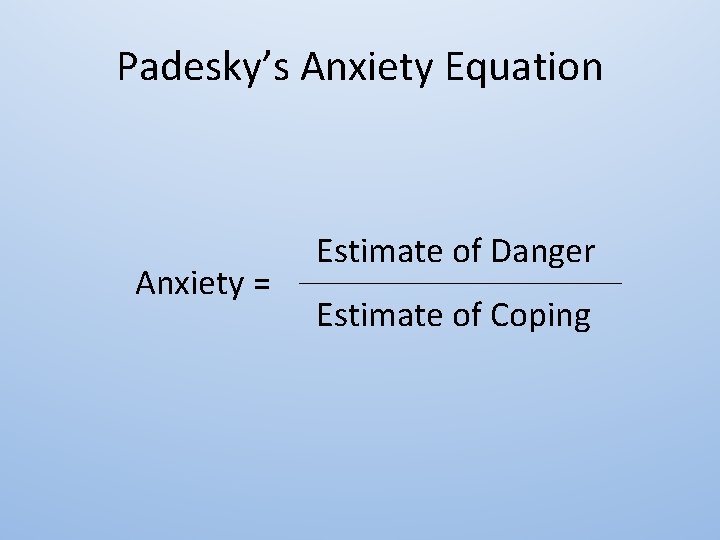
Padesky’s Anxiety Equation Anxiety = Estimate of Danger __________________ Estimate of Coping
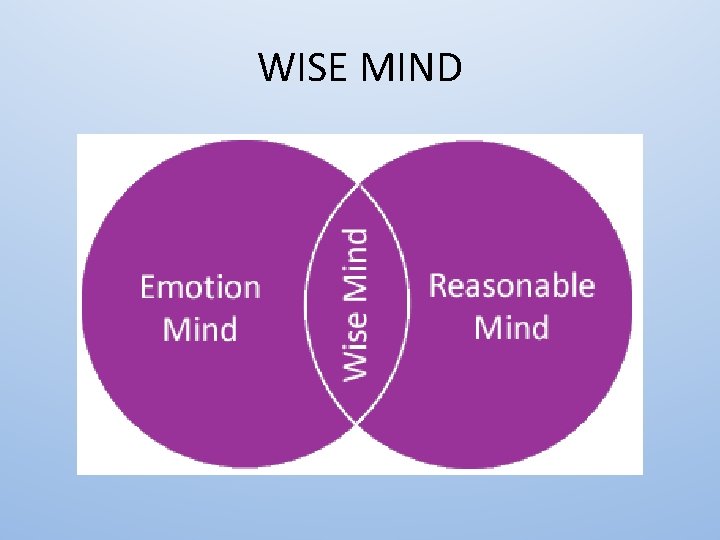
WISE MIND
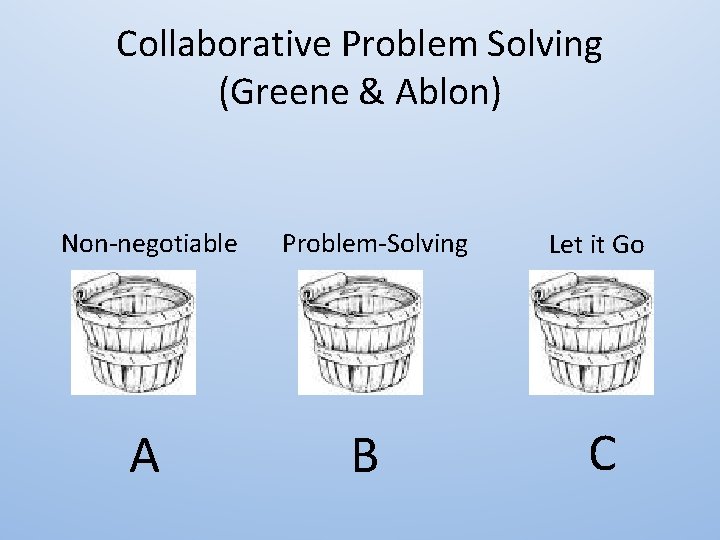
Collaborative Problem Solving (Greene & Ablon) Non-negotiable A Problem-Solving B Let it Go C
When we teach a child to cope, we build resilience. When we build resilience, we increase emotional well-being.
What does this look like in practice?
Three Common Mental Health Issues
Three Common Mental Health Issues • Anxiety
Three Common Mental Health Issues • Anxiety • Self-Regulatory Disorders
Three Common Mental Health Issues • Anxiety • Self-Regulatory Disorders • Quirky Temperament
Rather than telling children what NOT to do, tell them what TO do, and then help them learn HOW to do it.
The role of consequences and rewards
Anxiety • Fight or flight response
Anxiety • Fight or flight response • False alarms
Anxiety • Fight or flight response • False alarms • When we allow a child to avoid we collude with anxiety
Anxiety • Fight or flight response • False alarms • When we allow a child to avoid we collude with anxiety • When we force them to approach we trigger fight
So What Do We Do? • Teach the child how to cope so that they can confidently approach instead of avoid
Ways We Can Do This • Belly Breathing
Ways We Can Do This • Belly Breathing • Worry Bugs
Ways We Can Do This • Belly Breathing • Worry Bugs • The denominator of the anxiety equation
Ways We Can Do This • • Belly Breathing Worry Bugs The denominator of the anxiety equation Five Senses
Self-Regulation (ADHD) • What is ADHD?
Self-Regulation (ADHD) • What is ADHD? • Strategies:
Self-Regulation (ADHD) • What is ADHD? • Strategies: – Calming Corners
Self-Regulation (ADHD) • What is ADHD? • Strategies: – Calming Corners – Moving in Adaptive Ways
Self-Regulation (ADHD) • What is ADHD? • Strategies: – Calming Corners – Moving in Adaptive Ways – Setting up the environment for success
Self-Regulation (ADHD) • What is ADHD? • Strategies: – Calming Corners – Moving in Adaptive Ways – Setting up the environment for success – Explicit teaching of planning and organizational skills
Quirky Temperament • How might this look?
Quirky Temperament • How might this look? • How can we help?
Quirky Temperament • How might this look? • How can we help? – Teach adaptive ways to act on urges and aversions
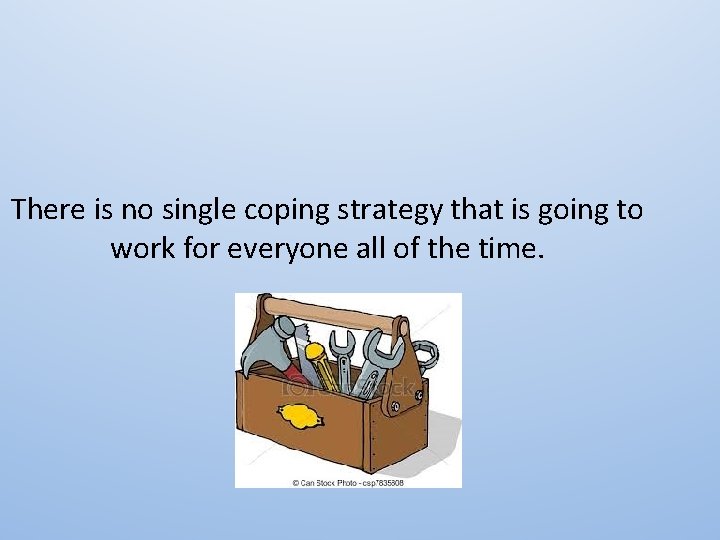
There is no single coping strategy that is going to work for everyone all of the time.
Revisiting Andrew