
Supporting Literacy in the Elementary Classroom the best
Supporting Literacy in the Elementary Classroom the best ways to assist students and teachers
Hello! Steph Lundgren slundgren@esu 8. org Professional Development Coordinator ESU 8, Neligh
Agenda • Basics of Reading • Assisting Students in Whole and Small Groups • Strategies for Success
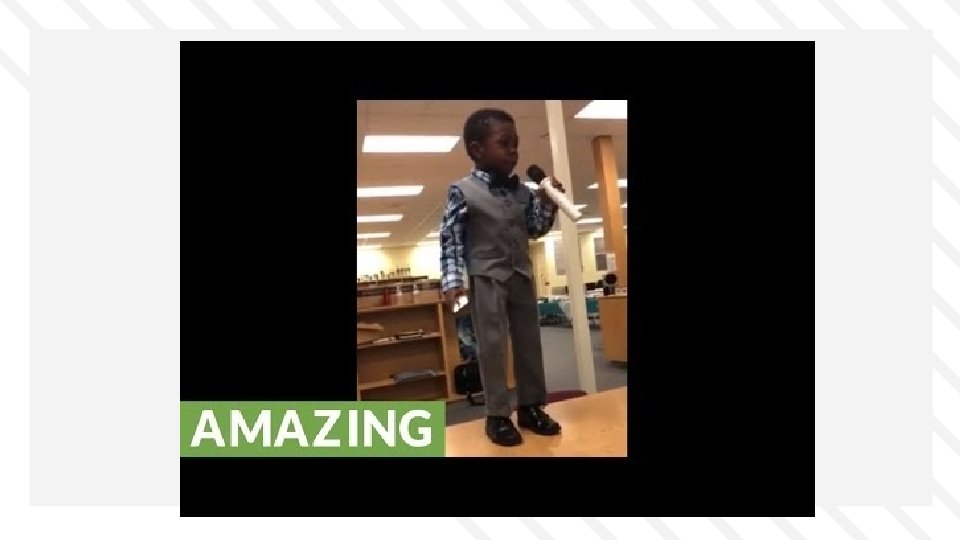

Research shows that PARAS make a difference.
Reading Basics
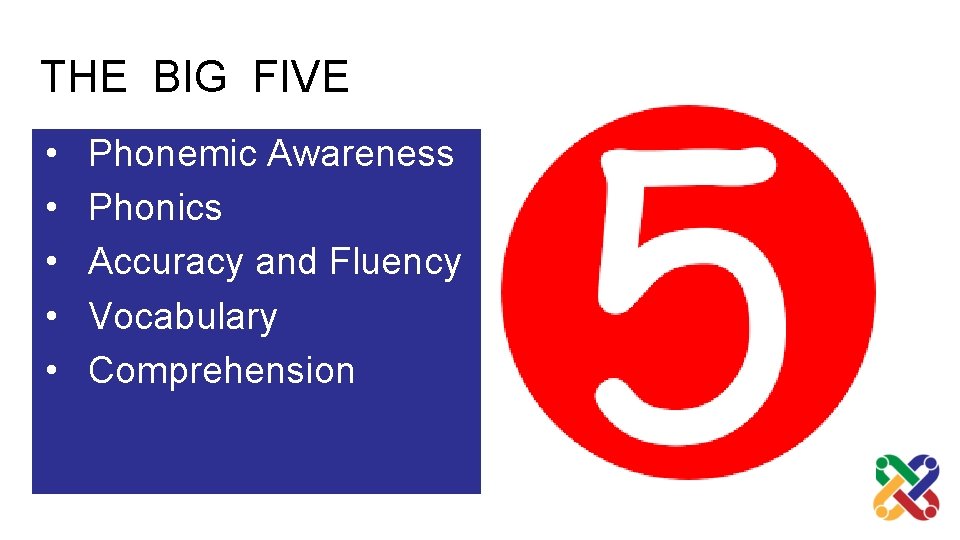
THE BIG FIVE • • • Phonemic Awareness Phonics Accuracy and Fluency Vocabulary Comprehension
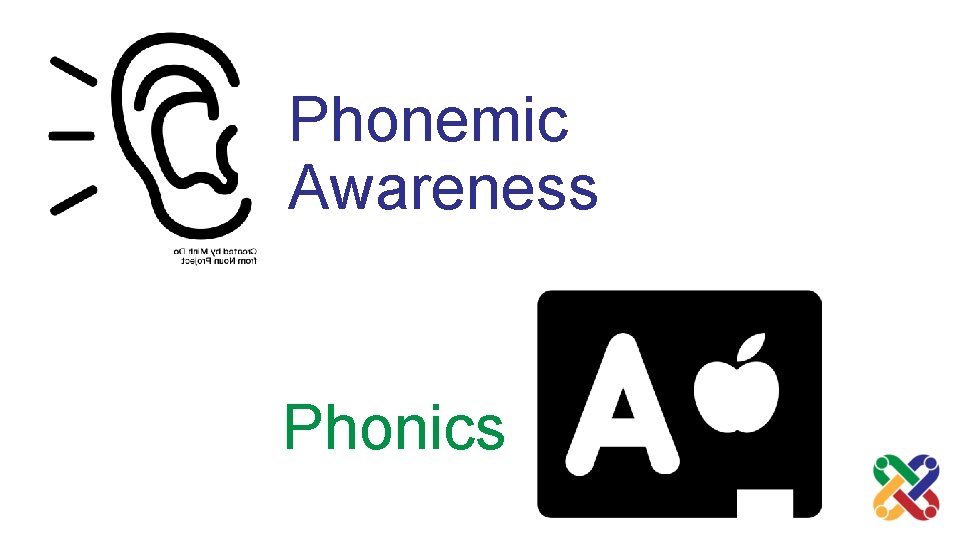
Phonemic Awareness Phonics
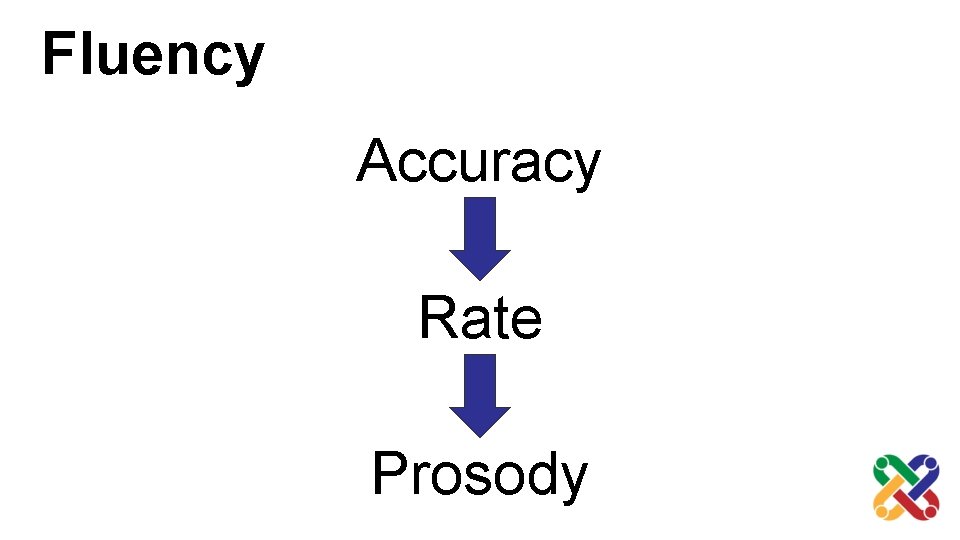
Fluency Accuracy Rate Prosody
Vocabulary focus on student friendly word meanings Do: examine prefixes, suffixes, roots, synonyms, antonyms, Collins dictionary Don’t: crossword puzzles, word searches, difficult dictionary definitions
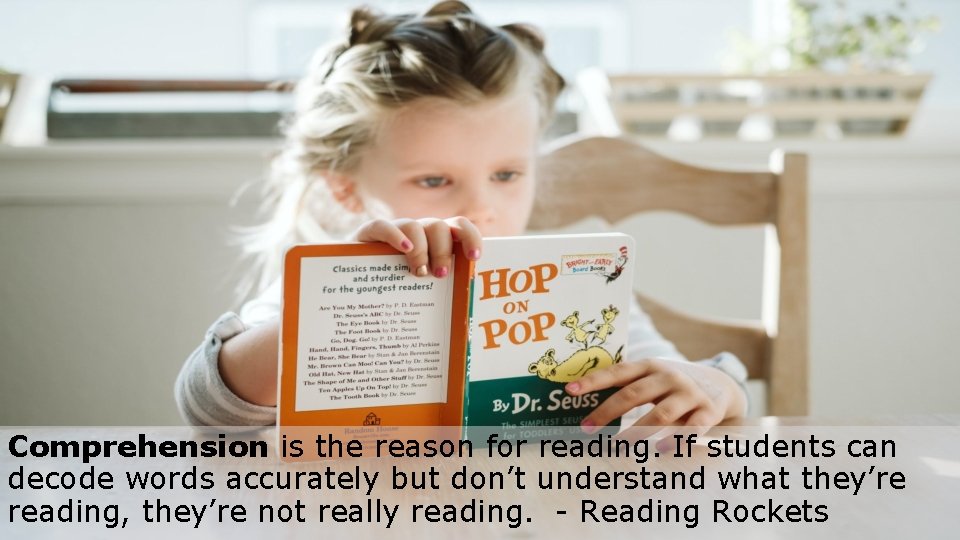
Comprehension is the reason for reading. If students can decode words accurately but don’t understand what they’re reading, they’re not really reading. - Reading Rockets
Other Language Skills Spelling • Focus on phonetic patterns • Strategies for Studying Writing • Short writing often, not just long writing seldom • Graphic organizers are helpful
Settings and Structures
Supporting Whole Group Instruction Assist in monitoring behaviors Refocus students Positive reinforcement Quiet support of one or more students Manage supplies and materials
Leading Small Group Instruction • Organize plans, materials, and learning space before class • Utilize the same cues, prompts, and procedures as classroom teachers • Hold the same expectations for students (academic and behavioral) as classroom teachers • Communicate with teachers, discuss who should communicate with parents
Leading Small Group Instruction • Call on students in random order • Ask a question first, give wait time, then call on student • No round robin reading - alternatives • Error correction should be immediate • Think about the kinds of errors being made and what it says about a student’s needs

Leading Small Group Instruction • Maintain high engagement • Choral responses • Turn and talk • Partner A/Partner B • Maintain a perky pace • Quick transitions • Limited interruptions
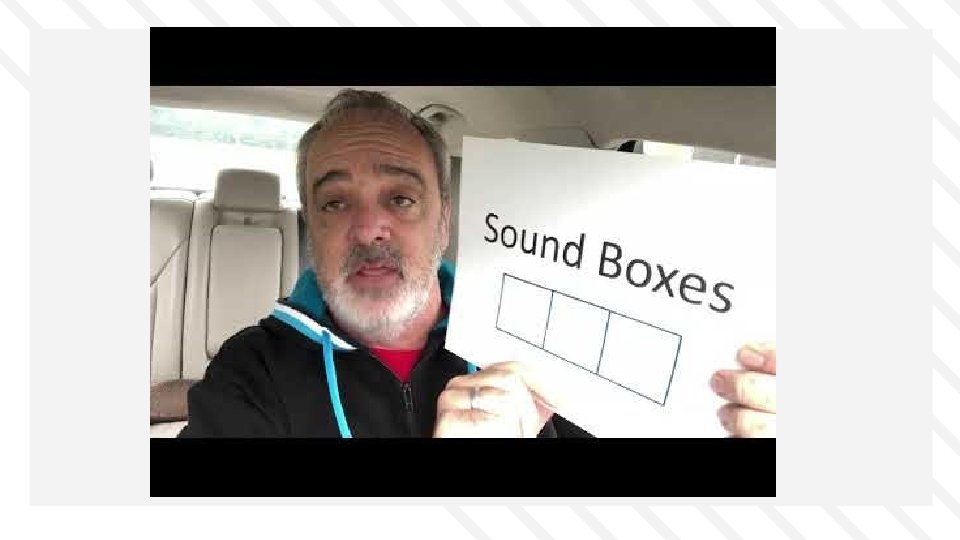

Strategies for Success
Watch Instruction If possible, attend whole group instructions, so you are familiar with the concepts while you work with small groups.
Common Language Use the same vocabulary as the classroom teacher. blend vs. sound out track vs. follow along
Know Your Students IEP • • Goals Instruction vs. Assessment Accommodations Modifications
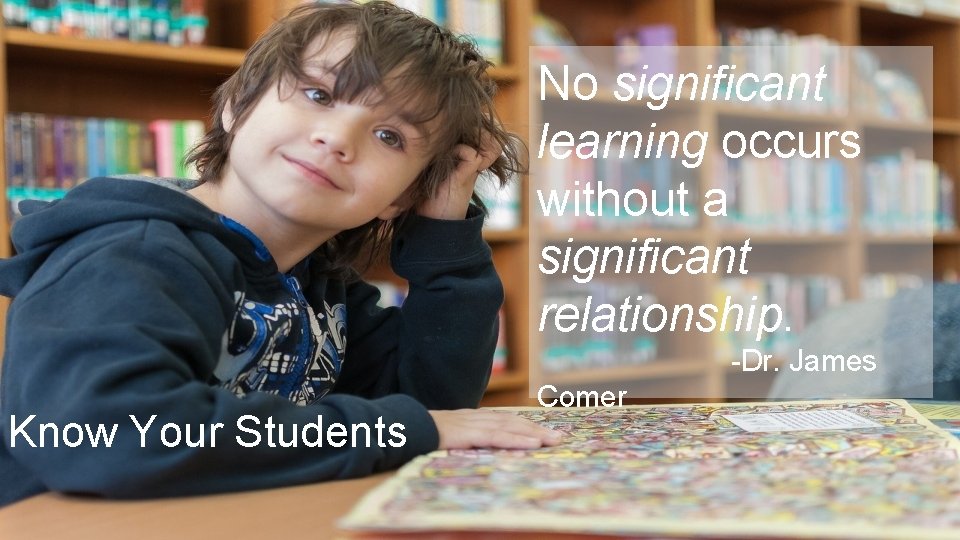
No significant learning occurs without a significant relationship. -Dr. James Know Your Students Comer
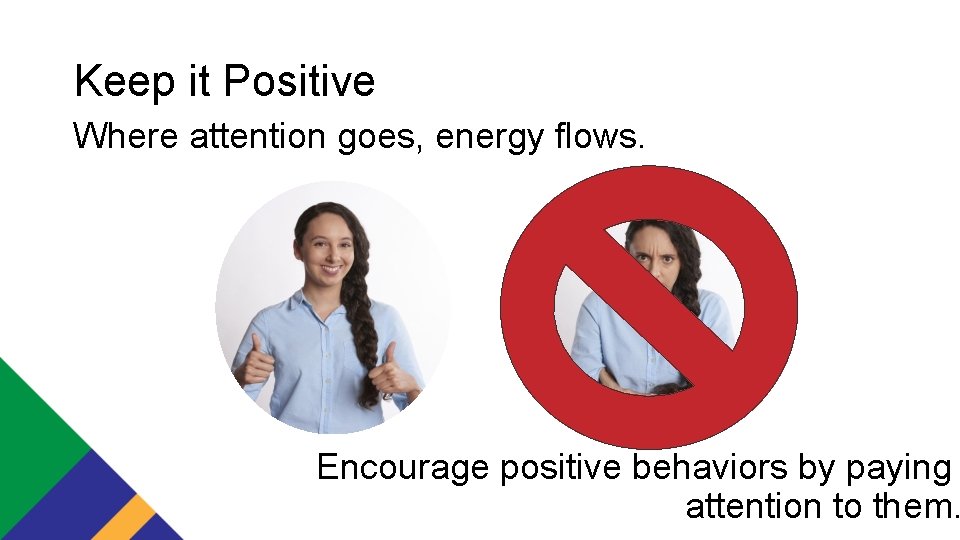
Keep it Positive Where attention goes, energy flows. Encourage positive behaviors by paying attention to them.
Keep it Positive Maintain a Growth Mindset Everything is hard before it’s easy. Never underestimate the power of YET!
Help Don’t Tell Every student needs a different level of support. Students will become reliant on support if we do it for them. I do it. We do it. You do it.
Be on the Lookout Look for ways to help students and teachers Ask for extra tasks when you have time When the schedule frees up, find new tasks
Resources The teachers around you! Never be afraid to ask questions. Reading Basics Modules from Reading Rockets

Thank you! Reach out with any questions. slundgren@esu 8. org
- Slides: 32