
SUPPLY and DEMAND The basic model of market
SUPPLY and DEMAND The basic model of market economics
Demand Schedule
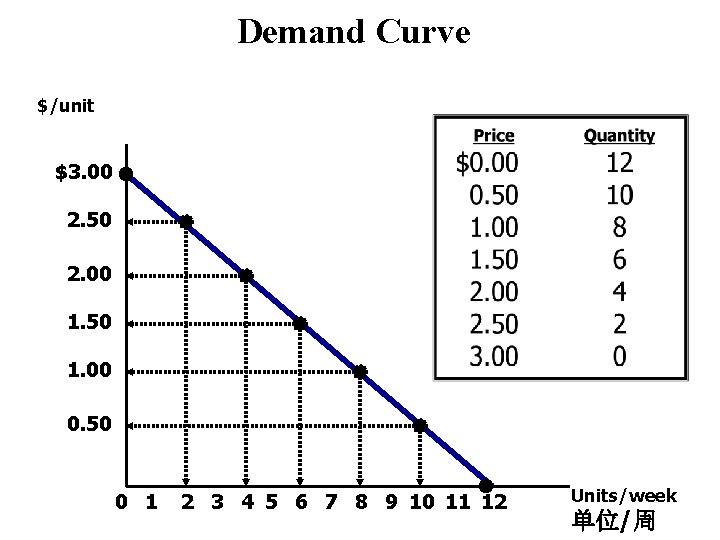
Demand Curve $/unit $3. 00 2. 50 2. 00 1. 50 1. 00 0. 50 0 1 2 3 4 5 6 7 8 9 10 11 12 Units/week 单位/周
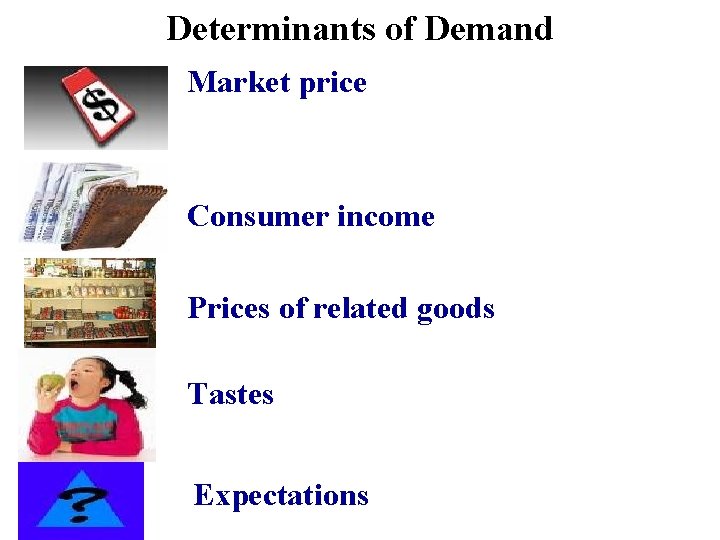
Determinants of Demand Market price Consumer income Prices of related goods Tastes Expectations
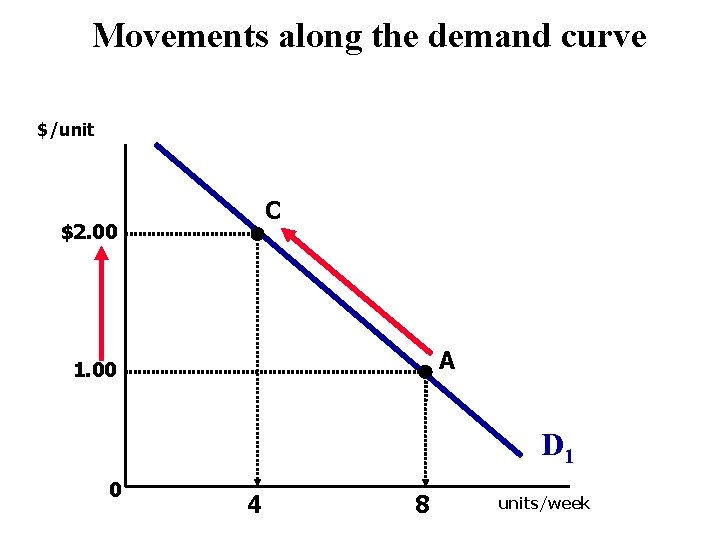
Movements along the demand curve $/unit C $2. 00 A 1. 00 D 1 0 4 8 units/week
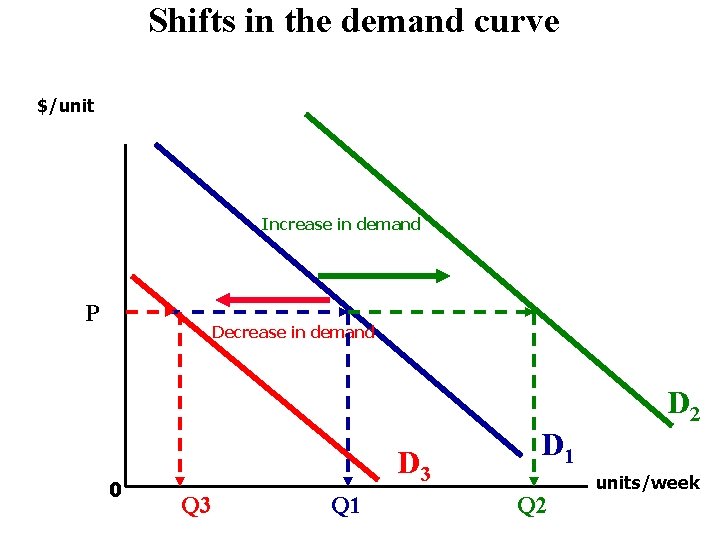
Shifts in the demand curve $/unit Increase in demand P Decrease in demand D 2 0 D 3 Q 1 D 1 Q 2 units/week
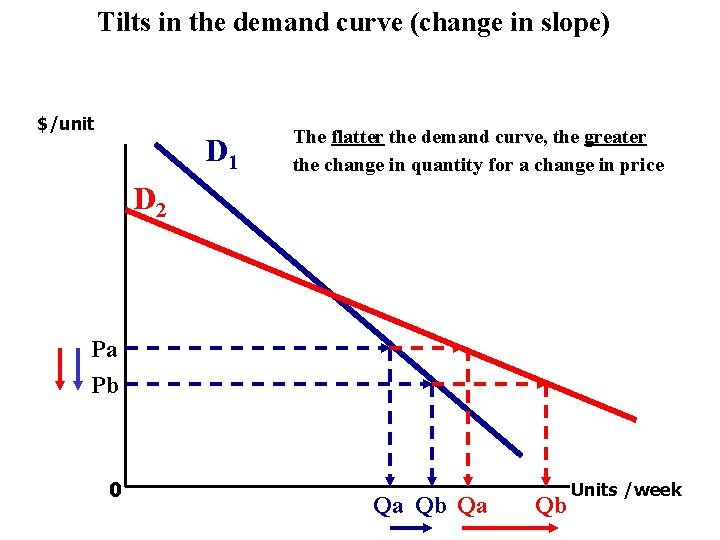
Tilts in the demand curve (change in slope) $/unit D 1 The flatter the demand curve, the greater the change in quantity for a change in price D 2 Pa Pb 0 Qa Qb Units /week
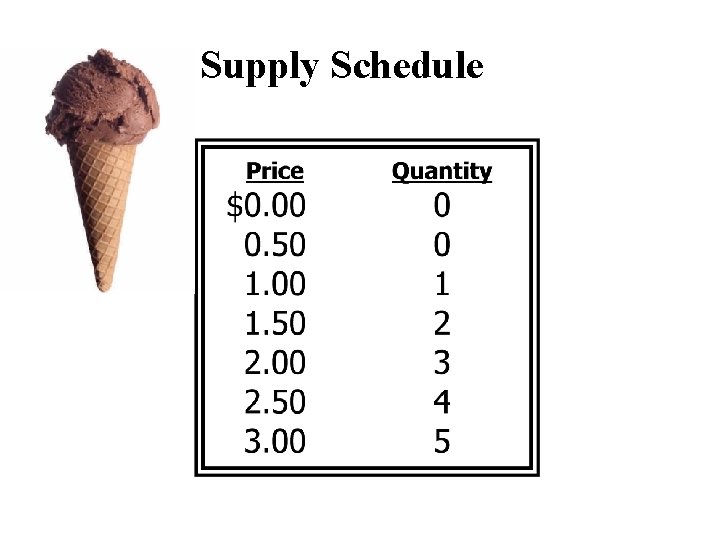
Supply Schedule
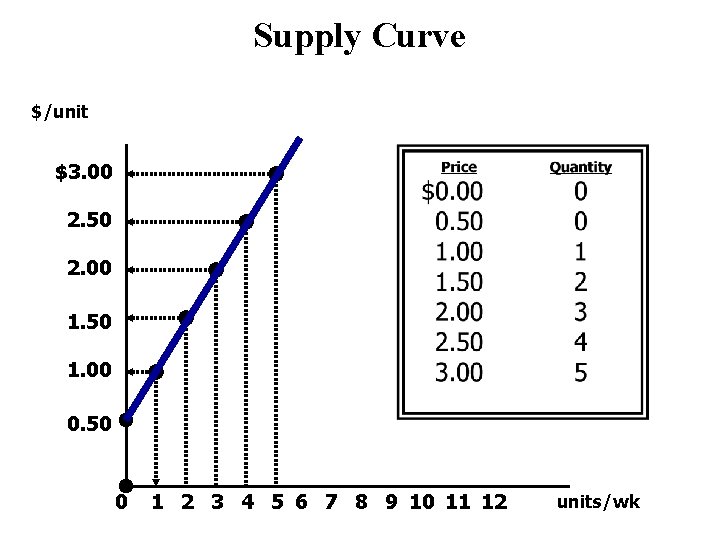
Supply Curve $/unit $3. 00 2. 50 2. 00 1. 50 1. 00 0. 50 0 1 2 3 4 5 6 7 8 9 10 11 12 units/wk
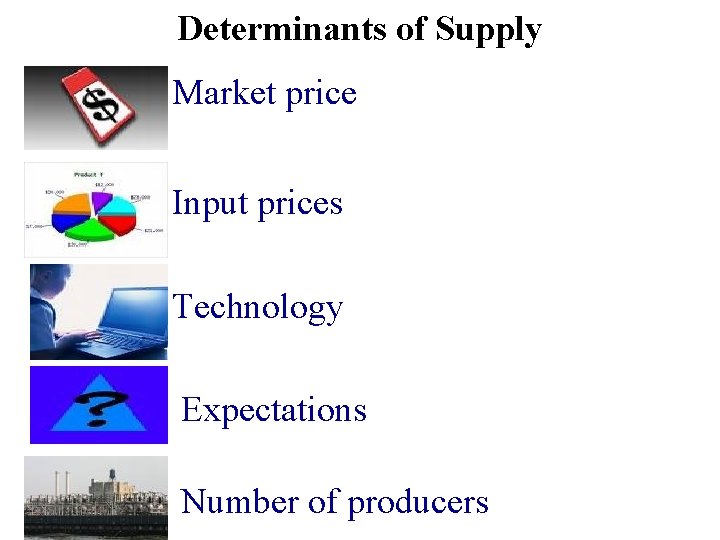
Determinants of Supply Market price Input prices Technology Expectations Number of producers
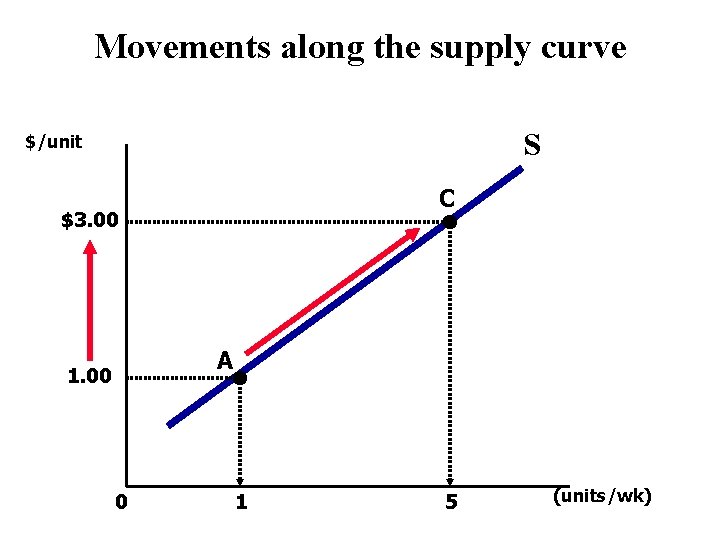
Movements along the supply curve S $/unit C $3. 00 A 1. 00 0 1 5 (units/wk)
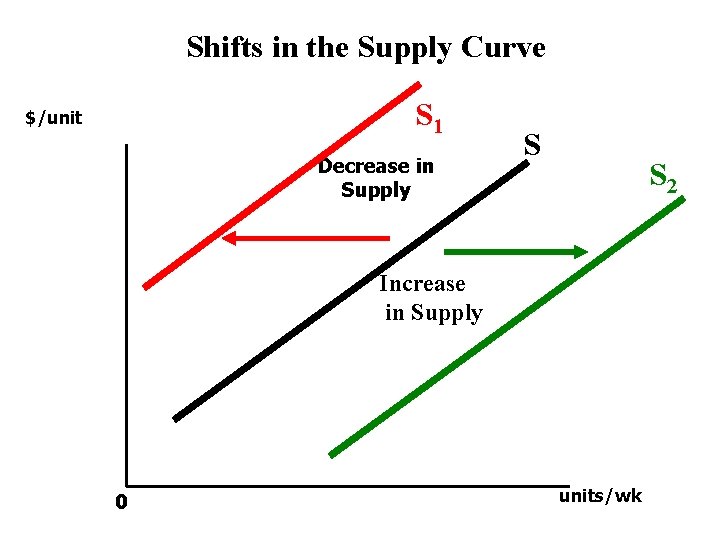
Shifts in the Supply Curve S 1 $/unit Decrease in Supply S S 2 Increase in Supply 0 units/wk
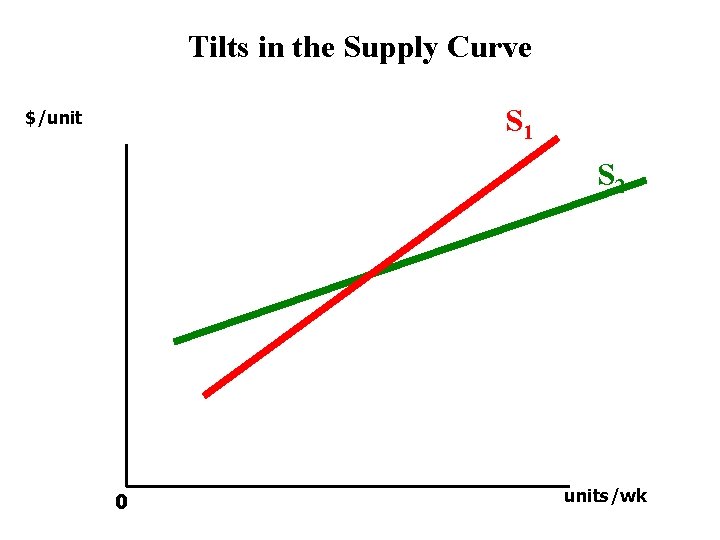
Tilts in the Supply Curve S 1 $/unit S 2 0 units/wk
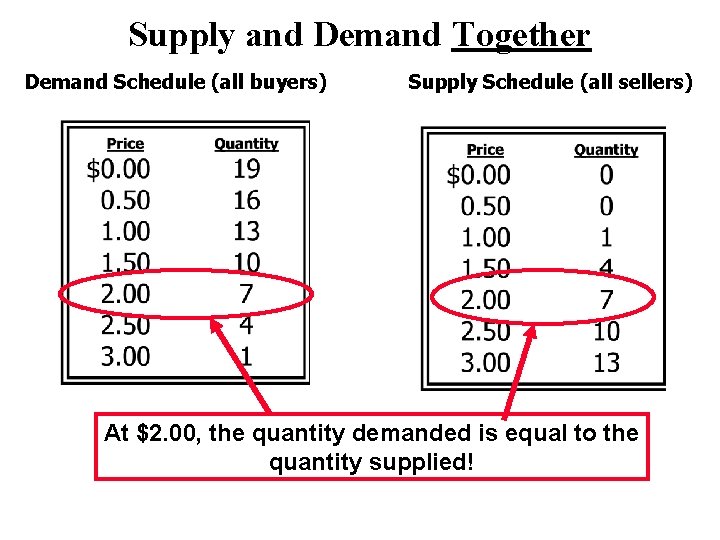
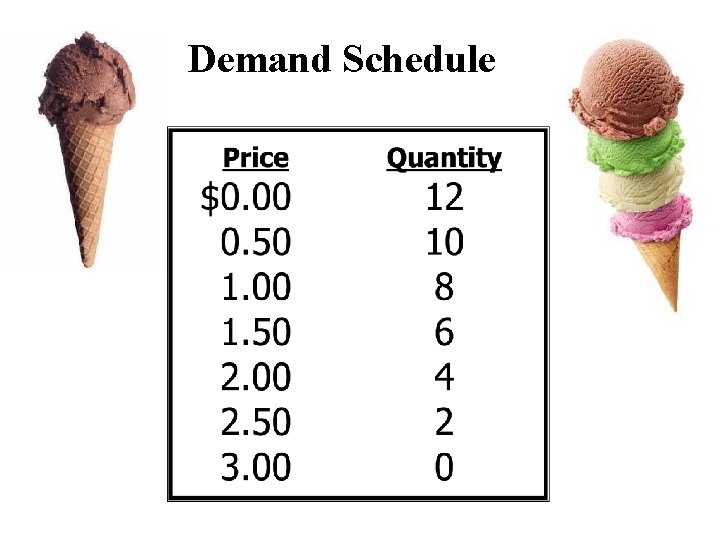
Supply and Demand Together Demand Schedule (all buyers) Supply Schedule (all sellers) At $2. 00, the quantity demanded is equal to the quantity supplied!
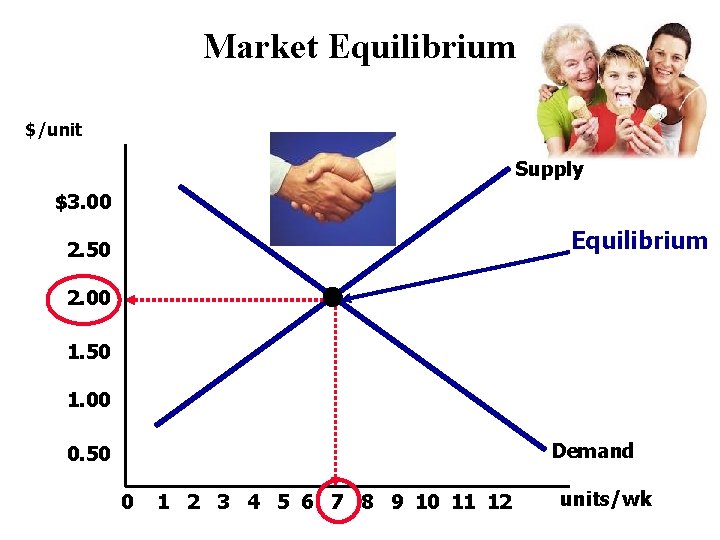
Market Equilibrium $/unit Supply $3. 00 Equilibrium 2. 50 2. 00 1. 50 1. 00 Demand 0. 50 0 1 2 3 4 5 6 7 8 9 10 11 12 units/wk
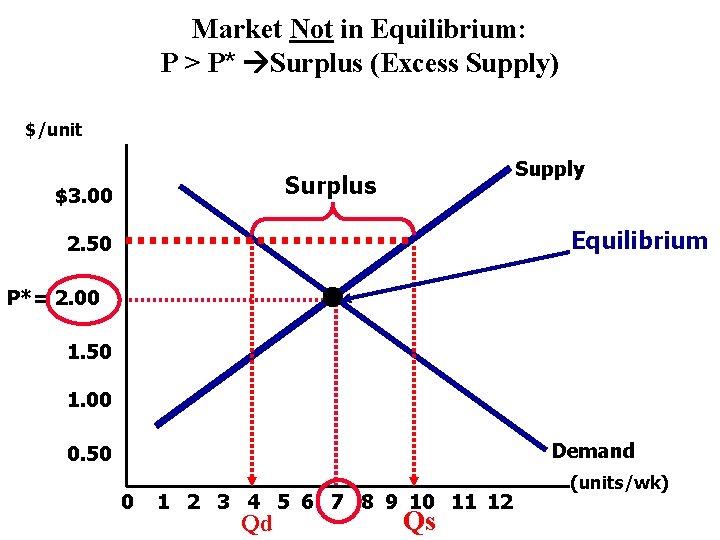
Market Not in Equilibrium: P > P* Surplus (Excess Supply) $/unit Supply Surplus $3. 00 Equilibrium 2. 50 P*= 2. 00 1. 50 1. 00 Demand 0. 50 0 1 2 3 4 5 6 7 8 9 10 11 12 Qd Qs (units/wk)
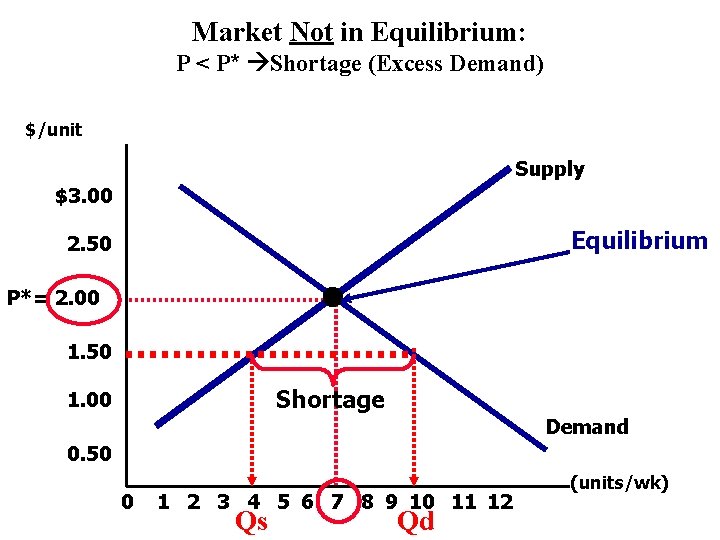
Market Not in Equilibrium: P < P* Shortage (Excess Demand) $/unit Supply $3. 00 Equilibrium 2. 50 P*= 2. 00 1. 50 Shortage 1. 00 Demand 0. 50 0 1 2 3 4 5 6 7 8 9 10 11 12 Qs Qd (units/wk)
- Slides: 17