
Superresolution microscopy 1 Understanding Light Microscopy Diffraction light


- Slides: 28
Super-resolution microscopy 1
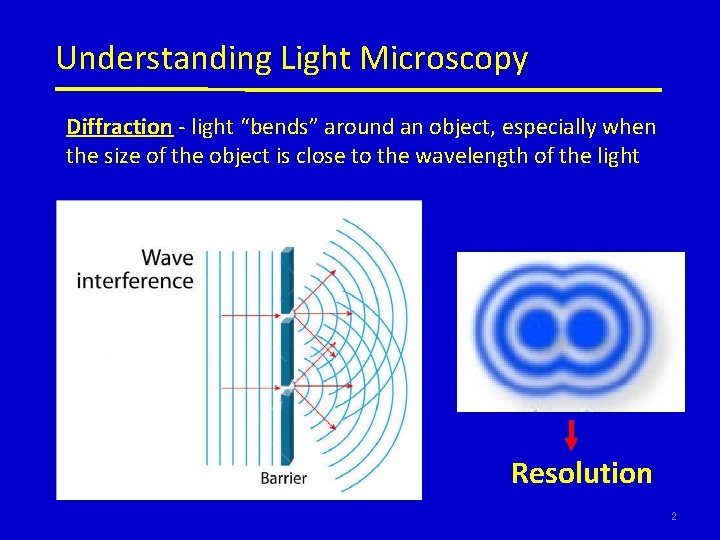
Understanding Light Microscopy Diffraction - light “bends” around an object, especially when the size of the object is close to the wavelength of the light Resolution 2
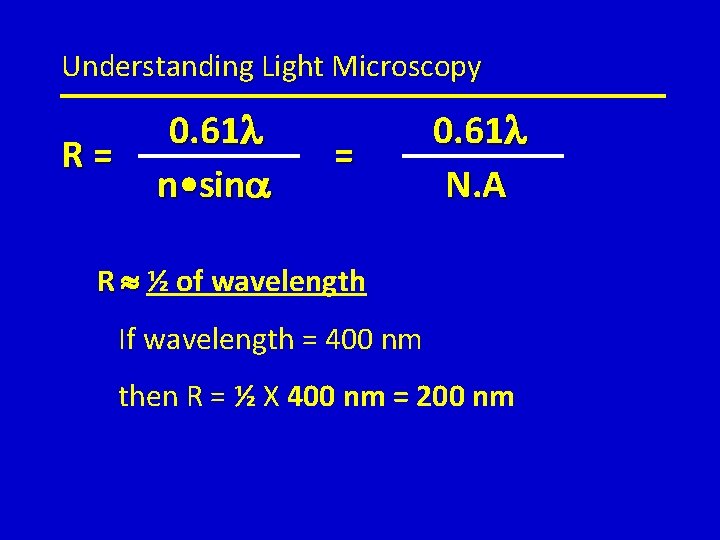
Understanding Light Microscopy R= 0. 61 n • sin = 0. 61 N. A R ½ of wavelength If wavelength = 400 nm then R = ½ X 400 nm = 200 nm
Super-resolution microscopy Super-resolution techniques allow the capture of images with a higher resolution that overcome the diffraction limit. 4
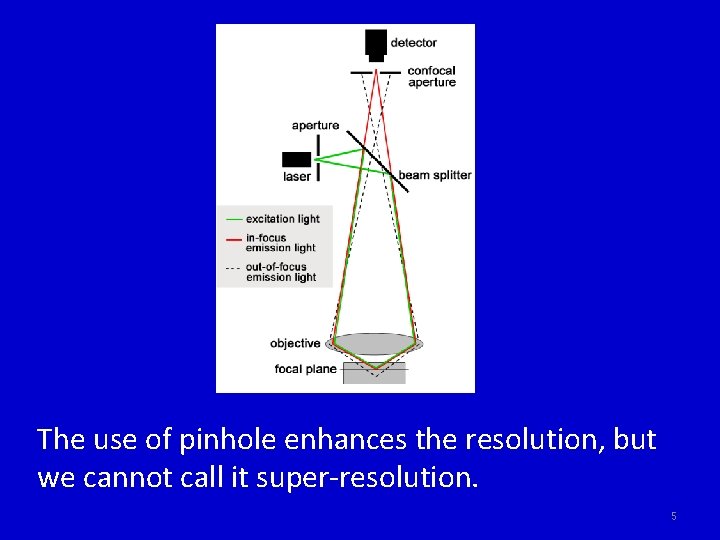
The use of pinhole enhances the resolution, but we cannot call it super-resolution. 5
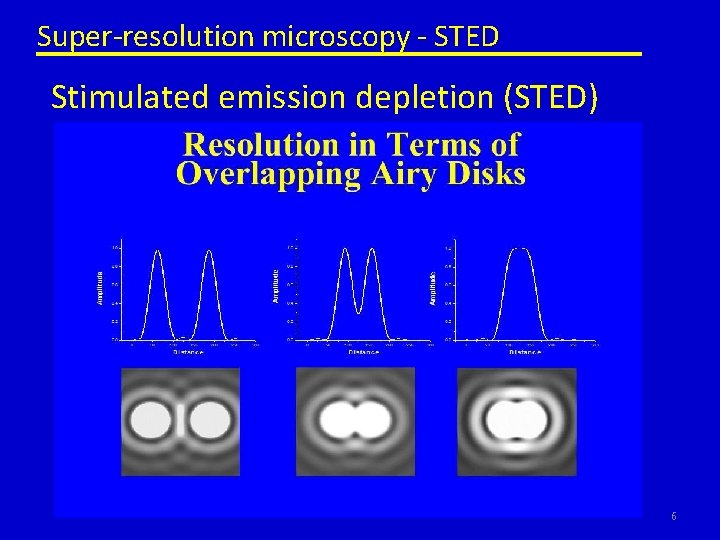
Super-resolution microscopy - STED Stimulated emission depletion (STED) 6
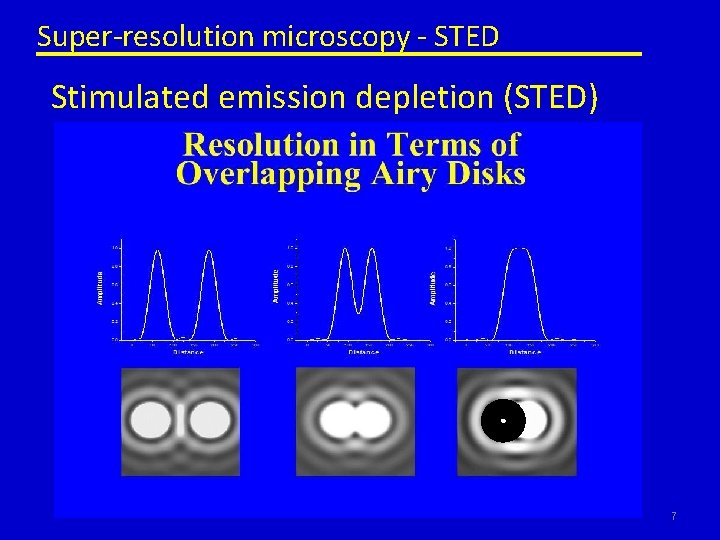
Super-resolution microscopy - STED Stimulated emission depletion (STED) 7
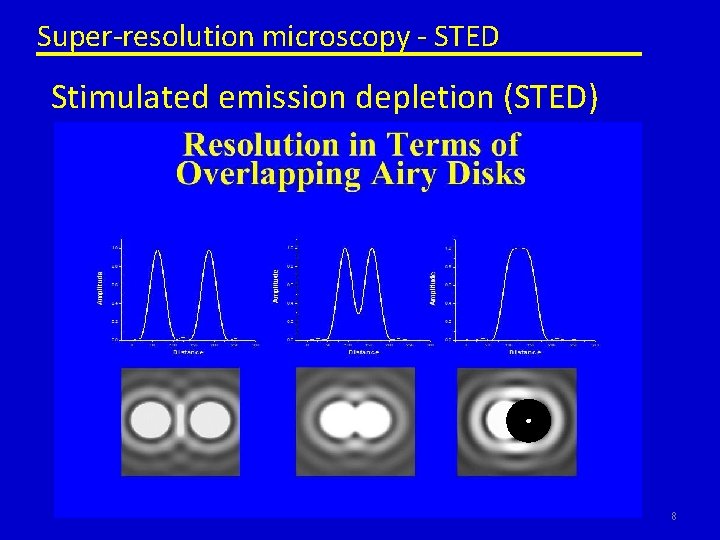
Super-resolution microscopy - STED Stimulated emission depletion (STED) 8
Super-resolution microscopy - STED Stimulated emission depletion (STED) 9
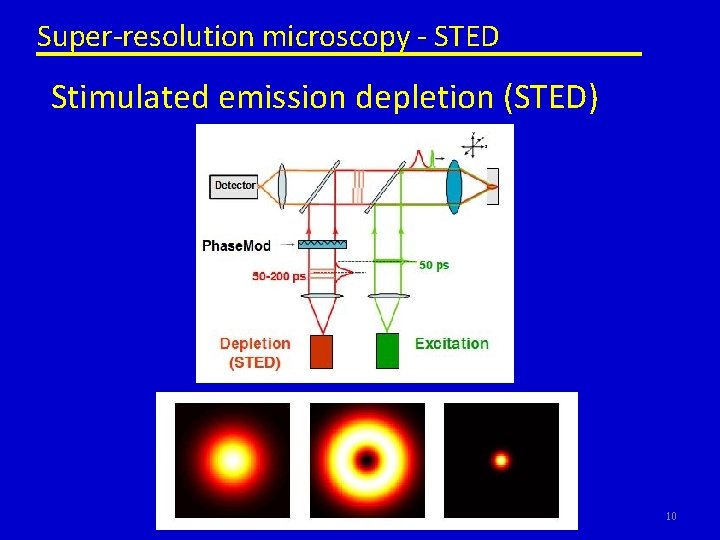
Super-resolution microscopy - STED Stimulated emission depletion (STED) 10
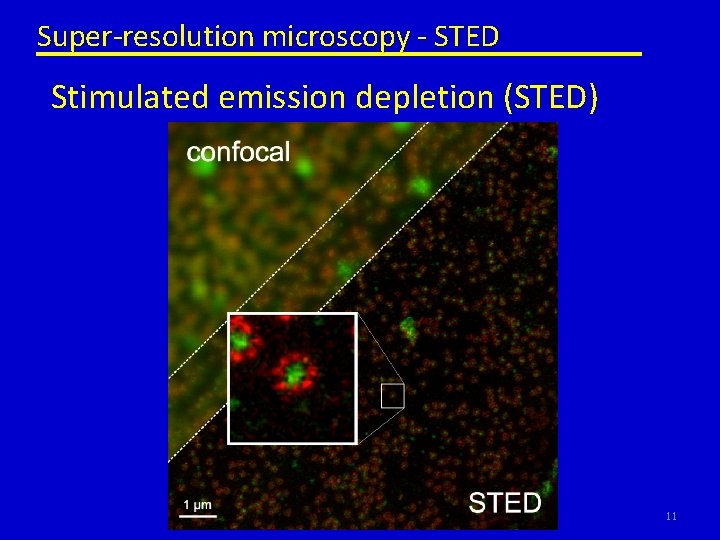
Super-resolution microscopy - STED Stimulated emission depletion (STED) 11
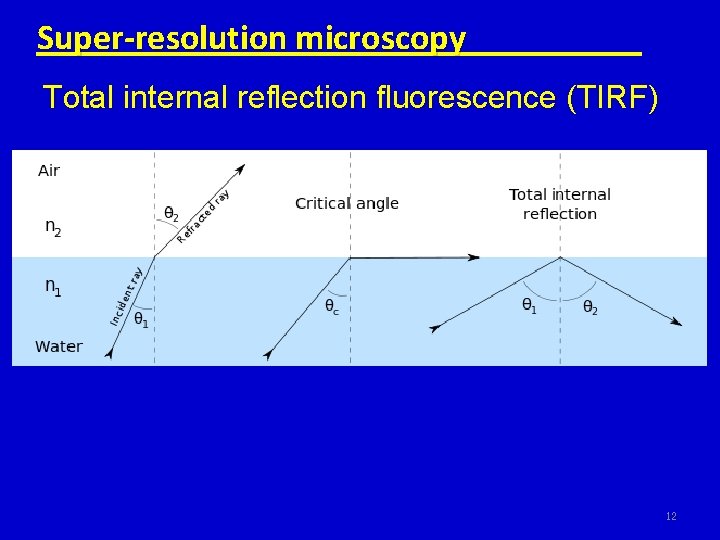
Super-resolution microscopy Total internal reflection fluorescence (TIRF) 12
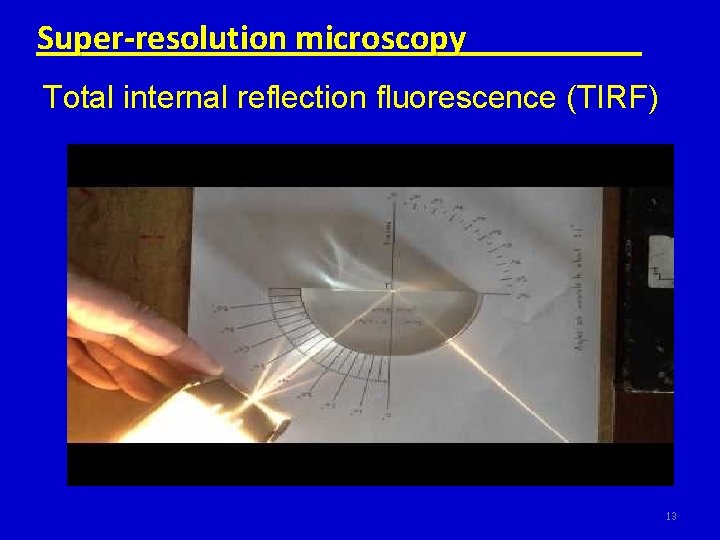
Super-resolution microscopy Total internal reflection fluorescence (TIRF) 13
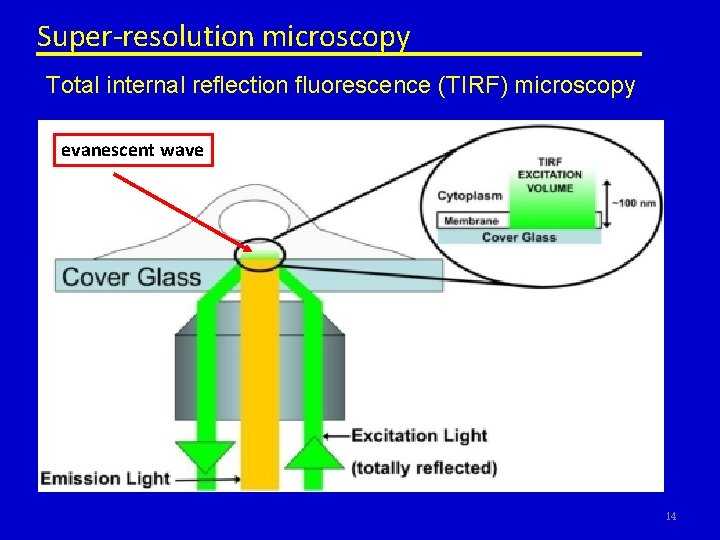
Super-resolution microscopy Total internal reflection fluorescence (TIRF) microscopy evanescent wave 14
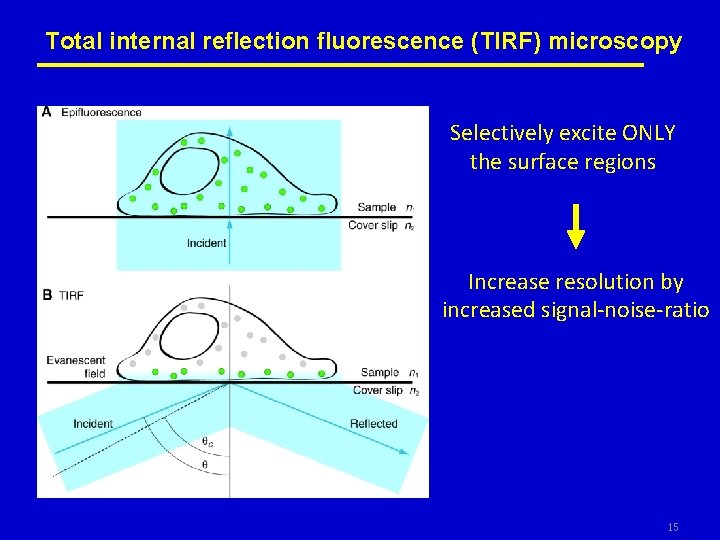
Total internal reflection fluorescence (TIRF) microscopy Selectively excite ONLY the surface regions Increase resolution by increased signal-noise-ratio 15
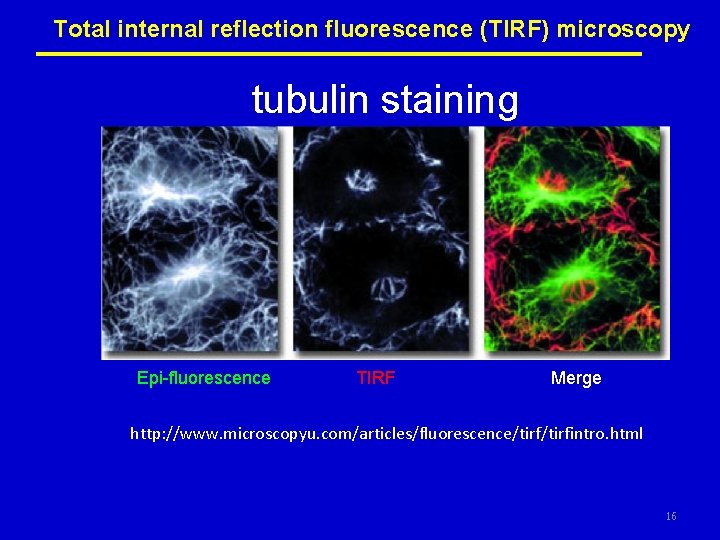
Total internal reflection fluorescence (TIRF) microscopy tubulin staining Epi-fluorescence TIRF Merge http: //www. microscopyu. com/articles/fluorescence/tirfintro. html 16
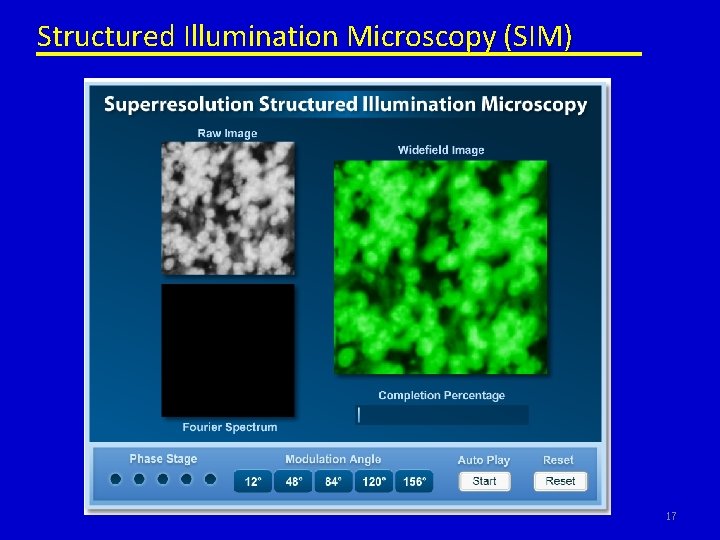
Structured Illumination Microscopy (SIM) 17
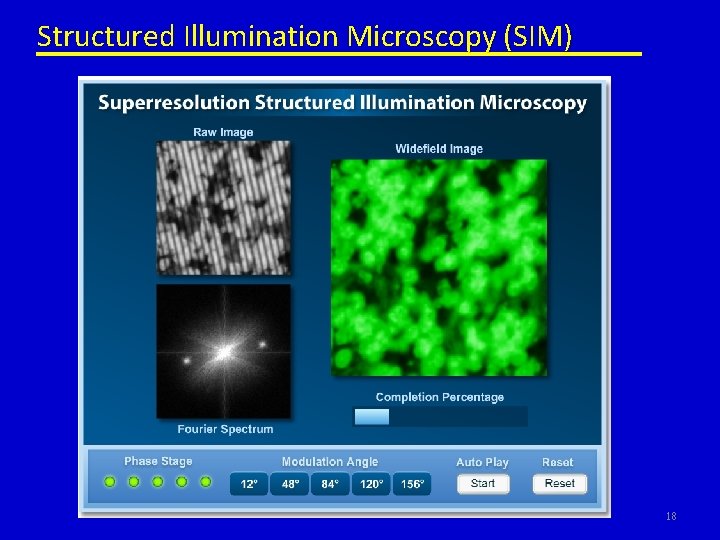
Structured Illumination Microscopy (SIM) 18
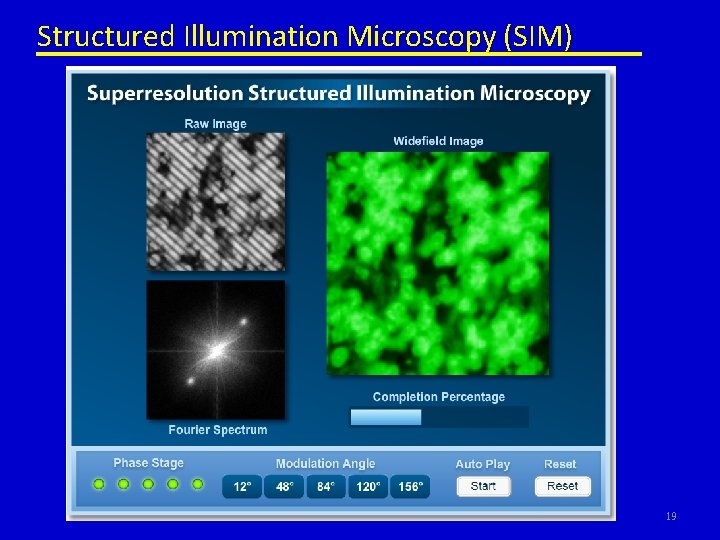
Structured Illumination Microscopy (SIM) 19
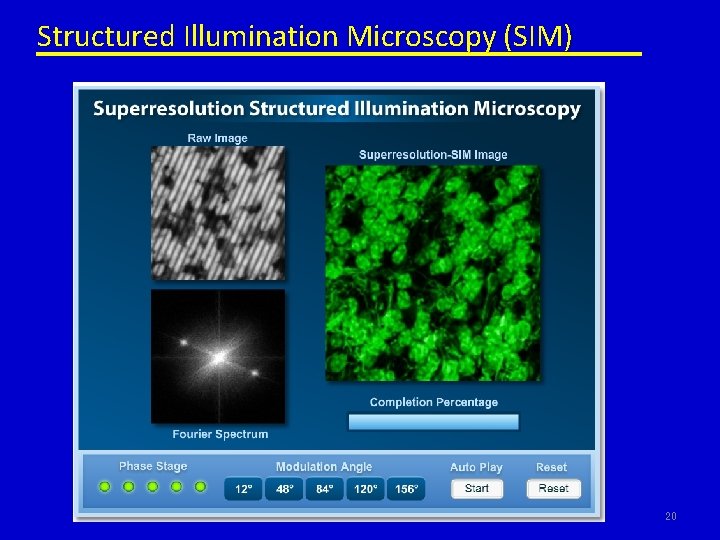
Structured Illumination Microscopy (SIM) 20
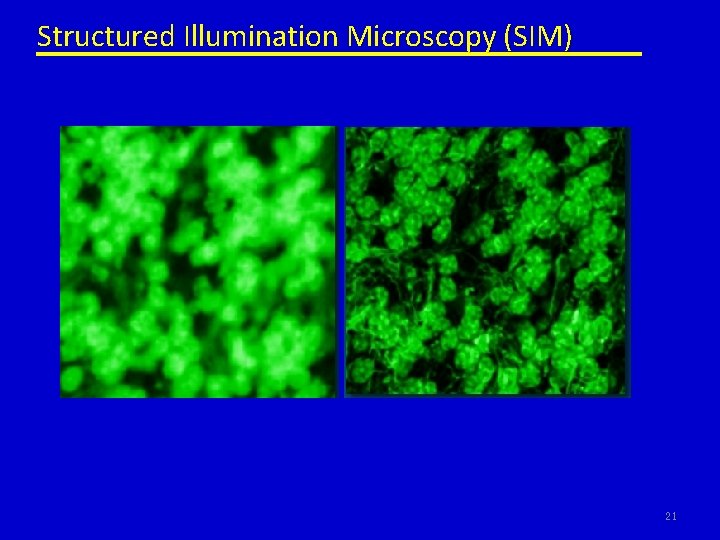
Structured Illumination Microscopy (SIM) 21
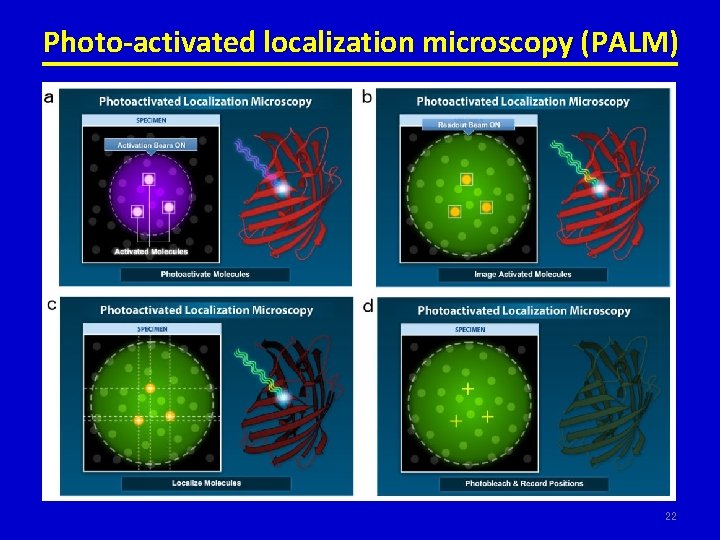
Photo-activated localization microscopy (PALM) 22
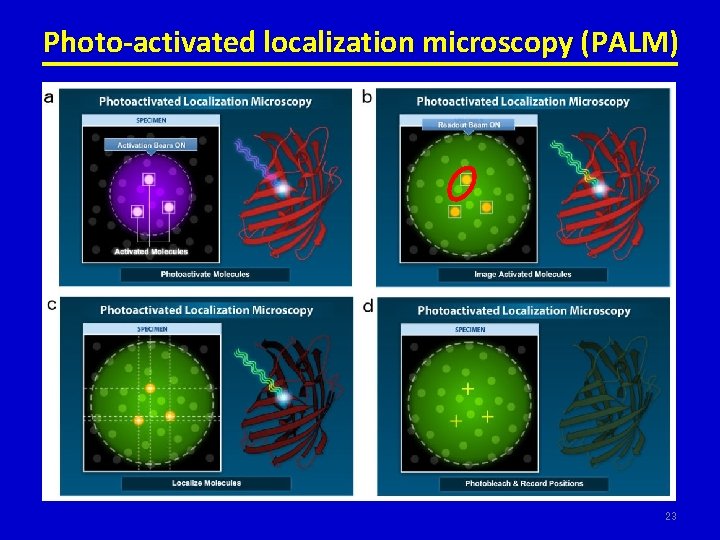
Photo-activated localization microscopy (PALM) 23
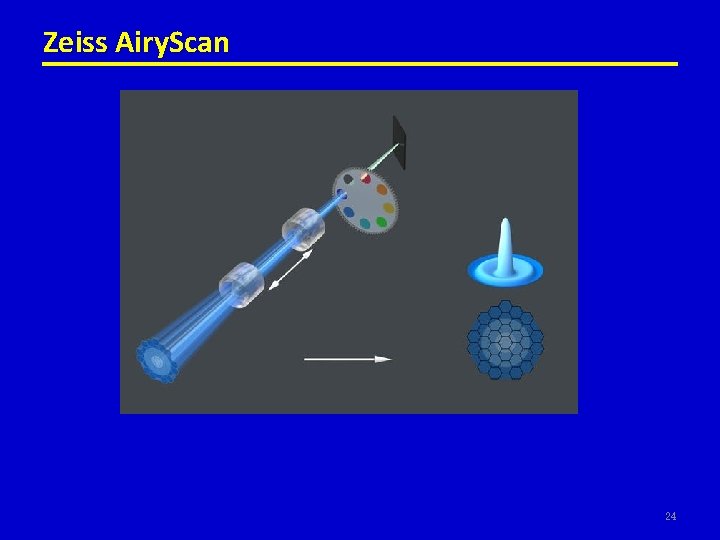
Zeiss Airy. Scan 24
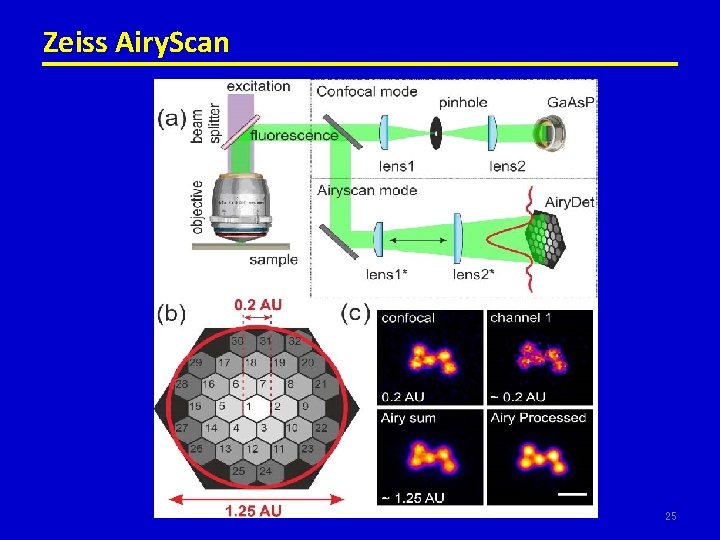
Zeiss Airy. Scan 25
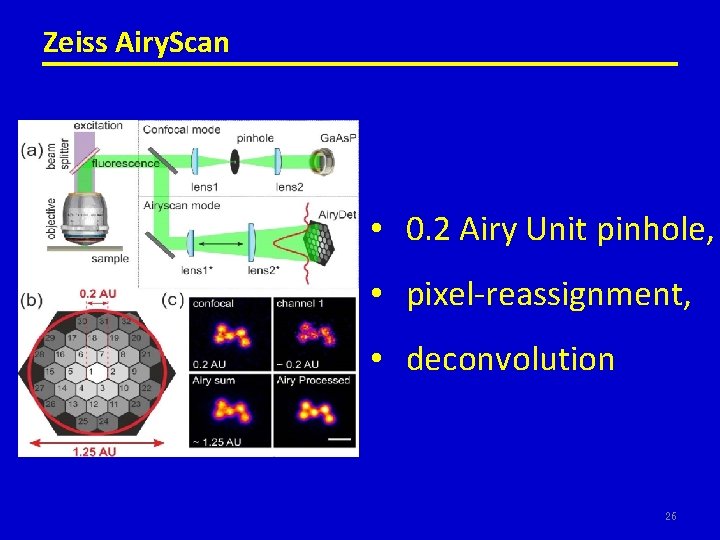
Zeiss Airy. Scan • 0. 2 Airy Unit pinhole, • pixel-reassignment, • deconvolution 26
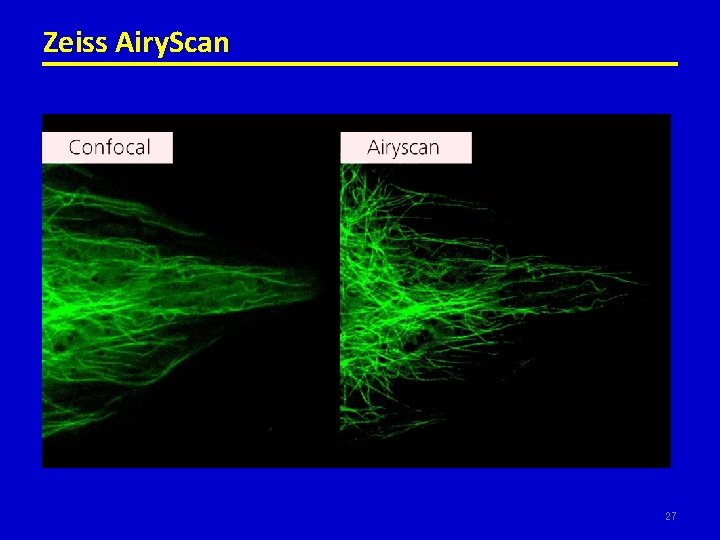
Zeiss Airy. Scan 27
Assignment Requirement is listed on our syllabus - https: //www. uwyo. edu/zzhang/ - Due: April 30 th, 2020 28