
Summarising Data Scientific Calculators Only 1 What are
- Slides: 58
Summarising Data Scientific Calculators Only 1
What are the summary statistics • Mode • Median • Mean • Range • Standard Deviation 2
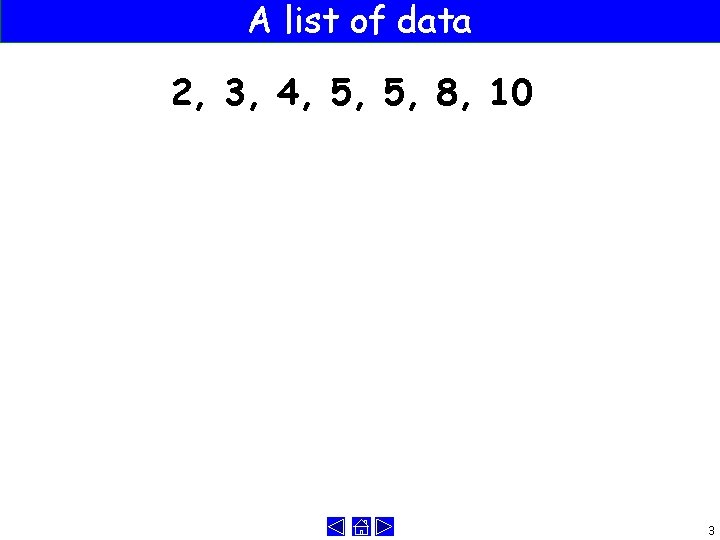
A list of data 2, 3, 4, 5, 5, 8, 10 3
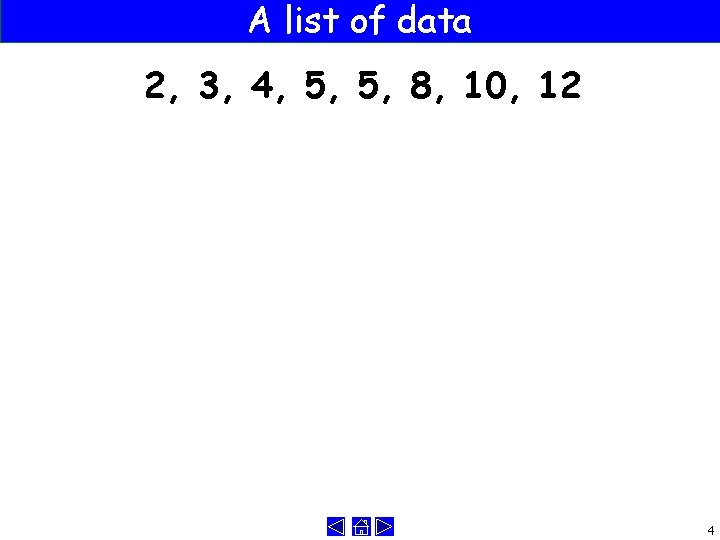
A list of data 2, 3, 4, 5, 5, 8, 10, 12 4
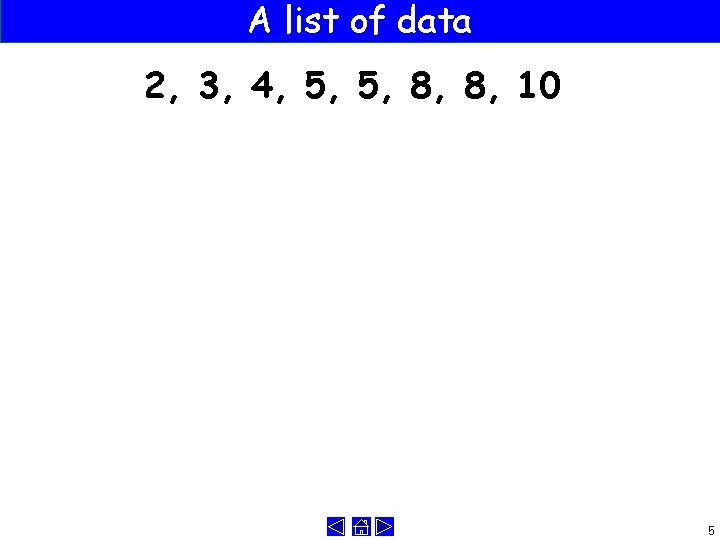
A list of data 2, 3, 4, 5, 5, 8, 8, 10 5
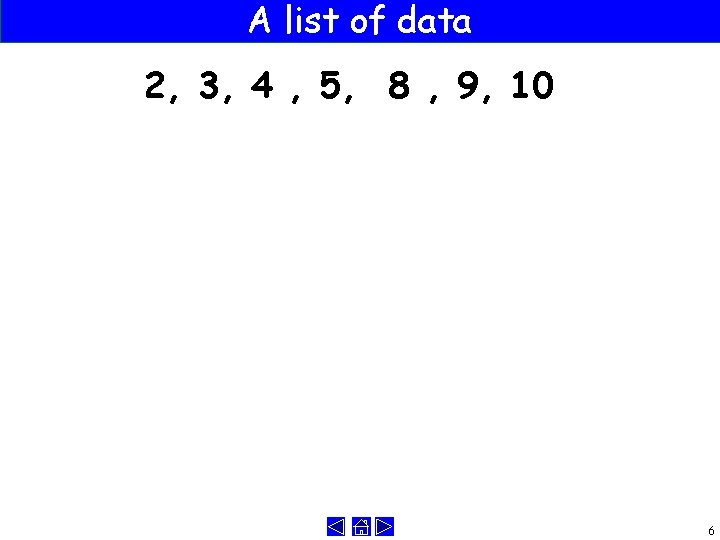
A list of data 2, 3, 4 , 5, 8 , 9, 10 6
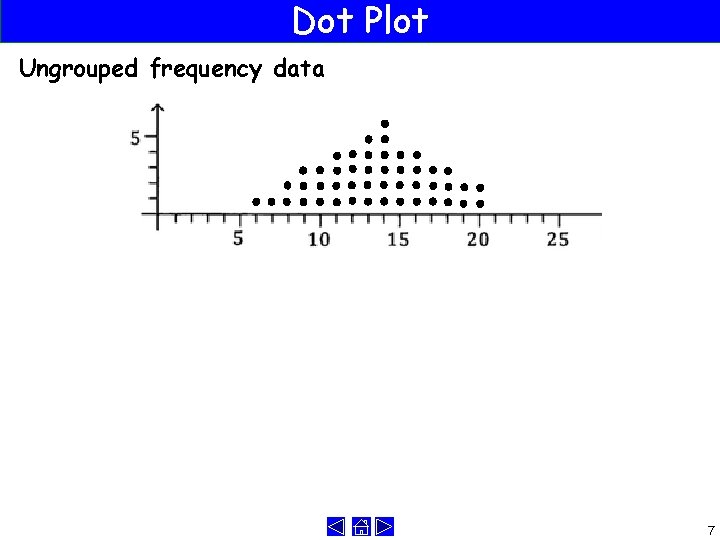
Dot Plot Ungrouped frequency data 7
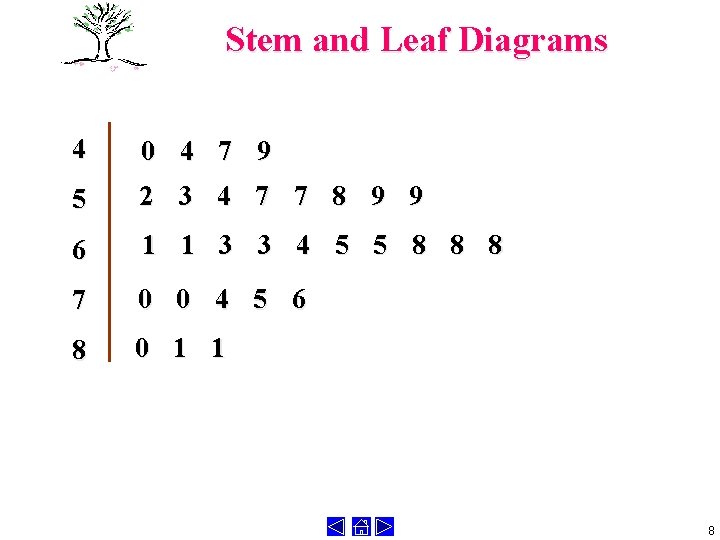
Stem and Leaf Diagrams 4 0 4 7 9 5 2 3 4 7 7 8 9 9 6 1 1 3 3 4 5 5 8 8 8 7 0 0 4 5 6 8 0 1 1 8
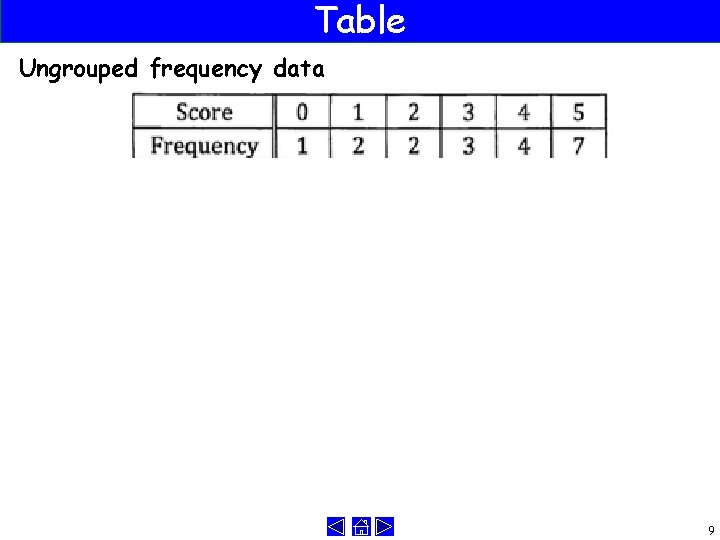
Table Ungrouped frequency data 9
Ex 2 A Statistics No Calculators 10
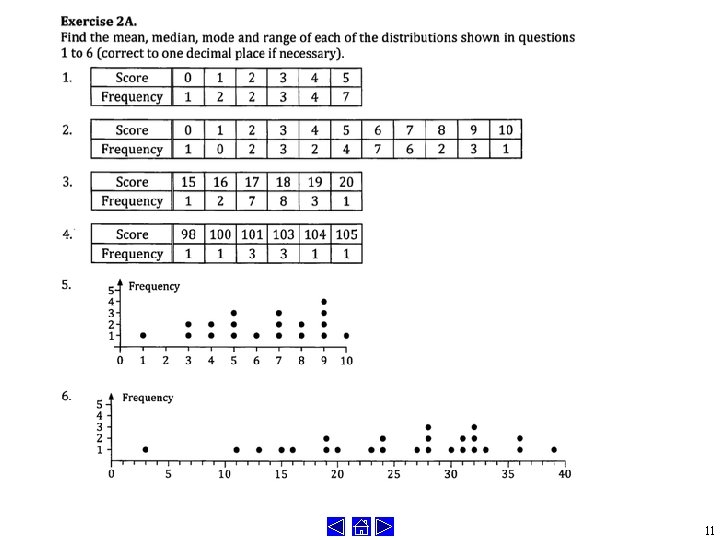
11
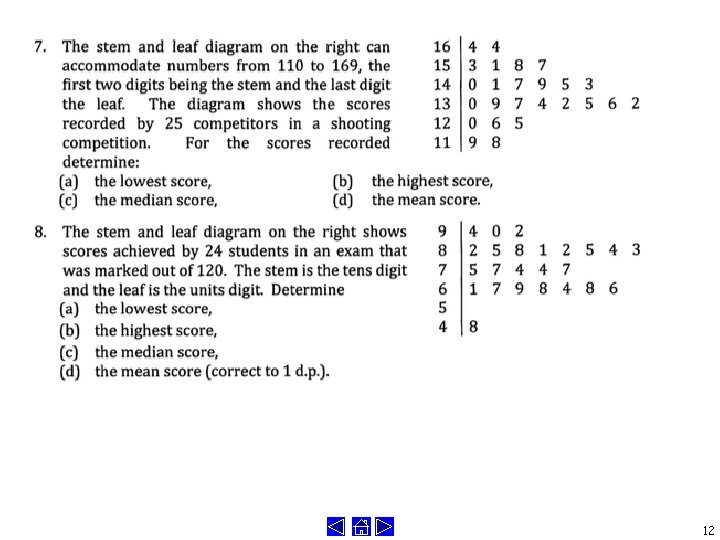
12
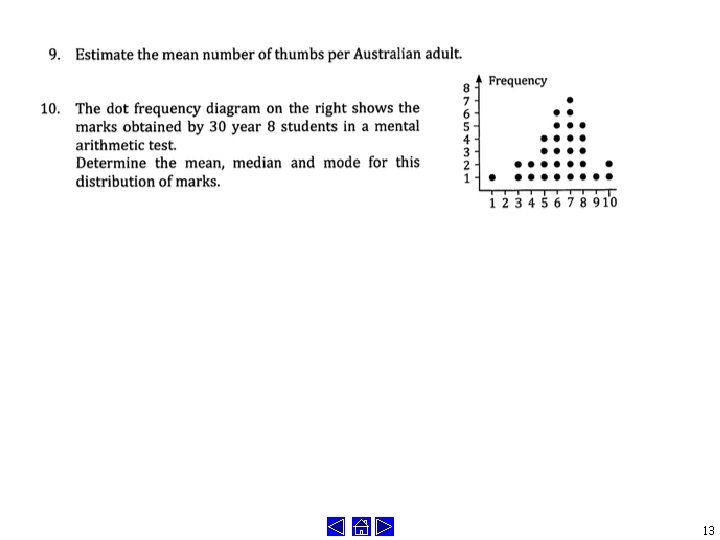
13
Ex 2 A Describing Distributions 14
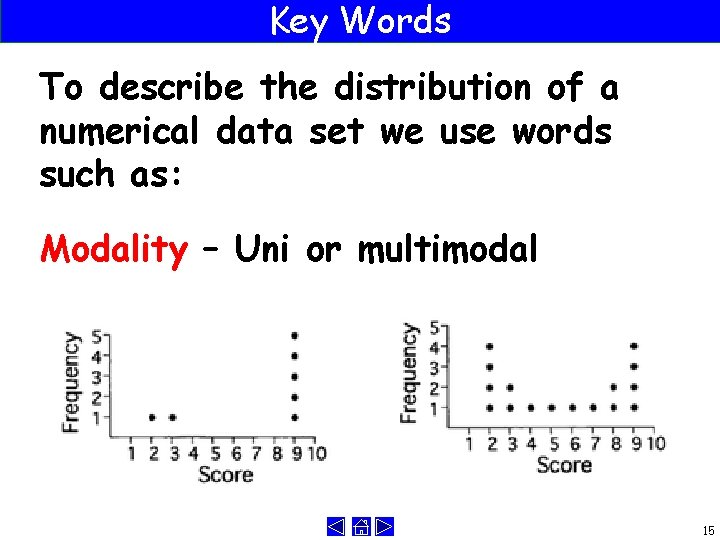
Key Words To describe the distribution of a numerical data set we use words such as: Modality – Uni or multimodal 15
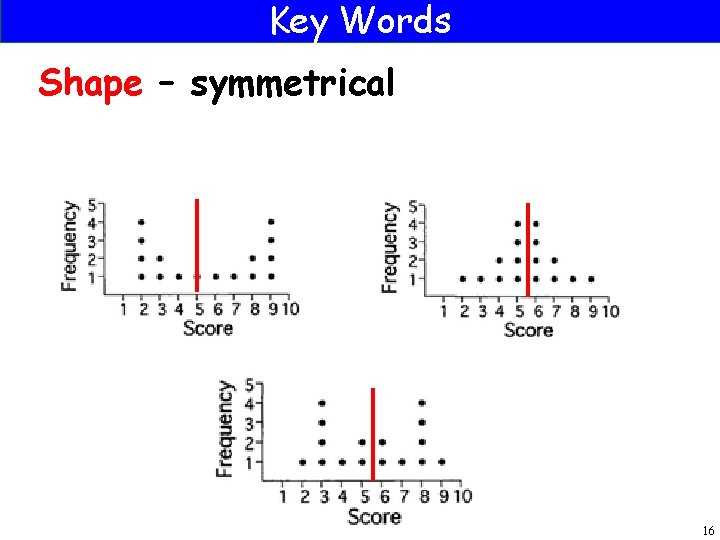
Key Words Shape – symmetrical 16
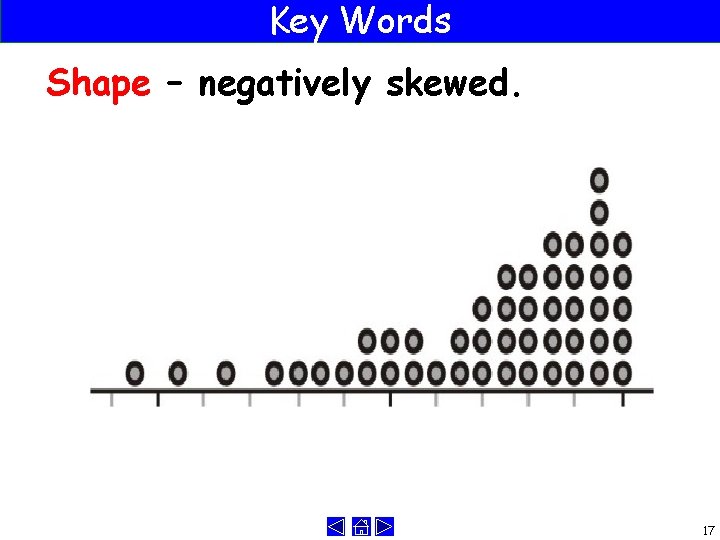
Key Words Shape – negatively skewed. 17
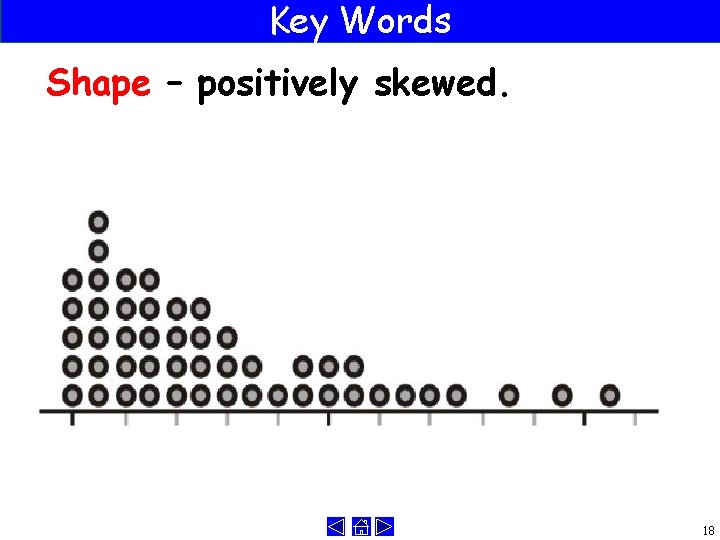
Key Words Shape – positively skewed. 18
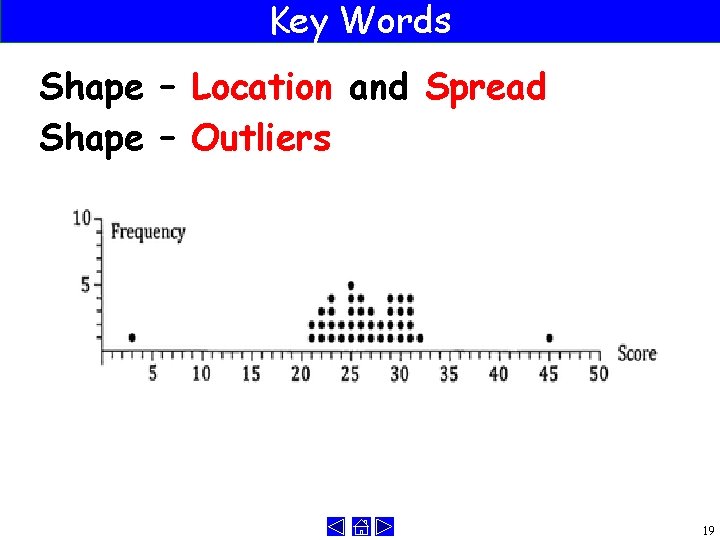
Key Words Shape – Location and Spread Shape – Outliers 19
Statistical Functions Using a Class-Pad 20
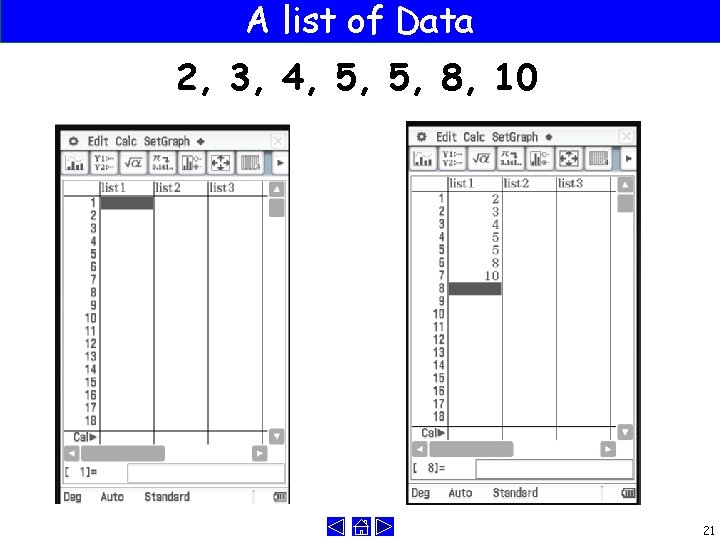
A list of Data 2, 3, 4, 5, 5, 8, 10 21
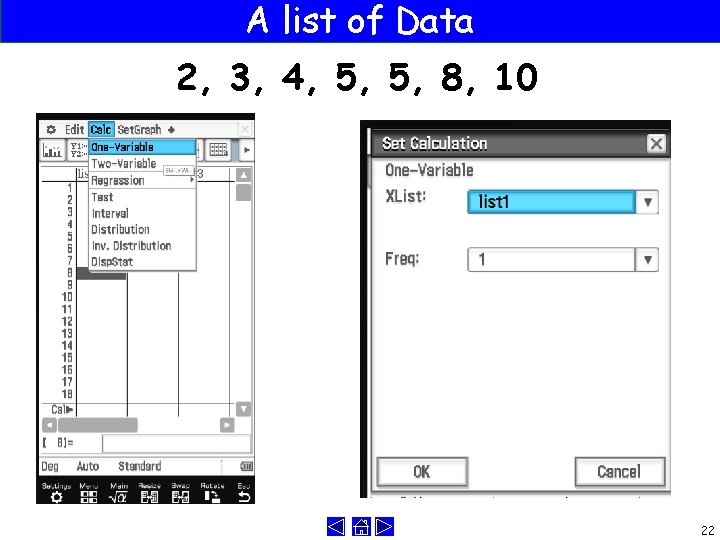
A list of Data 2, 3, 4, 5, 5, 8, 10 22
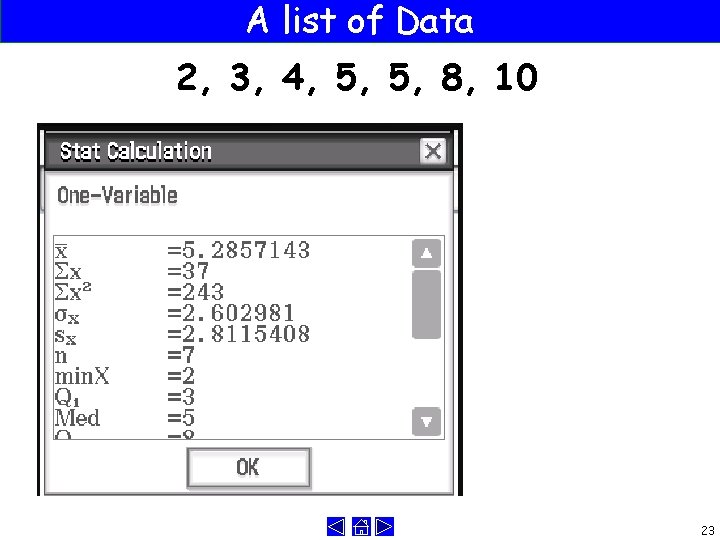
A list of Data 2, 3, 4, 5, 5, 8, 10 23
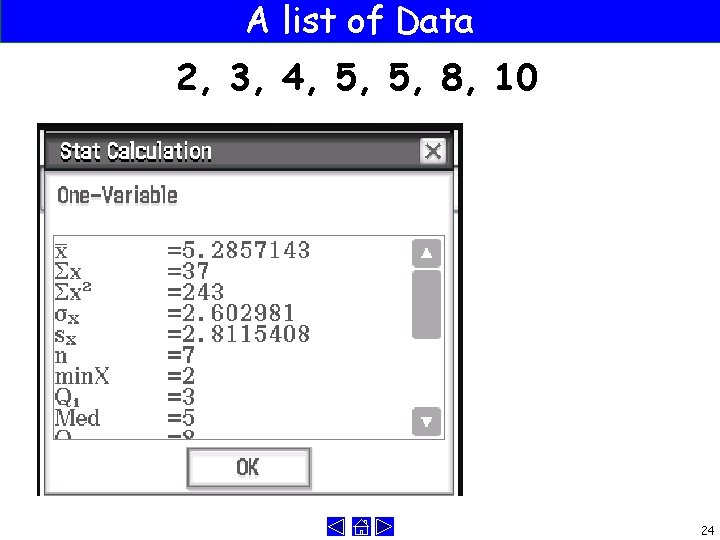
A list of Data 2, 3, 4, 5, 5, 8, 10 24
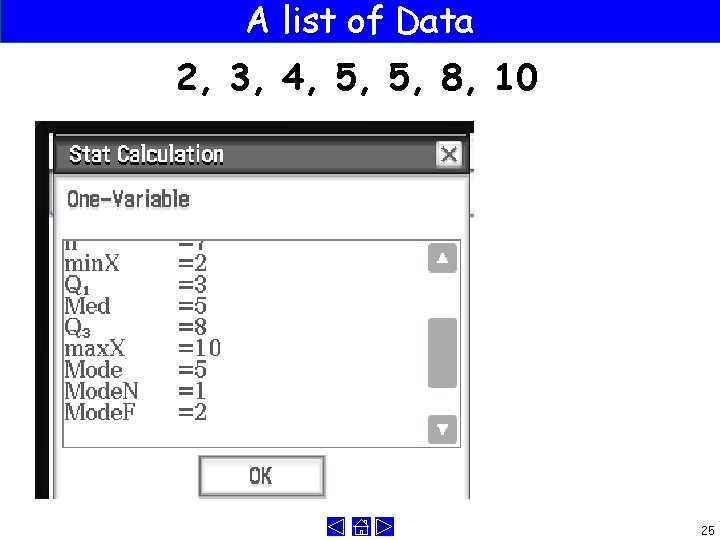
A list of Data 2, 3, 4, 5, 5, 8, 10 25
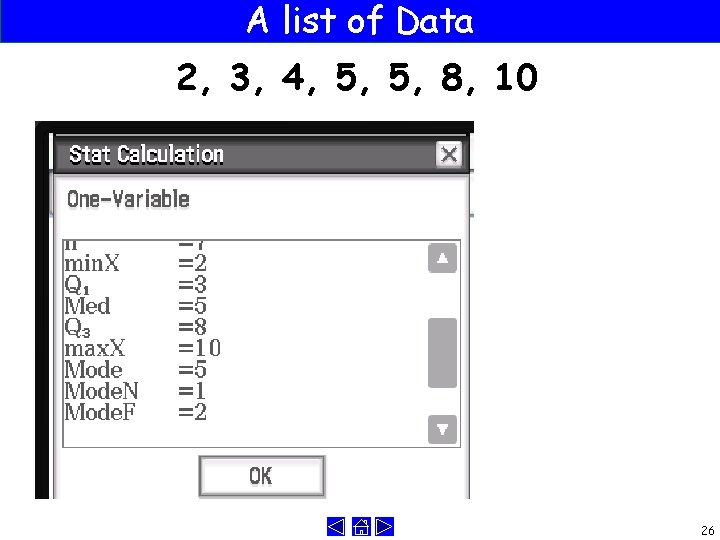
A list of Data 2, 3, 4, 5, 5, 8, 10 26
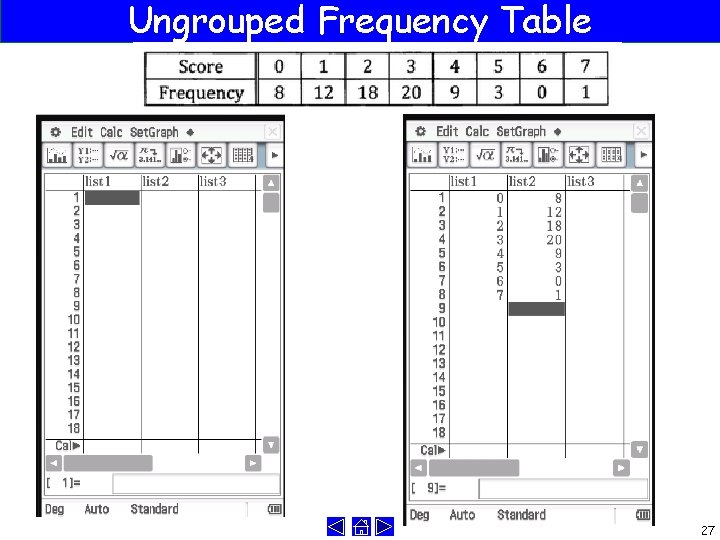
Ungrouped Frequency Table 27
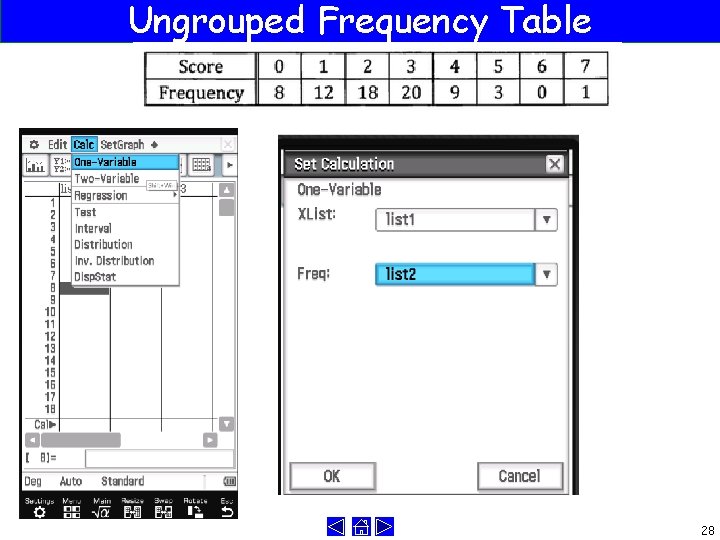
Ungrouped Frequency Table 28
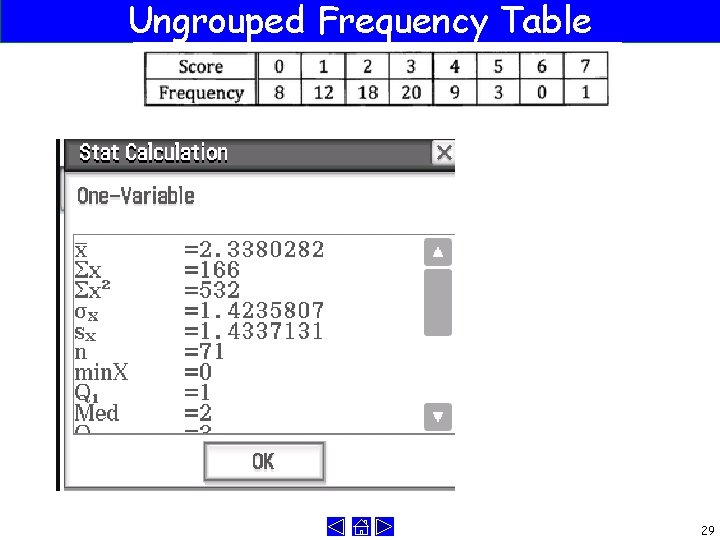
Ungrouped Frequency Table 29
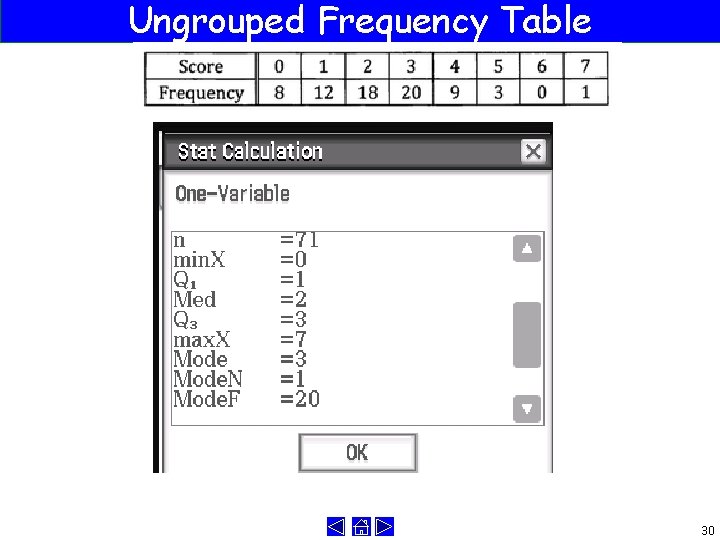
Ungrouped Frequency Table 30
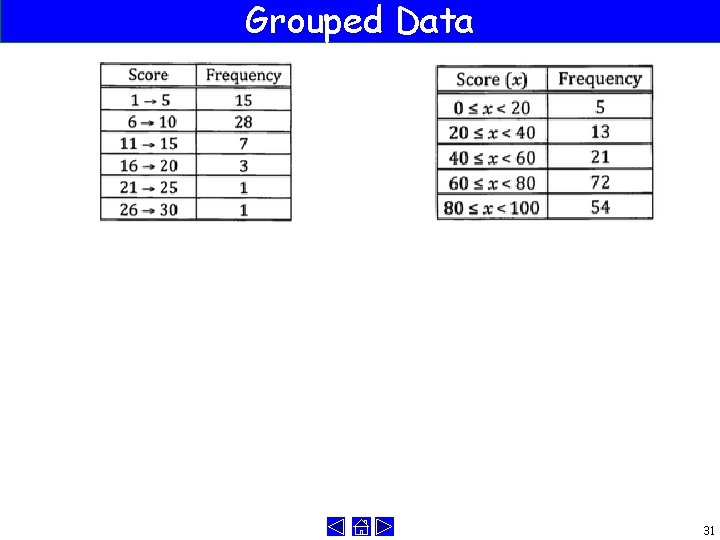
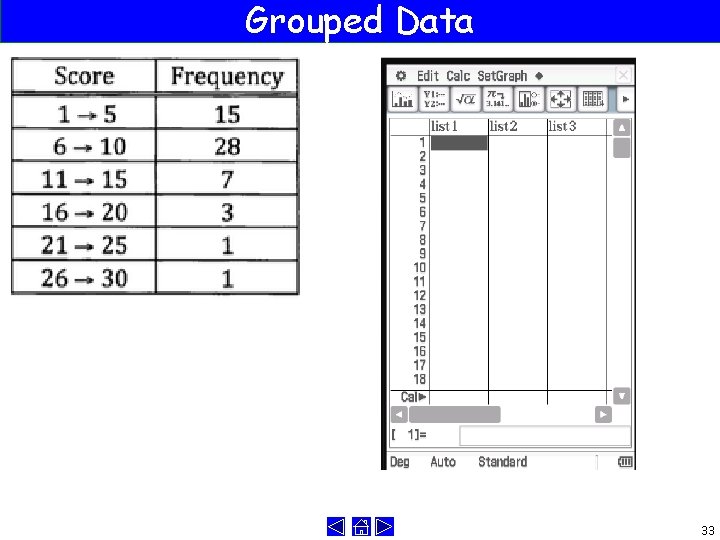
Grouped Data 31
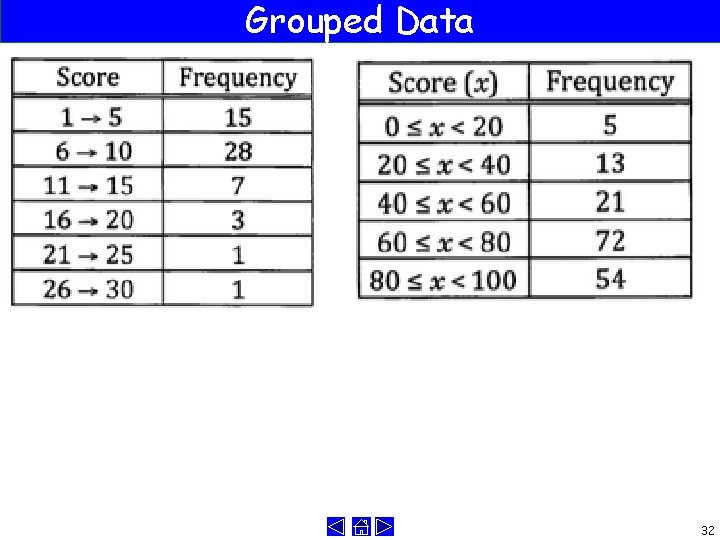
Grouped Data 32
Grouped Data 33
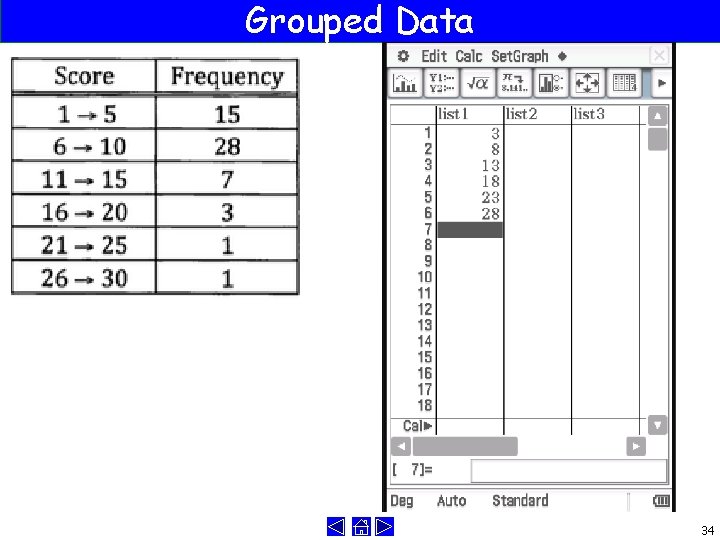
Grouped Data 34
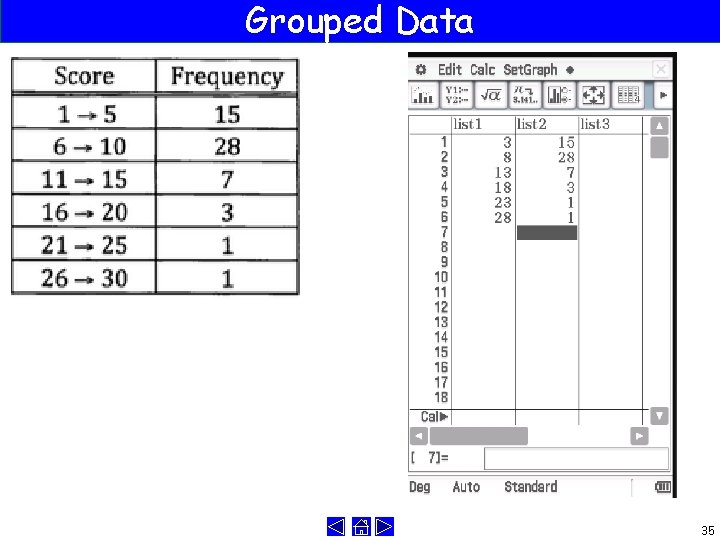
Grouped Data 35
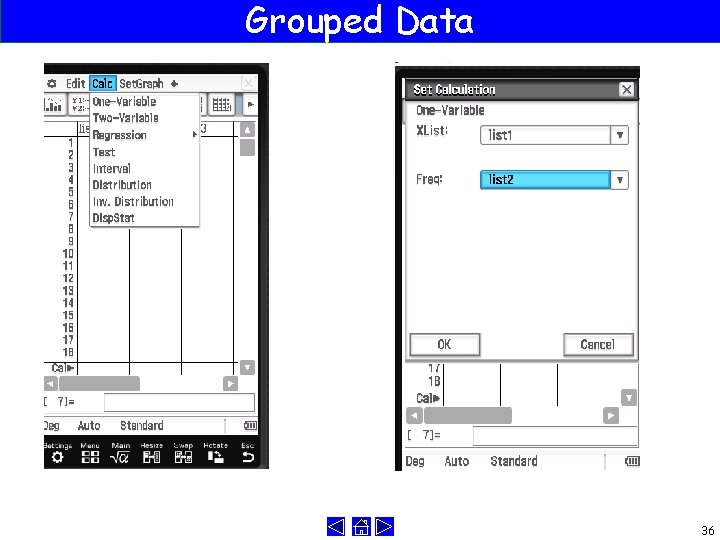
Grouped Data 36
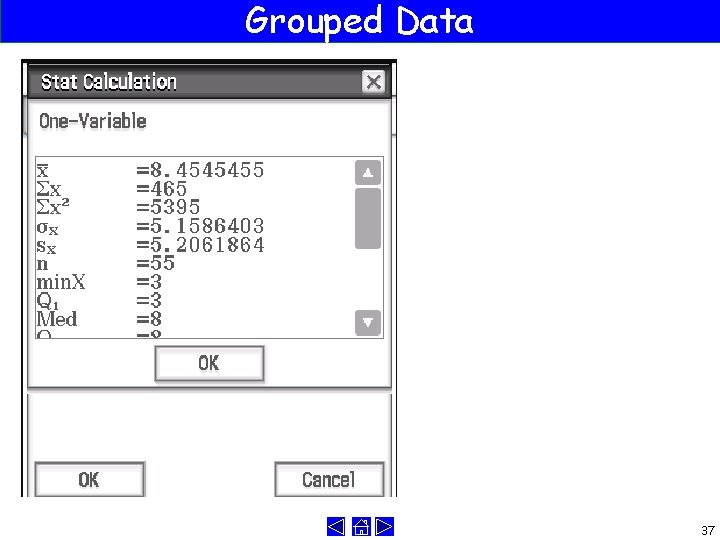
Grouped Data 37
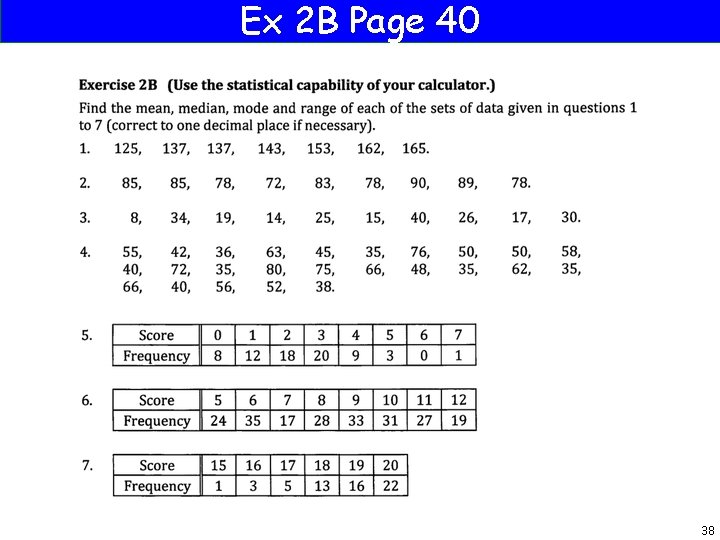
Ex 2 B Page 40 38
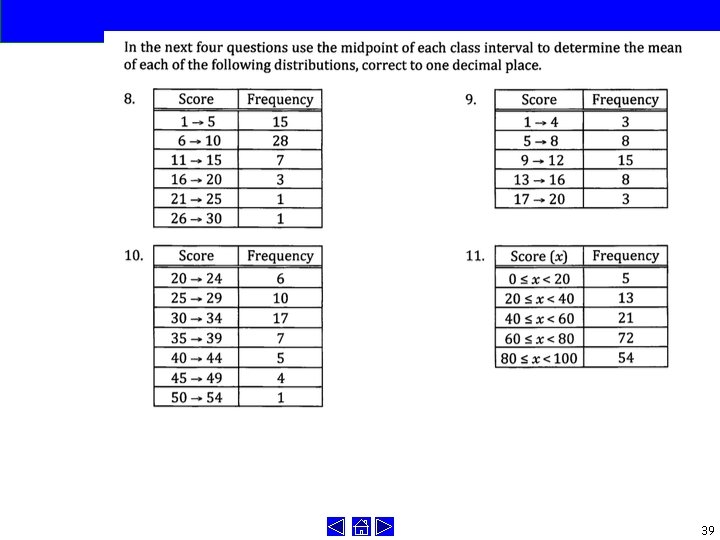
39
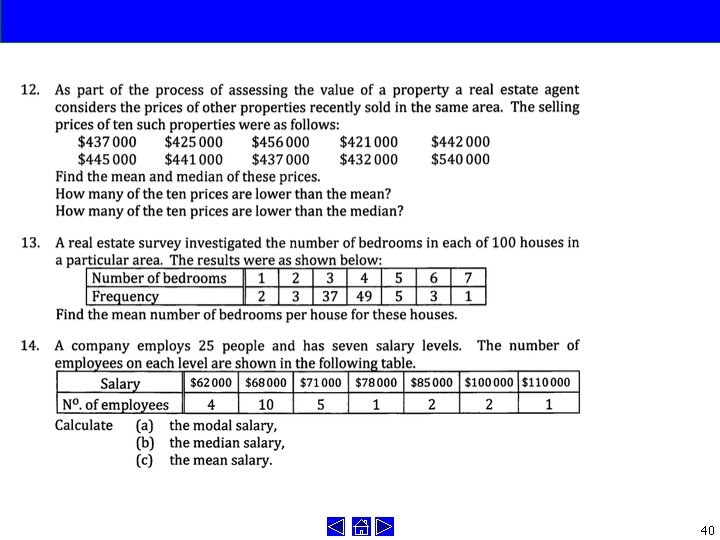
40
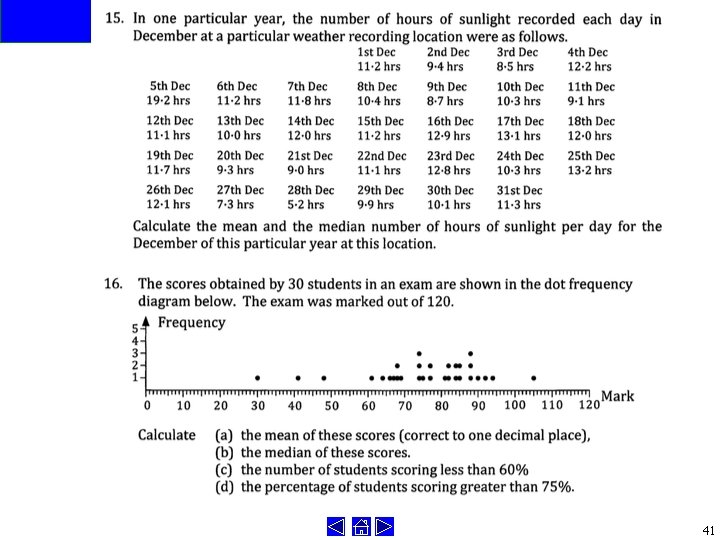
41
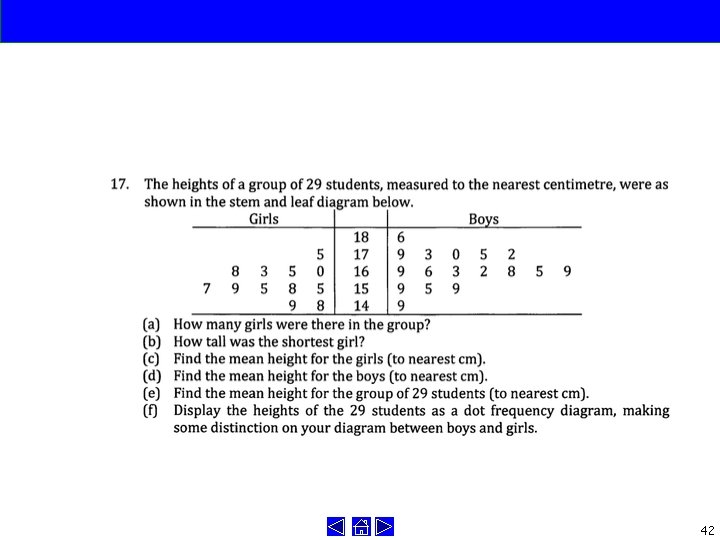
42
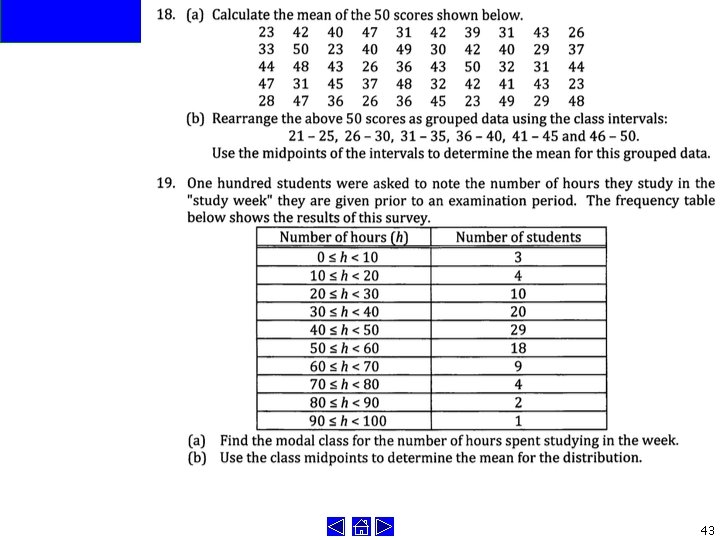
43
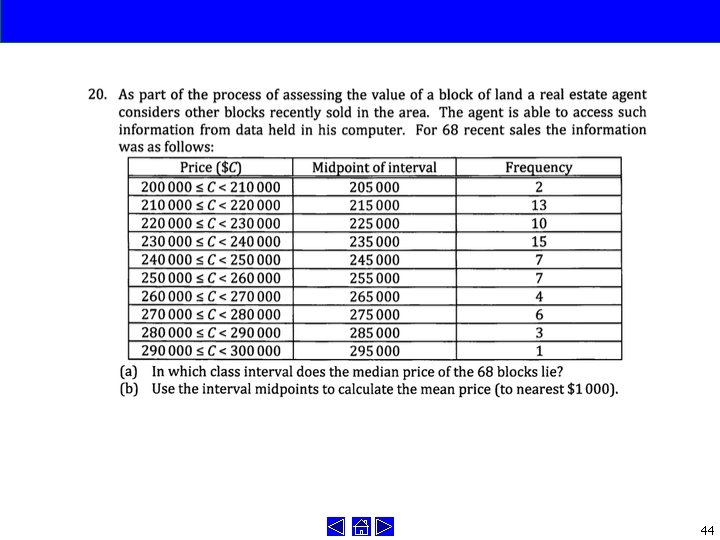
44
Describing distributions of scores 45
Course Objectives 2. 1. 4 with the aid of an appropriate graphical display (chosen from dot plot, stem plot, bar chart or histogram), describe the distribution of a numerical data set in terms of modality (uni or multimodal), shape (symmetric versus positively or negatively skewed), location and spread and outliers, and interpret this information in the context of the data 46
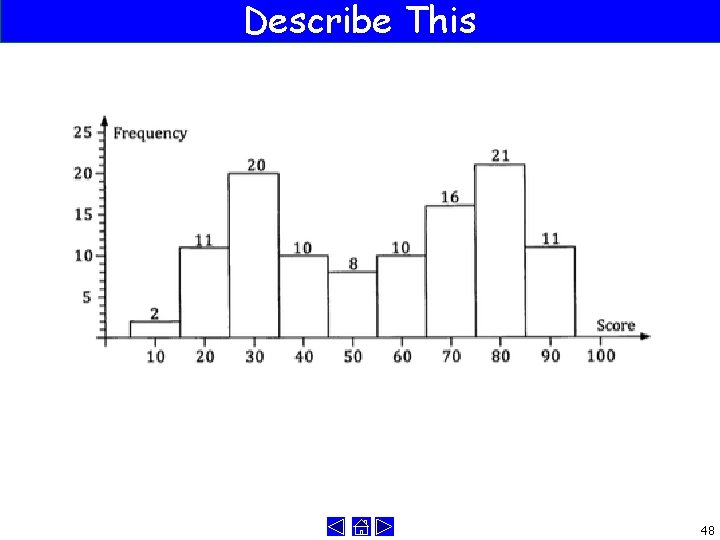
Summarising data Statistical Description: Modality – Does it have 0, 1, 2 or more modes? Mean/Median – Where is the middle of the group? Range – How much variation is there? 47
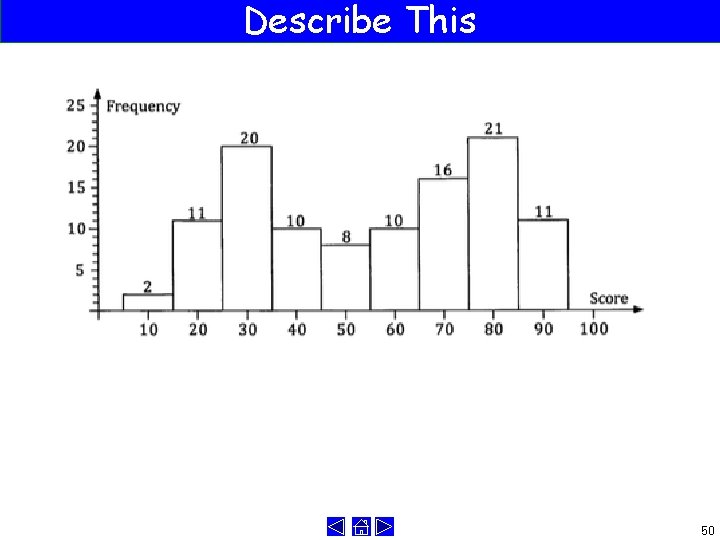
Describe This 48
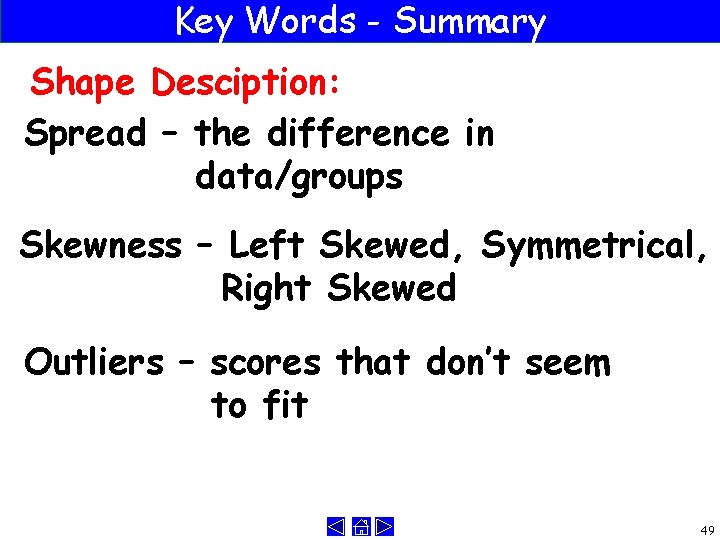
Key Words - Summary Shape Desciption: Spread – the difference in data/groups Skewness – Left Skewed, Symmetrical, Right Skewed Outliers – scores that don’t seem to fit 49
Describe This 50
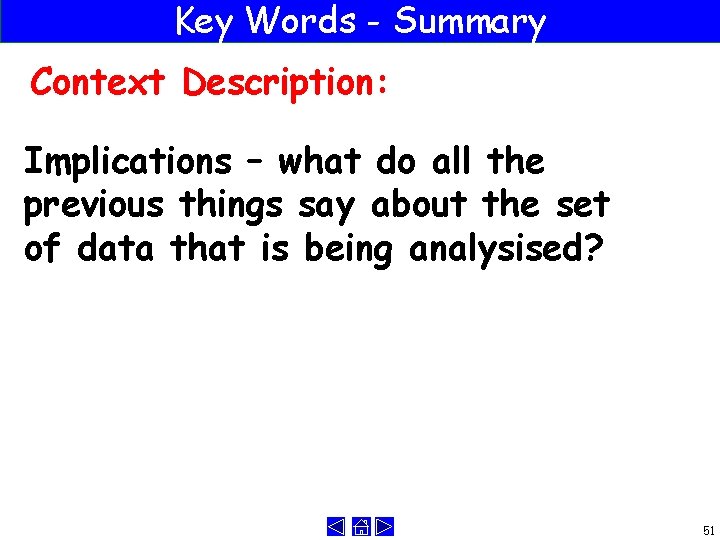
Key Words - Summary Context Description: Implications – what do all the previous things say about the set of data that is being analysised? 51
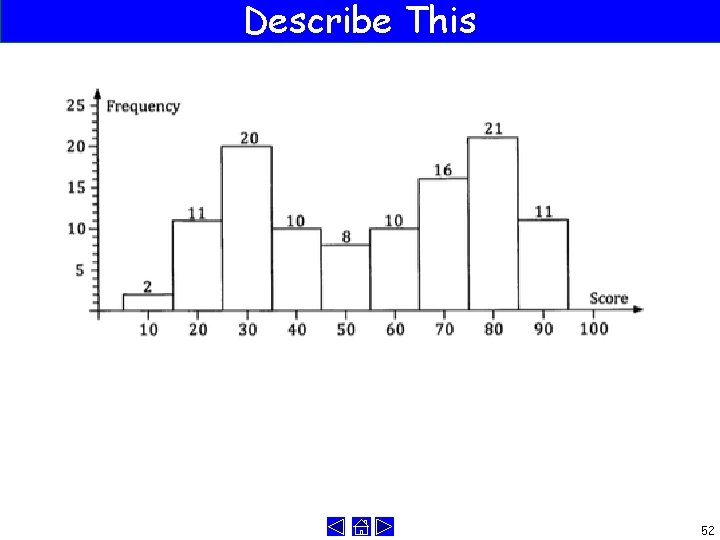
Describe This 52
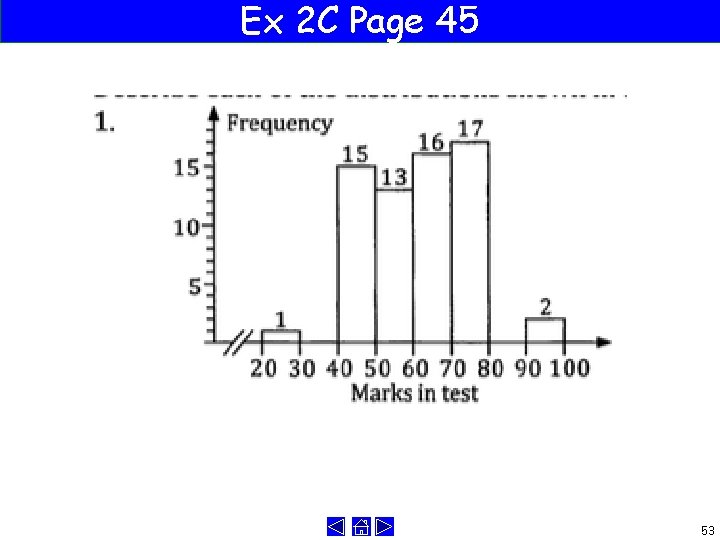
Ex 2 C Page 45 53
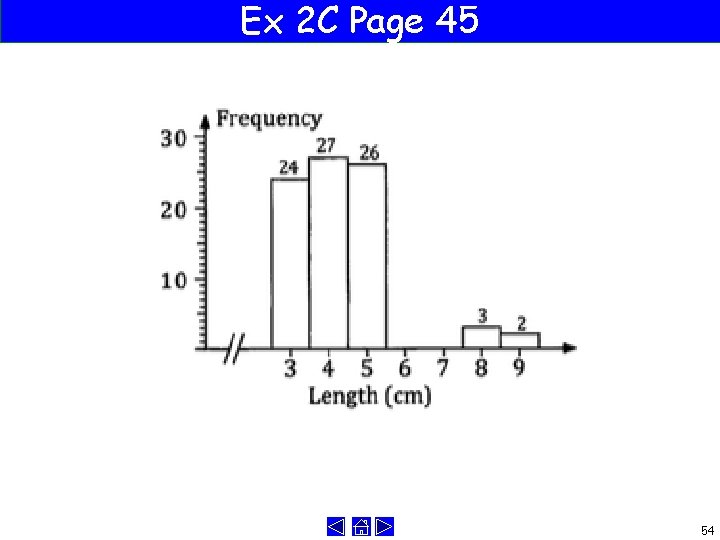
Ex 2 C Page 45 54
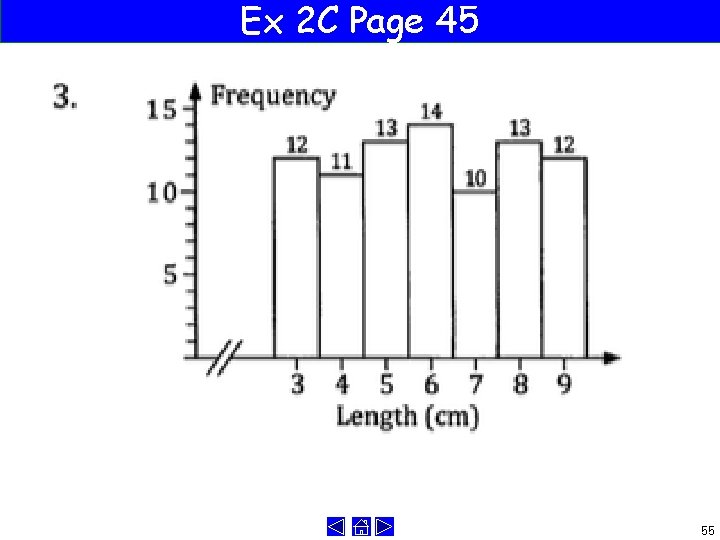
Ex 2 C Page 45 55
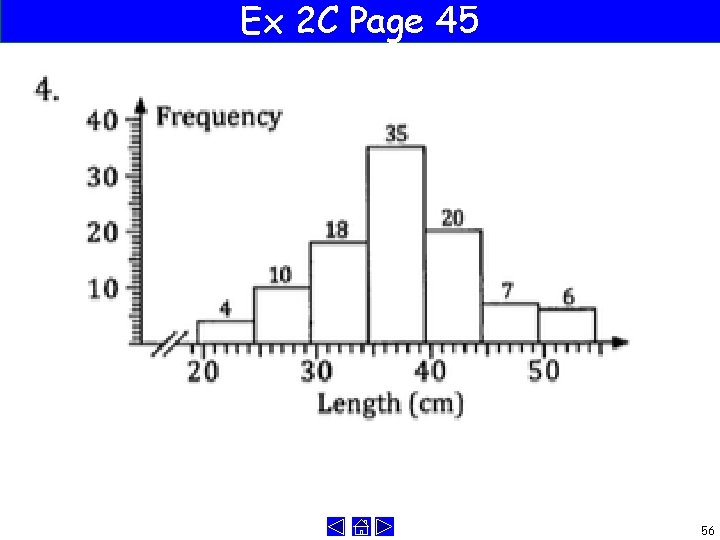
Ex 2 C Page 45 56
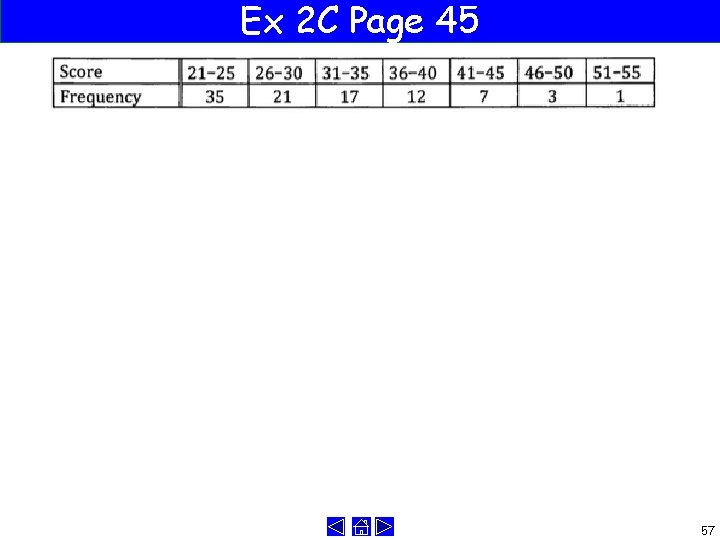
Ex 2 C Page 45 57
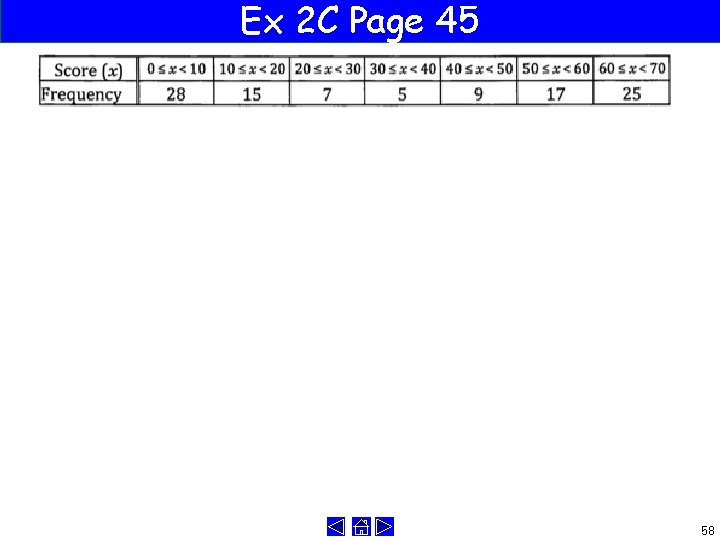
Ex 2 C Page 45 58