
Suicide Violence in Mental Health Addiction Cultures By
Suicide & Violence in Mental Health & Addiction Cultures By Jill S. Perry, MS, NCC, LPC, CAADC, SAP June 28, 2017 JP Counseling Healing for Adults, Youth and Families
What does COD Look Like? JP Counseling Healing for Adults, Youth and Families
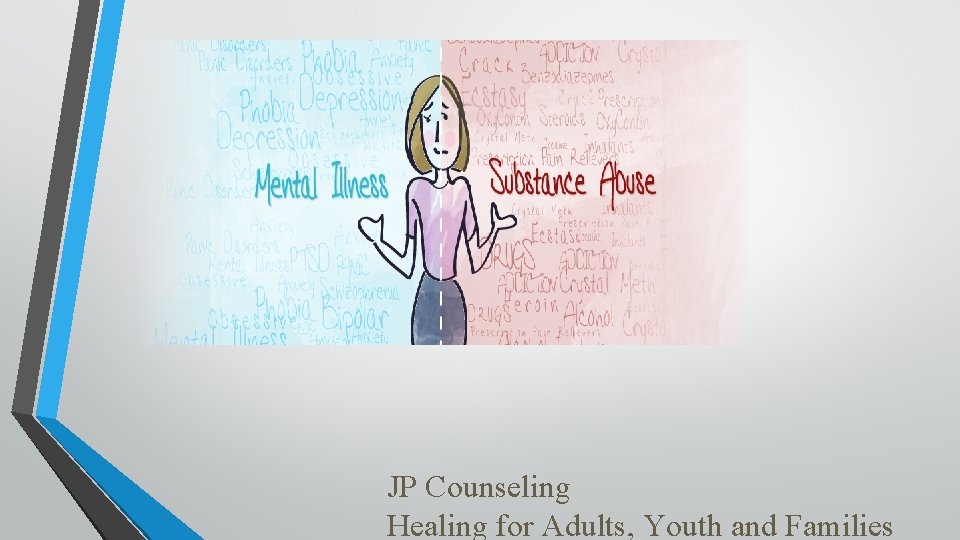
JP Counseling Healing for Adults, Youth and Families
In the past, the attitude was that the client with COD was the exception. Today, clinicians should be prepared to demonstrate responsiveness to the requirements clients with COD present. JP Counseling Healing for Adults, Youth and Families
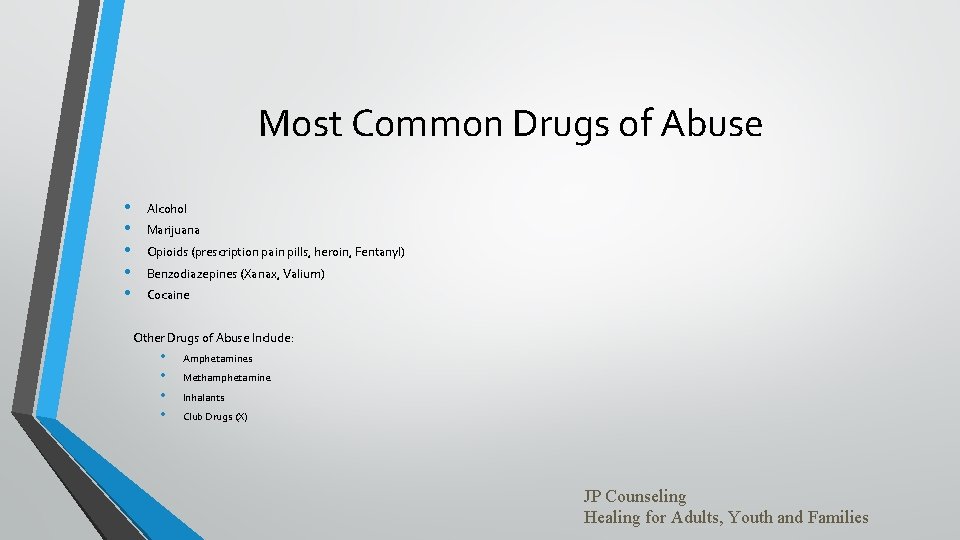
Most Common Drugs of Abuse • • • Alcohol Marijuana Opioids (prescription pain pills, heroin, Fentanyl) Benzodiazepines (Xanax, Valium) Cocaine Other Drugs of Abuse Include: • • Amphetamines Methamphetamine Inhalants Club Drugs (X) JP Counseling Healing for Adults, Youth and Families
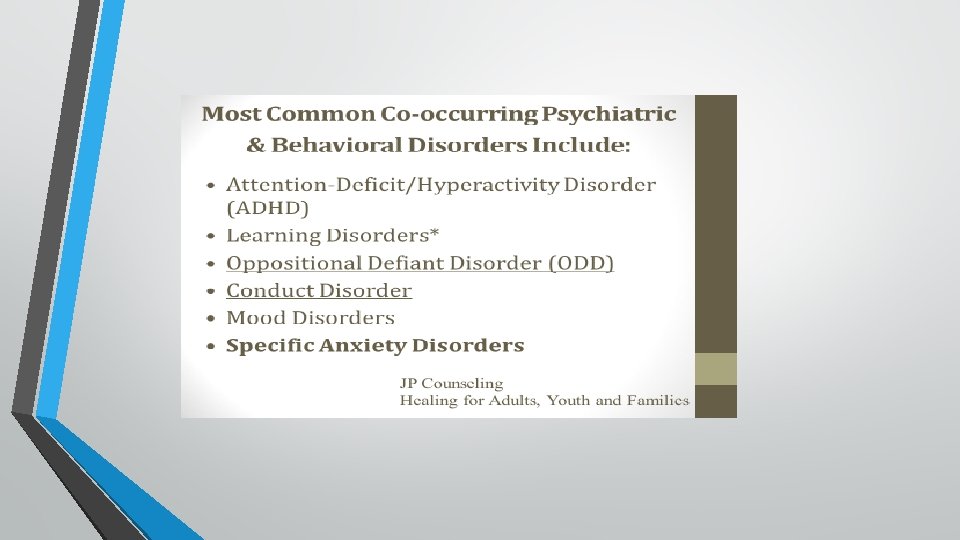
Know Your Limitations…. There a number of circumstances that can affect effective the counseling process. Some of these are under the control of the clinician. • The manner in which instructions and information are given to the client • The setting where sessions take place • Privacy (or the lack thereof) • Trust and rapport between the client and counselor JP Counseling Healing for Adults, Youth and Families
Definitions JP Counseling Healing for Adults, Youth and Families
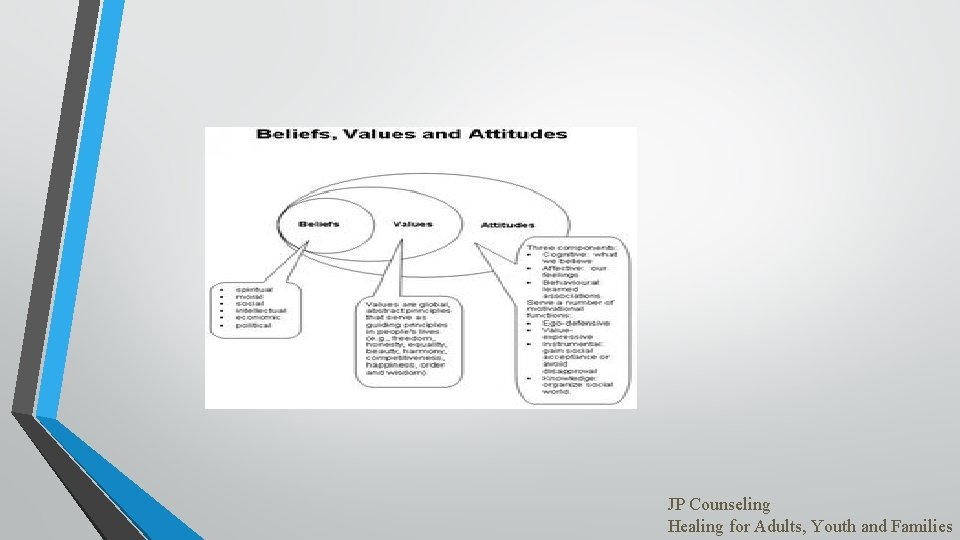
Attitude • A state of mind or feeling with regard to something • Refers to a lasting group of feelings, beliefs and behavior tendencies directed towards specific people, groups, ideas or objects. • Attitudes develop over time and not only reflect where we have come from but also how we will proceed with our life in the future. • Attitudes are a powerful element in our life, are long enduring and hard to change—but not impossible! JP Counseling Healing for Adults, Youth and Families
• One of the problems with our attitudes is we often ignore any information which is not consistent with them—we become selective in the way we perceive and respond to events and issues—and lose our ‘objectivity’ about the world. JP Counseling Healing for Adults, Youth and Families

Beliefs • Assumptions/convictions you hold as true about something • Beliefs come from real experiences but often we forget that the original experience is not the same as what is happening in life now. • The beliefs that we hold are an important part of our identity. • Beliefs are precious because they reflect who we are and how we live our lives.
Values • Ideas about the worth or importance of people, concepts or things • Values are usually fairly stable, yet they don't have strict limits or boundaries. • As you move through life, your values may change. JP Counseling Healing for Adults, Youth and Families
JP Counseling Healing for Adults, Youth and Families
Violence • Acts of battery that resulted in physical injury; sexual assaults; assaultive acts that involved the use of a weapon; or threats made with a weapon in hand JP Counseling Healing for Adults, Youth and Families
Suicide • Death caused by self-directed injurious behavior with an intent to die as a result of the behavior.
Suicidal ideation • Thinking about, considering, or planning suicide.
Suicide attempt • A non-fatal, self-directed, potentially injurious behavior with an intent to die as a result of the behavior; might not result in injury.
Parasuicide or Non suicidal Self Injury • Expressed in a less extreme form • Self cutting • Self burning • Self mutilation JP Counseling Healing for Adults, Youth and Families
Screening • Screening is a formal process of testing to determine whether a client does or does not warrant further attention at the current time in regard to a particular disorder and, in this context, the possibility of a co occurring substance use or mental disorder. The screening process for COD seeks to answer a “yes” or “no” question: Does the substance abuse (or mental health) client being screened show signs of a possible mental health (or substance abuse) problem? Note that the screening process does not necessarily identify what kind of problem the person might have or how serious it might be, but determines whether or not further assessment is warranted. JP Counseling Healing for Adults, Youth and Families
Assessment is a process for defining the nature of the problem(s) and developing specific treatment recommendations for addressing the problem(s). JP Counseling Healing for Adults, Youth and Families

Questions to Explore Today • • Are people with mental health disorders at a higher risk for suicide? Are people with substance abuse disorders at a higher risk for suicide? Are people with COD at a higher risk for suicide? Are people with mental health disorders violent? Are people with substance abuse disorders violent? Are people with COD disorders violent? Are the public at risk?
History • First known suicide note was written in Egypt somewhere between 2181 and 2040 BC • It was translated into German in 1896 by Adolph Erman who called it "The Dispute With His Soul Of One Who Is Tired Of Life. "
Suicide • • Suicide attempts are more common than suicide • Methods: • Over 32, 000 suicides annually • • Most common is overdose Cutting is also common Lethality: • Use of a firearm and hanging are most lethal
Suicidality • Not a mental health disorder • High risk behavior associated with COD, especially (but not limited to) serious mood disorders • Most people who commit suicide have a mental health disorder or a substance abuse disorder or both • Majority have depressive disorder
Suicide • Abuse of alcohol and/or drugs is a major risk factor in suicide for those with COD and for the general public • Alcohol is associated with 25 50% of all suicides • Between 5 27% of all deaths of people who abuse alcohol are caused by suicide • Lifetime risk for suicide among people who abuse alcohol is 15%
Suicide • The association between alcohol and suicide may also be related to the capacity of alcohol to decrease inhibitions leading to mood instability, poor judgment and impulsivity • Substance intoxication is associated with increased violence toward self and others.
Suicide • People who inject drugs have a 14 X greater risk for suicide JP Counseling Healing for Adults, Youth and Families
People with SUD who are in treatment have an even higher risk of suicidal behavior because: • They enter treatment at a point when their SU is out of control • They enter treatment when a number of co occurring life crises may be occurring (ie—marital, legal, job) • They enter treatment at peaks in depressive symptoms • Crises that are known to increase suicide risk sometimes occur during treatment (ie—relapse & treatment transitions)
Safety screening requires that early in the interview the clinician specifically ask the client if he or she has any immediate impulse to engage in violent or self injurious behavior, or if the client is in any immediate danger from others. These questions should be asked directly of the client and of anyone else who is providing information JP Counseling Healing for Adults, Youth and Families
Once this information is gathered, if it appears that the client is at some immediate risk, the clinician should arrange for a more in depth risk assessment by a mental health–trained clinician, and the client should not be left alone or unsupervised. JP Counseling Healing for Adults, Youth and Families
Things to Remember about Suicide • Attitudes, beliefs and values to help guide you when screening, assessing or dealing with someone who is suicidal JP Counseling Healing for Adults, Youth and Families
Almost all people who are suicidal are ambivalent about living or not living. • Hesitation wounds are often seen on those who have died of suicide • The struggle between wanting to die and wanting to live is at the core of a suicidal crisis • Do everything you can to support the side of the client that wants to live, but do not trivialize or ignore signs of wanting to die.
Suicidal crises can be overcome • Acute suicidality is a transient state • CBT has shown positive results in reducing repeated suicide attempts • Important interventions include addressing substance use, depression and marital issues
Although suicide cannot be predicted with certainly, suicide risk assessment is a valuable clinical tool. • Assessment information can show if a client fits the profile of an individual at significant risk for suicidal
Suicide prevention actions should extend beyond the immediate crisis • Identifying and addressing core issues that contribute (ie—depression, sexual abuse history, marital problems, relapses)
Suicide contracts are not recommended and are never sufficient • Should never be used as a stand alone intervention • Studies have never shown these contracts to be effective at preventing suicide • Effective contracts can help to focus on the key elements that are most likely to keep clients safe, such as agreeing to remove the means a client is most likely to use to commit suicide.
Some clients will be at risk of suicide, even after getting clean and sober • People with an independent psychiatric disorder, particularly depression • People who have unresolved difficulties that promote suicidality (ie deteriorating partner relationship, ongoing domestic violence, victimization, impending legal sentencing • Those who have a marked personality disturbance • Those with trauma histories
Suicide attempts always must be taken seriously • Often a mismatch between the intent of the suicidal act and the lethality of the method chosen • Regardless any suicide attempt must be taken seriously, including those that involve little risk of death • Any suicidal thoughts must be carefully considered in relation to the client’s history and current perspective
Suicidal individuals generally show warning signs • Expressions of hopelessness • Suicidal communication • Seeking access to a method • Making preparations
It is best to ask clients about suicide directly • Research does not support that asking about suicide will put that idea in their mind
The outcome does not tell the whole story • A client at significant risk maybe survive despite never being screened, assessed or offered intervention • A clinical team may do a thorough job of screening, assessing and intervening and the client may not survive • A tragic outcome does not, by itself, equate to improper treatment of suicidality.
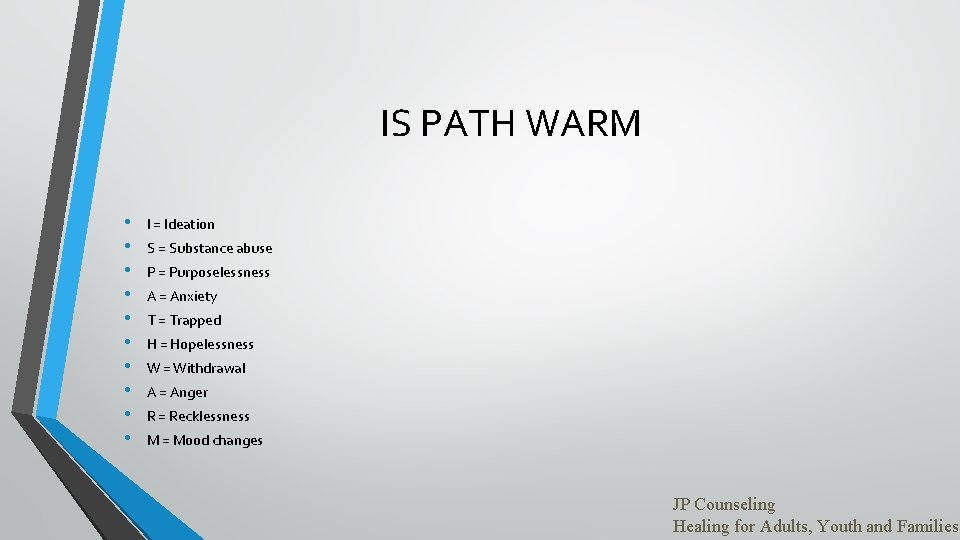
IS PATH WARM • • • I = Ideation S = Substance abuse P = Purposelessness A = Anxiety T = Trapped H = Hopelessness W = Withdrawal A = Anger R = Recklessness M = Mood changes JP Counseling Healing for Adults, Youth and Families
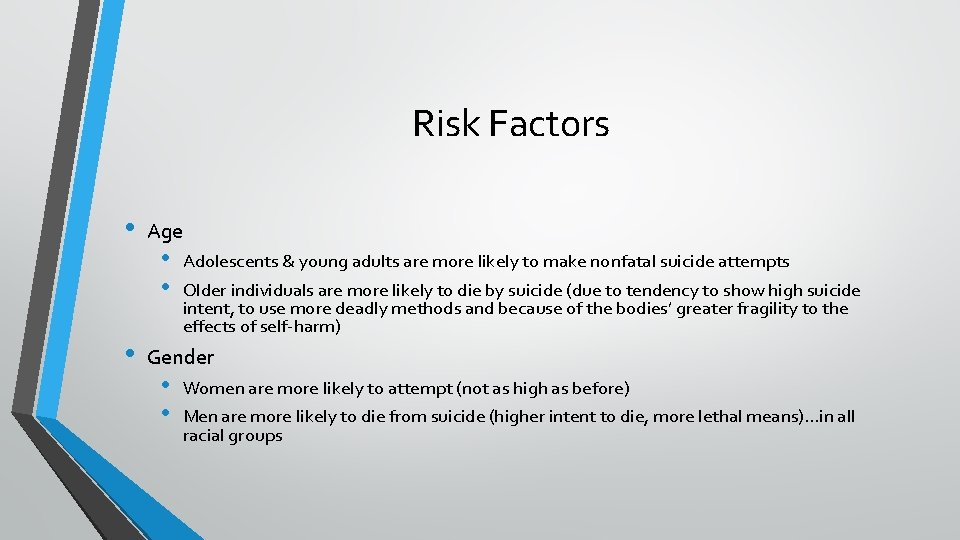
Risk Factors • • Age • • Adolescents & young adults are more likely to make nonfatal suicide attempts Older individuals are more likely to die by suicide (due to tendency to show high suicide intent, to use more deadly methods and because of the bodies’ greater fragility to the effects of self harm) Gender • • Women are more likely to attempt (not as high as before) Men are more likely to die from suicide (higher intent to die, more lethal means)…in all racial groups
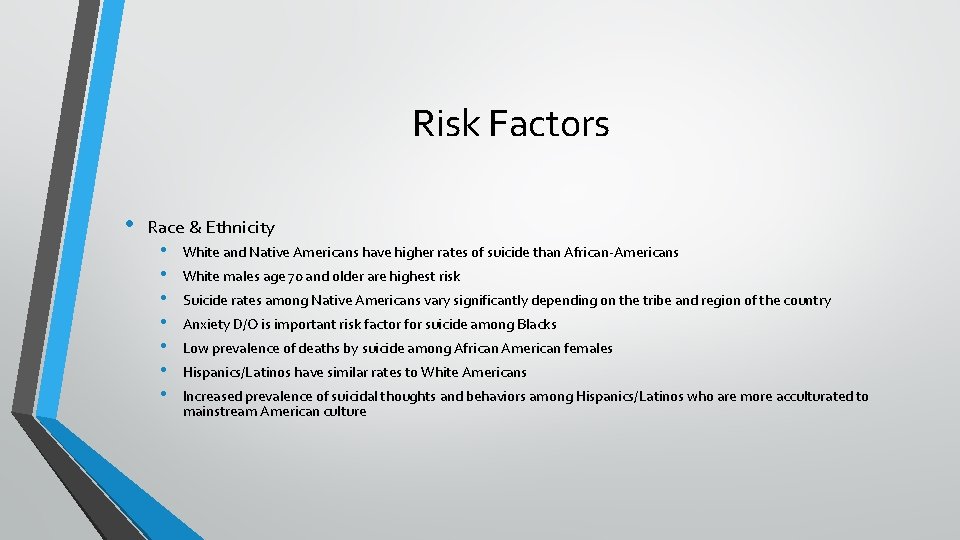
Risk Factors • Race & Ethnicity • • White and Native Americans have higher rates of suicide than African Americans White males age 70 and older are highest risk Suicide rates among Native Americans vary significantly depending on the tribe and region of the country Anxiety D/O is important risk factor for suicide among Blacks Low prevalence of deaths by suicide among African American females Hispanics/Latinos have similar rates to White Americans Increased prevalence of suicidal thoughts and behaviors among Hispanics/Latinos who are more acculturated to mainstream American culture
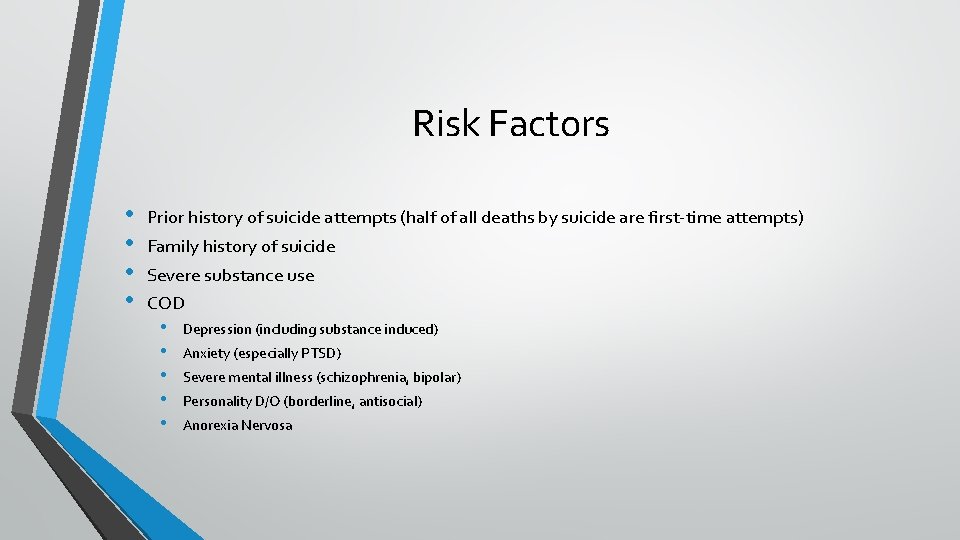
Risk Factors • • Prior history of suicide attempts (half of all deaths by suicide are first time attempts) Family history of suicide Severe substance use COD • • • Depression (including substance induced) Anxiety (especially PTSD) Severe mental illness (schizophrenia, bipolar) Personality D/O (borderline, antisocial) Anorexia Nervosa
Risk Factors • • History of child abuse (especially sexual abuse) Stressful life circumstances • • • Unemployment and low level of education, job loss, especially when in retirement Divorce or separation Legal difficulties Major and sudden financial losses Social isolation, low social support Conflicted relationships
Risk Factors • • • Personality traits • • Proneness to negative affect (sadness, anxiety, anger) Aggression or impulsive traits Firearm ownership or access to a firearm Probable risk factors (more research is needed) • • • Inflexible/rigid personality characteristics Sexual orientation (LGBTQ+) Chronic pain
Protective Factors • • • Reasons for living Being clean and sober Attendance at 12 step support groups Religious attendance and/or internalized spiritual teachings against suicide Presence of a child in the home and/or internalized spiritual teachings against suicide Intact marriage Trusting relationship with a counselor, physician, or other service provider Employment Trait optimism
Potential Risk of Harm • Minimal risk of harm: • No indication of suicidal or homicidal thoughts or impulses, no history of suicidal or homicidal ideation, and no individual of significant distress. • Clear ability to care for self now and in the past.
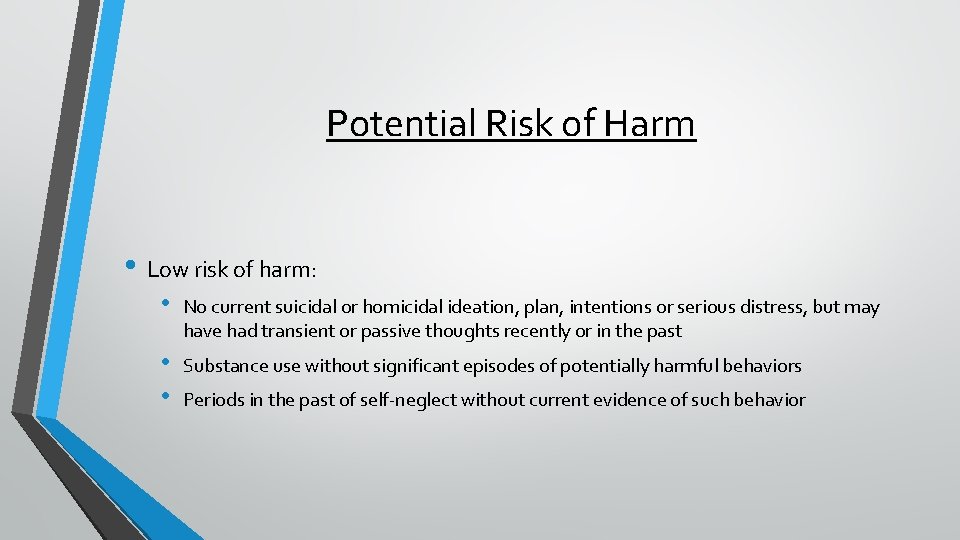
Potential Risk of Harm • Low risk of harm: • No current suicidal or homicidal ideation, plan, intentions or serious distress, but may have had transient or passive thoughts recently or in the past • • Substance use without significant episodes of potentially harmful behaviors Periods in the past of self neglect without current evidence of such behavior
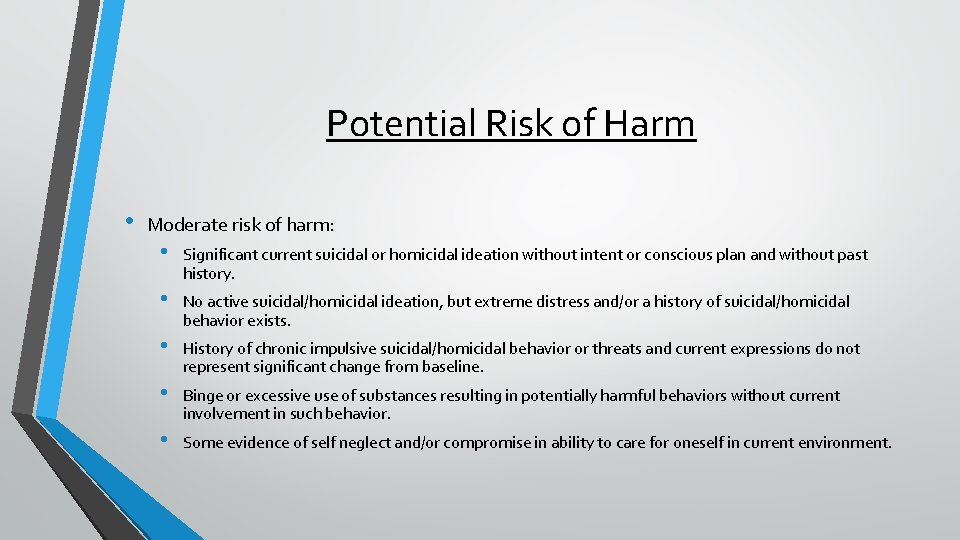
Potential Risk of Harm • Moderate risk of harm: • Significant current suicidal or homicidal ideation without intent or conscious plan and without past history. • No active suicidal/homicidal ideation, but extreme distress and/or a history of suicidal/homicidal behavior exists. • History of chronic impulsive suicidal/homicidal behavior or threats and current expressions do not represent significant change from baseline. • Binge or excessive use of substances resulting in potentially harmful behaviors without current involvement in such behavior. • Some evidence of self neglect and/or compromise in ability to care for oneself in current environment.
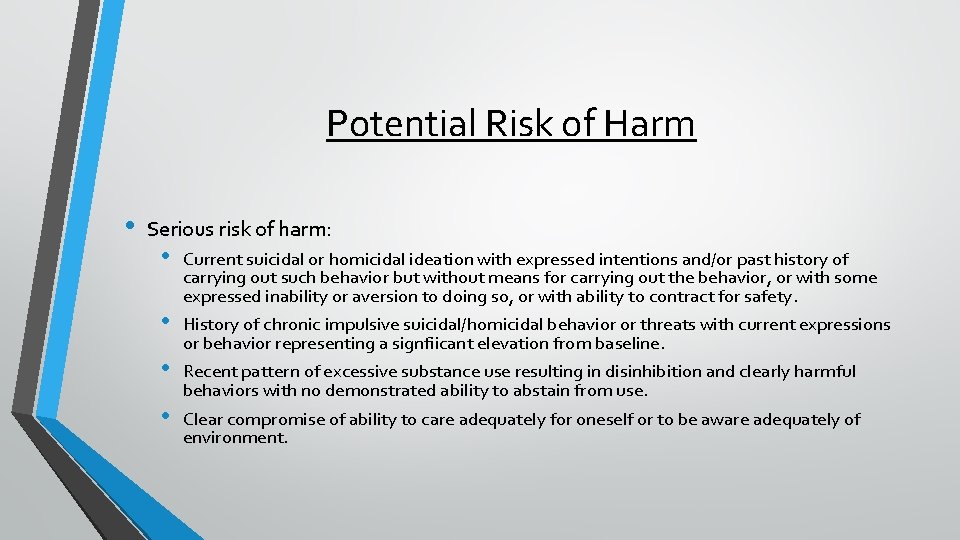
Potential Risk of Harm • Serious risk of harm: • • Current suicidal or homicidal ideation with expressed intentions and/or past history of carrying out such behavior but without means for carrying out the behavior, or with some expressed inability or aversion to doing so, or with ability to contract for safety. History of chronic impulsive suicidal/homicidal behavior or threats with current expressions or behavior representing a signfiicant elevation from baseline. Recent pattern of excessive substance use resulting in disinhibition and clearly harmful behaviors with no demonstrated ability to abstain from use. Clear compromise of ability to care adequately for oneself or to be aware adequately of environment.
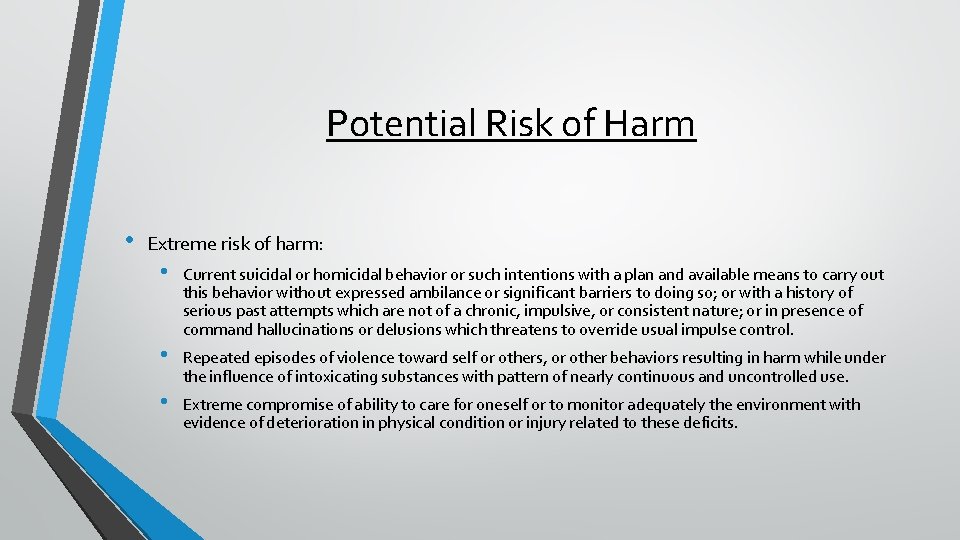
Potential Risk of Harm • Extreme risk of harm: • Current suicidal or homicidal behavior or such intentions with a plan and available means to carry out this behavior without expressed ambilance or significant barriers to doing so; or with a history of serious past attempts which are not of a chronic, impulsive, or consistent nature; or in presence of command hallucinations or delusions which threatens to override usual impulse control. • Repeated episodes of violence toward self or others, or other behaviors resulting in harm while under the influence of intoxicating substances with pattern of nearly continuous and uncontrolled use. • Extreme compromise of ability to care for oneself or to monitor adequately the environment with evidence of deterioration in physical condition or injury related to these deficits.
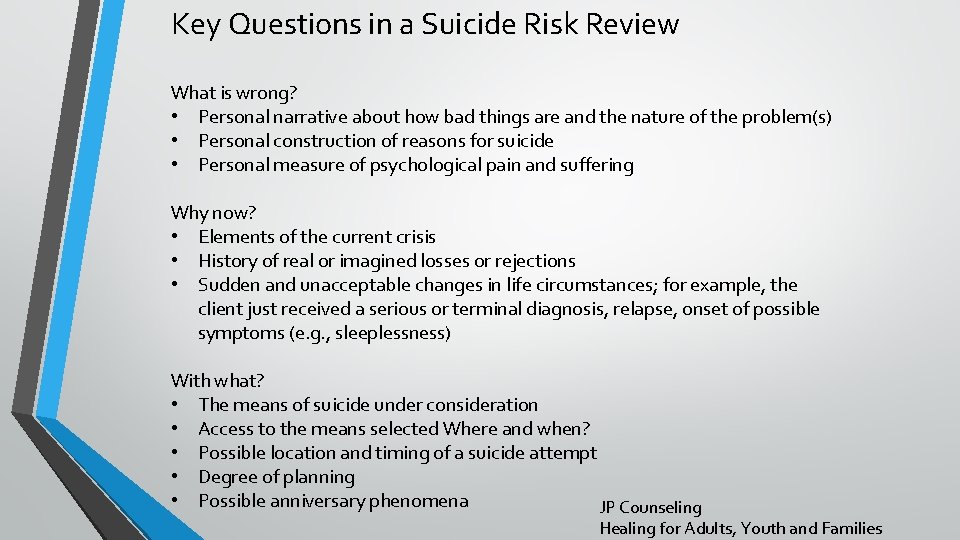
Key Questions in a Suicide Risk Review What is wrong? • Personal narrative about how bad things are and the nature of the problem(s) • Personal construction of reasons for suicide • Personal measure of psychological pain and suffering Why now? • Elements of the current crisis • History of real or imagined losses or rejections • Sudden and unacceptable changes in life circumstances; for example, the client just received a serious or terminal diagnosis, relapse, onset of possible symptoms (e. g. , sleeplessness) With what? • The means of suicide under consideration • Access to the means selected Where and when? • Possible location and timing of a suicide attempt • Degree of planning • Possible anniversary phenomena JP Counseling Healing for Adults, Youth and Families
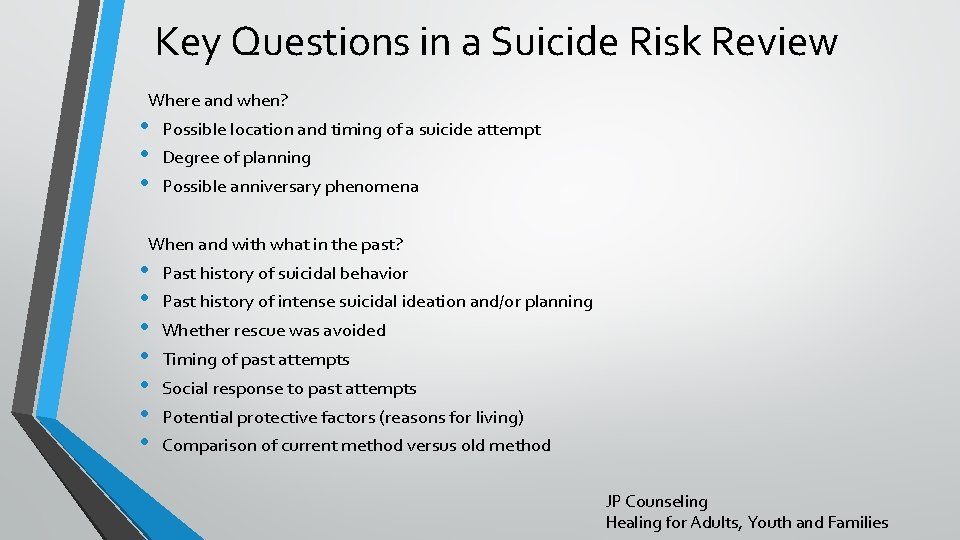
Key Questions in a Suicide Risk Review Where and when? • • • Possible location and timing of a suicide attempt Degree of planning Possible anniversary phenomena When and with what in the past? • • Past history of suicidal behavior Past history of intense suicidal ideation and/or planning Whether rescue was avoided Timing of past attempts Social response to past attempts Potential protective factors (reasons for living) Comparison of current method versus old method JP Counseling Healing for Adults, Youth and Families
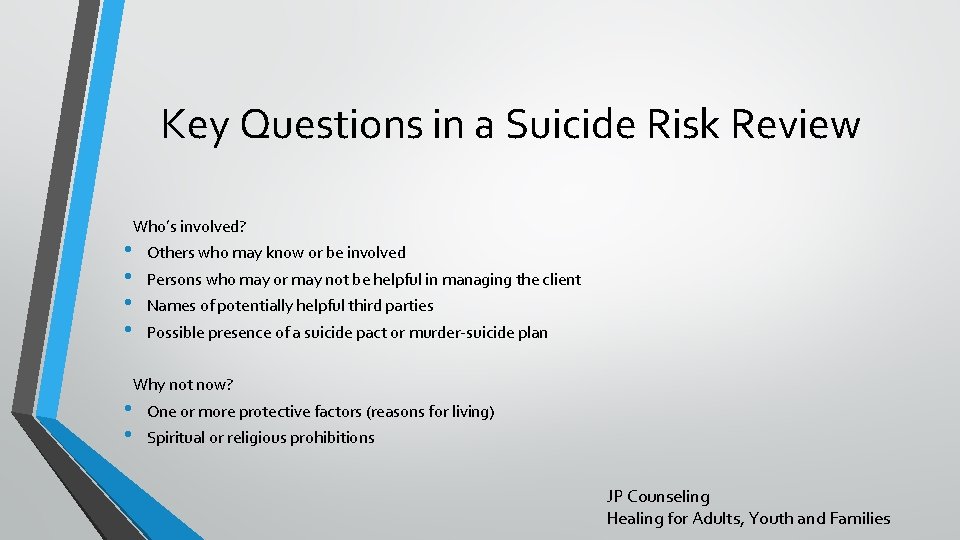
Key Questions in a Suicide Risk Review • • • Who’s involved? Others who may know or be involved Persons who may or may not be helpful in managing the client Names of potentially helpful third parties Possible presence of a suicide pact or murder suicide plan Why not now? One or more protective factors (reasons for living) Spiritual or religious prohibitions JP Counseling Healing for Adults, Youth and Families
Weapon Accessibility • Counsel patients and family members about the danger of having a gun in the house. You can do a lot without invoking law, by talking to people about harm reduction and locking up guns. For example, getting family members to voluntarily store guns somewhere else. • In Switzerland, an army policy reform in the mid 2000 s effectively cut in half the number of soldiers with guns stored in their homes. Researchers were able to show that this change in gun access resulted in a very significant decrease in the overall suicide rate. • Same with drugs/medications.
Vignettes • What are the client’s risk factors? • What are the client’s protective factors? • What additional questions would you want to ask the client? • How would you assess their potential risk of harm & what would you do about it?
Violence JP Counseling Healing for Adults, Youth and Families
History • The perception that persons with mental illness are at increased risk for violence as compared to their non ill counterparts can be dated at least to the time of Plato. • This offered the first rationales for establishing the first public psychiatric hospitals…the need to protect the public by confining persons with mental illness who posed such a risk to the community
History • This line of thinking was critically challenged in the 1970 s as some commentators, upon reviewing the literature, concluded that (1) violent or “dangerous” behavior was uncommon among persons with mental disorder, thereby making it difficult to predict; (2) there was little evidence of a causal relationship between mental disorder and violent behavior; and (3) mental health professionals were unable to identify persons at increased risk for harming others with any degree of accuracy
History • Findings from this “second generation” of research suggest that (1) violent behavior is not necessarily a low base rate behavior and occurs with some degree of frequency among persons with mental disorder; (2) persons with certain mental disorders and symptom clusters are more likely to engage in violent behavior than persons without such; and (3) mental health professionals have some ability to assess violence risk among persons with mental disorder
Perspective • It is important to keep in mind that both serious violence and serious mental disorder are rare events.
Perceptions • Members of the public exaggerate both the strength of the association between mental illness & violence, as well as their own personal risk • The public are accustomed to 'experiencing' violence among the mentally ill vicariously, through movie depictions of crazed killers or real life dramas on the nightly news • The public most fear violence that is random, senseless, and unpredictable, and they associate this with mental illness.
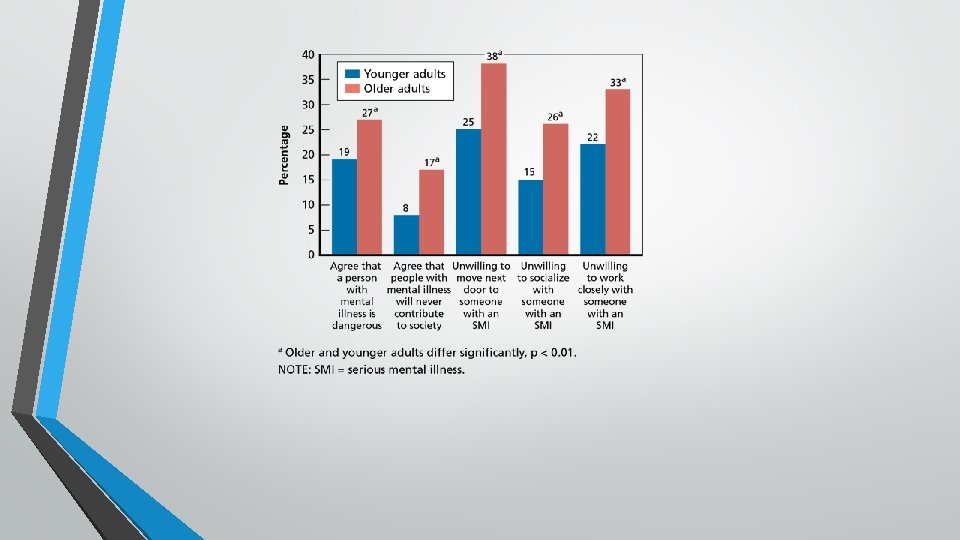
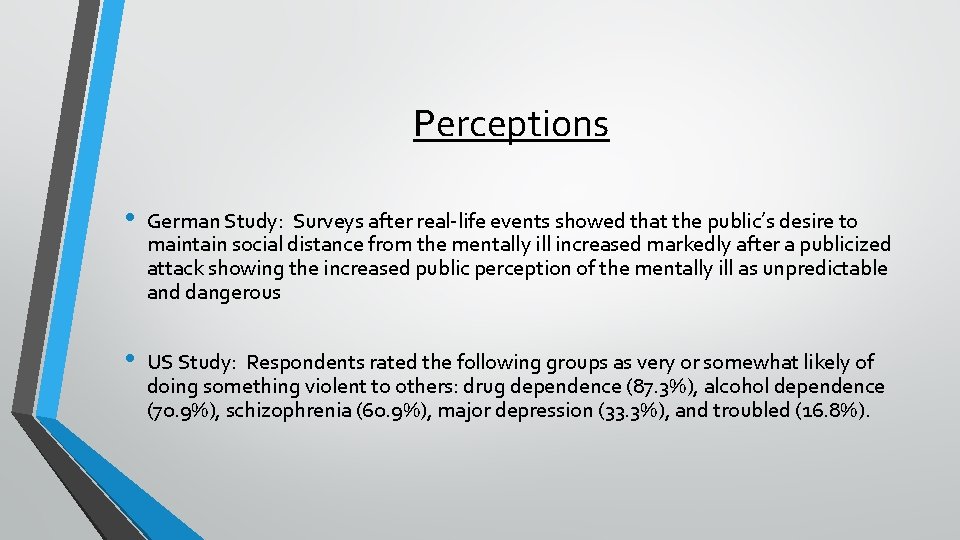
Perceptions • German Study: Surveys after real life events showed that the public’s desire to maintain social distance from the mentally ill increased markedly after a publicized attack showing the increased public perception of the mentally ill as unpredictable and dangerous • US Study: Respondents rated the following groups as very or somewhat likely of doing something violent to others: drug dependence (87. 3%), alcohol dependence (70. 9%), schizophrenia (60. 9%), major depression (33. 3%), and troubled (16. 8%).
Falling Down • w/ Michael Douglas
Dr. Jeffrey Swanson, a professor in psychiatry and behavioral sciences at the Duke University School of Medicine • “On the face of it, a mass shooting is the product of a disordered mental process. You don't have to be a psychiatrist: what normal person would go out and shoot a bunch of strangers? But the risk factors for a mass shooting are shared by a lot of people who aren't going to do it. If you paint the picture of a young, isolated, delusional young man ― that probably describes thousands of other young men. ”
Victims vs. Perpetrators • • Research shows that mentally ill are more often victims than perpetrators of violence • In a study of current victimization among inpatients, for example, 63% of those with a dating partner reported physical victimization in the previous year. • For 25% the violence was serious, involving hitting, punching, choking, being beaten up, or being threatened with a knife or gun. • 46% percent of those who lived with family members reported being physically victimized in the previous year and 39% seriously so. High rates of victimization among the mentally ill have been noted, although this often goes undocumented in the clinical record.
Victims vs. Perpetrators • A recent study of criminal victimization of persons with severe mental illness showed that 8. 2% were criminally victimized over a four month period, much higher than the annual rate of violent victimization of 3. 1% for the general population.
What Does the Research Say? JP Counseling Healing for Adults, Youth and Families
In Clinical Settings…. • A serious limitation of clinical explanations of violent & disruptive behavior is the focus on the attributes of the mental illness & the mentally ill to the exclusion of social & contextual factors that interact to produce violence in clinical settings • Studies that have examined the antecedents of aggressive incidents in inpatient treatment units reveal that the majority of incidents have important social/structural antecedents such as atmosphere, lack of clinical leadership, overcrowding, restrictions, lack of activities, or poorly structured activity transitions
Mac. Arthur Violence Risk Assessment Study • The most likely targets of violence from those with mental illness were family members or friends (87%) • The violence typically occurred in the home • Discharged patients were less likely to target complete strangers
Social Network Study • Persons with mental disorder were more likely to engage in violent acts in their homes, while their nondisordered counterparts were more likely to engage in violence in public settings such as a bar • Males were more likely to fight with acquaintances and strangers in public places while women were more likely to fight with family members in the home
Social Network Study • Followed 169 people with serious mental disorder over thirty months, violence most frequently erupted in the family when: • • • relationships were characterized by mutual threat, hostility, and financial dependence there was a diagnosis of schizophrenia with concurrent substance abuse outpatient mental health services were used infrequently.
Major Determinants of Violence • Sociodemographic & economic factors, as well as substance use, continue to major determinants with or without mental illness • Most recent studies suggest that violent incidents among persons with serious mental disorders are sparked by the conditions of their social life, and by the nature and quality of their closest social interactions • Mac. Arthur Violence Risk Assessment Study: the prevalence of violence among those with a major mental disorder who did not abuse substances was indistinguishable from their non substance abusing neighborhood controls
Karolinska Interpersonal Violence Scale (KIVS) • Measured exposure to violence and expressed violent behavior in childhood (between 6 14 years of age) and during adult life (15 years or older) • Violent behavior as a child, age and substance abuse were significant predictors of adult interpersonal violence
Karolinska Interpersonal Violence Scale (KIVS) • Repeaters of violent offenses had a twofold higher suicide risk • More than 90% reported that they had exposed their partner for violence in the past year
Other Studies…. • While many studies have reported a positive association between maltreatment in childhood and criminality/ violent behavior in adulthood, others have failed to detect such an association.
Rates of Violence • • Schizophrenia had the lowest occurrence of violence over the course of the year (14. 8%) Bipolar disorder (22. 0%) Major depression (28. 5%) A concurrent substance abuse disorder doubled the risk of violence
Rates of Violence • 31% of people who had both a substance abuse disorder and a psychiatric disorder committed at least one act of violence in a year, compared with 18% of people with a psychiatric disorder alone. • This confirmed other research that substance abuse is a key contributor to violent behavior. • Comparing rates of violence in one area in Pittsburgh in order to control for environmental factors as well as substance use, they found no significant difference in the rates of violence among people with mental illness and other people living in the same neighborhood. In other words, after controlling for substance use, rates of violence reported in the study may reflect factors common to a particular neighborhood rather than the symptoms of a psychiatric disorder.
Risk Factors • In the general population, males are much more likely than females to engage in violent behavior, and their behavior is likely to be more severe and cause more harm. • Historically, this sex effect was considered to apply to psychiatric populations as well. Recent research, however, suggests that there may be small or no sex differences in rates of violence, at least with more symptomatic populations • Males with various psychiatric and substance abuse disorders exhibited higher rates of violence than females, these differences were typically small (e. g. , 22% of males with comorbid psychiatric and substance abuse disorders reported engaging in violent or threatening behavior during the prior 12 months as compared to 17% of similarly disordered females)
Risk Factors • Another risk factor for violence is a history of child abuse or witnessed domestic violence (Klassen & O’Connor, 1994). Predisposing factors are likely to include experiences that model, reward, or reinforce the display of violence. Violent and nonviolent teenagers, violent and nonviolent psychiatric patients, and physically abusive and nonabusive husbands can be differentiated as a function of their history of witnessed or experienced abuse as a child
Risk Factors • The age at which the first serious offense occurred is also a significant factor. Individuals who first commit violent, serious criminal actions at an earlier age (e. g. , prior to age 12) are more likely to engage in violent and more serious criminal careers over the course of their lifespan. Risk for violence increases with each prior episode, with the likelihood of a future violent act exceeding 50% among persons with five or more prior offenses.
Risk Factors • The single greatest risk factor future violence is a history of violent behavior or criminal behavior more generally. • Persons who have contact with the juvenile justice system as minors are more likely to engage in violent and other criminal activities as adults, and adults with violence histories are more likely to engage in future violent behavior than persons without such histories.
Risk Factors • • Rates of violent behavior are differentially distributed by race, as measured by self report, arrest rate, and incarceration rate, with African Americans having higher rates than Caucasians. Not surprisingly, these differential rates disappear when socioeconomic status is controlled. These data suggest that while race is not a risk factor for violence, socioeconomic status is, although its effect may be accentuated among persons with persons who are acutely mentally ill Some violence resulting from higher levels of stress endured by the poor, and some violence being contextually determined and occurring as a function of living in criminogenic environments
Risk Factors • Low intelligence and neurologic impairment have been associated with increased rates of violence. Also offered as a potential risk factor is the presence of a hostile and aggressive attributional and interpersonal style, expectations that aggressive behavior will be rewarded or successful, and violent thoughts and fantasies
Risk Factors • Persons in their late teens and early twenties are at highest risk for violent or threatening behavior. In contrast to sex as a risk factor, however, age appears to be a risk factor for persons with mental illness as well as persons without.
Risk Factors • • With the exception of a history of violent behavior, a diagnosis of substance abuse or dependence is probably the single greatest risk factor for threatening or assaultive behavior directed towards others Persons with a substance abuse or dependence diagnosis are 14 times more likely to engage in threatening or assaultive behavior than persons with no diagnoses. Persons with a substance abuse disorder accompanied by a major mental disorder were 17 times more likely to report assaultive or threatening behavior in the recent past. Persons with severe and persistent mental illness who did not adhere to their psychotropic medication regimens and suffered from co existing substance abuse disorders were at significantly higher risk for violence.
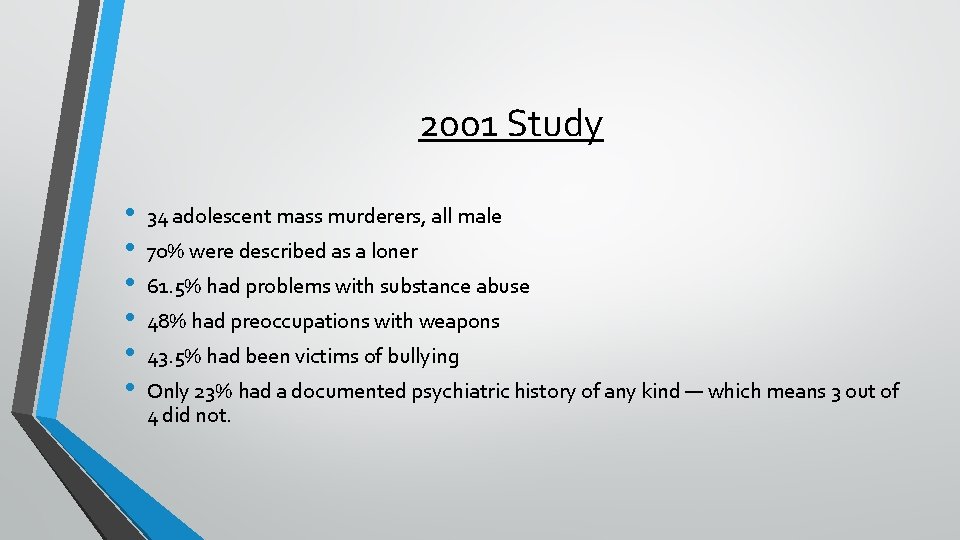
2001 Study • • • 34 adolescent mass murderers, all male 70% were described as a loner 61. 5% had problems with substance abuse 48% had preoccupations with weapons 43. 5% had been victims of bullying Only 23% had a documented psychiatric history of any kind ― which means 3 out of 4 did not.
Delusions & Hallucinations • Delusions in general were not associated with violence • Threat/control override’ delusions that cause an individual to think that someone is out to harm them or that someone can control their thoughts have some link to increased violence
Delusion & Hallucinations • • • Command hallucinations are also considered by many to be a risk factor for violence, at least insofar as individuals who comply with violent commands may be at greater risk for violence than persons not experiencing such commands Persons experiencing commands consistent with violence, however, were no more likely to comply with such commands than persons experiencing commands to engage in nonviolent behavior. It was concluded that individuals were more likely to comply with commands if the hallucinated voice was familiar, and if their hallucinations were consistent with or related to a co existing delusion. Inquiry should focus on the nature of the commands (i. e. , whether they are suggestive of violence), the voices and their familiarity, the examinee’s history of complying or not complying with the commands, and the presence of delusional or other beliefs that may or may not be consistent with the commands.
Bipolar Disorder • Persons experiencing the manic phase of bipolar disorder are at increased risk for violent behavior. • Less clear, however, is the specific symptomatology or behaviors associated with mania that are related to this increased likelihood of violence.
Anger • Anger is a normal emotion that serves many adaptive functions. Anger may be an enduring state for some or a fleeting feeling for others, both of which have behavioral, cognitive, affective, and physiological components. • In a sample of 68 hospitalized persons who reported engaging in violent behavior during the four months preceding their hospital admission, feeling “enraged, about to explode” was the most common experience of persons during the violent act (68%). Interestingly, feelings of anxiety (54%) and fear (53%) were the next most common experiences
Stress • • • Frustration aggression hypothesis and the associated body of research suggests that individuals who are frustrated or stressed are more likely to engage in violent or threatening behavior Higher rates of violence among populations with higher stress levels (e. g. , low socioeconomic status) and associated rates of specific types of violence with stressors (e. g. , in the context of domestic violence) With respect to stressors, however, it will be important to identify the individual’s perceived source and level of stress, as this can be subjective and vary considerably across persons.
More Studies… • • Epidemiologic Catchment Area studies (US): reported population attributable risks for self reported physical violence. Attributable risk refers to the overall effect a factor has on the level of violence in the population. For those with a major mental disorder, the population attributable risk was 4. 3%, indicating that violence in the community could be reduced by less than five percent if major mental disorders could be eliminated. The population attributable risk for those with a substance abuse disorder was 34%, Same results from a study in Canada
U of Oxford using Swedish data • In separate studies, the investigators found that people with bipolar disorder or schizophrenia were more likely — to a modest but statistically significant degree — to commit assaults or other violent crimes when compared with people in the general population. • Differences in the rates of violence narrowed, however, when the researchers compared patients with bipolar disorder or schizophrenia with their unaffected siblings. This suggested that shared genetic vulnerability or common elements of social environment, such as poverty and early exposure to violence, were at least partially responsible for violent behavior
Rampage by Katherine Newman • Looks at school shootings and identifies common factors. • Every shooter in her study had some kind of "psychosocial problems, " such as mental illness. • Accessibility of weapons
The Clinician’s Role • Highly publicized acts of violence by people with mental illness affect more than public perception. • • Clinicians are under pressure to assess their patients for potential to act in a violent way. Although it is possible to make a general assessment of relative risk, it is impossible to predict an individual, specific act of violence, given that such acts tend to occur when the perpetrator is highly emotional. During a clinical session, the same person may be guarded, less emotional, and even thoughtful, thereby masking any signs of violent intent. And even when the patient explicitly expresses intent to harm someone else, the relative risk for acting on that plan is still significantly influenced by the following life circumstances and clinical factors.
The Clinician’s Role • Although, in most settings, the majority of clients do not pose a significant risk for violence, an inquiry into aggressive and violent behavior should be made with each new client • A client’s inability to maintain her composure or control her anger and irritability in the context of a clinical interview may say much about her ability in real life settings
The Clinician’s Role • Clinicians are encouraged to think about violence risk in conditional terms (i. e. , “If. . . , then. . ”) and offer opinions in this way when they are required • The conceptualization of violence risk as something that can change over time, across conditions, or in response to various interventions • The risk assessment perspective, as compared to “dangerousness prediction” and its associated language and conceptualization, facilitates incorporation of information about violence risk into treatment planning.
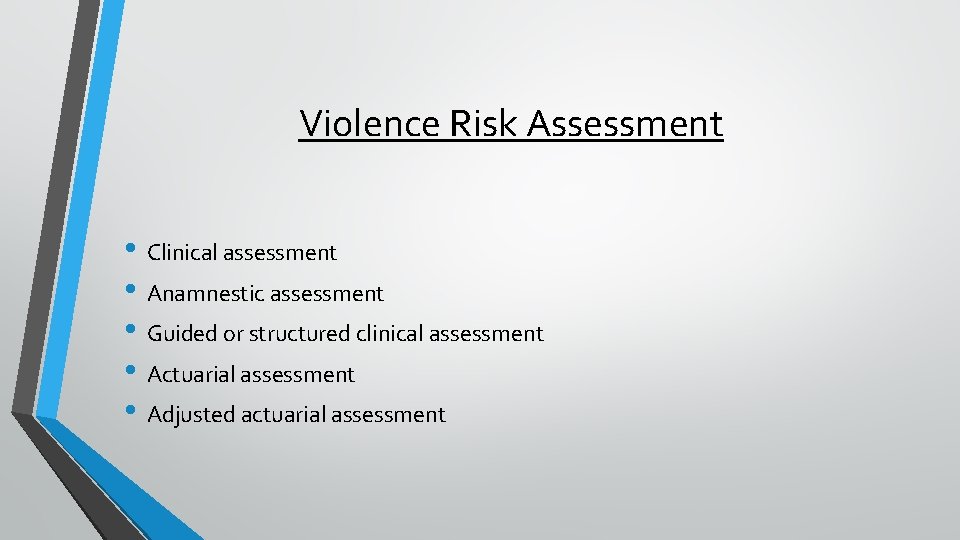
Violence Risk Assessment • Clinical assessment • Anamnestic assessment • Guided or structured clinical assessment • Actuarial assessment • Adjusted actuarial assessment
Violence Risk Assessment • Clinical risk assessment is the method historically utilized by mental health professionals. Test data, interview information, and history are gathered, combined, and processed by the clinician, who then offers his or her clinical impressions and judgments. It is a relatively unstructured approach by which the mental health professional gathers whatever information he or she believes to be relevant to the assessment and prediction task, and processes it in whatever way he or she considers appropriate. Given its very nature, the assessment process is considered to vary considerably among mental health professionals and this presumed lack of reliability is considered to limit the validity of this approach
Violence Risk Assessment • Anamnestic assessment is a specific type of clinical assessment whereby the examiner attempts to identify violence risk factors through a detailed examination of the individual’s history of violent and threatening behavior. Through clinical interview, review of third party information (e. g. , arrest reports, hospital accounts, reports of significant others), and perhaps psychological or other types of testing, the examiner tries to identify themes or commonalities across violence episodes that can be used to articulate risk or protective factors specific to the individual. This approach is likely to suffer from the same shortcomings as standard clinical assessment. It is general clinical assessment and anamnestic assessment that form the basis for most of the decisions on which the first generation violence research was conducted.
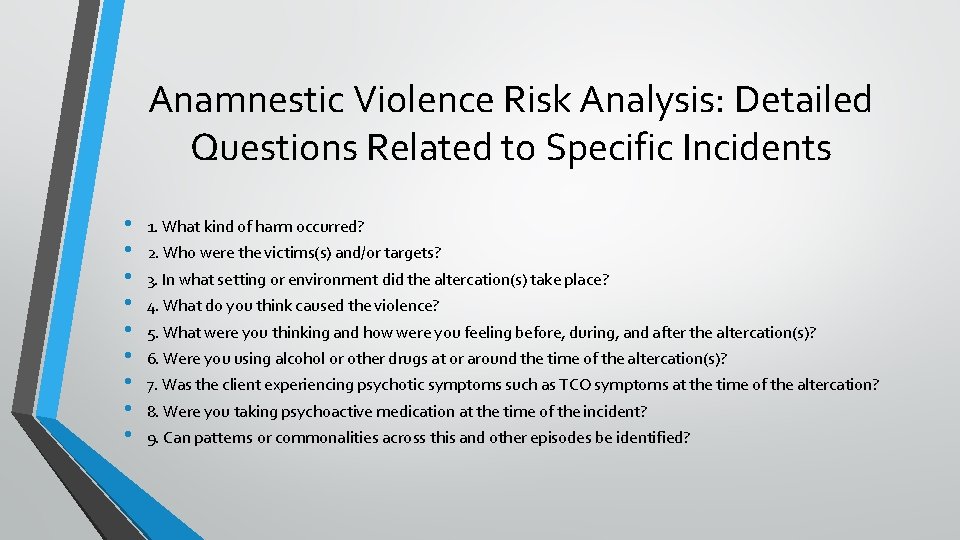
Anamnestic Violence Risk Analysis: Detailed Questions Related to Specific Incidents • • • 1. What kind of harm occurred? 2. Who were the victims(s) and/or targets? 3. In what setting or environment did the altercation(s) take place? 4. What do you think caused the violence? 5. What were you thinking and how were you feeling before, during, and after the altercation(s)? 6. Were you using alcohol or other drugs at or around the time of the altercation(s)? 7. Was the client experiencing psychotic symptoms such as TCO symptoms at the time of the altercation? 8. Were you taking psychoactive medication at the time of the incident? 9. Can patterns or commonalities across this and other episodes be identified?
Violence Risk Assessment • Guided clinical assessment requires that the data sought, considered, and processed by the clinician is specified “up front” and has been demonstrated to be related to violence risk. Thus, although clinical judgment is still involved, the data on which the judgments are based (1) have some predictive value and (2) should be uniform across examiners using this structured approach. Given that guided judgments based on structured assessments tend to be more accurate than those based on general clinical assessment, development and implementation of this type of assessment is significant
Violence Risk Assessment • Actuarial approaches to violence risk assessment exclude, or at least minimize, the role of judgment by the mental health professional. In this approach, data are gathered and entered into a pre existing equation. The data to be gathered or equation variables are empirically derived and accuracy and error rates are typically known. This process either excludes mental health professionals altogether or, at most, minimizes their involvement to gathering, quantifying, or classifying some of the information that is to be coded and entered into the equation. All of the “information processing, ” however, is done via the pre existing equation. Strengths of the actuarial approach include presumably high reliability and known error rates. A large number of studies to date suggest that actuarial formulas perform as well as or better than clinical judgment across a number of decisional tasks
Violence Risk Assessment • Most problematic about actuarial assessment is its limited availability. There are actuarial formula available for few psychological assessment tasks, something that makes this approach to assessment a sort of unkept promise with potential. Although there a few actuarial formula developed for assessing violence risk, they are most appropriately used with institutional populations who have criminal histories, and their utility with nonforensic, noncorrectional mental health populations in acute care settings is unknown.
Violence Risk Assessment • Adjusted Actuarial Approach uses an actuarial formula to set the assessment stage, but expert examiners can then adjust (or not adjust) the prediction/assessment after considering important case specific factors not considered by the actuarial formula. Proponents of the strict actuarial approach, however, note that adjusted actuarial predictions are typically less accurate, or are no more accurate, than pure actuarial predictions.
Violence Risk Assessment • Clinicians use a combined approach whereby they familiarize themselves with the empirical literature regarding risk factors for violent behavior and structure their inquiry and judgments around these factors. Use of a structured, guided clinical assessment, supplemented by an anamnestic analysis of the client’s violence history should form the basis of a comprehensive evaluation that assesses factors relevant to violence risk.
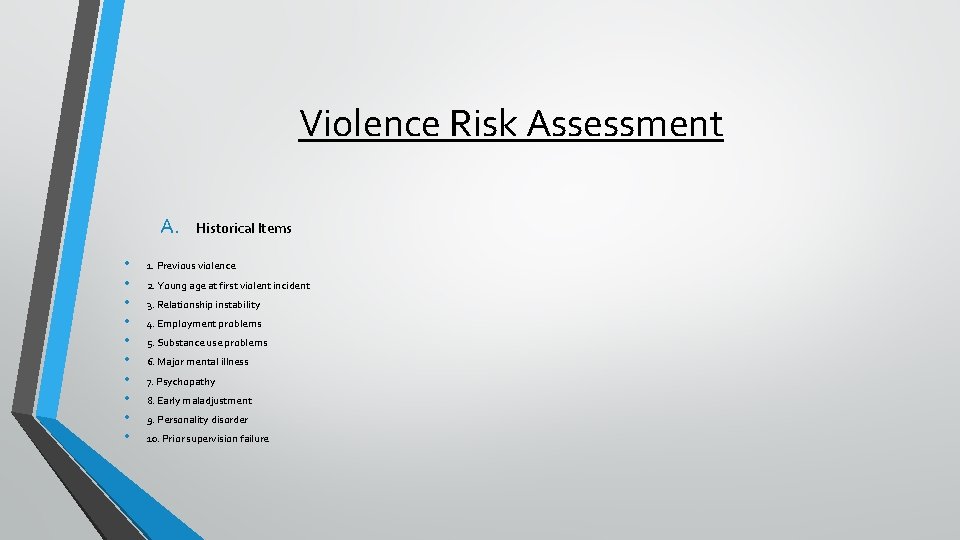
Violence Risk Assessment A. • • • Historical Items 1. Previous violence 2. Young age at first violent incident 3. Relationship instability 4. Employment problems 5. Substance use problems 6. Major mental illness 7. Psychopathy 8. Early maladjustment 9. Personality disorder 10. Prior supervision failure
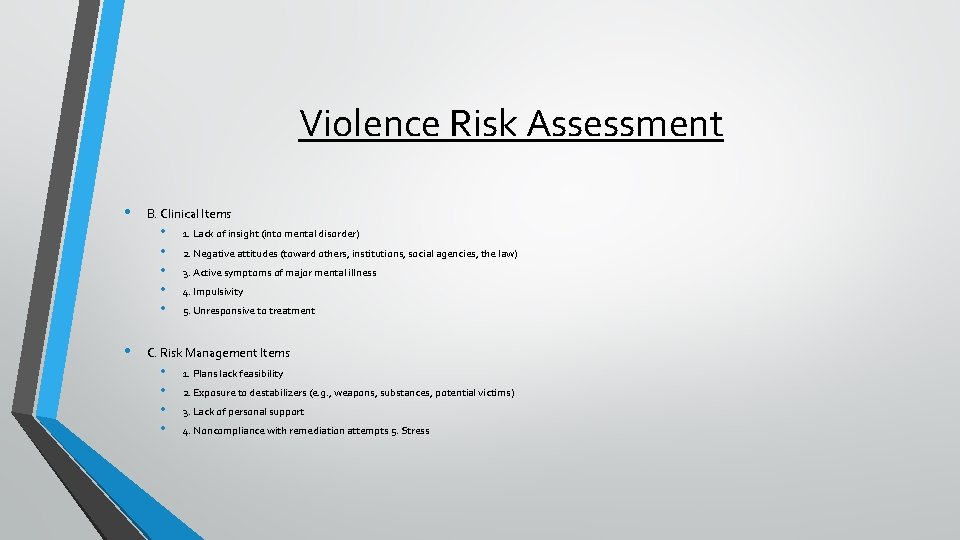
Violence Risk Assessment • B. Clinical Items • • • 1. Lack of insight (into mental disorder) 2. Negative attitudes (toward others, institutions, social agencies, the law) 3. Active symptoms of major mental illness 4. Impulsivity 5. Unresponsive to treatment C. Risk Management Items • • 1. Plans lack feasibility 2. Exposure to destabilizers (e. g. , weapons, substances, potential victims) 3. Lack of personal support 4. Noncompliance with remediation attempts 5. Stress
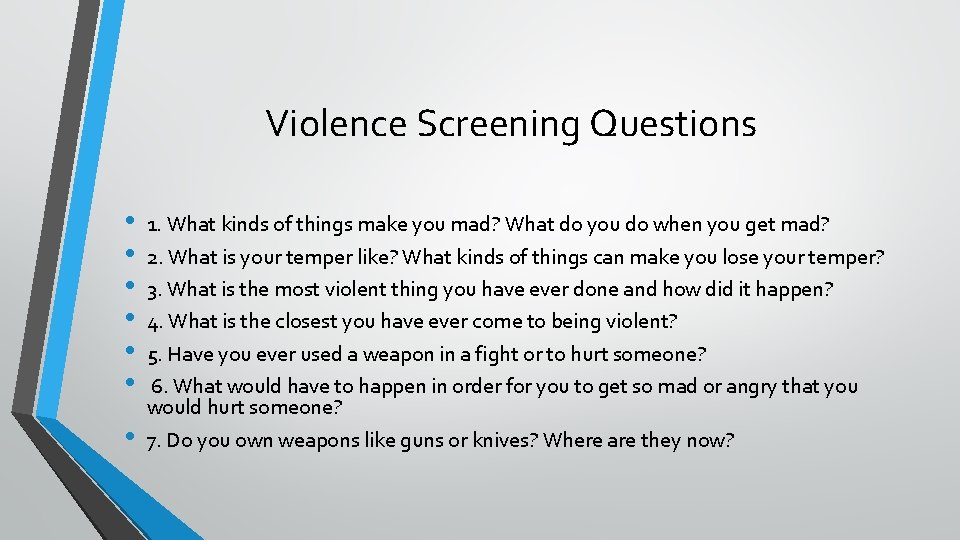
Violence Screening Questions • • 1. What kinds of things make you mad? What do you do when you get mad? 2. What is your temper like? What kinds of things can make you lose your temper? 3. What is the most violent thing you have ever done and how did it happen? 4. What is the closest you have ever come to being violent? 5. Have you ever used a weapon in a fight or to hurt someone? 6. What would have to happen in order for you to get so mad or angry that you would hurt someone? 7. Do you own weapons like guns or knives? Where are they now?
Assessment • History of violence. Individuals who have been arrested or acted violently in the past are more likely than others to become violent again. Much of the research suggests that this factor may be the largest single predictor of future violence. What these studies cannot reveal, however, is whether past violence was due to mental illness or some of the other factors explored below.
Assessment • Substance use. Patients with a dual diagnosis are more likely than patients with a psychiatric disorder alone to become violent, so a comprehensive assessment includes questions about substance use in addition to asking about symptoms of a psychiatric disorder. • One theory is that alcohol and drug abuse can trigger violent behavior in people with or without psychiatric disorders because these substances simultaneously impair judgment, change a person's emotional equilibrium, and remove cognitive inhibitions. In people with psychiatric disorders, substance abuse may exacerbate symptoms such as paranoia, grandiosity, or hostility. Patients who abuse drugs or alcohol are also less likely to adhere to treatment for a mental illness, and that can worsen psychiatric symptoms.
Assessment • Another theory, however, is that substance abuse may be masking, or entwined with, other risk factors for violence. A survey of 1, 410 patients with schizophrenia participating in the Clinical Antipsychotic Trials of Intervention Effectiveness (CATIE) study, for example, found that substance abuse and dependence increased risk of self reported violent behavior fourfold. But when the researchers adjusted for other factors, such as psychotic symptoms and conduct disorder during childhood, the impact of substance use was no longer significant.
Assessment • Personality disorders. Borderline personality disorder, antisocial personality disorder, conduct disorder, and other personality disorders often manifest in aggression or violence. When a personality disorder occurs in conjunction with another psychiatric disorder, the combination may also increase risk of violent behavior (as suggested by the CATIE study, above).
Assessment • Nature of symptoms. Patients with paranoid delusions, command hallucinations, and psychotic thoughts may be more likely to become violent than other patients. For clinicians, it is important to understand the patient's own perception of psychotic thoughts, because this may reveal when a patient may feel compelled to fight back.
Assessment • Age and gender. Young people are more likely than older adults to act violently. In addition, men are more likely than women to act violently. JP Counseling Healing for Adults, Youth and Families
Assessment • Social stress. People who are poor or homeless, or otherwise have a low socioeconomic status, are more likely than others to become violent.
Assessment • Personal stress, crisis, or loss. Unemployment, divorce, or separation in the past year increases a patient's risk of violence. People who were victims of violent crime in the past year are also more likely to assault someone.
Assessment • Early exposure. The risk of violence rises with exposure to aggressive family fights during childhood, physical abuse by a parent, or having a parent with a criminal record.
A Classification Tree Approach …. . JP Counseling Healing for Adults, Youth and Families
Victim Specificity and Victim Availability • Mothers living with adult children who suffered from schizophrenia and co occurring substance abuse were at significantly increased risk for violent victimization by their children • Increased risk included being an immediate family member, spending more time with the client, and being the family member of a financially dependent client
Target Hardening • • • Interventions focused on the potential victims of violence that are designed to increase their protection from or resilience to the client’s potential violence Warning or notification of identifiable, potential victims in cases in which a client is considered to present a violence risk Forewarned is forearmed Installation of alarm systems, increased security precautions, and assignment of security personnel (expensive and typically implemented for short periods of time in employment settings in response to specific threats) Cell phones have been provided to victims of domestic violence in order to give them better access to law enforcement protection. Such an intervention might provide some increased measure of protection in similar situations with persons with mental disorders Symptom monitoring and risk education with third parties who are potential victims may also be helpful in some cases
Adequate Treatment • The research suggests that adequate treatment of mental illness and substance abuse may help reduce rates of violence. • CATIE investigators analyzed rates of violence in patients who had earlier been randomly assigned to antipsychotic treatment. This study found that most patients with schizophrenia who took antipsychotics as prescribed were less likely to be violent than those who did not. An exception to this general trend occurred in participants who were diagnosed with a conduct disorder during childhood. •
Adequate Treatment • Medication treatment alone is unlikely to reduce risk of violence in people with mental illness. Interventions ideally should be long term and include a range of psychosocial approaches, including cognitive behavioral therapy, conflict management, and substance abuse treatment.
Adequate Treatment • Ideal treatment is increasingly difficult to achieve in the real world, given reductions in reimbursements for services, ever shorter hospital stays, poor discharge planning, fragmented care in the community, and lack of options for patients with COD • The Schizophrenia Patient Outcomes Research Team (PORT) guidelines, for example, outlined the type of multimodal treatment necessary to increase chances of full recovery. Most patients with schizophrenia do not receive the kind of care outlined in the PORT recommendations. Solutions to these challenges will arise not from clinicians, but from policy makers.
JP Counseling Healing for Adults, Youth and Families
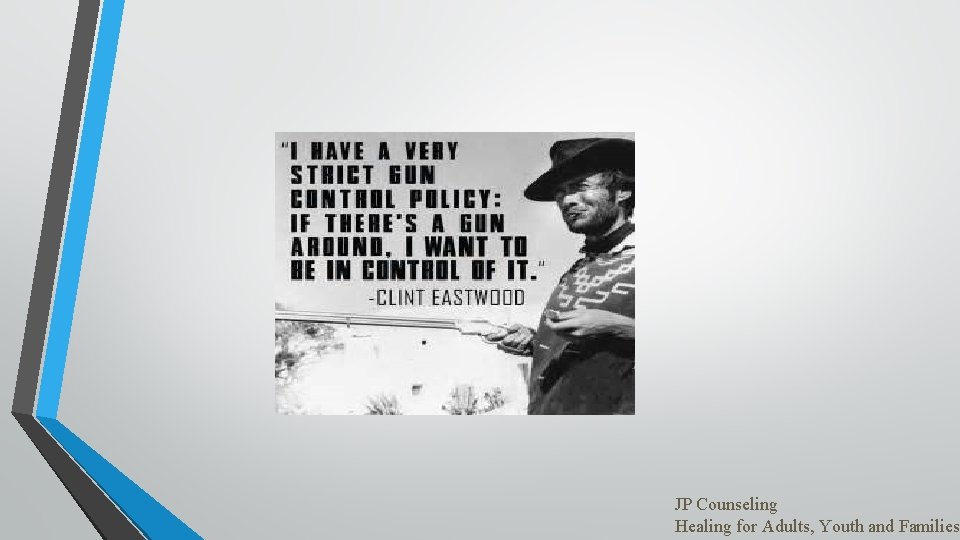
Gun Ownership • Blocking people with serious mental illnesses from buying guns works but doesn’t have a huge impact. Adding the mental health records only prevented an estimated 14 violent crimes a year, or less than one half of 1 percent of a state's overall violent crime. • The people who were actually disqualified from buying guns were only 7 percent of the study population of people with serious mental illness ― and only a very, very small proportion of people at risk of engaging in violent crime. • It's like if you had a vaccine that was going to work against a particular public health epidemic, but only 7 percent of the people got the vaccine. It might work great for them, but it's not going to affect the epidemic.
Gun Ownership • Involuntary hospitalization may be a time where there are indicators of risk; that may be a time when firearms are removed ― at least temporarily ― with an opportunity for restoration of gun rights when the person no longer poses a public safety risk • There are lots of states when people are involuntarily detained for a 72 hour hold, never have a commitment hearing, and are not prohibited from firearms. People in that time frame, if guns were temporarily removed from them, that might have a big impact, particularly on suicide.
Gun Ownership • Connecticut, Indiana and Texas already have a dangerous person gun seizure law. With the gun violence restraining order idea, a judge would make that decision. There has to be evidence there. There is a constitutional right at stake.
Mental illness is a strong risk factor for suicide. It's not a strong risk factor for homicide. • Everyone has been through our National Mall and seen the Vietnam Memorial ― what a sobering sight it is to look at 58, 000 names, over a 10 year period of time, U. S. military deaths. But if we were to build a monument to commemorate all the people who died as a result of a gunshot in the last 10 years, we would need a monument five times bigger than the Vietnam Memorial. • If you were to back out all the risk associated with mental illness that's contributing to the 300, 000 people killed by gunshot wounds in the last ten years, you could probably reduce deaths by about 100, 000 people. Ninety five percent of the reduction would be from suicide. Only 5 percent would be from reducing homicide.
“I object to violence because when it appears to do good, the good is only temporary; the evil it does is permanent. ” • ― Mahatma Gandhi JP Counseling Healing for Adults, Youth and Families
- Slides: 135