
SUE COWLEYS POSITIVE BEHAVIOUR MANAGEMENT Welcome Youre in
SUE COWLEY’S POSITIVE BEHAVIOUR MANAGEMENT Welcome! You’re in the right place Please feel free to use the chat box to say hello and to share your name/phase The event will start at 4 pm
POSITIVE BEHAVIOUR MANAGEMENT Contact details: www. suecowley. co. uk sue@suecowley. co. uk @Sue_Cowley
KEY PRINCIPLES üBehaviour is a learning process not an end in itself: behaviour is about learning (for you and the children) üBe clear what you need – pre-empt issues and be proactive, rather than reactive üGive focus and energy to the children who are ‘doing the right thing’ – aim to build relationships üConsider behaviour as a form of communication that expresses a need – what is being communicated?
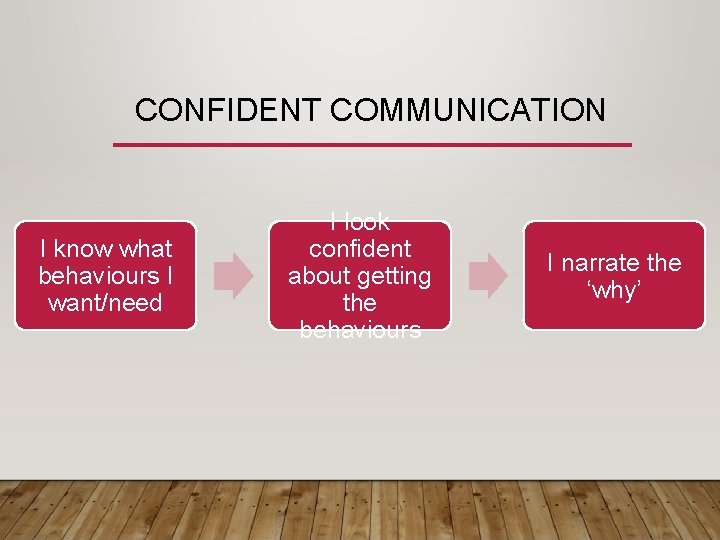
CONFIDENT COMMUNICATION I know what behaviours I want/need I look confident about getting the behaviours I narrate the ‘why’
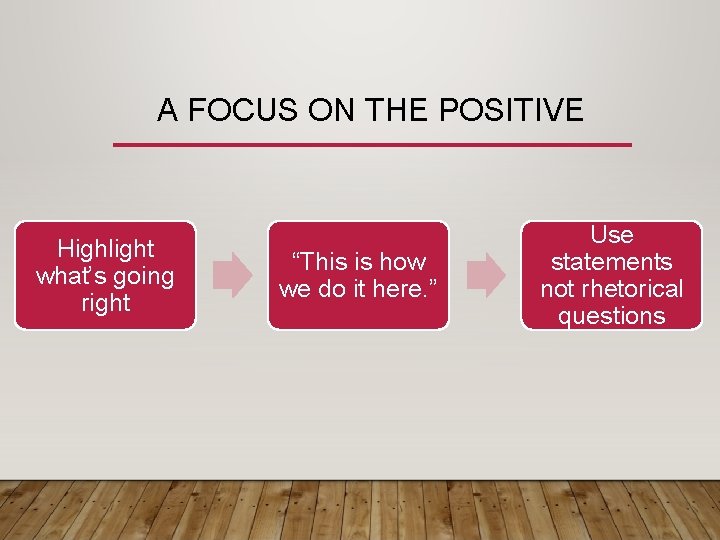
A FOCUS ON THE POSITIVE Highlight what’s going right “This is how we do it here. ” Use statements not rhetorical questions
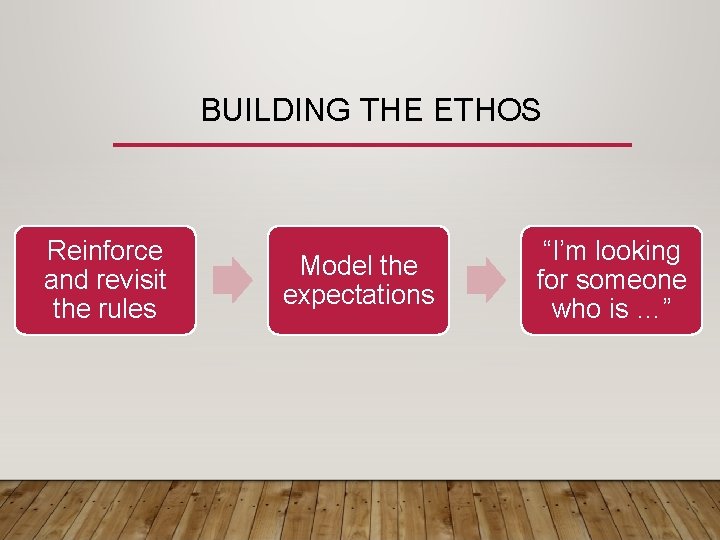
BUILDING THE ETHOS Reinforce and revisit the rules Model the expectations “I’m looking for someone who is …”
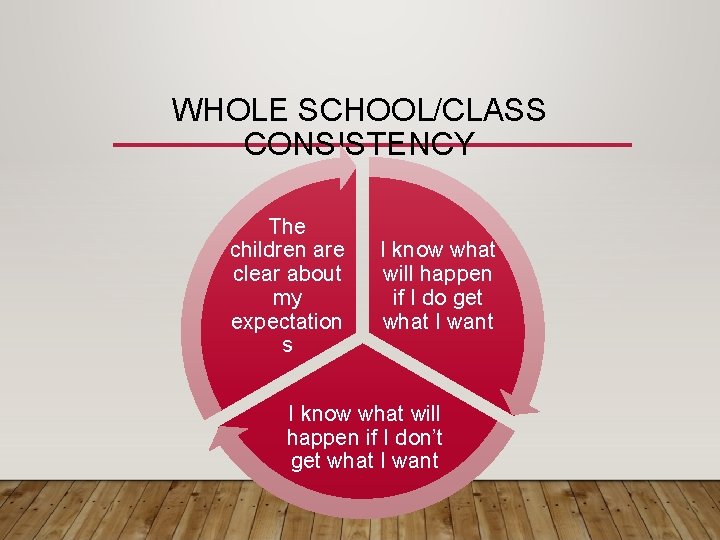
WHOLE SCHOOL/CLASS CONSISTENCY The children are clear about my expectation s I know what will happen if I do get what I want I know what will happen if I don’t get what I want
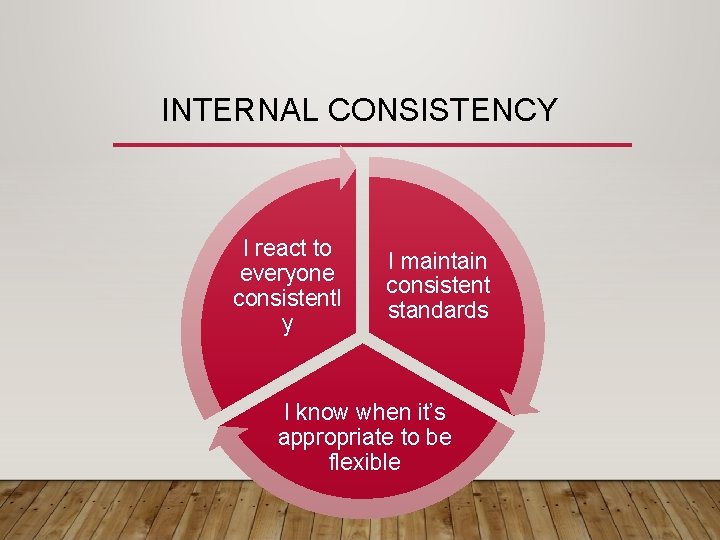
INTERNAL CONSISTENCY I react to everyone consistentl y I maintain consistent standards I know when it’s appropriate to be flexible
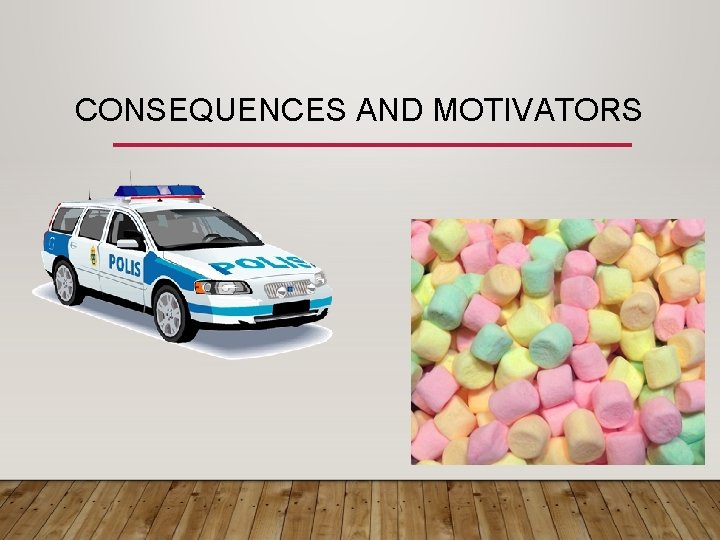
CONSEQUENCES AND MOTIVATORS
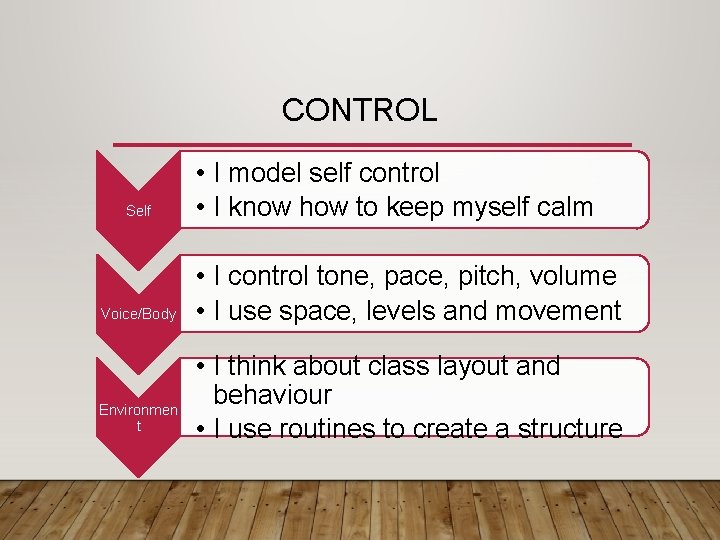
CONTROL Self Voice/Body Environmen t • I model self control • I know how to keep myself calm • I control tone, pace, pitch, volume • I use space, levels and movement • I think about class layout and behaviour • I use routines to create a structure
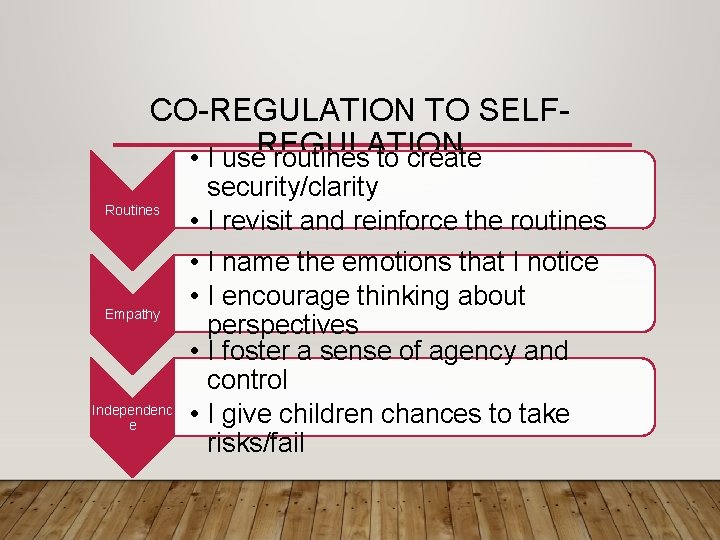
CO-REGULATION TO SELF • I use. REGULATION routines to create Routines Empathy • • Independenc e • security/clarity I revisit and reinforce the routines I name the emotions that I notice I encourage thinking about perspectives I foster a sense of agency and control I give children chances to take risks/fail
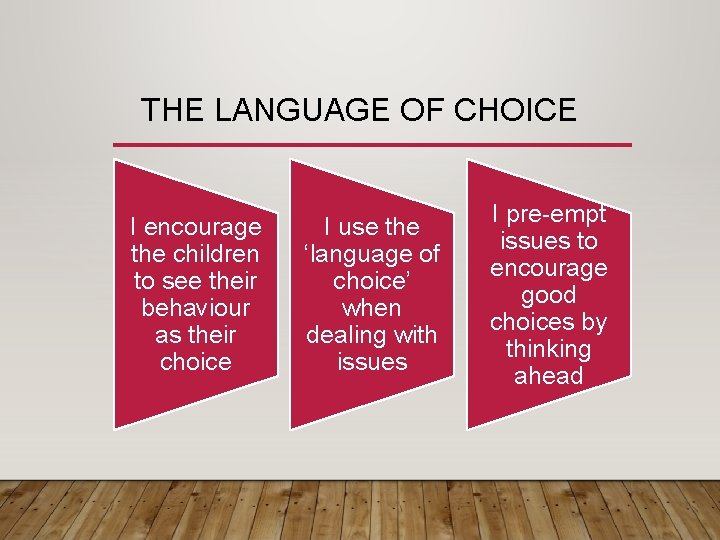
THE LANGUAGE OF CHOICE I encourage the children to see their behaviour as their choice I use the ‘language of choice’ when dealing with issues I pre-empt issues to encourage good choices by thinking ahead
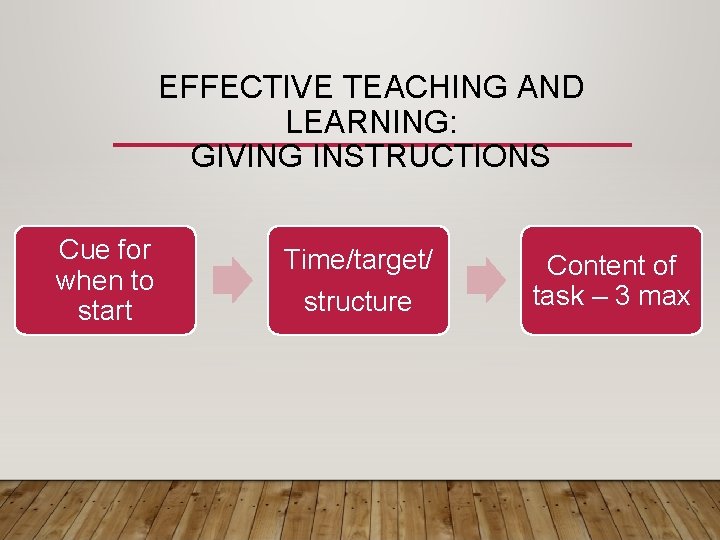
EFFECTIVE TEACHING AND LEARNING: GIVING INSTRUCTIONS Cue for when to start Time/target/ structure Content of task – 3 max
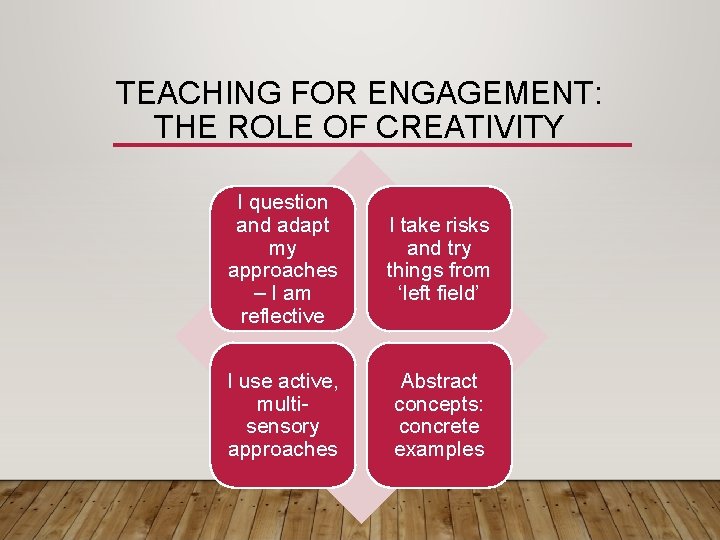
TEACHING FOR ENGAGEMENT: THE ROLE OF CREATIVITY I question and adapt my approaches – I am reflective I take risks and try things from ‘left field’ I use active, multisensory approaches Abstract concepts: concrete examples
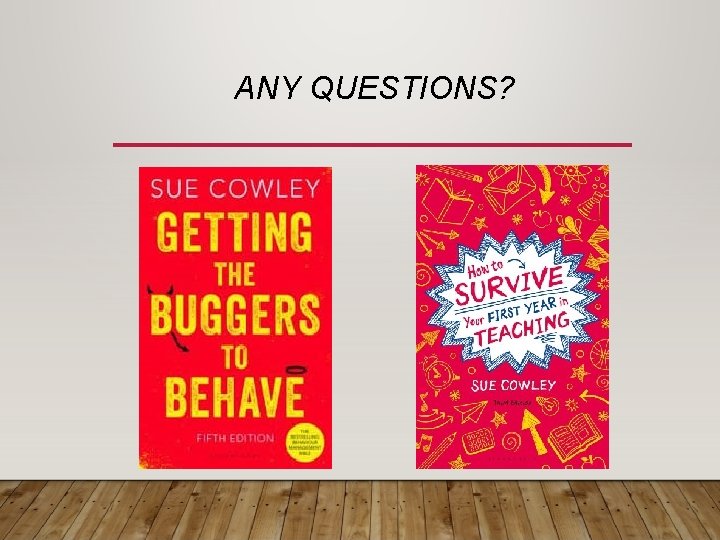
ANY QUESTIONS?
- Slides: 15