
Substance Abuse Addiction Kerry Herndon MSW LACE Western
Substance Abuse & Addiction Kerry Herndon, MSW, LAC-E Western Montana Addiction Services Project SUCCESS- Sentinel HS
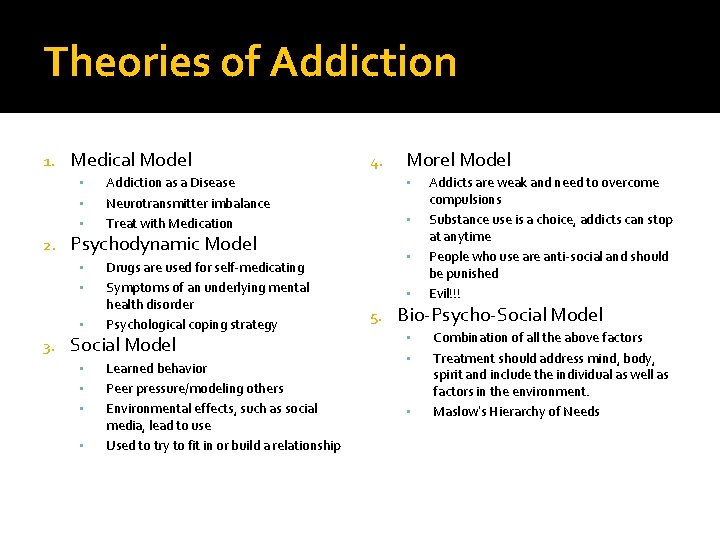
Theories of Addiction 1. Medical Model • • • 2. Addiction as a Disease Neurotransmitter imbalance Treat with Medication • • Drugs are used for self-medicating Symptoms of an underlying mental health disorder Psychological coping strategy Social Model • • Learned behavior Peer pressure/modeling others Environmental effects, such as social media, lead to use Used to try to fit in or build a relationship Morel Model • • Psychodynamic Model • 3. 4. • • 5. Addicts are weak and need to overcome compulsions Substance use is a choice, addicts can stop at anytime People who use are anti-social and should be punished Evil!!! Bio-Psycho-Social Model • • • Combination of all the above factors Treatment should address mind, body, spirit and include the individual as well as factors in the environment. Maslow’s Hierarchy of Needs
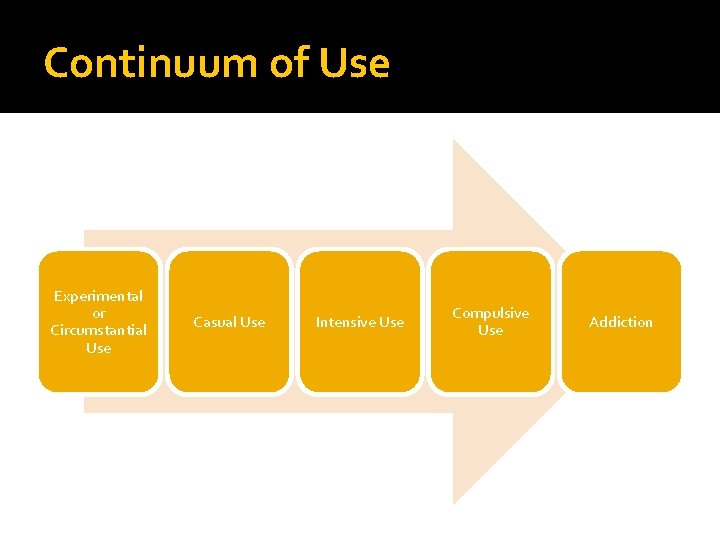
Continuum of Use Experimental or Circumstantial Use Casual Use Intensive Use Compulsive Use Addiction
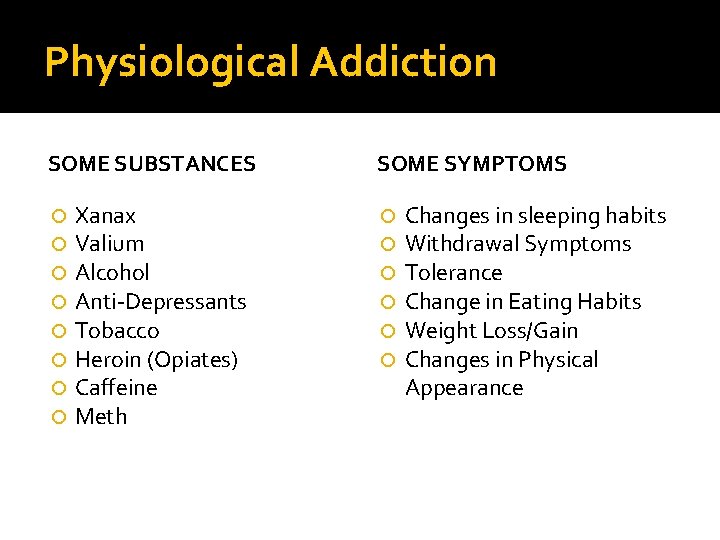
Physiological Addiction SOME SUBSTANCES Xanax Valium Alcohol Anti-Depressants Tobacco Heroin (Opiates) Caffeine Meth SOME SYMPTOMS Changes in sleeping habits Withdrawal Symptoms Tolerance Change in Eating Habits Weight Loss/Gain Changes in Physical Appearance
Psychological Addiction SOME EXAMPLES Cannabis/Marijuana Cocaine LSD Ecstasy/MDMA Sugar Eating Disorders Gambling Shopping Gaming Smart phones (? ? ) SOME SYMPTOMS Use to forget problems/relax Withdraw or Keep Secrets Loss of Interest in Activities Problems with School/Work Changes in Friends Spend a lot of time thinking about how to get the substance Stealing or Selling Belongings Failed attempts trying to quit Anxiety, Anger or Depression Mood Swings
Diagnosing Written questionnaires Personal interview with client Talking to others DO NOT LABLE OR DIAGNOSE YOUR FRIENDS
Substance Abuse Failure to fulfill major life obligations due to recurrent use: School Athletics Family Etc. Recurrent use in physically harmful or risky situations Recurrent substance related legal issues Continued use despite persistent or recurrent social or interpersonal problems caused or made worse by substance use
Chemical Dependency Tolerance Withdrawal Large amounts in shorter period than intended Increased desire to quit/ failed attempts to quit More time thinking about use Change in behaviors/ decreasing normal activities Continues despite consequences
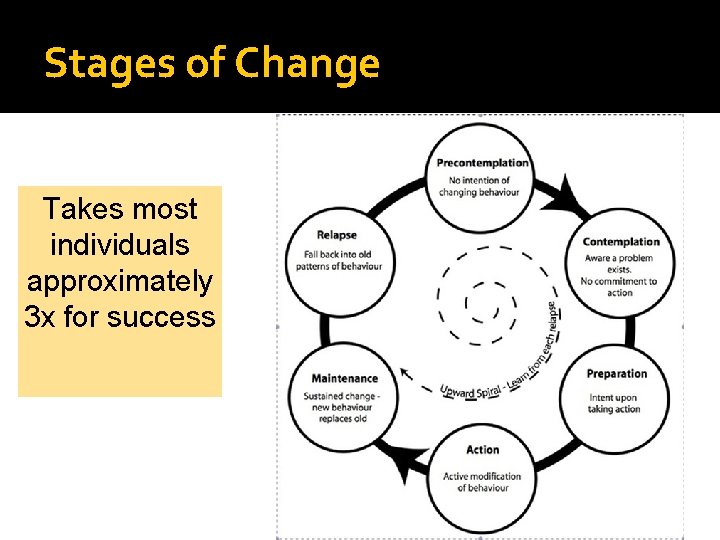
Stages of Change Takes most individuals approximately 3 x for success
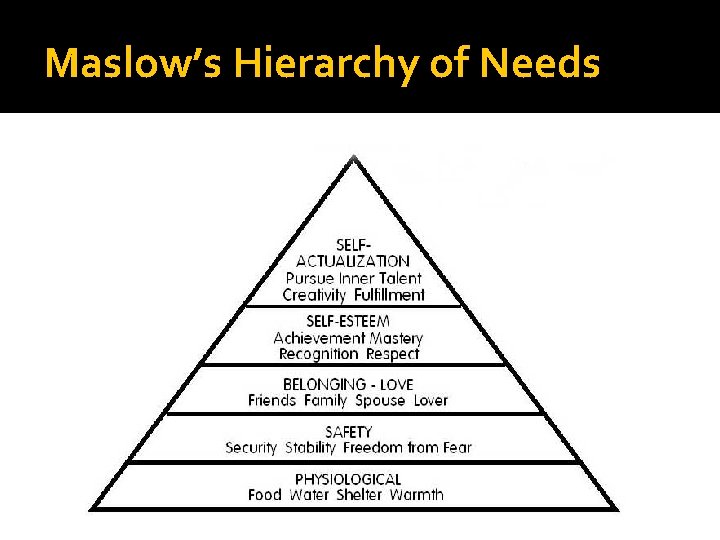
Maslow’s Hierarchy of Needs
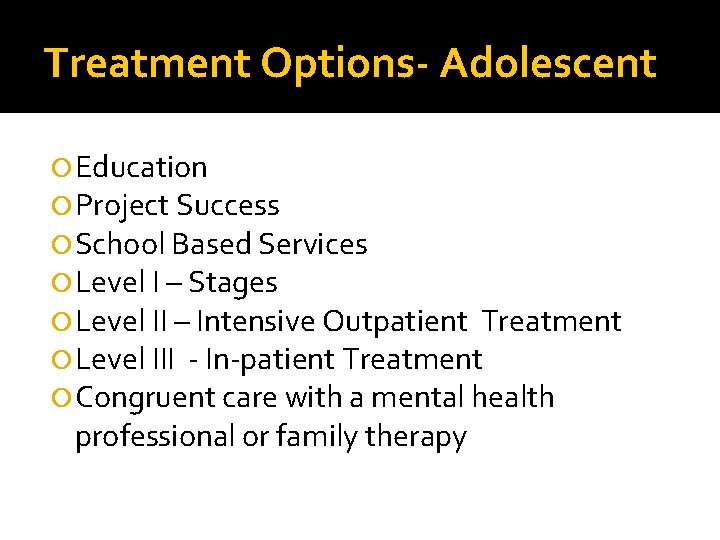
Treatment Options- Adolescent Education Project Success School Based Services Level I – Stages Level II – Intensive Outpatient Treatment Level III - In-patient Treatment Congruent care with a mental health professional or family therapy
Helping a Friend/Family Member Remember it is not your responsibility to fix them Remember that it is hard to admit that help is needed Remember it is not your fault that they use Remember that listening is better than giving advice Remember to seek help for yourself Remember to take care of yourself Remember you have resources to help See Project Success if you are concerned about a family member or friend
- Slides: 12