
Studying a Habitat Chapter 18 Studying a Habitat

Studying a Habitat Chapter 18
Studying a Habitat • A Habitat Study involves the stages: • Make a map of the habitat. • Measure and record the environmental factors. • Collect samples of animals and plants present. • Identify and list the plants and animals present. • Estimate the numbers of plants and animals present.
Making a Map • Map is birds eye view. • The map should include important features e. g. Walls, fences, ponds, large trees, hedges or paths. • Map should also include the scale and a legend.
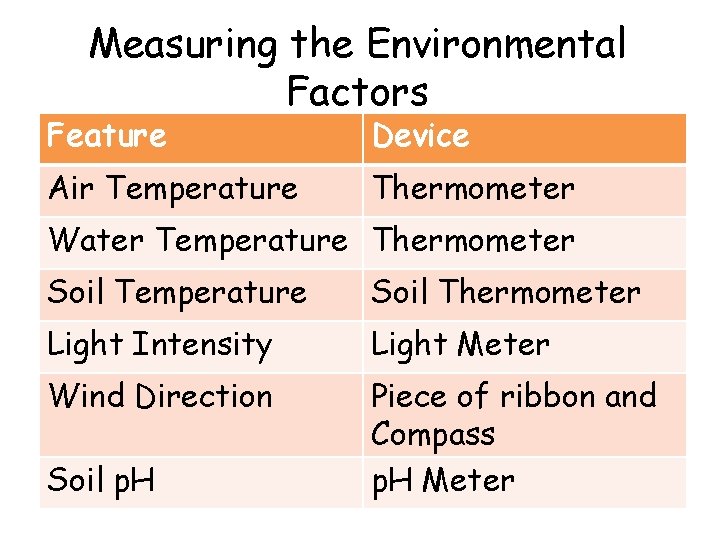
Measuring the Environmental Factors Feature Device Air Temperature Thermometer Water Temperature Thermometer Soil Temperature Soil Thermometer Light Intensity Light Meter Wind Direction Piece of ribbon and Compass p. H Meter Soil p. H
Identify the Organisms • Identifying organisms using can be done using: – A simple Key. – Photographs in reference books. • Identify plants by size, leaves, seeds, fruit, Flower type and colour.
Collecting Organisms • Plants can be collected using a knife or a small trowel. • Plants should be collected in plastic bags. • Bags should be labelled and the location of the specimen collected marked on the map.
Collecting Organisms • Collecting Animals. – Slow animals can be collected easily using a jar e. g. Slugs, snails and earthworms. • Special apparatus is used to collect fast moving animals.
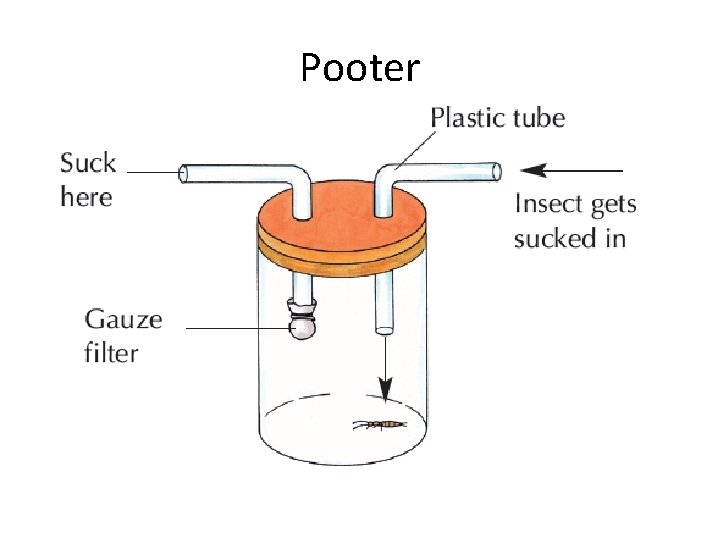
Pooter
Pooter • A pooter collects small animals and insects.
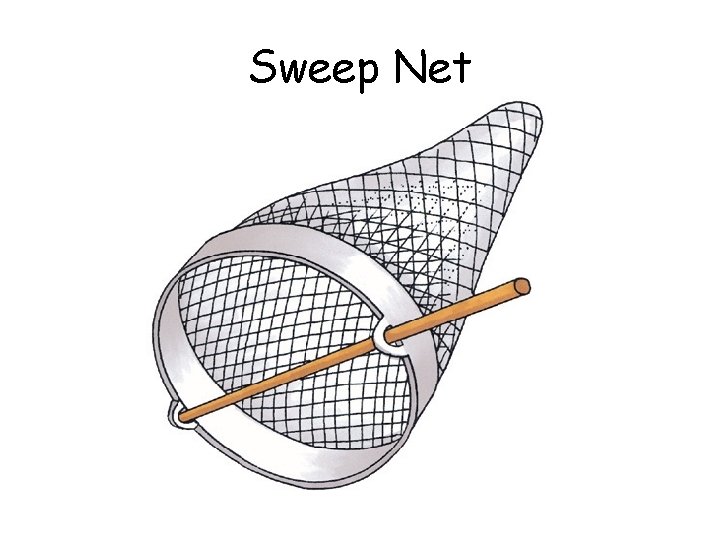
Sweep Net
Sweep Net • Swept through long grass or hedges. • Used to collect insects, caterpillars and beetles.
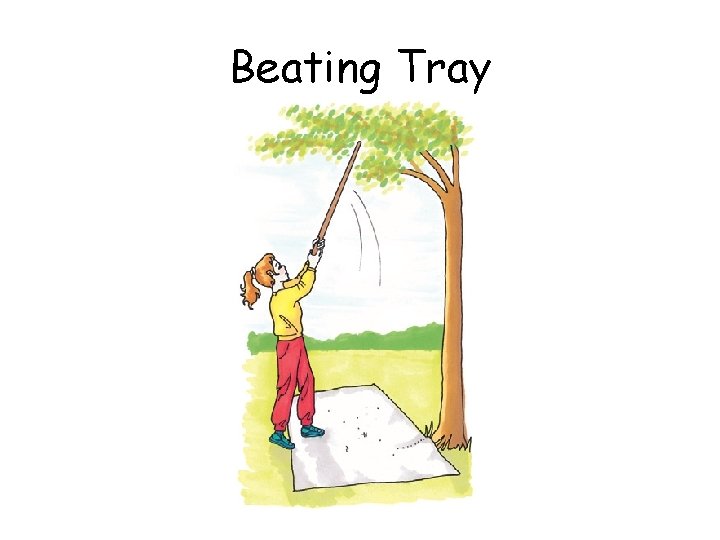
Beating Tray
Beating Tray The beating tray is placed under a branch or tree which is shaken or hit with a stick. Insects and other small animals fall on to the tray.
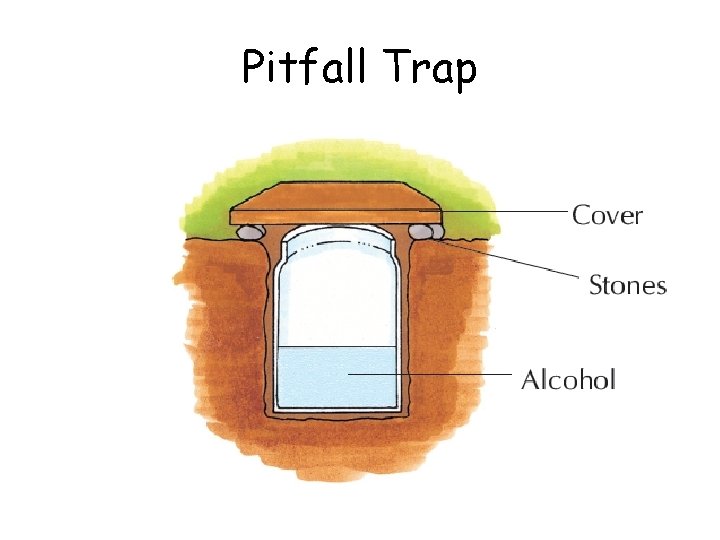
Pitfall Trap
Pitfall Trap • Placed in the ground overnight. • Collects small crawling animals e. g. Snail, woodlice, slug and beetles.
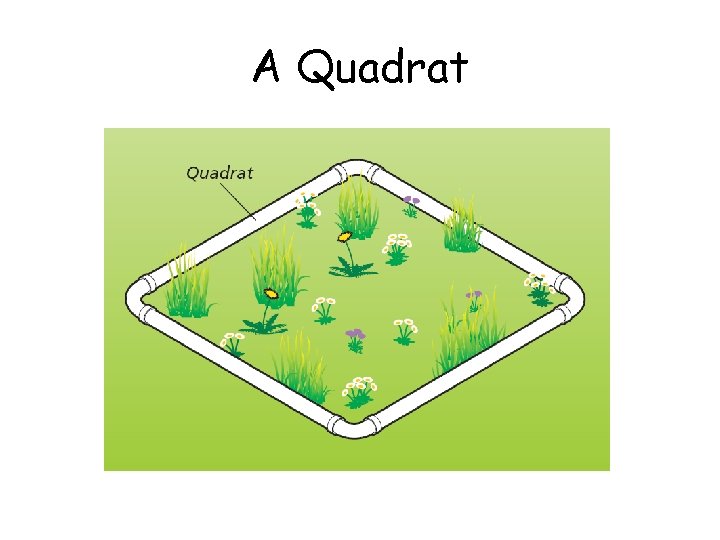
A Quadrat
Estimating the Number of Plants Present • Using a Quadrat? • Throw a small stone or pen over your shoulder. • Place the quadrat wherever the stone lands, this ensures the quadrat is placed at random in the habitat. . • Record all the names of plants in each quadrat.
Estimating the Number of Plants Present • Repeat this 10 times • Record the results. • Draw table pg 108
Line transect
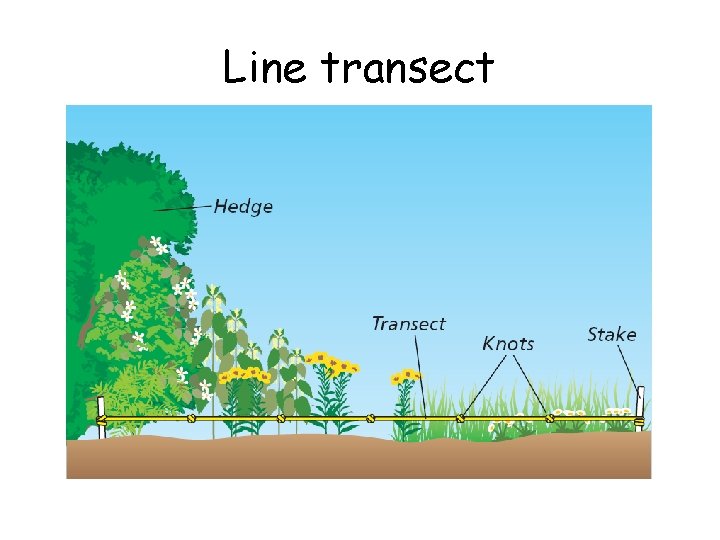
Line transect • A line transect is a piece of string marked at regular intervals. • The string is stretched out and pinned to the ground at both ends. • The names of plants under each knot is recorded.
- Slides: 20