
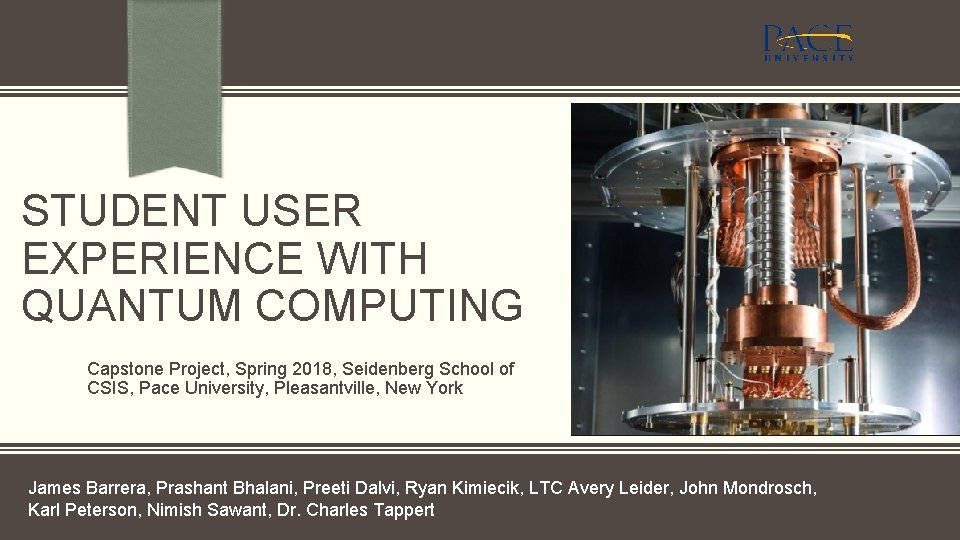
STUDENT USER EXPERIENCE WITH QUANTUM COMPUTING Capstone Project
![References [1] C. G. Almudever, L. Lao, X. Fu, N. Khammassi, I. Ashraf, D.](https://slidetodoc.com/presentation_image_h/360810214510478f6f8509b3ec3877ca/image-23.jpg "References [1] C. G. Almudever, L. Lao, X. Fu, N. Khammassi, I. Ashraf, D.")
![References [8] IBM, “QISKit Github Project” (online) https: //github. com/QISKit [9] IBM Q Experience](https://slidetodoc.com/presentation_image_h/360810214510478f6f8509b3ec3877ca/image-24.jpg "References [8] IBM, “QISKit Github Project” (online) https: //github. com/QISKit [9] IBM Q Experience")
- Slides: 24
STUDENT USER EXPERIENCE WITH QUANTUM COMPUTING Capstone Project, Spring 2018, Seidenberg School of CSIS, Pace University, Pleasantville, New York James Barrera, Prashant Bhalani, Preeti Dalvi, Ryan Kimiecik, LTC Avery Leider, John Mondrosch, Karl Peterson, Nimish Sawant, Dr. Charles Tappert
IV. METHODOLOGY
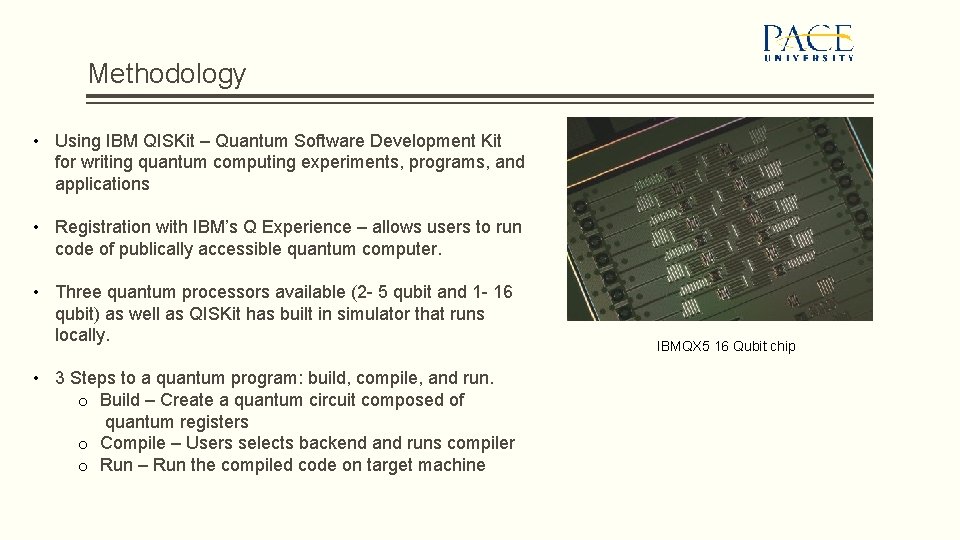
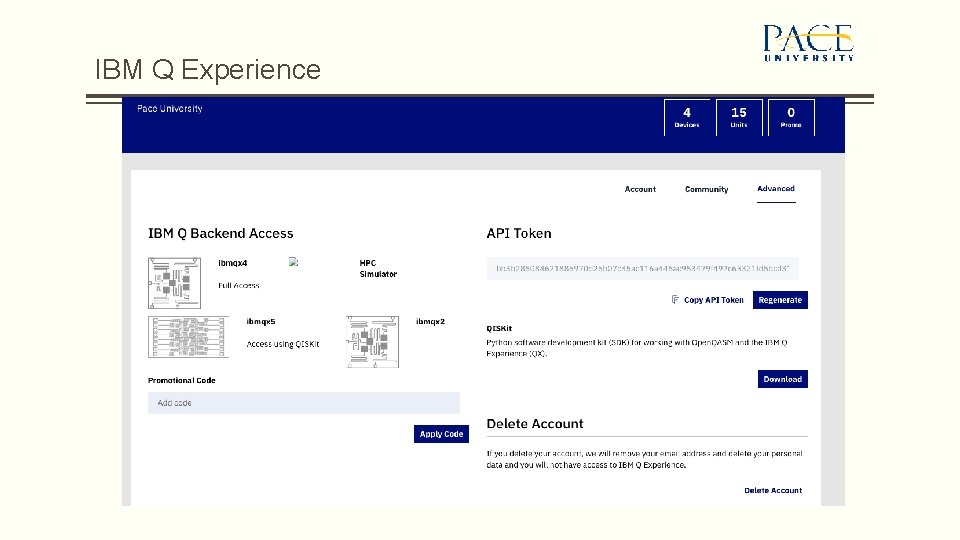
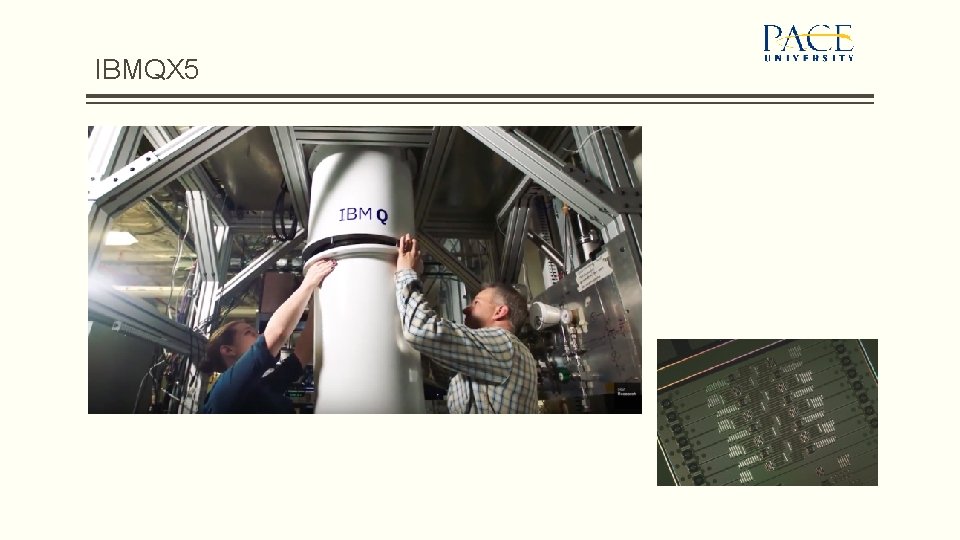
Methodology • Using IBM QISKit – Quantum Software Development Kit for writing quantum computing experiments, programs, and applications • Registration with IBM’s Q Experience – allows users to run code of publically accessible quantum computer. • Three quantum processors available (2 - 5 qubit and 1 - 16 qubit) as well as QISKit has built in simulator that runs locally. • 3 Steps to a quantum program: build, compile, and run. o Build – Create a quantum circuit composed of quantum registers o Compile – Users selects backend and runs compiler o Run – Run the compiled code on target machine IBMQX 5 16 Qubit chip
IBM Q Experience
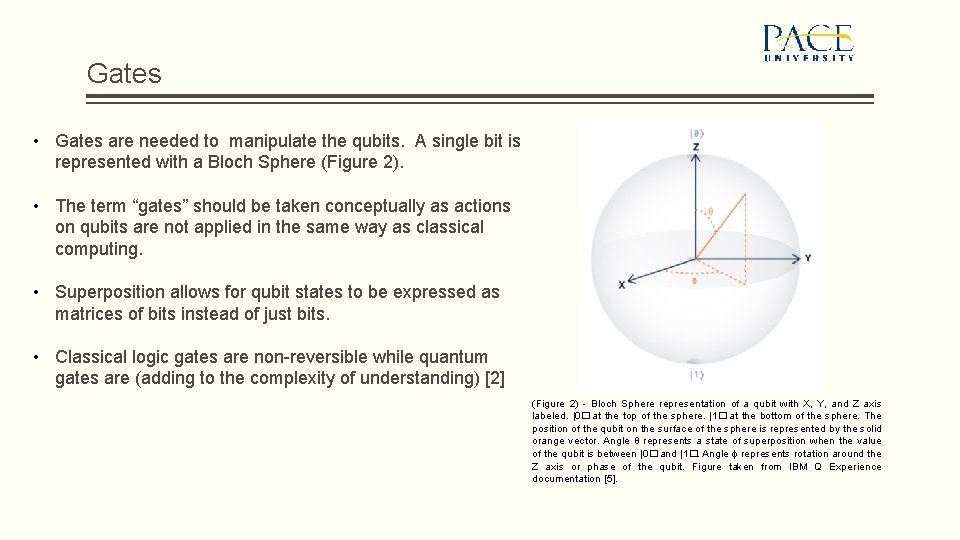
Gates • Gates are needed to manipulate the qubits. A single bit is represented with a Bloch Sphere (Figure 2). • The term “gates” should be taken conceptually as actions on qubits are not applied in the same way as classical computing. • Superposition allows for qubit states to be expressed as matrices of bits instead of just bits. • Classical logic gates are non-reversible while quantum gates are (adding to the complexity of understanding) [2] (Figure 2) - Bloch Sphere representation of a qubit with X, Y, and Z axis labeled. |0� at the top of the sphere. |1� at the bottom of the sphere. The position of the qubit on the surface of the sphere is represented by the solid orange vector. Angle θ represents a state of superposition when the value of the qubit is between |0� and |1�. Angle ϕ represents rotation around the Z axis or phase of the qubit. Figure taken from IBM Q Experience documentation [5].
V. PROGRAM I – QUANTUM WAR
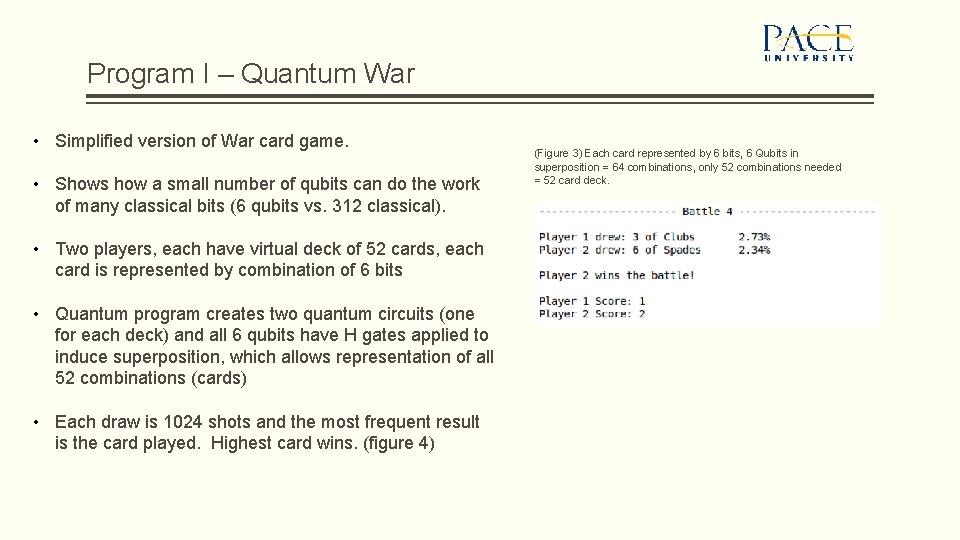
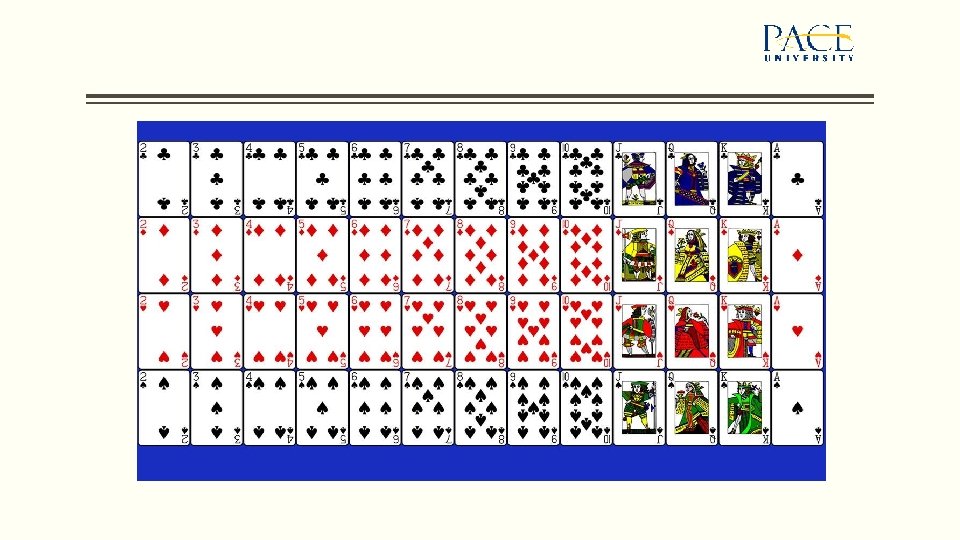
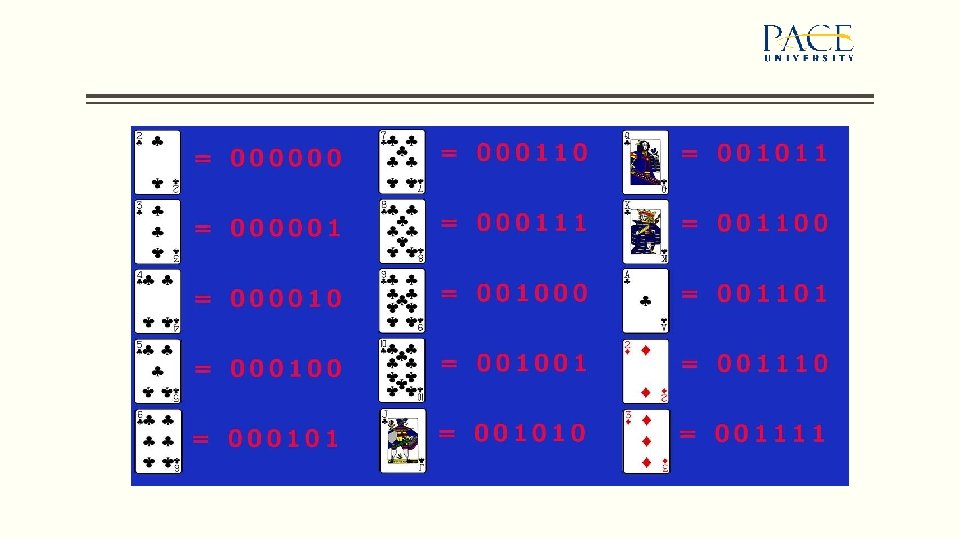
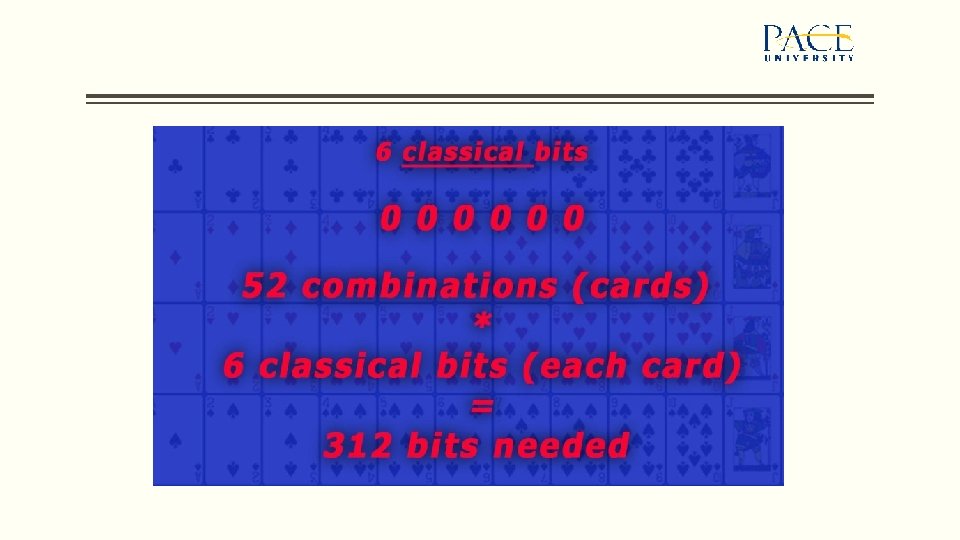
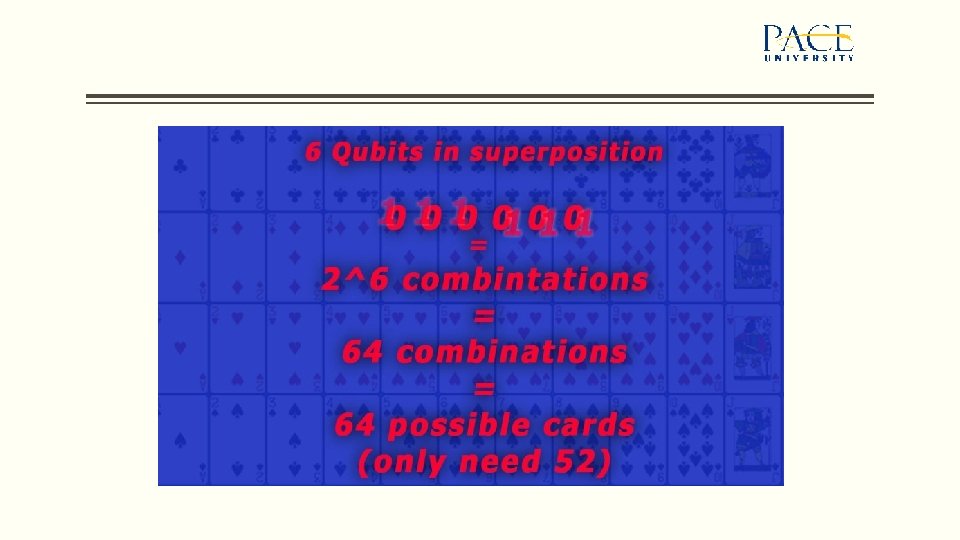
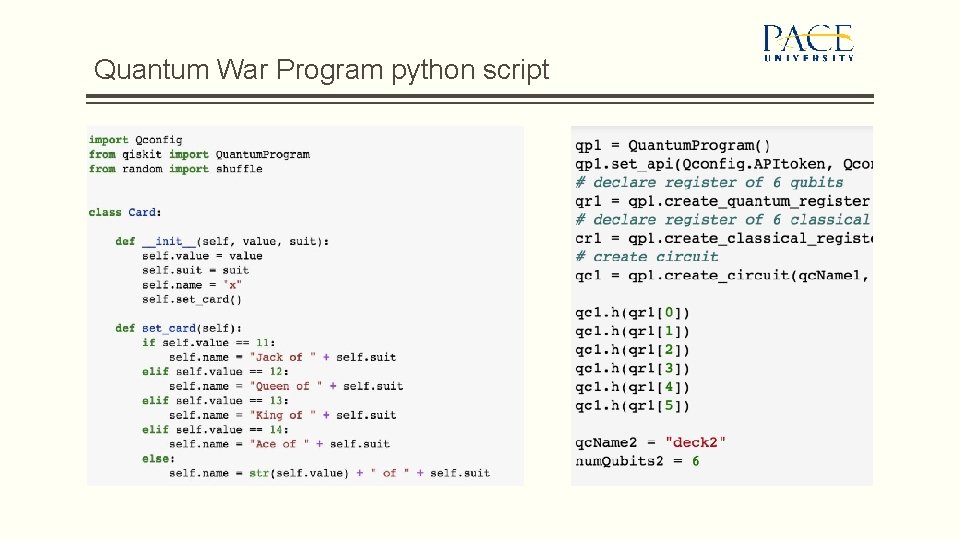
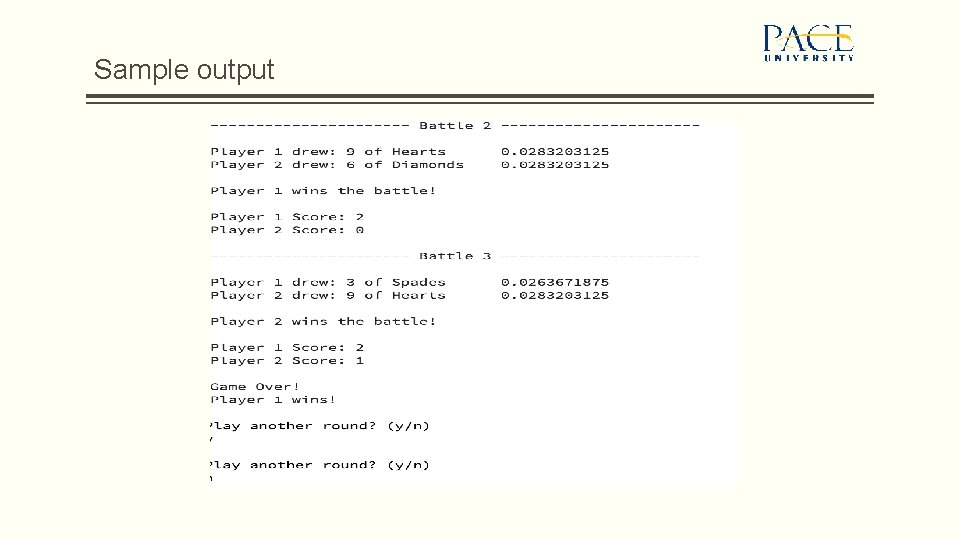
Program I – Quantum War • Simplified version of War card game. • Shows how a small number of qubits can do the work of many classical bits (6 qubits vs. 312 classical). • Two players, each have virtual deck of 52 cards, each card is represented by combination of 6 bits • Quantum program creates two quantum circuits (one for each deck) and all 6 qubits have H gates applied to induce superposition, which allows representation of all 52 combinations (cards) • Each draw is 1024 shots and the most frequent result is the card played. Highest card wins. (figure 4) (Figure 3) Each card represented by 6 bits, 6 Qubits in superposition = 64 combinations, only 52 combinations needed = 52 card deck.
Quantum War Program python script
Sample output
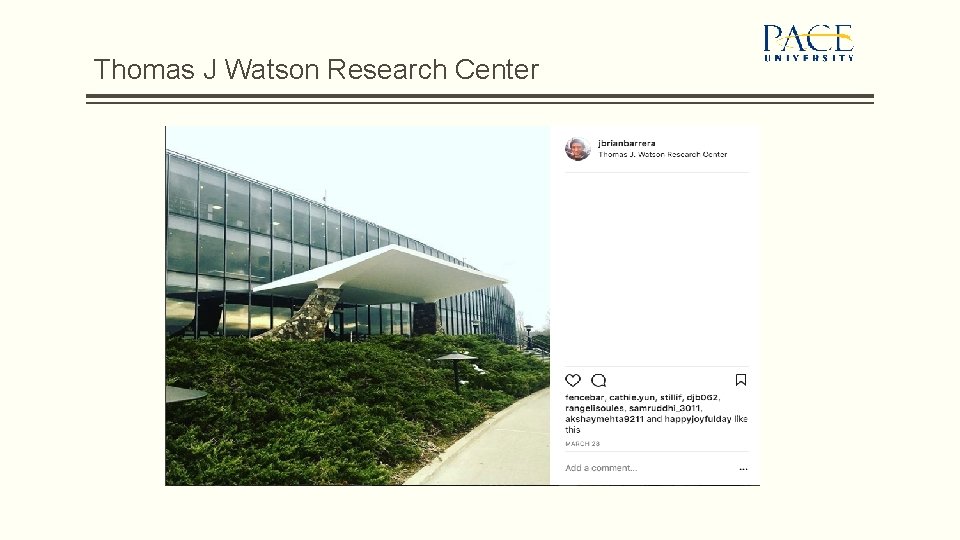
Thomas J Watson Research Center
IBMQX 5
VI. PROGRAM II – RANDOM PASSWORD GENERATOR
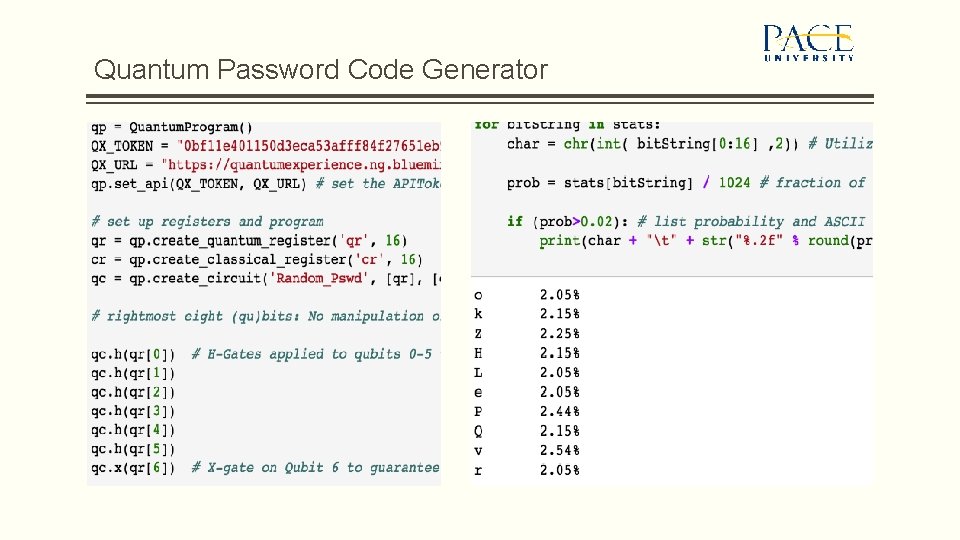
Quantum Password Code Generator
VIII. RESULTS / CONCLUSIONS
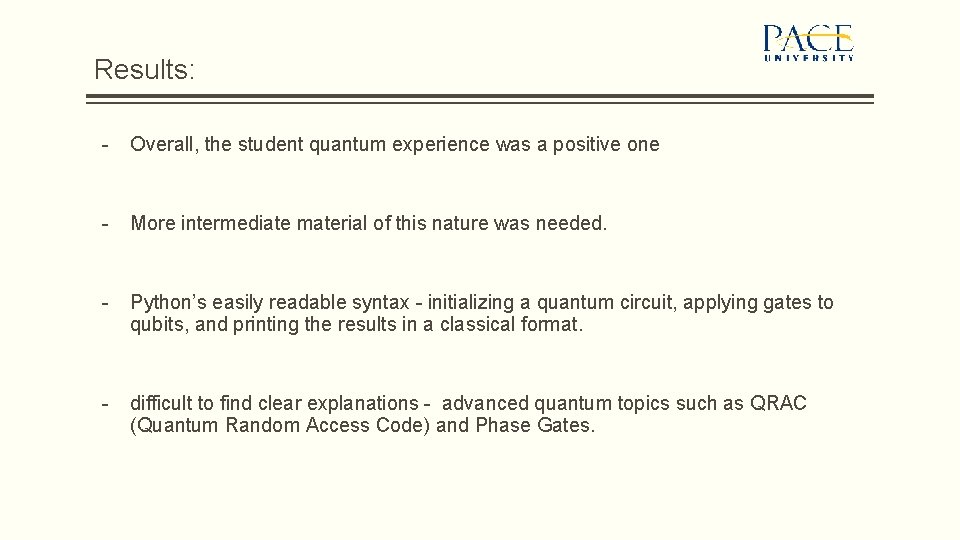
Results: - Overall, the student quantum experience was a positive one - More intermediate material of this nature was needed. - Python’s easily readable syntax - initializing a quantum circuit, applying gates to qubits, and printing the results in a classical format. - difficult to find clear explanations - advanced quantum topics such as QRAC (Quantum Random Access Code) and Phase Gates.
Lack of teaching resources -No tutorials or classes publicly available that teach Quantum computing programming -Only classes that teach quantum mechanics and theory -These were what led us to these 2 programs. For more complex ones we need more exposure.
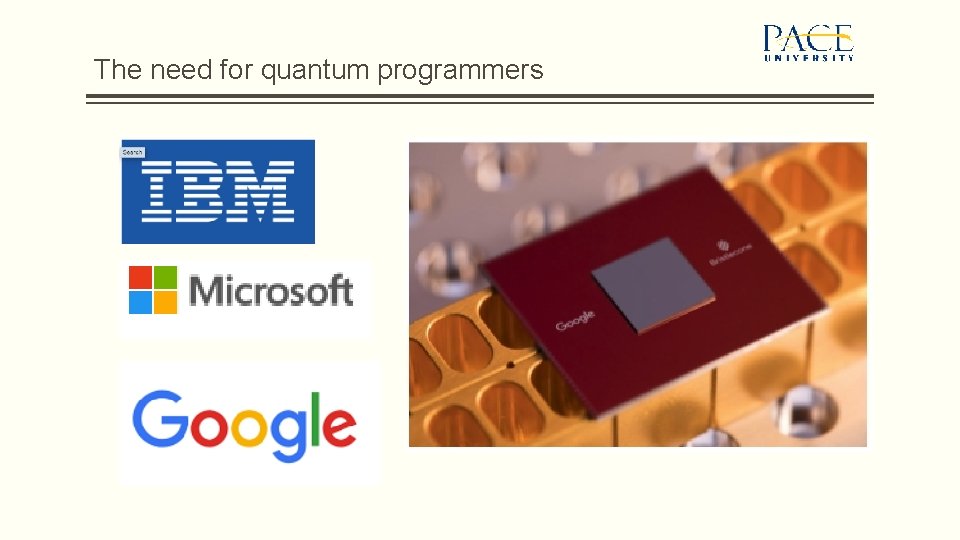
The need for quantum programmers
IX. REFERENCES
References [1] C. G. Almudever, L. Lao, X. Fu, N. Khammassi, I. Ashraf, D. Iorga, S. Varsamopoulos, C. Eichler, A. Wallraff, L. Geck, A. Kruth, J. Knoch, H. Bluhm, and K. Bertels, “The engineering challenges in quantum computing, ” Design, Automation & Test in Europe Conference & Exhibition (DATE), 2017. IEEE, pp. 836– 845, 2017. [2] A. Barenco, D. Deutsch, A. Ekert, and R. Jozsa, “Conditional quantum dynamics and logic gates, ” Phys. Rev. Lett. , vol. 74, no. 20, pp. 4083– 4086, 1995. [3] D. P. Di. Vincenzo and IBM, “The Physical Implementation of Quantum Computation, ” Fortschritte der Phys. , vol. 48, no. 9– 11, pp. 771– 783, 2000. [4] D-Wave Systems inc. “The D-Wave 2 X™ Quantum Computer Technology Overview” 2015 (online) https: //www. dwavesys. com/sites/default/files/D-Wave%202 X%20 Tech%20 Collateral_0915 F. pdf [5] A. Einstein, “Einstein's Proposal of the Photon Concept - a Translation of the Annalen der Physik Paper of 1905, ” American Journal of Physics, 1965, Vol. 33, Number 5, pp. 367 -374. [6] R. P. Feynman, “There’s plenty of room at the bottom: An invitation to enter a new field of physics, ” Eng. Sci. , vol. 23, pp. 22– 35, 1960. [7] “IBM Makes Quantum Computing Available on IBM Cloud to Accelerate Innovation”, 2016, (online) https: //www 03. ibm. com/press/us/en/pressrelease/49661. wss
References [8] IBM, “QISKit Github Project” (online) https: //github. com/QISKit [9] IBM Q Experience Documentation https: //quantumexperience. ng. bluemix. net/qx/tutorial? section. Id=beginners-guide&page=002 -Introduction~2 F 001 -Introduction [10] M. Kanellos “Moore’s Law to roll on for another decade” 2003 https: //www. cnet. com/news/moores-law-to-roll-on-for-another-decade/ [11] K. Kumar, N. A. Sharma, R. Prasad, A. Deo, M. T. Khorshed, M. Prasad, A. Dutt, and A. B. M. S. Ali, “A survey on quantum computing with main focus on the methods of implementation and commercialization gaps, ” 2015 2 nd Asia-Pacific World Congress on Computer Science and Engineering, APWC on CSE 2015. IEEE, 2016. [12] K. Y. Tan, M. Partanen, R. E. Lake, J. Govenius, S. Masuda, and M. Möttönen, “Quantum-circuit refrigerator, ” Nat. Commun. , vol. 8, p. 15189, 2017. [13] R. Van Meter and S. J. Devitt, "The Path to Scalable Distributed Quantum Computing, " in Computer, vol. 49, no. 9, pp. 31 -42, 2016. [14] M. M. Waldrop, “More Than Moore, ” Nature, vol. 530, no. 7589, pp. 144– 147, 2016.