
Stuart S Sumida Biology 342 Phylogeny of Basal
Stuart S. Sumida Biology 342 Phylogeny of Basal Amniota
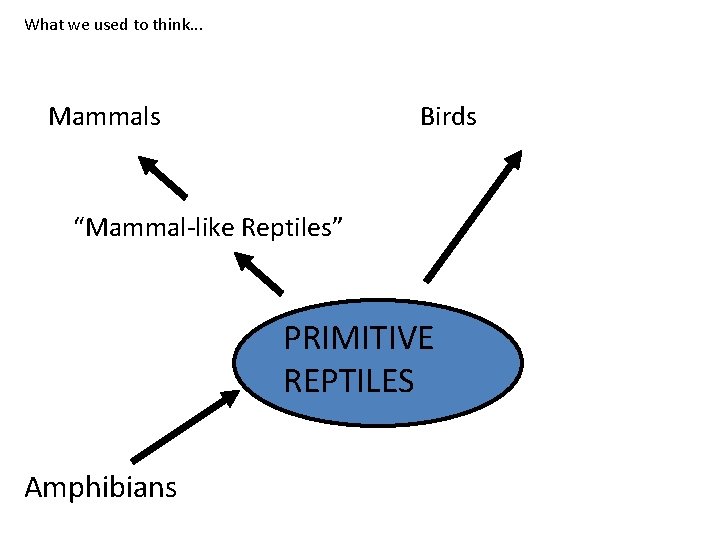
What we used to think. . . Mammals Birds “Mammal-like Reptiles” PRIMITIVE REPTILES Amphibians
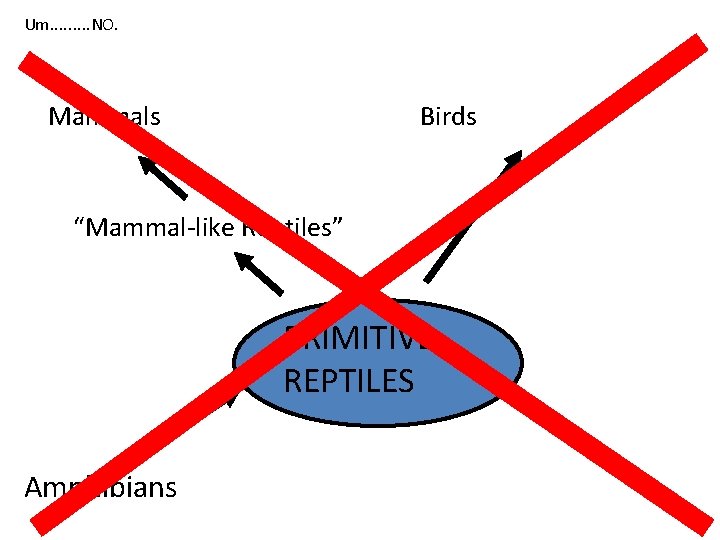
Um. . NO. Mammals Birds “Mammal-like Reptiles” PRIMITIVE REPTILES Amphibians

Panderichthyid Most Reptilia Sarcoptrygians Amphibians Diadectomorpha Synapsida (including Aves)
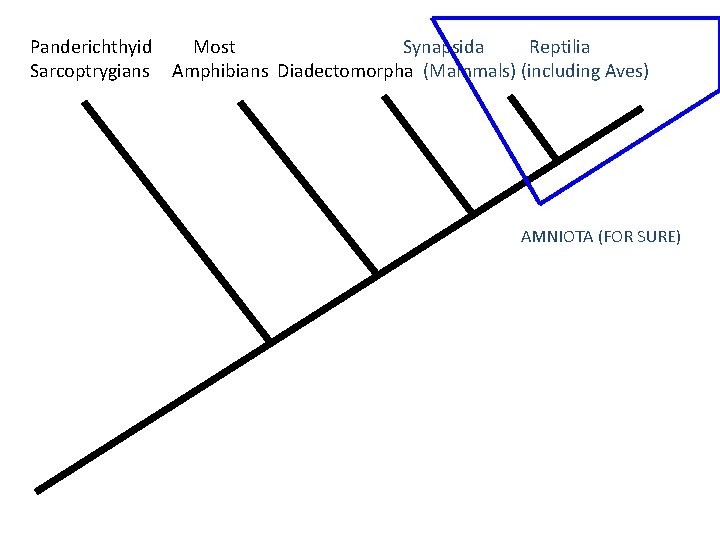
Panderichthyid Most Synapsida Reptilia Sarcoptrygians Amphibians Diadectomorpha (Mammals) (including Aves) AMNIOTA (FOR SURE)

Panderichthyid Most Synapsida Reptilia Sarcoptrygians Amphibians Diadectomorpha (Mammals) (including Aves) AMNIOTA (FOR SURE) Amniota?
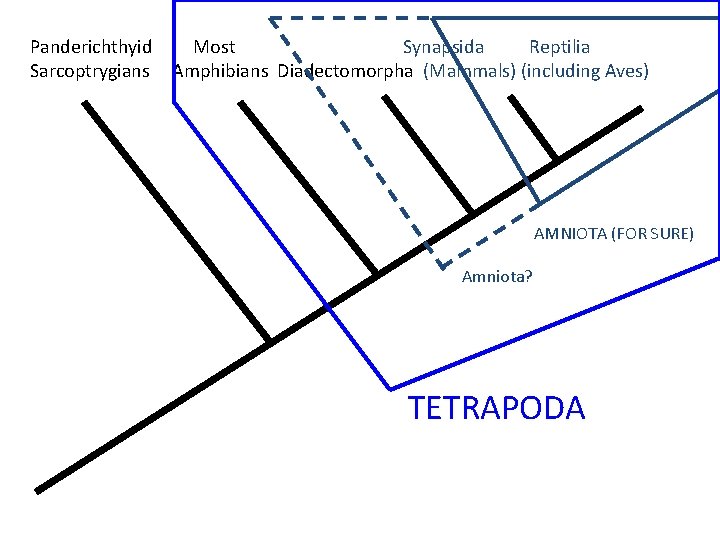
Panderichthyid Most Synapsida Reptilia Sarcoptrygians Amphibians Diadectomorpha (Mammals) (including Aves) AMNIOTA (FOR SURE) Amniota? TETRAPODA
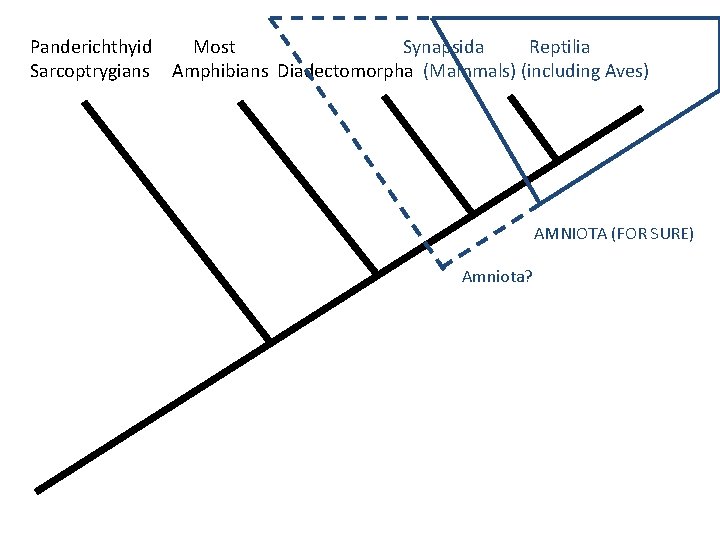
Panderichthyid Most Synapsida Reptilia Sarcoptrygians Amphibians Diadectomorpha (Mammals) (including Aves) AMNIOTA (FOR SURE) Amniota?

Other Sarcopterygians Panderichthyids Ichthyostegalia Dissorophoids Lissamphibia Sarcopterygii Tetrapoda Anthracosauria Seymouriamorpha Diadectomorpha The road to reptiles Amniota
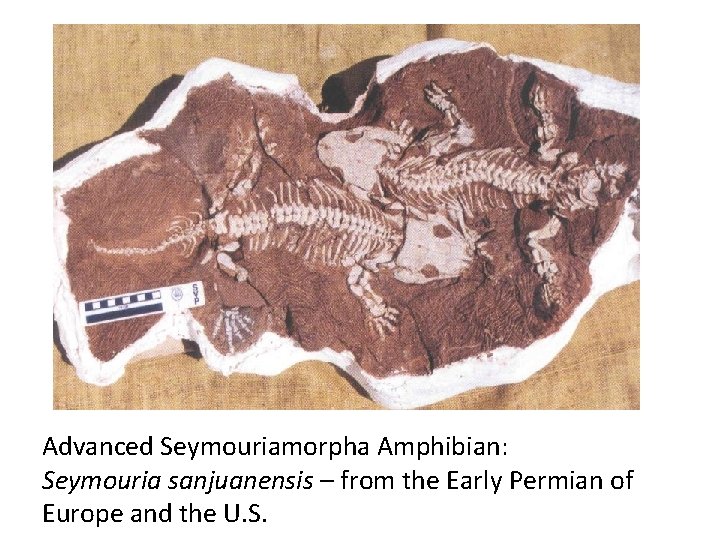
Advanced Seymouriamorpha Amphibian: Seymouria sanjuanensis – from the Early Permian of Europe and the U. S.
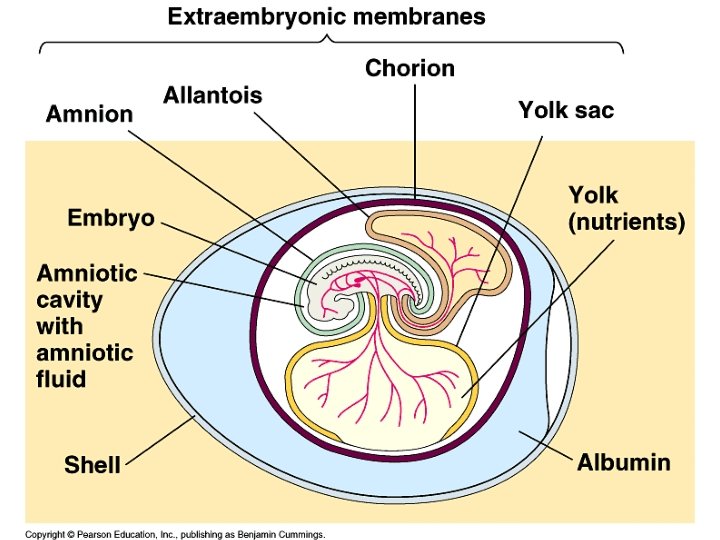
Amniotes: have four embryonic structures that reside outside the embryo to help it survive: • Amnion • Yolk sac • Chorion • Allantois
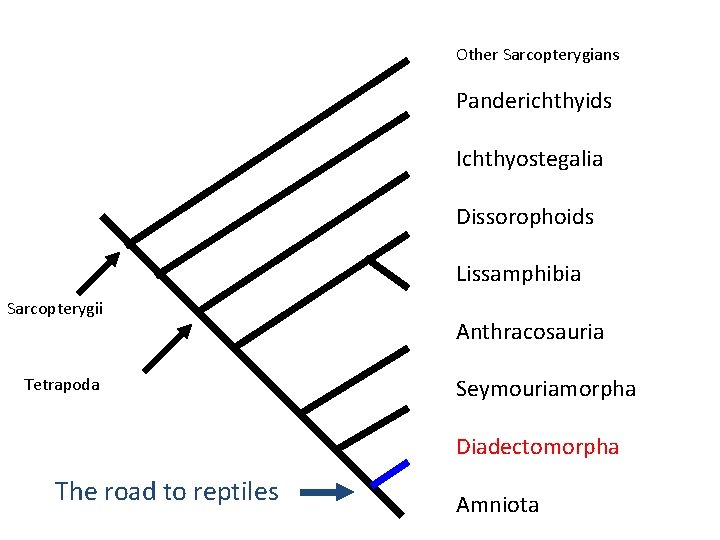
Other Sarcopterygians Panderichthyids Ichthyostegalia Dissorophoids Lissamphibia Sarcopterygii Tetrapoda Anthracosauria Seymouriamorpha Diadectomorpha The road to reptiles Amniota

Diadectomorpha: • No intertemporal bone like other amniotes • Very terrestrially adapted
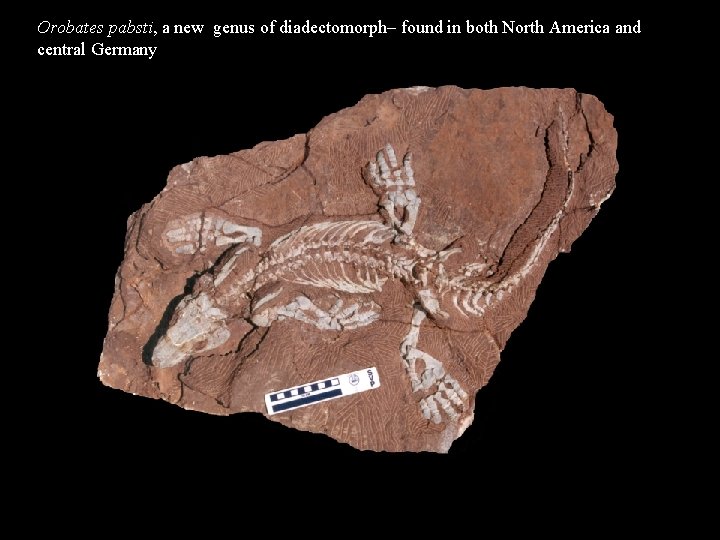
Orobates pabsti, a new genus of diadectomorph– found in both North America and central Germany

Orobates pabsti, a new genus of diadectomorph– found in both North America and central Germany 10 cm
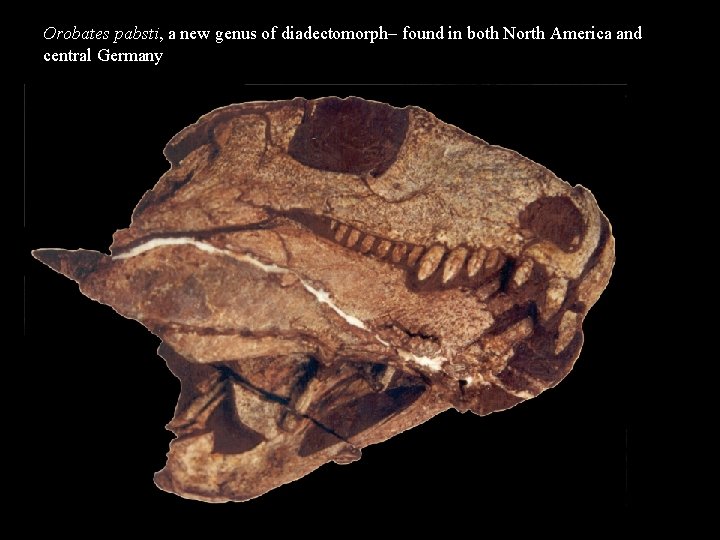
Orobates pabsti, a new genus of diadectomorph– found in both North America and central Germany 1 cm

Diadectes – this genus found in Utah, New Mexico, Texas, Oklahoma, and central Germany
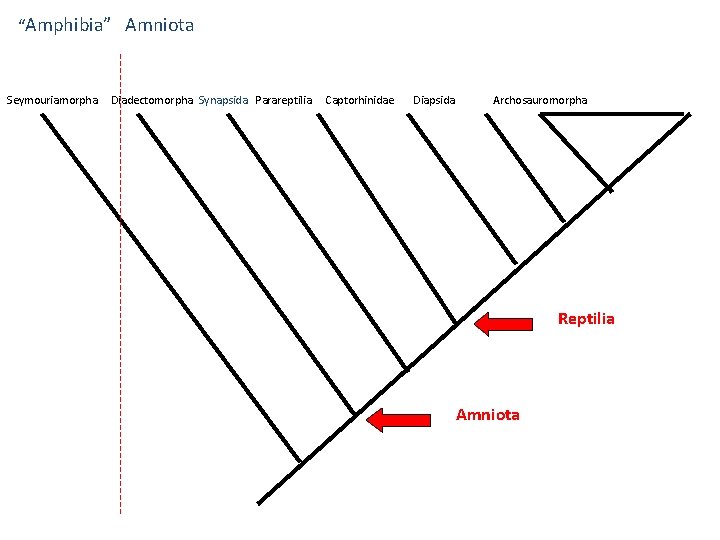
“Amphibia” Amniota Seymouriamorpha Diadectomorpha Synapsida Parareptilia Captorhinidae Diapsida Archosauromorpha Reptilia Amniota
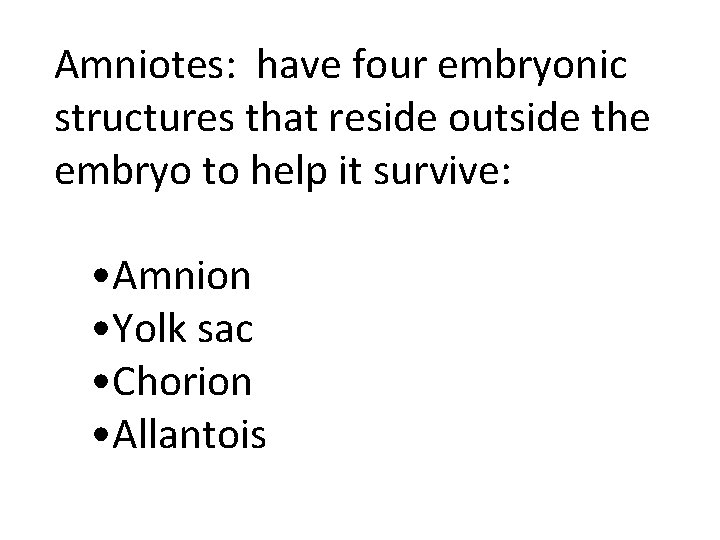
Amniotes: have four embryonic structures that reside outside the embryo to help it survive: • Amnion • Yolk sac • Chorion • Allantois
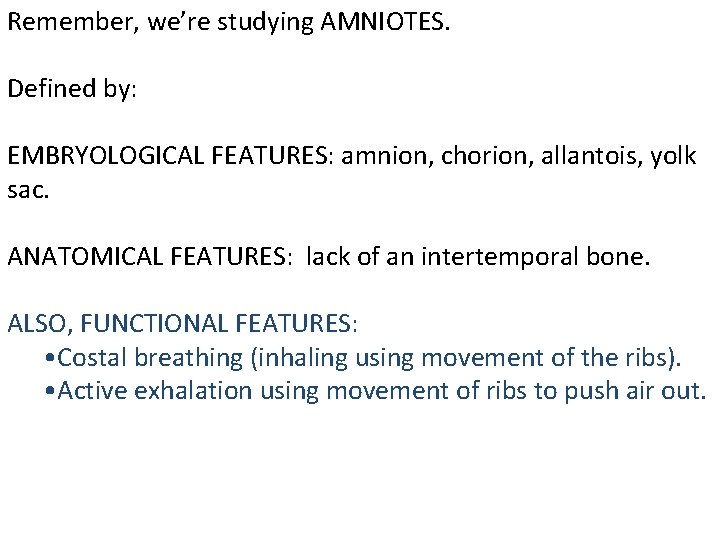
Remember, we’re studying AMNIOTES. Defined by: EMBRYOLOGICAL FEATURES: amnion, chorion, allantois, yolk sac. ANATOMICAL FEATURES: lack of an intertemporal bone. ALSO, FUNCTIONAL FEATURES: • Costal breathing (inhaling using movement of the ribs). • Active exhalation using movement of ribs to push air out.

“Amphibia” Amniota Seymouriamorpha Diadectomorpha Synapsida Parareptilia Captorhinidae Diapsida Archosauromorpha Reptilia Amniota
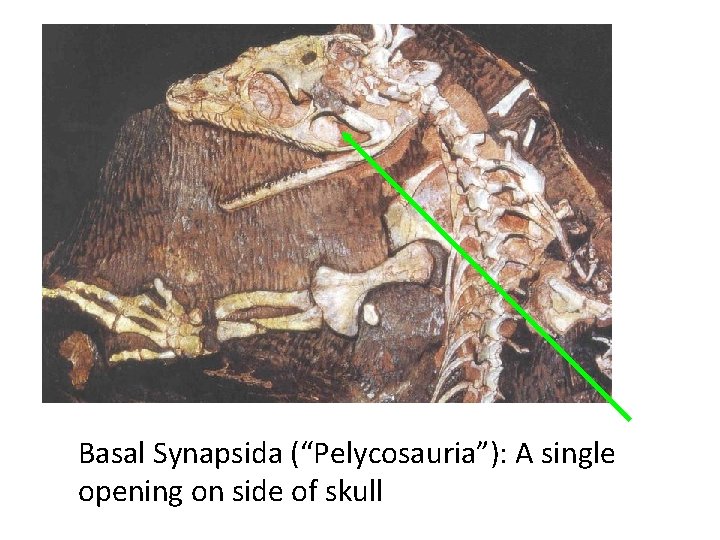
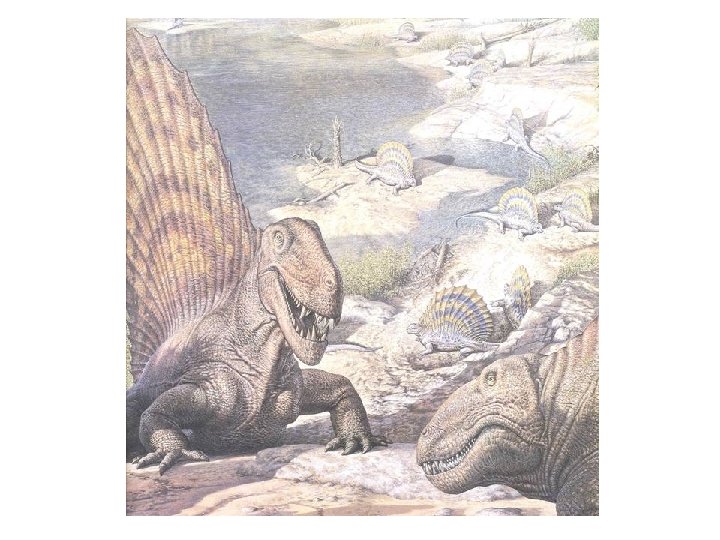
Basal Synapsida (“Pelycosauria”): A single opening on side of skull

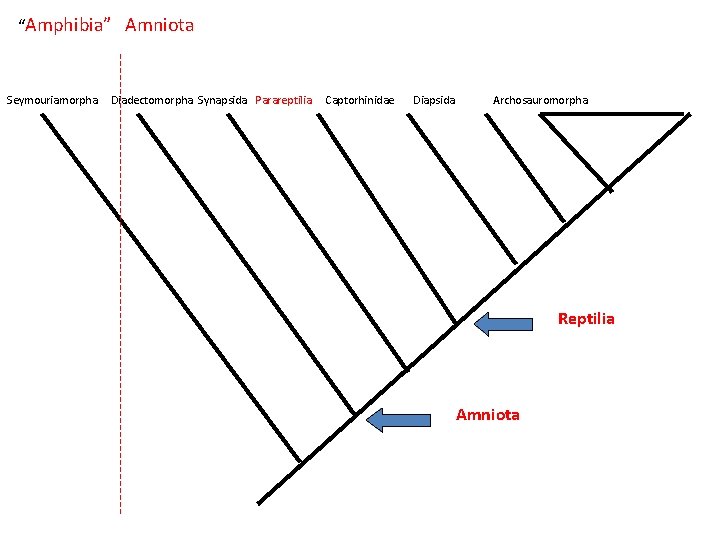
“Amphibia” Amniota Seymouriamorpha Diadectomorpha Synapsida Parareptilia Captorhinidae Diapsida Archosauromorpha Reptilia Amniota
PARAREPTILIA Includes: • Mesosauria • Bolosauridae • Procolophonia • Paraiesauria
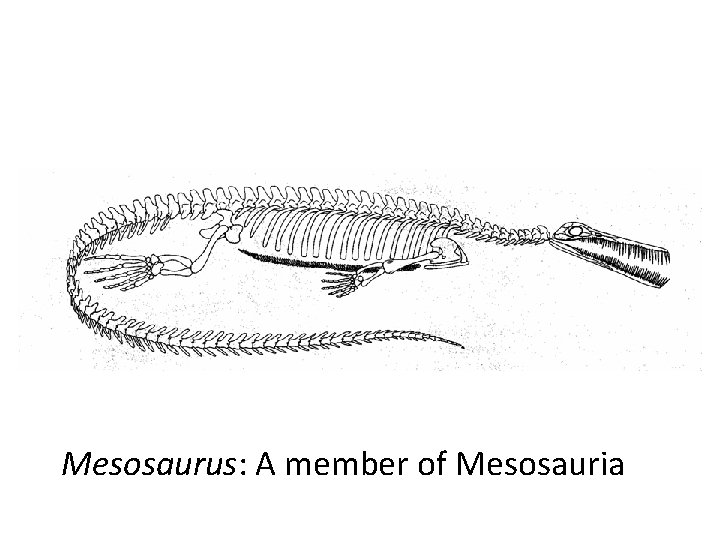
Mesosaurus: A member of Mesosauria
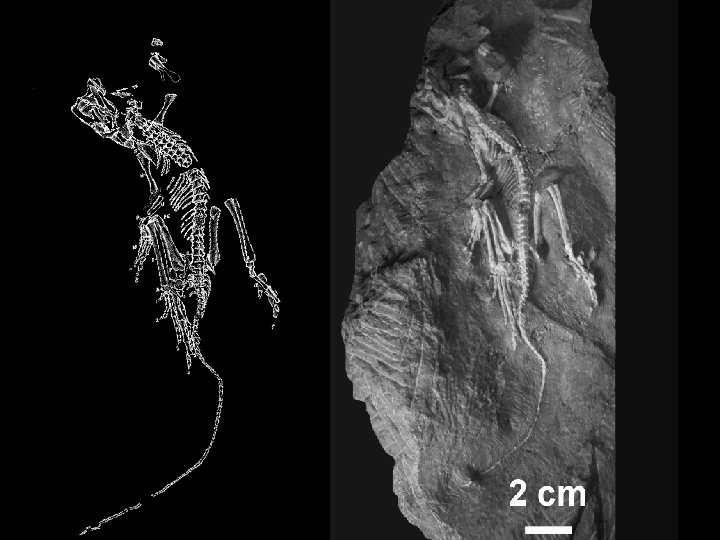
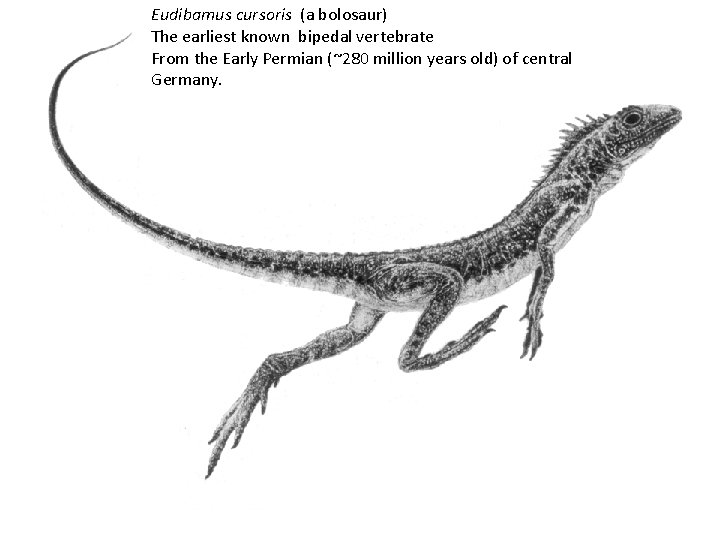
Eudibamus cursoris (a bolosaur) The earliest known bipedal vertebrate From the Early Permian (~280 million years old) of central Germany.
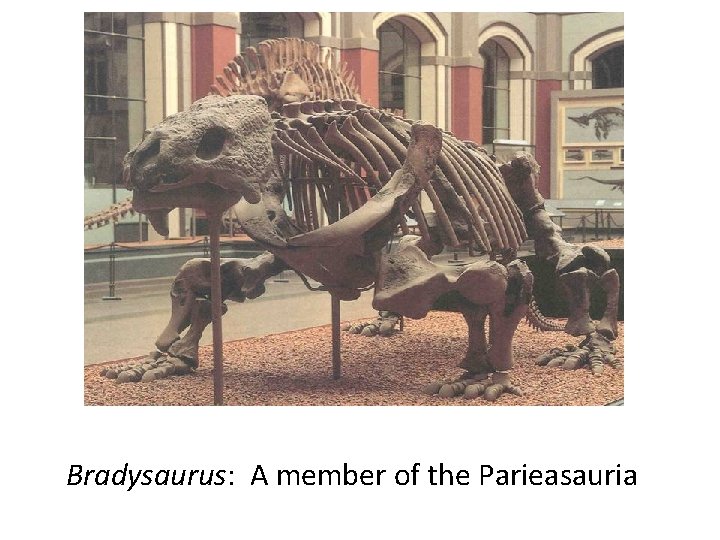
Bradysaurus: A member of the Parieasauria

Parieasaurs have lumpy, bumpy skulls Scutosaurus
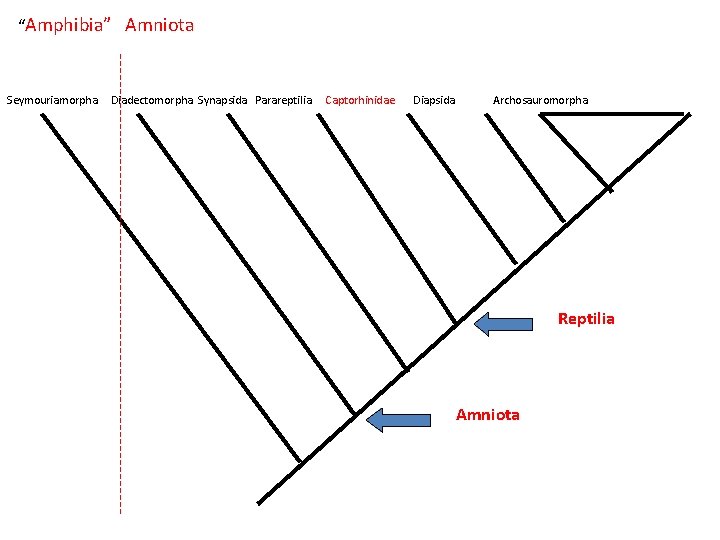
“Amphibia” Amniota Seymouriamorpha Diadectomorpha Synapsida Parareptilia Captorhinidae Diapsida Archosauromorpha Reptilia Amniota

Basal Captorhinid: Eocaptorhinus
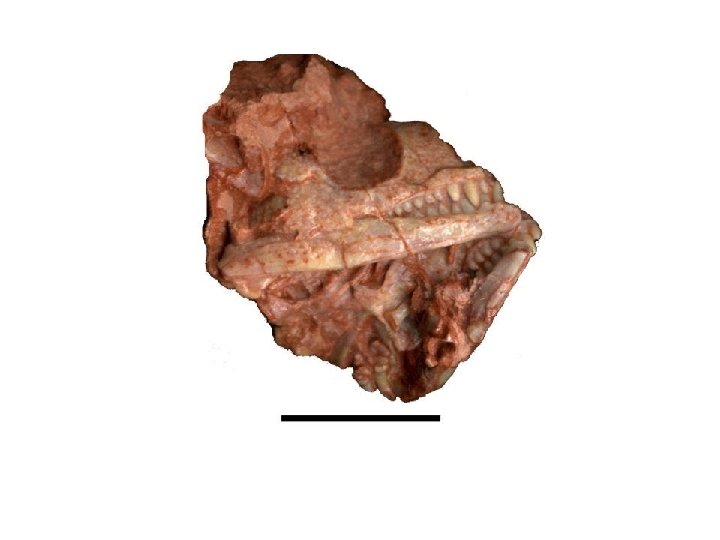
1 cm New taxon: (Albright, in prep) New, miniature, captorhinid with three rows of dentary and maxillary teeth.
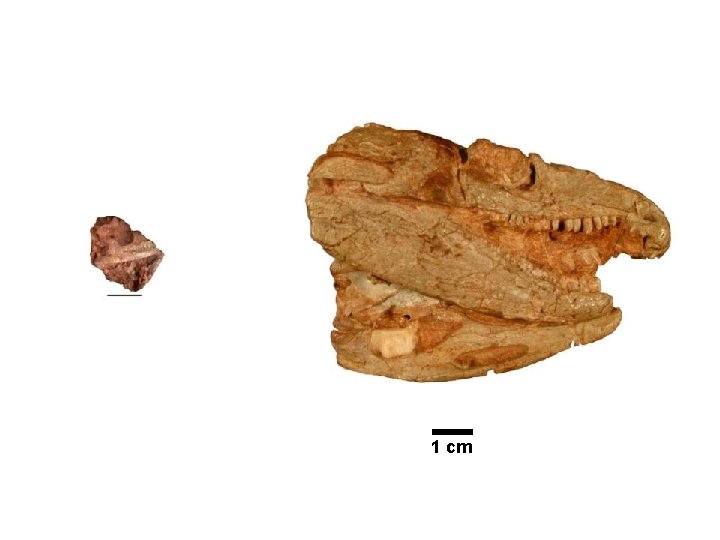
1 cm
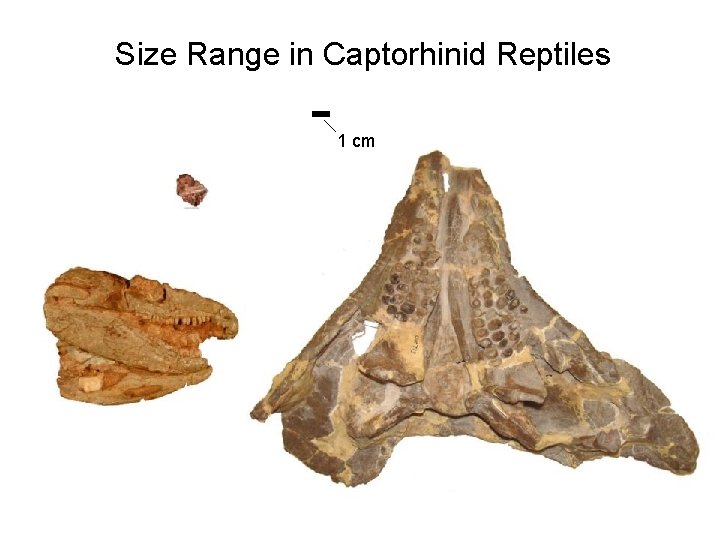
Size Range in Captorhinid Reptiles 1 cm New taxon (All specimens collected by Everett C. Olson. )
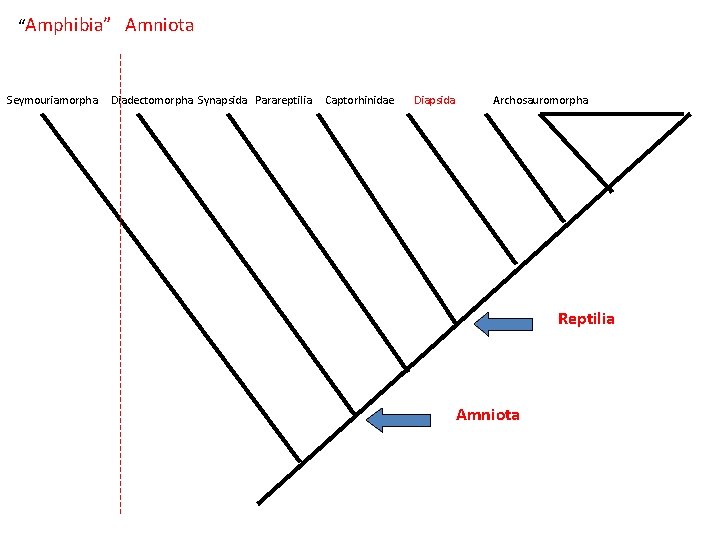
“Amphibia” Amniota Seymouriamorpha Diadectomorpha Synapsida Parareptilia Captorhinidae Diapsida Archosauromorpha Reptilia Amniota
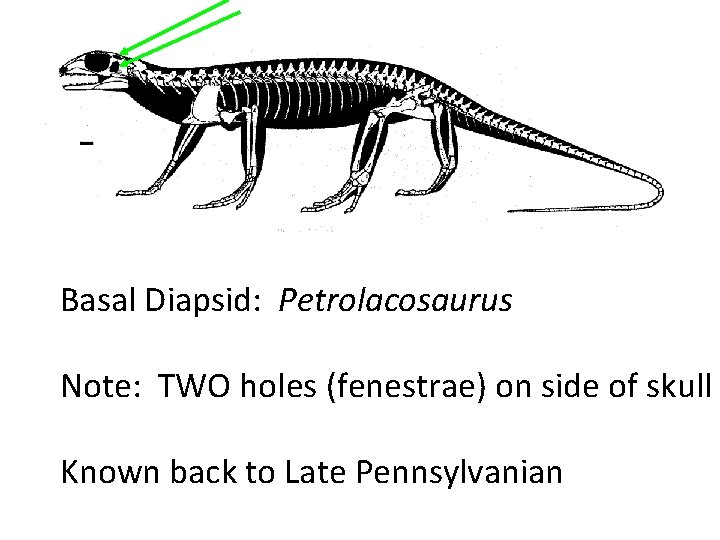
Basal Diapsid: Petrolacosaurus Note: TWO holes (fenestrae) on side of skull Known back to Late Pennsylvanian
Diapsida includes: • Many extinct forms • Squamata • Archosauromorpha Squamata includes living lizards and snakes.
- Slides: 41