
Structures and functions of the muscular system Bell
Structures and functions of the muscular system
Bell � What are the four types of bones where would one look to find each?
�The muscular system creates bodily movement, maintains posture, and produces heat. �The muscular system consists of three types of muscle tissue, which include skeletal, smooth, and cardiac.

�Muscles can be classified as voluntary or involuntary. �Voluntary muscles are under the control of the animal; involuntary muscles are not.
Skeletal �Skeletal muscle, or striated voluntary muscle, contracts to produce bodily movement. �existing under control of the somatic nervous system �As its name suggests, most skeletal muscle is attached to bones by bundles of collagen fibers known as tendons.

�A tendon is connective tissue that attaches muscle to bone. �Skeletal muscles are the largest component of red meat animal products
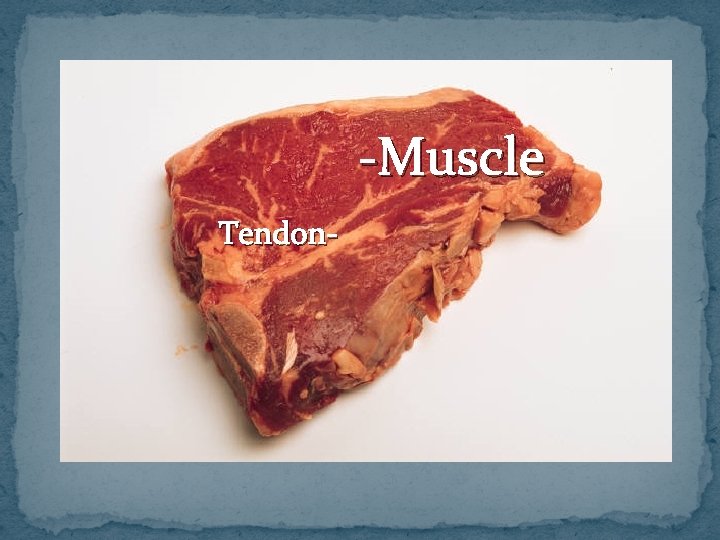
-Muscle Tendon-
Smooth �Smooth muscle, or unstriated involuntary muscle, is located in reproductive, digestive, and urinary organs. �Contraction of smooth muscle is involuntary and is necessary for proper functioning of internal organs. �Smooth muscle is fundamentally different from skeletal muscle and cardiac muscle in terms of structure, function, regulation of contraction, and excitation-contraction coupling
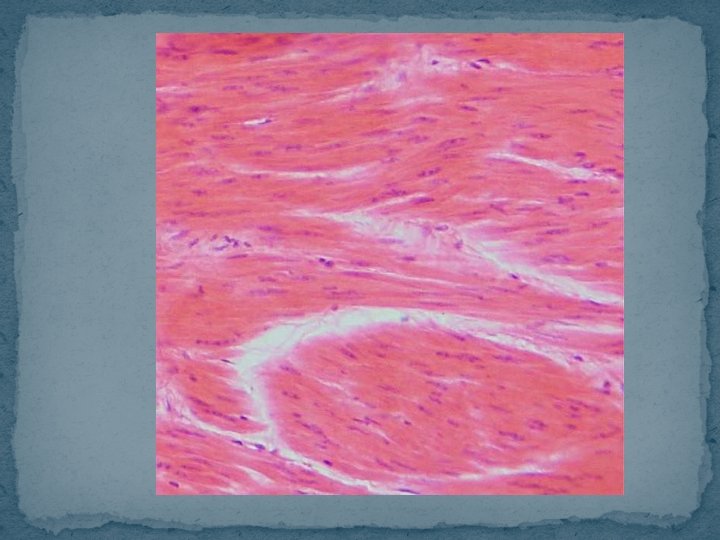
Smooth muscle is found in many places �Small arteries, veins, and lymphatic vessels, the urinary bladder, uterus, male and female reproductive tracts, gastrointestinal tract, respiratory tract, and iris of the eye to name a few.
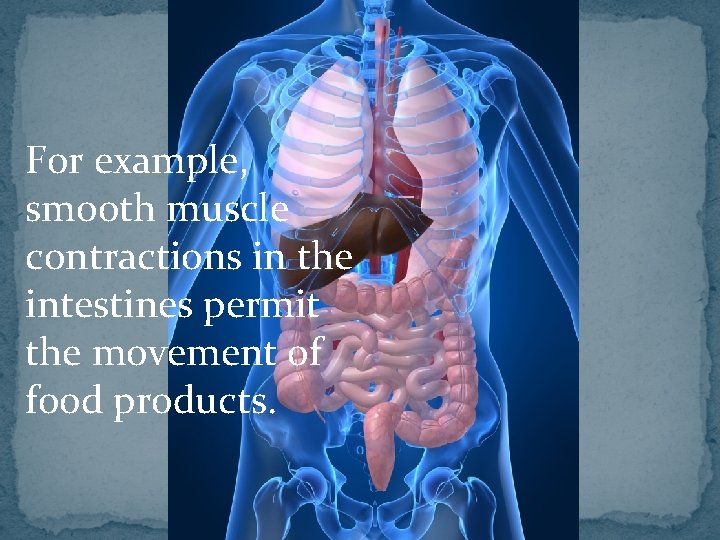
For example, smooth muscle contractions in the intestines permit the movement of food products.
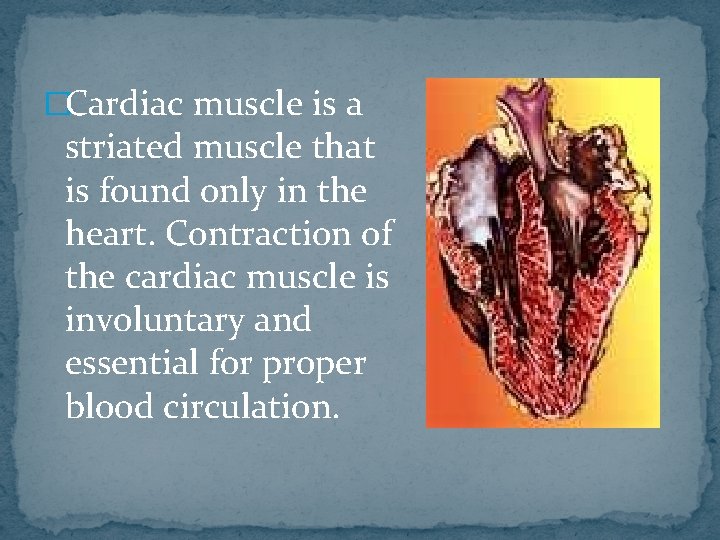
�Cardiac muscle is a striated muscle that is found only in the heart. Contraction of the cardiac muscle is involuntary and essential for proper blood circulation.
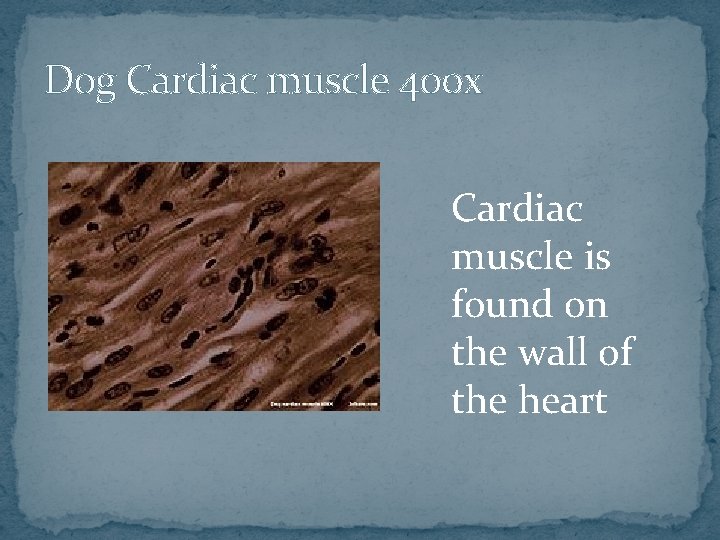
Dog Cardiac muscle 400 x Cardiac muscle is found on the wall of the heart
�Cardiac muscle shares similarities with skeletal muscle with regard to its striated appearance and contraction, with both differing significantly from smooth muscle cells.
- Slides: 14