
Structure of the Earth Tectonic plates Boundaries Core
Structure of the Earth Tectonic plates Boundaries.


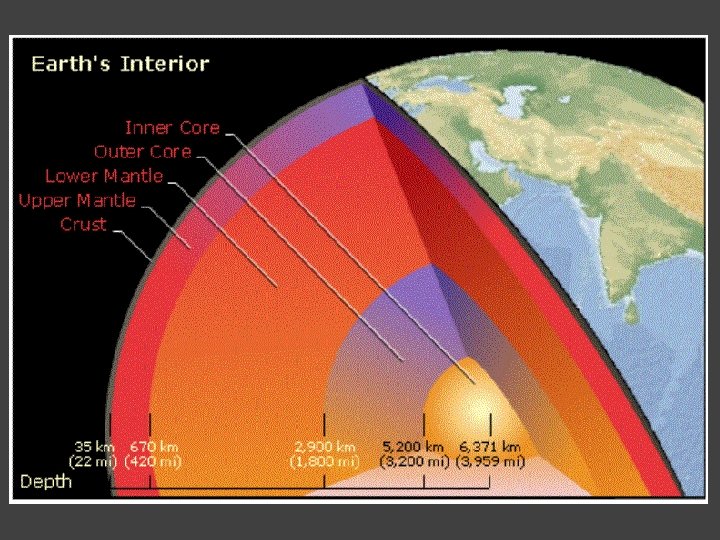
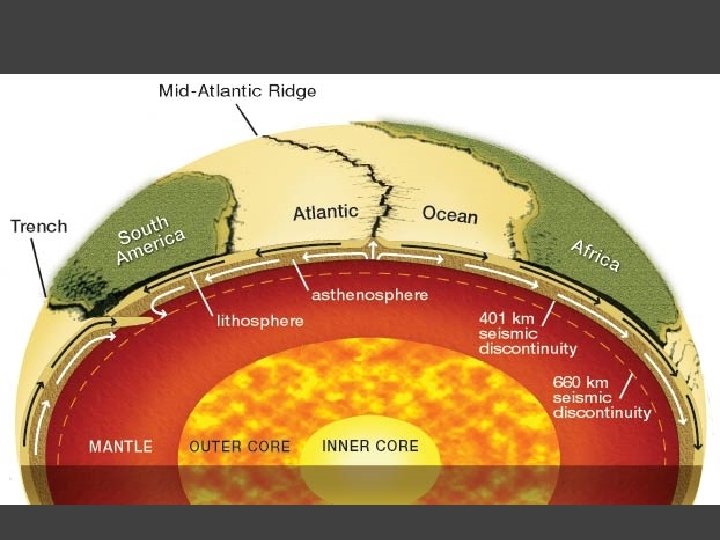
Core, mantle, and crust.

Solid inner core, molten outer core.
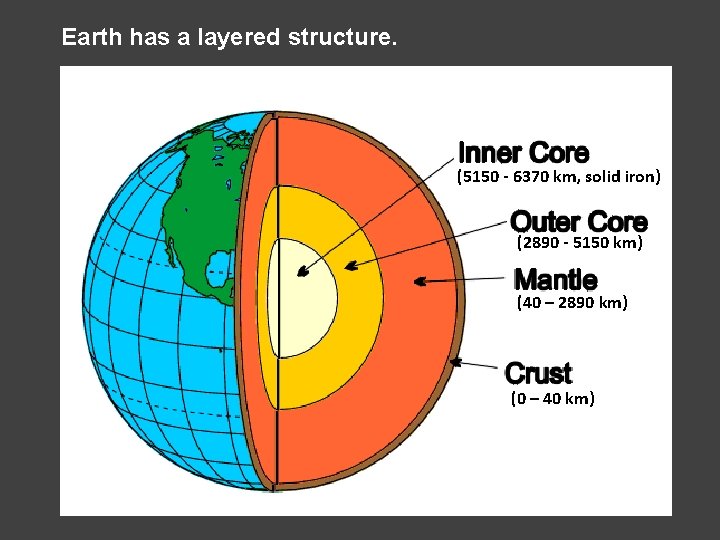
Earth has a layered structure. (5150 - 6370 km, solid iron) (2890 - 5150 km) (40 – 2890 km) (0 – 40 km)

Internal temperature.

Density gradient.

Outer Asthenophere, inner Mesosphere.
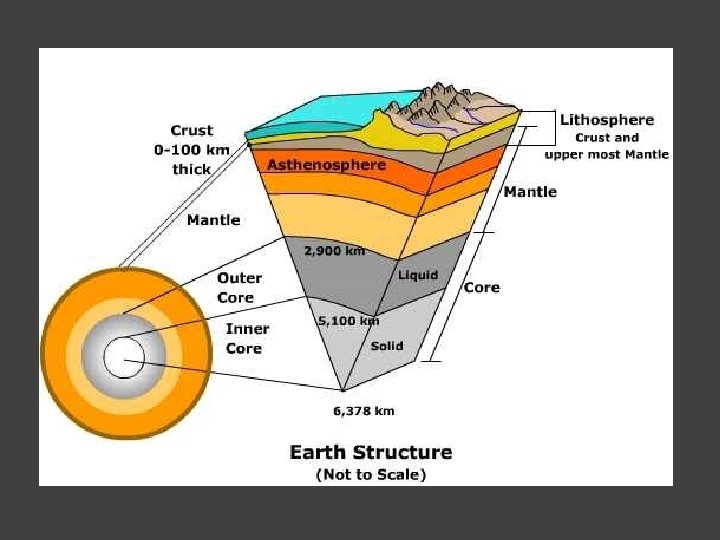

Lithosphere.
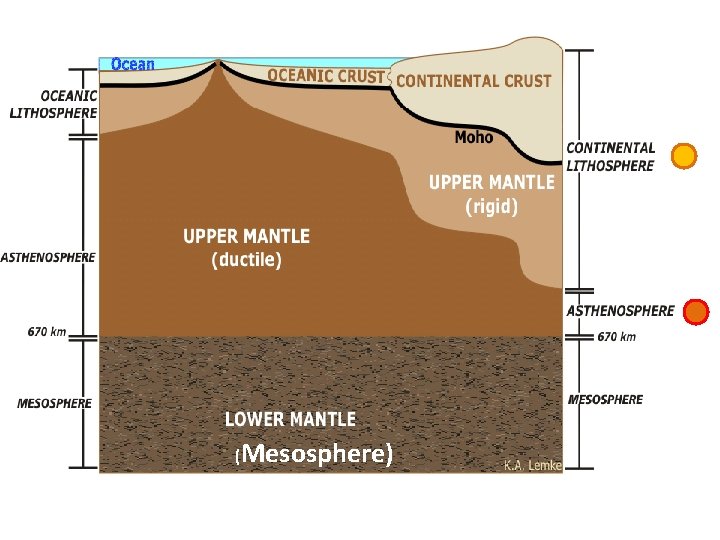
(Mesosphere)
Crust is broken up into plates.
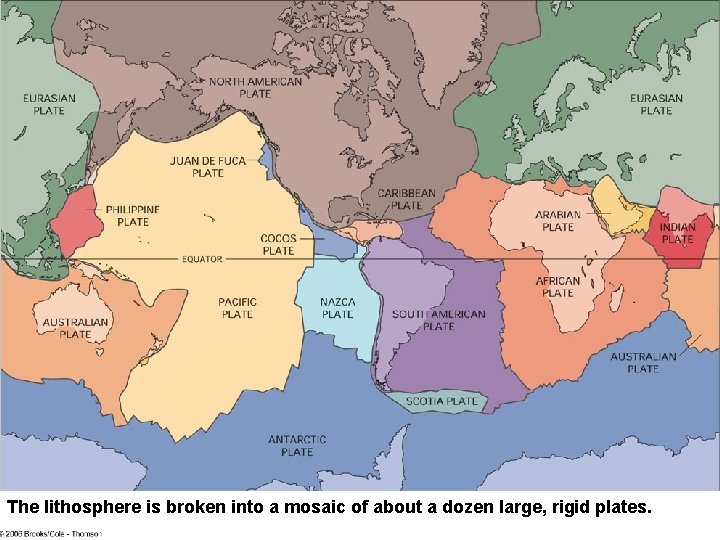
The lithosphere is broken into a mosaic of about a dozen large, rigid plates.
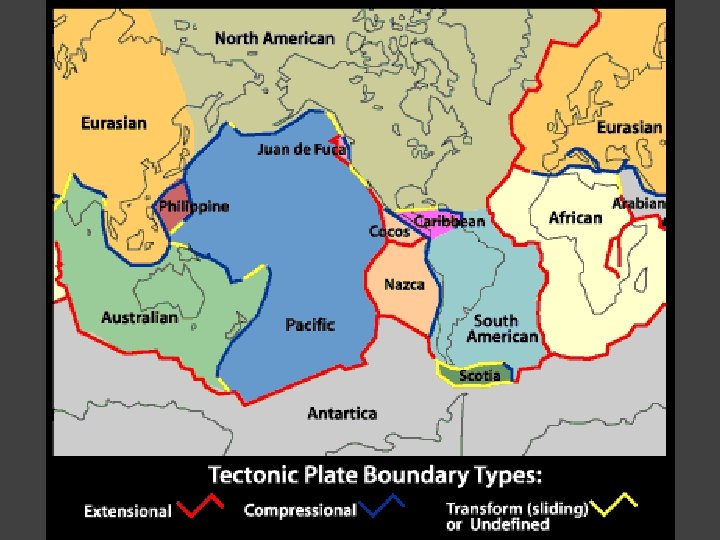
Plate tectonics: convection currents.
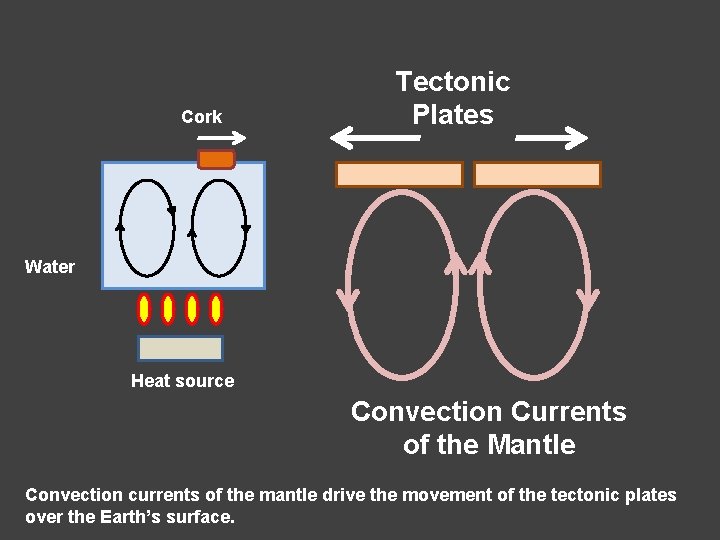
Cork Tectonic Plates Water Heat source Convection Currents of the Mantle Convection currents of the mantle drive the movement of the tectonic plates over the Earth’s surface.

Convection currents of the mantle.
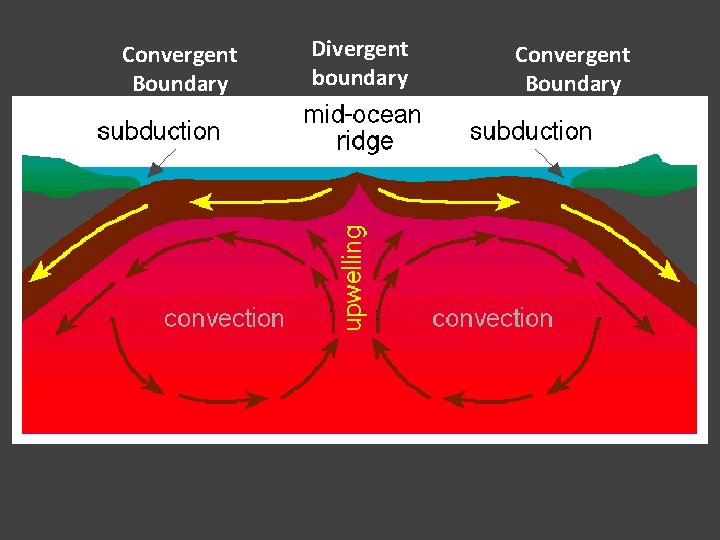
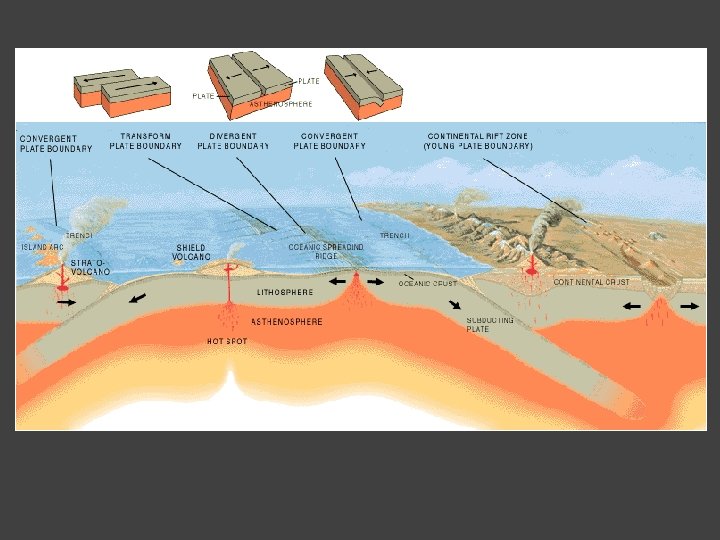
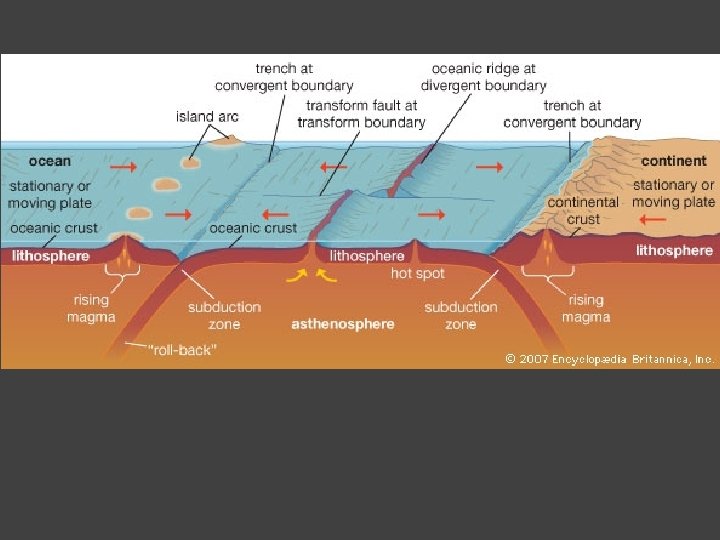
Convergent Boundary Divergent boundary Convergent Boundary
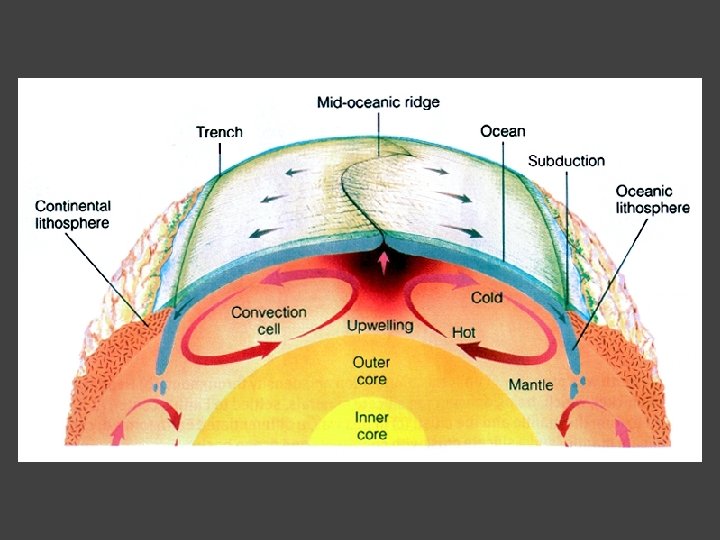

Core, mantle, and crust.
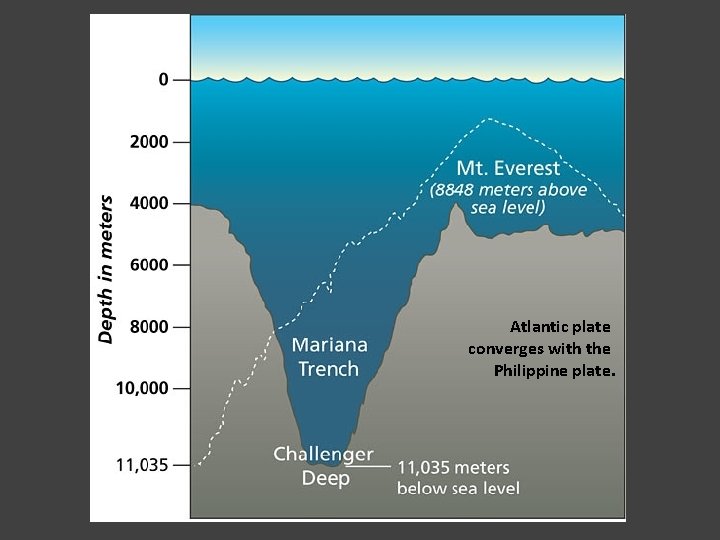
Atlantic plate converges with the Philippine plate.

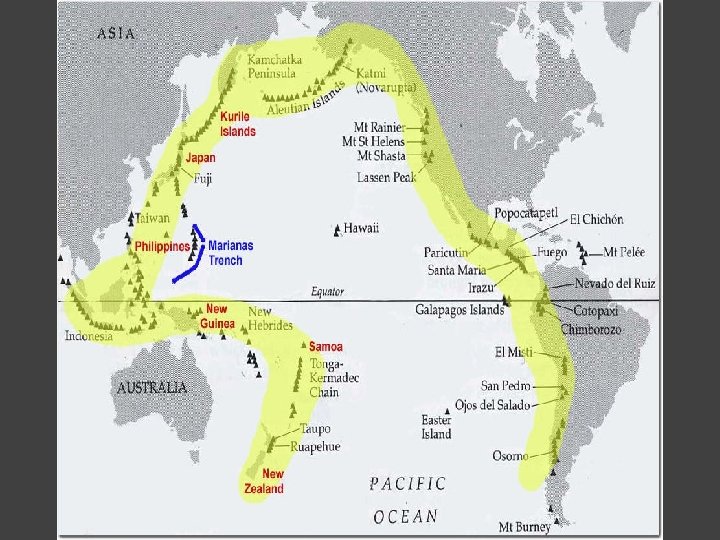
Ring of Fire.
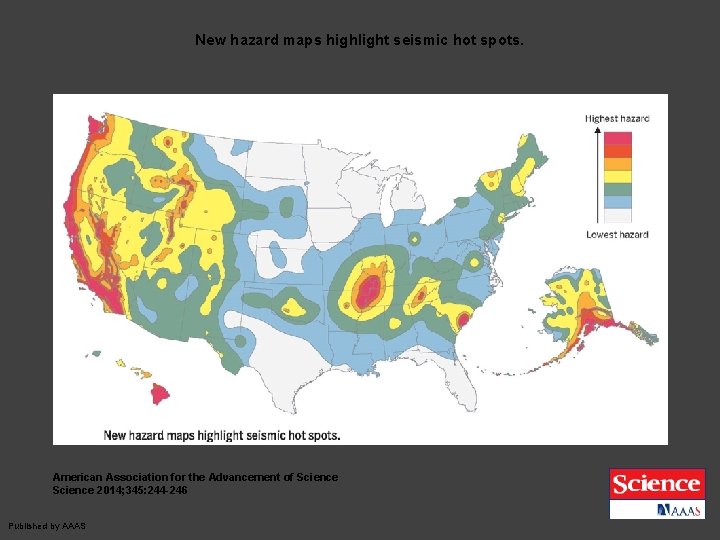
New hazard maps highlight seismic hot spots. American Association for the Advancement of Science 2014; 345: 244 -246 Published by AAAS
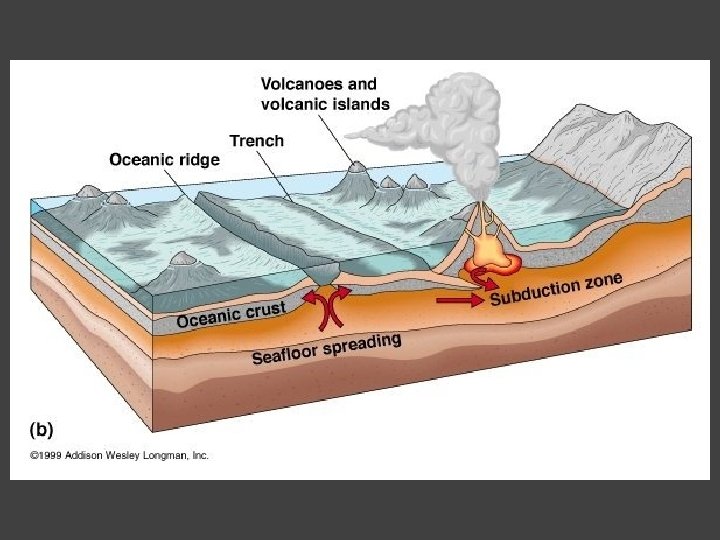
Divergent and convergent boundaries.
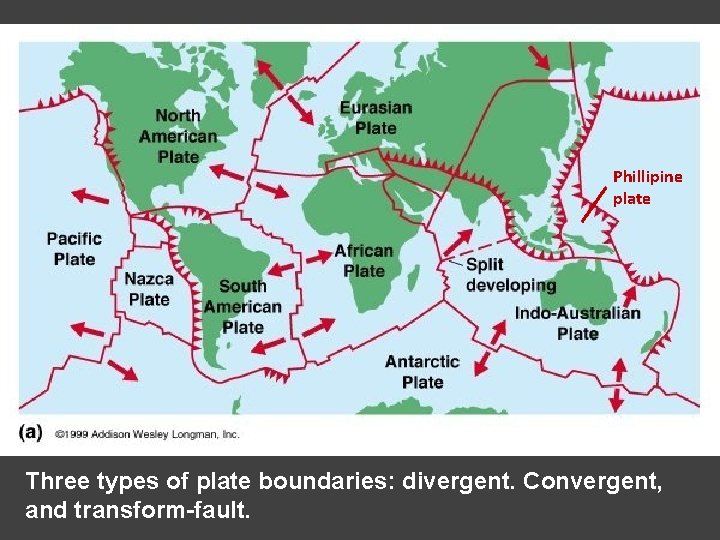
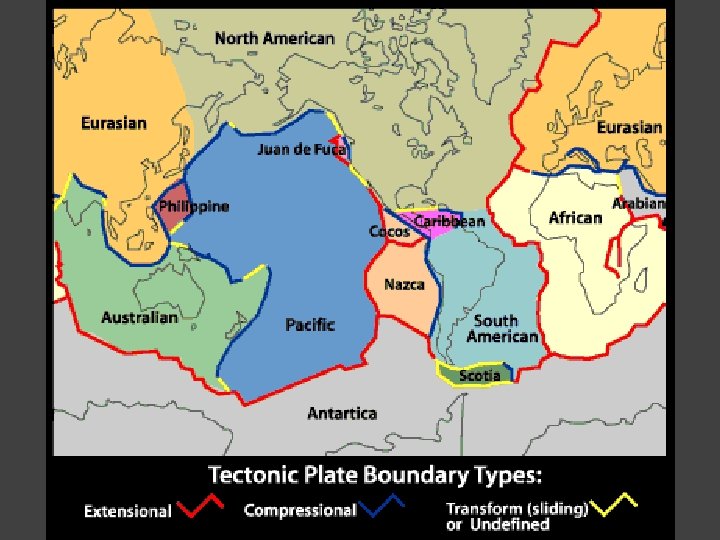
Phillipine plate Three types of plate boundaries: divergent. Convergent, and transform-fault.
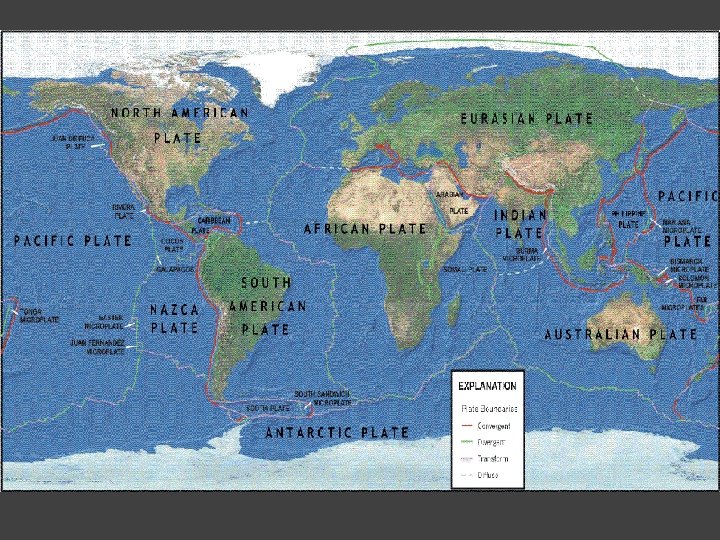

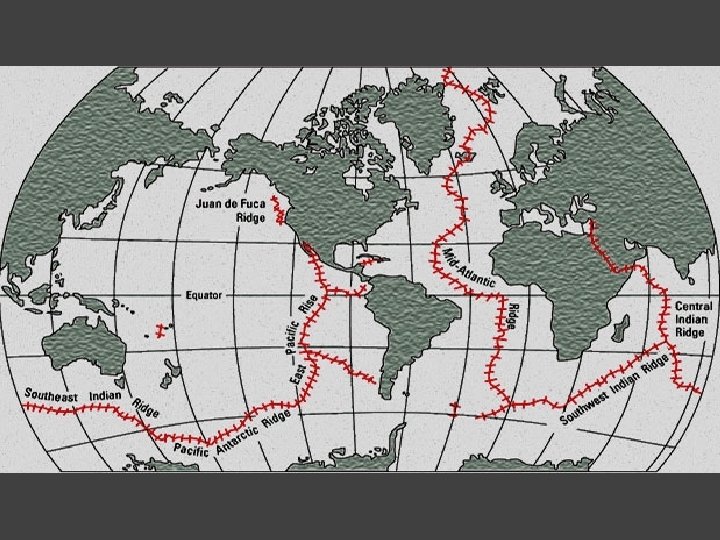
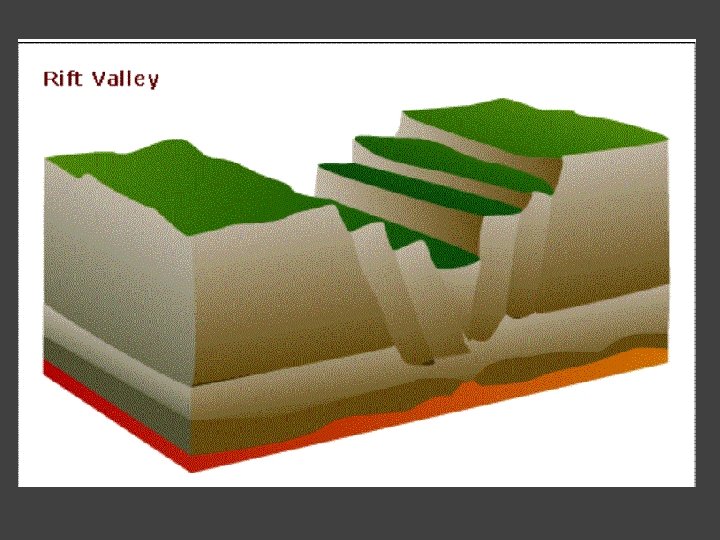
Divergent boundarfies.

Mid-Atlantic Ridge.
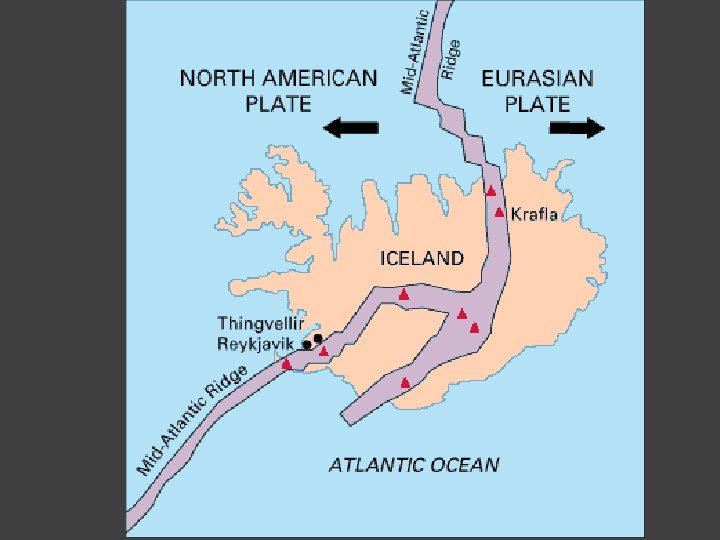
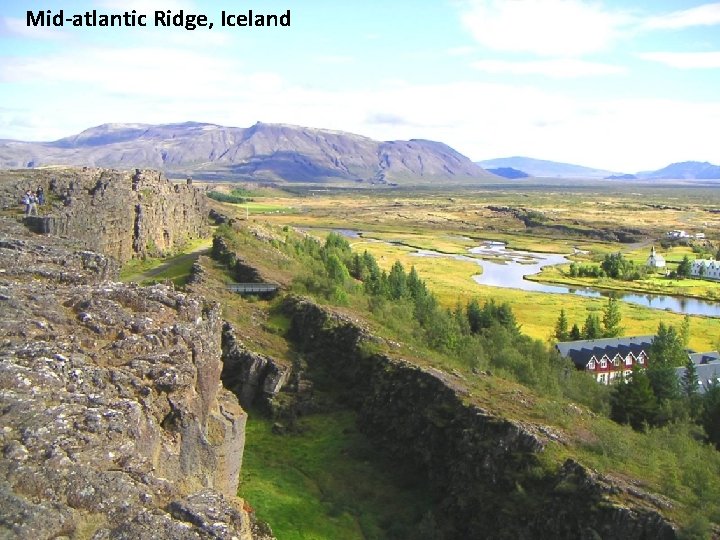
Mid-atlantic Ridge, Iceland
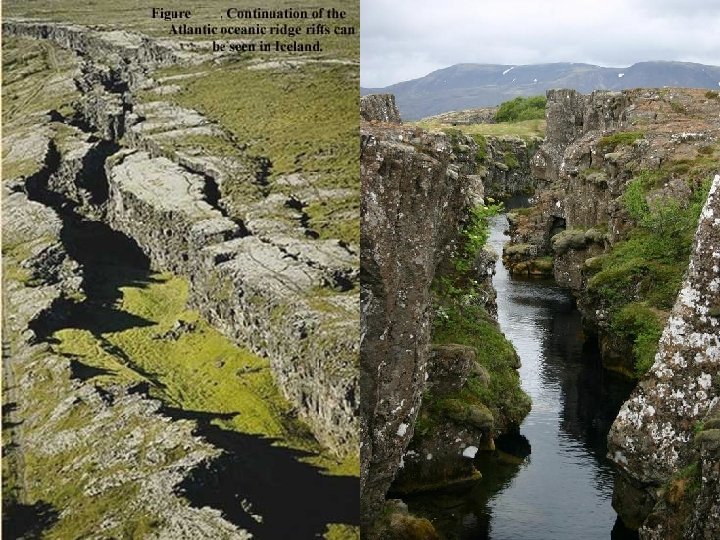
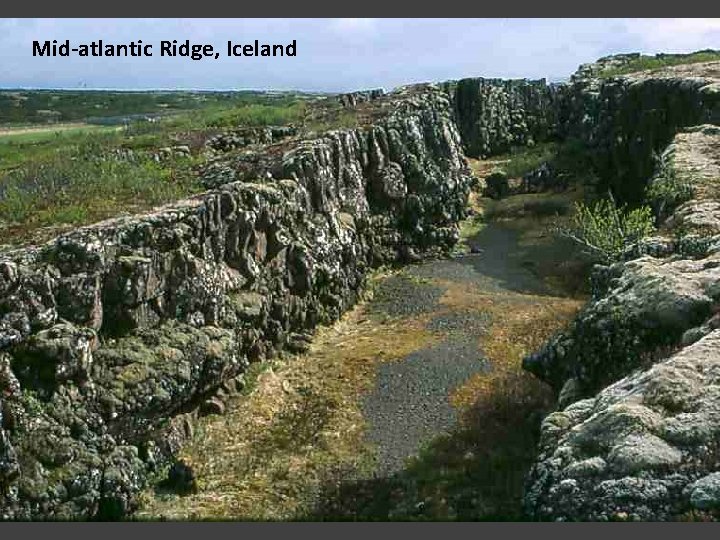
Mid-atlantic Ridge, Iceland

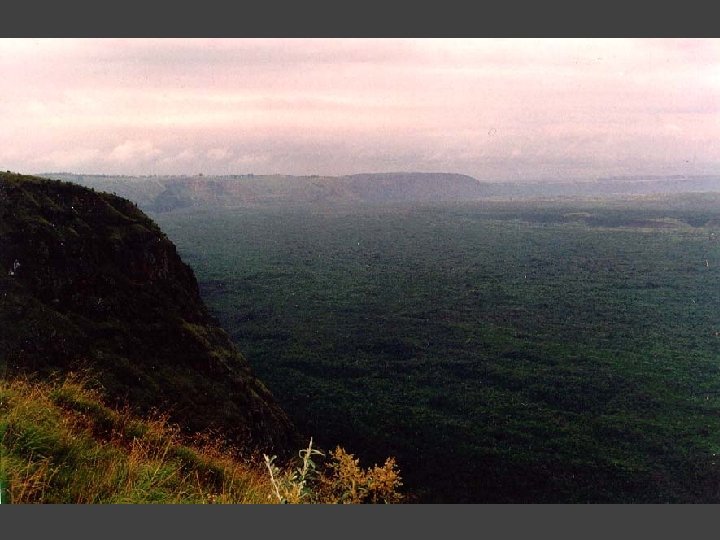
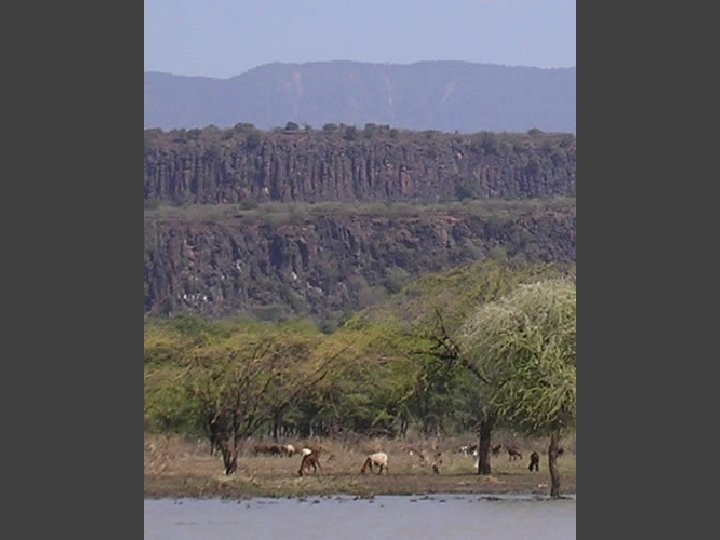
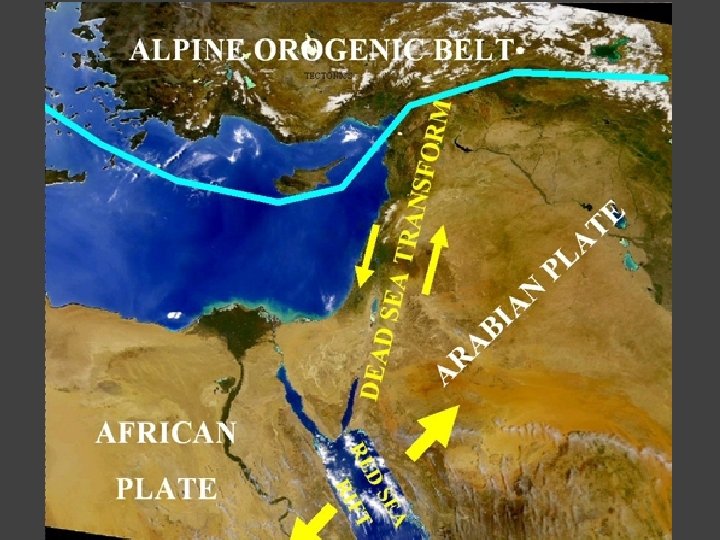
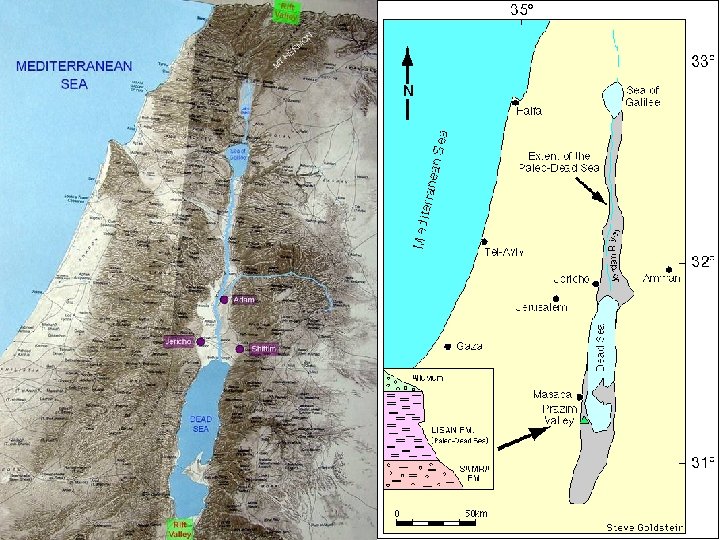
East African Rift Valley.
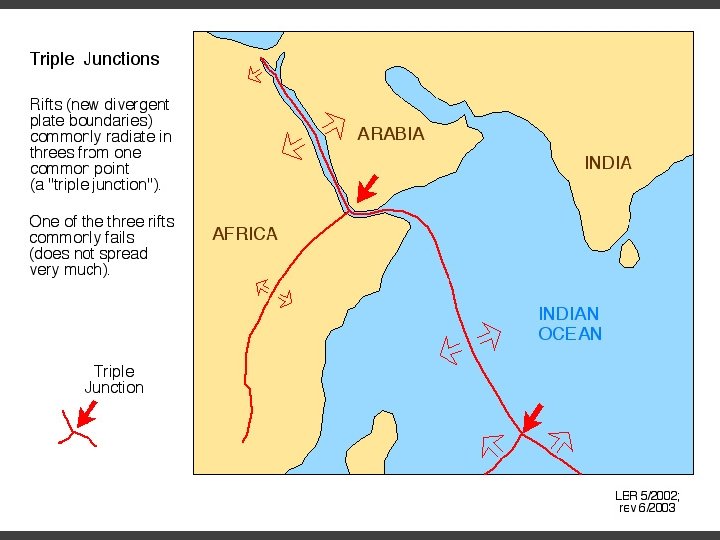
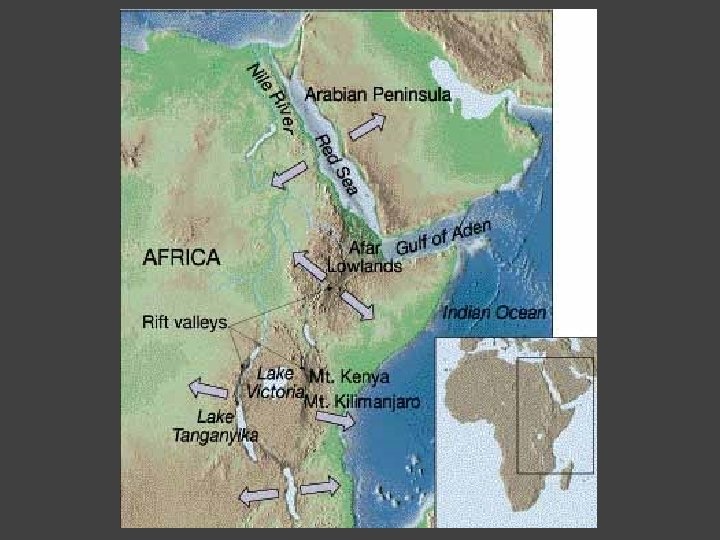
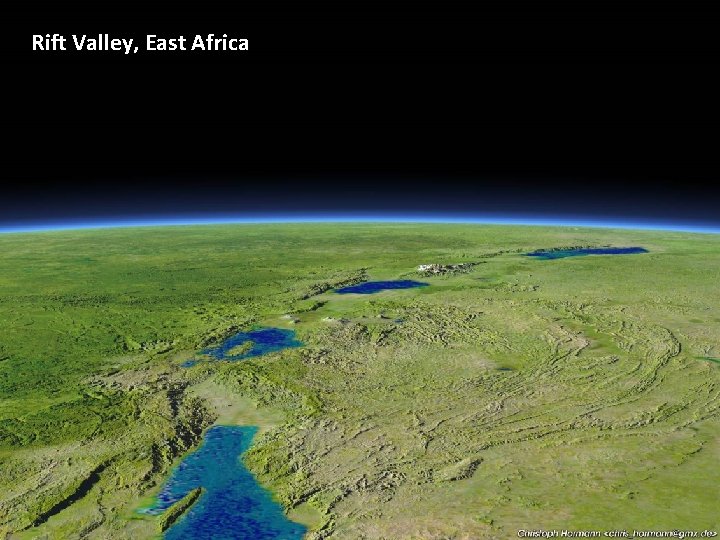
Rift Valley, East Africa
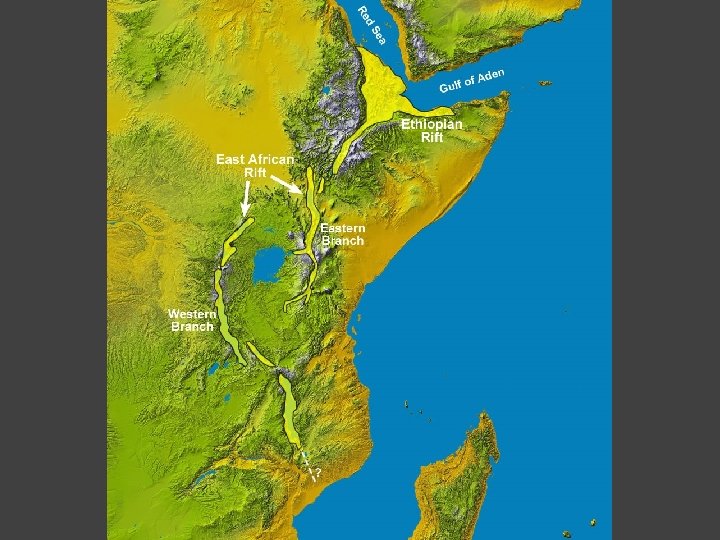
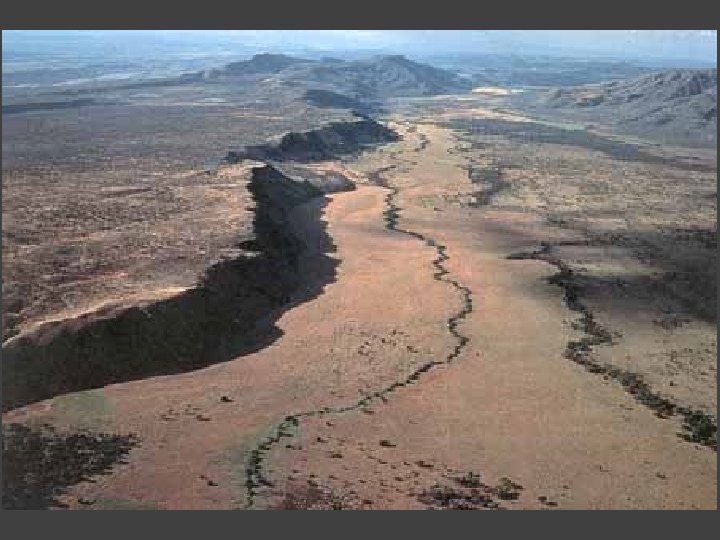
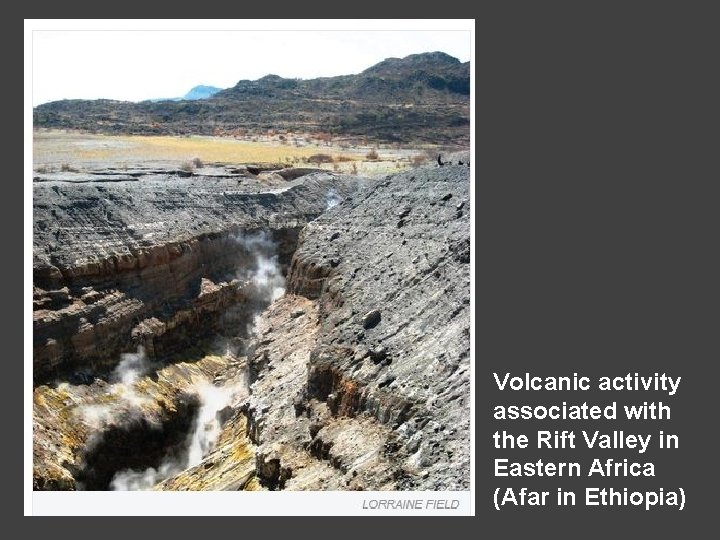
Volcanic activity associated with the Rift Valley in Eastern Africa (Afar in Ethiopia)
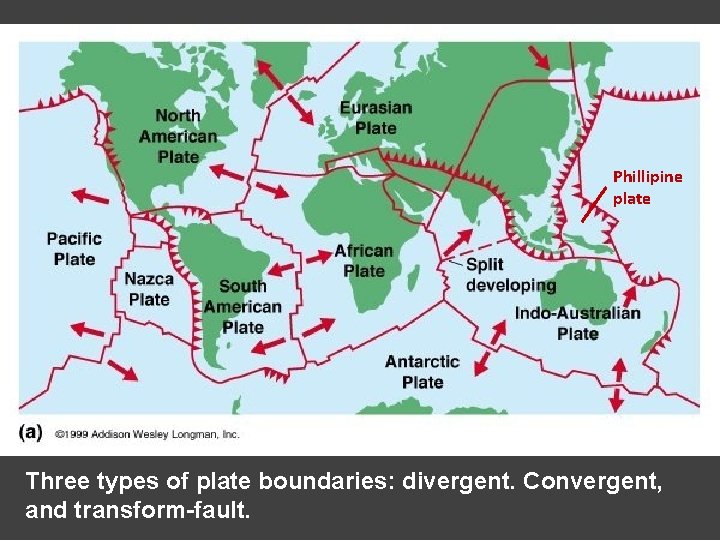
Phillipine plate Three types of plate boundaries: divergent. Convergent, and transform-fault.
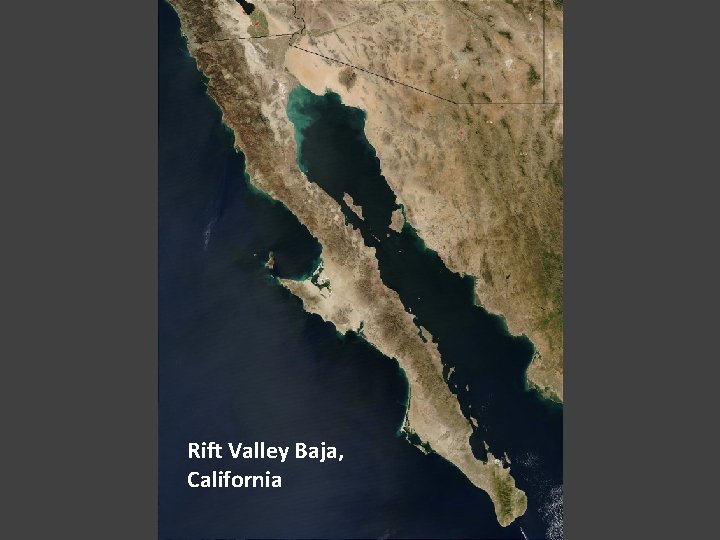
Rift Valley Baja, California

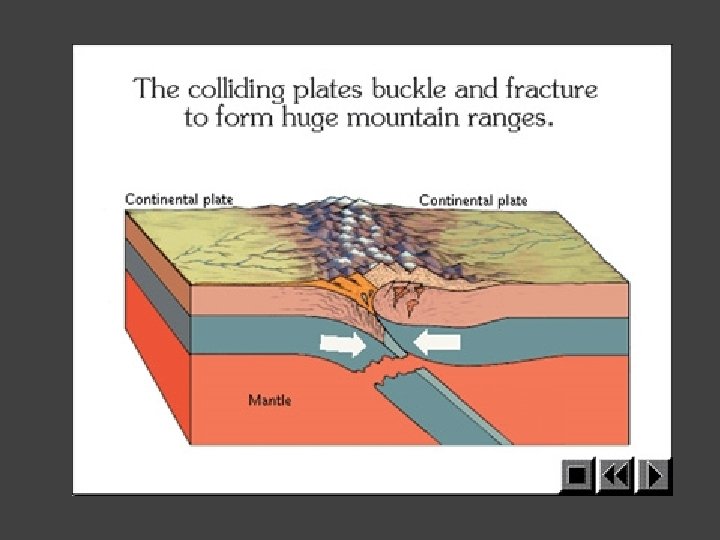
Convergent boundaries.
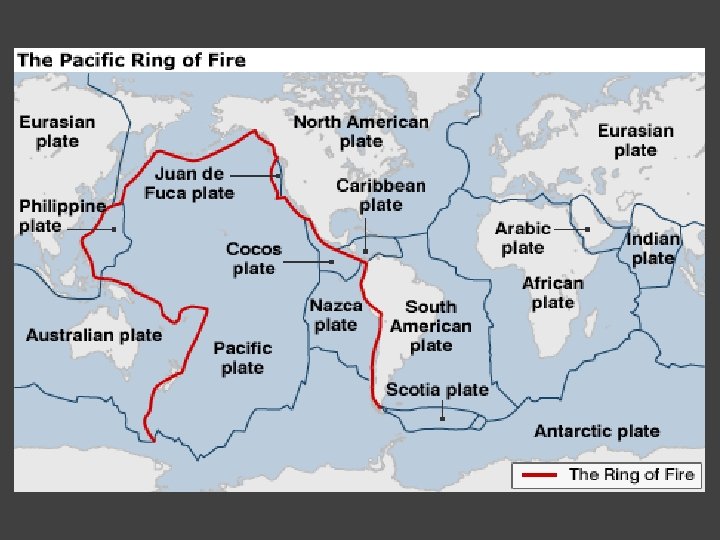
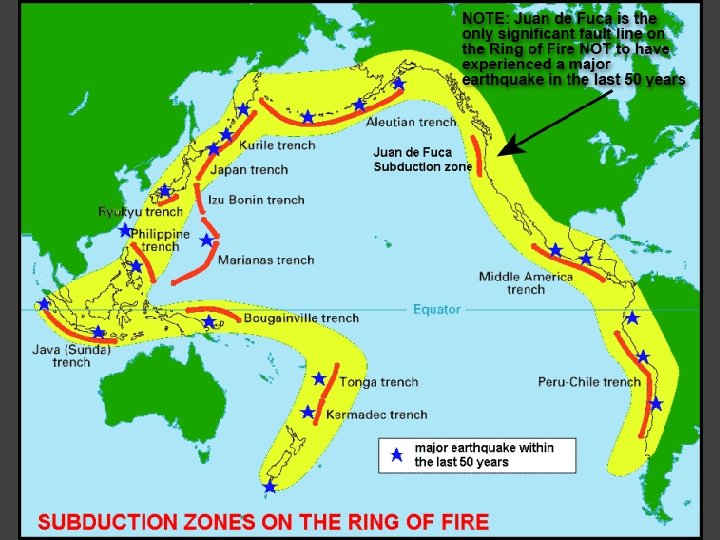
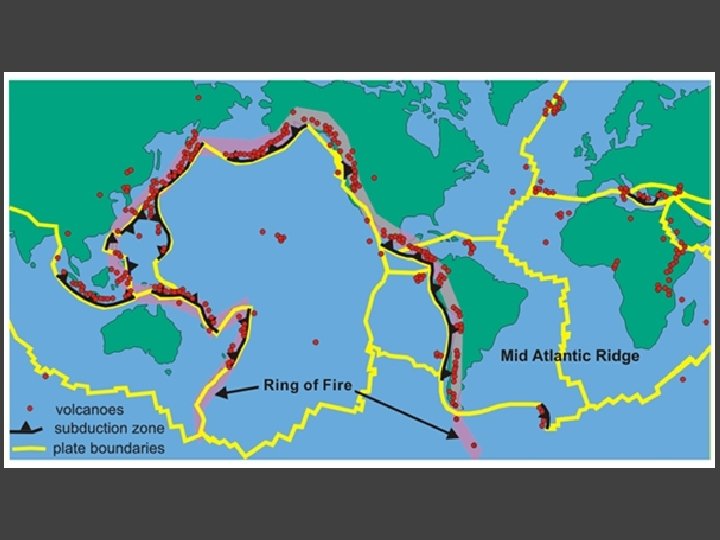
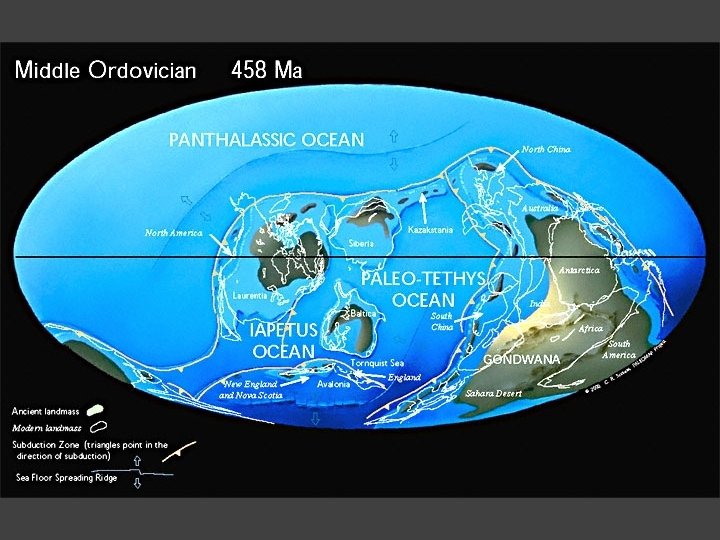
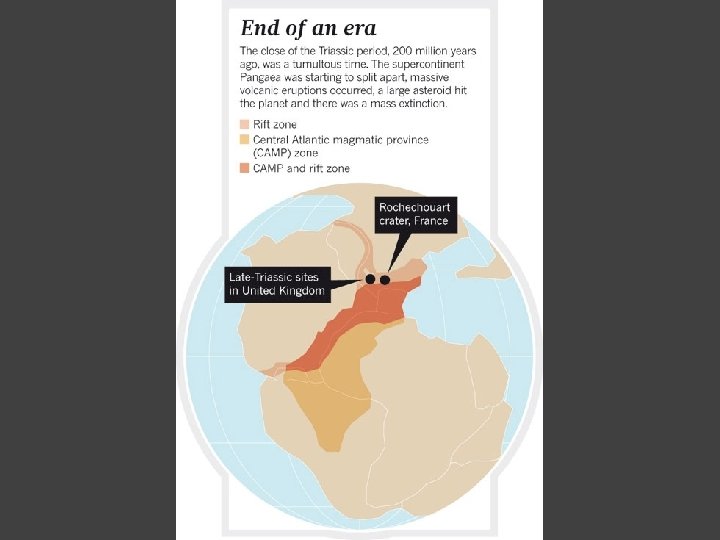
Plate Tectonics: continental drift.
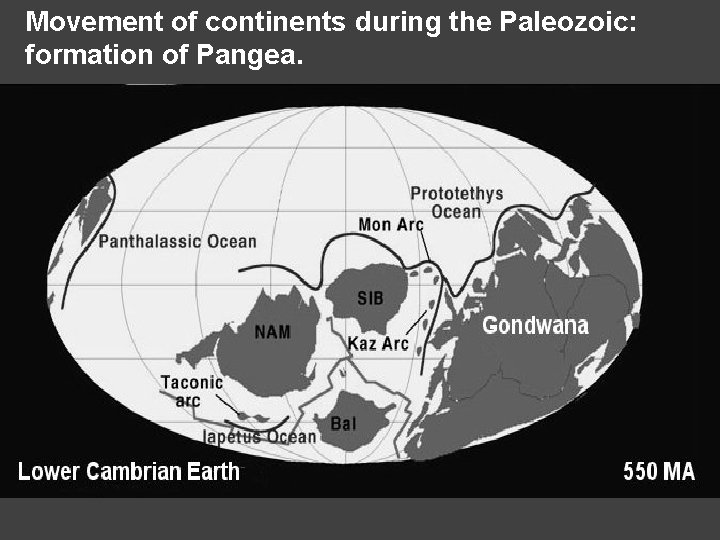
Movement of continents during the Paleozoic: formation of Pangea.
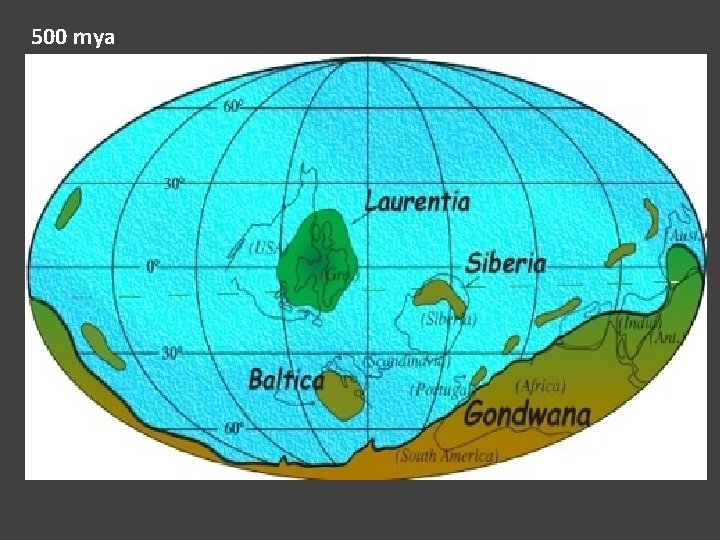
500 mya
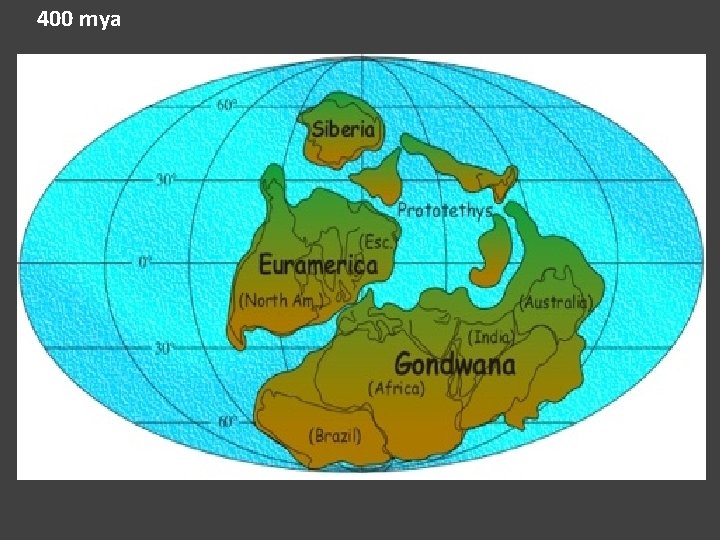
400 mya
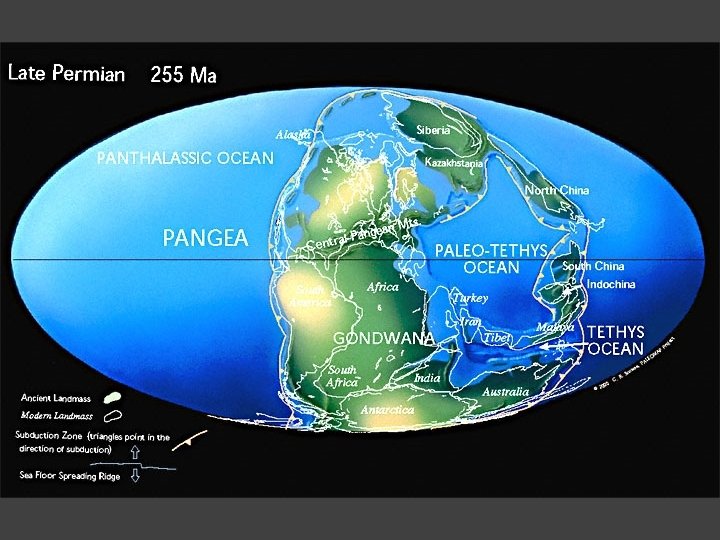
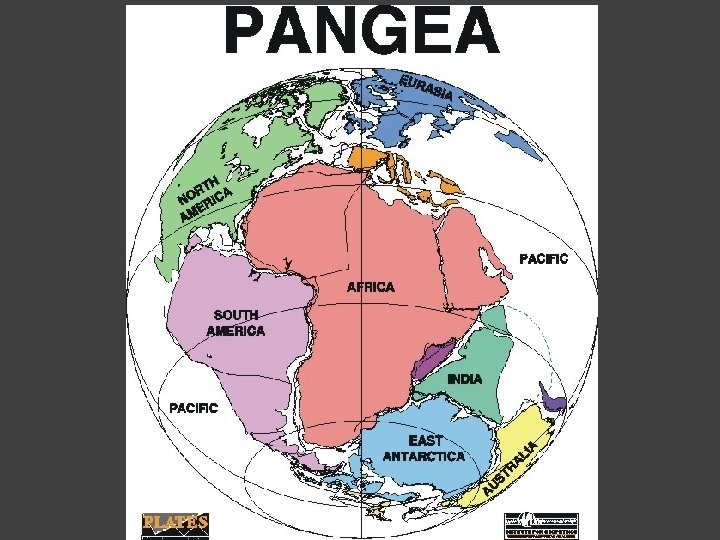
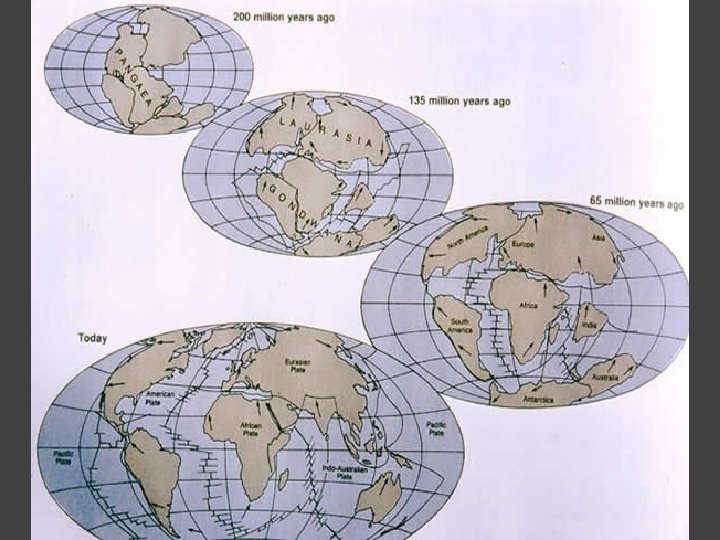
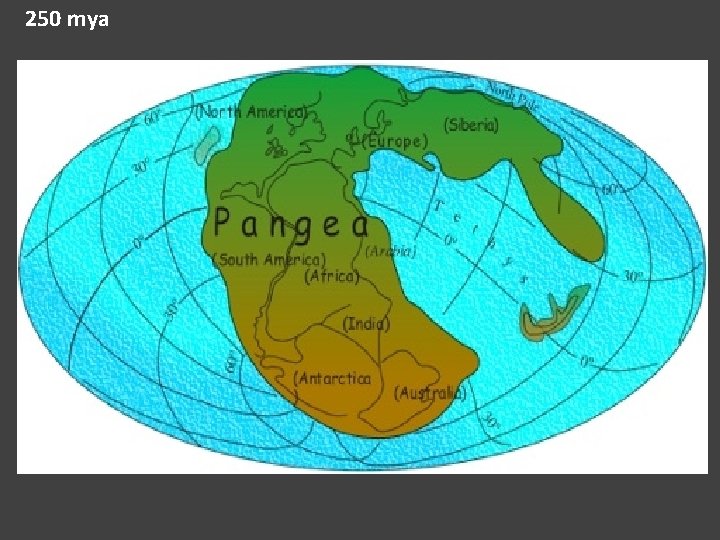
250 mya
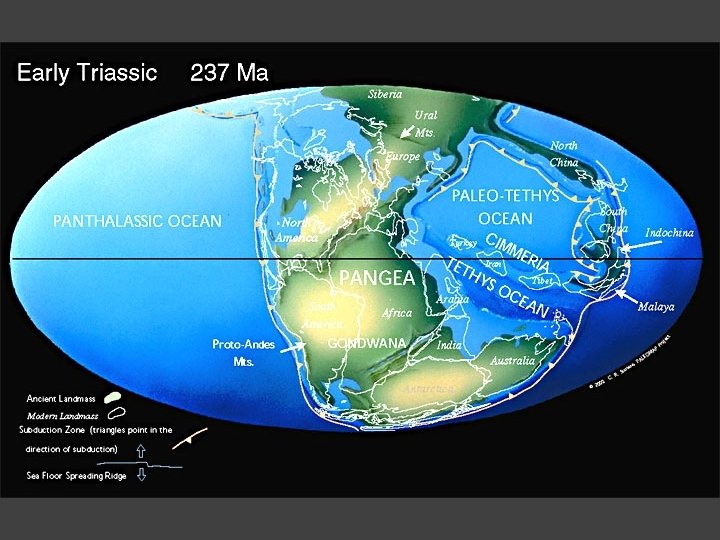
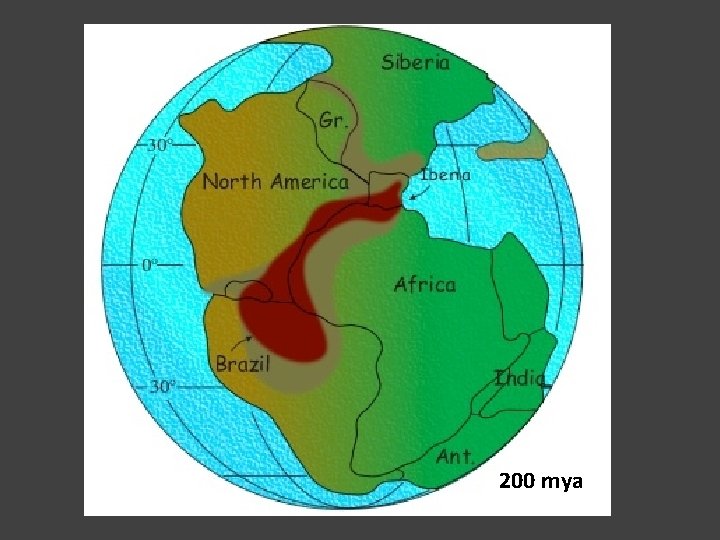
200 mya
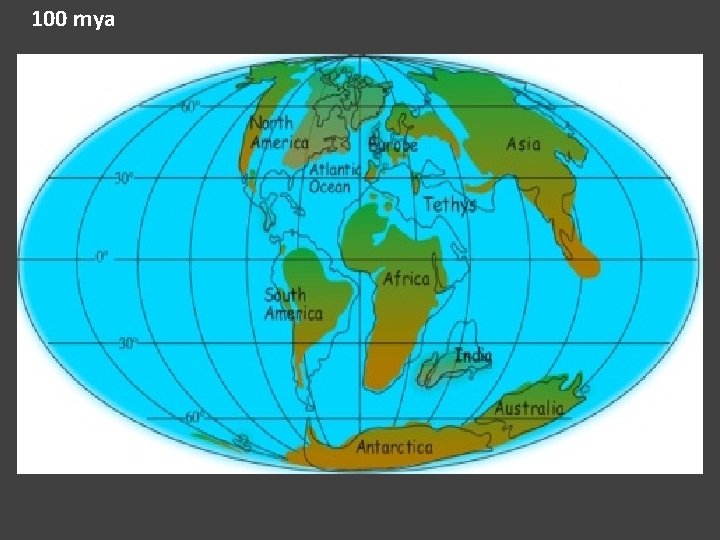
100 mya
- Slides: 75